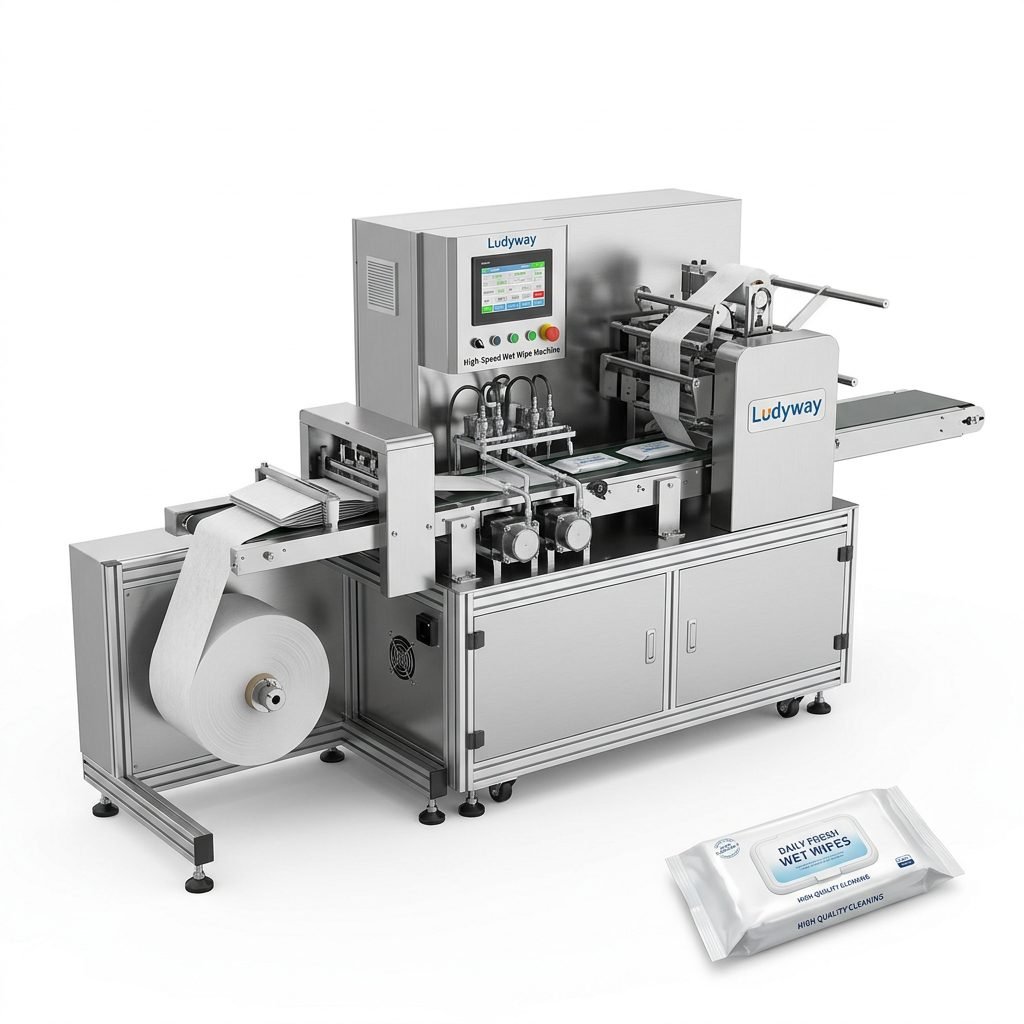
In today’s fast-paced manufacturing landscape, modern packaging machinery is the backbone of efficient, reliable, and high-quality production. From food and pharmaceuticals to health products, the right packaging system can significantly impact productivity, product integrity, and overall business success. This guide explores the various types of packaging machinery, their key features, and provides a clear framework for selecting the ideal system for your specific needs.
Understanding the Different Types of Packaging Machinery
The world of packaging machinery is diverse, with each type designed for specific product forms and production volumes. Understanding these categories is the first step in making an informed decision.
Primary Packaging Systems
These machines handle the direct containment of the product. They are often the core of the packaging line and define the final package format.
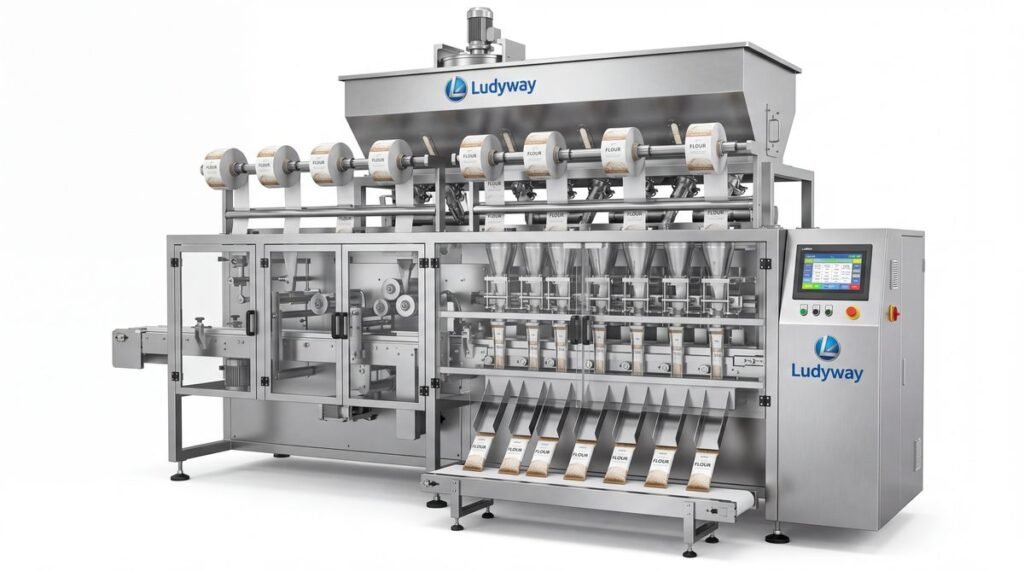
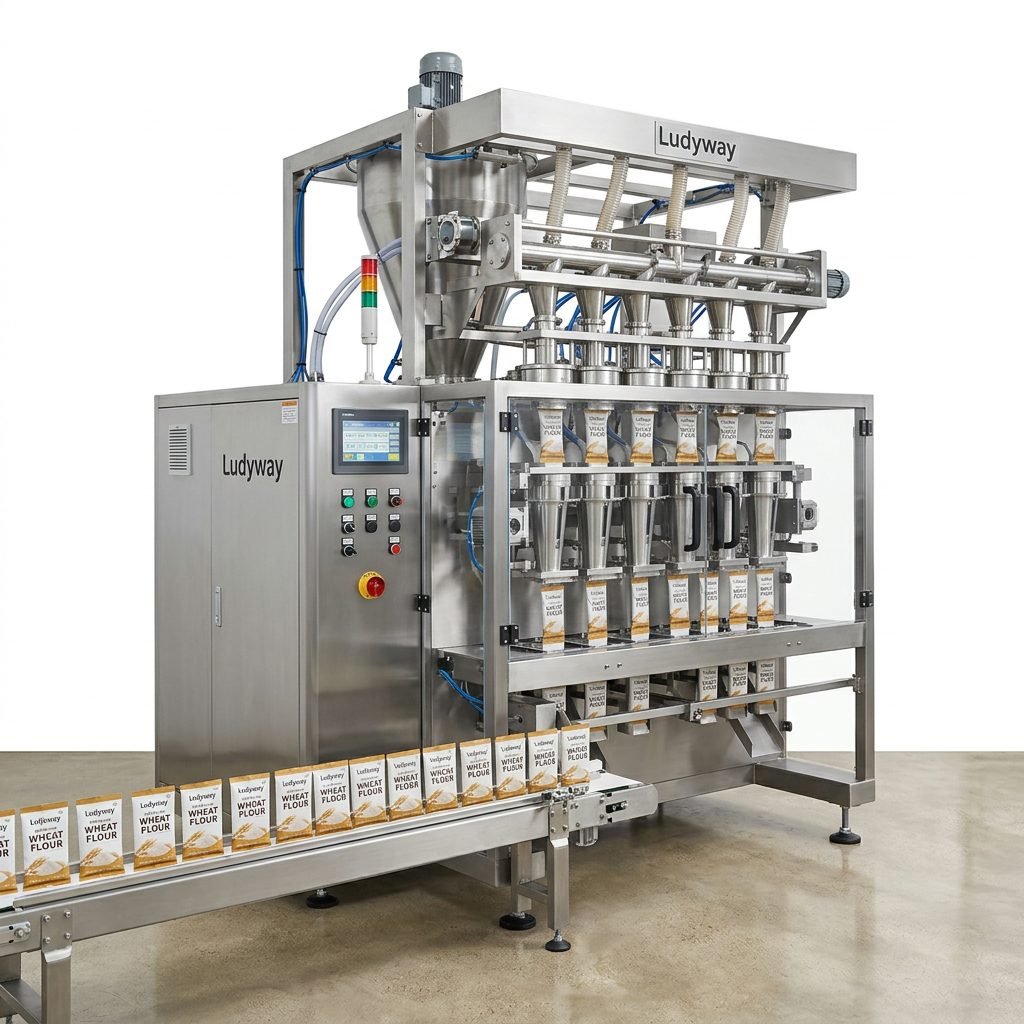
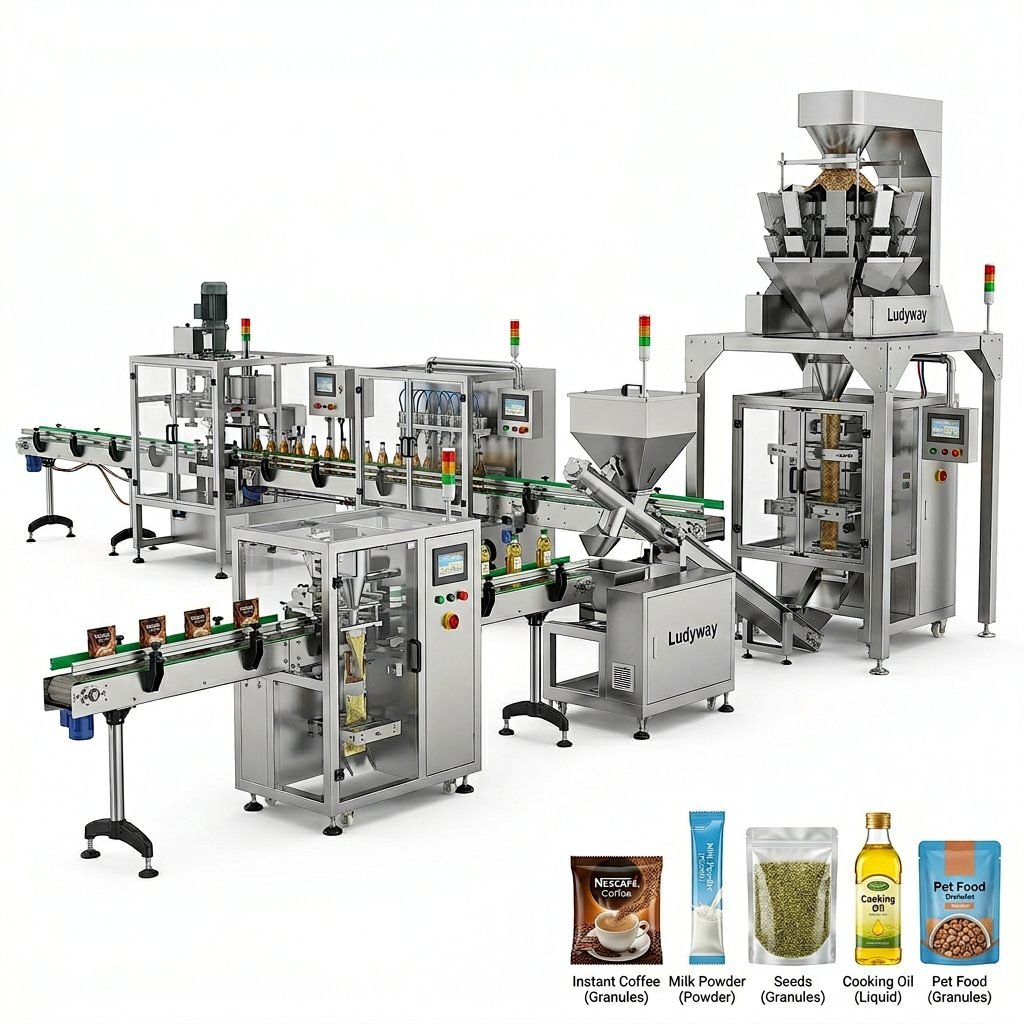
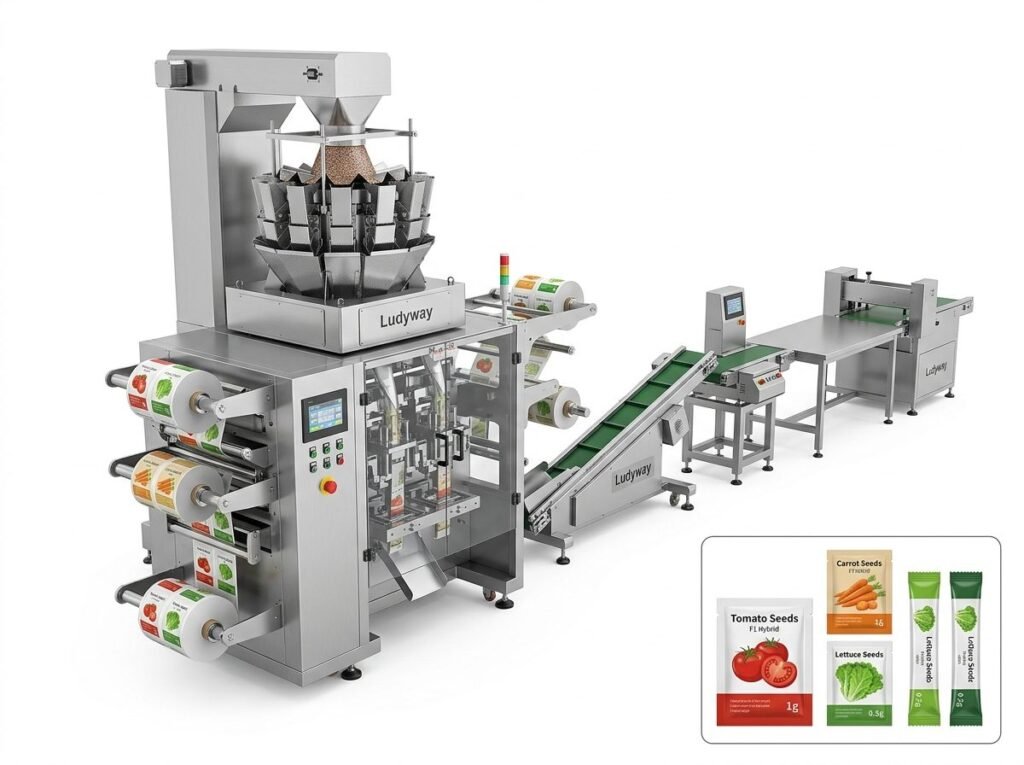
Vertical Form-Fill-Seal (VFFS) Machines: Extremely versatile, these machines form a bag from a roll of film, fill it with product, and seal it—all in one continuous vertical operation. Ideal for granules, powders, and small solids.
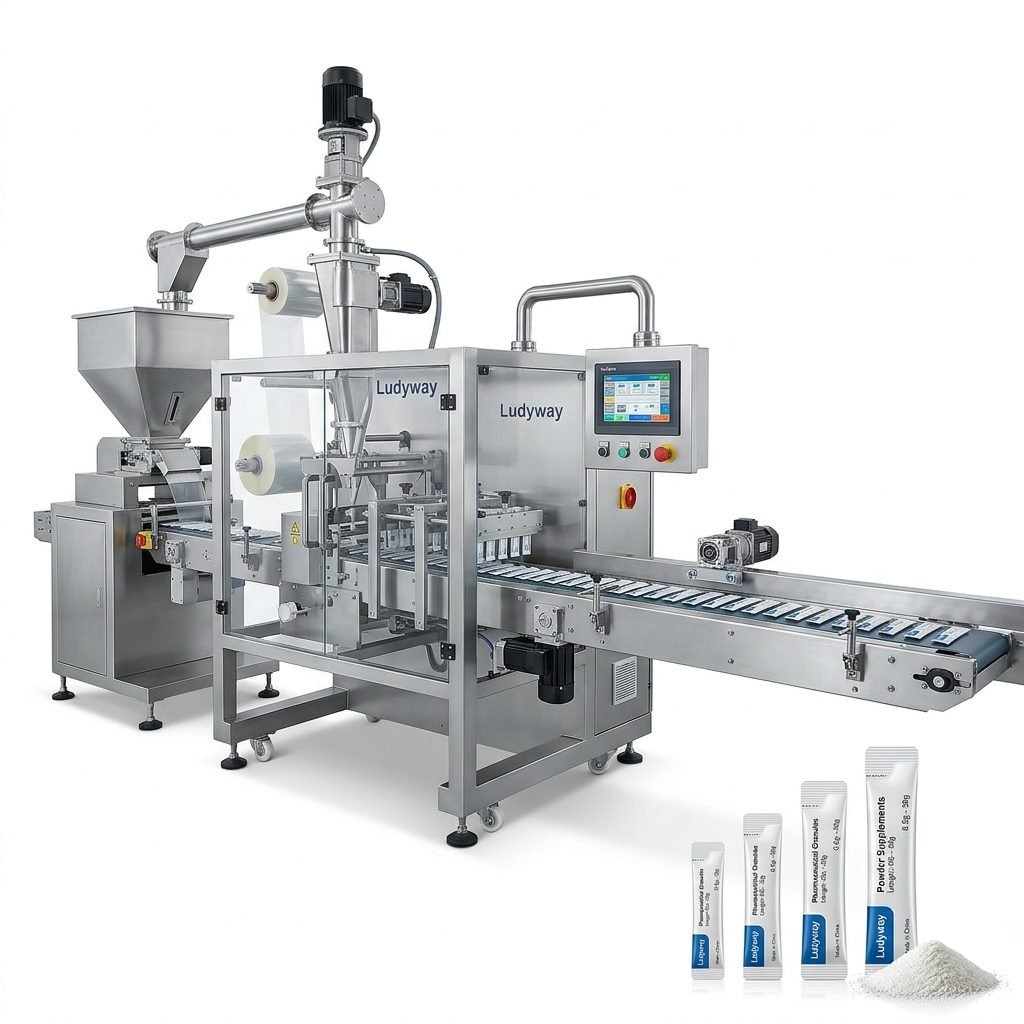
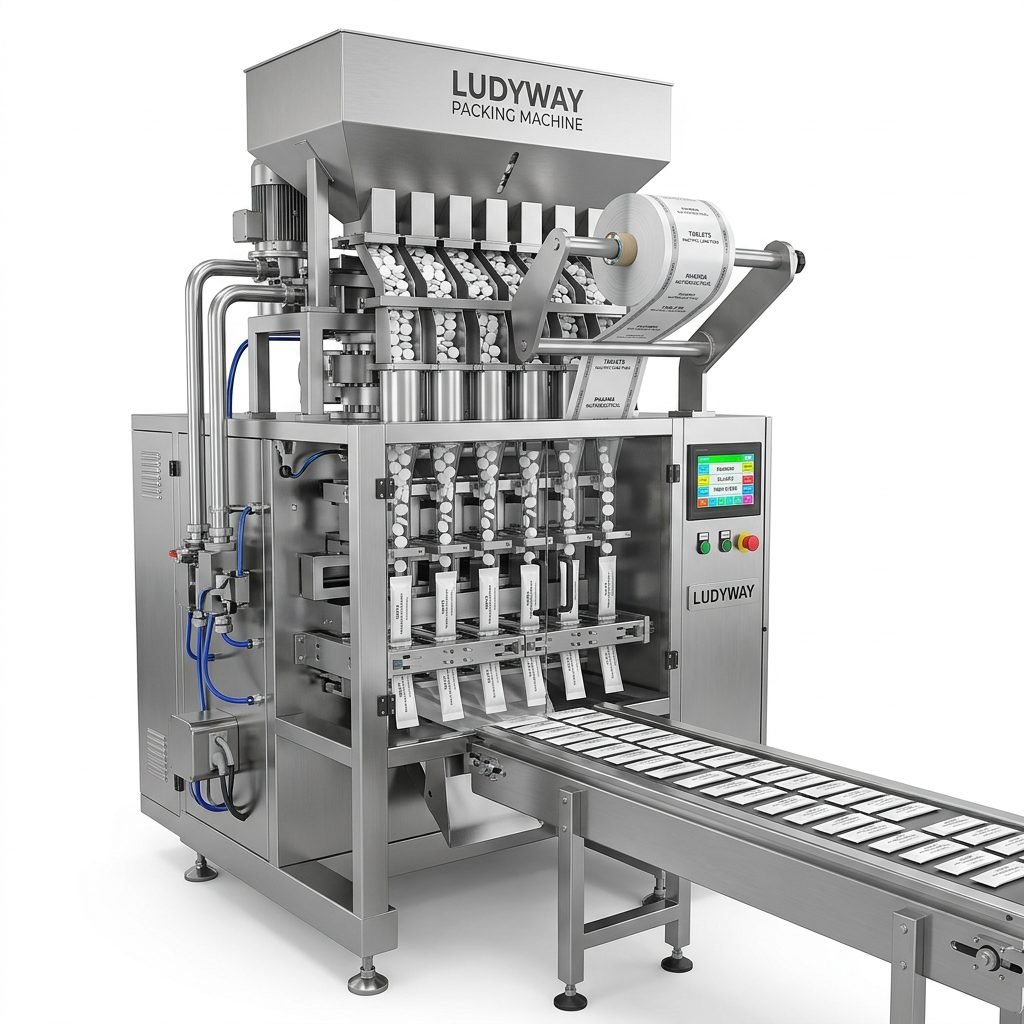
Horizontal Form-Fill-Seal (HFFS) Machines: Used for creating pillow packs, sachets, and stick packs. The film moves horizontally, making them perfect for high-speed packaging of items like sugar sticks, condiments, or single-serve supplements.
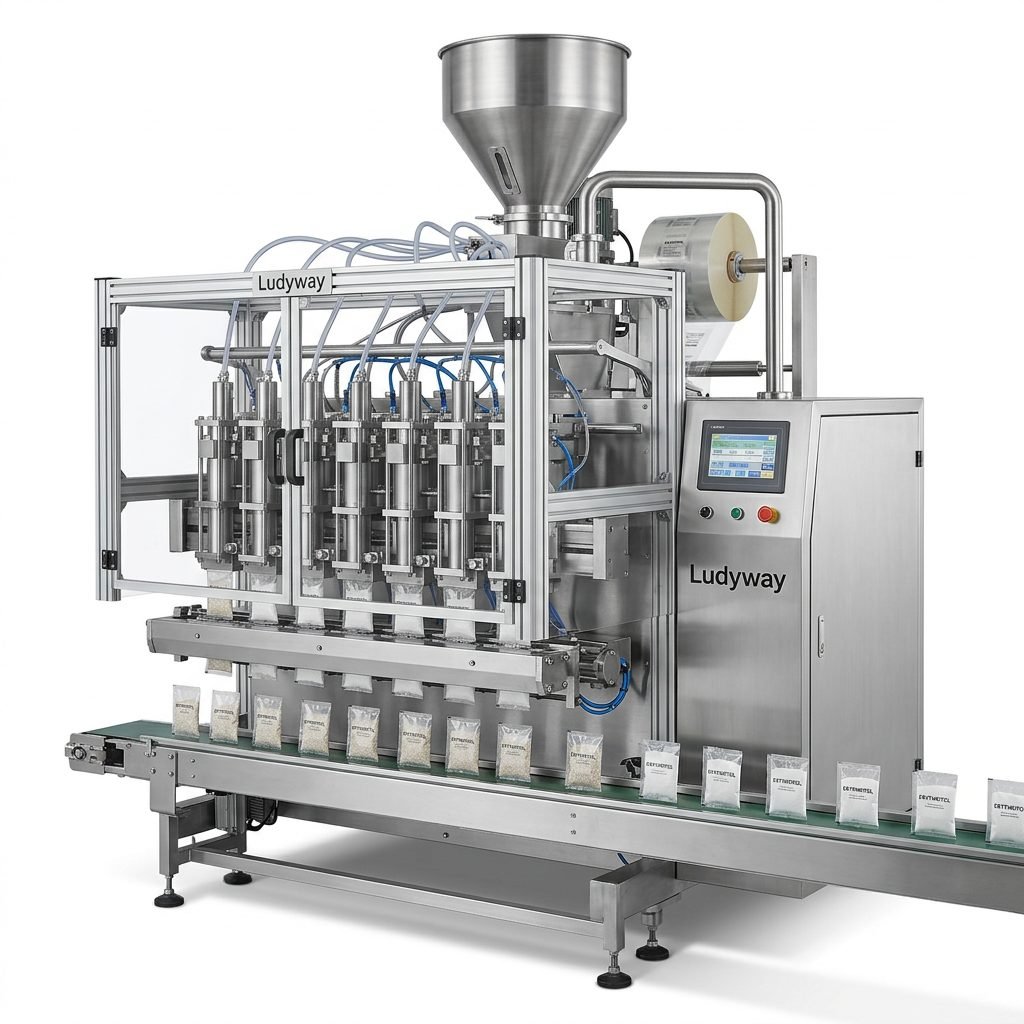
Liquid & Paste Filling Machines: Specialized systems designed to handle viscous products accurately. They range from simple piston fillers to sophisticated rotary volumetric fillers for high-speed bottling lines.
Secondary and End-of-Line Packaging
This equipment handles the bundling, cartoning, and palletizing of primary packages, preparing them for distribution.
Cartoning Machines: Automatically erect, load, and seal cartons. They can be intermittent motion for moderate speeds or continuous motion for high-volume requirements.
Case Packers and Palletizers: These robots or mechanical systems group products into cases and stack cases onto pallets, drastically reducing manual labor and ensuring stable loads for shipping.
Key Features of Modern Packaging Equipment
Today’s packaging machinery goes beyond basic functionality. Advanced features drive efficiency, flexibility, and compliance.
1. Automation and Control Systems
Modern machines are governed by sophisticated Programmable Logic Controllers (PLCs) and Human-Machine Interfaces (HMIs). These systems allow for:
- Precise recipe management and quick changeovers.
- Real-time monitoring of production speed, efficiency (OEE), and downtime.
- Diagnostic alerts and predictive maintenance scheduling.
2. Flexibility and Quick Changeover
Market demands require agility. Look for features like tool-less change parts, servo-driven adjustments saved in memory, and compatibility with a range of packaging materials. This minimizes downtime when switching between products or package sizes.
3. Hygiene and Sanitary Design
Especially critical for food, pharmaceutical, and health products. Key aspects include:
✔ Smooth, crevice-free surfaces (often stainless steel AISI 304 or 316).
✔ CIP/SIP capabilities (Clean-in-Place / Sterilize-in-Place) for integrated cleaning.
✔ Compliant with industry standards like FDA, cGMP, or EHEDG guidelines.
4. Precision and Accuracy
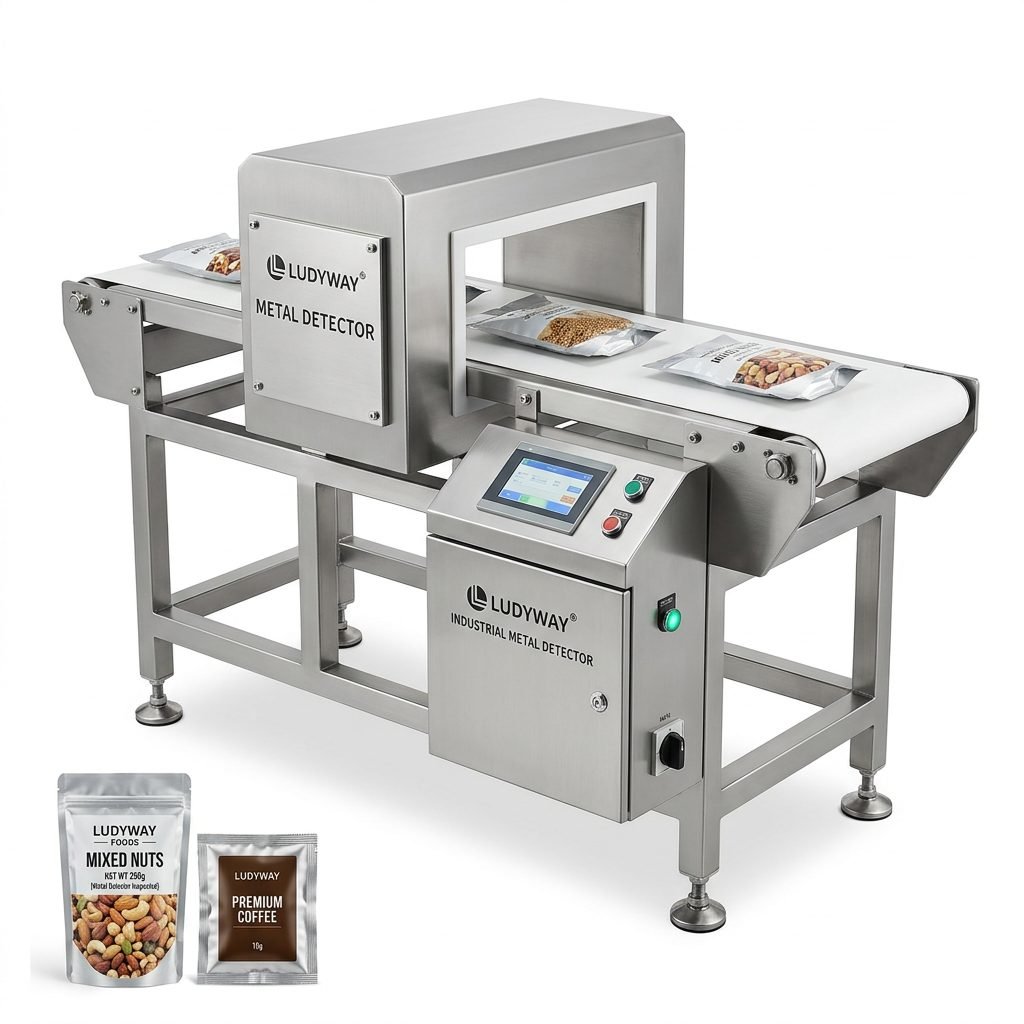
Consistent fill weight is non-negotiable for cost control and regulatory compliance. Advanced machines utilize multi-head weighers, servo-driven piston fillers, and in-line checkweighers with automatic feedback correction to maintain precision.
How to Choose the Right Packaging System: A Step-by-Step Guide
Selecting machinery is a significant investment. A structured evaluation process ensures you choose a system that delivers long-term value.
Step 1: Define Your Product and Production Requirements
Start with the fundamentals. What are you packaging (granules, powder, liquid)? What is your required output (bags/hour, bottles/minute)? What are your target package dimensions and materials? Clearly documenting these parameters narrows the field of suitable machinery.
Step 2: Evaluate Machine Capabilities and Technology
Match your requirements from Step 1 against machine specifications. Don’t just look at top speed; evaluate sustainable operational speed. Assess the technology’s reliability, ease of maintenance, and the availability of spare parts. Consider if the supplier, like Ludyway Machinery, offers the engineering support to customize solutions for unique challenges.
Step 3: Consider Integration and Future Growth
Will the machine operate standalone or integrate into an existing line? Ensure communication protocols (e.g., Ethernet/IP, Profinet) are compatible. More importantly, consider scalability. Can the system handle a 20-30% increase in future demand? Choosing a modular or easily upgradable machine protects your investment.
Step 4: Analyze Total Cost of Ownership (TCO)
Look beyond the initial purchase price. Calculate the TCO by factoring in:
- Energy consumption and required utilities (compressed air, water).
- Expected maintenance costs and part longevity.
- Material waste rates (film, product giveaway).
- Required operator skill level and training.
A slightly more expensive machine with higher efficiency and lower waste often has a better TCO.
Step 5: Assess Supplier Support and Service
The machine is only as good as the support behind it. Investigate the supplier’s reputation, their industry experience, and the availability of technical support. Do they offer comprehensive installation, training, and after-sales service? A partner committed to your long-term success, such as one with a proven track record in international markets, is invaluable.
Frequently Asked Questions (FAQs)
1. What is the typical lead time for a new packaging machine?
Lead times vary based on complexity and customization. Standard models may ship in 8-12 weeks, while fully customized turnkey lines can take 16-24 weeks. Always confirm timelines with your supplier during the quotation process.
2. How do I ensure the machine meets my country’s safety and regulatory standards?
Reputable suppliers design machines to international standards (CE, UL, etc.). Clearly communicate your market destination during inquiry. The supplier should provide a Declaration of Conformity and relevant risk assessment documentation.
3. What kind of training is provided with the machine?
Professional suppliers typically offer on-site training during installation and commissioning. This covers operation, routine maintenance, troubleshooting, and safety procedures. Ask for detailed training program outlines and operator/maintenance manuals.
4. Can I get a sample test of my product on the machine before purchasing?
Yes, most established manufacturers and solution providers offer factory acceptance tests (FAT). You can send your product and packaging materials to their facility to see the machine run and verify performance metrics like speed, accuracy, and seal quality.
5. What are the most common maintenance requirements?
Regular maintenance includes daily cleaning, lubrication of moving parts as per the manual, inspection of seals and cutting blades, and calibration of weighing/filling systems. Predictive maintenance, enabled by modern PLCs, helps schedule these tasks before failures occur.