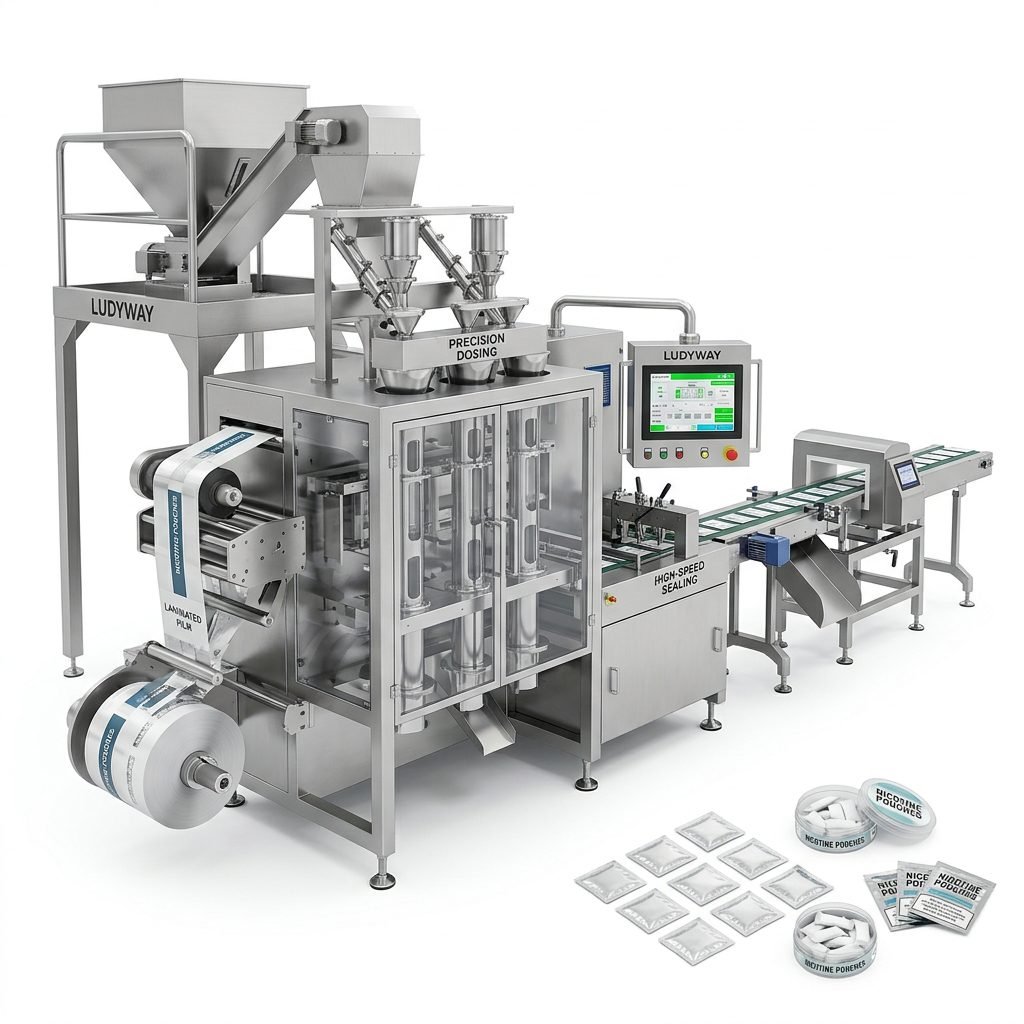
In today’s fast-paced manufacturing world, flexible packaging has become a cornerstone for industries ranging from food and pharmaceuticals to health and consumer goods. At the heart of this revolution lies flexible packaging equipment—the sophisticated machinery that forms, fills, and seals pouches, sachets, and stick packs with precision and speed. Choosing the right machines is not just a purchase; it’s a strategic decision that impacts your production efficiency, product quality, and bottom line. This guide will walk you through the essentials of flexible packaging equipment and provide a clear framework for selecting the optimal machines for your specific production line.
Understanding Flexible Packaging Equipment
Flexible packaging equipment refers to automated machinery designed to create packages from flexible materials like films, laminates, and foils. Unlike rigid packaging, these machines handle materials that can easily change shape, requiring high precision in handling, forming, and sealing.
Core Functions of Packaging Machinery
The primary operations performed by this equipment are often summarized as Form, Fill, and Seal (FFS). This integrated process is what makes modern flexible packaging so efficient.
- Forming: The machine draws flat roll stock film and shapes it into a pouch or tube.
- Filling: Precisely measured product—be it granules, powder, or liquid—is dispensed into the formed package.
- Sealing: The package is hermetically sealed using heat, pressure, or ultrasonic methods to ensure integrity and longevity.
Common Types of Flexible Packaging Machines
The market offers a variety of machines, each suited for different formats and production scales.
Vertical Form-Fill-Seal (VFFS) Machines
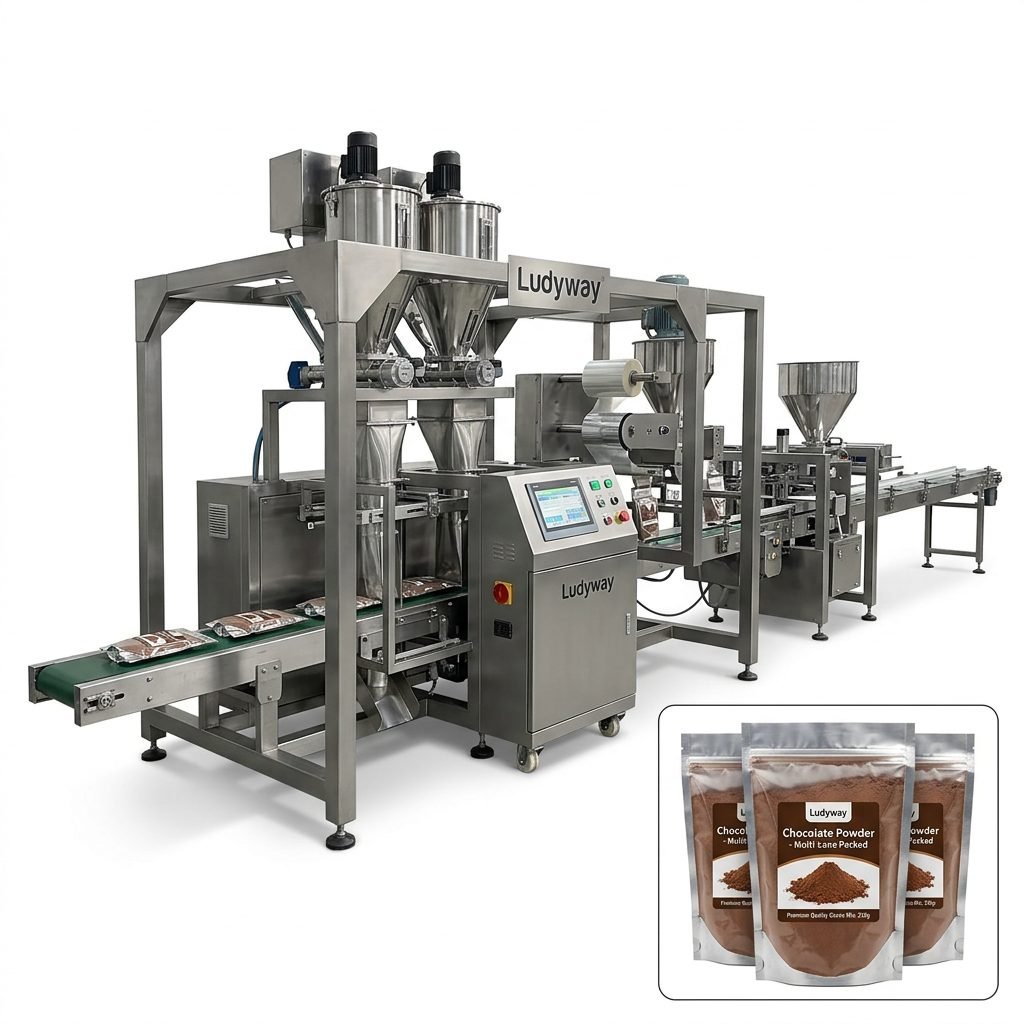
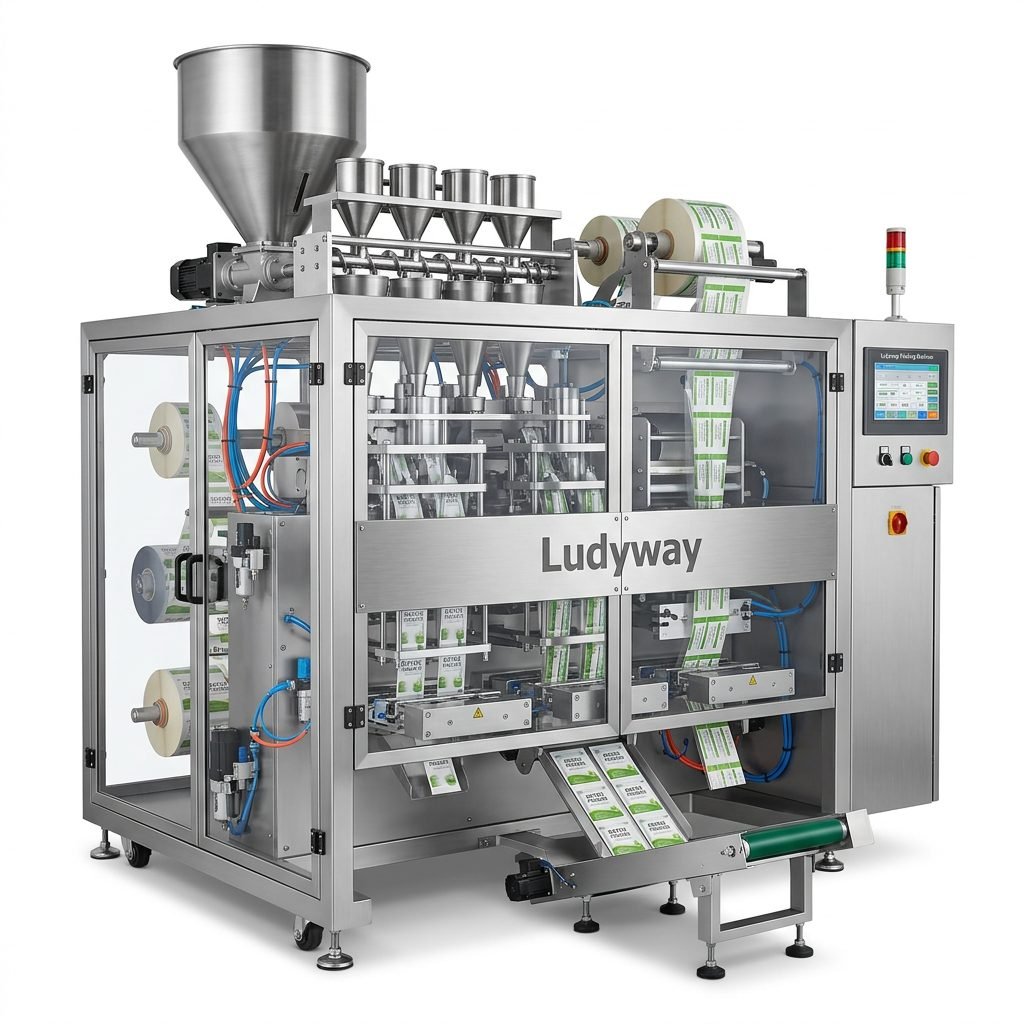
These are the workhorses of the industry. Film is fed vertically, formed into a tube, filled, and then sealed horizontally. They are ideal for granules, powders, snacks, and liquids. Their footprint is small, making them perfect for facilities with limited space.
Horizontal Form-Fill-Seal (HFFS) Machines
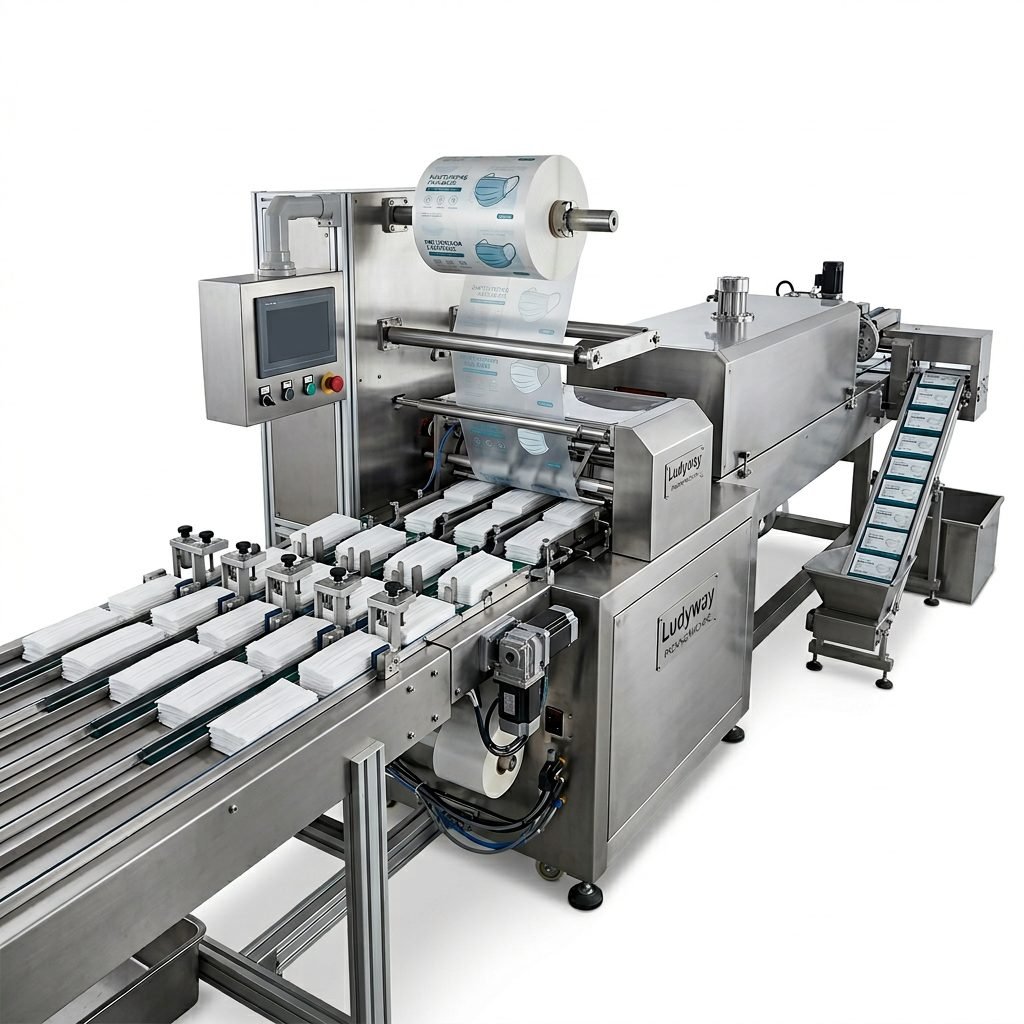
In these systems, the film travels horizontally. They excel at producing more complex pouch styles like stand-up pouches (SUPs), three-side seal pouches, and multi-lane sachets. They are often used for higher-value products requiring attractive packaging.
Stick Pack Machines
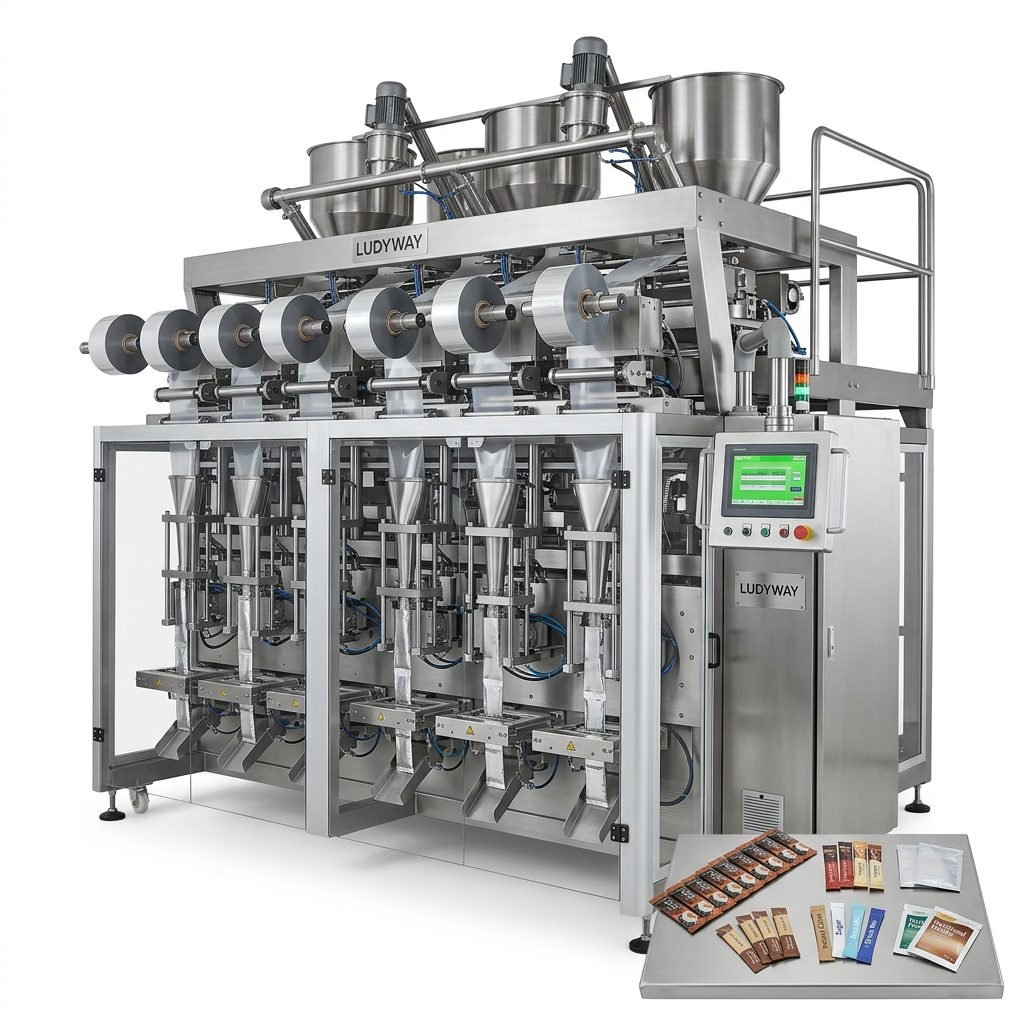
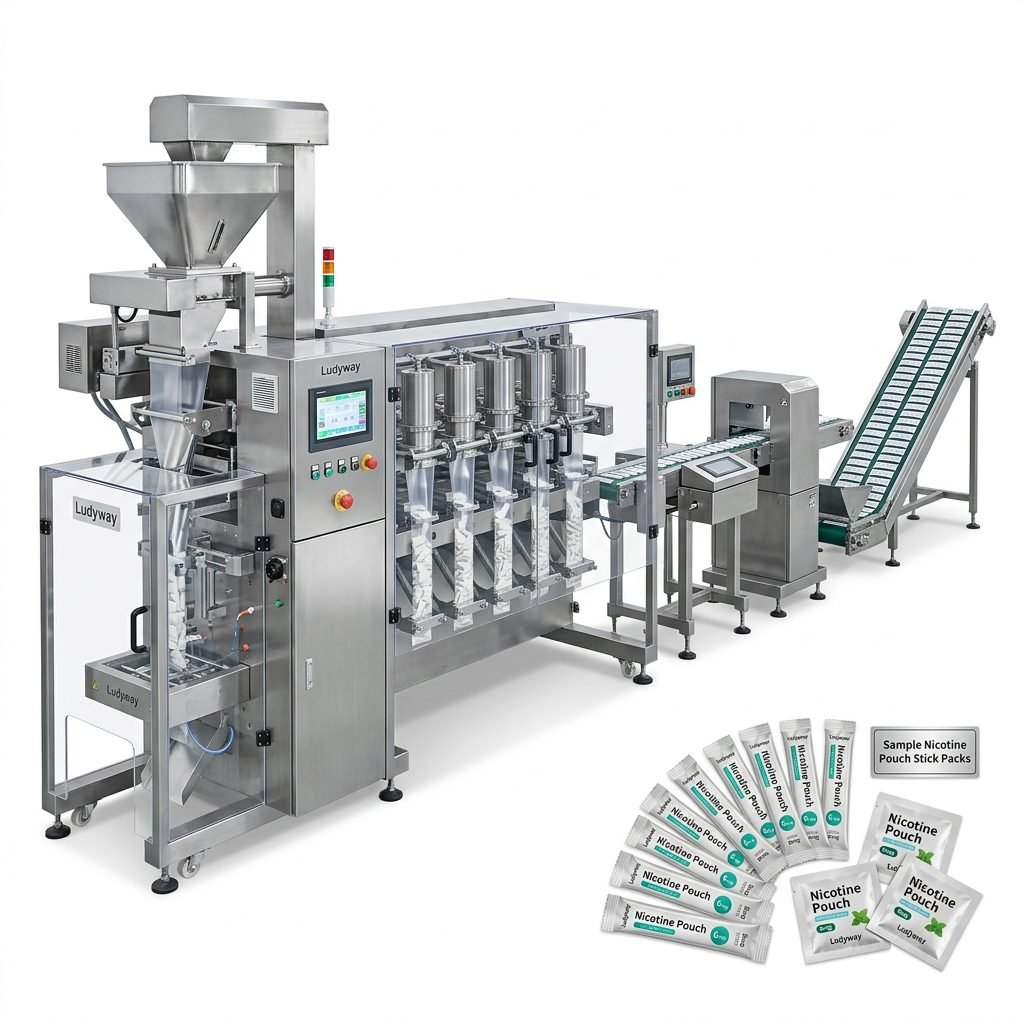
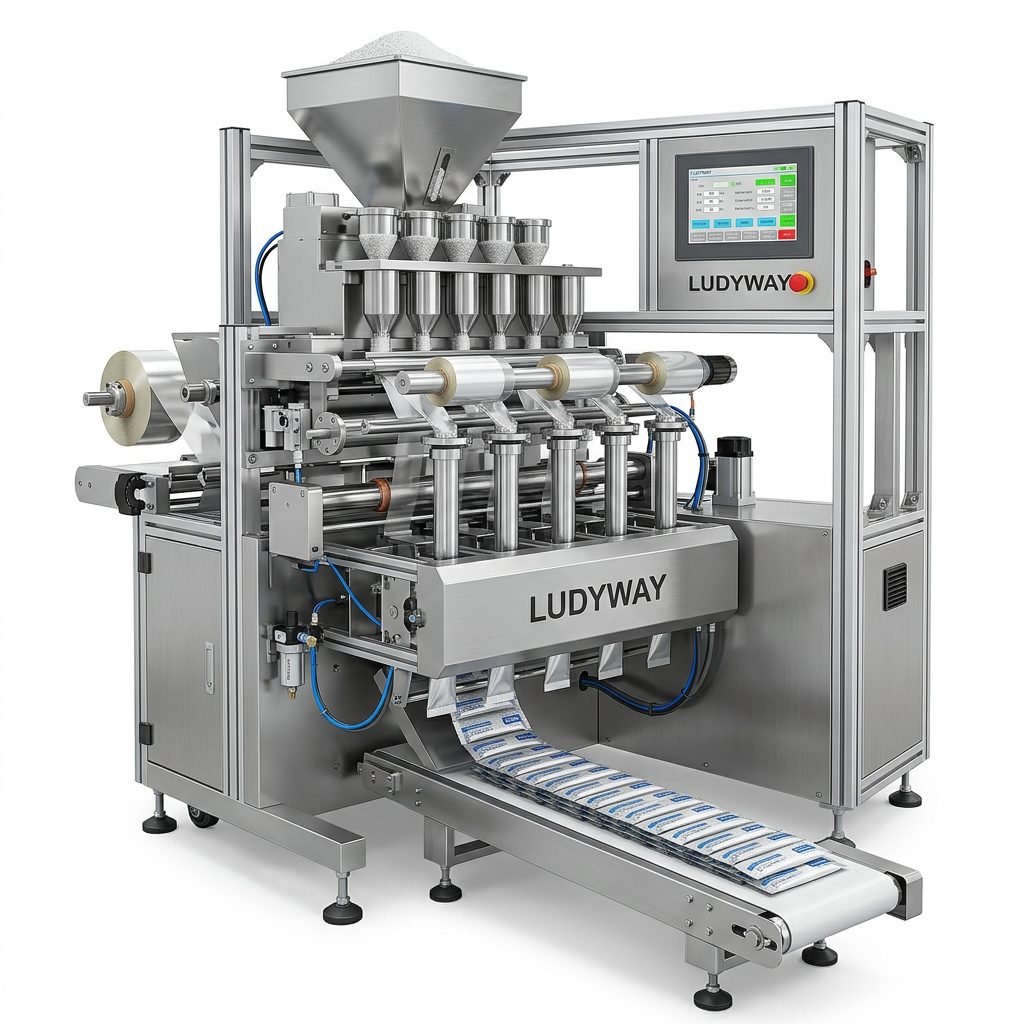
Specialized for creating long, narrow “stick” packs, these machines are popular for single-serve portions of powdered drinks, supplements, and pharmaceuticals. They offer excellent barrier properties and consumer convenience.
Sachet Packaging Machines
Designed for small, flat pouches, sachet machines are used for condiments, shampoo samples, and pharmaceutical powders. They can be configured for single-lane or high-speed multi-lane production.
How to Choose the Right Machines for Your Production Line
Selecting equipment is a multi-faceted process. A wrong choice can lead to downtime, waste, and lost revenue. Follow this structured approach to make an informed decision.
Step 1: Define Your Product and Packaging Requirements
This is the foundational step. You must have absolute clarity on what you are packaging and how it should be presented.
- Product Characteristics: Is it a granule, fine powder, viscous liquid, or paste? Each has different flow properties and requires specific filling technology (e.g., auger filler for powders, piston filler for liquids).
- Packaging Material: Determine the required film structure (e.g., PET/AL/PE for high barrier). Your machine must be compatible with this material and able to seal it effectively.
- Packaging Format & Size: Decide on the pouch type (stand-up, pillow, stick pack) and the dimensions. Machine tooling is often custom-made for specific size ranges.
Step 2: Assess Your Production Volume and Speed Needs
Your output targets directly dictate the machine’s capability level.
→ Low to Medium Volume: A standard single-lane VFFS machine might suffice, offering speeds from 40 to 120 bags per minute (BPM).
→ High Volume: For mass production, consider multi-lane machines or integrated production lines. For instance, a multi-lane stick pack machine can produce multiple sticks simultaneously, dramatically increasing output.
Step 3: Evaluate Integration and Automation Level
Consider how the new machine will fit into your existing or planned line.
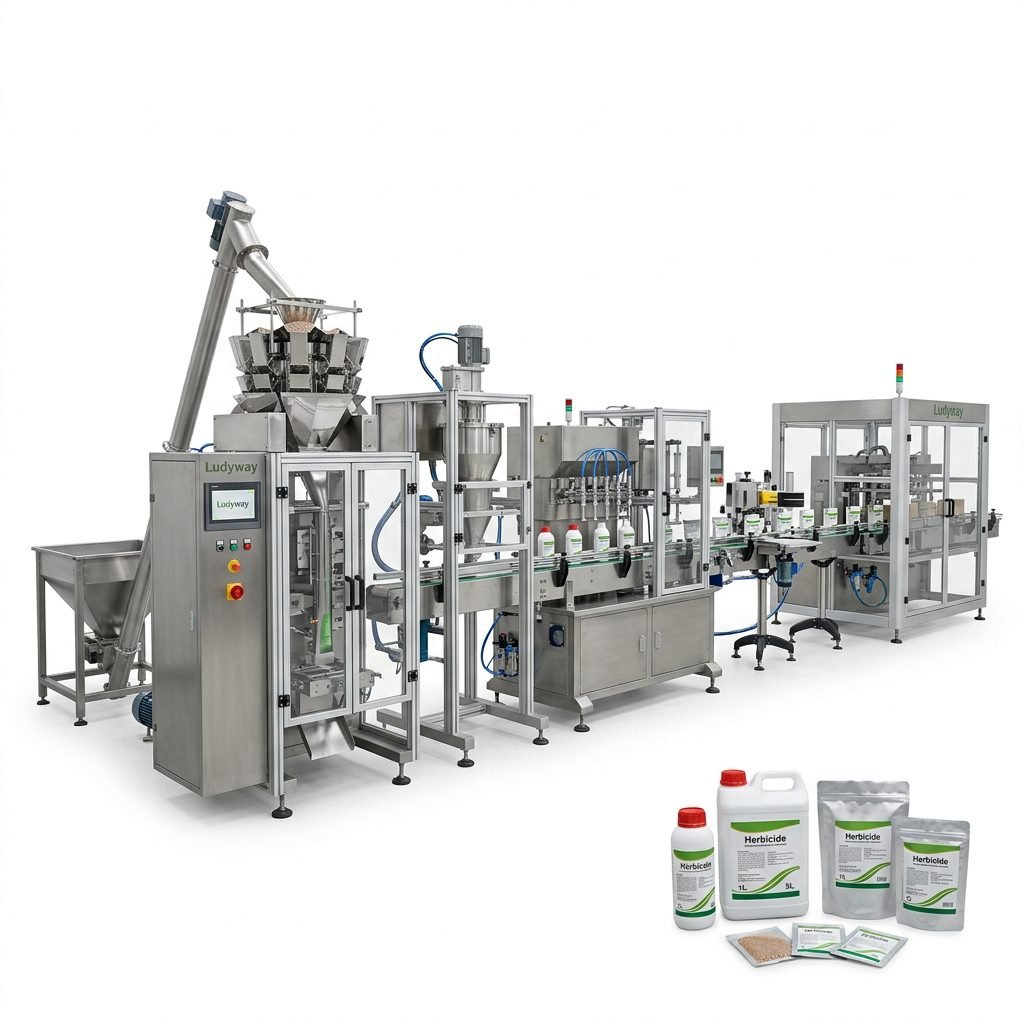
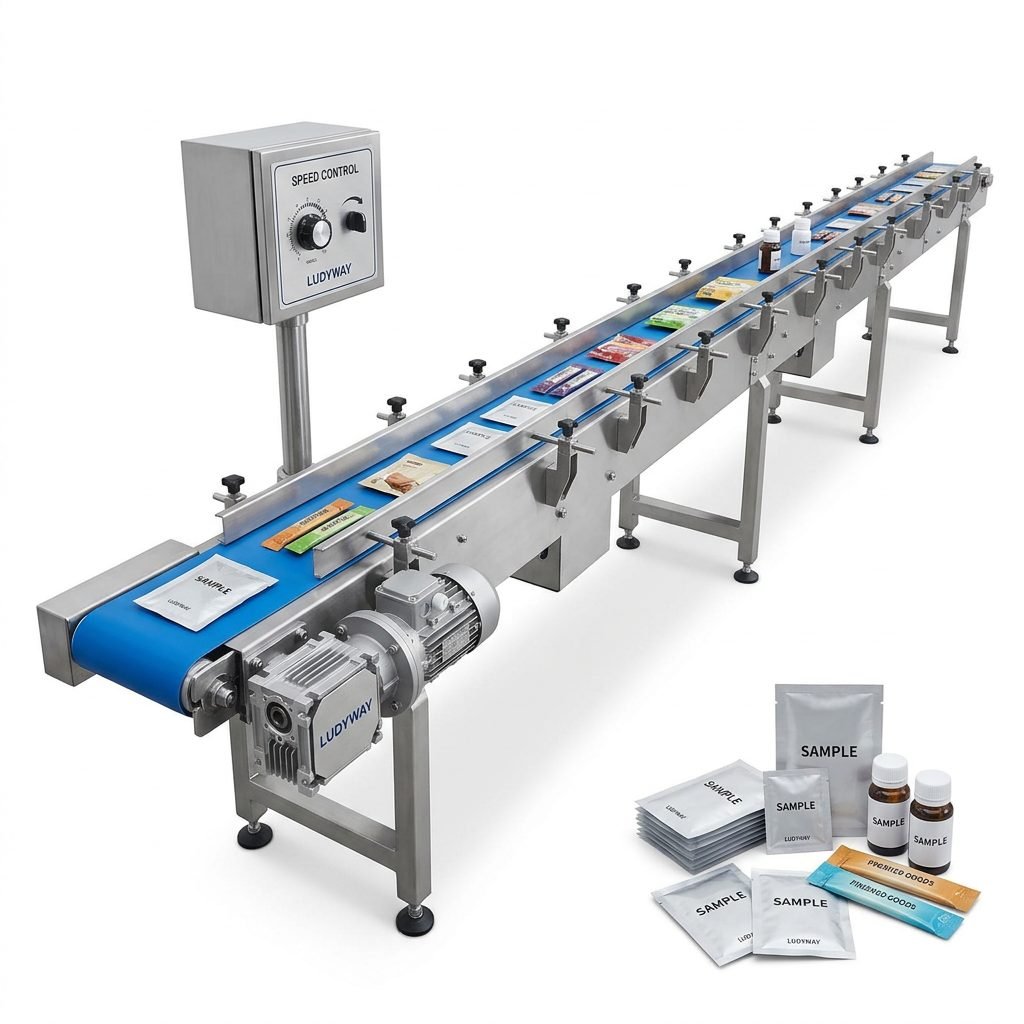
Do you need a standalone machine or a complete turnkey production line that includes upstream feeders (like weigh scales) and downstream equipment (like cartoners)? Higher automation reduces labor costs and improves consistency but requires a larger initial investment.
Step 4: Prioritize Machine Quality and Supplier Support
The machine’s construction and the manufacturer’s reputation are critical for long-term success.
Key questions to ask a supplier:
- What is the build quality? (e.g., stainless steel contact parts for food/pharma)?
- How user-friendly is the control system (e.g., touchscreen HMI)?
- What is the availability of spare parts and technical support?
- Can they provide references or case studies?
- Do they offer customized solutions for unique challenges?
A partner like Ludyway Machinery, with over 30 years of industry experience, brings not just a machine but reliable solutions backed by strong engineering and a global service mindset. This ensures you get a machine that runs reliably and is supported throughout its lifecycle.
Step 5: Consider Total Cost of Ownership (TCO)
Look beyond the initial purchase price. TCO includes:
- Energy Consumption: Efficient machines lower operational costs.
- Maintenance & Downtime: Robust machines with easy access for maintenance reduce lost production time.
- Material Waste: Precision machines minimize film and product giveaway.
- Flexibility: A machine that can handle multiple products or sizes adapts to future market changes.
Conclusion: Investing in Your Production Future
Selecting the right flexible packaging equipment is a strategic investment that drives your operational efficiency and product quality. By thoroughly analyzing your product needs, output goals, and the capabilities of potential suppliers, you can choose a system that not only meets today’s demands but also scales for tomorrow’s growth. Partnering with an experienced and innovative provider ensures you gain access to reliable technology and the support necessary to maximize your return on investment and maintain a competitive edge in the market.
Frequently Asked Questions (FAQs)
1. What is the main difference between VFFS and HFFS machines?
VFFS (Vertical Form-Fill-Seal) machines are typically used for simpler, pillow-type bags and are excellent for free-flowing products like chips, granules, and powders. They have a smaller footprint. HFFS (Horizontal Form-Fill-Seal) machines are used for more complex, pre-made pouch styles like stand-up pouches and are better suited for liquids, pastes, or products that need to be laid flat. They often allow for more graphical printing area on the package.
2. How do I know if I need a single-lane or a multi-lane machine?
The choice depends entirely on your required output speed (bags per minute). A single-lane machine is sufficient for low to medium production volumes. If you need very high output, a multi-lane machine (which produces multiple packages in parallel within the same cycle) is necessary to achieve target speeds without requiring multiple standalone machines, saving floor space and often improving efficiency.
3. What are the key maintenance requirements for flexible packaging equipment?
Regular daily cleaning to prevent product buildup, periodic lubrication of moving parts as per the manual, and inspection/replacement of wear parts like sealing jaws, cutting blades, and film pull belts are essential. Choosing a machine with easy access for cleaning and maintenance significantly reduces downtime.
4. Can one machine handle different packaging sizes or products?
Yes, most modern machines are designed with changeover flexibility in mind. However, switching between vastly different sizes or product types usually requires changing the forming tooling (like the forming tube and sealing jaws) and adjusting the filling system. The speed and ease of this changeover process is a key feature to evaluate when purchasing.
5. Why is supplier experience and support so important?
Packaging machinery is a long-term investment. An experienced supplier like Ludyway provides crucial value beyond the hardware: they help you select the right configuration, ensure proper installation, train your operators, provide timely spare parts, and offer technical support to troubleshoot issues. This partnership minimizes your risk and ensures your production line runs smoothly for years to come.