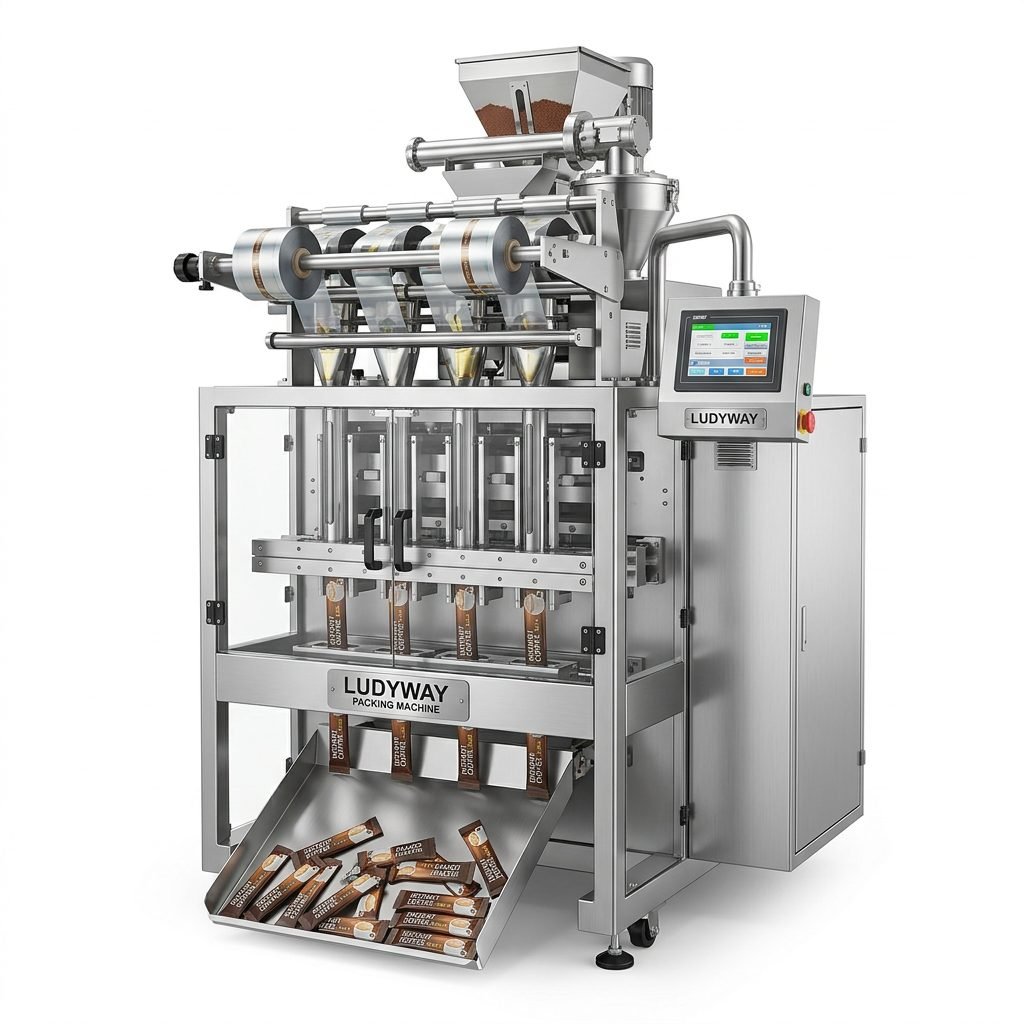
In Malaysia, the art of preserving food is deeply woven into the cultural fabric. From the bustling night markets of Kuala Lumpur, where vendors expertly pack delicate kuih and savory keropok, to the home kitchens preparing rendang and sambal for festive seasons like Hari Raya, freshness is paramount. For businesses and serious home cooks alike, maintaining this freshness while extending shelf life is a constant pursuit. This is where the technology of vacuum packaging becomes not just a tool, but a necessity. Choosing the best vacuum packaging machine in Malaysia requires careful consideration of local needs, from handling moist foods to operating reliably in a tropical climate.
Why Vacuum Packaging is Essential for Malaysian Businesses & Homes
The humid Malaysian environment accelerates food spoilage through oxidation, moisture loss, and bacterial growth. Vacuum packaging combats this by removing air from the package before sealing, creating an anaerobic environment that drastically slows down these processes. For local food producers, this means being able to safely distribute crispy crackers, marinated meats, and dried seafood across the peninsula without compromising quality. For households, it allows for bulk preparation and storage of local delicacies, reducing waste and saving time.
Key Benefit for Local Use: Beyond preservation, vacuum sealing is perfect for “sous-vide” cooking, a technique gaining popularity for achieving perfectly tender meats and infused flavors, ideal for enhancing traditional dishes.
Core Types of Vacuum Packaging Machines
Understanding the different machine types is the first step to finding your perfect match.
1. External (Chamber) Vacuum Sealers
These are the professional workhorses. The item is placed inside a sealed chamber; air is removed from the entire chamber before the bag is sealed. They are excellent for packaging liquid-rich foods like curries or soups, powders, and delicate items, as they prevent liquid from being sucked out. They are a common sight in larger F&B operations and commercial kitchens across Malaysia.
2. Suction (Nozzle) Vacuum Sealers
More common for entry-level commercial or heavy-duty home use. A nozzle is inserted into a special bag, and air is sucked out directly before sealing. They are generally more affordable and take up less counter space but can struggle with very moist products.
3. Automatic Belt Vacuum Sealers
Designed for high-volume production. Products are placed on a conveyor belt that moves through the sealing cycle automatically. This is the choice for manufacturers needing to package hundreds of units per hour, such as factories producing packaged snacks or coffee for the Malaysian market.
Critical Buyer’s Guide: What to Look For
Don’t just buy a machine; invest in a solution that fits your specific Malaysian context.
Performance & Capability Checklist
- Vacuum Strength: Measured in mbar or Pascal. A stronger vacuum (lower mbar, e.g., 1-10 mbar) means better preservation. For long-term storage of meats or dried goods, high vacuum strength is crucial.
- Seal Quality & Width: Look for a double or pulse seal bar, especially important in humid conditions. A wider seal (10mm+) is more reliable and leak-resistant.
- Chamber Size (if applicable): Must accommodate your typical package sizes. Consider the dimensions of common local products.
- Pump Type: Oil rotary vane pumps are durable and powerful for heavy use but require maintenance. Oil-less pumps are quieter and maintenance-free but may have a shorter lifespan under intense commercial operation.
- Moisture Tolerance: ⚠️ A vital feature for Malaysia. Ensure the machine has a “moist” mode or a liquid trap if you frequently pack foods with sauces, gravies, or high water content.
Durability & After-Sales Support in Malaysia
The tropical heat and humidity can strain electronics and mechanical parts. Prioritize machines built with robust materials (stainless steel surfaces are ideal). Crucially, verify the availability of local technical support, spare parts, and warranty service. A machine with no local service network can become a costly paperweight if it breaks down.
Price Ranges in the Malaysian Market (MYR)
Prices vary dramatically based on type, capacity, and brand. Here’s a general guide:
Entry-Level / Home Use
MYR 200 – MYR 800: Basic suction sealers or small single-chamber machines for light home or small-scale use. Good for dry goods and occasional sealing.
Prosumer / Small Business
MYR 1,500 – MYR 5,000: Medium-duty chamber vacuum sealers with better pumps and sealing bars. Suitable for cafes, small kuih businesses, or serious home kitchens.
Commercial / Industrial Grade
MYR 6,000 – MYR 25,000+: Large chamber machines, double-chamber models for continuous operation, or automatic belt sealers. Used by food manufacturers, central kitchens, and large-scale processors.
💡 Tip: Factor in the long-term cost of bags. Chamber machines typically use less expensive, textured “gusseted” bags, while suction sealers require more expensive pre-made bags with a textured strip. Calculate your estimated monthly bag usage.
Where to Buy in Malaysia: Trusted Sources
Finding a reliable supplier is as important as choosing the machine itself.
1. Specialized Packaging Machinery Suppliers
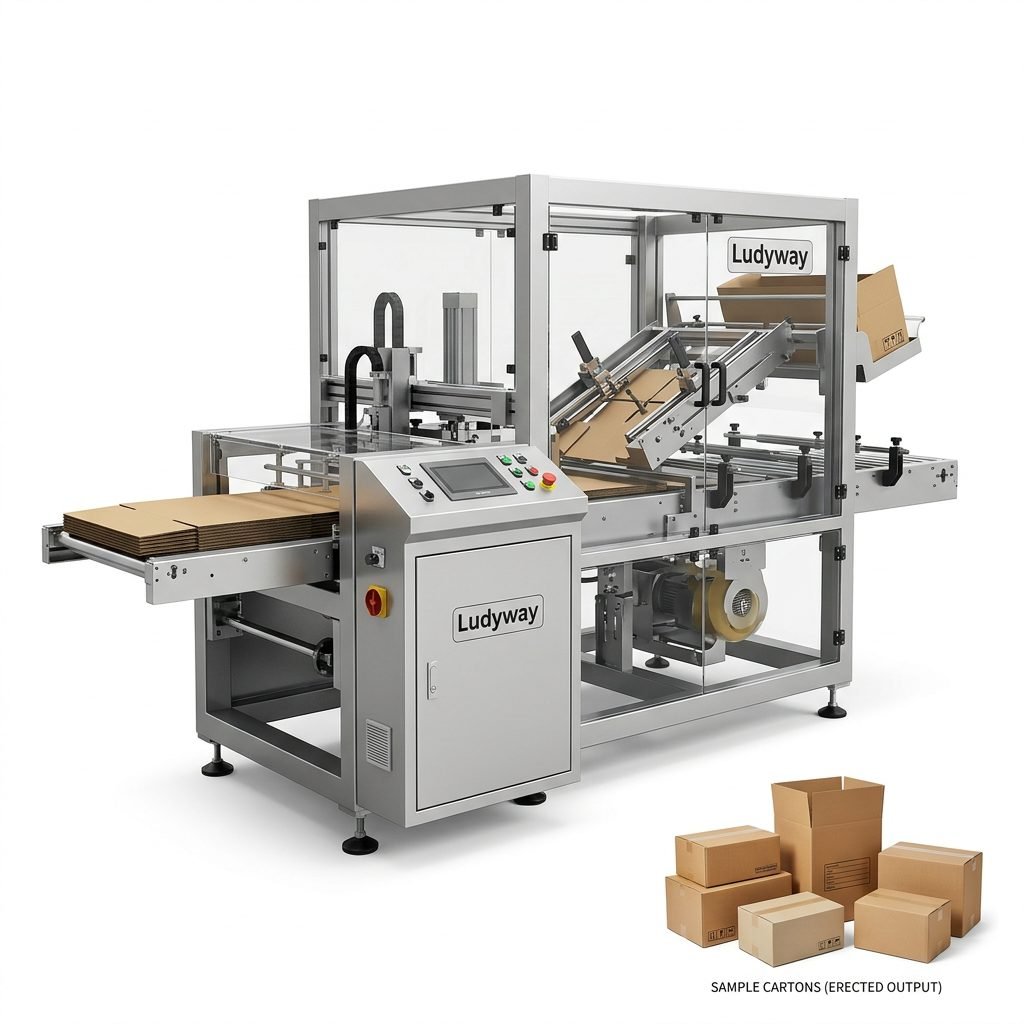
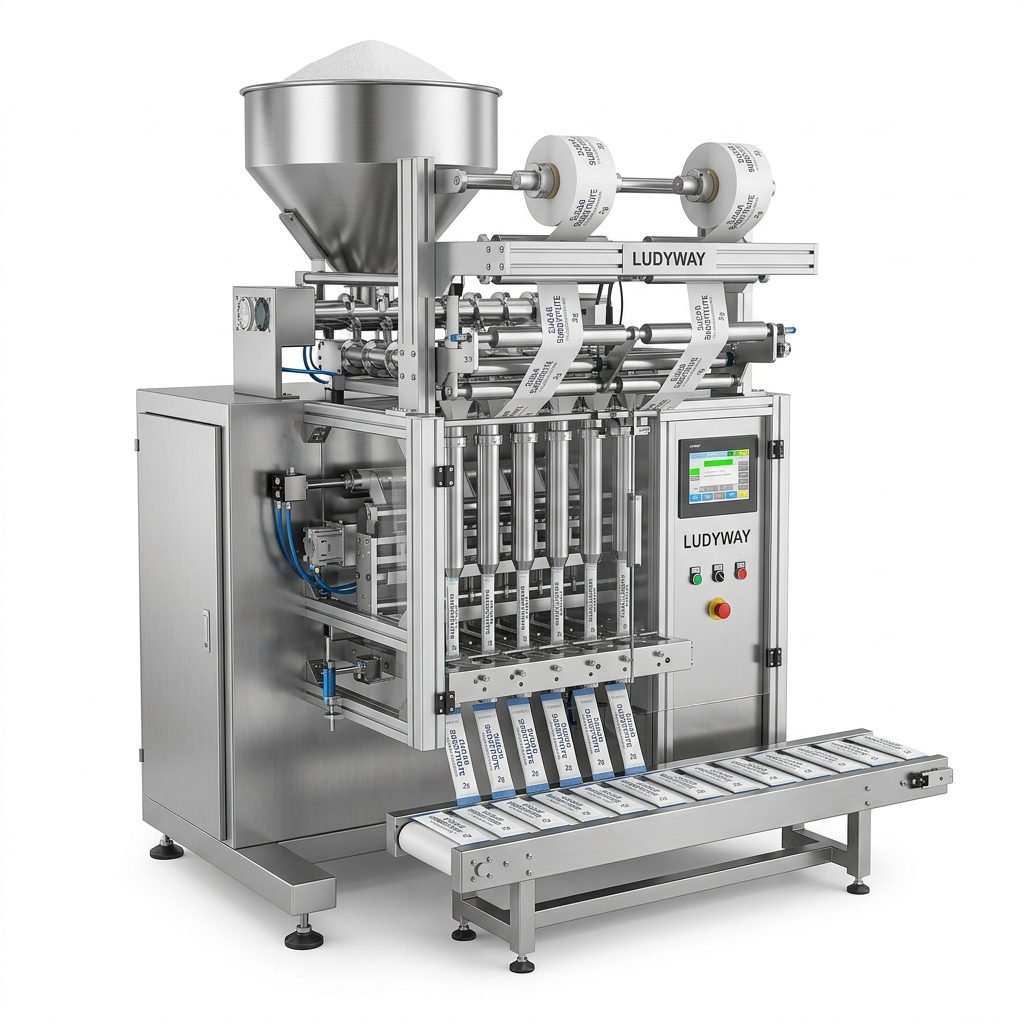
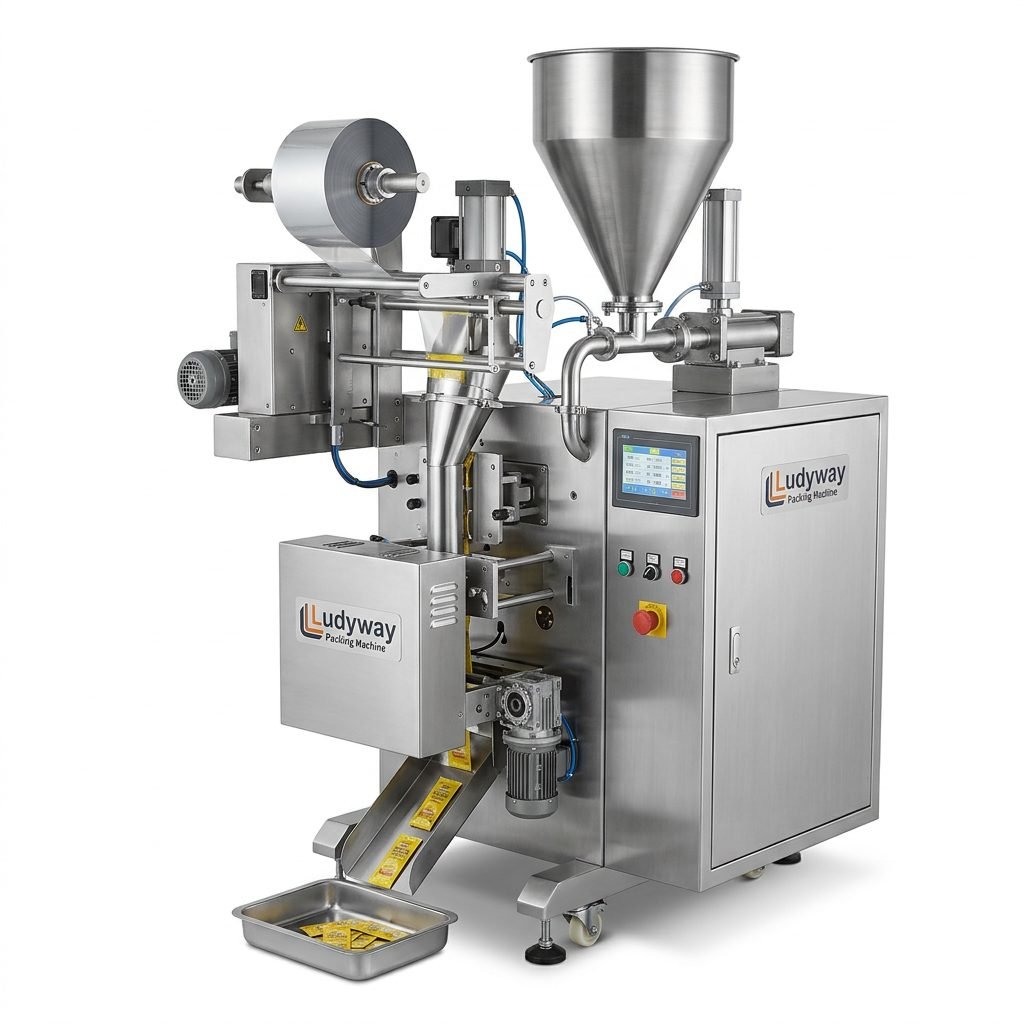
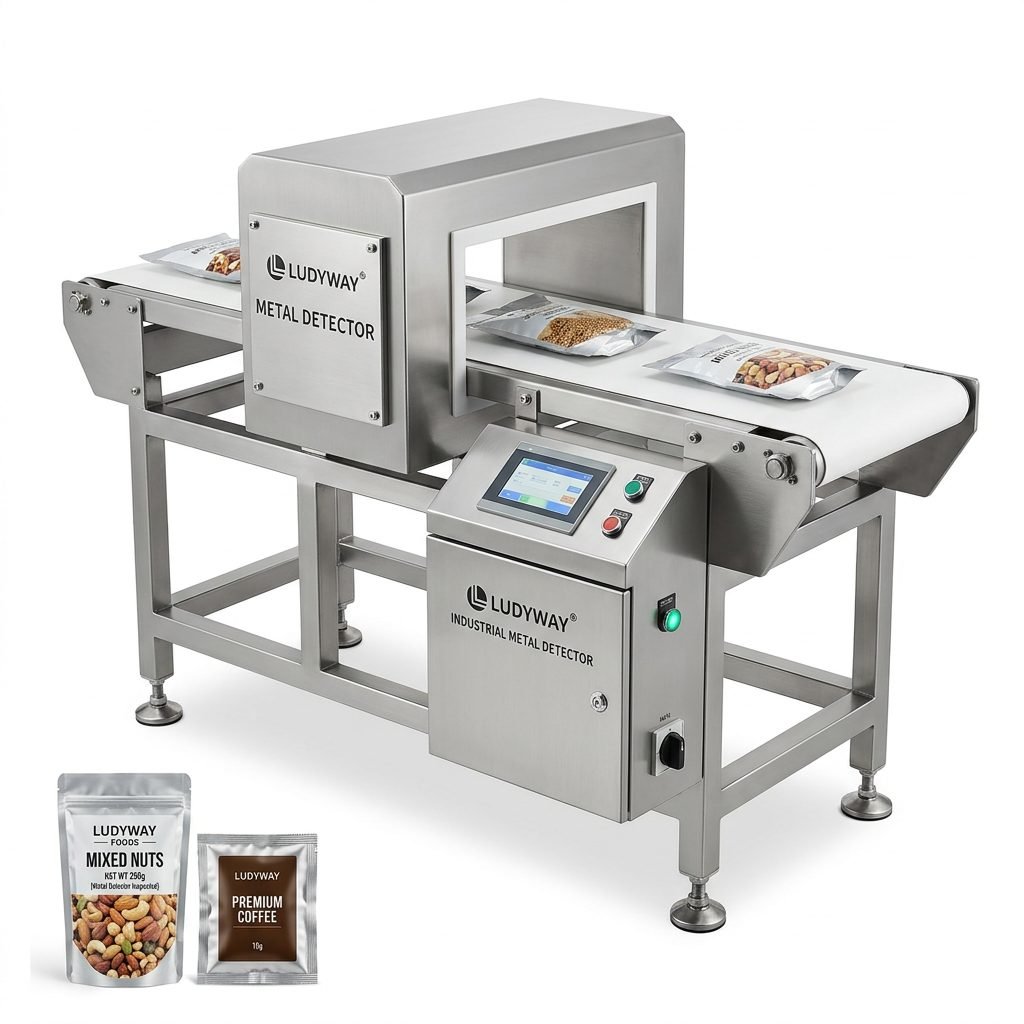
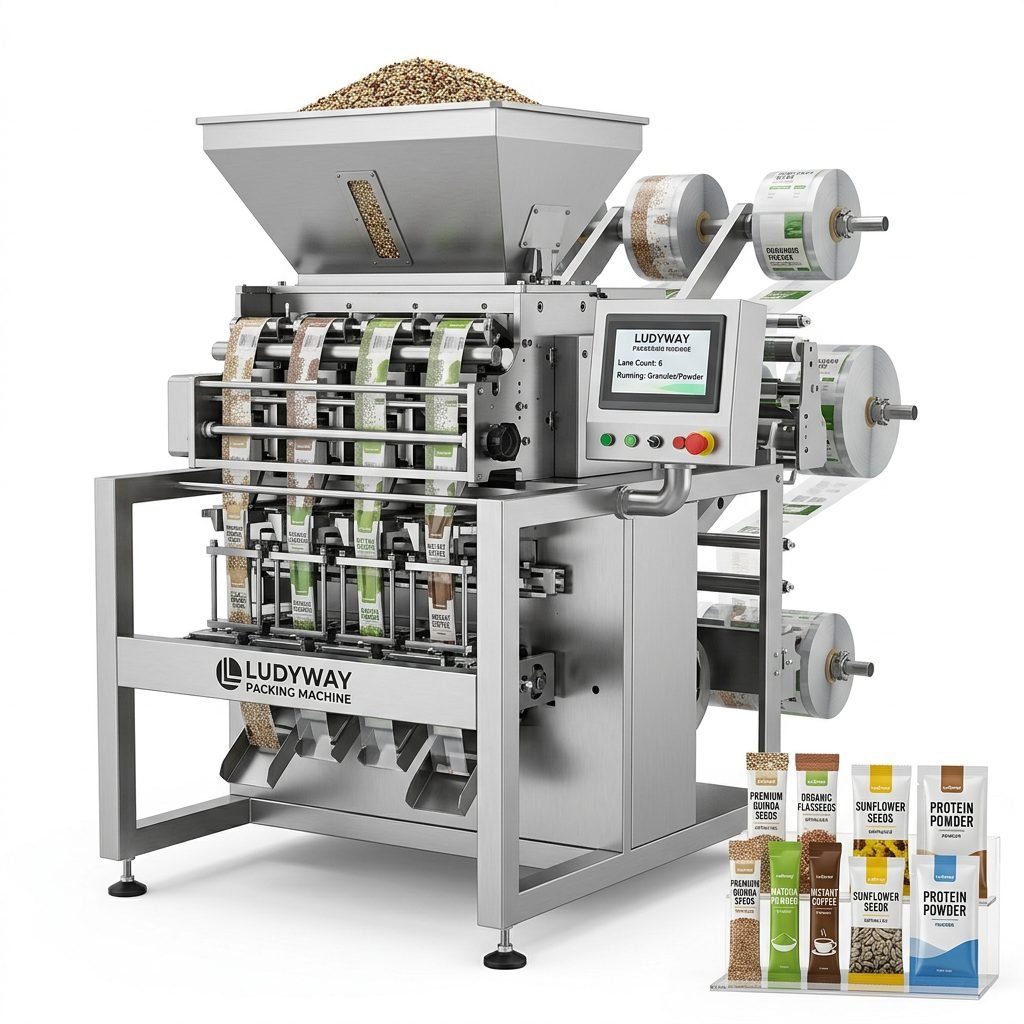
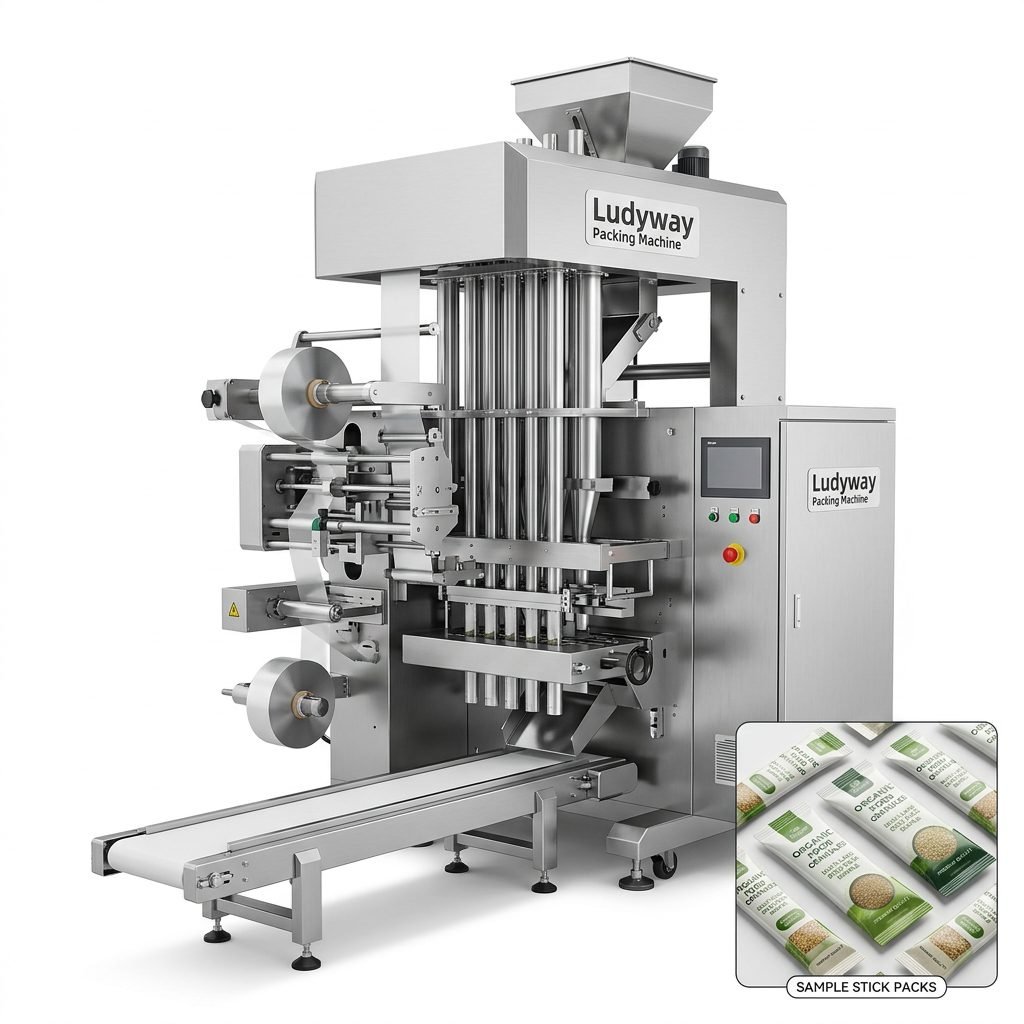
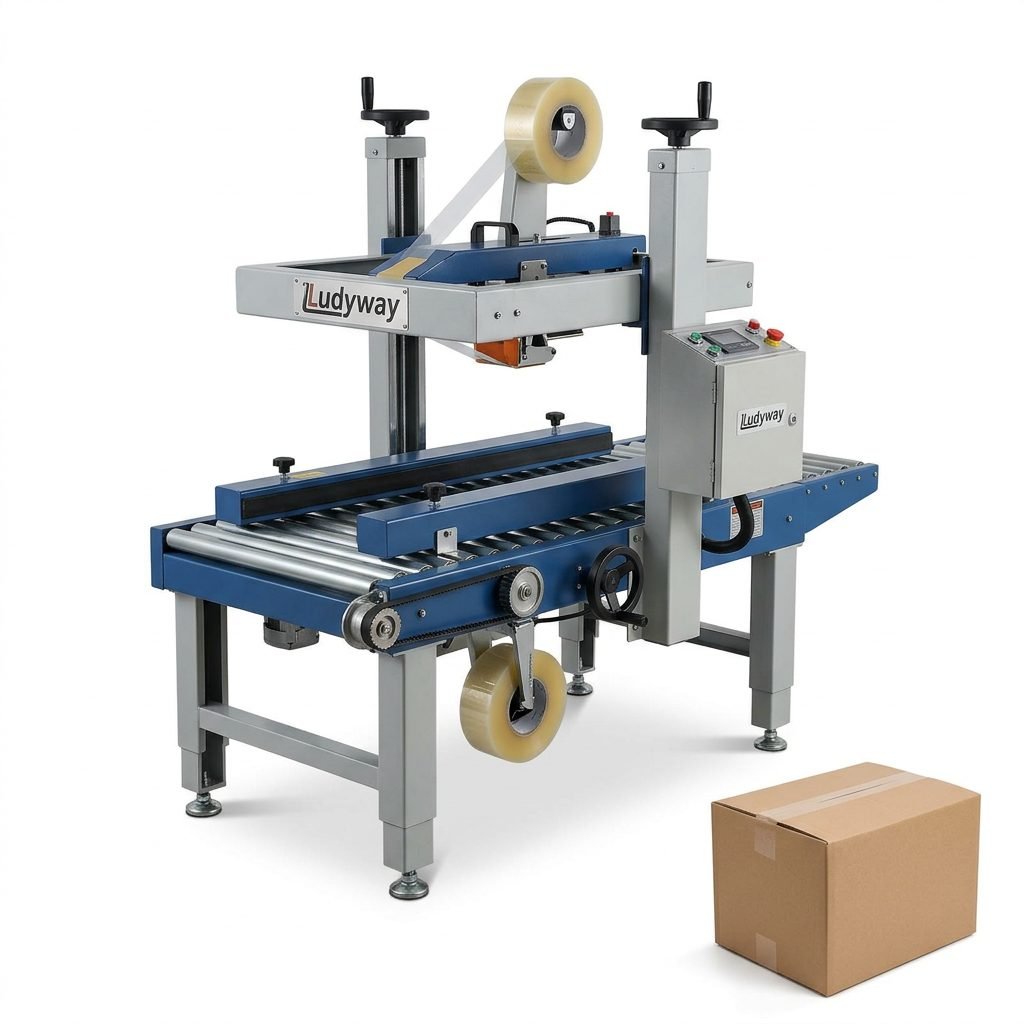
Companies like Ludyway Packing Machine focus specifically on packaging solutions. They often offer deeper technical expertise, a range of models from basic to fully automated lines, and crucially, reliable after-sales service and spare parts. They understand the needs of local food industries, from halal-certified production to packaging for tropical climates.
2. Industrial Equipment Distributors
Many general equipment suppliers in Selangor and Johor carry vacuum packaging machines alongside other kitchen or factory gear. It’s wise to test the machine if possible and clarify warranty terms.
3. Major Online Marketplaces (Shopee, Lazada)
Suitable for entry-level models. Scrutinize seller ratings, return policies, and ensure the plug and voltage (240V) are compatible. Be cautious about long-term support for these purchases.
4. Direct from Manufacturers or Their Agents
For large commercial projects, dealing directly with a manufacturer’s local representative or agent can be beneficial. Companies with a strong local footprint, such as Ludyway Machinery, which brings over 30 years of industry experience and supports customers worldwide with tailored automation solutions, can provide comprehensive project support from selection to installation and maintenance.
Partnering with a Professional Solution Provider
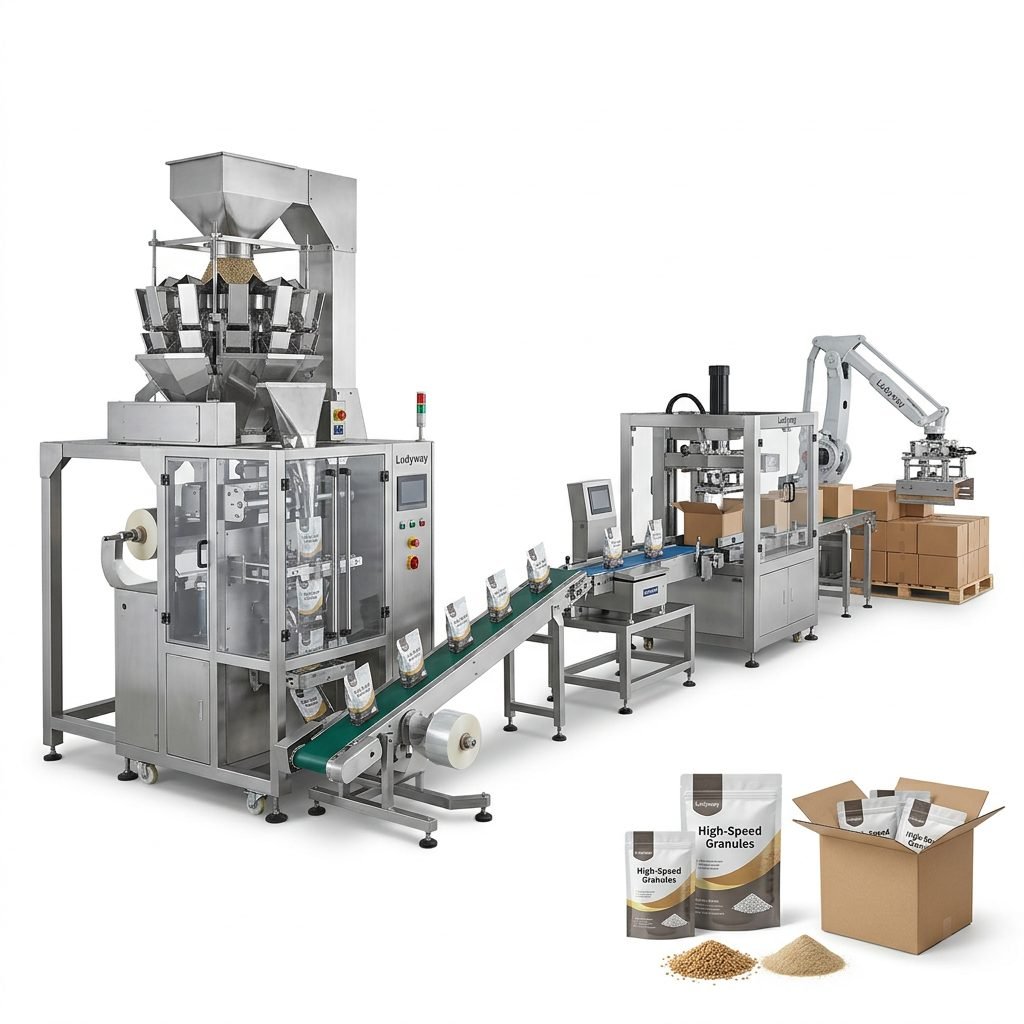
For businesses where packaging is core to operations, partnering with a dedicated provider offers significant advantages. Beyond selling a machine, they act as a technical partner. A provider with a strong track record will assess your specific product (e.g., whether you’re packaging fine spices or whole fish), production volume, and growth plans to recommend the most efficient solution. They can often provide turnkey production line solutions, integrating the vacuum sealer with filling, weighing, and labeling systems. This holistic approach, backed by professional service and a commitment to innovation, ensures your investment drives productivity and quality for years to come.
Frequently Asked Questions (FAQs)
1. Can I vacuum package liquid foods like Malaysian laksa gravy?
Yes, but you typically need a chamber vacuum sealer. It removes air from around the bag, not from the liquid itself, preventing the liquid from being sucked into the machine. Use bags specifically designed for liquids and leave ample headspace.
2. How long does vacuum-sealed food last in Malaysia’s weather?
It significantly extends shelf life, but times vary. Dry goods (keropok, nuts) can last 1-2 years. Raw meats in the fridge last 1-2 weeks (vs. 2-3 days normally). Cooked, moist foods (curries) last 1-2 weeks refrigerated. Always freeze for long-term storage.
3. Are the bags and machines safe for food contact?
Only use bags labeled as “food-grade” and intended for vacuum sealing. Reputable machine suppliers will recommend compatible bags. The sealing bars on quality machines are made from food-safe materials.
4. What maintenance does a vacuum sealer require in a humid climate?
Regularly clean the sealing bar and chamber of any debris or moisture. For oil pump models, check and change the oil as recommended. Ensure good ventilation around the machine to prevent overheating. A reliable supplier will provide a maintenance schedule.
5. Is it worth investing in an industrial machine for a small start-up?
It depends on your growth plan. A robust, mid-range chamber machine can often handle higher volumes than a cheap unit and will be more reliable. Consider a machine that can grow with your business to avoid a costly upgrade too soon. Discuss your scaling plans with your supplier.