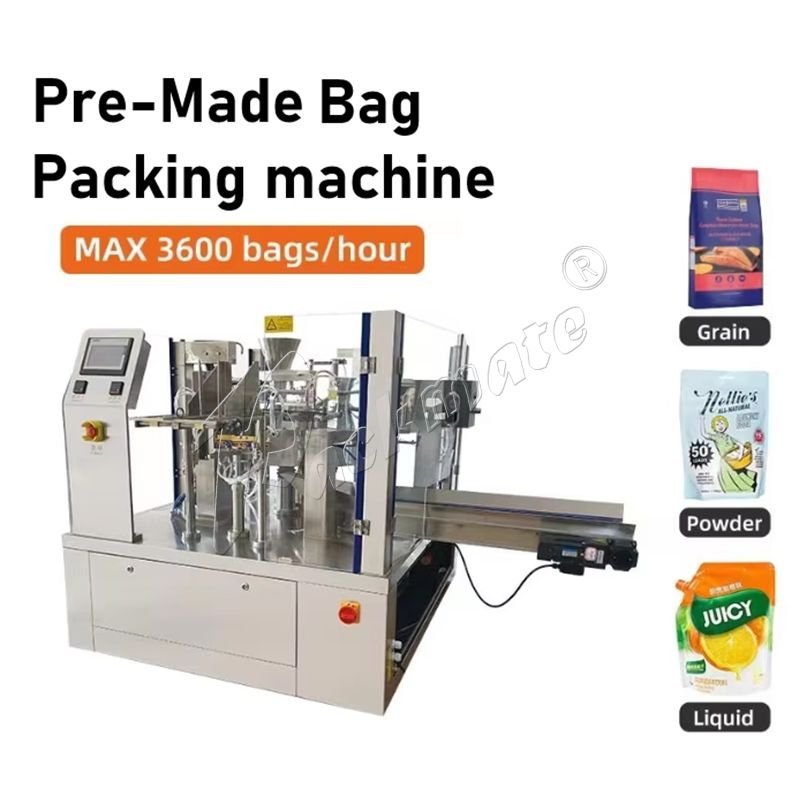
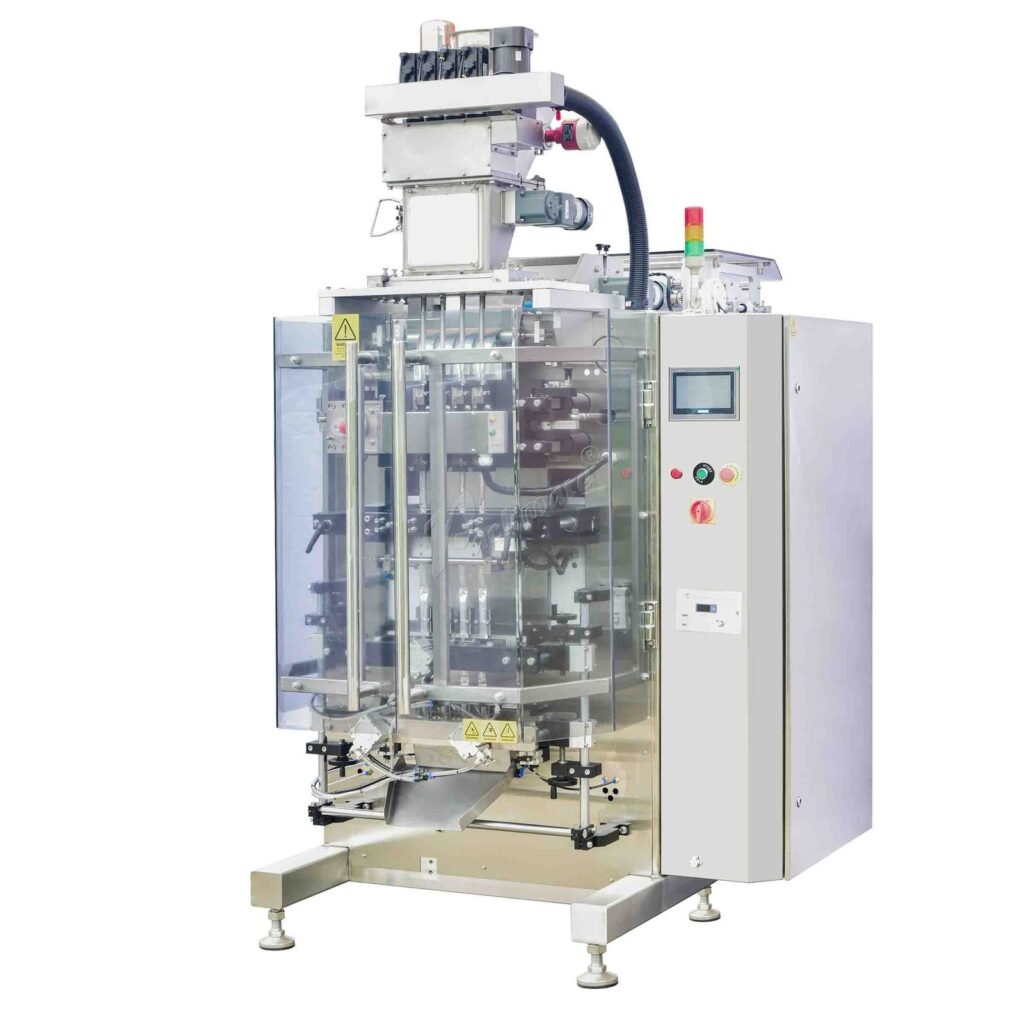
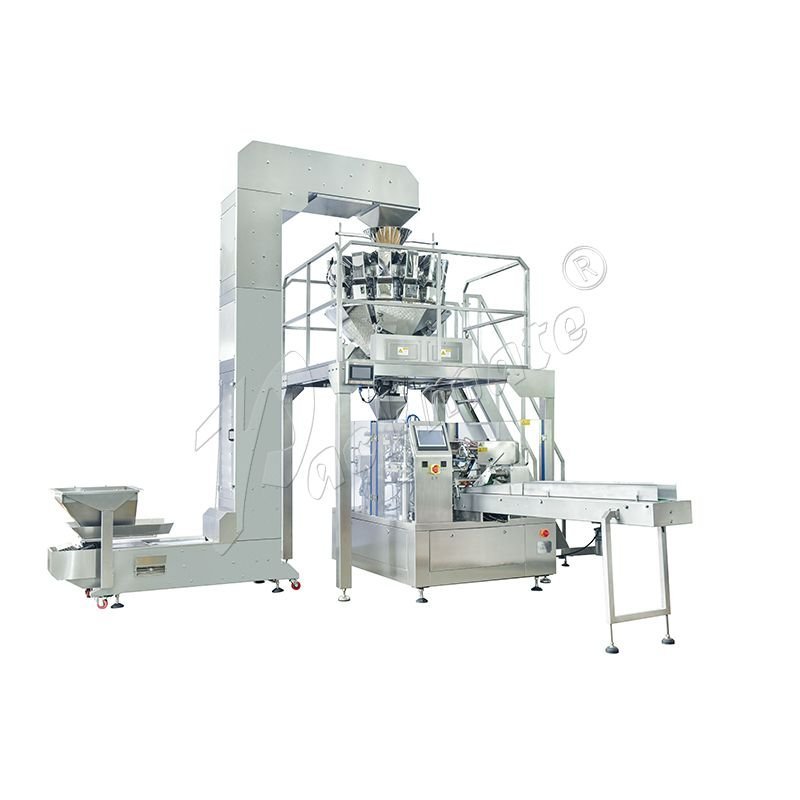
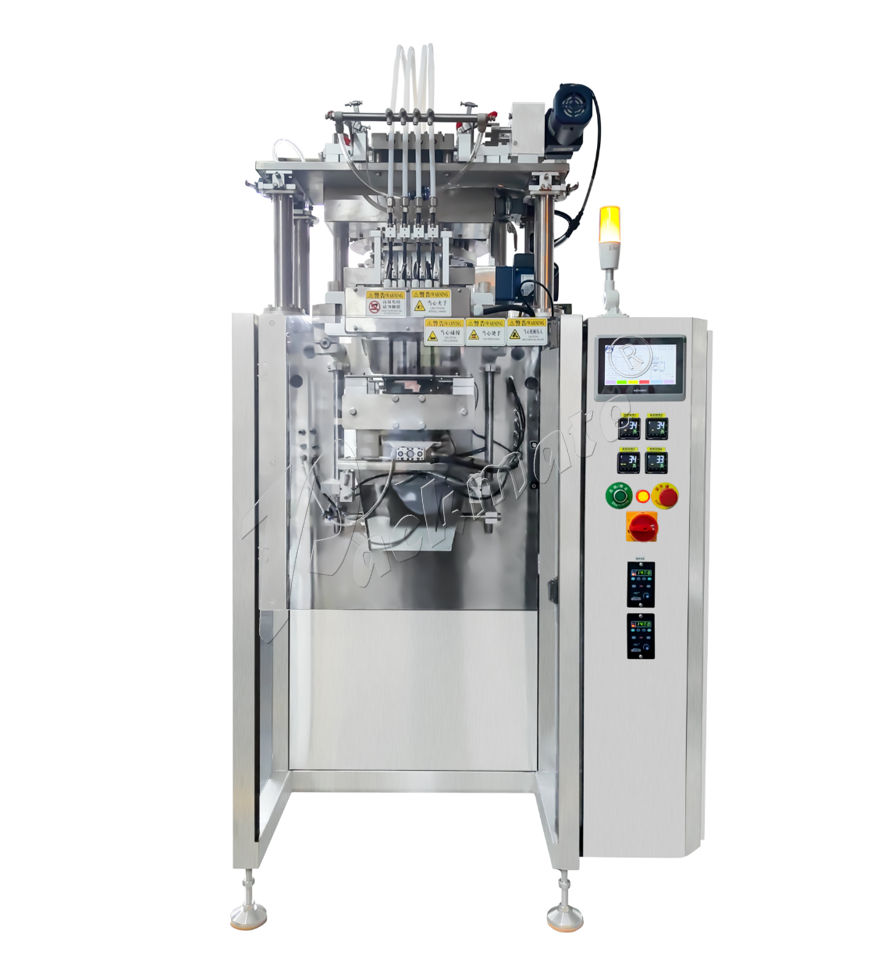
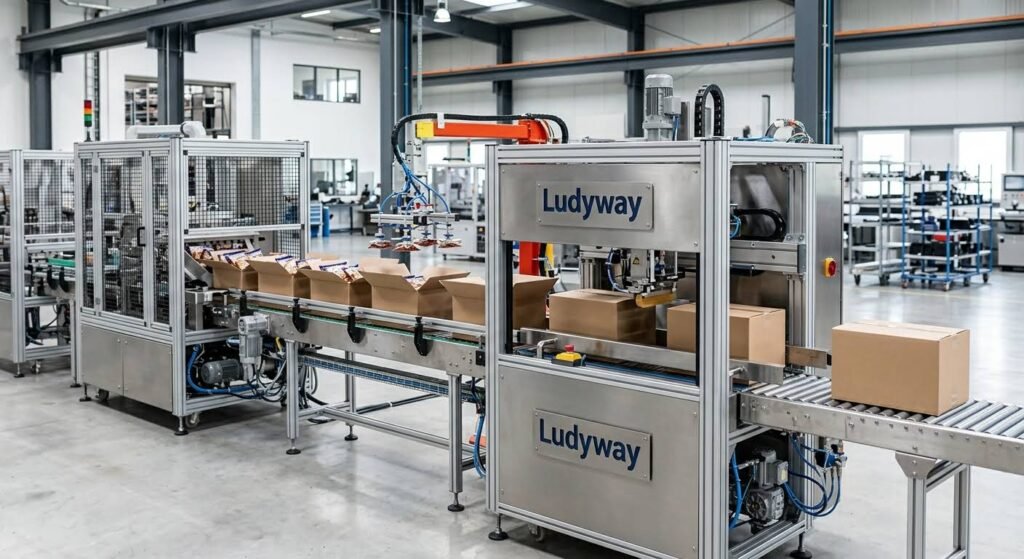
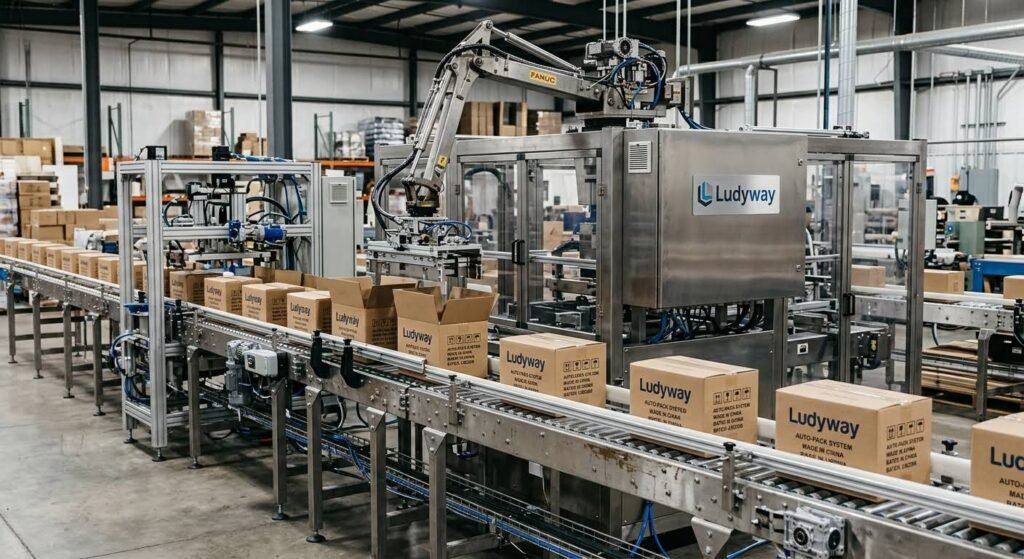
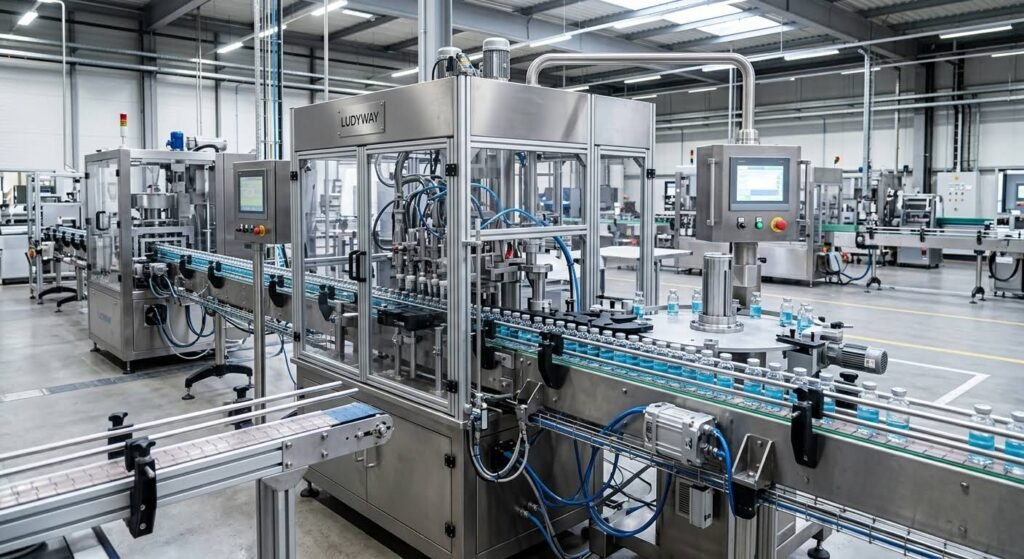
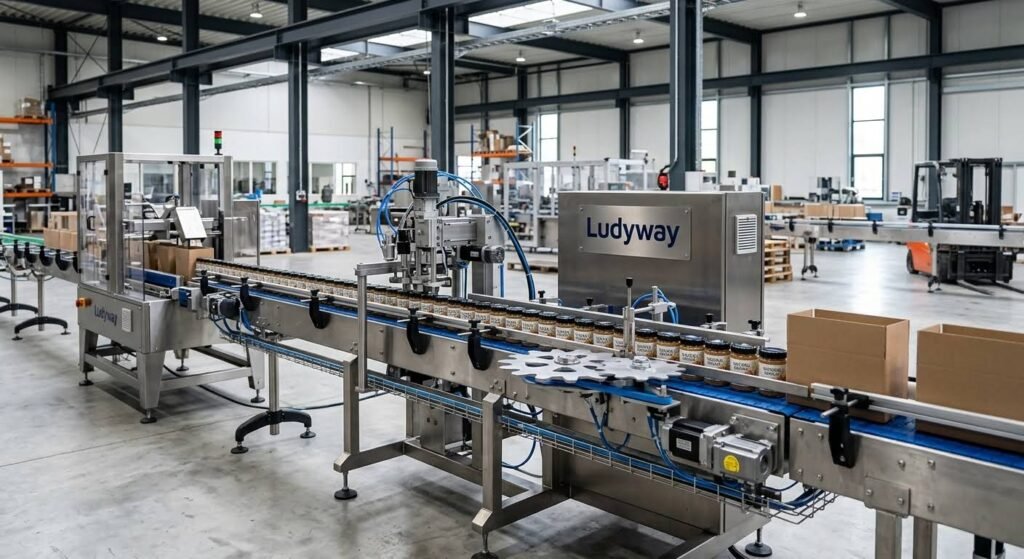
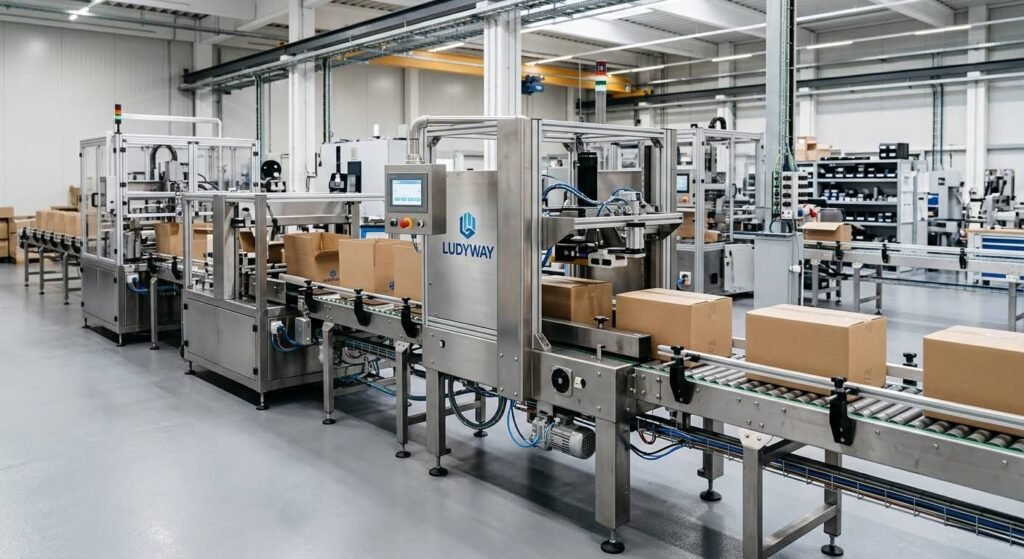
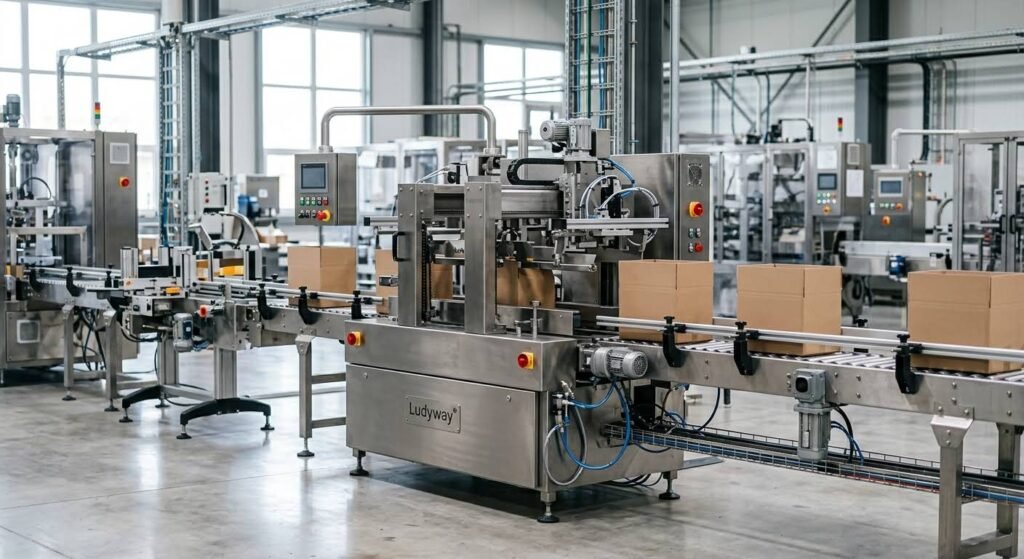
In the demanding world of modern agriculture, efficiency, safety, and precision are non-negotiable. The packaging of agrochemicals—whether potent liquid concentrates or fine powders—presents a unique set of challenges that directly impact farm productivity, environmental safety, and operator well-being. A High‑Efficiency Agricultural Chemical Packaging Machine for Liquid and Powder Agrochemicals is not merely a piece of equipment; it is a critical component in the supply chain that ensures these vital products are delivered reliably, accurately, and securely to the end-user.
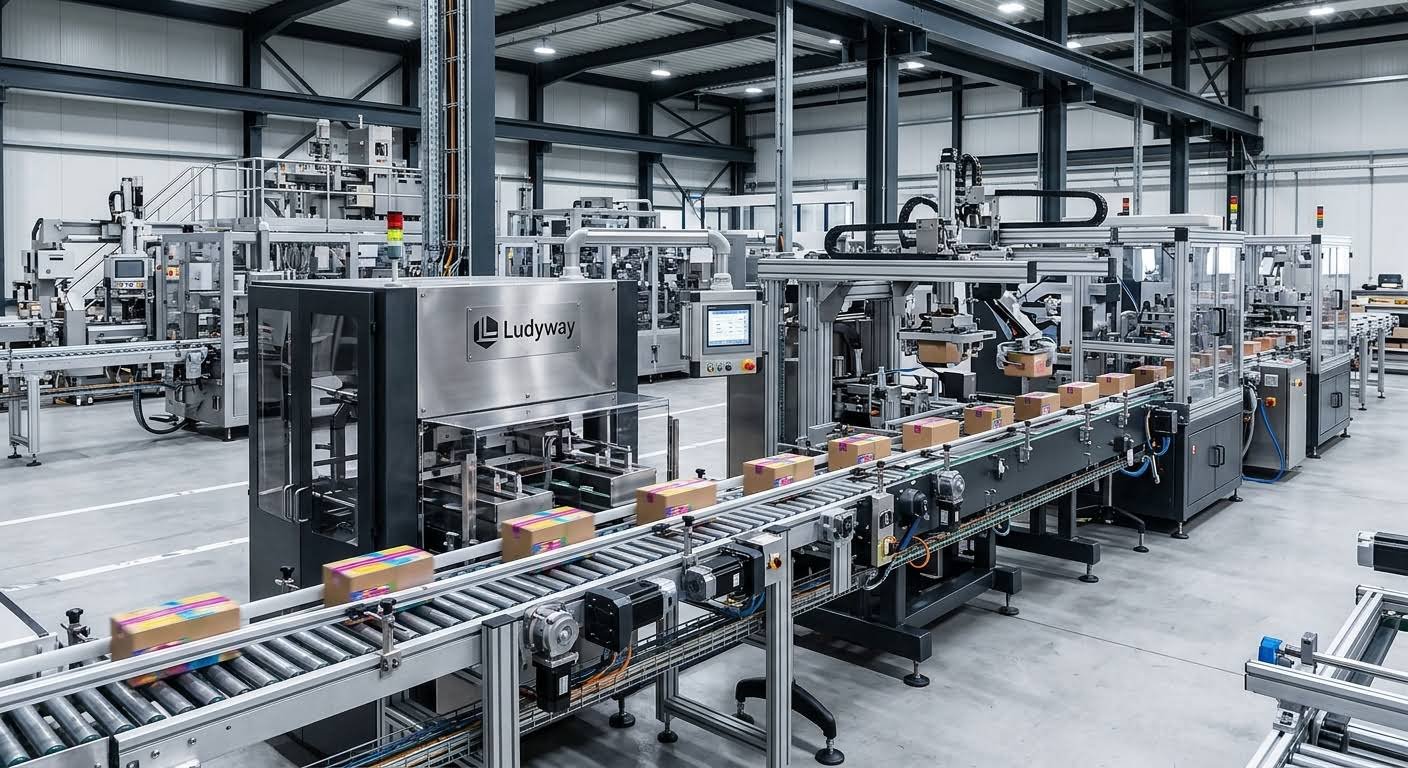
The Critical Role of Precision Packaging in Agrochemicals
Agrochemicals are the backbone of high-yield farming, protecting crops from pests and diseases while nourishing plant growth. However, their concentrated nature demands utmost care in handling and dispensing. Inaccurate dosing due to poor packaging can lead to under-application, resulting in crop loss, or over-application, which wastes costly chemicals, harms the environment, and can leave harmful residues. Manual packaging processes are particularly vulnerable to these inconsistencies, not to mention exposing workers to potential health risks.
This is where automated, high-efficiency packaging technology becomes indispensable. By automating the filling, sealing, and coding processes, these machines eliminate human error, ensure precise weight and volume control for every single sachet or bottle, and create a sealed barrier that protects the chemical integrity of the product during storage and transport.
Core Features of a High-Performance Agrochemical Packager
A machine designed for this sector must be engineered with specific capabilities to handle its tough operating environment and strict regulatory requirements.
1. Versatile Material Handling
The best machines offer true dual-capability, seamlessly switching between liquid and powder formats with minimal changeover time. For liquids like herbicides and liquid fertilizers, they employ precision piston or overflow filling systems. For powders and granules, such as wettable powders or seed treatments, auger filler systems with anti-segregation features are crucial for maintaining blend uniformity. Corrosion-resistant components, often using stainless steel or specialized coatings, are mandatory to withstand aggressive chemical formulations.
2. Uncompromising Accuracy & Speed
High efficiency is defined by both speed and precision. Modern machines achieve remarkable filling accuracies, often within ±0.5% to ±1.0%, across a wide range of package sizes—from small single-dose sachets to large 20-liter jerrycans. This precision is maintained at high speeds, with some models capable of producing hundreds of pouches or dozens of bottles per minute, dramatically increasing output while reducing material giveaway.
3. Enhanced Safety & Containment
Operator safety is paramount. Advanced models feature integrated dust collection systems for powders and fume extraction options for volatile liquids, minimizing airborne exposure. Enclosed designs and automatic cleaning-in-place (CIP) systems further reduce operator contact with chemicals. The sealing technology—be it heat seal for laminated films or capping for bottles—must create a hermetic, tamper-evident seal that prevents leaks and contamination.
4. Smart Integration & Data Tracking
Today’s packaging lines are data hubs. Machines equipped with programmable logic controllers (PLCs) and human-machine interfaces (HMIs) allow for easy recipe management for different products. Integration with checkweighers and vision inspection systems ensures every package meets quality standards. Data logging capabilities provide traceability, recording batch numbers, production counts, and error logs, which is essential for quality assurance and regulatory compliance. For more on integrated production solutions, explore our overview of turnkey packaging lines.
Benefits Beyond the Production Floor
Investing in a dedicated agrochemical packaging system delivers a cascade of benefits that extend far beyond the factory.
- ✔️ Regulatory Compliance: Ensures consistent, accurate labeling and dosing information, supporting adherence to strict global and local agricultural chemical regulations.
- ✔️ Supply Chain Integrity: Robust packaging reduces damage and leakage during logistics, ensuring products arrive in perfect condition, which strengthens brand reputation. Learn how reliable equipment supports global logistics in our international services section.
- ✔️ Sustainability: Precision dosing minimizes chemical waste. Furthermore, machines compatible with recyclable or biodegradable packaging materials help producers meet growing environmental goals.
- ✔️ Cost Efficiency: Reduced product giveaway, lower labor costs, fewer rejected batches, and higher overall equipment effectiveness (OEE) lead to a strong return on investment.
Choosing the Right Partner for Your Packaging Needs
Selecting a packaging machine is a significant decision. It’s vital to partner with a supplier who understands the intricacies of the agrochemical industry. Look for a provider with proven experience, who can offer not just a machine, but a comprehensive solution including material testing, factory acceptance trials, and robust after-sales support. A partner with a strong track record will have the expertise to recommend the right configuration—whether it’s a standalone vertical form-fill-seal machine for sachets or a complete rotary liquid filling line for cans. Discover the engineering philosophy behind reliable solutions on our company history page.
For instance, a manufacturer like Ludyway Machinery, with deep industry experience, focuses on delivering precisely this kind of tailored, reliable automation. Their approach centers on building durable machines with intelligent controls that meet the specific speed, accuracy, and safety demands of chemical packaging, backed by professional technical support to ensure long-term, trouble-free operation.
Conclusion: Packaging as a Strategic Advantage
In conclusion, a High‑Efficiency Agricultural Chemical Packaging Machine is a strategic asset for any agrochemical producer. It transforms packaging from a cost center into a value-adding process that guarantees product quality, protects the environment and workers, satisfies regulatory bodies, and builds trust with farmers. By enabling precise, safe, and fast packaging of both liquid and powder formulations, this technology is fundamental to sustainable and productive modern agriculture, ensuring that crop protection and nutrition products perform as intended, from the factory to the field.
Frequently Asked Questions (FAQs)
1. Can one machine truly handle both liquid and powder agrochemicals effectively?
Yes, advanced dual-format machines are designed for this purpose. They utilize interchangeable filling systems—such as switching from a piston filler for liquids to an auger filler for powders. The key is a robust design with corrosion-resistant parts and easy-to-clean surfaces to prevent cross-contamination between different product types.
2. How does the machine ensure accurate dosing for highly concentrated chemicals?
Precision is achieved through high-accuracy filling systems driven by servo motors, coupled with in-line checkweighers that provide real-time feedback. Any package outside the pre-set weight tolerance is automatically rejected. This closed-loop control system is essential for maintaining consistency with potent formulations.
3. What safety features are most important for packaging toxic agrochemicals?
Critical safety features include: fully enclosed or guarded filling zones, integrated local exhaust ventilation (LEV) to capture dust or fumes, automatic CIP systems to clean contact parts without disassembly, and emergency stop controls. The machine construction must use materials compatible with harsh chemicals to prevent degradation and failure.
4. What kind of packaging materials can these machines use?
They are highly versatile. For powders and granules, they typically work with laminated films (e.g., PET/AL/PE) for sachets that provide excellent moisture and light barrier properties. For liquids, options include pre-formed bottles (HDPE, PET) or pouches made from similar high-barrier laminates. The machine must have precise temperature control for sealing these varied materials.
5. How complex is the changeover between different product sizes or types?
Modern machines prioritize quick changeover. Features like tool-less adjustments, digital recipe storage on the HMI, and quick-release parts significantly reduce downtime. For a complete format change (e.g., from sachets to bottles), it may require changing specific parts like the forming collar or filling heads, but the process is designed to be as efficient as possible.