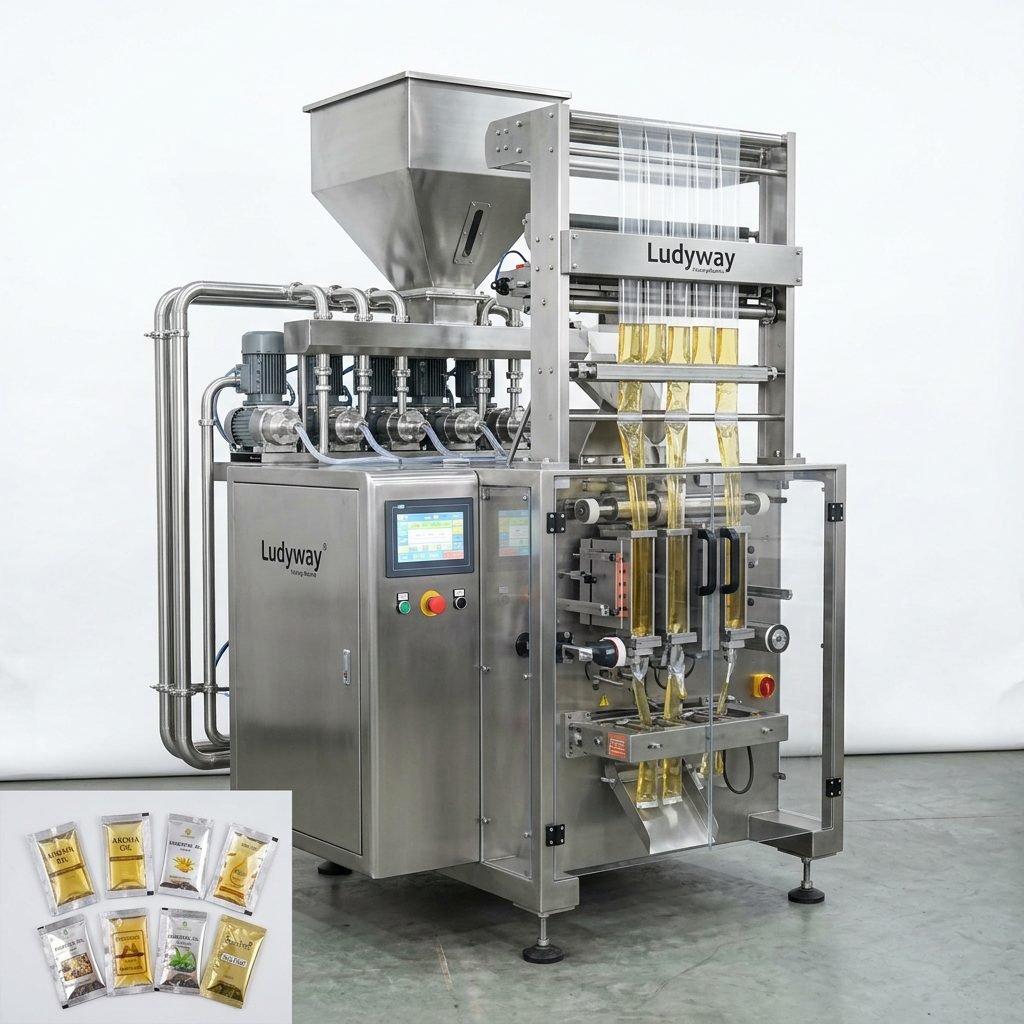
When evaluating a salt packing machine price, the lowest quote is rarely the best deal. For salt producers, seasoning brands, private-label packers, and food processors, the right machine should match product type, bag format, output target, automation level, and long-term operating cost. A smart buying decision helps reduce waste, improve sealing quality, stabilize bag weights, and protect margins over time.
Because salt can be packed as fine powder, table salt, iodized salt, sea salt, rock salt, or specialty granules, machine selection must start with the actual product and packaging goal—not price alone.
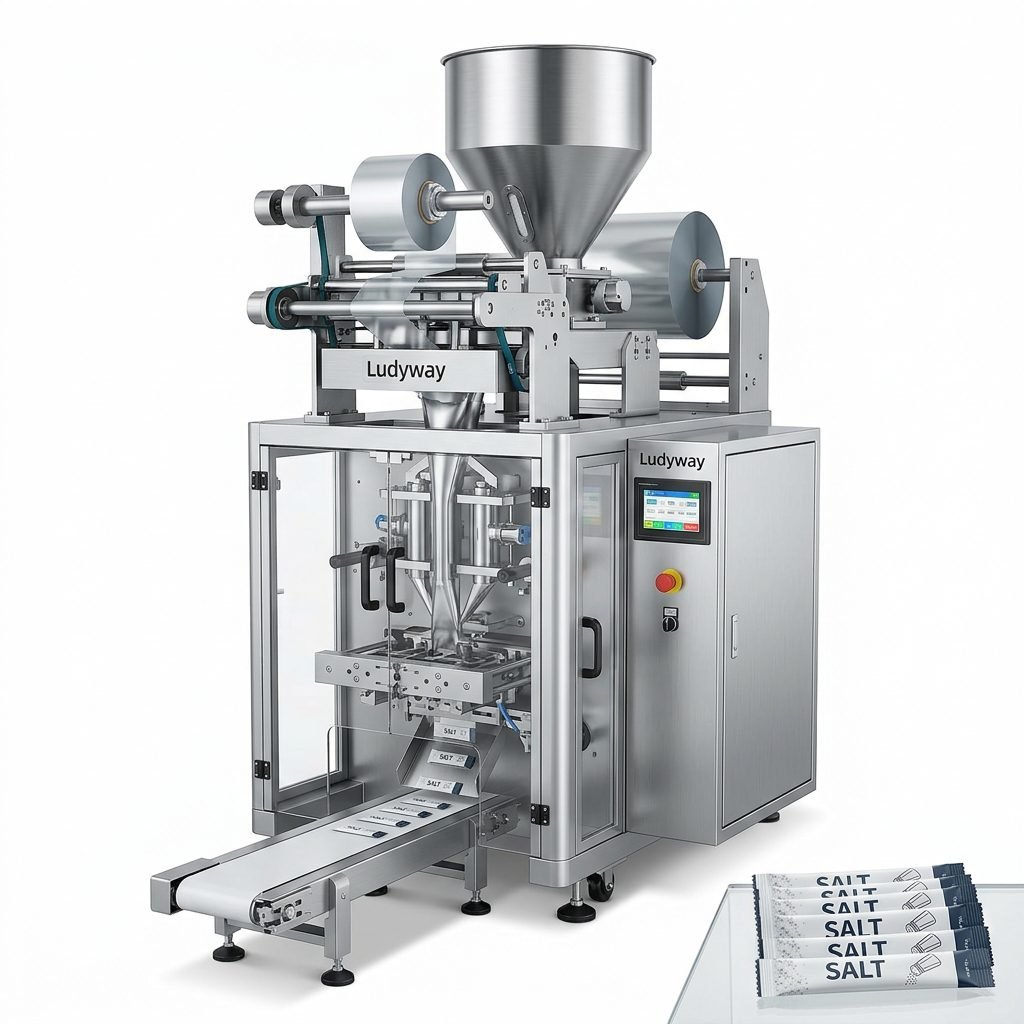
What Affects Salt Packing Machine Price?
Salt packing machine cost can vary widely depending on machine design and production scope. A semi-automatic system may suit startups, while a fully automatic high-speed line is better for medium and large factories. The following factors usually drive the final price:
- Salt type: free-flowing granules, fine powder, coarse crystals, sea salt, or flavored salt blends
- Package style: sachets, stick packs, pillow bags, gusset bags, premade pouches, or bulk bags
- Speed requirement: packs per minute or kilograms per hour
- Accuracy requirement: tighter weight tolerance means more advanced dosing systems
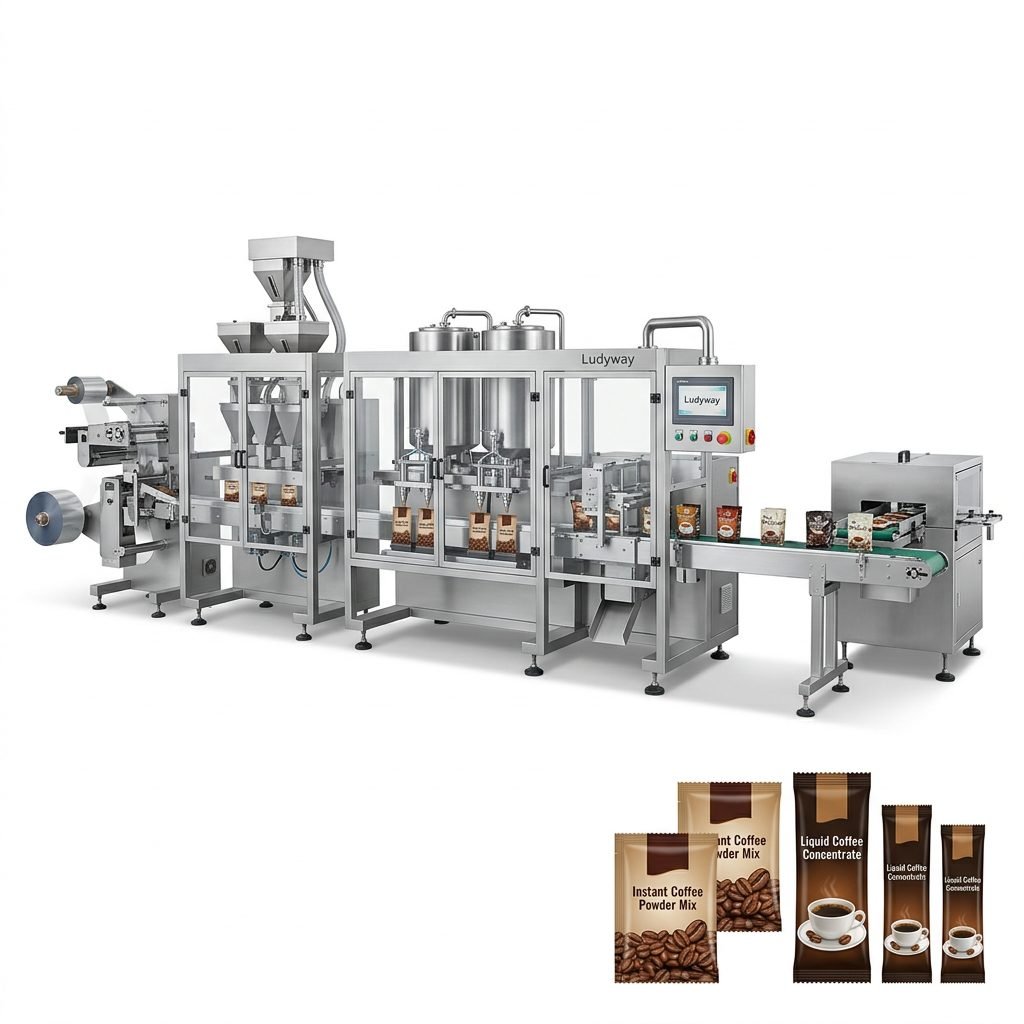
- Automation level: feeding, filling, sealing, coding, checkweighing, cartoning, and palletizing
- Material and hygiene standards: corrosion resistance, stainless steel structure, food-grade contact parts
- Customization: special film structure, anti-caking features, dust control, nitrogen flushing, or multi-lane design
| Factor | Impact on Price | Why It Matters |
|---|---|---|
| Machine type | Medium to high | VFFS, sachet, stick pack, premade pouch, and bulk bag systems have different structures and costs |
| Output speed | High | Higher-speed lines need stronger servo systems, more precise control, and better sealing stability |
| Filling system | High | Cup fillers, auger fillers, linear weighers, and multi-head weighers differ in precision and application |
| Bag size range | Medium | Wider flexibility often increases tooling and control complexity |
| Line integration | High | Conveyors, coding, metal detection, cartoning, and case packing add value and cost |
Typical Salt Packaging Machine Types
Different salt products need different packaging machines. Choosing the wrong type can lead to poor sealing, inaccurate fills, dust issues, and unnecessary maintenance costs.
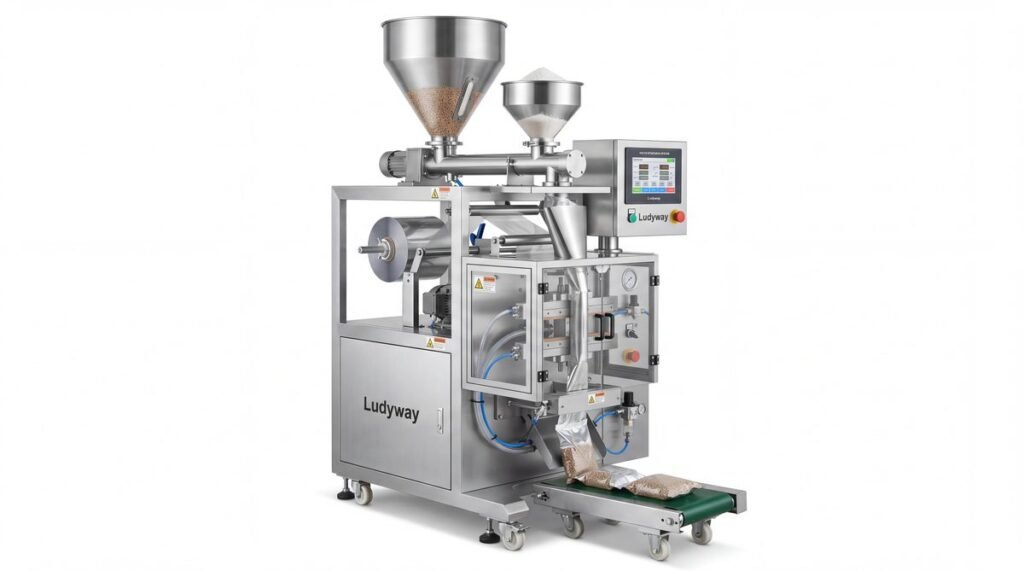
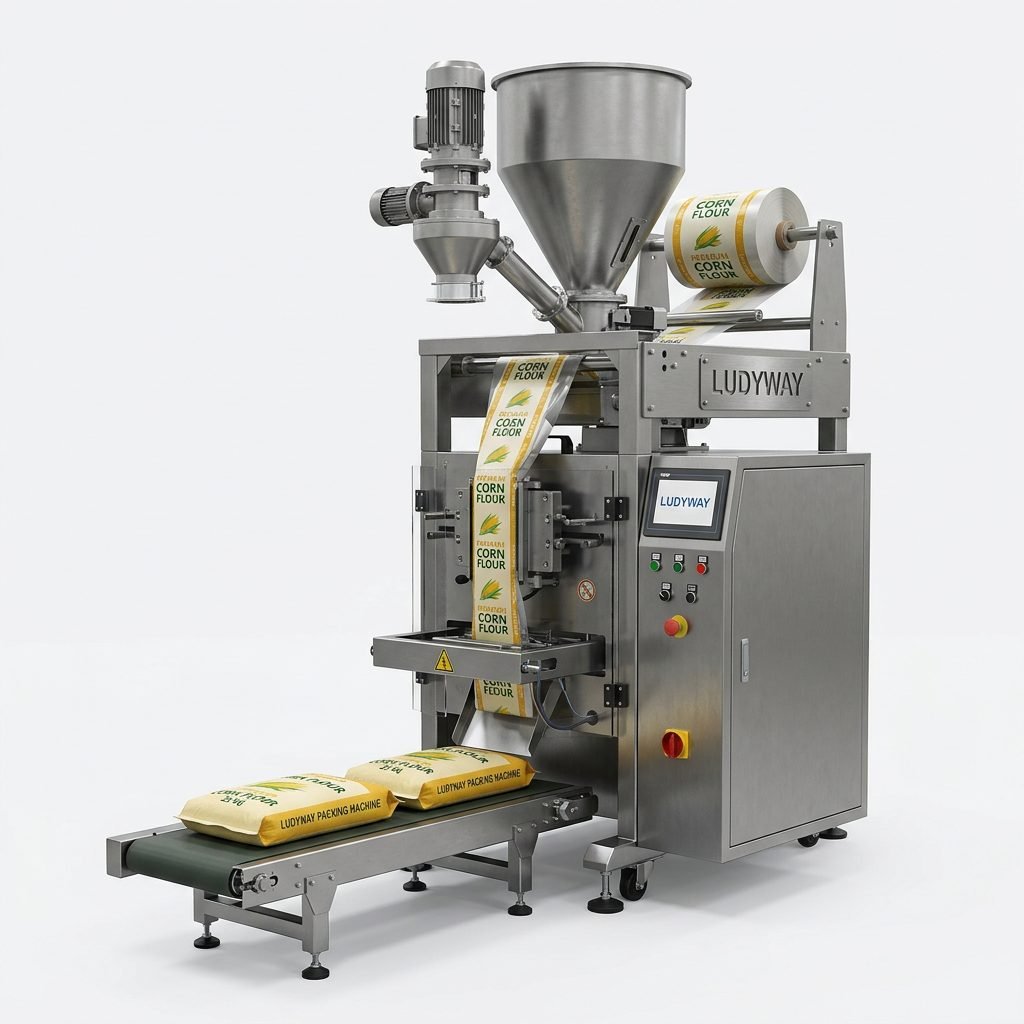
1. Vertical Form Fill Seal Machines
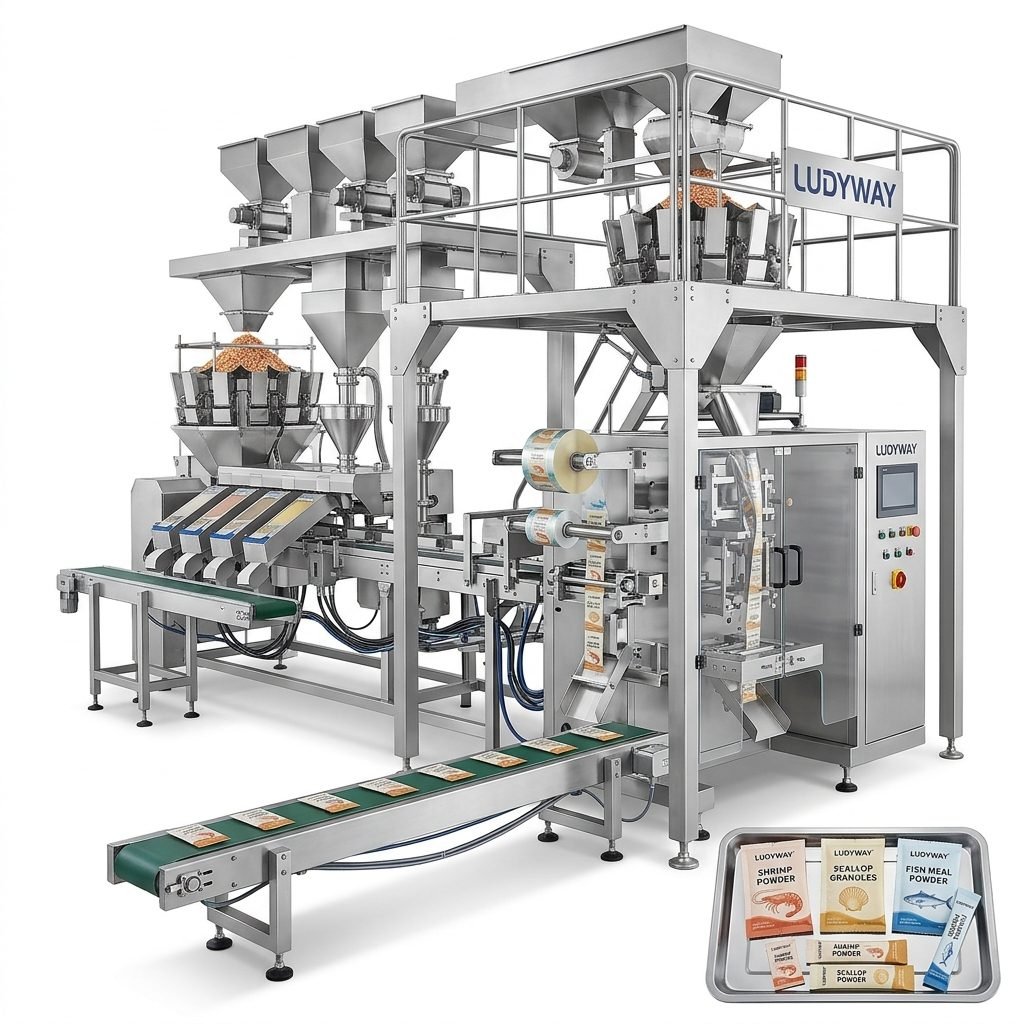
VFFS machines are common for pillow bags and medium-to-large retail packs. They are suitable for table salt, sea salt, and coarse granules. They offer strong flexibility and can often be connected with feeders, checkweighers, and coding systems.
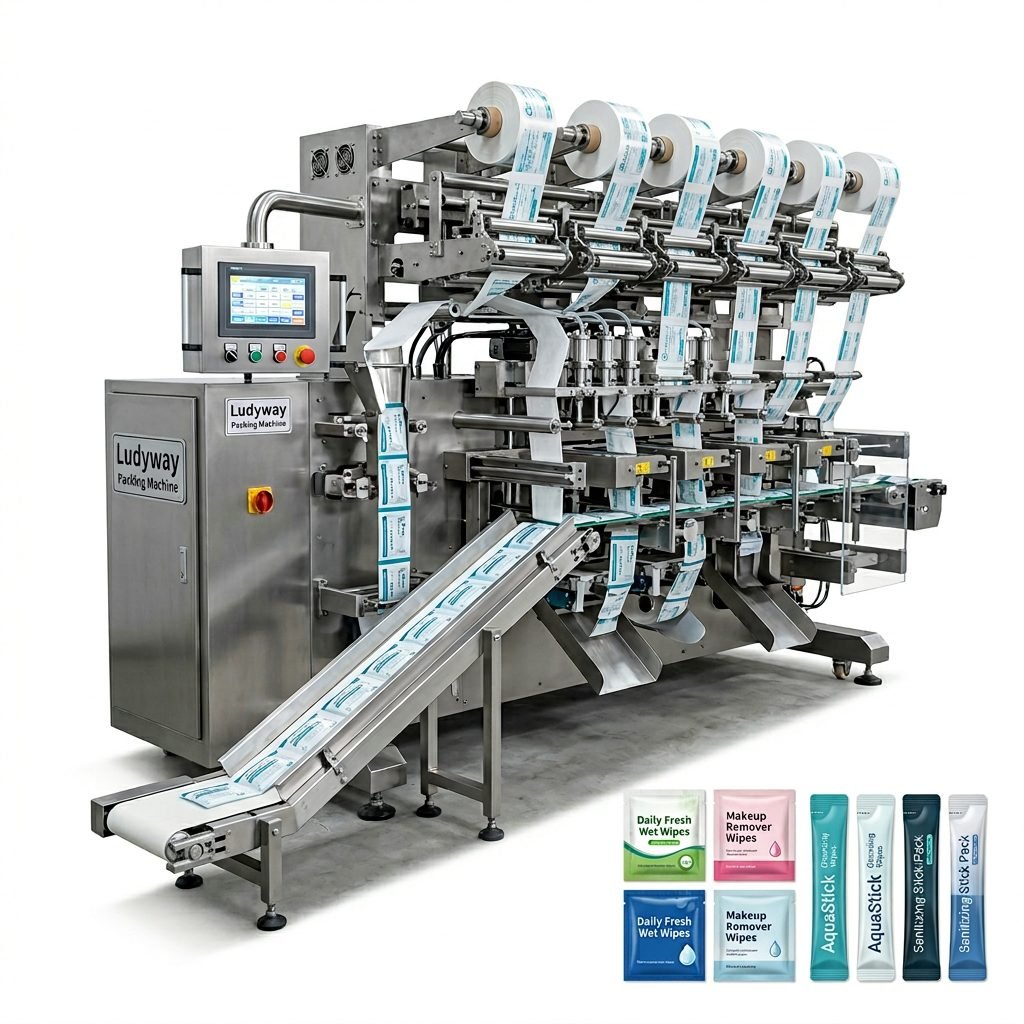
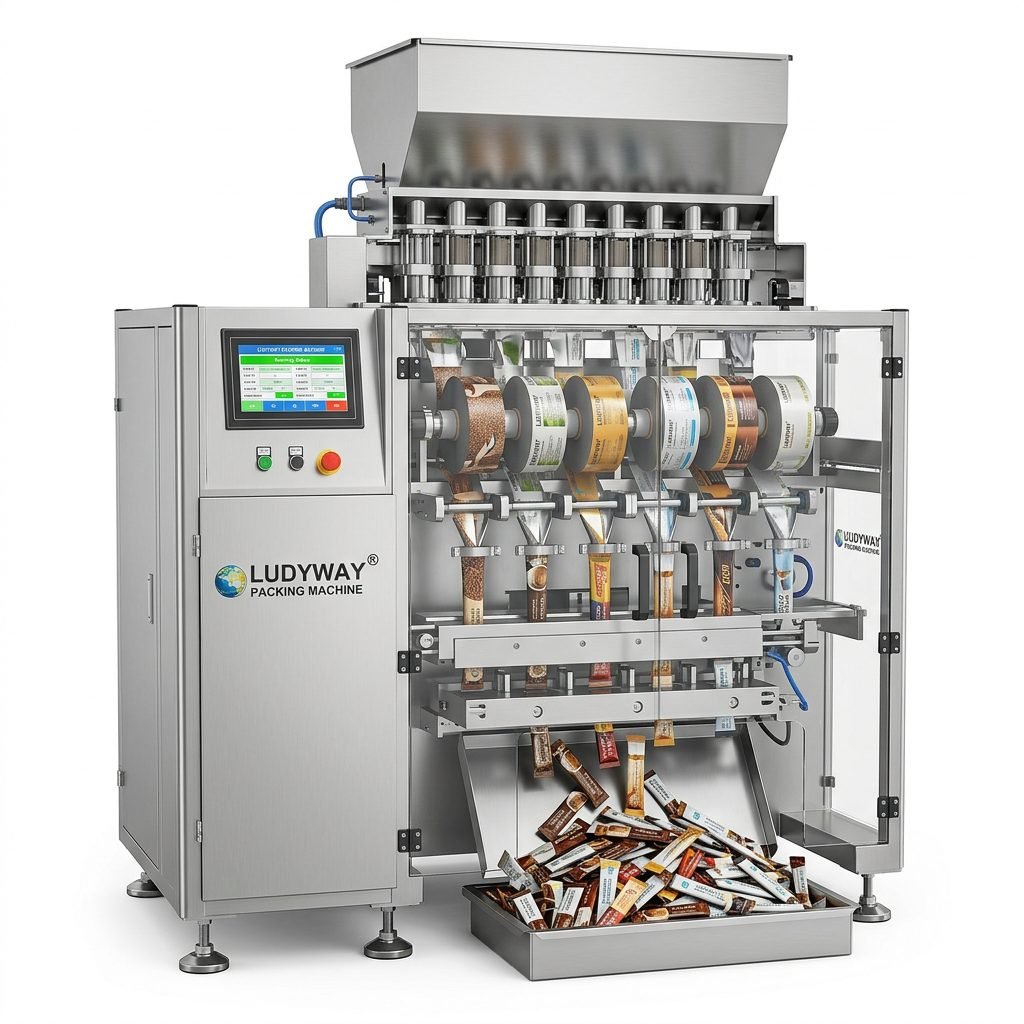
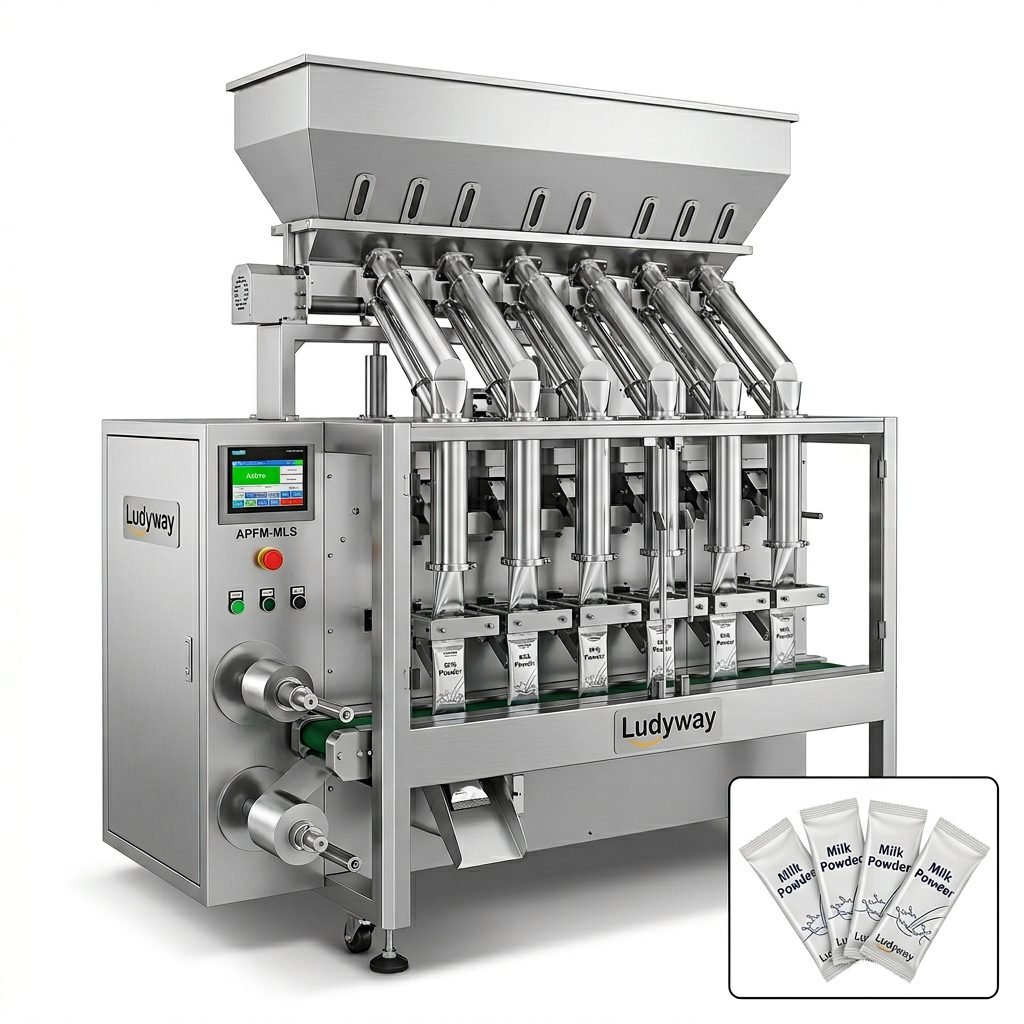
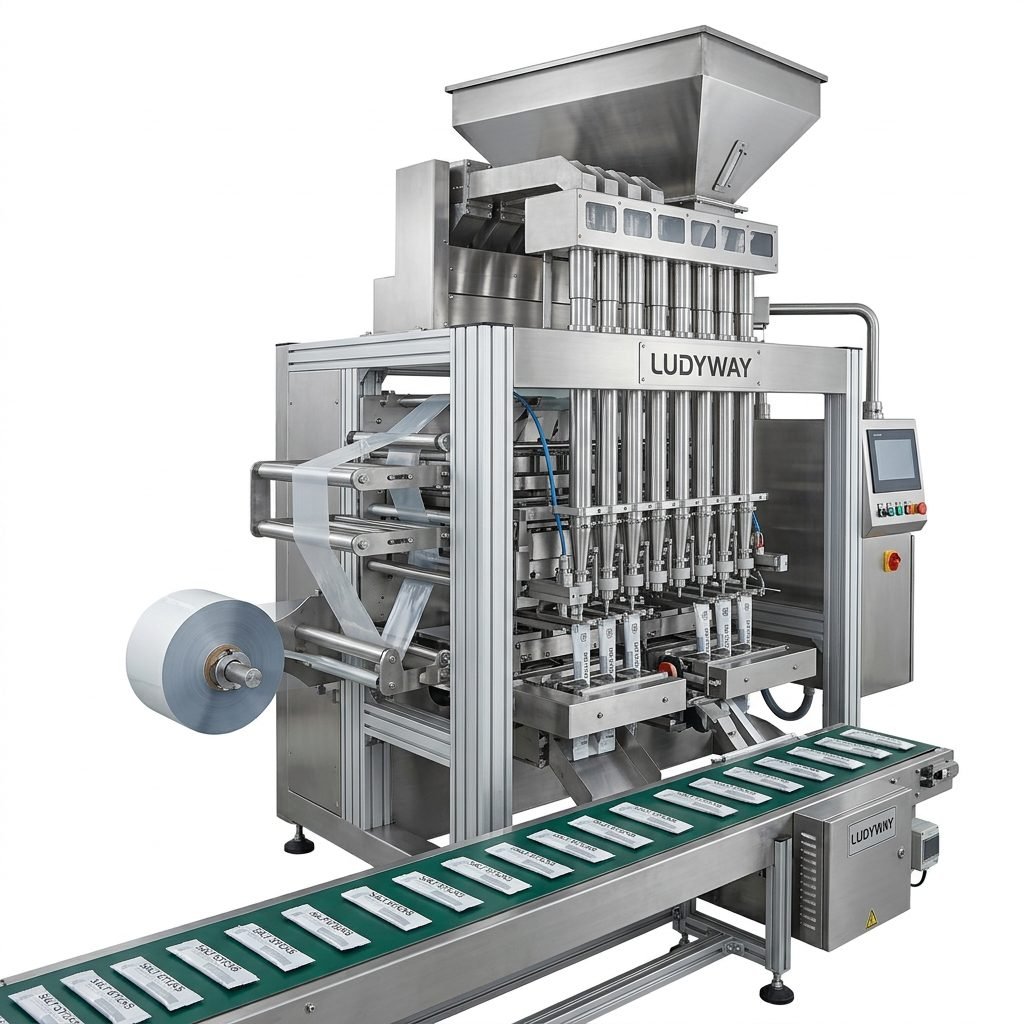
2. Multi-Lane Sachet or Stick Pack Machines
These are ideal for high-volume small sachets, such as single-serve salt packs for catering, fast food, travel, airline meals, and institutional food service. Multi-lane equipment increases throughput significantly for small-format packaging.
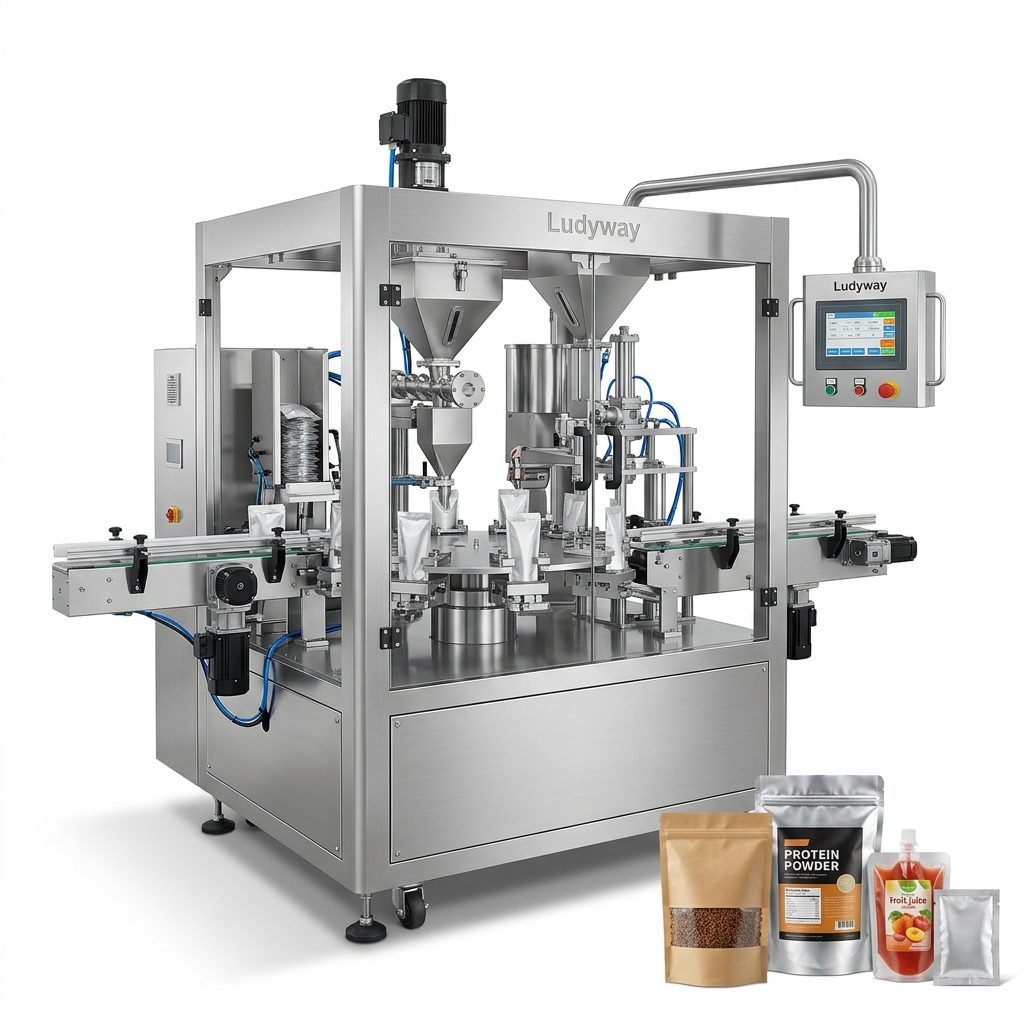
3. Premade Pouch Packaging Machines
If your brand focuses on premium retail presentation, zip pouches or stand-up pouches may be the better option. This type is often used for gourmet sea salt, Himalayan pink salt, flavored salt, or specialty seasoning blends.
4. Open-Mouth Bagging or Bulk Packaging Systems
For industrial salt, water treatment salt, livestock salt, or large-volume wholesale applications, larger bagging systems for 10kg, 25kg, or 50kg packaging are more suitable than sachet equipment.
How to Match the Machine to Your Salt Product
A machine that works well for sugar or coffee may not automatically perform well with salt. Salt has its own flow behavior, corrosive tendencies, and dust characteristics. Before comparing quotations, confirm these points:
- Particle size: fine salt and coarse salt may require different dosing methods
- Moisture sensitivity: anti-caking performance and sealing integrity are important
- Pack weight: 1g sachets and 25kg bags need completely different machinery
- Production environment: food-grade cleanliness, dust extraction, and corrosion resistance should be considered
- Film material: laminated film, PE-based film, and premium printed film may affect sealing system choice
| Salt Product | Recommended Machine | Typical Pack Format |
|---|---|---|
| Table salt | VFFS or sachet machine | Pillow bag, small sachet |
| Sea salt | VFFS, pouch machine | Pillow bag, stand-up pouch |
| Single-serve salt | Multi-lane stick pack or sachet machine | 1g–5g stick packs or sachets |
| Rock salt / coarse salt | Weigher-based bagging machine | Larger retail bags or bulk bags |
| Industrial salt | Bulk bagging system | 10kg–50kg bags |
Price vs. Total Cost of Ownership
Many buyers focus only on initial equipment cost. But the better metric is total cost of ownership. A cheaper machine may end up costing more through downtime, poor sealing, low accuracy, wasted film, labor dependence, and spare part delays.
When comparing suppliers, calculate:
- Energy consumption
- Film waste rate
- Salt loss during feeding and filling
- Labor required per shift
- Maintenance interval
- Availability of spare parts
- Remote technical support and training
- Machine upgrade potential as demand grows
Key Questions to Ask Before Buying
Before requesting a final quotation, ask the supplier for application-based details rather than a simple catalog price.
Important questions include:
- What salt products has the machine already packed successfully?
- What is the real tested speed for my bag size and fill weight?
- What filling accuracy can be achieved?
- Is the machine resistant to salt corrosion over long-term use?
- Can the system handle multiple bag sizes?
- What electrical components, PLC, and touch screen brands are used?
- What after-sales service is available for installation and troubleshooting?
- What is included in the quoted price, and what is optional?
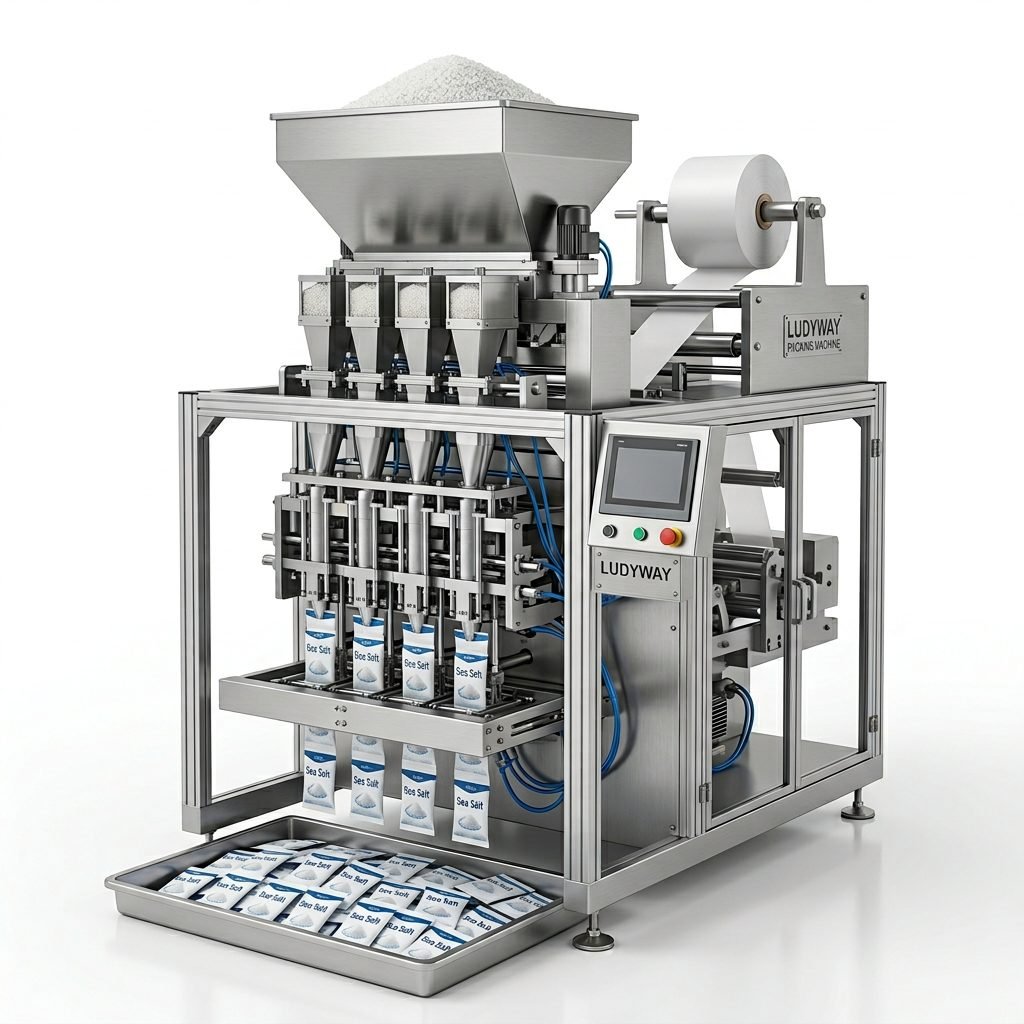
Features Worth Paying More For
Not every feature is essential, but some upgrades can deliver clear ROI for salt packaging operations:
- Servo-driven control for better stability and repeatability
- Advanced sealing system for cleaner, stronger pouch sealing
- Dust control or collection to keep sealing areas clean
- Multi-lane design for high-output single-serve salt production
- Automatic film tracking for printed packaging material
- Checkweigher and metal detector integration for quality control
- Remote diagnostics to reduce service response time
Best Choice for Small, Medium, and Large Businesses
For Small Businesses
If your output is still limited, choose a compact machine with simple operation, stable dosing, and room for future upgrades. Avoid overpaying for speed you will not use in the first year.
For Medium Businesses
A medium-scale salt producer often benefits most from semi-automatic to fully automatic VFFS or sachet systems that balance cost, speed, and flexibility. This is usually the sweet spot for ROI.
For Large Businesses
High-volume factories should consider fully integrated lines with automated feeding, multi-lane filling, checkweighing, coding, cartoning, and end-of-line handling. While the upfront investment is higher, the cost per pack is much lower at scale.
Why Supplier Experience Matters
A machine supplier with deep application experience can reduce your project risk. This is especially important when you need custom bag sizes, high-speed salt sachets, or a complete production line. Working with an established manufacturer like salt packaging machine supplier Ludyway can be valuable for buyers who need scalable packaging solutions, broad machine selection, and turnkey line support for food and related industries.
With over 30 years of industry experience, a large manufacturing base, and extensive export coverage, an experienced supplier is more likely to provide stable equipment performance, realistic production recommendations, and dependable after-sales support.
Final Buying Tips
To choose the right machine, compare suppliers based on application fit, tested performance, service capability, and long-term value—not just the cheapest quotation. The right salt packing machine should help your business package more efficiently, reduce labor, maintain bag consistency, and support growth over the next several years.
Quick checklist before you order:
- Confirm salt type and particle size
- Define target bag format and pack weight
- Set realistic speed requirements
- Check sealing quality and dosing accuracy
- Review machine material and corrosion resistance
- Evaluate service, spare parts, and technical support
- Calculate total cost of ownership, not just purchase price
In short: the best salt packing machine price is the one that delivers the best return for your production needs—not simply the lowest number on the quote.