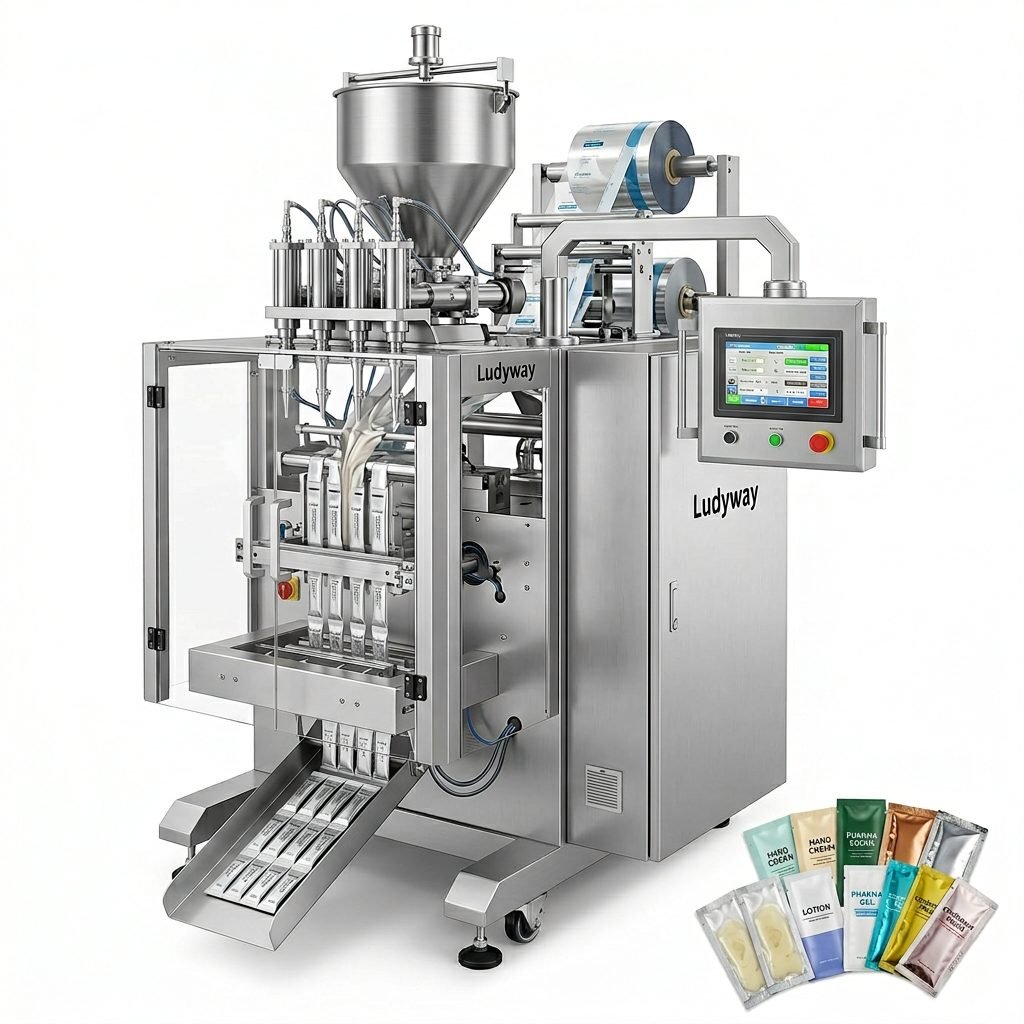
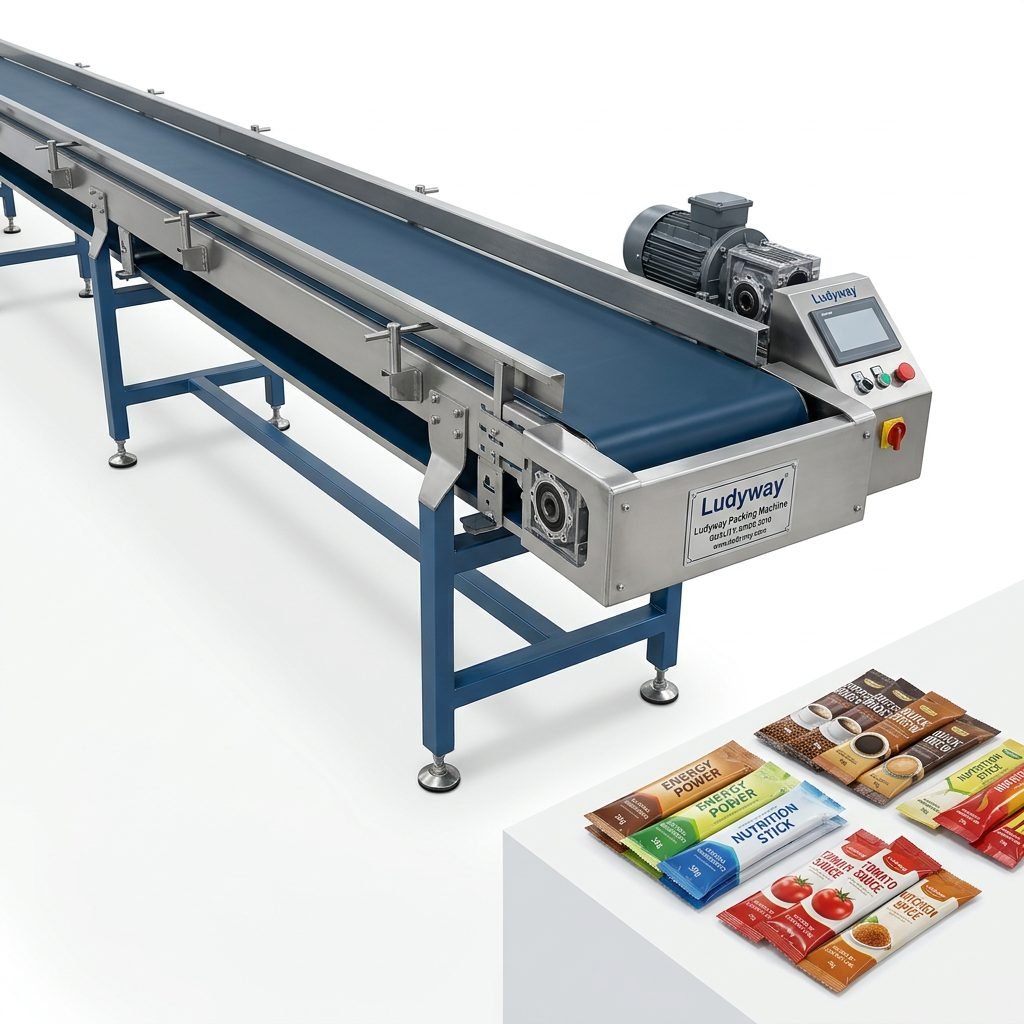
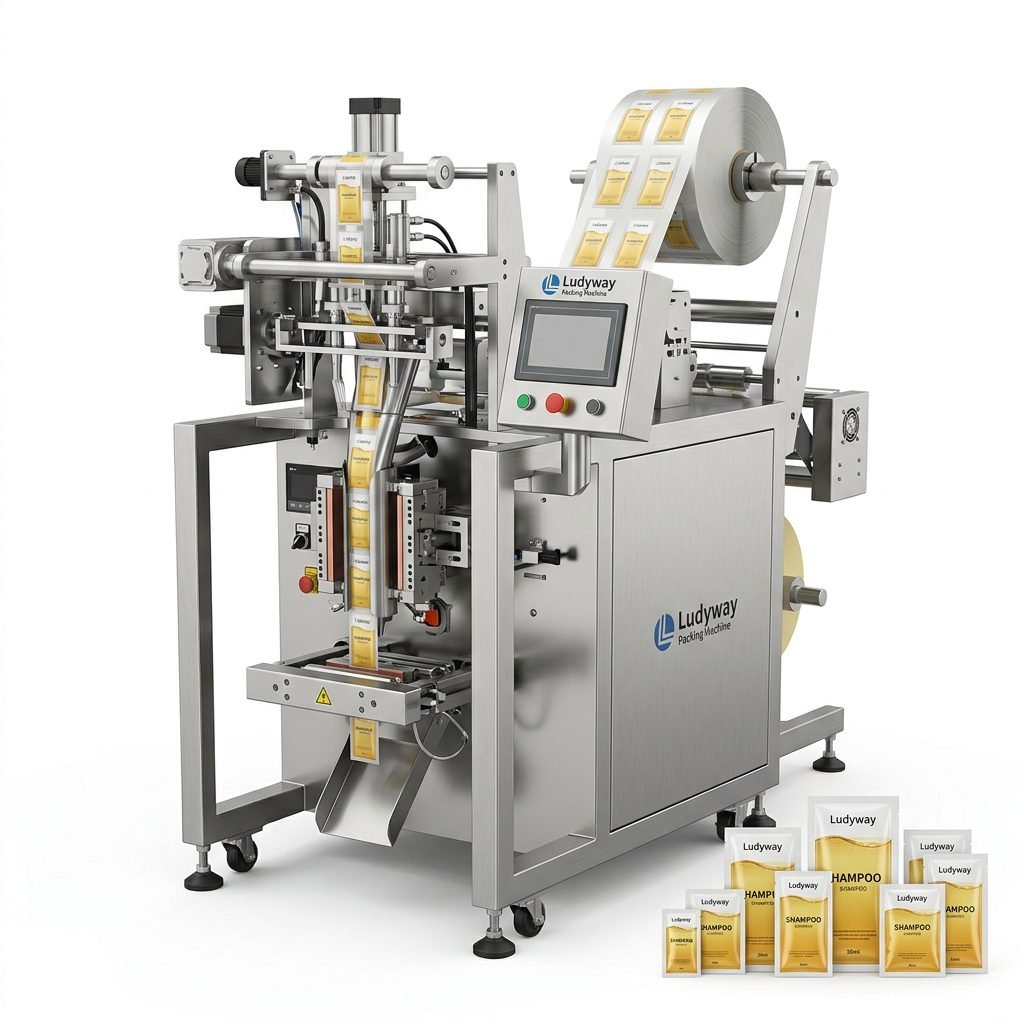
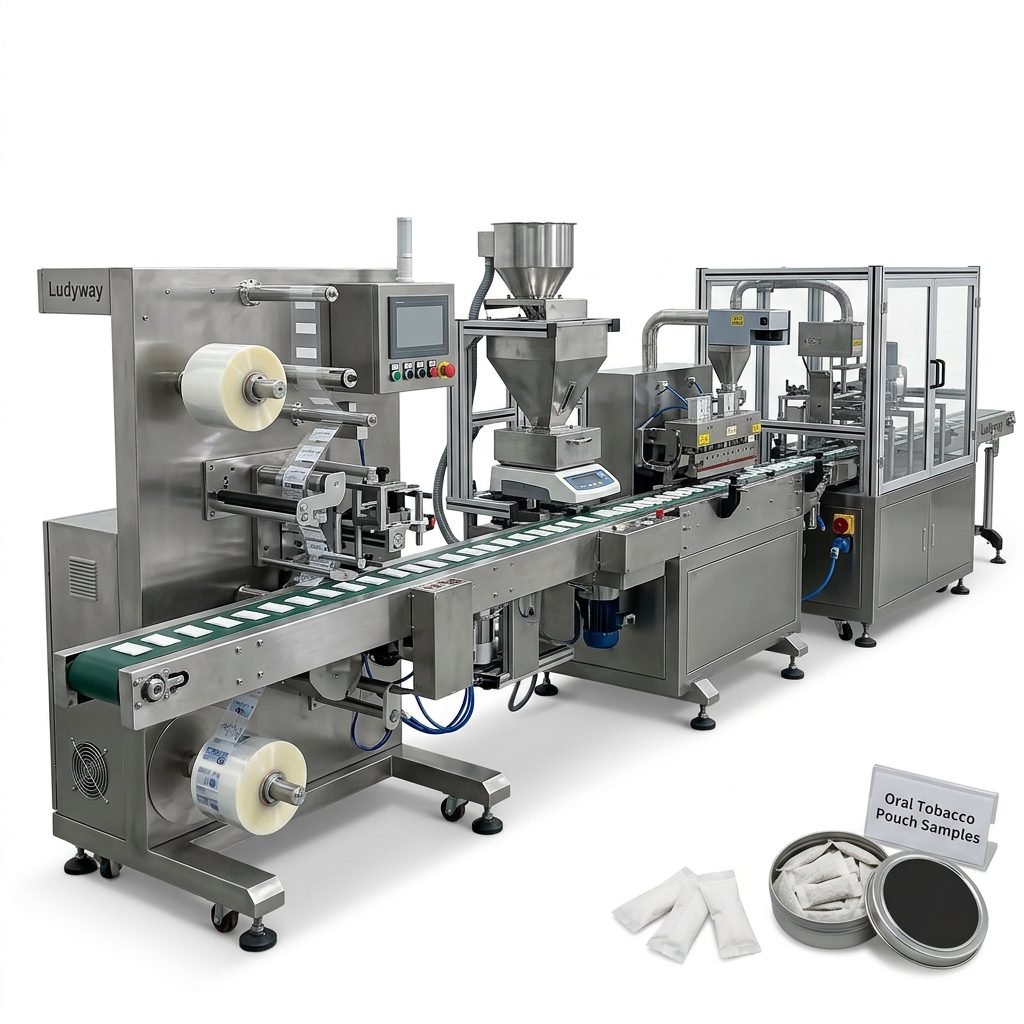
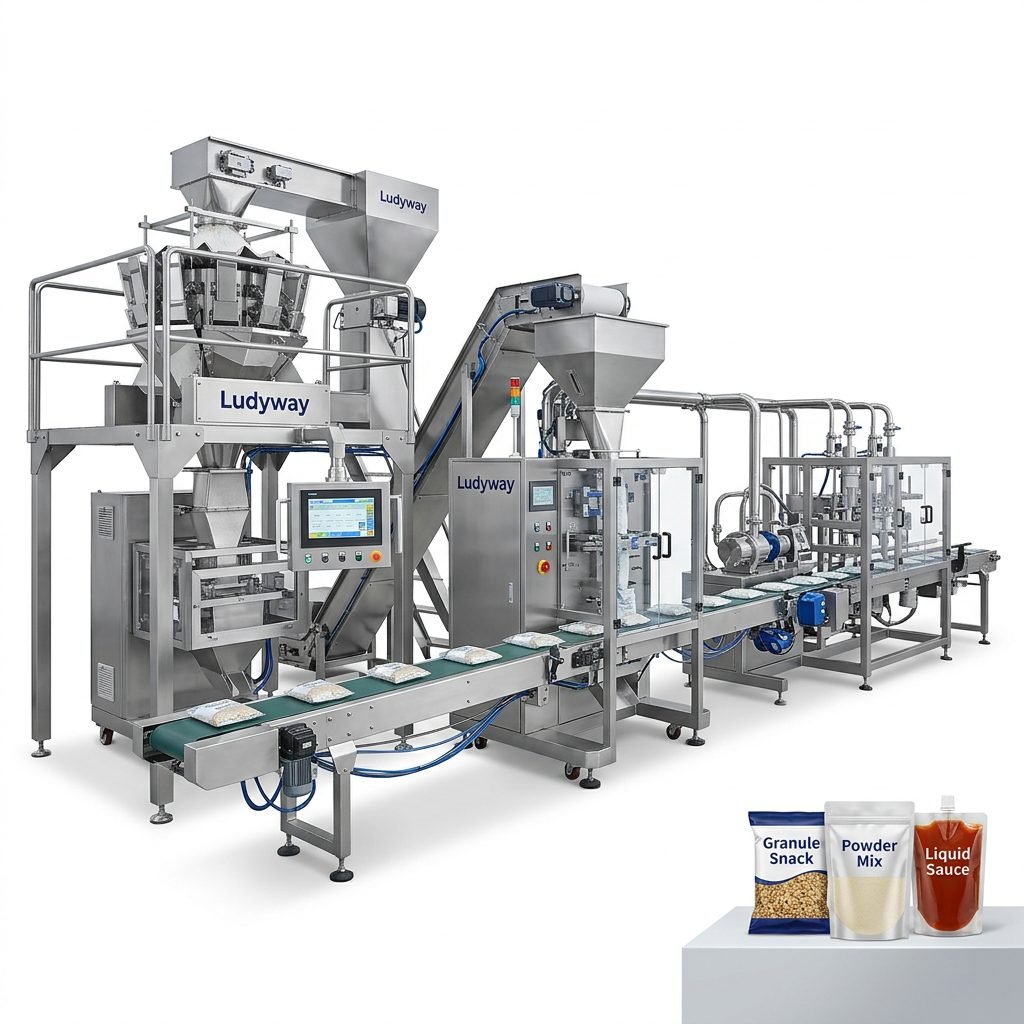
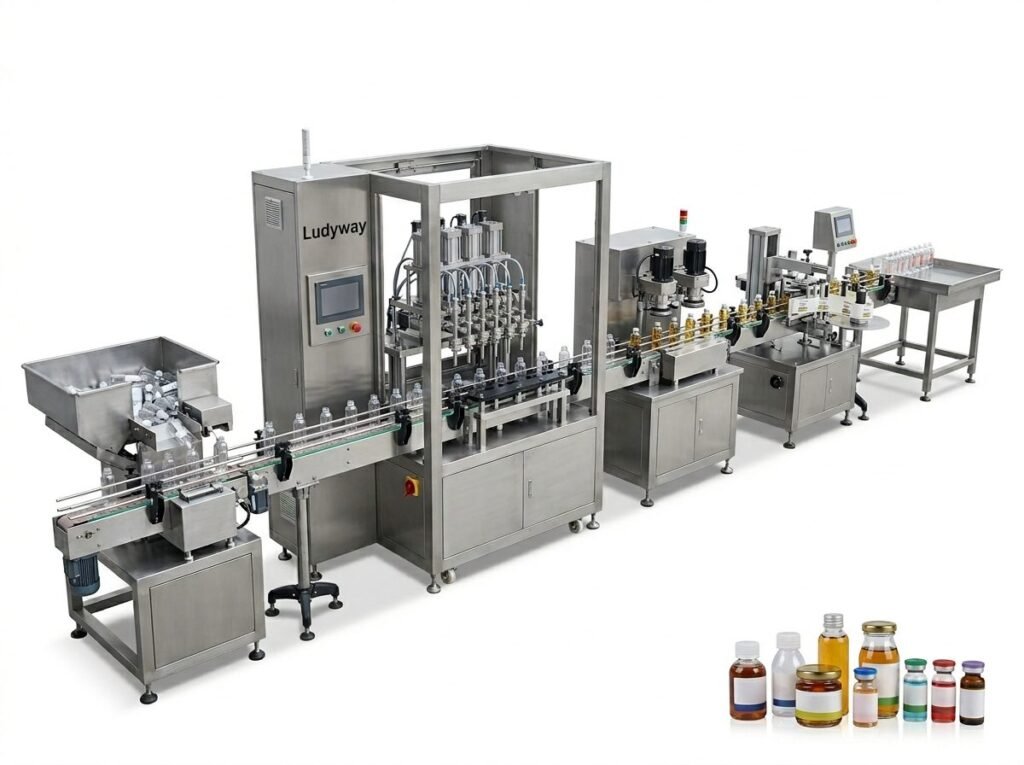
The bread industry thrives on freshness, presentation, and efficiency, making packaging a critical final step in the production process. Choosing the right bread packaging machine and its manufacturer is not merely a purchase; it’s an investment in brand consistency, product protection, and operational scalability. The market offers a vast array of options, from simple bag sealers to fully automated flow-wrapping and bagging lines. Navigating this landscape requires a clear understanding of your needs and the capabilities of leading suppliers.
Understanding Bread Packaging Machine Types
Before selecting a manufacturer, it’s crucial to identify the type of packaging machinery that aligns with your product format and production volume.
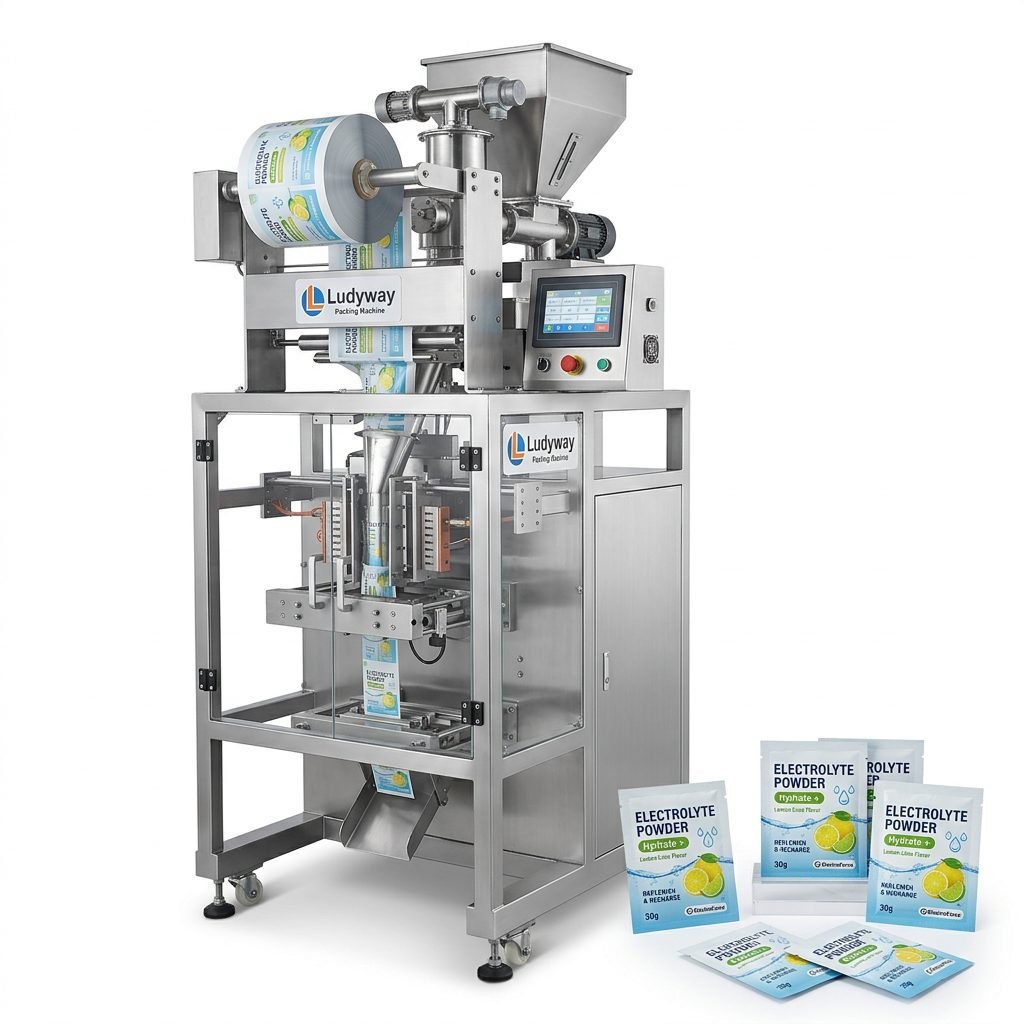
Vertical Form-Fill-Seal (VFFS) Machines
Ideal for packaging bread rolls, buns, and sliced bread into pillow-style bags. These machines form bags from a roll of film, fill them with product, and seal them in a continuous, high-speed operation. They are highly versatile and efficient for large-scale production.
Horizontal Flow Wrappers
Perfect for individually wrapping loaves, pastries, or baguettes. The product is placed on a sheet of film which is then folded around it and sealed. This method offers an elegant, tight wrap that enhances shelf appeal and provides excellent barrier protection.
Tray Sealing & Shrink Wrapping Systems
Used for multi-packs, specialty loaves, or bakery assortments presented on trays. A film is heat-sealed over a pre-formed tray or a shrink wrap is applied and heated to conform tightly to the product bundle. This method provides superior rigidity and visual impact for retail.
Key Criteria for Choosing the Right Supplier
Selecting a manufacturer goes beyond comparing machine specifications. A reliable partner ensures long-term success.
1. Technical Expertise and Industry Experience
Look for a supplier with a proven track record specifically in food and bakery packaging. Experience translates into an understanding of challenges like crumb management, gentle handling to prevent deformation, and using food-grade compliant materials. A company like Ludyway Packaging Machinery, with deep industry roots, can offer invaluable practical insights.
2. Machine Reliability and Build Quality
Packaging lines are the heartbeat of production. Downtime is costly. Investigate the quality of components (e.g., PLCs, servos, seals) and the robustness of the frame construction. A reputable manufacturer will use durable, industrial-grade parts to ensure consistent performance over thousands of cycles.
3. Customization and Flexibility
Your bread products are unique. Can the supplier adapt a standard machine to your specific size, shape, or throughput needs? True partners offer customizable feed systems, changeover capabilities, and integration options with existing checkweighers or labelers.
4. After-Sales Support and Service Network
This is often the most critical factor. Ensure the supplier provides comprehensive installation, training, maintenance support, and readily available spare parts. A global service network, or at least reliable remote support, is essential for minimizing disruption. The commitment to long-term cooperation, as emphasized by established players, is a key indicator of reliability.
5. Hygiene and Safety Standards Compliance
The machinery must be designed for easy cleaning and meet relevant food safety standards (e.g., FDA, EU regulations). Look for features like stainless steel contact surfaces, smooth edges, and enclosed mechanisms to prevent contamination.
Leading Manufacturers and What They Offer
The global market features several tiers of manufacturers, from multinational corporations to specialized engineering firms.
Global Integrated Manufacturers: These large companies offer complete, turnkey bakery lines from mixing to packaged dispatch. Their strength lies in single-source responsibility and seamless line integration, often at a premium investment level.
Specialized Packaging Machine Builders: Many excellent suppliers focus exclusively on packaging technology. They often provide deeper expertise in specific areas like high-speed wrapping or delicate product handling. Their solutions can be more tailored and cost-effective for core packaging needs.
Technology-Focused Partners: Some suppliers distinguish themselves through innovation, such as incorporating Industry 4.0 capabilities, IoT for predictive maintenance, or advanced vision inspection systems. Partnering with a forward-thinking company like Ludyway Machinery can future-proof your operation.
Making the Final Decision
Always request product references and visit existing installations if possible. Ask for a detailed performance test using your own bread products. Scrutinize the total cost of ownership, including energy consumption, film waste, and projected maintenance costs, not just the initial purchase price.
Ultimately, the right supplier acts as an extension of your team. They should demonstrate a clear understanding of your goals, offer transparent communication, and provide a machine that delivers not just packages, but consistency, efficiency, and a strong return on investment. For businesses seeking a blend of experience and tailored automation, exploring the solutions from dedicated providers can be a strategic move.
Frequently Asked Questions (FAQs)
Q1: What is the typical lifespan of a bread packaging machine?
A well-maintained machine from a quality manufacturer can last 15 to 20 years or more. Lifespan heavily depends on build quality, regularity of maintenance, production hours, and the operating environment.
Q2: How important is after-sales service when choosing a supplier?
Extremely important. It is arguably the most critical factor. Reliable, responsive technical support and spare parts availability minimize costly downtime and ensure your investment remains productive for its entire lifespan.
Q3: Can one machine handle different bread sizes and shapes?
Yes, many machines are designed with quick-changeover features. However, the degree of flexibility varies. Discuss your full product range with the supplier to ensure the machine can be easily adjusted or tooled for different formats without excessive downtime.
Q4: What are the key maintenance routines for these machines?
Daily cleaning, weekly inspection of seals and cutters, and regular lubrication as per the manual are essential. Periodic professional servicing by the supplier or a trained technician is crucial to check wear parts, electrical systems, and mechanical alignment.
Q5: Where can I find a supplier that offers customized solutions?
Look for manufacturers that emphasize engineering capabilities and project-based solutions rather than just selling standard models. Review their case studies or project portfolios, and directly inquire about their process for developing custom feeding, handling, or integration systems. Providers with strong engineering support are typically more adept at customization.