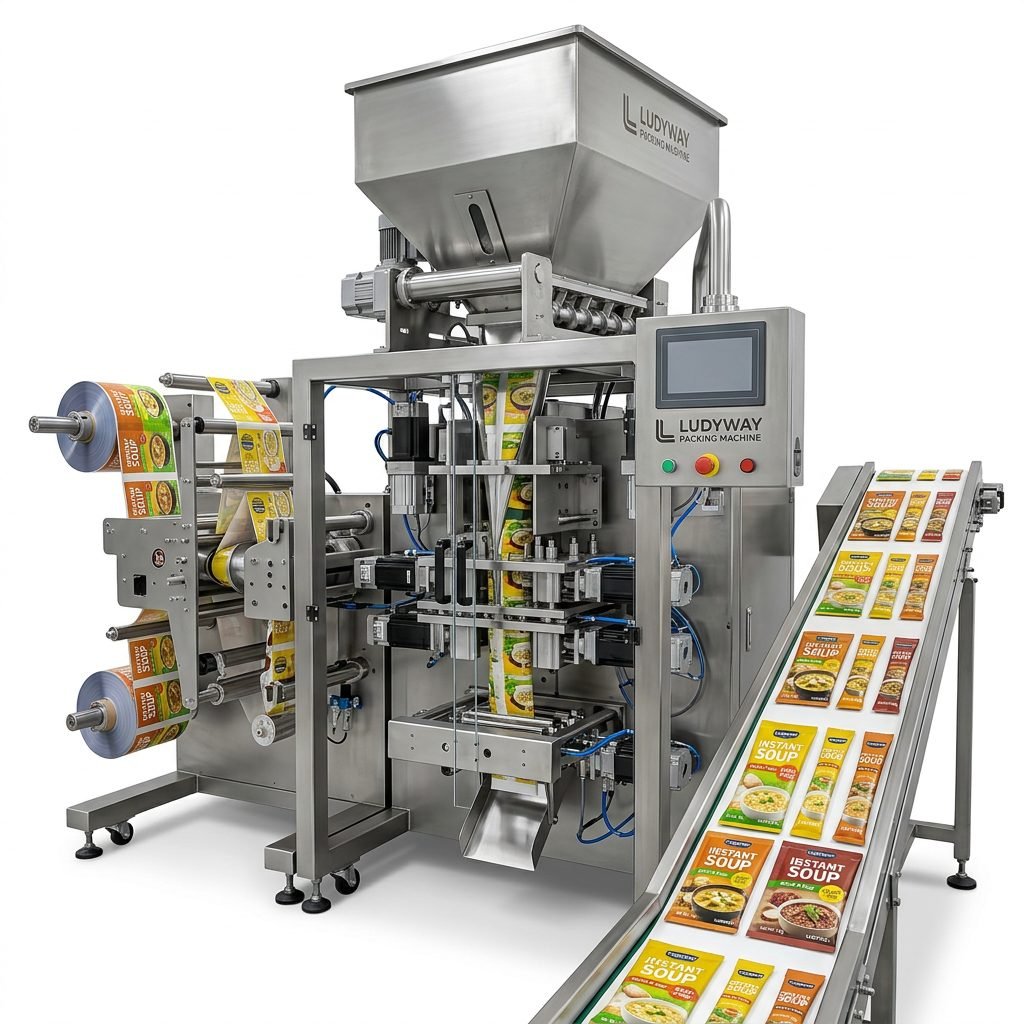
Choosing the right packaging machine is a critical decision for any seafood processor, distributor, or retailer. The equipment you select directly impacts product freshness, shelf life, presentation, and operational efficiency. Whether you are handling delicate fresh fillets, bulk frozen products, or premium vacuum-packed items, the requirements vary significantly. This comprehensive guide will walk you through the key factors to consider when selecting the best seafood packaging equipment for your specific needs.
Understanding Seafood Packaging Fundamentals
Seafood is highly perishable and sensitive to temperature, moisture, and oxygen. Effective packaging must create a protective barrier to maintain quality from processing to the end consumer. The primary goals are to preserve freshness, prevent contamination, extend shelf life, and enhance visual appeal. The machinery used must be capable of handling these delicate products without causing damage, while also operating efficiently in often challenging, cold, and wet environments.
Key Consideration: The packaging process itself must not compromise the product’s texture or integrity. Gentle handling is paramount.
1. Packaging for Fresh Seafood
Fresh seafood, including fish fillets, whole fish, shellfish, and crustaceans, requires packaging that allows for moisture control and sometimes even a modified atmosphere to slow spoilage.
- Modified Atmosphere Packaging (MAP) Machines: These machines flush the package with a protective gas mix (like CO2, N2, O2) before sealing. This significantly extends shelf life by inhibiting bacterial growth.
- Skin Packaging Machines: Ideal for retail, they form a tight, second-skin film over the product on a rigid tray, reducing purge (drip loss) and improving presentation.
- Tray Sealing Machines: Used with pre-formed trays, these seal a lidding film. They are versatile and can be used for MAP or simple vacuum sealing.
When choosing equipment for fresh seafood, prioritize hygienic design (easy to clean, stainless steel surfaces), speed to maintain cold chain efficiency, and gentle product handling to avoid bruising.
2. Packaging for Frozen Seafood
Frozen seafood packaging must prevent freezer burn (dehydration and oxidation) and withstand sub-zero temperatures without becoming brittle or cracking.
- Vertical Form-Fill-Seal (VFFS) Machines: Excellent for packing frozen shrimp, scallops, or IQF (Individually Quick Frozen) fillets into bags. They are fast and efficient for bulk packaging.
- Flow Wrappers: Perfect for boxing individual frozen fish portions or creating retail-ready boxes with a tight, protective wrap.
- Bagging Machines with Robust Films: Use multi-layer, high-barrier films that remain flexible at low temperatures.
Durability is key. Machines should have components rated for cold environments, and the sealing systems must create strong, reliable seals even through potential frost or ice crystals on the packaging material.
Pro Tip for Frozen Packaging
Always test your chosen packaging film at actual storage temperatures. A seal that looks perfect at room temperature can fail in the deep freeze if the film layers contract at different rates.
3. Packaging for Vacuum-Packed Seafood
Vacuum packaging removes air from the package, drastically slowing down spoilage. It’s used for both fresh (e.g., salmon for sous-vide) and frozen products, as well as smoked fish.
- Chamber Vacuum Machines: The gold standard for seafood. The product and bag are placed inside a chamber; air is removed from the entire chamber, resulting in a perfect vacuum seal without sucking moisture from the product. Ideal for wet, juicy items.
- External (Nozzle) Vacuum Sealers: A nozzle is inserted into the bag to remove air. Better for drier products or pre-bagged items, but can sometimes draw out juices from very moist seafood.
- Rollstock Vacuum Packaging Machines: Automated systems that form the bag from a roll of film, fill it, vacuum it, and seal it—all in one continuous process. Ideal for high-volume production.
For vacuum packing, the strength and consistency of the vacuum and the seal integrity are non-negotiable. Look for machines with powerful pumps and dual-seal bars for redundancy.
Critical Factors in Choosing Your Equipment
Beyond the seafood type, several cross-cutting factors will guide your investment.
Production Volume & Speed
Match the machine’s output (packages per minute) to your current and projected needs. A small smokehouse has different requirements than a large frozen seafood plant.
Packaging Materials & Flexibility
Can the machine run the films, trays, or bags you want to use? Consider future sustainability trends like recyclable or biodegradable materials. Partnering with a supplier like Ludyway Packing Machine, which offers a range of compatible solutions, can provide valuable flexibility.
Hygiene and Cleanability
Seafood processing demands impeccable hygiene. Machines should have smooth, stainless steel surfaces, minimal crevices, and be designed for easy, frequent wash-downs. This is crucial for both product safety and machine longevity.
Automation and Integration
Consider how the packager will fit into your line. Does it need to integrate with checkweighers, labelers, or upstream processing equipment? Automation can reduce labor costs and improve consistency.
Reliability and Service Support
Downtime is costly. Investigate the machine’s build quality and the manufacturer’s reputation for reliability. Access to prompt technical support and spare parts is essential. Companies with deep industry experience, such as those with over 30 years in packaging machinery, often provide more dependable long-term support.
Investing in Your Seafood Business’s Future
The right packaging machine is a strategic asset. It protects your product quality, reduces waste, enhances your brand on the shelf, and improves your bottom line through efficiency. Start by clearly defining your needs: product type, volume, budget, and future goals. Don’t hesitate to request product samples packed on potential machines and ask for references from other seafood companies.
For businesses looking for tailored solutions, exploring the expertise of specialized providers can be invaluable. You can learn more about custom packaging approaches by reviewing a detailed company profile of an experienced supplier or understanding their journey through their company history.
Frequently Asked Questions (FAQs)
What is the most important feature in a machine for fresh fish fillets?
For delicate fresh fillets, gentle product handling is paramount to avoid bruising. A hygienic, easy-to-clean design and the ability to perform Modified Atmosphere Packaging (MAP) are also critical for maximizing shelf life and safety.
Can one machine handle both fresh and frozen seafood?
Some machines, particularly robust chamber vacuum sealers or versatile tray sealers, can handle both. However, the optimal settings and packaging materials will differ. It’s often more efficient to choose equipment specialized for your primary product type.
Why is a chamber vacuum sealer better for wet seafood than an external sealer?
An external (nozzle) sealer sucks air directly from the bag, which can also pull out valuable juices and moisture from the seafood, leading to product dehydration and a weaker seal. A chamber machine removes air from the entire chamber around the bag, creating a perfect vacuum without removing liquid from the product itself.
How do I prevent freezer burn in my packaged products?
Freezer burn is caused by air exposure and moisture sublimation. Use a high-barrier packaging film (often multi-layer), ensure a complete, strong vacuum or a tight seal with no air pockets, and maintain consistent, low freezer temperatures. The right packaging machine is essential to achieve this reliably.
What should I look for in terms of supplier support?
Prioritize suppliers who offer comprehensive installation, training, and readily available technical support. Check for the availability of spare parts and service contracts. A supplier with a proven track record and long-term industry commitment is generally a safer partner for your critical packaging operations.