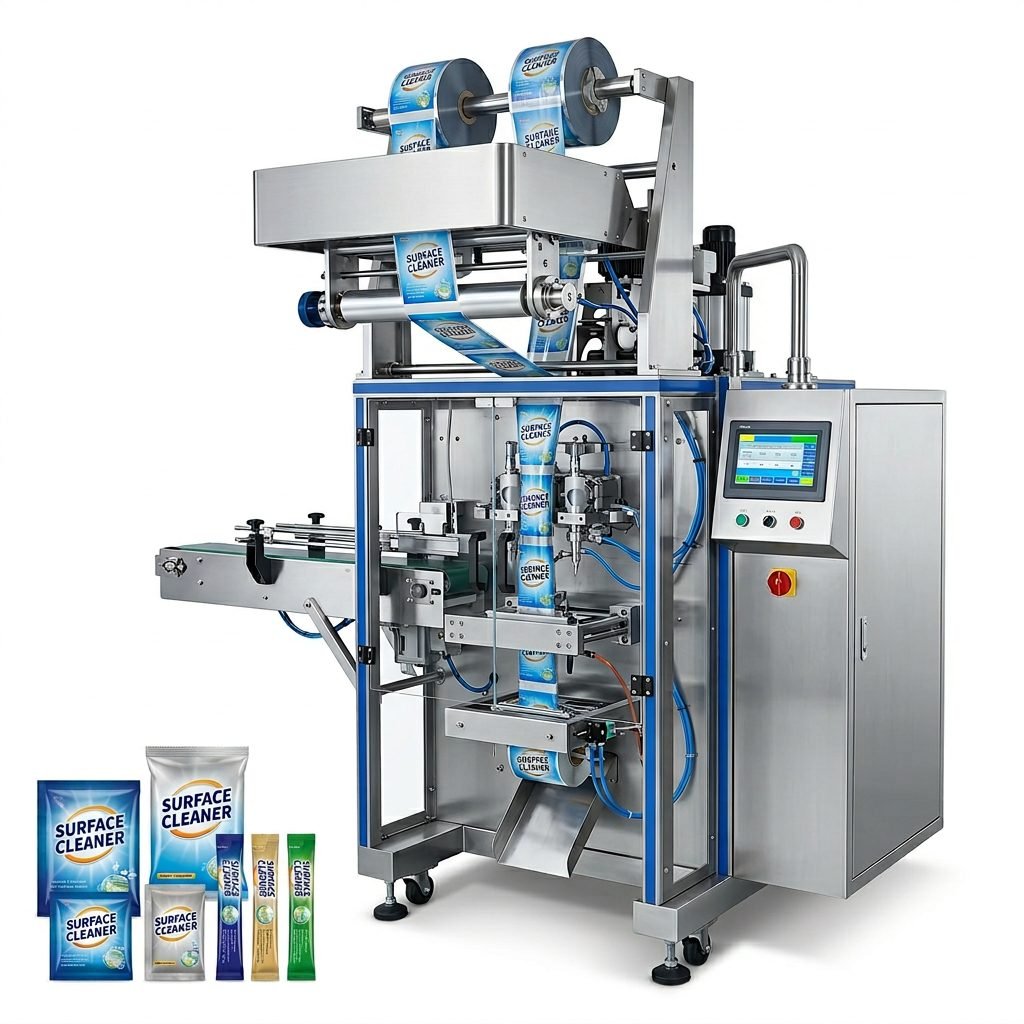
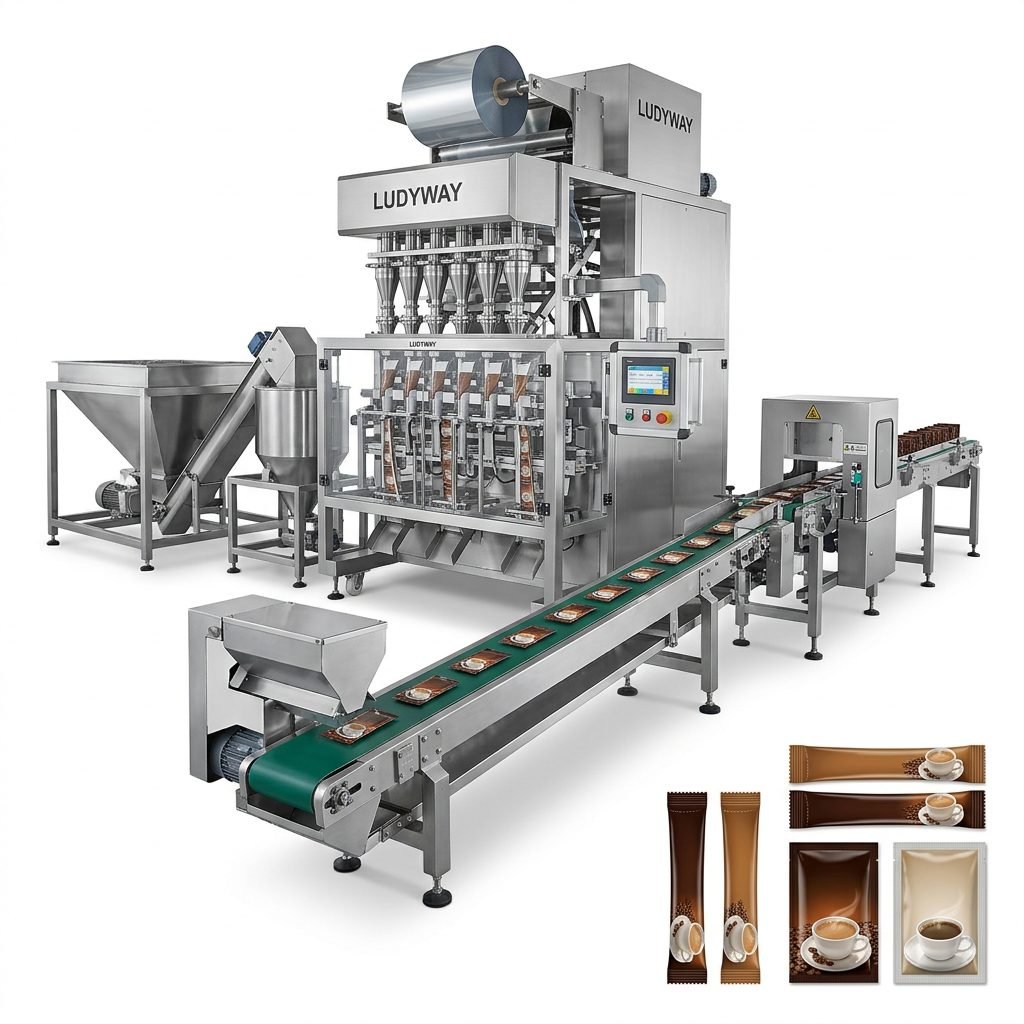
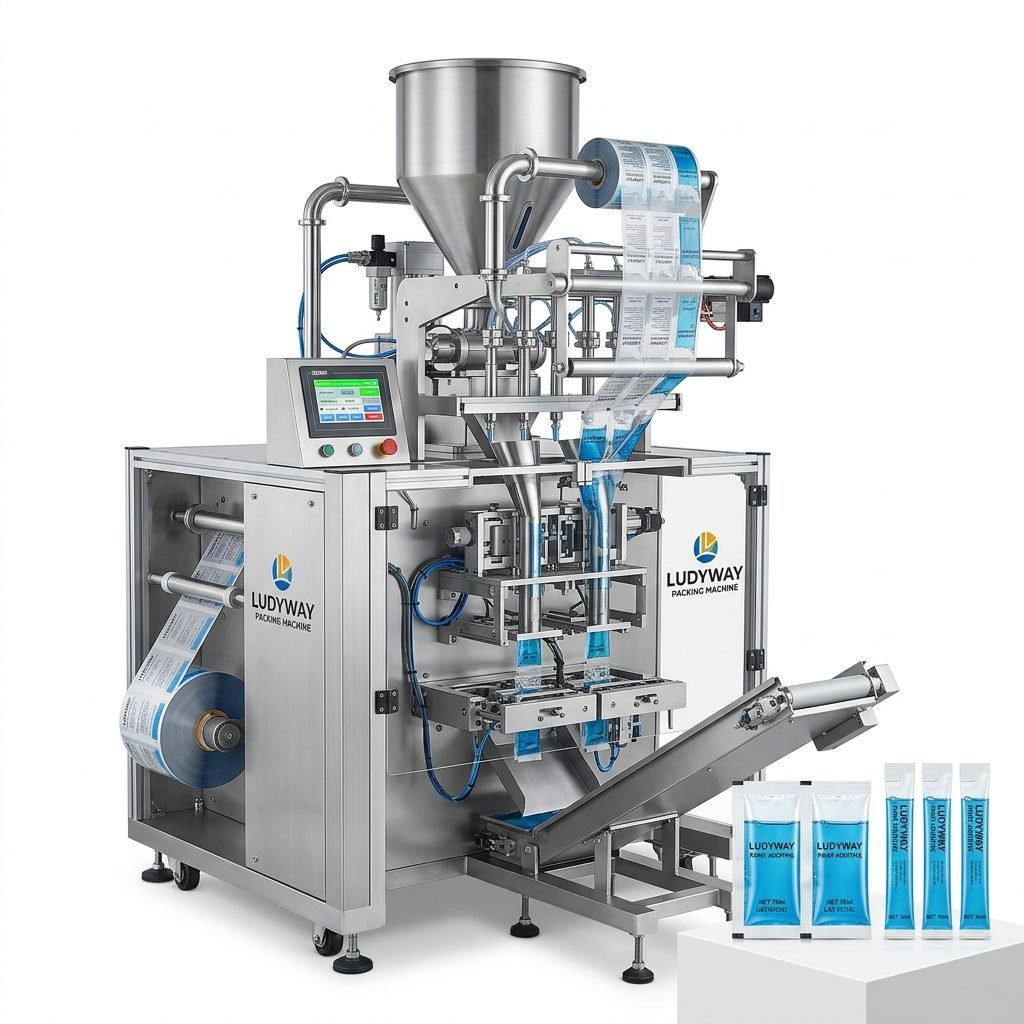
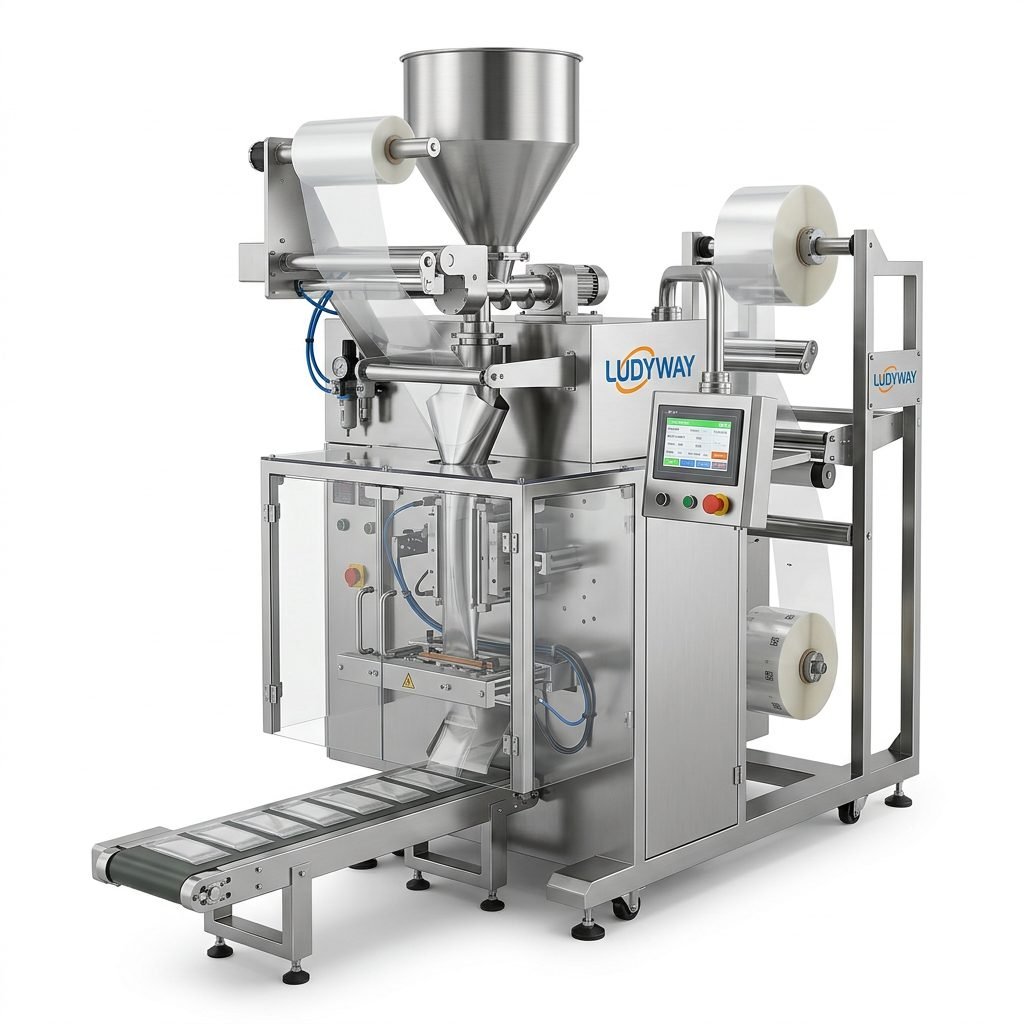
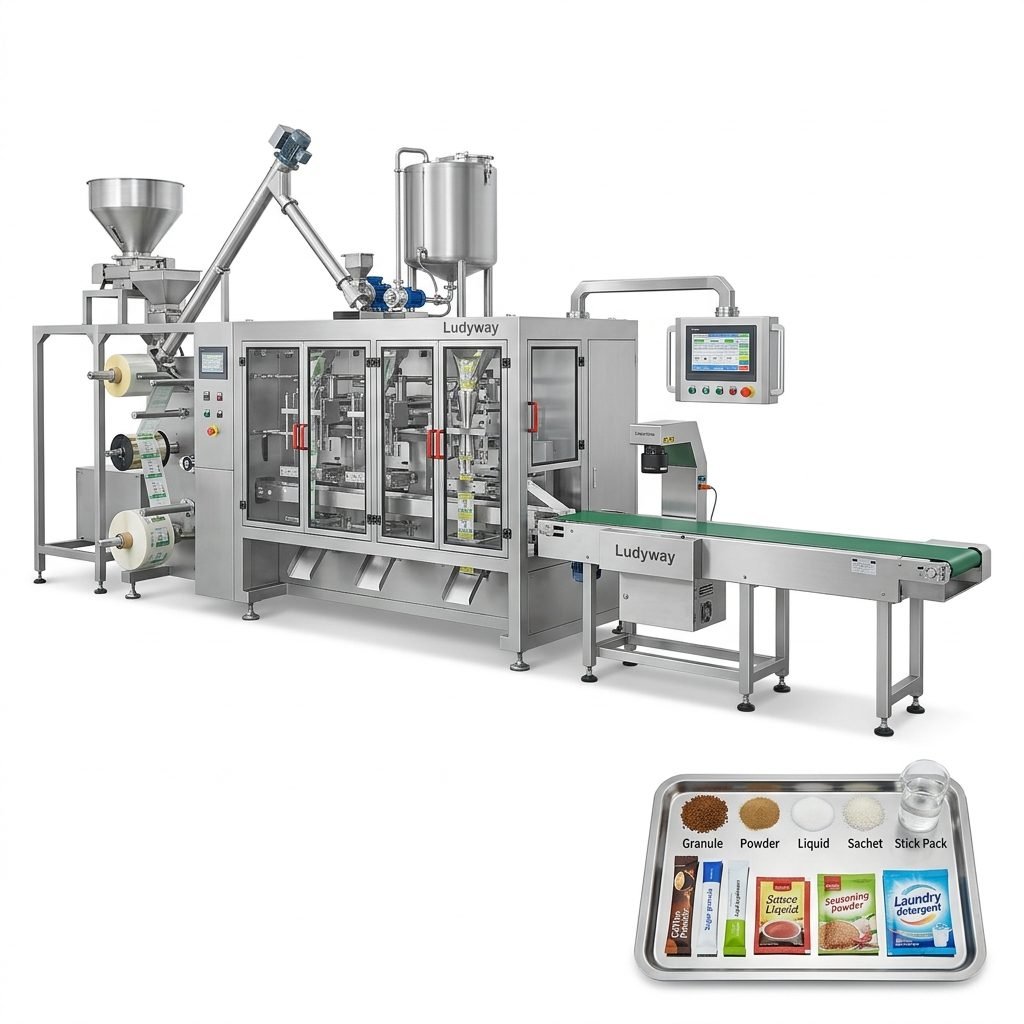
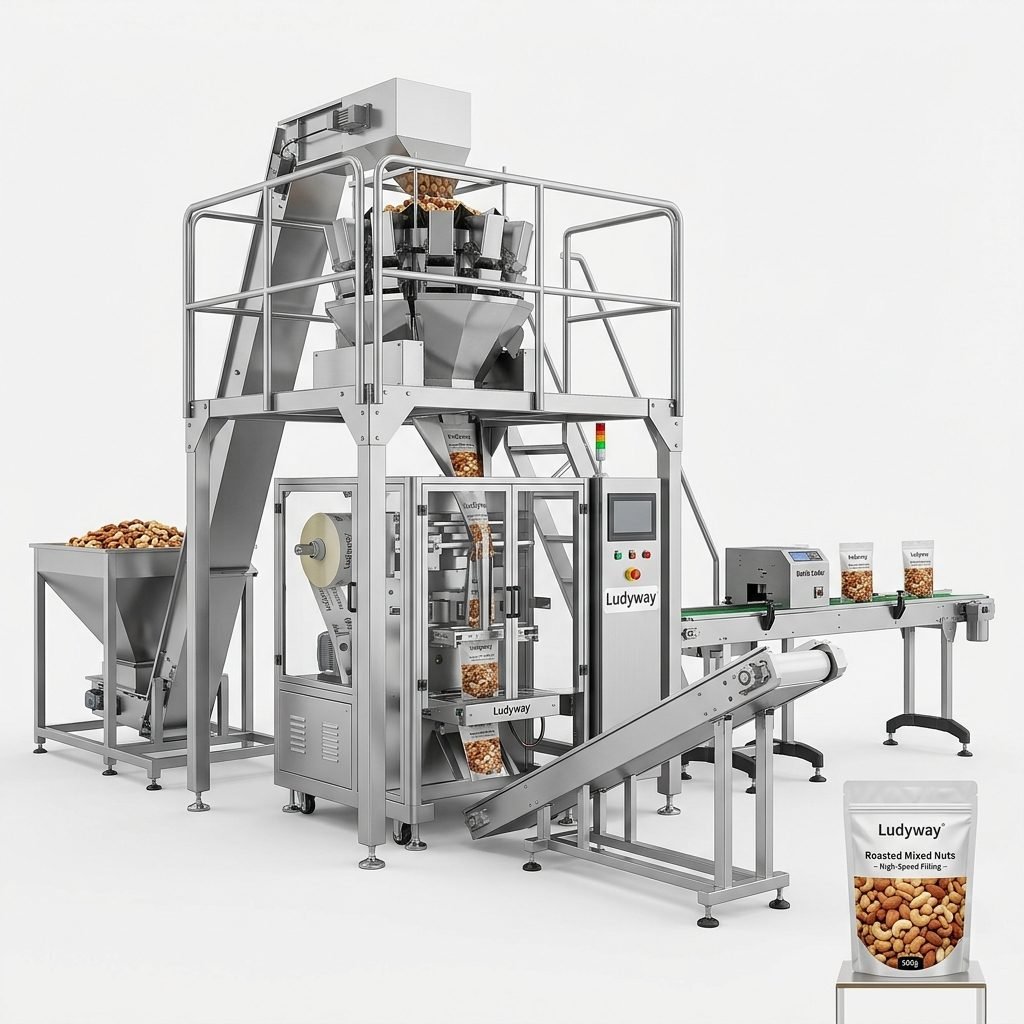
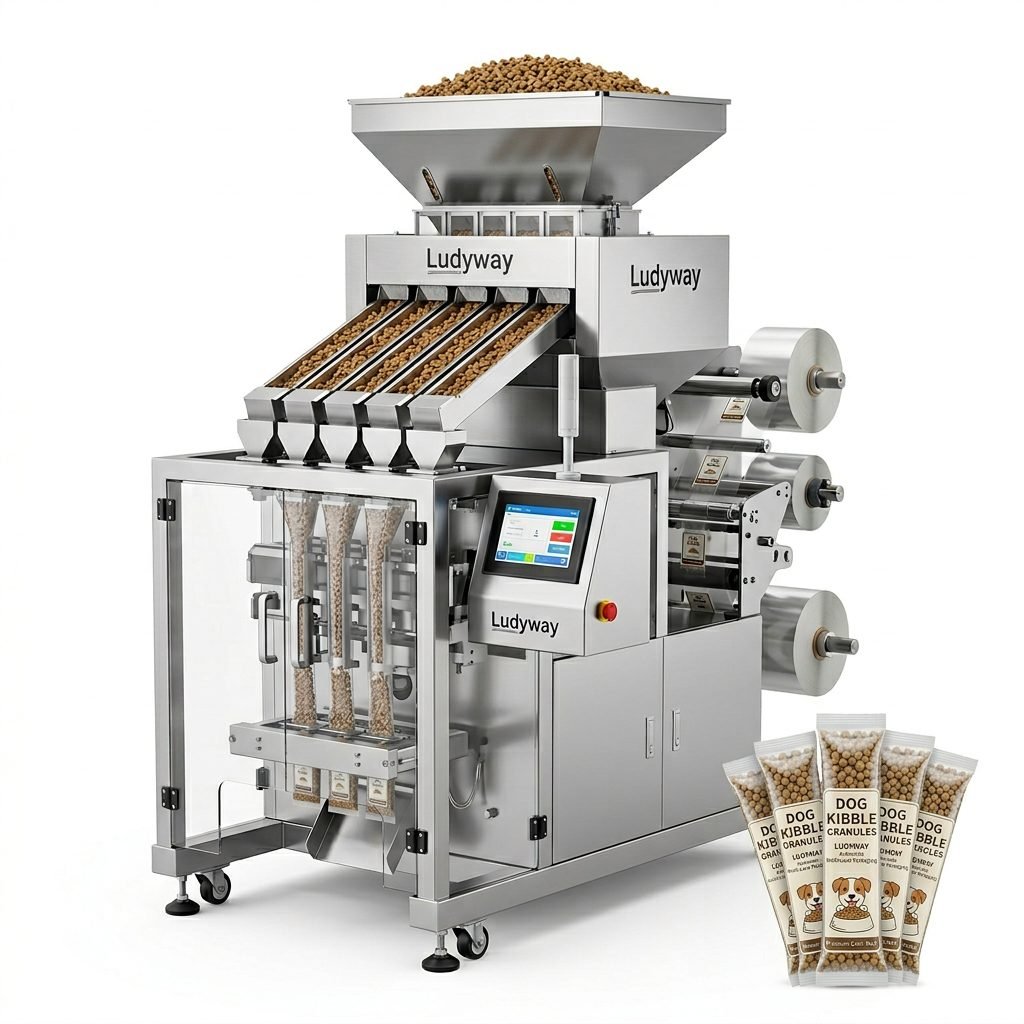
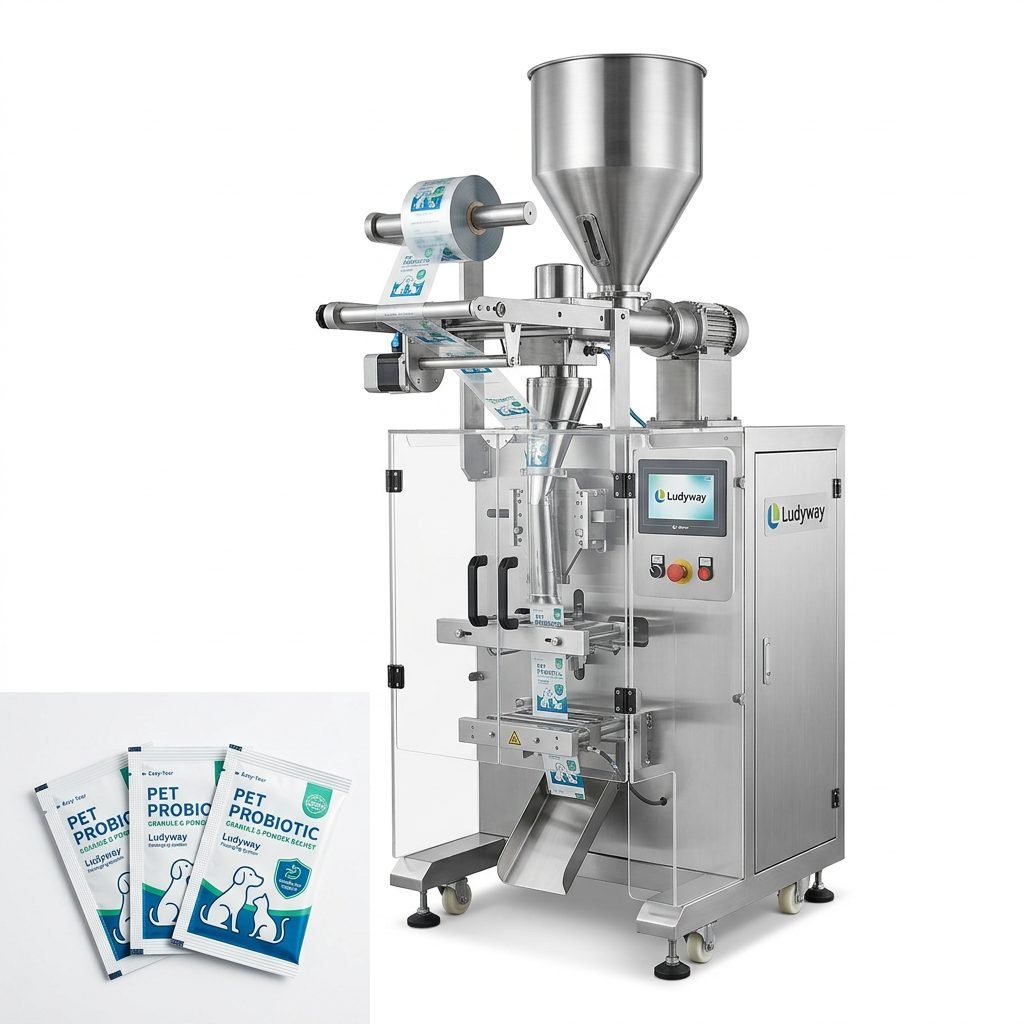
Choosing the right automatic cookie packing solution is a critical decision for any bakery or food production business. The right machine can dramatically increase efficiency, ensure product consistency, and enhance the overall presentation of your cookies, directly impacting your brand’s market appeal. This comprehensive guide will walk you through the key factors to consider, helping you select the best cookies packaging machine for your specific operational needs and growth goals.
Understanding Your Production Requirements
Before diving into machine specifications, a thorough analysis of your current and projected production is essential. This foundational step ensures your investment aligns perfectly with your business trajectory.
Key Questions to Ask:
• Output Speed: How many packs per minute (PPM) do you need? Consider both your peak season demand and average daily output.
• Product Variety: Do you package a single type of cookie or multiple shapes, sizes, and textures (e.g., soft-baked, brittle, iced)?
• Packaging Formats: What is your target packaging? Common formats include flow-wrap pouches, stick packs for single servings, stand-up pouches, or boxes.
• Floor Space: What is the available footprint in your production area? This will determine if you need a compact vertical machine or a larger horizontal system.
Core Features of a High-Quality Cookie Packing Machine
Modern automatic cookie packing machines come equipped with a range of features designed to optimize the packaging process. Focusing on these core functionalities will guarantee reliability and quality.
1. Precision Weighing and Feeding Systems
Accurate portion control is non-negotiable. Look for machines with multi-head weighers or volumetric cup fillers that can gently handle delicate cookies without breakage. Systems that offer “give-away” minimization technology ensure you don’t overfill packages, saving significant material costs over time.
2. Versatile Form-Fill-Seal (FFS) Technology
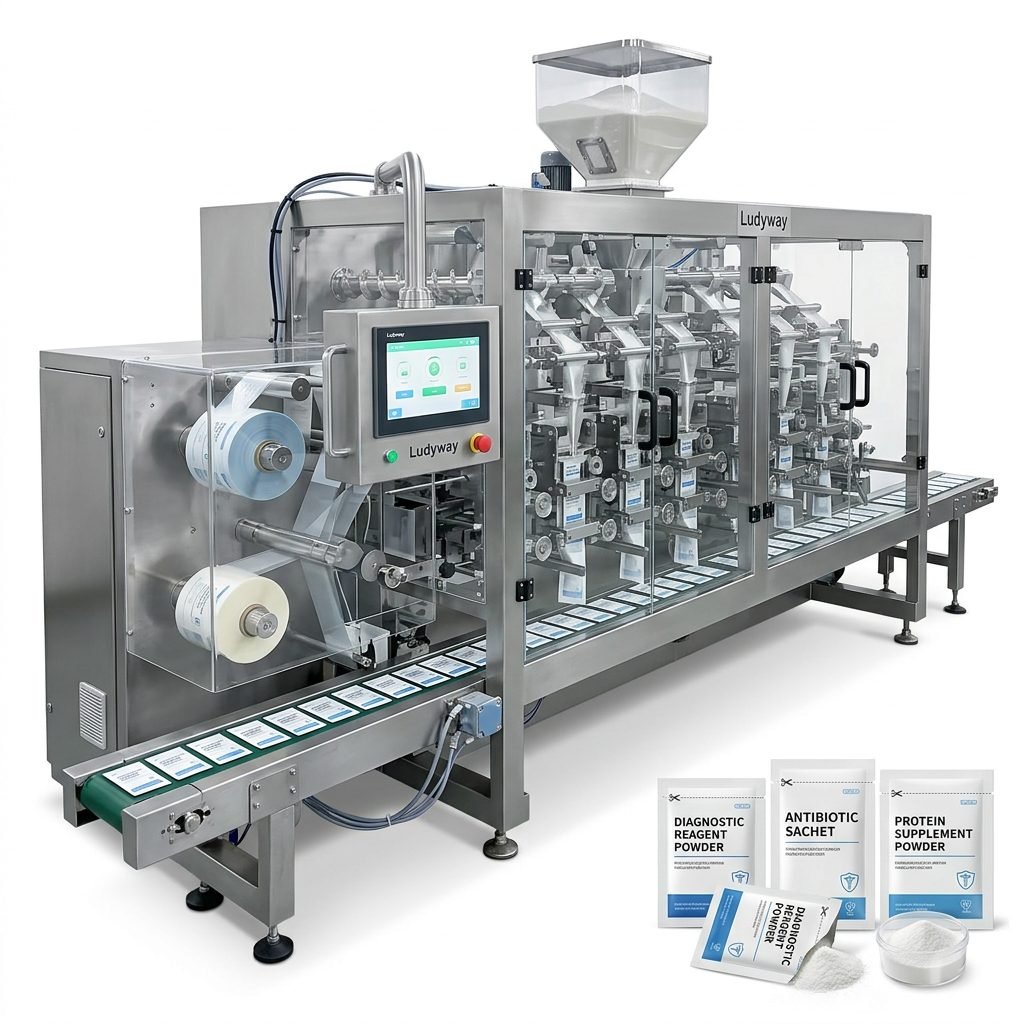
The heart of most automatic packaging, FFS machines form the pouch from a roll of film, fill it with product, and seal it in one continuous operation. For cookies, ensure the machine has a gentle product handling zone and customizable sealing jaws that can create airtight seals even with crumb-prone or oily products.
3. Advanced Control and Integration
A user-friendly Human-Machine Interface (HMI) with recipe memory allows for quick changeovers between different cookie products. Machines that offer PLC-based controls and connectivity for Industry 4.0 integration provide valuable data for production monitoring and efficiency analysis.
Material Compatibility and Packaging Design
The machine must work harmoniously with your chosen packaging materials to create a shelf-ready product that protects and sells.
Choosing the Right Film
Consider barrier properties: METPET for excellent moisture and aroma barriers, or BOPP for high clarity and gloss. The machine’s film tension control and guiding system must be precise to handle these materials and ensure consistent, wrinkle-free packaging. For premium brands, machines capable of handling pre-printed films with accurate registration are crucial for brand presentation.
Selecting a Reliable Supplier and Partner
The manufacturer behind the machine is as important as the equipment itself. A reliable partner provides long-term value through support and innovation.
Look for a supplier with proven industry experience and a strong track record. For instance, Ludyway Machinery, with over a decade of specialization in packaging solutions, exemplifies the depth of expertise needed. They understand the nuances of automating food packaging lines and the challenges specific to bakery items like cookies.
Evaluate their service offering: Do they provide comprehensive installation, training, and after-sales support? Can they supply genuine spare parts promptly? A supplier that offers customizable solutions and can tailor a machine to your unique cookie shape or packaging style is a significant advantage.
Why Turnkey Solutions Matter
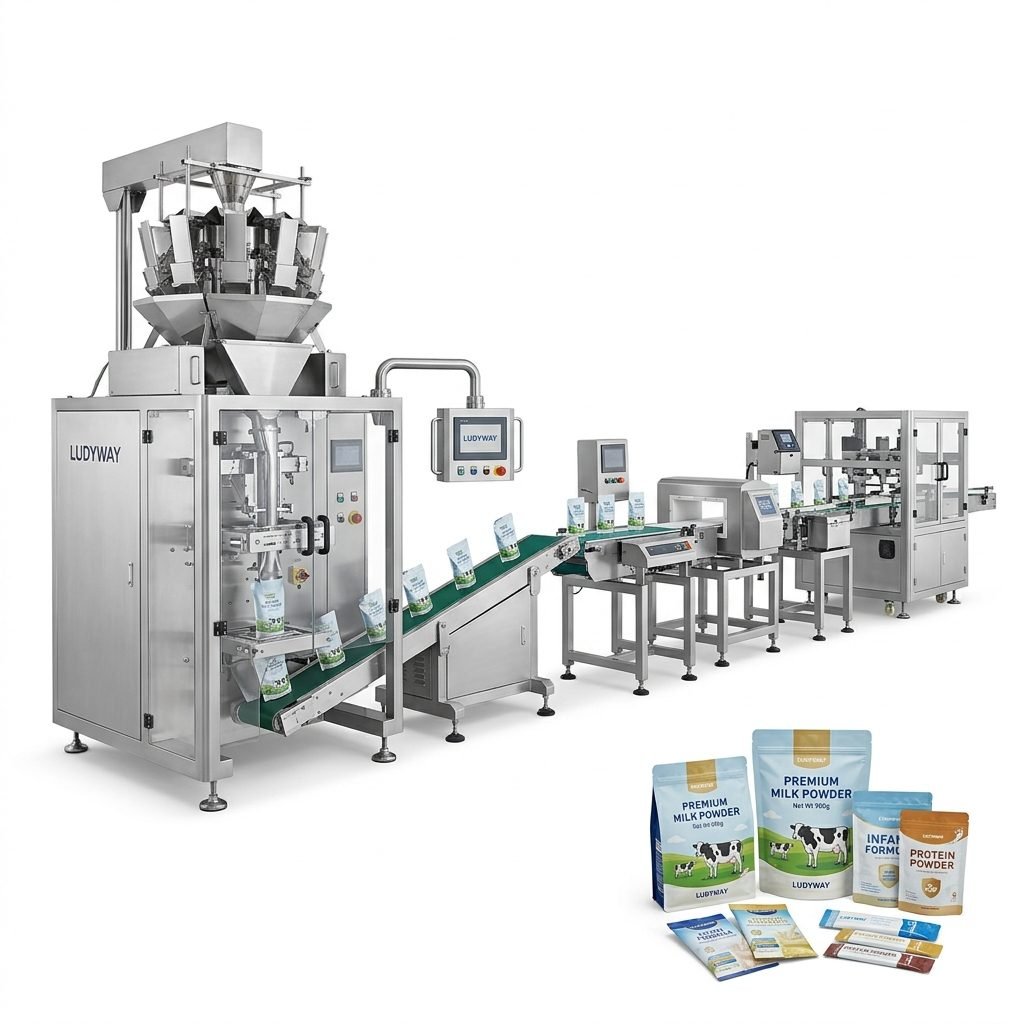
For businesses looking to scale or set up a new line, a turnkey solution from a single provider simplifies the entire process. This includes the packaging machine, upstream feeding systems (like bucket elevators or conveyors), downstream equipment (like checkweighers or case packers), and integration services. This holistic approach ensures all components work seamlessly together, reducing downtime and technical headaches.
Budget Considerations and Total Cost of Ownership (TCO)
While the initial purchase price is a key factor, the Total Cost of Ownership provides a more accurate financial picture. A slightly higher upfront cost for a more robust, efficient machine often leads to lower long-term expenses.
TCO Factors Include:
• Energy Efficiency: Machines with servo-driven technology often consume less power.
• Maintenance Costs: Assess the complexity and frequency of required maintenance. Machines built with high-quality, standard components are typically cheaper and easier to maintain.
• Material Waste: Precision filling and excellent sealing reliability minimize film and product waste.
• Downtime: Reliable machines with accessible technical support have less unplanned downtime, protecting your production schedule.
Frequently Asked Questions (FAQs)
1. What is the typical speed range for an automatic cookie packing machine?
Speeds vary widely based on machine type and packaging complexity. Basic vertical form-fill-seal machines may run at 40-80 packs per minute (PPM), while high-speed multi-lane systems for uniform cookies can exceed 200 PPM. The right speed depends entirely on your volume requirements.
2. Can one machine handle different shapes and sizes of cookies?
Yes, many machines are designed for quick changeover. Look for models with adjustable forming tubes, sealing jaws, and feed systems. Machines with digital HMI and recipe memory can store settings for different products, making size changes a matter of minutes rather than hours.
3. How important is after-sales service when choosing a supplier?
Extremely important. Packaging machinery is a long-term investment. Reliable after-sales service, including readily available spare parts, remote troubleshooting, and on-site technician support, is crucial for minimizing production disruptions and ensuring the longevity of your equipment.
4. What packaging materials work best for preserving cookie freshness?
To extend shelf life and maintain texture, use films with good barrier properties. Metallized films (like METPET) offer excellent protection against moisture and oxygen. For a premium look with good barriers, consider laminates that combine layers of BOPP, METPET, and polyethylene.
5. Are there automated solutions for packaging cookies into boxes or trays?
Absolutely. Beyond primary pouch packaging, complete automation lines can include cartoners or tray formers that automatically collate filled pouches and place them into boxes or trays, ready for retail distribution. This is a key component of a full turnkey packaging line.