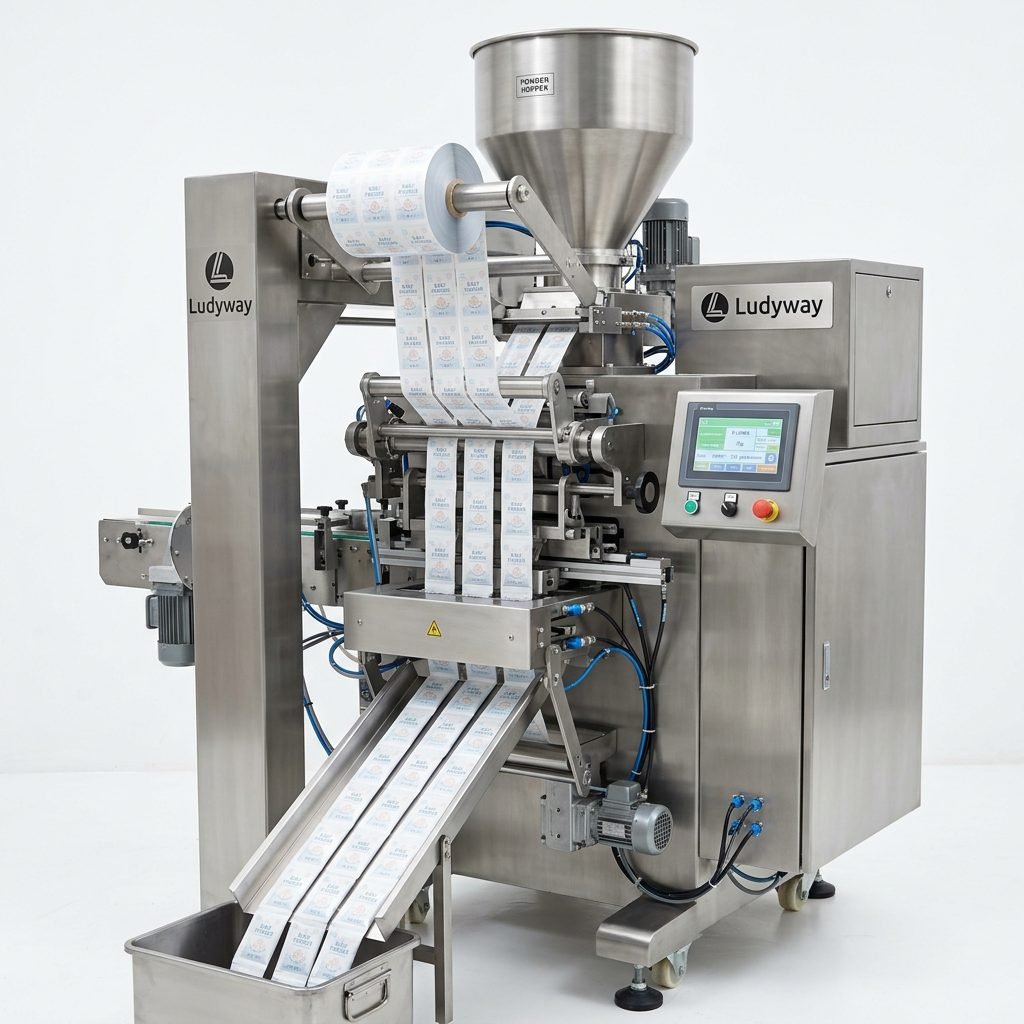
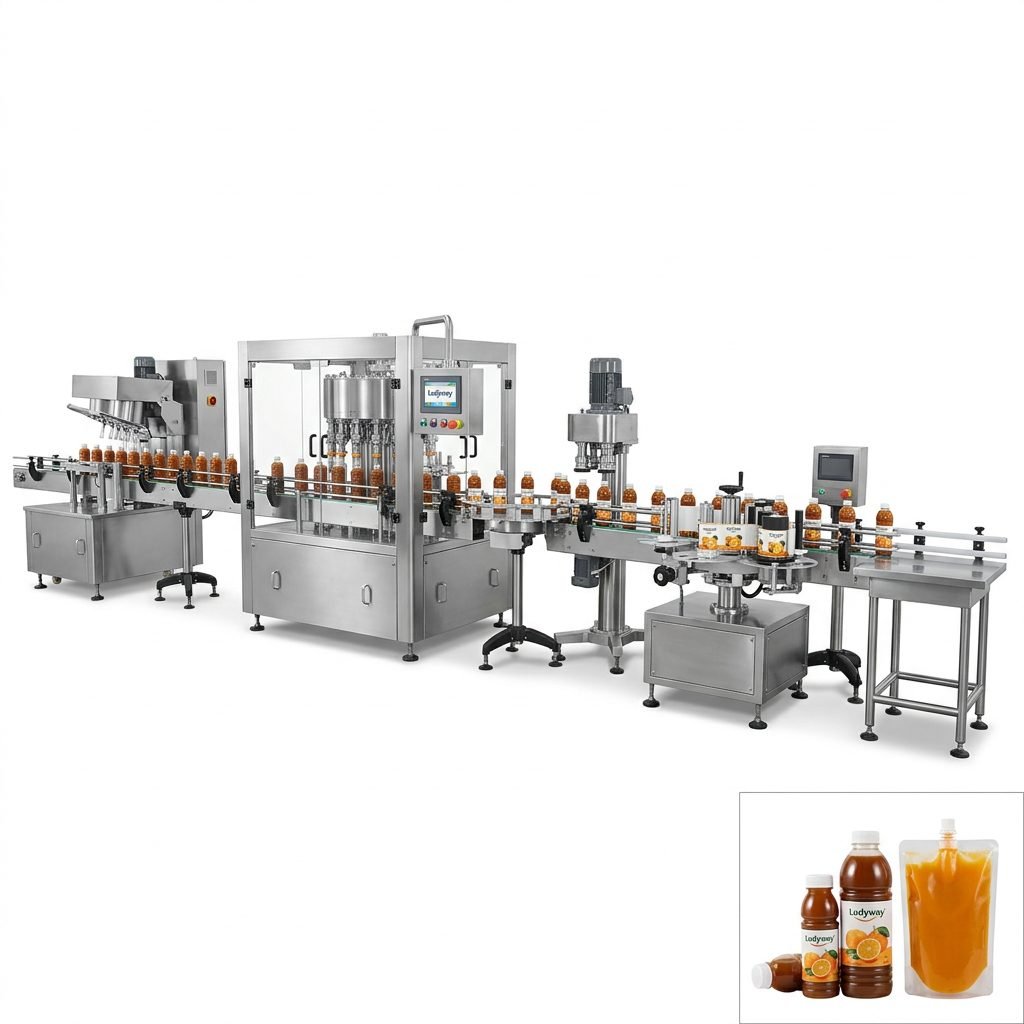
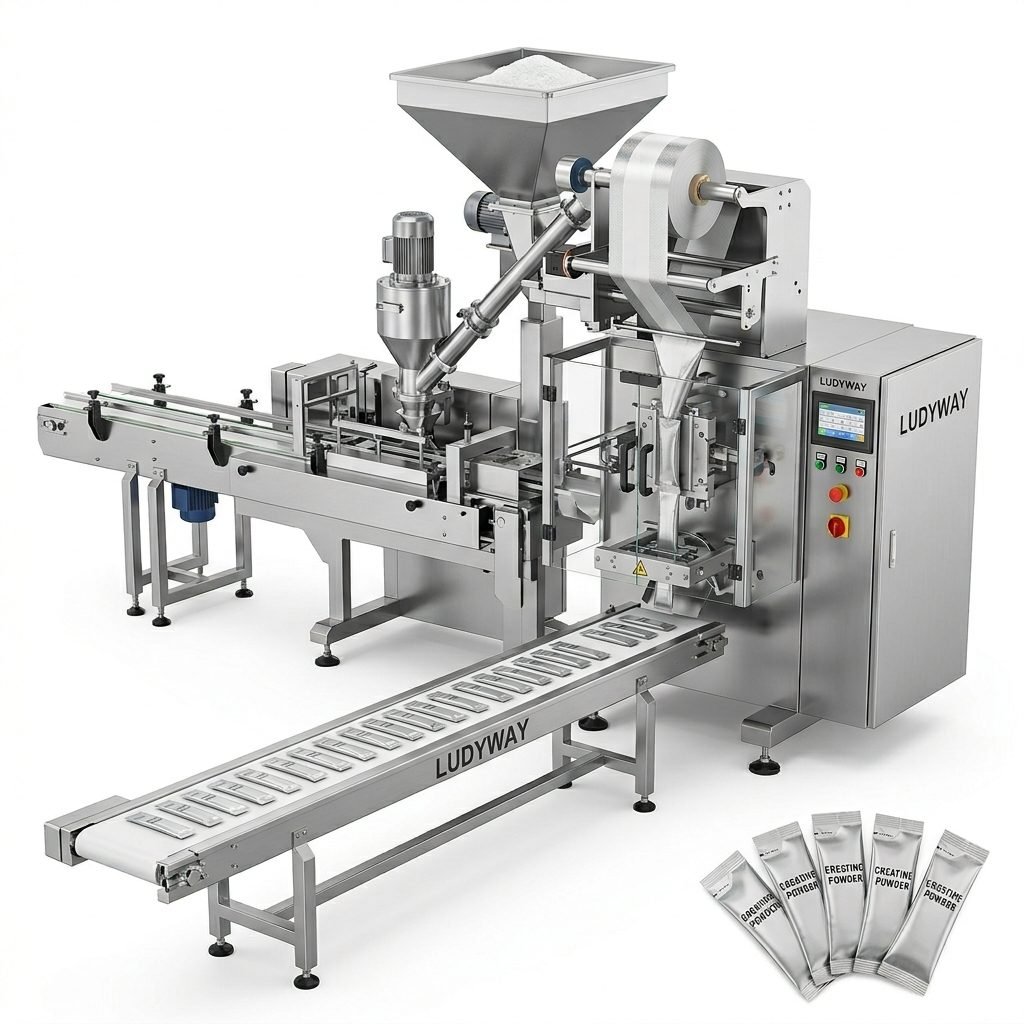
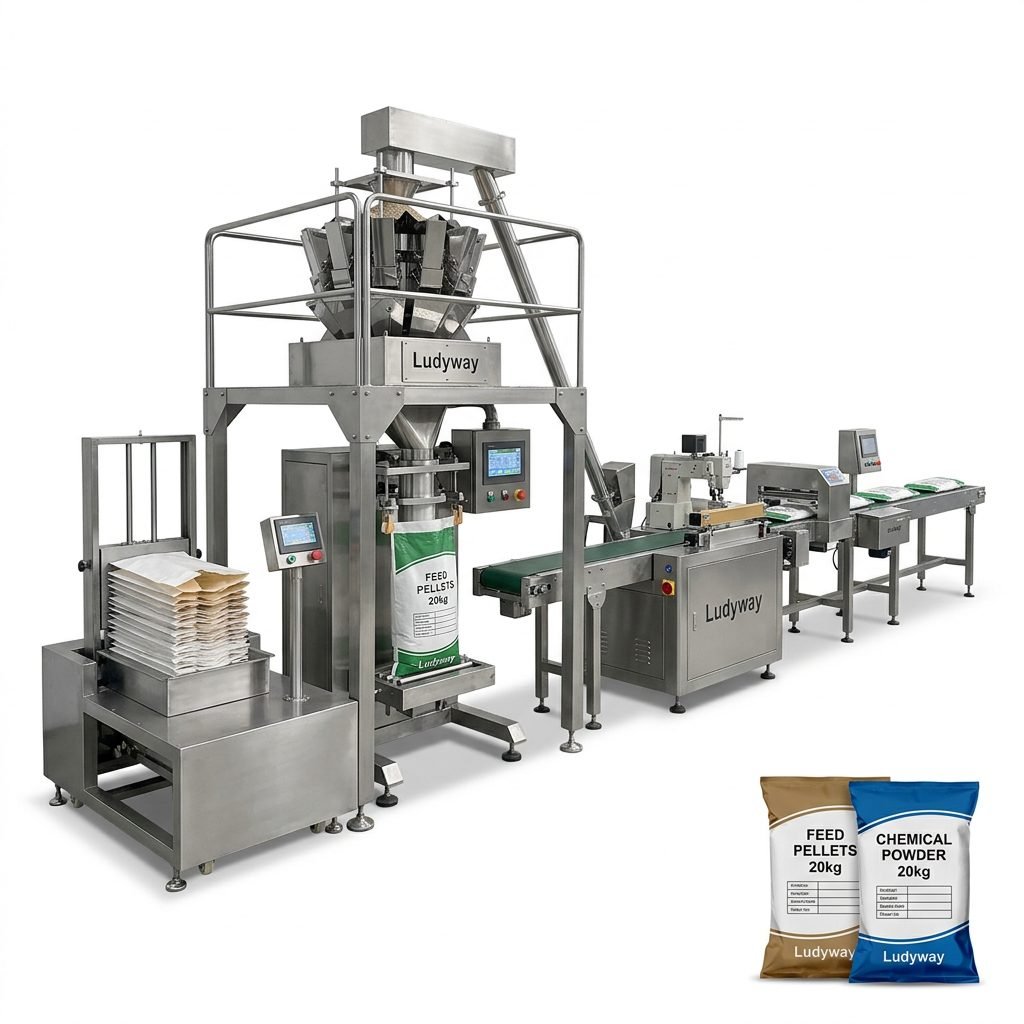
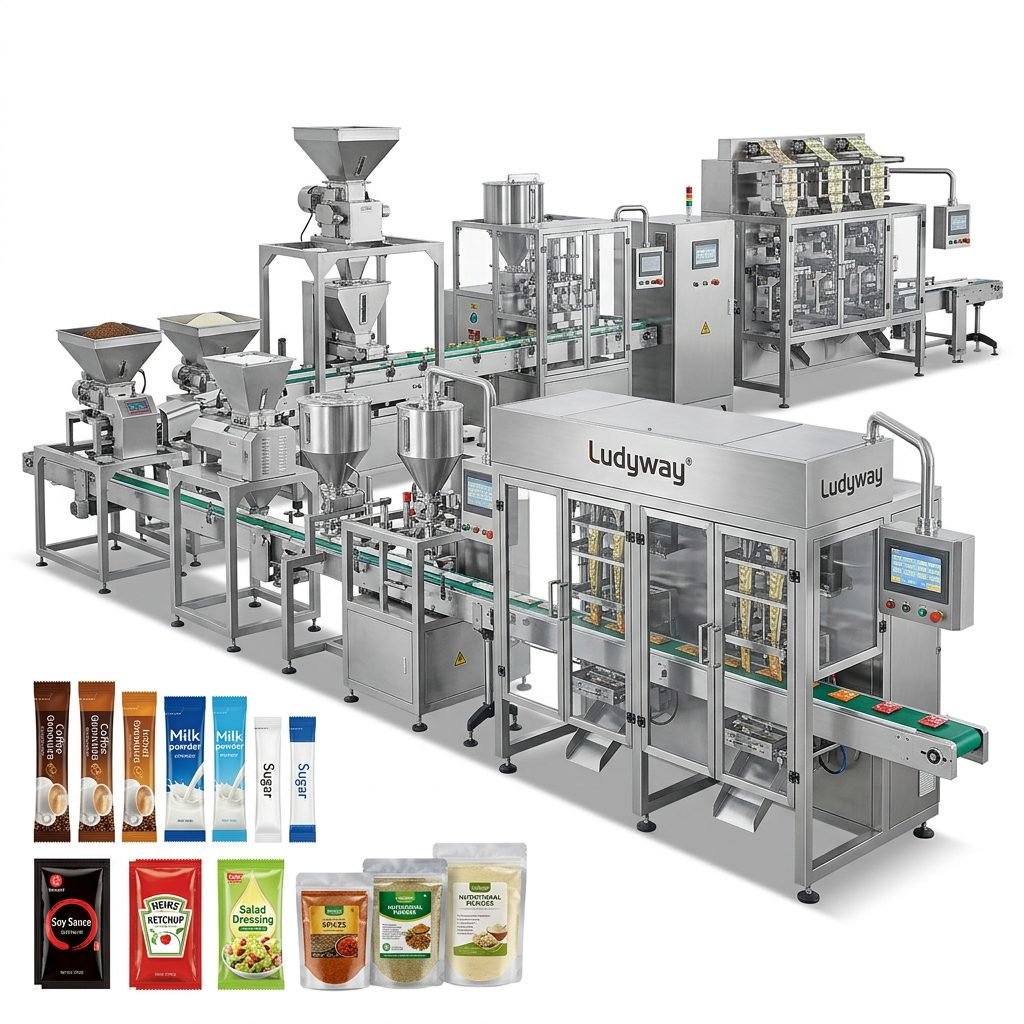
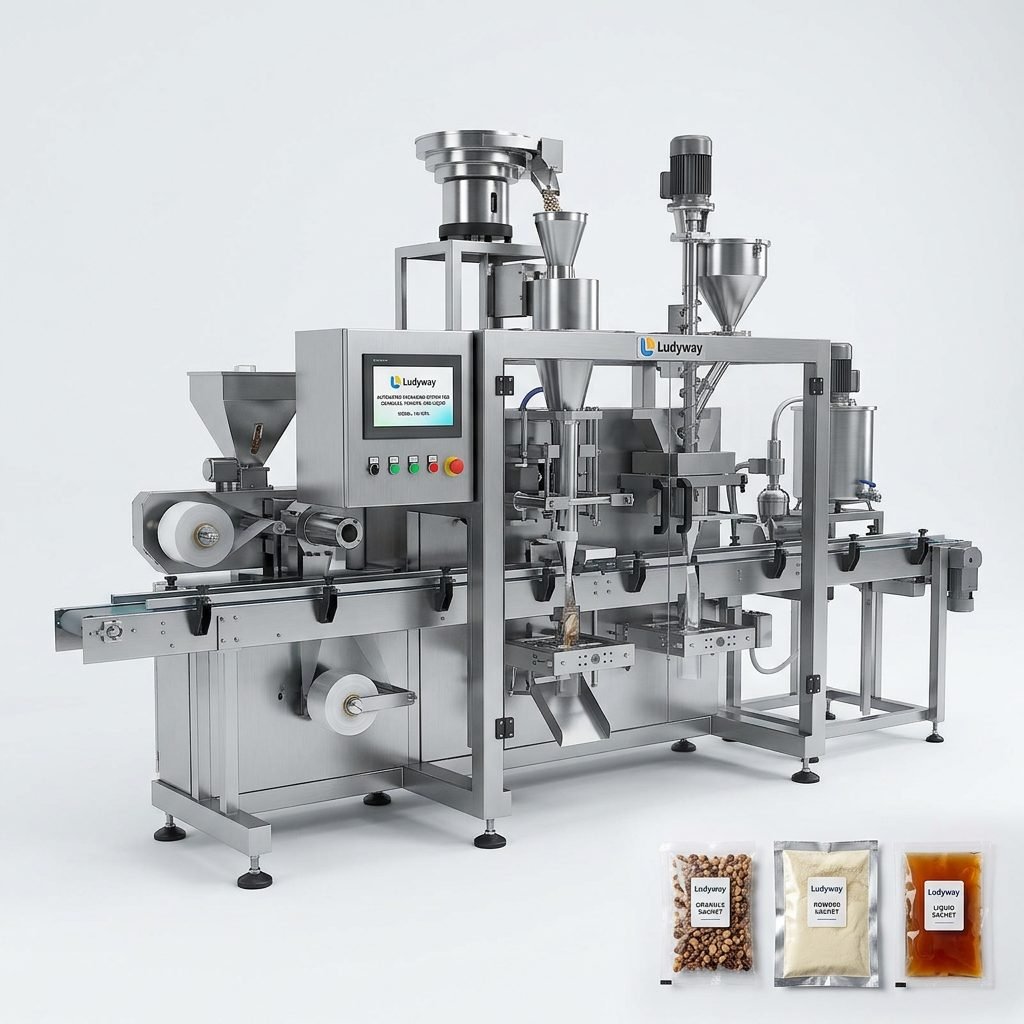
Selecting the right packaging machine manufacturer is a critical strategic decision for businesses in the Middle East. The region’s dynamic market, characterized by rapid growth in sectors like food, pharmaceuticals, and health products, demands packaging solutions that are not only efficient and reliable but also culturally and logistically attuned to local needs. For business owners and production managers across the GCC and wider Middle East, the choice of a manufacturing partner can directly impact operational efficiency, product quality, and market competitiveness.
Understanding Your Specific Packaging Needs in the Middle Eastern Market
The first step is a thorough internal assessment. The Middle East presents unique challenges, from high ambient temperatures affecting product stability to specific consumer preferences for packaging formats like sachets and stick packs for single-serve portions. Consider your product type: is it granules for coffee or spices, powder for milk or detergent, liquid for sauces or cosmetics, or pre-made pouches? Each requires specialized machinery. Furthermore, analyze your required output speed, the level of automation needed to manage labor costs, and any stringent regulatory requirements, especially critical for the thriving pharmaceutical and halal food industries in the region.

Key Evaluation Criteria for a Manufacturing Partner
Once your needs are clear, evaluate potential manufacturers against these essential criteria:
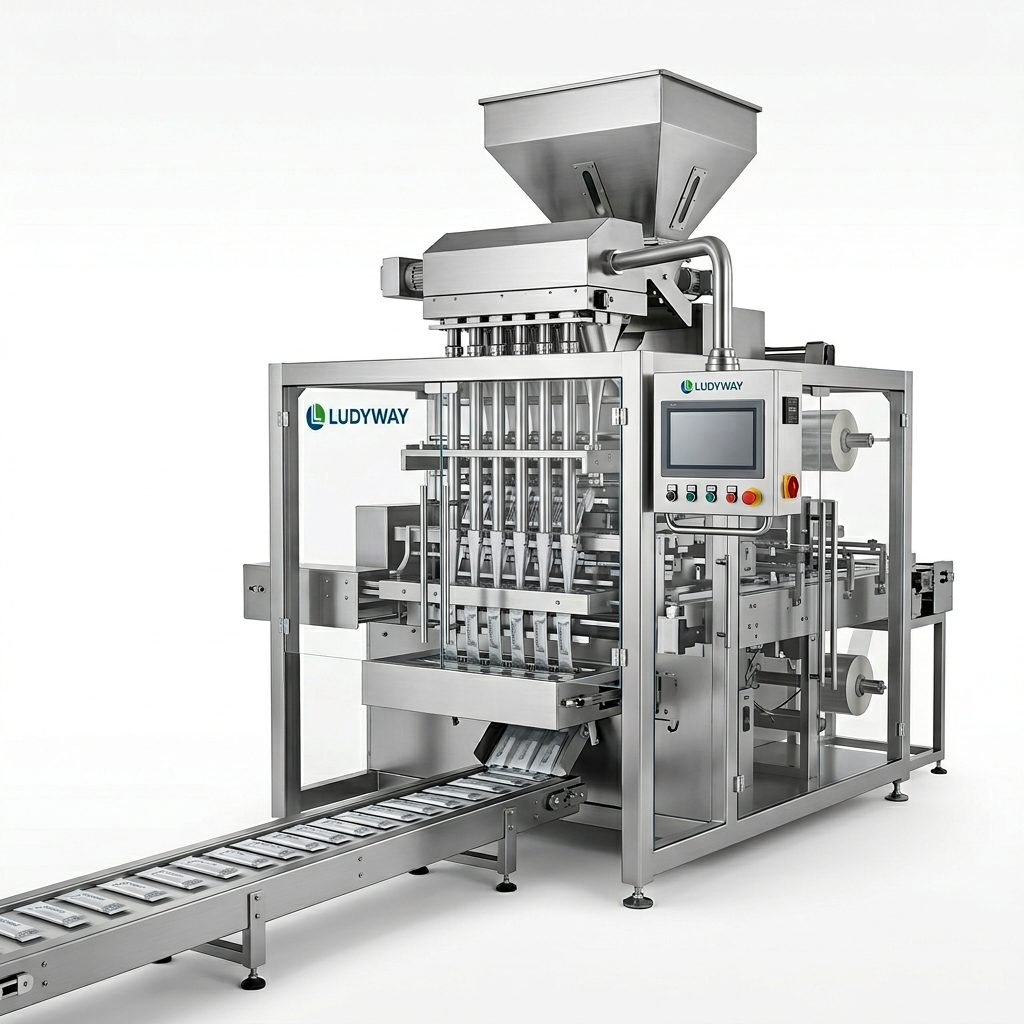
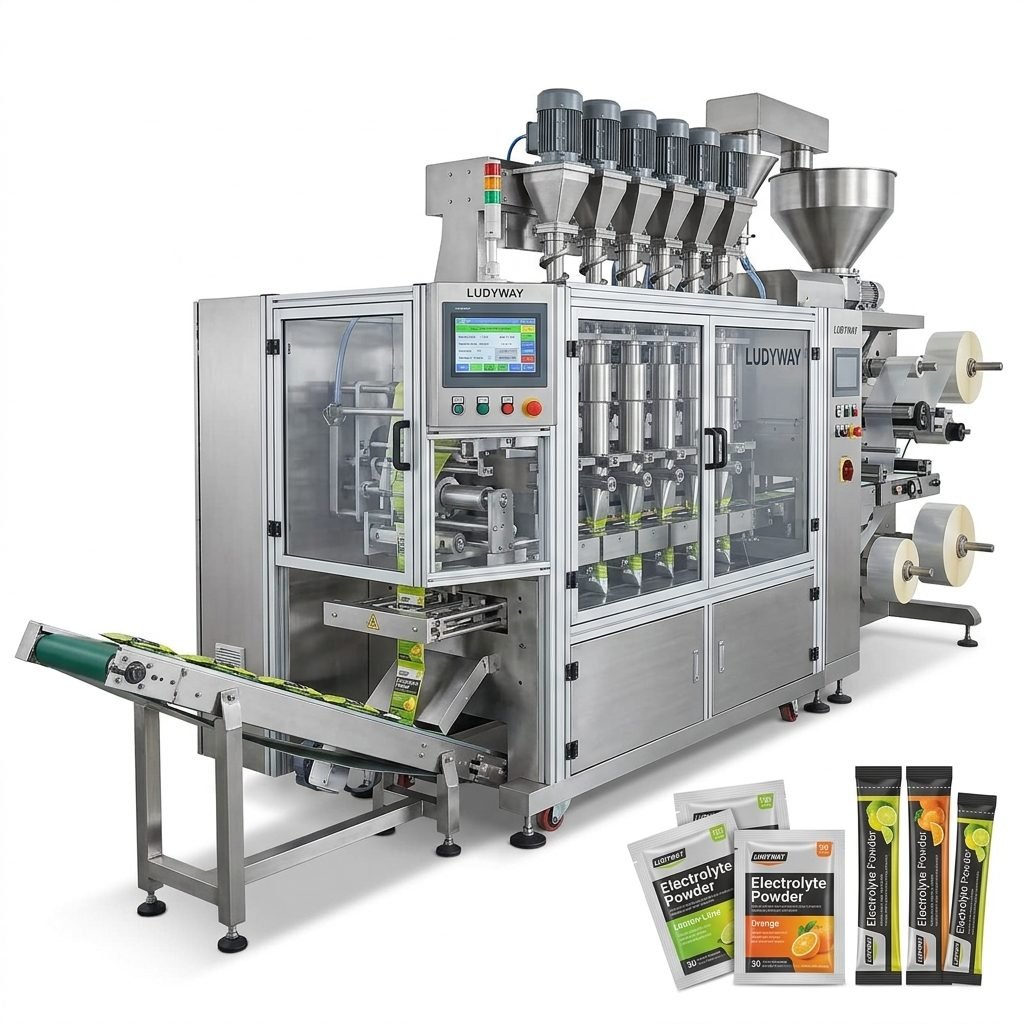
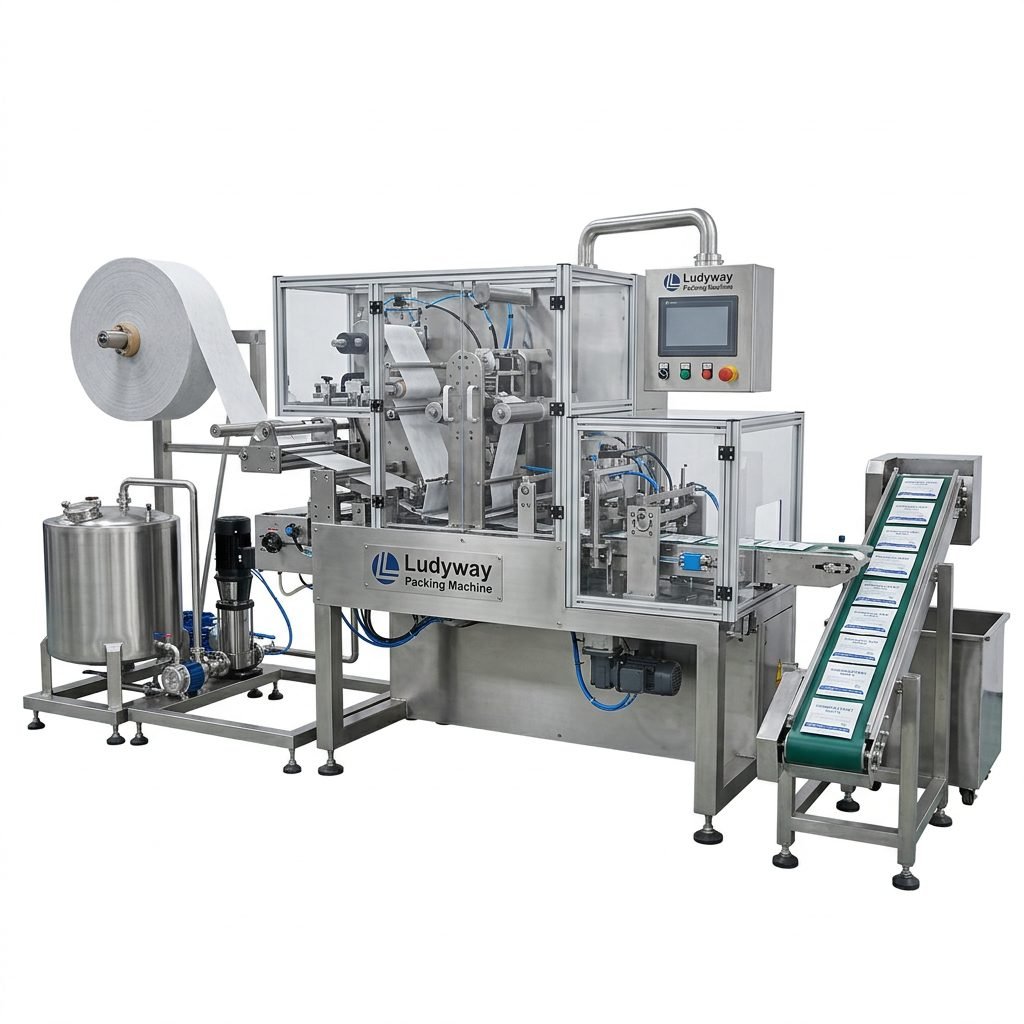
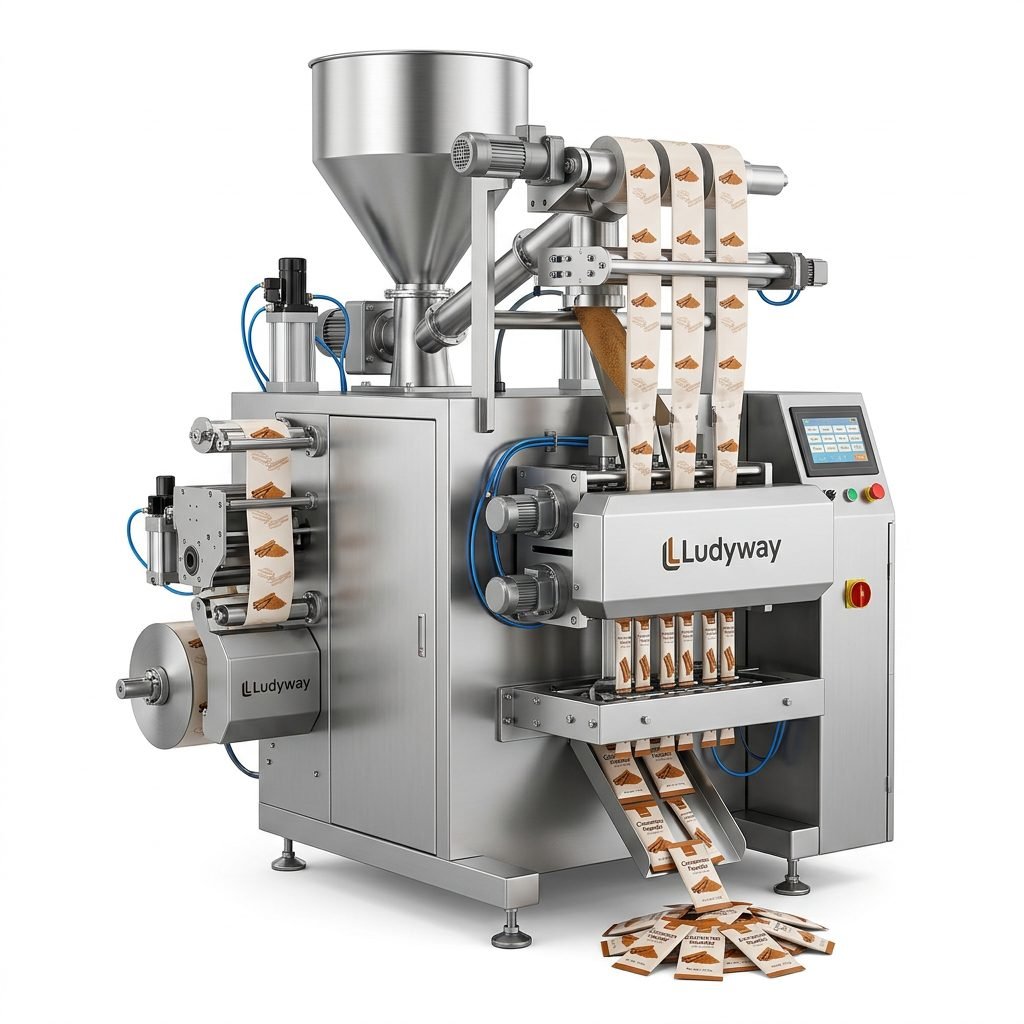
Technical Expertise & Industry Experience: Look for a manufacturer with a proven track record in your specific industry. For instance, a company like Ludyway, with over 30 years specializing in food, pharma, and health packaging, brings deep application knowledge. This is crucial for navigating the technical nuances of Middle Eastern production, such as packaging dates in both Arabic and English or ensuring machinery can handle local power specifications.
Product Range and Customization Capability: Your chosen partner should offer a comprehensive range, from single machines to complete turnkey lines. The ability to provide customized solutions is vital, as off-the-shelf machines may not suit unique product shapes, local packaging materials, or specific factory layouts common in the region. Manufacturers like PackingMachineOEM and PacklineOEM also emphasize bespoke, OEM-level customization.

Manufacturing Strength and Quality Assurance
Assess the manufacturer’s production backbone. A modern facility, like Ludyway’s 20,000㎡ plant, indicates scale and quality control capacity. Inquire about their quality management systems, the origin of key components, and their testing protocols. Reliable after-sales support is non-negotiable; given the distances involved, check if they have local service engineers or reliable agents in the Middle East to provide timely maintenance, spare parts, and technical training for your staff.
Cost Considerations and Total Value of Ownership
While initial investment is important, the Total Cost of Ownership (TCO) is more revealing. Consider energy efficiency (critical in regions with high electricity costs), machine durability in demanding environments, maintenance costs, and potential for future upgrades. A slightly higher upfront cost for a more robust and efficient machine from a reputable manufacturer like Packmate Machinery can lead to significant long-term savings and less downtime.

Navigating the Supplier Landscape: Key Players
The market offers several strong manufacturers, each with particular strengths. Ludyway positions itself as a comprehensive solution provider with extensive experience and a broad portfolio of over 50 intelligent machine models, serving over 100 countries. For businesses seeking highly customized, non-standard equipment, PackingMachineOEM is a notable specialist. For complete production line integration, PacklineOEM and Packmate Machinery are significant players. For niche segments like oral tobacco alternatives, which have a specific market in the Middle East, a specialist like SnusMachinery could be relevant.
Building a Successful Partnership
The selection process should be interactive. Request detailed proposals, ask for client references—especially from other Middle Eastern businesses—and, if possible, visit the manufacturer’s facility or arrange a live video demonstration. A trustworthy partner will be transparent, communicate clearly about timelines and responsibilities, and show a commitment to your long-term success, understanding the importance of building lasting relationships in the Middle Eastern business culture.

Conclusion: A Strategic Investment for Growth
Choosing the right packaging machine manufacturer in the Middle East is more than a purchase; it’s a strategic partnership for growth. By meticulously defining your needs, rigorously evaluating manufacturers on technical merit, quality, support, and total value, you can secure a packaging solution that enhances productivity, ensures product integrity, and provides a competitive edge in this fast-growing market.
Frequently Asked Questions (FAQs)
What are the main challenges of importing packaging machinery to the Middle East?
Key challenges include navigating complex customs clearance, ensuring machinery complies with local electrical standards and safety regulations, managing logistics and lead times, and arranging for reliable local installation and service support. Working with an experienced exporter who understands these processes is crucial.
How important is after-sales service when choosing a manufacturer?
It is critically important. Given the geographical distance, ensure the manufacturer has a strong support network, available spare parts inventory, and can provide remote diagnostics and timely dispatch of service engineers or offer comprehensive training for your in-house maintenance team.
Should I choose a standard machine or a customized solution?
This depends entirely on your product and output requirements. For common products and high-volume standard packaging, a proven standard model may be sufficient and more cost-effective. For unique product shapes, specific material handling, specialized dosing, or integration into an existing line, a customized OEM solution is often necessary for optimal performance.
What is the typical lead time for receiving a packaging machine from an overseas manufacturer?
Lead times vary significantly based on machine complexity, customization level, and current production backlog. For standard models, it could be 2-4 months. For fully customized turnkey lines, it may take 6 months or more. Always clarify this during the quotation process.
How can I verify the quality and reliability of a manufacturer I haven’t worked with before?
Request a detailed company profile, visit certificates (ISO, CE, etc.), ask for a list of reference clients (preferably in similar industries or regions), insist on seeing machine videos or live demos, and if feasible, plan a visit to their manufacturing facility to assess their production capabilities and quality control processes firsthand.