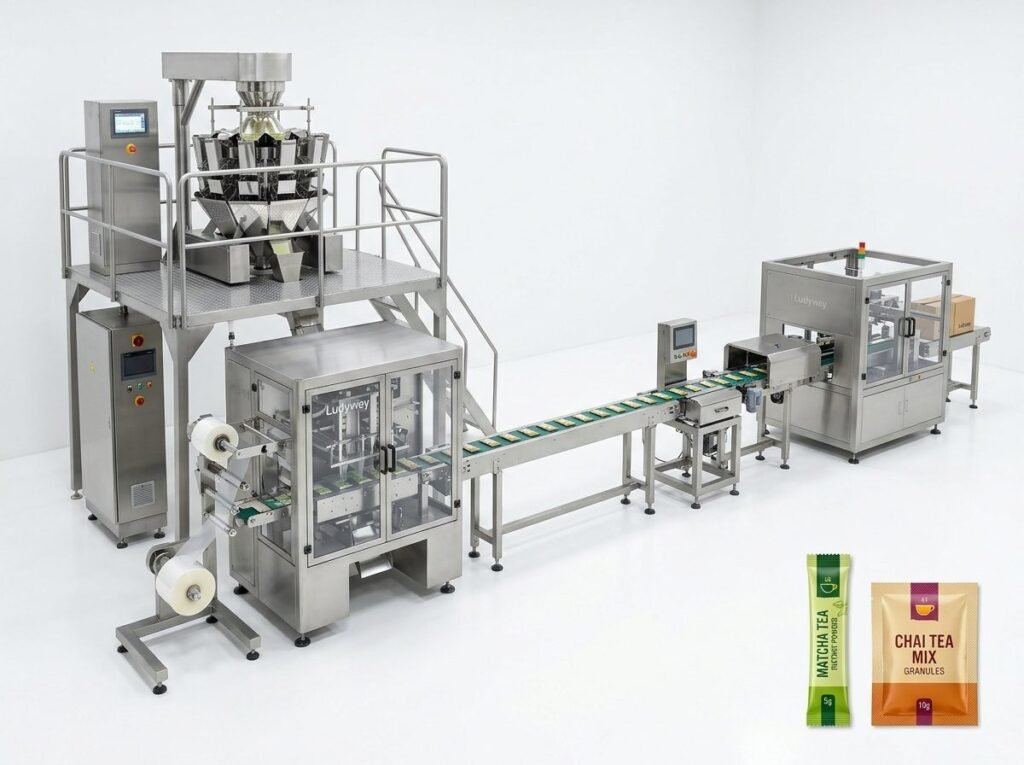
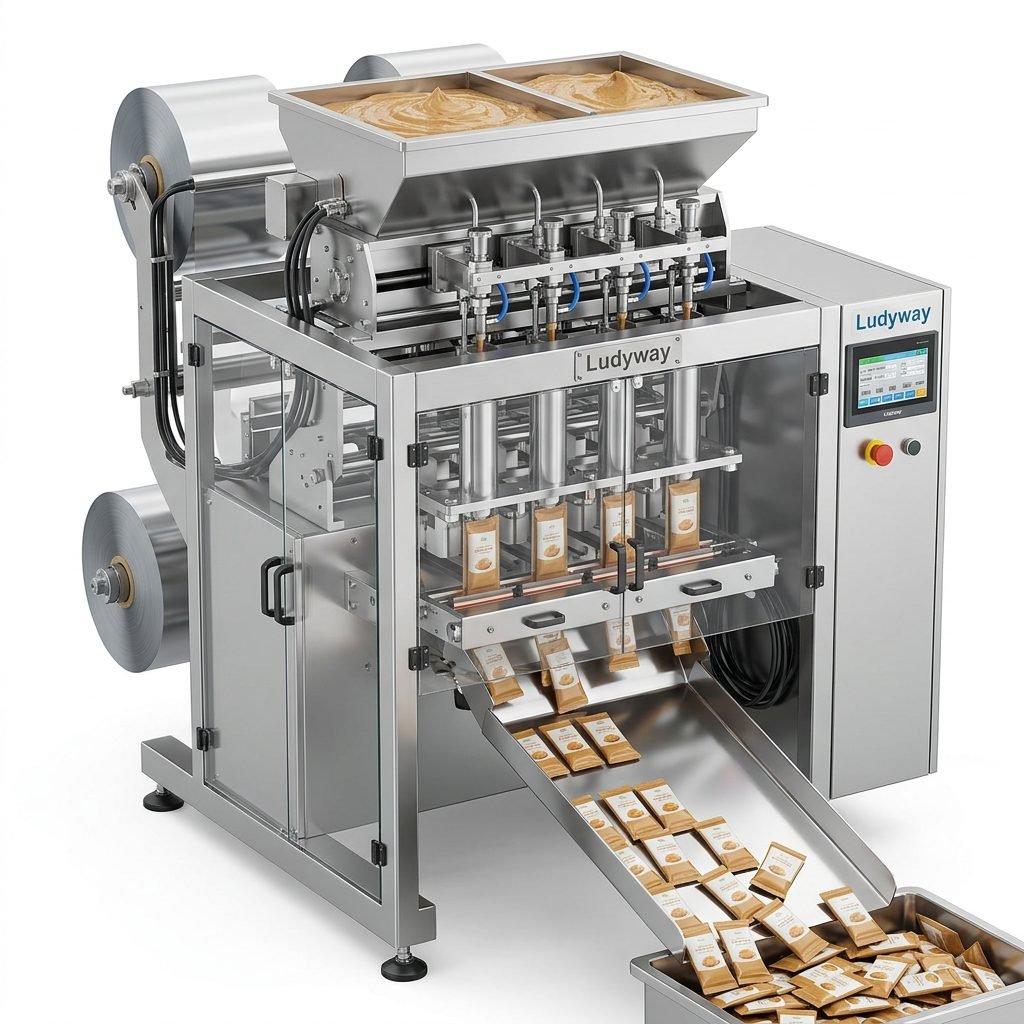
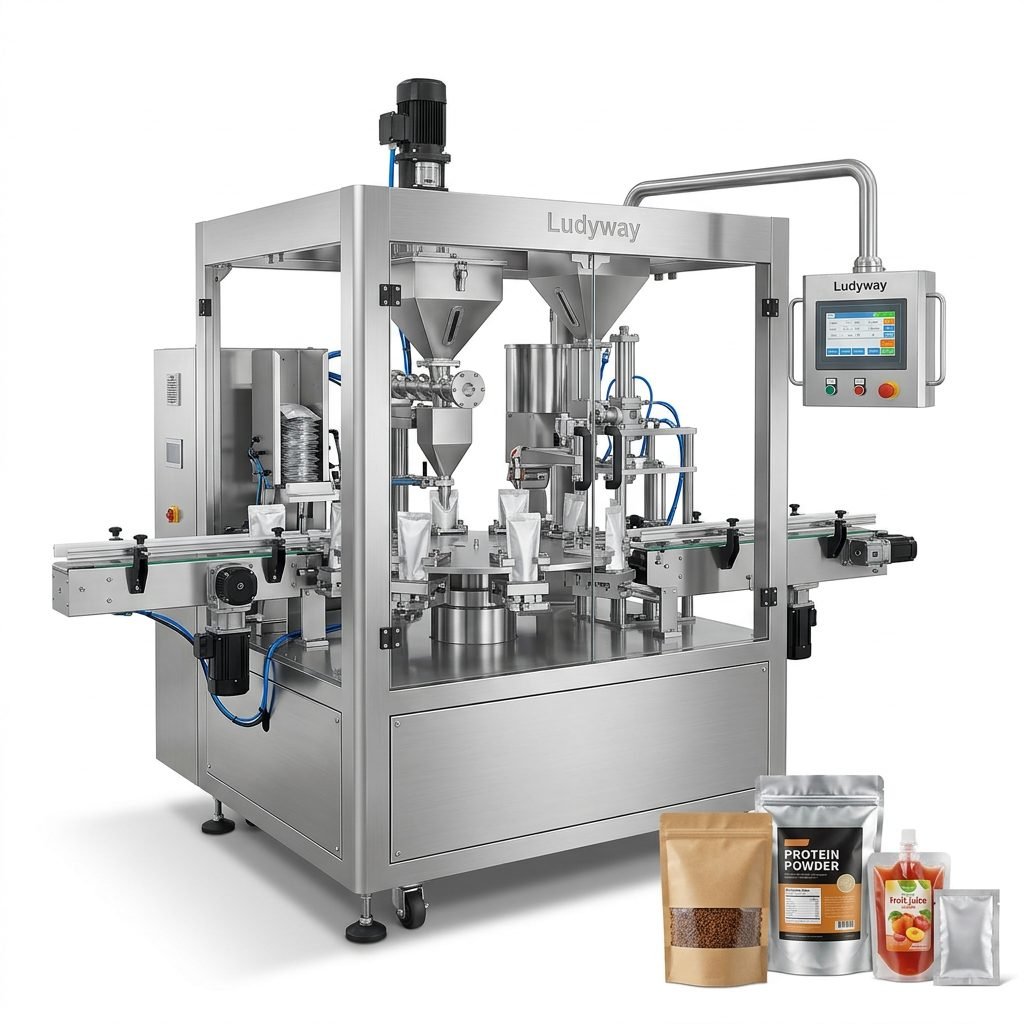
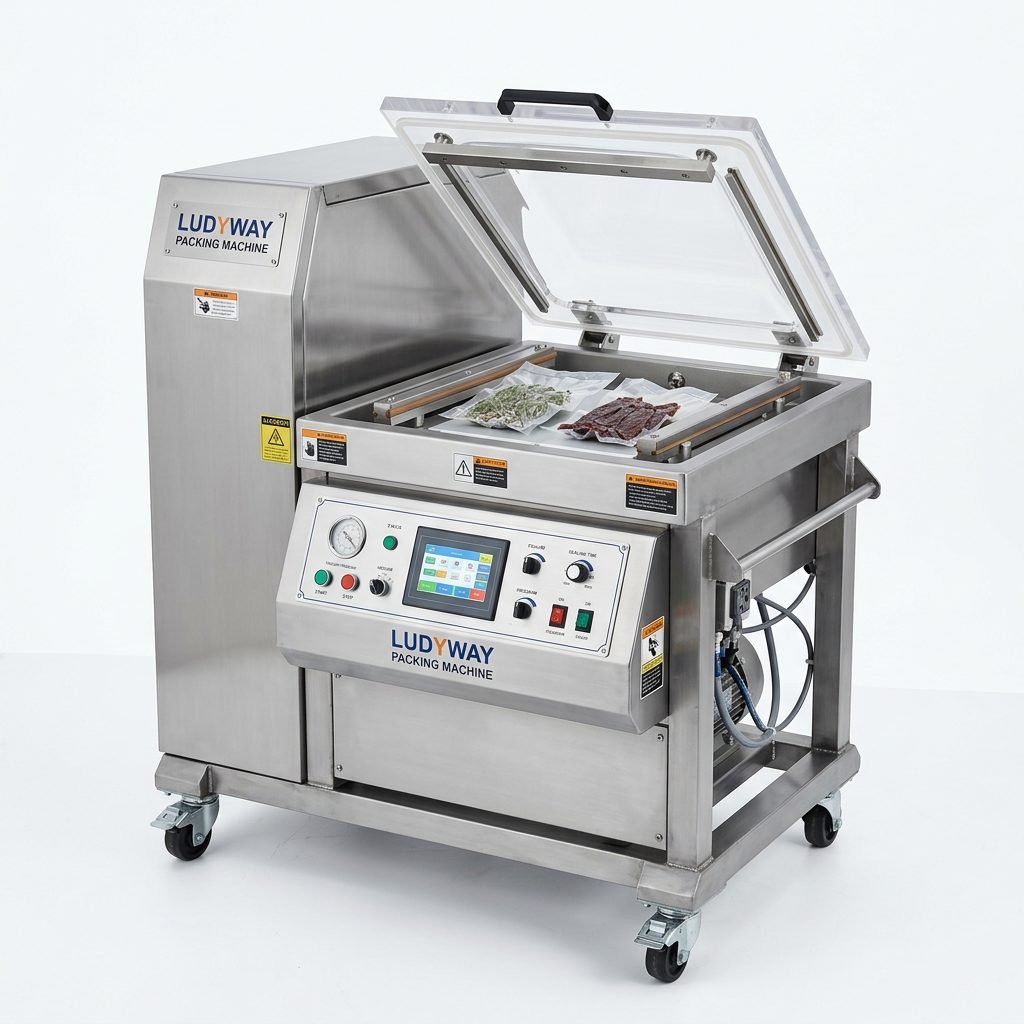
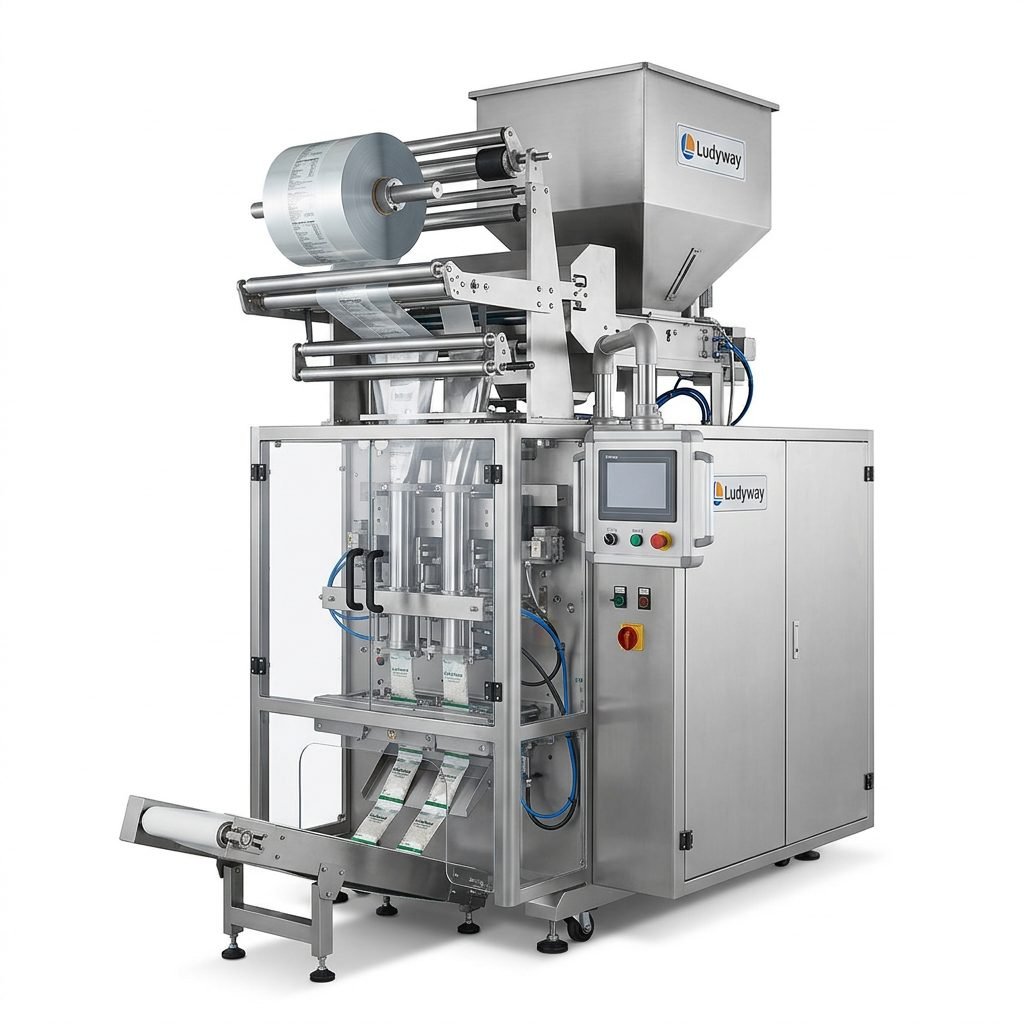
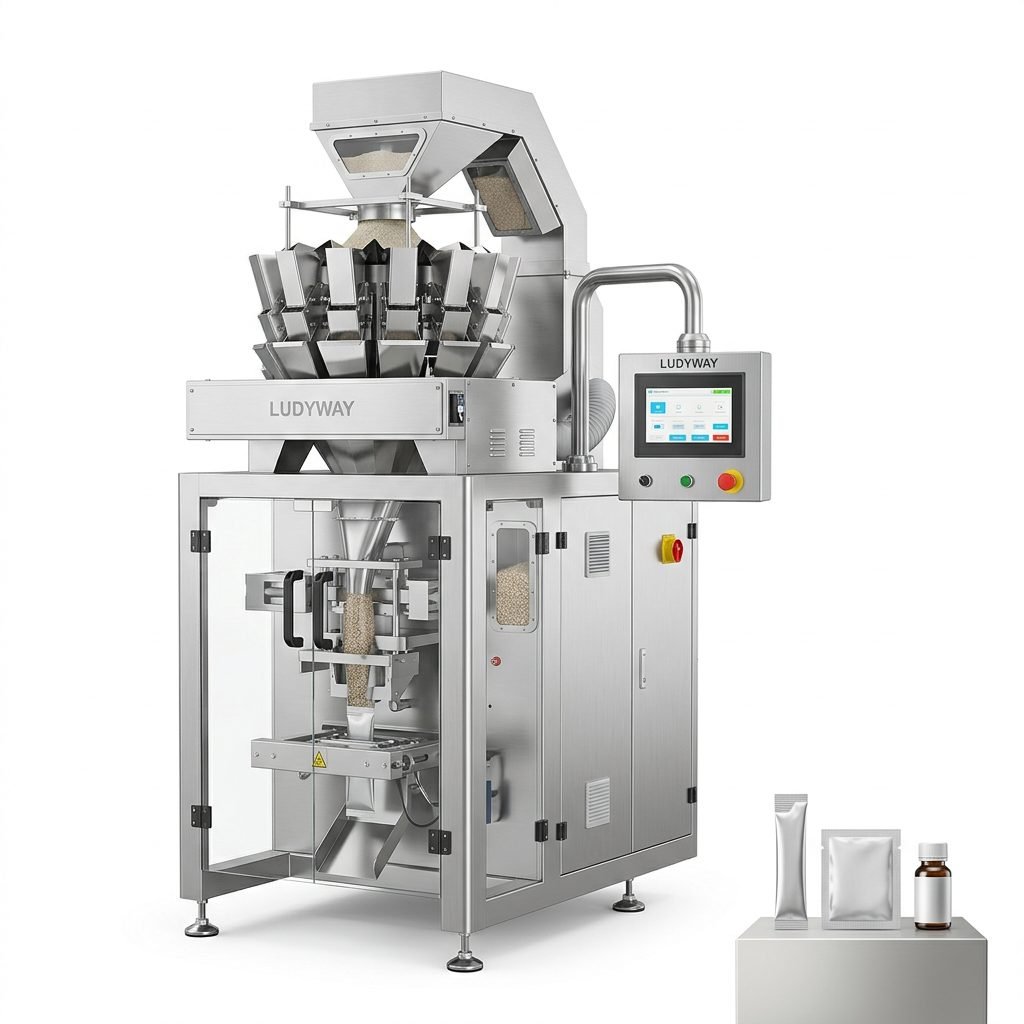
In the fast-paced world of food, beverage, and pharmaceutical production, efficiency and precision are paramount. For products sold in single-serve cups or containers—think yogurt, pudding, jellies, sauces, or medicinal syrups—the packaging process is a critical final step. This is where cup filler packaging machines become indispensable. These automated systems are designed to accurately fill pre-formed cups, tubs, or pots with a variety of products, seal them, and prepare them for distribution. Choosing the right machine is not just about filling a container; it’s about optimizing your production line for speed, hygiene, cost-effectiveness, and product integrity.
Understanding Cup Filler Packaging Machines
A cup filler packaging machine is a specialized type of form-fill-seal (FFS) equipment. Unlike machines that form the packaging from a roll of film, cup fillers typically work with pre-made cups that are fed into the machine from a stack or magazine. The core process involves a few key stages:
- Cup Feeding & Separation: Cups are automatically fed and separated from a nested stack.
- Product Filling: The precise volume of product is dispensed into each cup. This can be a liquid, semi-liquid, paste, or even small particulates.
- Lidding & Sealing: A lid film (often pre-printed) is applied over the cup and hermetically sealed using heat, pressure, or ultrasonic methods.
- Date Coding & Discharge: The sealed cup may receive a batch/expiry date code before being discharged onto a conveyor for secondary packaging.
Core Components of a Modern Cup Filler
To appreciate how these machines deliver reliability, it helps to understand their main components:
- Cup Unscrambler & Conveyor: Gently handles and orients cups for feeding.
- Filling System: The heart of the machine. Common types include piston fillers for high-viscosity products like sauces, pump fillers for liquids, and auger fillers for powders or granules.
- Lidding & Sealing Station: Applies and seals the lidding material with precision temperature and pressure control.
- PLC Control Panel: The user interface for setting parameters, monitoring production, and diagnosing issues.
- Frame & Guards: Constructed from stainless steel (often 304 or 316 grade) for durability and compliance with food safety standards.
Different Types of Cup Filling Machines
Not all cup fillers are the same. The right choice depends heavily on your product characteristics, production volume, and budget.
1. Rotary vs. In-Line Machines
Rotary Cup Fillers feature a circular indexing table. Cups are placed on stations that rotate past filling, lidding, and sealing heads. This design is excellent for high-speed production (hundreds of cups per minute) and is common in large-scale dairy or dessert operations.
In-Line (Linear) Cup Fillers arrange the cups in a straight line on a conveyor. They pass under sequential stations. This design is more modular and flexible, often easier to clean and maintain, and ideal for medium-speed production or frequent product changeovers.
2. Filling Technology Variations
- Volumetric Piston Filler: Best for thick, chunky, or viscous products (yogurt, cottage cheese, salsa). Offers excellent accuracy regardless of product viscosity changes.
- Gravity/Pump Filler: Suitable for free-flowing liquids (water, juice, oil). Simple and cost-effective.
- Auger Filler: Designed for dry powders, granules, or flakes (instant coffee, spices, drink mixes). Prevents dust and ensures precise weight-based filling.
- Liquid & Powder Combination Fillers: Advanced machines that can handle multi-component products, like a powder base with a liquid topping.
3. Specialized Machines
Beyond the standard models, specialized fillers cater to niche needs:
- Aseptic Cup Fillers: Operate in a sterile environment for products requiring long shelf life without refrigeration (e.g., UHT milk, soups).
- Hot-Fill Machines: Designed to handle products filled at high temperatures (jams, pie fillings), often incorporating cooling tunnels post-sealing.
- Gas Flushing Machines: Evacuate air from the cup and replace it with an inert gas (like nitrogen) before sealing to extend shelf life and prevent oxidation (for nuts, salads, fresh-cut fruit).
Key Benefits of Automating with a Cup Filler
Investing in an automated cup packaging system delivers tangible returns across your operation.
➤ Unmatched Speed and Productivity: Manual filling is slow and inconsistent. An automated machine can fill and seal hundreds, even thousands, of cups per hour, dramatically increasing output and meeting high demand.
➤ Exceptional Accuracy and Consistency: Every cup receives the exact same amount of product, minimizing giveaway (overfilling) and preventing underfilling, which protects your profit margins and ensures customer satisfaction.
➤ Enhanced Hygiene and Safety: Automated systems minimize human contact with the product. Constructed with food-grade stainless steel and designed for easy cleaning (CIP/SIP options available), they significantly reduce the risk of contamination, which is crucial for food and pharmaceutical compliance.
➤ Significant Labor and Cost Savings: While there’s an upfront investment, automation reduces long-term reliance on manual labor for repetitive tasks, lowering labor costs and reallocating human resources to more value-added roles.
➤ Improved Shelf Appeal and Reduced Waste: Machines create a clean, uniform, and professional seal every time, enhancing product presentation. Precise filling also reduces material waste from spills or errors.
How to Choose the Right Cup Filler for Your Needs
Selecting a machine is a strategic decision. Follow this framework to guide your evaluation.
Step 1: Define Your Product Parameters
This is the most critical starting point. Be precise about:
- Product Viscosity & Characteristics: Is it watery, syrupy, pasty, or chunky? Does it contain particulates? This dictates the filling technology (piston, pump, auger).
- Cup Specifications: Material (PP, PS, PET, aluminum), size, shape, and rim design. The machine must be compatible with your chosen cup.
- Lidding Material: Type of foil or film laminate. The sealing station must be configured to handle it effectively.
Step 2: Assess Your Production Requirements
Be realistic about your current and future needs:
- Required Output Speed (Cups/Minute): Calculate based on your shift patterns and sales forecasts. Choose a machine that meets your peak demand with a 10-20% buffer.
- Changeover Frequency: If you run multiple products or cup sizes daily, prioritize machines with quick-change parts and tool-less adjustments.
- Factory Space & Layout: Measure your available floor space. Linear machines often require more length, while rotary machines have a larger footprint.
Step 3: Evaluate Machine Features & Construction
Look beyond the brochure:
- Build Quality & Materials: Insist on a stainless steel frame and food-contact surfaces. This ensures durability, corrosion resistance, and ease of cleaning.
- Control System & Ease of Use: A user-friendly touchscreen PLC with recipe memory saves time on changeovers. Look for clear diagnostics.
- Hygienic Design: Rounded corners, easy access for cleaning, and sealed components are non-negotiable for food-grade production.
- Safety Features: Emergency stops, safety interlocks, and protective guarding are essential for operator protection.
Step 4: Consider the Supplier & Support
The machine is only as good as the company behind it. Partnering with an experienced supplier like Ludyway Machinery makes all the difference.
- Industry Experience & Reputation: Choose a supplier with a proven track record in your specific sector (e.g., dairy, condiments, pharmaceuticals).
- Testing & Validation: Always request a production test with your actual product and packaging. This is the only way to verify performance claims.
- After-Sales Support: Ensure they offer comprehensive training, spare parts availability, and technical support. Downtime is costly, so responsive service is key.
- Scalability & Future-Proofing: Can the machine be integrated with upstream (cup denesting) or downstream (cartoning, case packing) automation? Consider your long-term line integration plans.
Conclusion
An automated cup filler packaging machine is a strategic investment that drives efficiency, consistency, and growth for producers of cup-packed goods. By thoroughly understanding the different machine types, acknowledging their substantial benefits, and methodically following a selection process focused on your specific product and production goals, you can make a confident purchasing decision. The right machine, supported by a reliable supplier, will become a cornerstone of your packaging operation for years to come, ensuring your products are filled perfectly, sealed securely, and ready to succeed in the market.
Frequently Asked Questions (FAQs)
1. What is the typical speed range for a cup filler machine?
Speeds vary widely based on machine type and cup size. Simple linear fillers may run at 30-60 cups per minute (CPM), while high-speed rotary machines can achieve 200-500 CPM or more for small cups. The key is to match the machine’s capability to your actual production target.
2. Can one machine handle different cup sizes and shapes?
Yes, most machines are designed for changeover. However, the ease and speed of changeover differ. Look for machines with quick-change parts (like filling nozzles, cup holders, and sealing dies) and digital adjustment of settings to minimize downtime when switching products.
3. How do I ensure the machine meets food safety standards?
Choose a machine constructed with 304 or 316 food-grade stainless steel on all product contact surfaces. It should have a hygienic design with smooth, crevice-free surfaces and be easy to disassemble for cleaning. Documentation of materials and design compliance (e.g., with FDA or EHEDG guidelines) should be available from the supplier.
4. What is the difference between a cup filler and a form-fill-seal (FFS) machine?
A traditional FFS machine creates the package (a pouch or sachet) from a roll of film, then fills and seals it. A cup filler uses pre-formed, rigid cups that are fed into the machine. Both are “form-fill-seal” in a broad sense, but “cup filler” specifies the use of pre-made containers.
5. What kind of maintenance does a cup filler require?
Regular maintenance is crucial for longevity. This includes daily cleaning, lubrication of moving parts as per the manual, inspection of seals and gaskets, and calibration of the filling system. A reputable supplier will provide a detailed maintenance schedule and training for your operators.