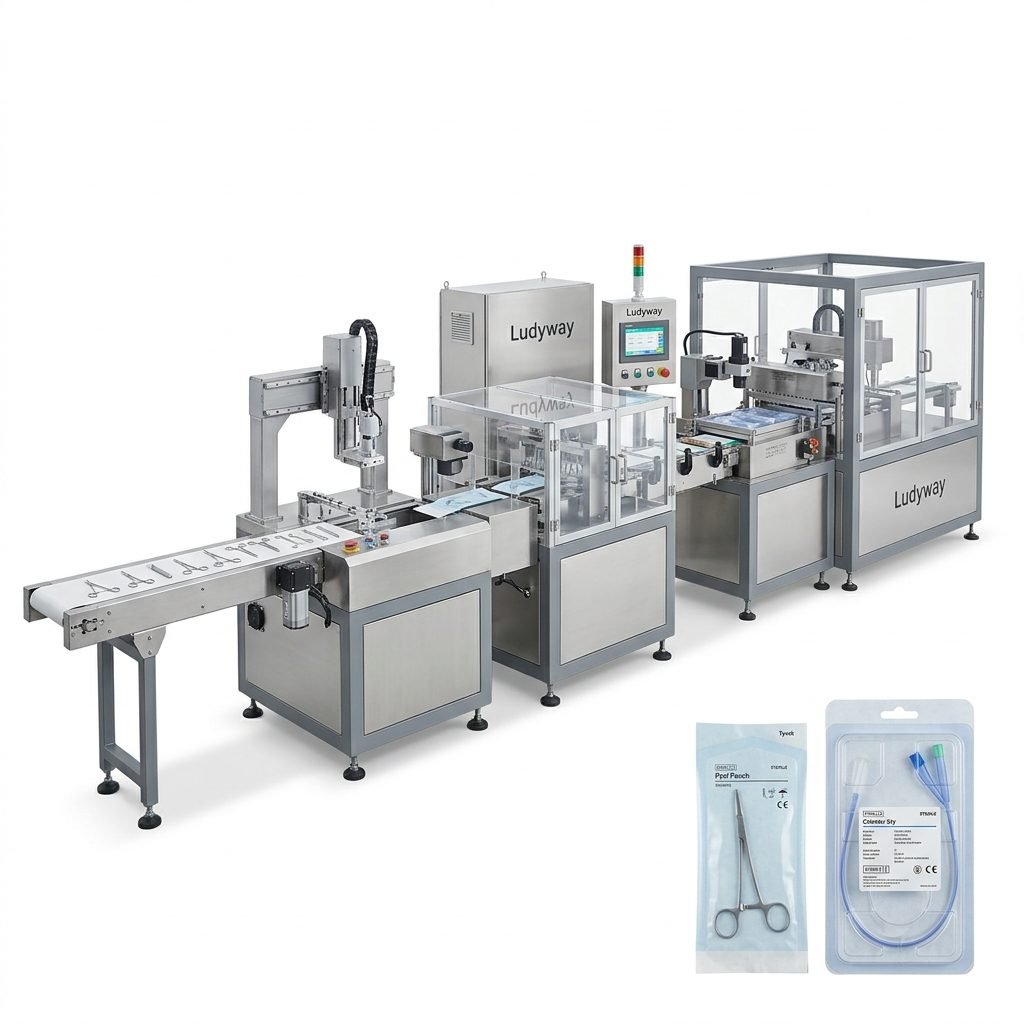
Meat products are highly sensitive to oxygen, moisture, temperature fluctuation, and microbial contamination. That is why choosing the right meat vacuum packaging machine is not just about packaging speed—it is about protecting shelf life, maintaining product appearance, reducing waste, and supporting food safety compliance.
Whether you process fresh beef, pork, poultry, seafood, marinated cuts, or frozen meat, the right machine can help your operation deliver cleaner seals, stronger vacuum performance, and more consistent pack quality from batch to batch.

Why Vacuum Packaging Matters for Meat Products
Vacuum packaging removes air from the package before sealing. For meat processors, this brings several direct advantages:
- Slows oxidation, helping preserve color, taste, and texture
- Reduces bacterial growth conditions by limiting oxygen exposure
- Extends shelf life for chilled and frozen meat
- Improves transport stability and reduces leakage risk
- Enhances product presentation for retail and wholesale channels
- Minimizes product loss caused by freezer burn and poor sealing
In practical terms, a good vacuum packaging machine helps processors meet both commercial goals and hygiene expectations. Freshness and food safety are closely connected, and poor packaging can undermine both.
Main Types of Meat Vacuum Packaging Machines
Before choosing a model, it is important to understand which machine type best fits your product, plant space, and output target.
| Machine Type | Best For | Key Advantage | Consideration |
|---|---|---|---|
| Chamber vacuum machine | Fresh cuts, poultry, seafood, small to medium batches | Stable vacuum level and reliable sealing | Cycle-based operation |
| Double-chamber vacuum machine | Medium to high-volume meat processing | Higher productivity with alternating chambers | Needs more floor space |
| Thermoforming vacuum packaging machine | Industrial lines, retail-ready packs, MAP or vacuum skin packs | High automation and premium pack appearance | Higher investment |
| External vacuum sealer | Low-volume or oversized bags | Simple and compact | Less suitable for wet meat products |
| Vacuum skin packaging system | Premium retail meat presentation | Excellent product visibility and shelf appeal | Requires compatible film and trays |
How to Choose the Best Meat Vacuum Packaging Machine
1. Match the Machine to the Meat Product
Not all meat products behave the same during vacuum sealing. Fresh red meat, bone-in cuts, ground meat, marinated poultry, and frozen products may require different packaging conditions.
- For bone-in meat, choose packaging materials and seal settings that resist puncture.
- For wet or marinated products, chamber machines often perform better than external suction models.
- For premium retail presentation, thermoforming or skin packaging may be the better option.
- For bulk foodservice packs, double-chamber systems can improve throughput.
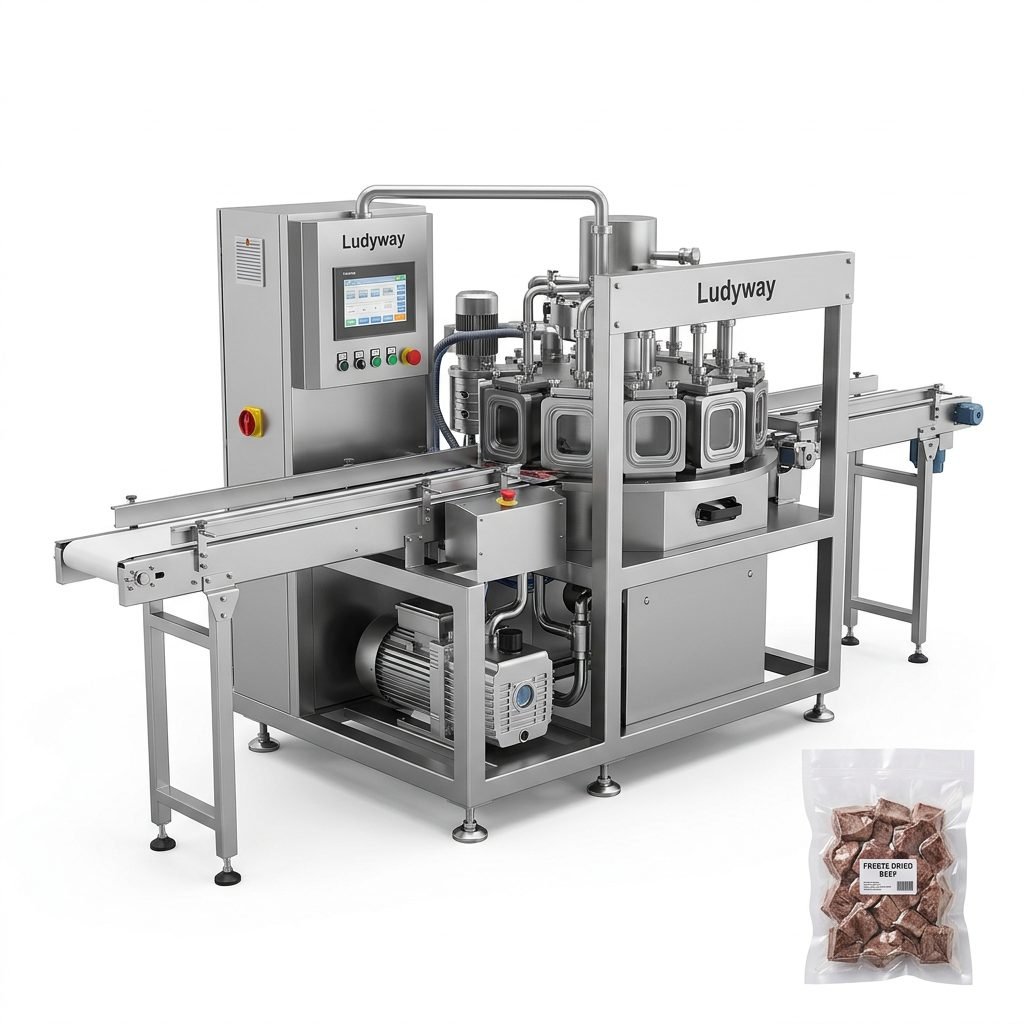
2. Evaluate Vacuum Pump Performance
The pump is the heart of the machine. Strong and stable vacuum performance is essential for air removal, package integrity, and shelf-life extension.
Look for:
- Consistent final vacuum level
- Reliable cycle speed
- Durability for continuous operation
- Easy service access and maintenance support
If your production runs for long hours, pump quality should never be treated as a secondary factor.
3. Check Seal Quality and Seal Width
A weak seal can destroy the value of an otherwise good package. Meat products often release moisture, fat, or protein residue into the sealing area, so the sealing system must be robust.
- Choose machines with stable heat control
- Consider wider seals for heavier bags or long transport routes
- Look for clean sealing performance under wet conditions
- Ask whether the machine supports different bag thicknesses and materials
4. Consider Production Capacity
The best machine is not always the biggest one. It should fit your actual output requirement.
| Production Level | Recommended Equipment | Typical User |
|---|---|---|
| Low volume | Single-chamber vacuum machine | Butcher shops, small processors, pilot production |
| Medium volume | Double-chamber vacuum machine | Regional meat plants, central kitchens |
| High volume | Automatic thermoforming or integrated vacuum packaging line | Industrial meat processors, export-oriented factories |
Oversizing leads to unnecessary capital cost, while undersizing creates bottlenecks, labor inefficiency, and missed delivery targets.
5. Focus on Food Safety Design
For meat processing, hygienic machine design is essential. The machine should support fast cleaning and reduce contamination risk.
- Prefer stainless steel construction
- Check whether contact areas are easy to wash and sanitize
- Avoid structures with dead corners where residue can accumulate
- Look for water-resistant electrical protection where relevant
- Confirm compliance with your local food processing standards
Good hygienic design can reduce downtime, support inspection readiness, and improve long-term sanitation control.
6. Review Packaging Material Compatibility
Vacuum packaging results depend not only on the machine, but also on the bag or film. Your chosen equipment should work smoothly with the packaging materials you use or plan to use.
- PA/PE vacuum pouches
- Barrier films for thermoforming
- Puncture-resistant bags for bone-in cuts
- Skin films for premium tray packs
If your product mix changes often, flexible material compatibility becomes even more important.
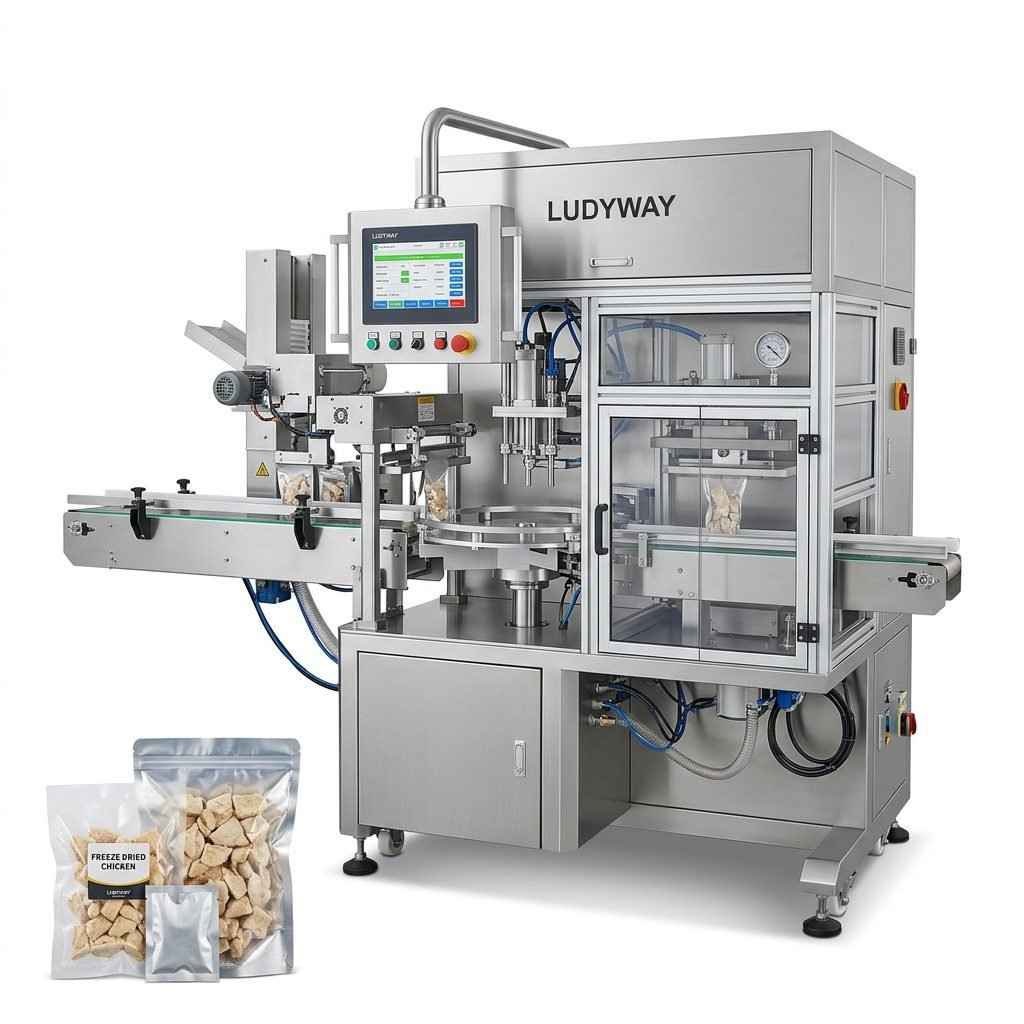
7. Think About Automation and Line Integration
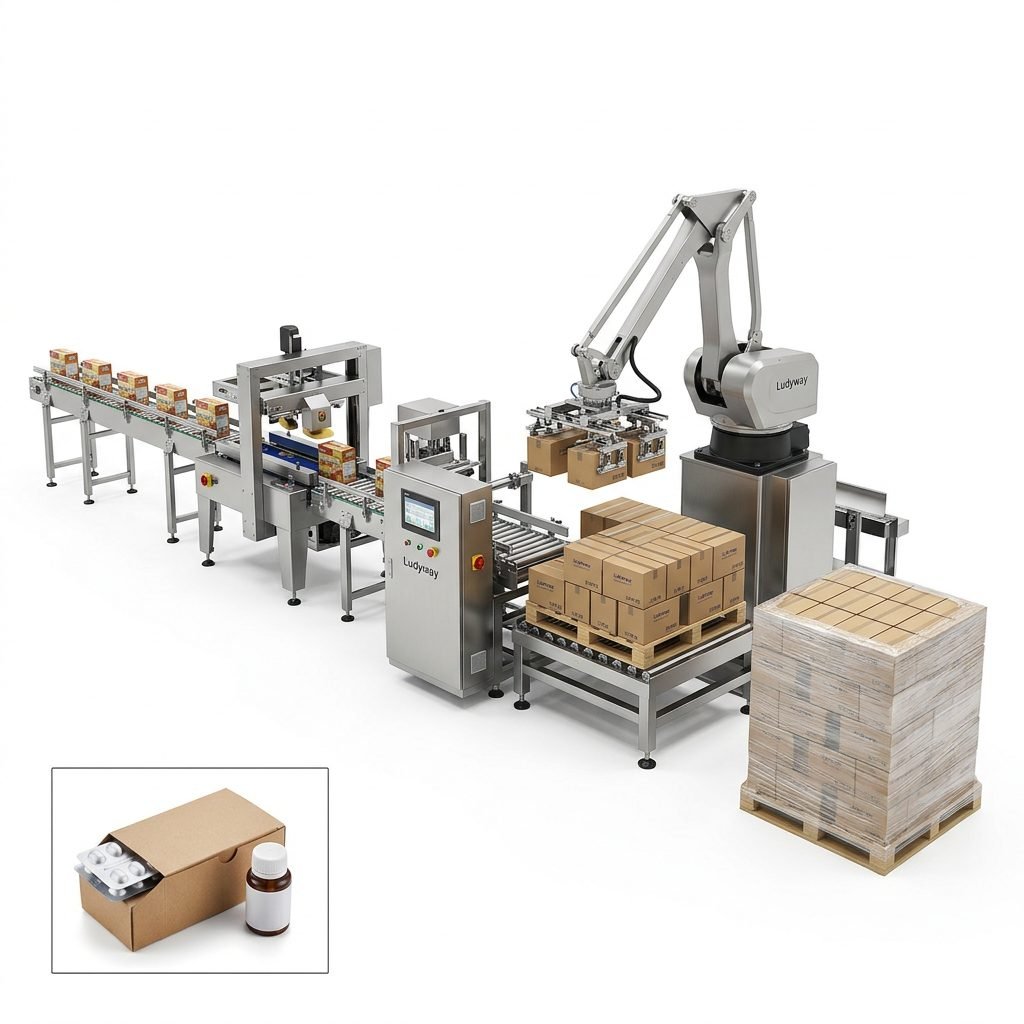
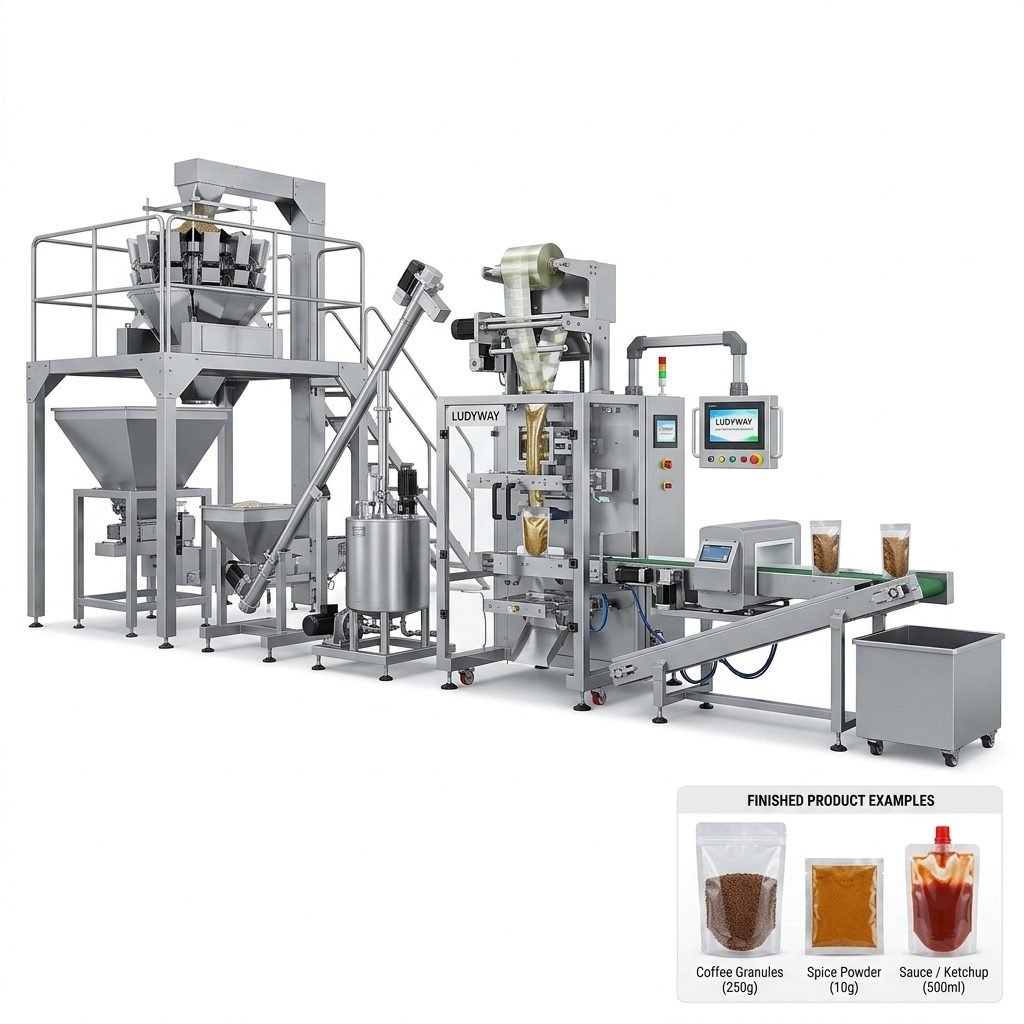
If your business is scaling, you may need more than a standalone sealer. Many processors benefit from integrating vacuum packaging with weighing, conveying, labeling, date coding, inspection, and end-of-line systems.
An experienced supplier such as Ludyway meat vacuum packaging machine solutions can be valuable when you need not only equipment, but also a broader packaging line approach for long-term growth.
8. Assess Ease of Operation
A machine should be easy for operators to learn and run safely. Complicated settings often increase errors and inconsistency.
- User-friendly control panel
- Recipe storage for different meat products
- Quick parameter adjustment
- Clear alarm and fault display
- Simple seal bar and wear-part replacement
9. Compare Maintenance Needs and Spare Parts Support
Downtime in meat processing can be expensive. Ask the supplier practical questions:
- How often does the vacuum pump require service?
- Are seals, heating wires, and consumables easy to replace?
- Are spare parts stocked and available quickly?
- Is remote support or technical guidance provided?
A lower purchase price may not be a real saving if maintenance is difficult or support is slow.
Key Features to Prioritize
When comparing suppliers and models, keep this shortlist in mind:
- Stable vacuum level
- Reliable sealing under moist conditions
- Food-grade stainless steel structure
- Suitable chamber size or forming area
- Good pump brand and serviceability
- Easy cleaning and sanitation
- Compatible with your bag or film type
- Capacity matched to your line speed
- After-sales support and spare parts availability
Common Mistakes Buyers Should Avoid
- Choosing by price alone without considering hygiene and seal quality
- Ignoring product characteristics such as bone edges or marinades
- Buying a machine with insufficient capacity for future growth
- Overlooking packaging material compatibility
- Not checking local food safety compliance requirements
- Failing to confirm service response time and spare parts support
How the Right Machine Supports Freshness and Food Safety
The best meat vacuum packaging machine does more than remove air. It helps create a controlled, repeatable packaging process that supports:
- Lower contamination risk through better handling and sealing consistency
- Reduced spoilage during storage and distribution
- Improved traceability when integrated with coding and labeling
- Better visual quality at retail display
- Longer usable shelf life and reduced returns
In competitive meat markets, these benefits directly affect profitability, customer satisfaction, and brand trust.
Quick Buying Checklist
| Question | Why It Matters |
|---|---|
| What meat products will be packed? | Product type determines machine style, seal settings, and bag material |
| What is the hourly output target? | Helps select the right automation level |
| How wet, oily, or sharp-edged is the product? | Affects seal integrity and packaging material choice |
| What hygiene standard must be met? | Critical for food safety audits and daily cleaning |
| Will the machine connect to other equipment? | Important for future packaging line expansion |
| What after-sales service is available? | Reduces downtime and protects long-term ROI |
Final Selection Advice
If your priority is freshness, food safety, packaging consistency, and scalable production, the best choice is a machine that matches your product characteristics and operational needs—not simply the cheapest unit on the market.
Start by defining your meat type, package format, daily output, sanitation requirements, and expansion plan. Then compare machines based on vacuum stability, seal performance, hygienic design, material compatibility, and supplier support.
A well-chosen meat vacuum packaging machine will help your business protect product quality, improve processing efficiency, and build stronger confidence with distributors, retailers, and end customers.