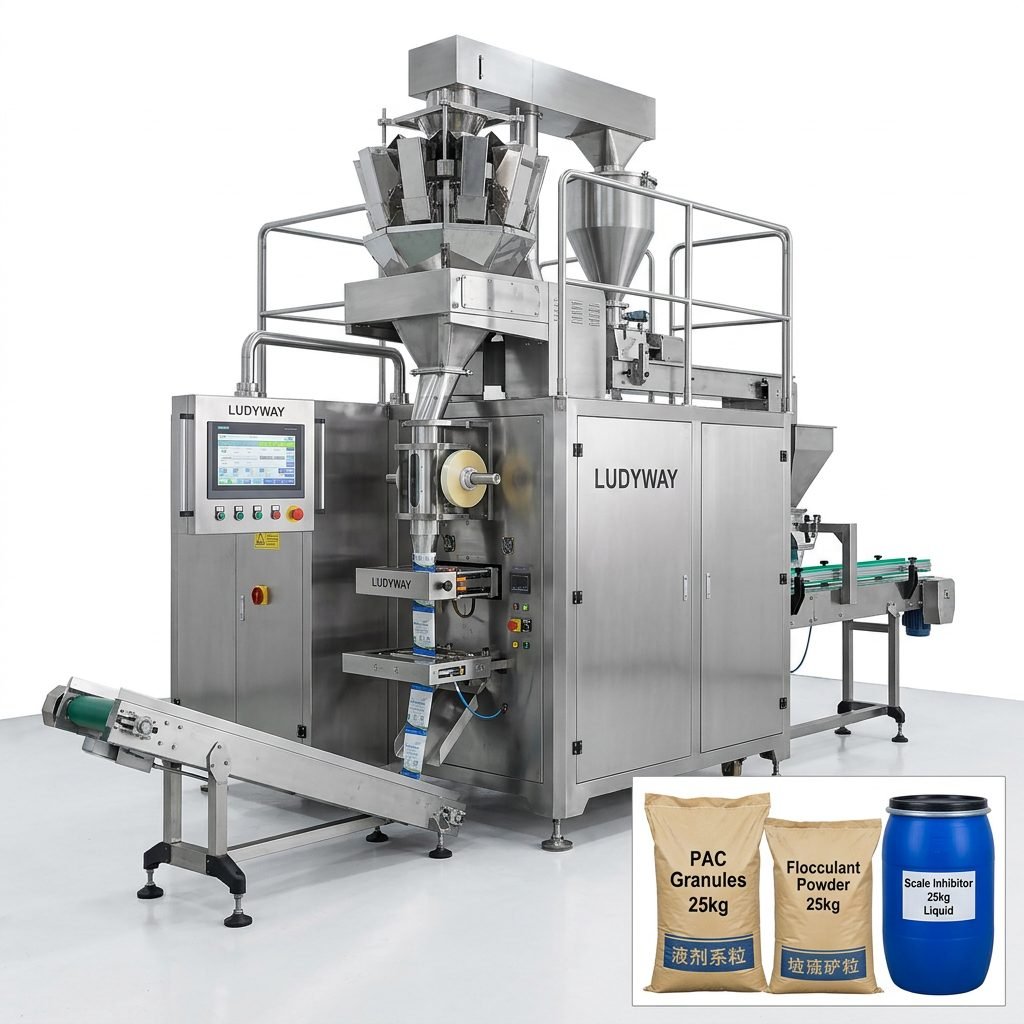
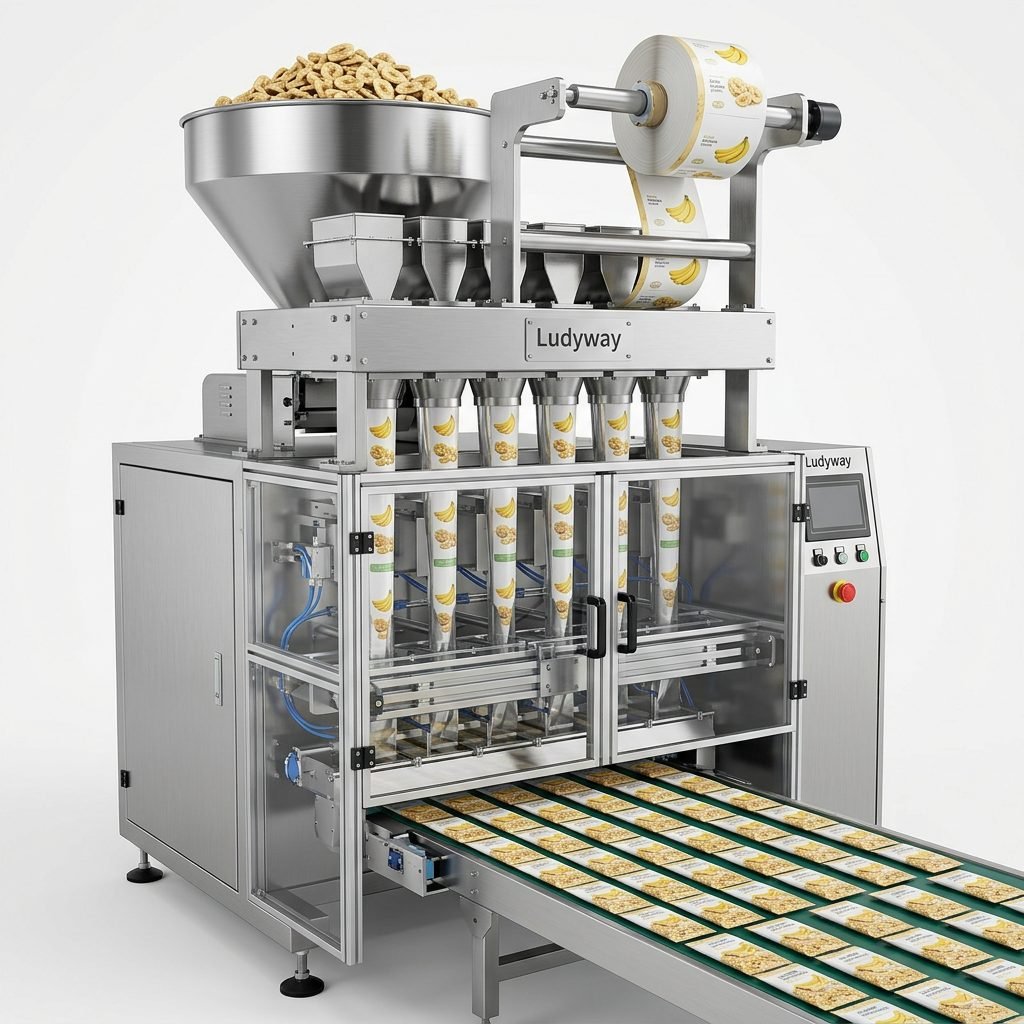
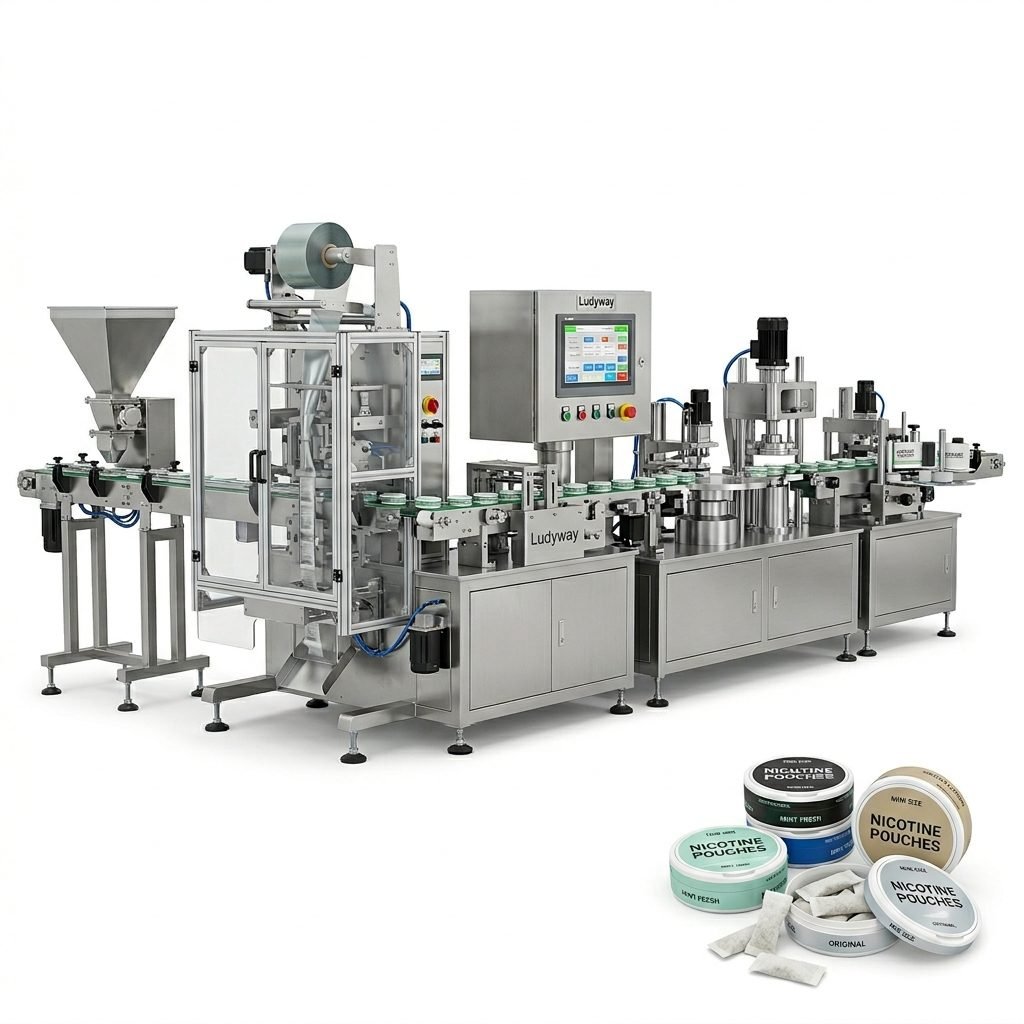
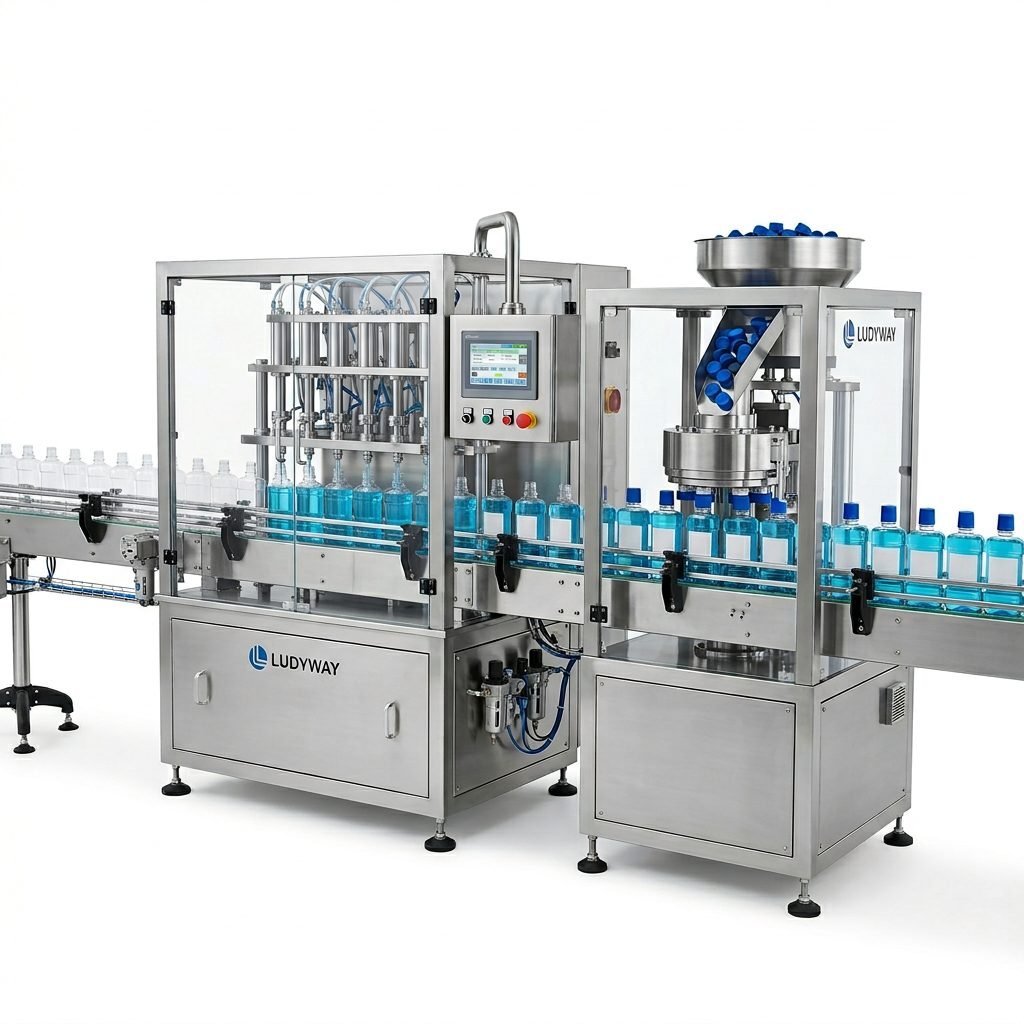
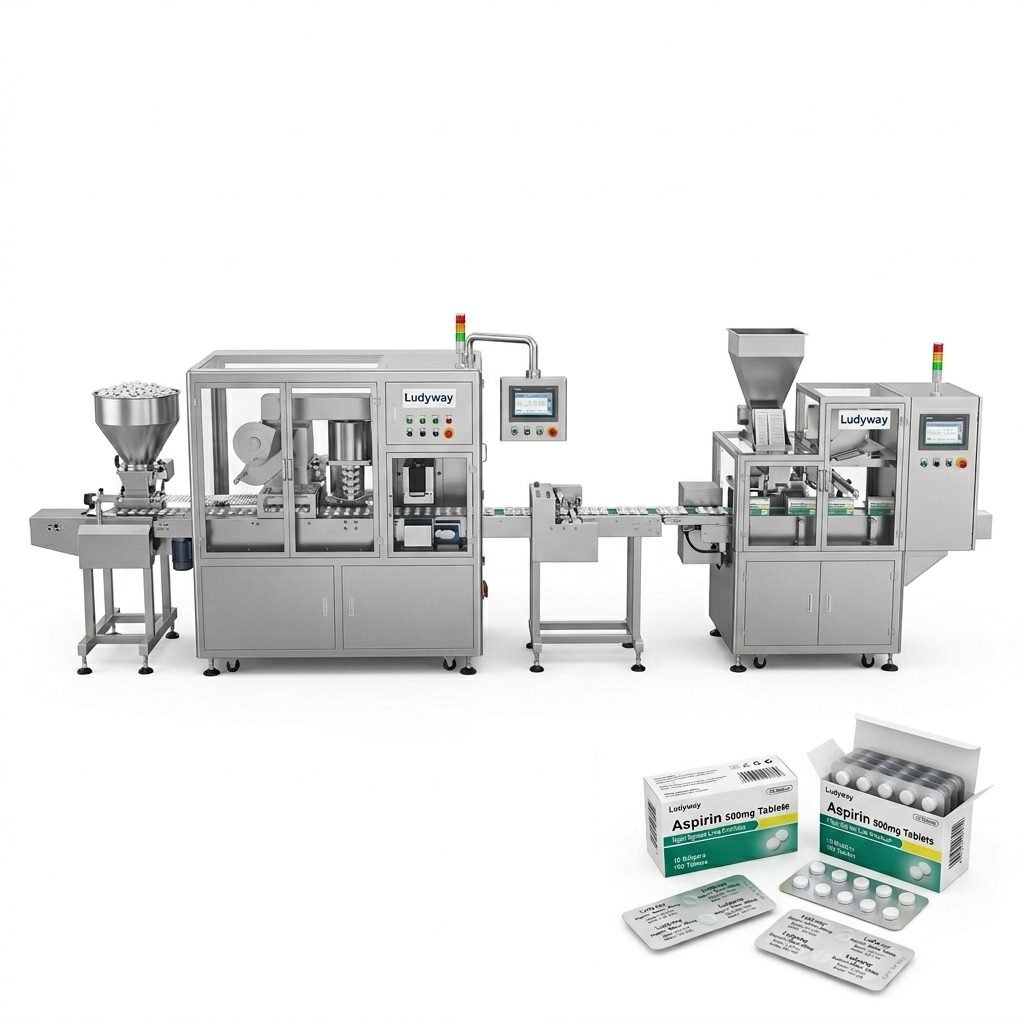
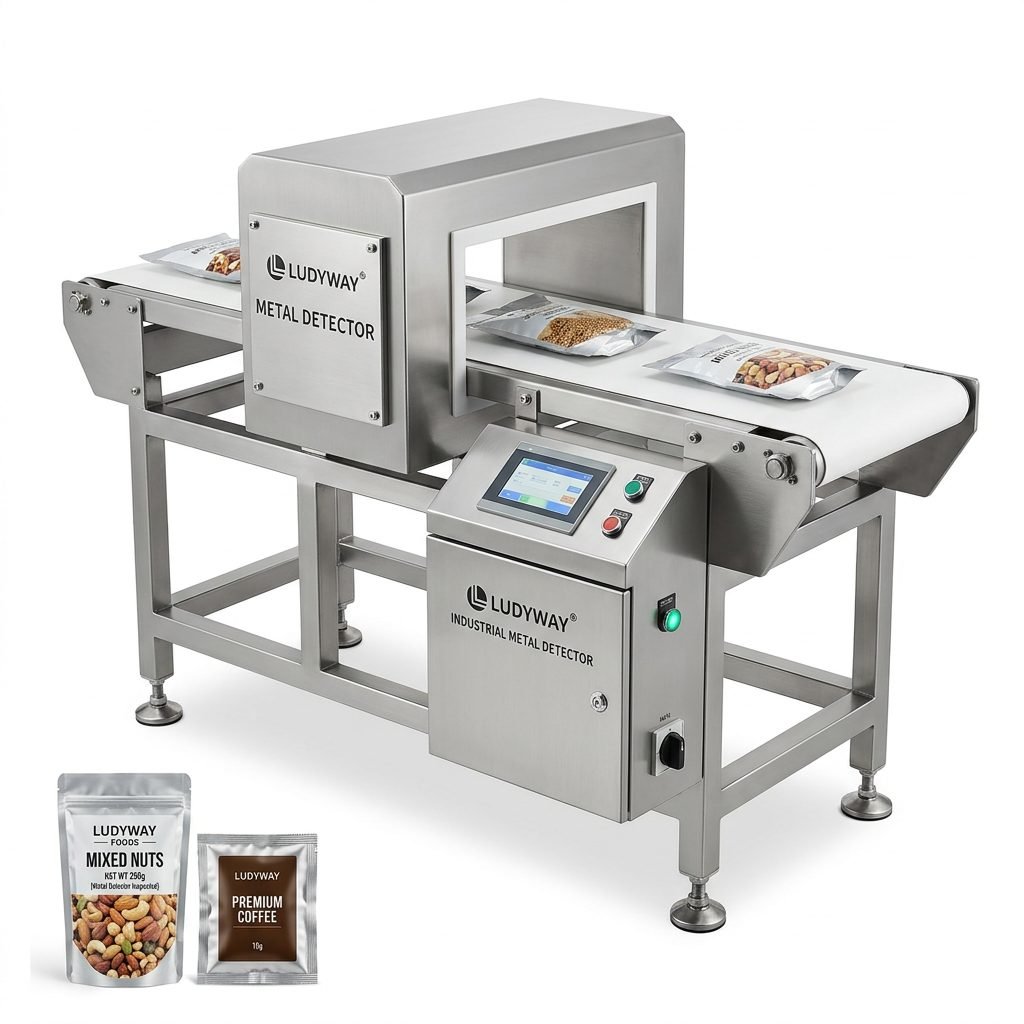
In the fast-paced world of manufacturing and product distribution, efficiency is paramount. A Simplex packaging machine, a type of vertical form-fill-seal (VFFS) machine designed for single-lane production, stands as a cornerstone for businesses seeking reliable, consistent, and automated packaging. Whether you are packaging coffee, spices, pharmaceuticals, or hardware components, choosing and optimizing the right simplex machine can dramatically impact your operational throughput, product quality, and bottom line. This comprehensive guide will walk you through the critical steps of selecting, operating, and fine-tuning your simplex packaging system for peak performance.
Understanding the Simplex Packaging Machine
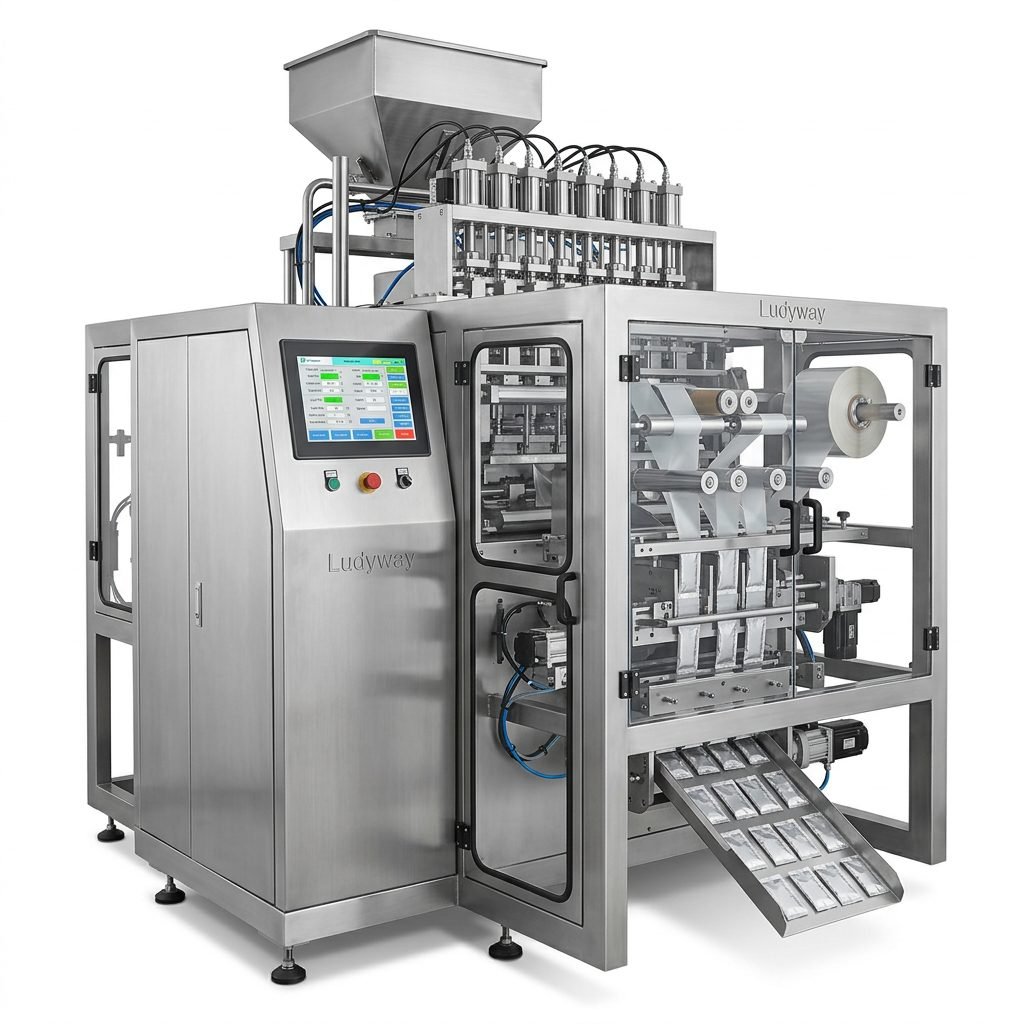
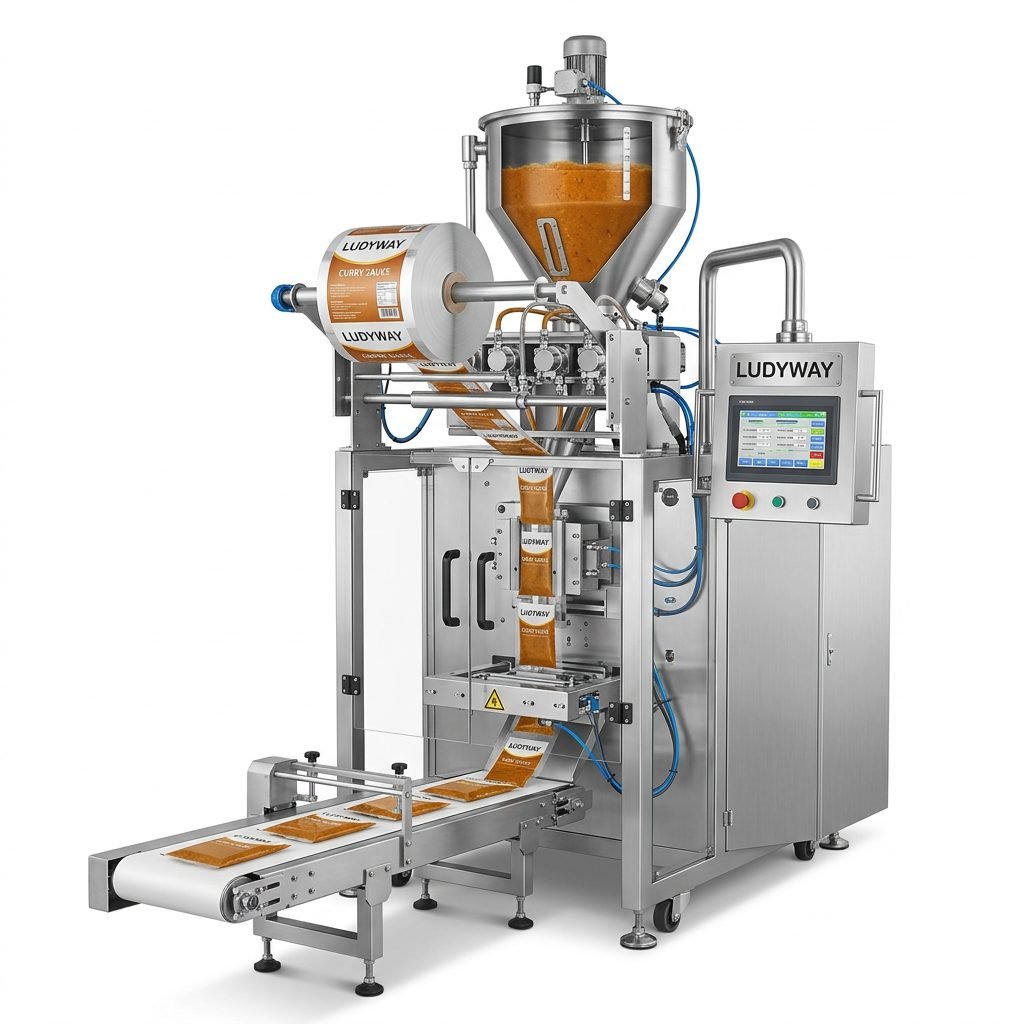
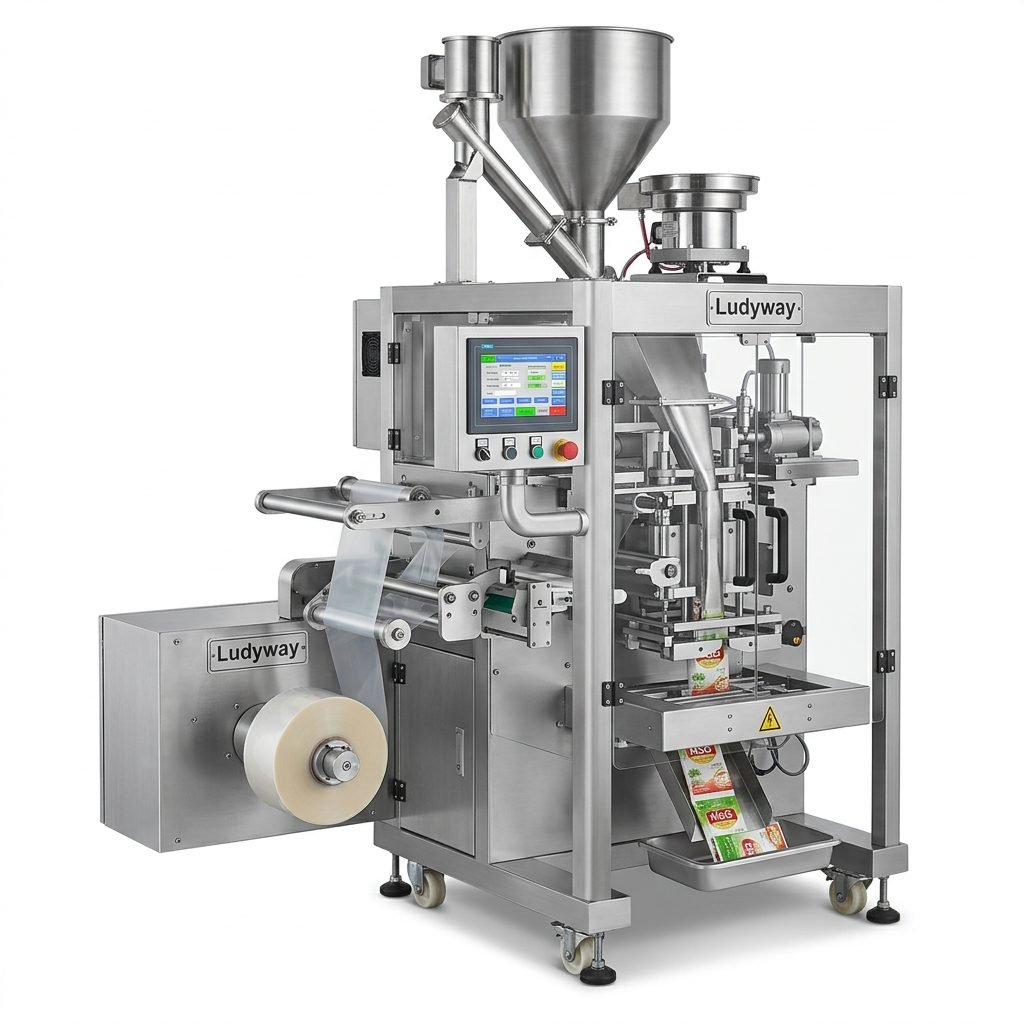
A simplex packaging machine is an automated system that forms a bag from a roll of film, fills it with a measured quantity of product, and then seals it—all in a continuous, vertical process. The “simplex” designation typically refers to its single-lane operation, making it ideal for medium-volume production runs, product changeovers, or packaging lines where space is at a premium. Its simplicity in design often translates to easier maintenance, lower initial investment, and great flexibility compared to multi-lane duplex or triplex machines.
Core Components and Workflow
The efficiency of a simplex machine hinges on the seamless interaction of its key components:
✔ Film Unwinding & Forming System: A roll of packaging material (like laminates or polyethylene) is fed into the machine. A forming tube shapes the flat film into a continuous tube.
✔ Product Feeding System: This can be a volumetric cup filler, auger filler for powders, scale system for granules, or pump for liquids. Accuracy here is critical for weight control and reducing giveaway.
✔ Sealing Jaws: Heated jaws create the longitudinal back seal and the top and bottom transverse seals, creating individual pouches. The quality of the seal directly affects product shelf life and integrity.
✔ Control System: The programmable logic controller (PLC) is the brain, coordinating all motions, managing parameters like temperature and speed, and providing an interface for operators.
How to Choose the Right Simplex Machine for Your Needs
Selecting a machine is not a one-size-fits-all decision. A careful evaluation of your specific requirements will ensure you invest in a system that delivers long-term value.
1. Analyze Your Product Characteristics
The nature of your product dictates the machine’s configuration. Consider these factors:
Product Form: Is it a free-flowing granule, a fine powder, a sticky paste, or a liquid? Each requires a specific type of filler. For instance, powders often need auger fillers with anti-bridging features, while granules work well with cup or weigh fillers.
Product Sensitivity: Does the product require a nitrogen gas flush (modified atmosphere packaging) to extend shelf life? If so, you’ll need a machine equipped with a gas flushing system.
Abrasive or Corrosive Properties: Products like certain chemicals or salts may require specialized, hardened, or stainless-steel contact parts to prevent wear and contamination.
2. Define Your Packaging Specifications
Your desired final package sets clear boundaries for the machine’s capabilities.
Bag Size & Style: Determine the minimum and maximum pouch dimensions (length and width) you need. Also, decide on the bag style: pillow bag, gusseted bag, or block bottom bag. Ensure the machine’s forming tube range and jaw size accommodate your needs.
Packaging Material: The type of film (e.g., PET/AL/PE, OPP/CPP) affects sealing parameters. The machine must have the appropriate sealing temperature control and jaw pressure settings for your material.
Production Speed (Output): Calculate your required output in bags per minute (BPM). Be realistic about your current and future needs. A machine pushed to its maximum speed constantly may have a shorter lifespan and more downtime.
3. Evaluate Machine Features and Build Quality
Look beyond the basic specifications to the details that ensure reliability.
Construction & Hygiene: For food or pharmaceutical applications, a machine with a stainless-steel frame and food-grade contact parts is essential for cleanliness and compliance. Look for smooth surfaces and easy-access panels for cleaning.
Filling Accuracy: Inquire about the guaranteed filling accuracy (± %). High-precision servo-driven augers or multi-head weighers offer superior accuracy, reducing product giveaway—a significant cost-saving factor.
Ease of Use & Changeover: A user-friendly touchscreen HMI (Human-Machine Interface) and tool-less changeover mechanisms for bag size adjustments can drastically reduce downtime and operator training time.
Supplier Support: The machine is only as good as the support behind it. Choose a supplier known for reliable technical support, availability of spare parts, and comprehensive training. Companies with deep industry experience, like Ludyway Packaging Machinery, which brings over 30 years of expertise, can provide invaluable guidance and long-term partnership.
Optimizing Your Simplex Machine for Efficient Operation
Once the right machine is installed, continuous optimization is key to unlocking its full potential. Here are strategies to maximize efficiency and output.
1. Perfecting the Seal Integrity
Poor seals lead to leaks, spoilage, and customer complaints. Optimization involves:
Temperature Control: The sealing jaw temperature must be precisely set for your specific film material. Too hot can burn through the film; too cold results in weak seals. Conduct regular seal strength tests.
Dwell Time & Pressure: The duration and pressure applied by the jaws during sealing are critical. Adjust these parameters in tandem with temperature for a consistent, hermetic seal.
Jaw Maintenance: Keep sealing jaws clean and free of film residue. Check them regularly for wear, scratches, or misalignment that can cause uneven sealing.
2. Maximizing Filling Accuracy and Speed
Accuracy and speed often need balancing. To optimize both:
Calibrate Regularly: Regularly calibrate your filling system (auger, pump, or scale) according to the product’s density, which can vary with humidity or batch.
Optimize Product Flow: Ensure a consistent and stable product supply to the hopper. Use agitators or vibrators if the product tends to bridge or rat-hole in the hopper, which disrupts filling consistency.
Leverage Smart Controls: Utilize any advanced features like automatic weight feedback correction. Some systems can automatically adjust the fill based on the weight of the previous few packages, maintaining tight tolerances.
3. Reducing Downtime and Waste
Efficiency is also about minimizing stoppages and material waste.
Preventive Maintenance (PM): Implement a strict PM schedule. This includes lubricating moving parts, checking drive belts for tension, inspecting electrical connections, and replacing wear parts like sealing jaw Teflon covers before they fail.
Film Tracking & Tension: Proper film web guidance and tension are vital to prevent wrinkles, misalignment, and film breaks. Adjust the unwinding brake and tracking sensors for smooth, consistent film feed.
Operator Training: A well-trained operator is your first line of defense against inefficiency. Ensure they understand not just how to run the machine, but how to perform basic troubleshooting, changeovers, and minor adjustments.
Leveraging Expertise for Your Packaging Line
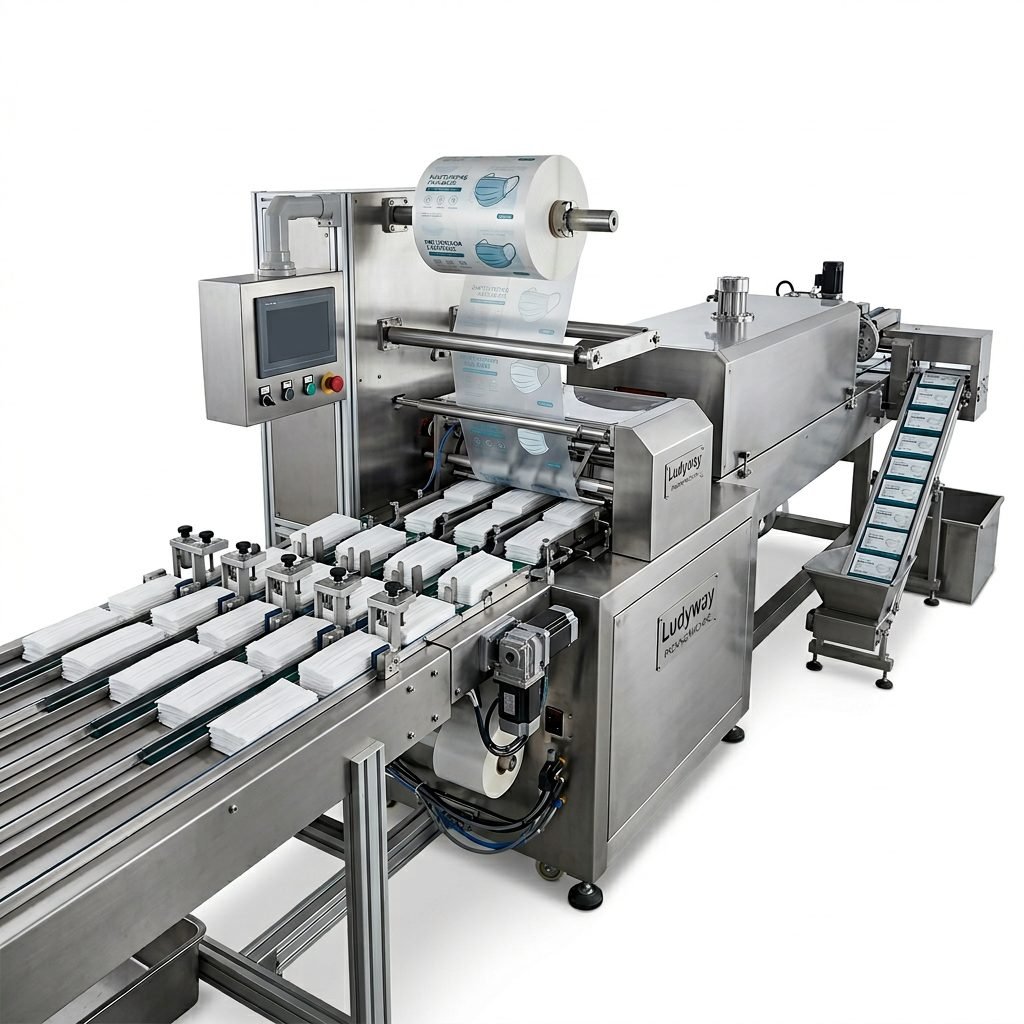
Navigating the complexities of packaging automation is challenging. Partnering with an experienced provider can transform this challenge into a competitive advantage. A partner like Ludyway Machinery doesn’t just sell a machine; they deliver a solution. With a portfolio of over 50 intelligent packaging machine models and a focus on turnkey solutions, they can assess your entire operation. Their engineers consider your product flow, factory layout, and future growth plans to recommend the optimal simplex machine or even a complete integrated line. This holistic approach, backed by strong after-sales service, ensures your investment is optimized from day one and continues to deliver value as your business evolves.
Frequently Asked Questions (FAQs)
What is the main difference between a simplex and a duplex packaging machine?
A simplex machine has one forming tube and one set of sealing jaws, producing a single stream of packages. A duplex machine has two forming tubes and two sets of jaws operating in parallel, effectively doubling the output potential within a similar footprint. Simplex machines are preferred for flexibility and medium output, while duplex is for high-volume, dedicated production lines.
Can a simplex machine handle different bag sizes easily?
Modern simplex machines are designed for relatively quick changeovers. The ease depends on the model. Higher-end machines often feature tool-less adjustments for the forming tube and jaw positions via the HMI, allowing size changes in minutes. Always check the changeover time specifications with your supplier.
How do I choose between an auger filler and a volumetric cup filler for my simplex machine?
The choice depends on your product. Auger fillers are excellent for fine powders, granules, and semi-solids, offering high accuracy and handling non-free-flowing products well. Volumetric cup fillers are ideal for uniform, free-flowing products like rice, seeds, or pellets, and are generally simpler and faster for such applications.
What kind of maintenance does a simplex packaging machine require?
Maintenance is daily, weekly, and periodic. Daily tasks include cleaning and visual inspection. Weekly tasks might involve lubricating chains and checking seals. Periodic maintenance (monthly/quarterly) includes more in-depth checks of drives, bearings, and electrical systems. Always follow the manufacturer’s recommended maintenance schedule.
My product is very dusty. Are there options to contain the dust during packaging?
Yes. Many simplex machines can be equipped with dust extraction ports that connect to your factory’s extraction system. Furthermore, fully enclosed filling systems with integrated suction hoods are available for extremely dusty products to maintain a clean working environment and protect the machine’s mechanics.