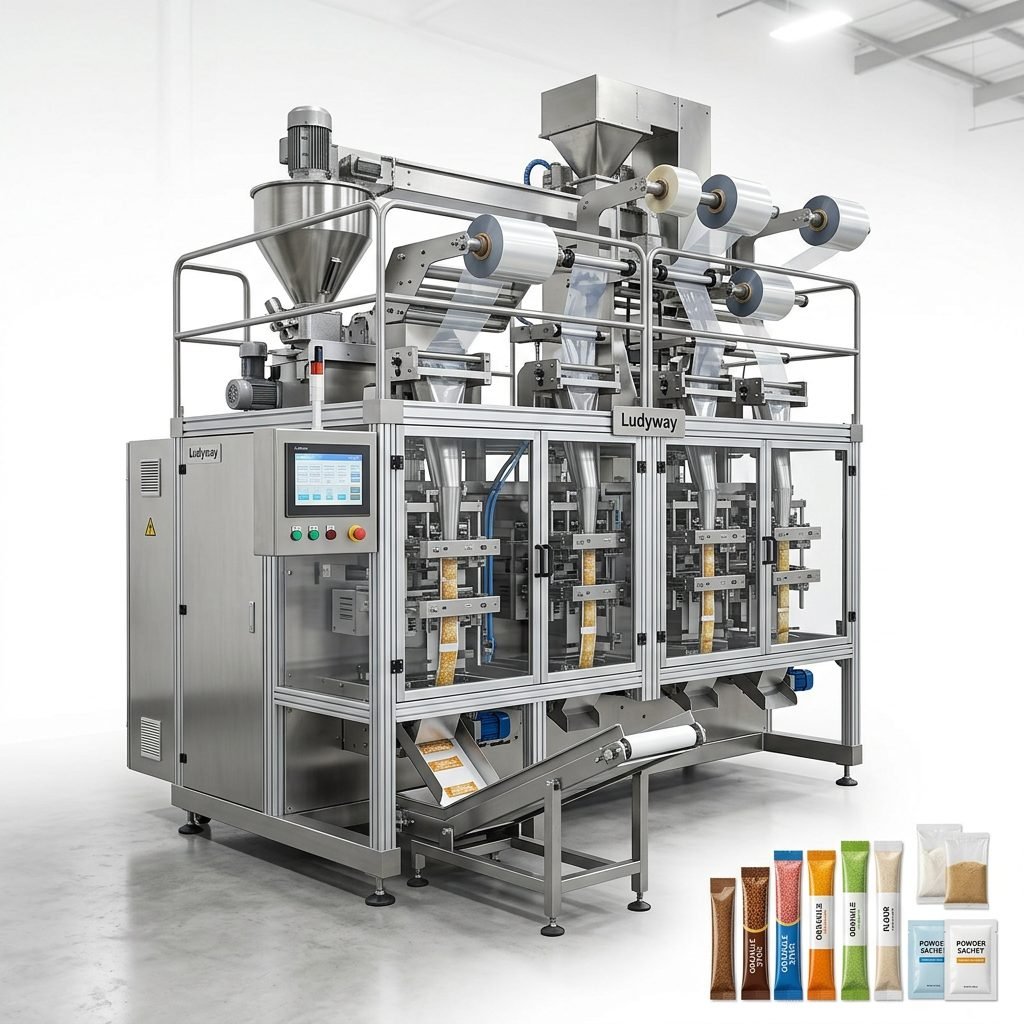
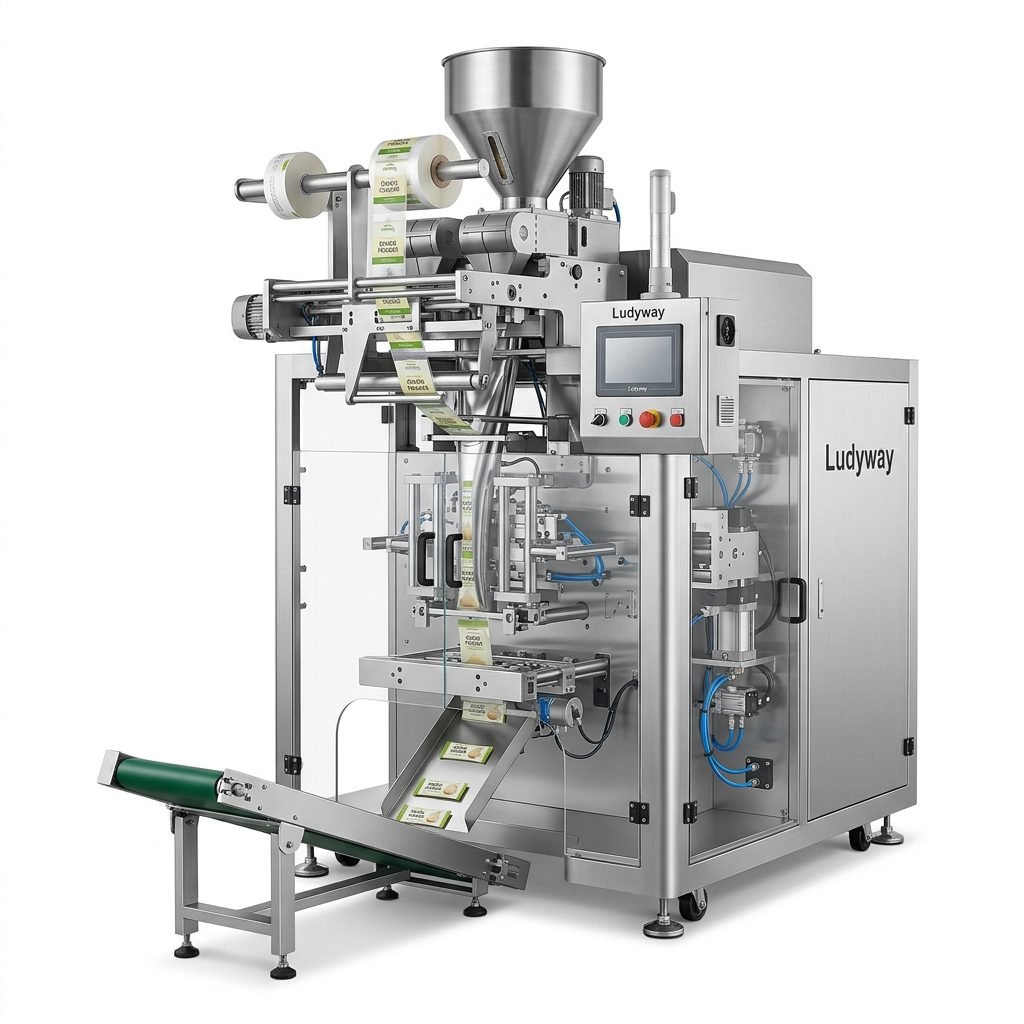
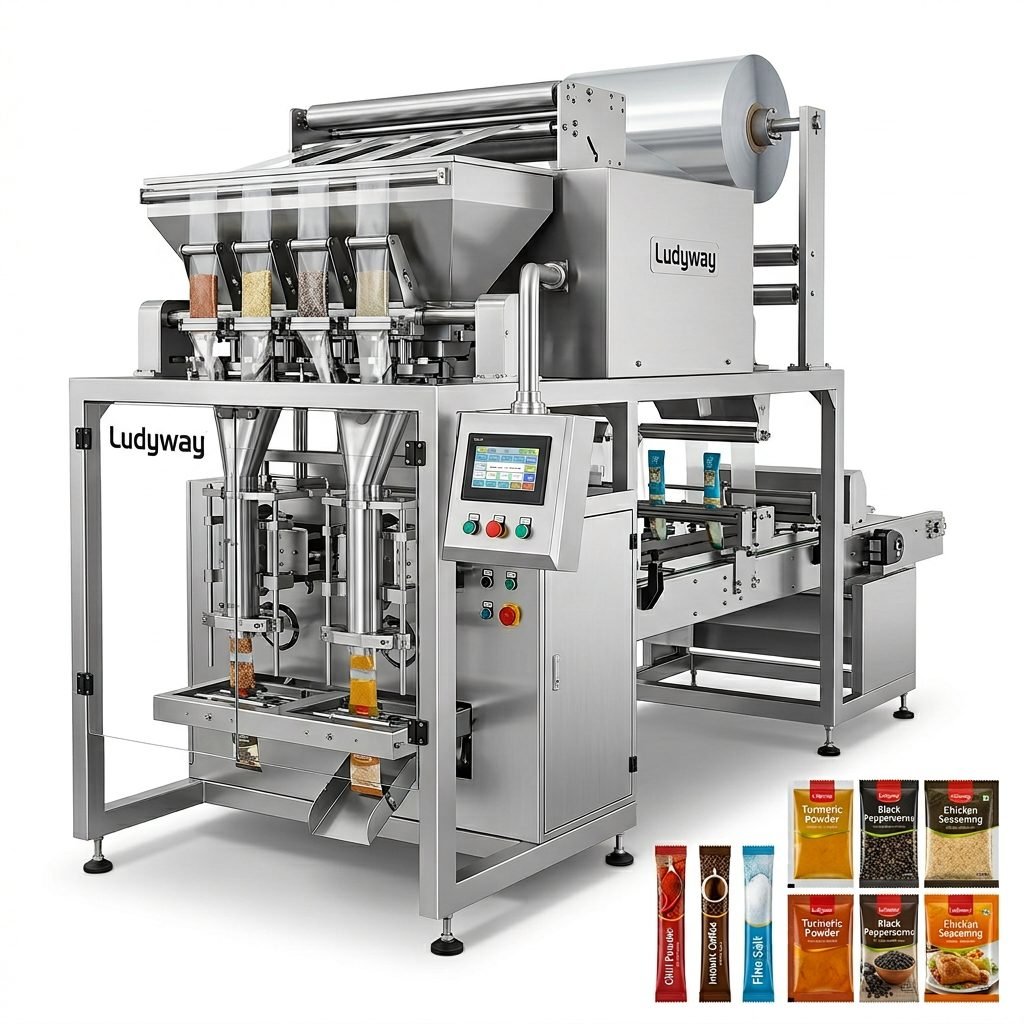
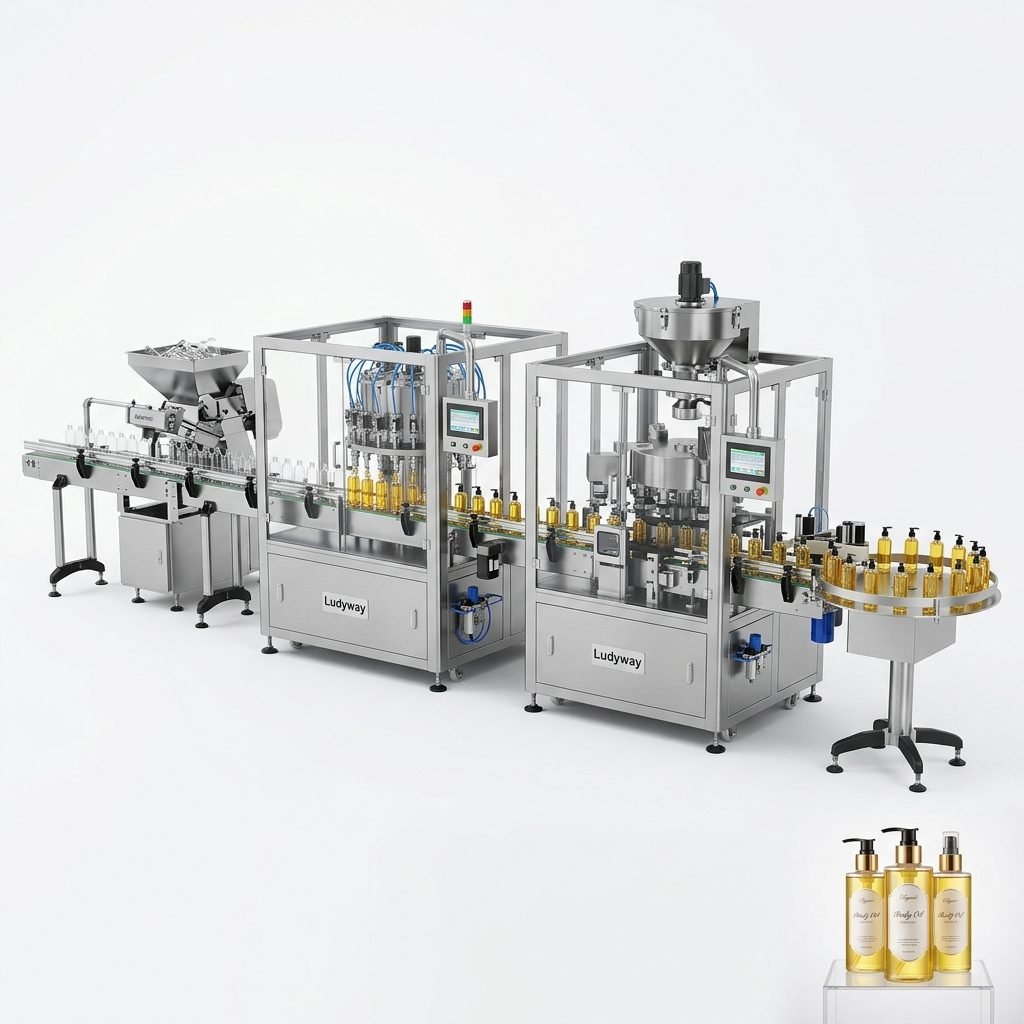
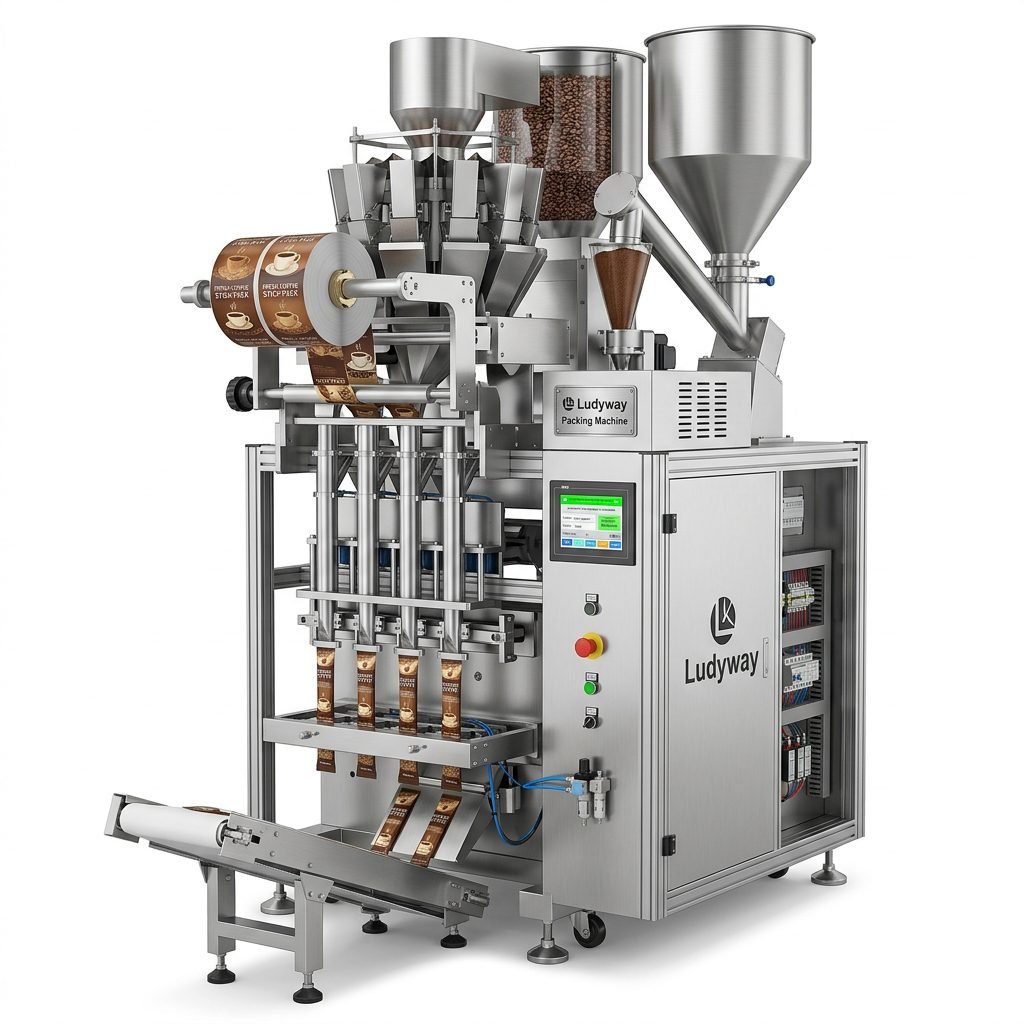
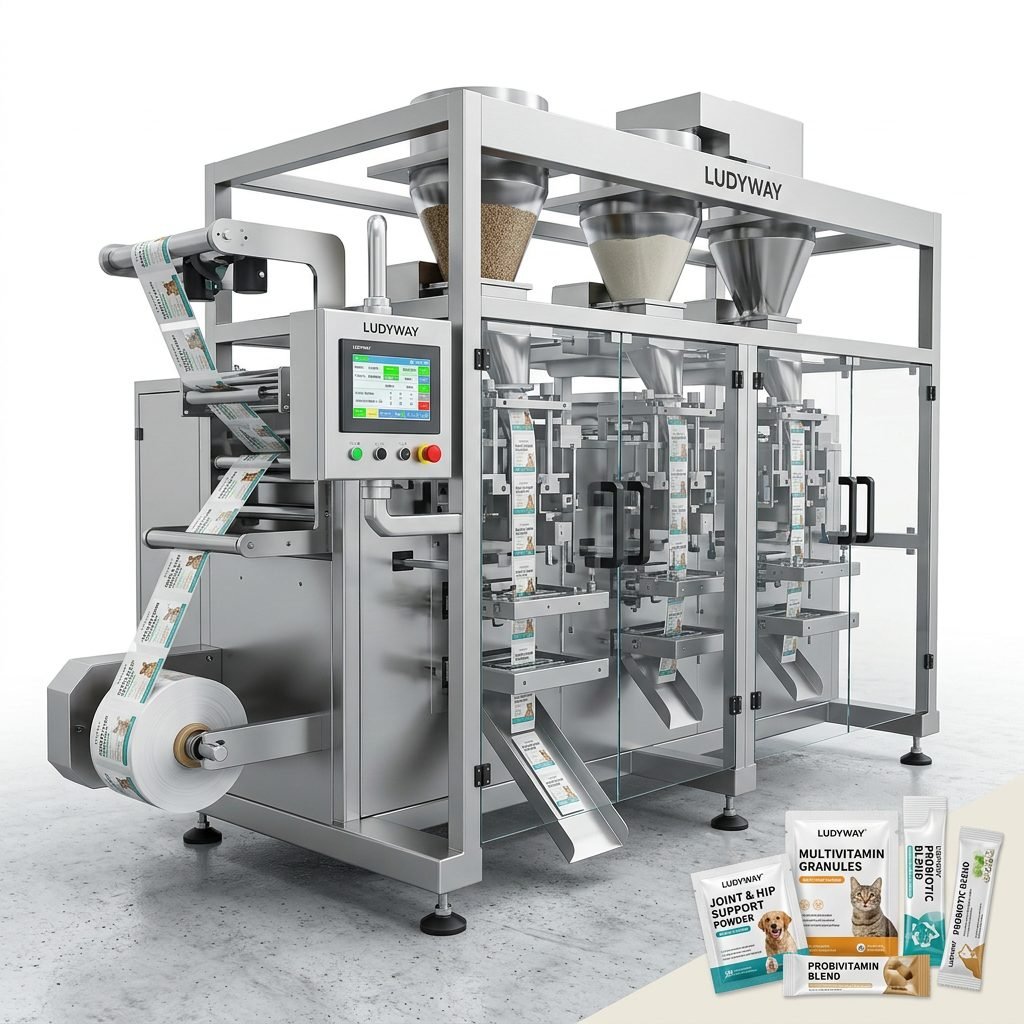
A pallet packaging machine is designed to secure palletized loads so goods stay stable during storage, handling, and transportation. In modern factories and warehouses, it plays a key role at the final stage of the packaging process by applying stretch film, shrink film, strapping, or other unitizing methods around stacked products on a pallet.
For businesses shipping cartons, bags, bottles, pouches, cans, drums, or industrial materials, the right pallet packaging system can reduce damage, improve stacking consistency, and support faster outbound logistics. It is especially valuable in food, pharmaceutical, chemical, personal care, and consumer goods operations where packaging quality and transport safety directly affect customer satisfaction.
What Is a Pallet Packaging Machine?
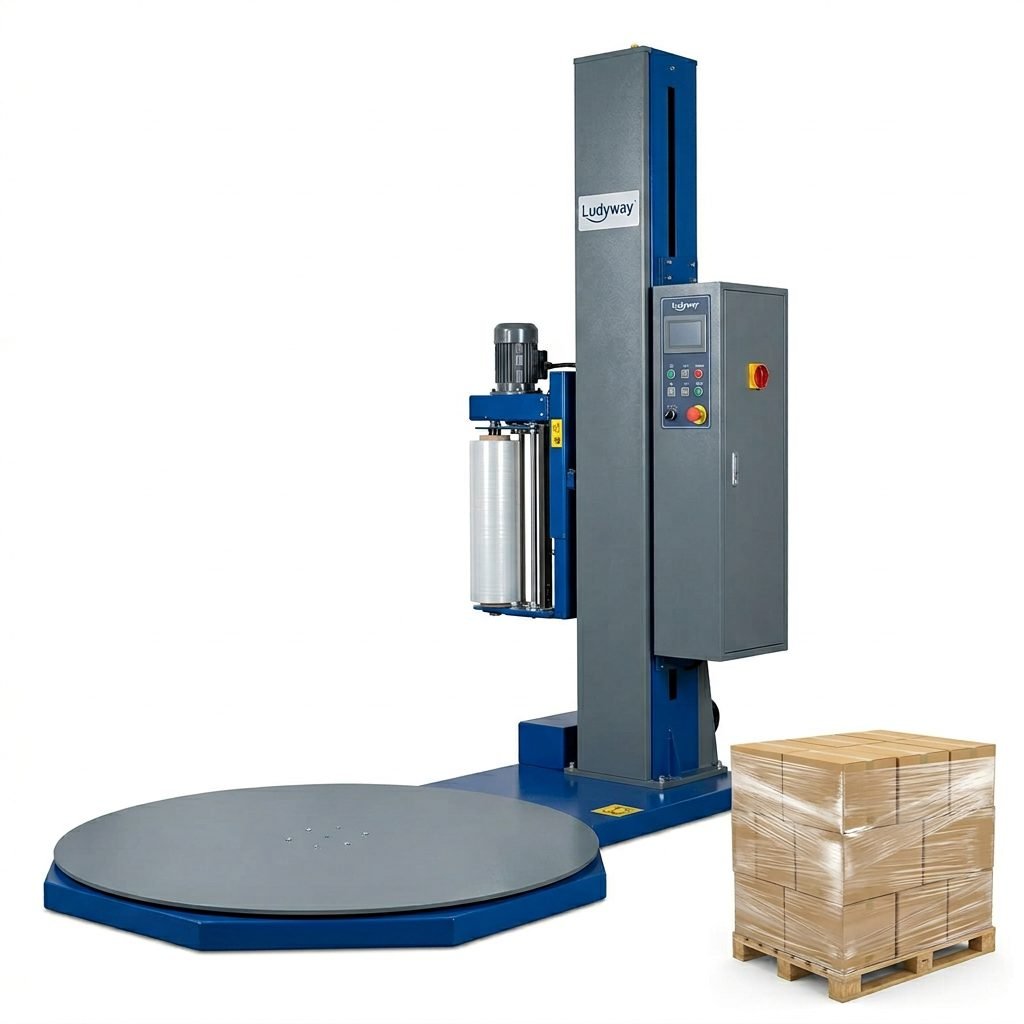
A pallet packaging machine is equipment used to wrap, stabilize, or unitize pallet loads before they leave the production line or warehouse. The most common type is the pallet stretch wrapping machine, which rotates either the pallet or the film carriage to apply stretch film tightly around the load.
Depending on the application, pallet packaging may also include:
- Stretch wrapping
- Shrink hooding
- Pallet strapping
- Top sheet placement for dust or moisture protection
- Corner board application
- Labeling and coding integration
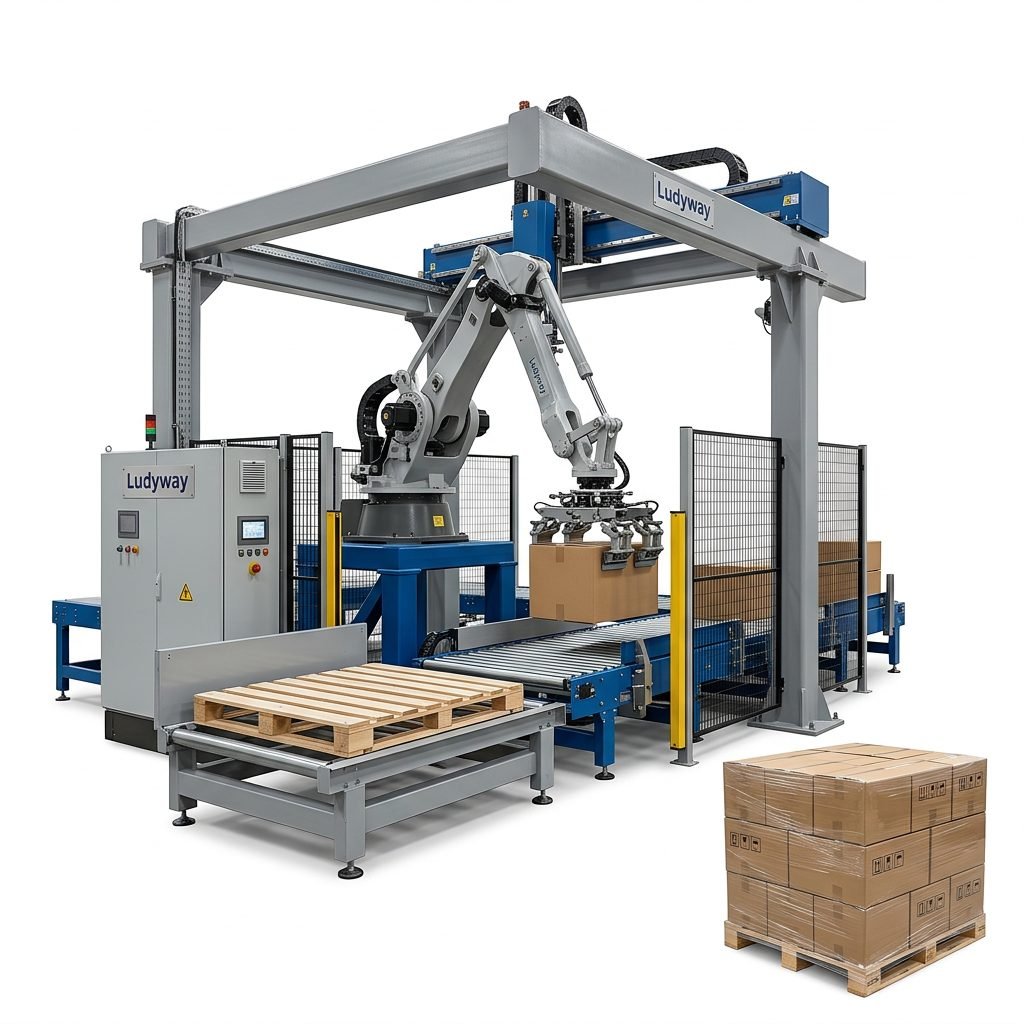
In automated packaging lines, pallet packaging machines are often installed after case packing, bagging, cartoning, or palletizing systems to complete the end-of-line process.
How a Pallet Packaging Machine Works
Although machine structures vary, most pallet packaging systems follow a similar workflow. Below is a practical step-by-step overview.
1. Pallet Load Arrival
Finished products are stacked on a pallet manually or by a palletizer. The completed pallet load is then conveyed or moved by forklift into the wrapping or packaging station.
2. Load Detection and Positioning
Sensors detect the load height, pallet position, and load dimensions. This helps the machine set the correct wrapping cycle, film tension, and number of top and bottom wraps.
3. Film Attachment
The stretch film is attached to the pallet load either automatically or semi-automatically. In fully automatic systems, the machine clamps, cuts, and seals the film without operator involvement.
4. Wrapping Cycle
The pallet or wrapping arm rotates while the film carriage moves vertically. The machine applies film layers around the load with controlled tension to create holding force without crushing the products.
5. Reinforcement at Critical Zones
Extra wraps can be added at the bottom, middle, or top of the load. This is useful for unstable cartons, tall loads, bagged goods, or products with shifting centers of gravity.
6. Film Cutting and Sealing
Once the wrapping cycle is complete, the film is cut and secured to the load. Automated systems do this with heat sealing or mechanical wiping methods.
7. Discharge and Transport
The wrapped pallet exits the machine and moves to staging, warehouse storage, or loading areas for shipment.
| Process Stage | Main Function | Why It Matters |
|---|---|---|
| Load arrival | Transfers finished pallet into machine | Starts standardized packaging flow |
| Detection | Measures height and position | Improves wrap consistency |
| Film application | Anchors and stretches film | Secures load for handling |
| Reinforcement wrapping | Adds wraps at weak zones | Reduces load shifting and collapse |
| Cut and seal | Finishes wrap cycle cleanly | Supports unattended operation |
Main Types of Pallet Packaging Machines
Different facilities require different pallet packaging solutions. The best choice depends on load size, throughput, product type, and degree of automation.
Turntable Pallet Wrapping Machine
The pallet sits on a rotating turntable while the film carriage moves up and down. This is a popular solution for stable and moderately heavy loads.
Rotary Arm Pallet Wrapping Machine
The pallet remains stationary while a rotating arm wraps film around it. This design is well suited to heavy, tall, or unstable loads that should not rotate during packaging.
Ring or Rotary Ring Wrapping Machine
A rotating ring carries the film around the load at high speed. This type is often used in high-capacity automated lines.
Pallet Shrink Hooding Machine
A shrink hood is placed over the pallet load and heated to create a tightly sealed protective cover. It offers strong weather resistance and excellent load stability.
Pallet Strapping Machine
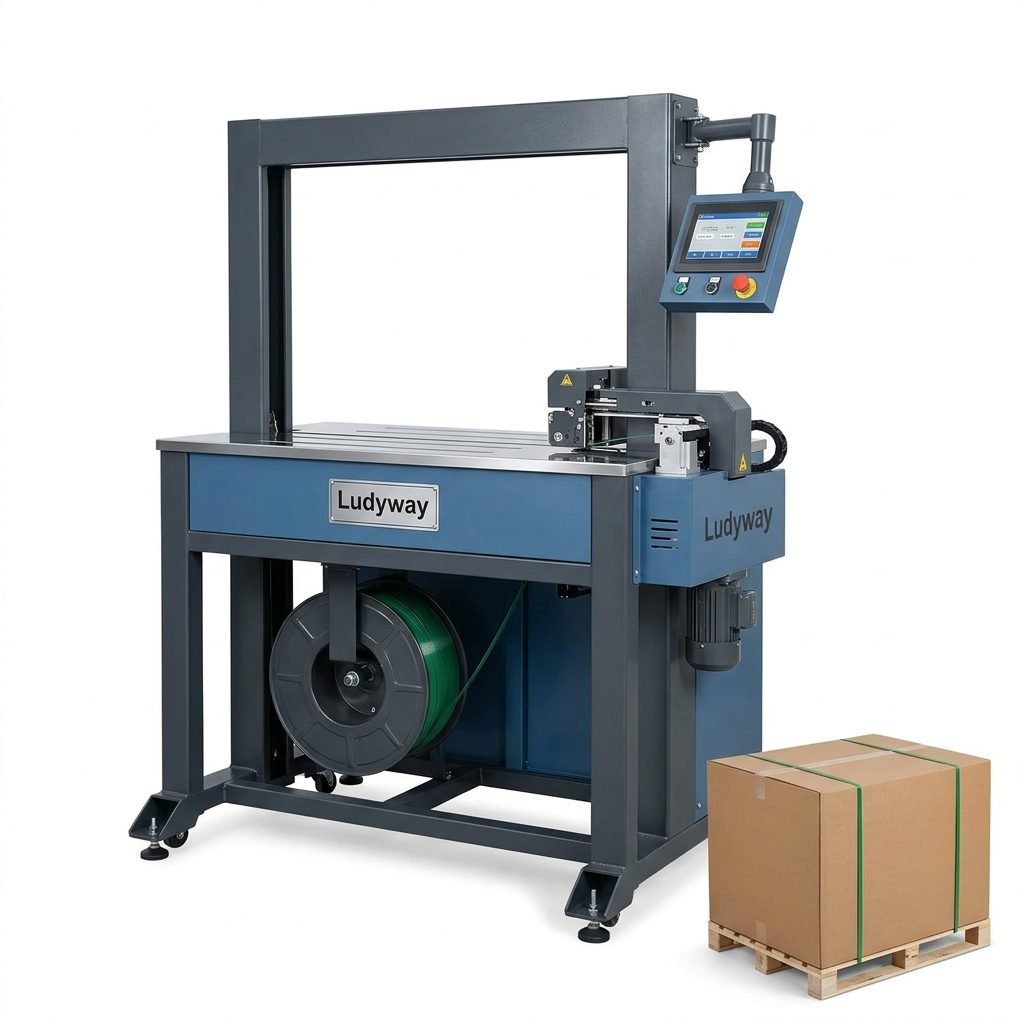
This machine applies plastic or steel straps around palletized goods. It is sometimes used alone, but more often combined with wrapping for added security.
Key Components of a Pallet Packaging System
- Film carriage: Controls film tension and pre-stretch ratio
- Turntable or rotary arm: Creates the wrapping movement
- Height sensor: Detects load dimensions
- Conveyor system: Moves pallets in and out automatically
- Clamping and cutting unit: Handles film tail finishing
- PLC and touchscreen: Allows recipe storage and easy operation
- Safety guards and sensors: Protect operators and reduce downtime
Benefits of Using a Pallet Packaging Machine
Improved Load Stability
Consistent film tension and wrap patterns help prevent products from shifting, tipping, or collapsing during transport. This is critical for long-distance shipping and rough warehouse handling.
Lower Packaging Costs
Compared with manual wrapping, automated pallet packaging often reduces film waste, minimizes rework, and lowers labor costs. Pre-stretch systems can significantly improve film efficiency.
Higher Throughput
A machine-based process supports faster pallet turnover and more predictable end-of-line output, especially in busy plants with multiple shifts.
Better Product Protection
Pallet packaging protects goods against dust, moisture, tampering, and handling impact. With top-sheet or hooding options, outdoor or export loads gain added protection.
More Consistent Packaging Quality
Manual wrapping quality depends on operator technique. A machine delivers repeatable results, which is essential for branded distribution and compliance-sensitive industries.
Safer Working Conditions
Manual pallet wrapping can be physically demanding and repetitive. Automation reduces operator fatigue, bending, and strain-related risks.
| Benefit | Operational Impact |
|---|---|
| Stable loads | Fewer transit damages and customer complaints |
| Lower labor dependence | Better staffing flexibility and productivity |
| Reduced film waste | Lower packaging material cost |
| Consistent wrapping | Cleaner appearance and standardized output |
| Automation compatibility | Smooth integration with palletizers and conveyors |
Best Applications for Pallet Packaging Machines
Pallet packaging machines are used across a wide range of industries because almost every factory or distribution center needs safe and efficient pallet shipment.
Food and Beverage
Ideal for cartons, bottled products, canned goods, bagged ingredients, snacks, powdered foods, and bulk food cases. Proper wrapping helps maintain hygiene and product integrity during distribution.
Pharmaceutical and Healthcare
Useful for boxed medicines, medical supplies, supplements, and personal care products where stable transport and clean handling are essential.
Chemical Industry
Common for powder bags, liquid containers, pails, additives, detergents, and industrial raw materials. Strong load containment helps reduce leakage and transport risk.
Pet Food and Feed
Bagged feed, pellets, granules, and nutrition products often require strong bottom wraps and reinforced patterns due to product weight and stacking height.
Cosmetics and Daily Chemicals
Supports palletized transport of cartons, bottles, tubes, pouches, and bundled retail units while preserving presentation quality.
Warehouse and Logistics Centers
Third-party logistics providers and distribution hubs use pallet packaging systems to standardize outbound shipments and improve handling efficiency.
When Should You Choose an Automatic Pallet Packaging Machine?
An automatic system is usually the better investment when your operation has:
- High daily pallet volume
- Frequent shipment damage caused by unstable loads
- Labor shortages or rising labor costs
- Strict packaging consistency requirements
- Integrated conveyors, palletizers, or end-of-line automation
- Export shipments requiring stronger load protection
If your pallet output is low and load variety is limited, a semi-automatic model may be enough. But for growing factories, fully automatic pallet wrapping or pallet packaging lines usually offer better long-term efficiency.
How to Select the Right Pallet Packaging Machine
Check Load Type
Are your pallets stable cartons, slippery bags, heavy drums, or fragile packaged goods? The product determines the machine type and wrap pattern.
Measure Throughput Requirements
Estimate pallets per hour, per shift, and future growth. Under-sizing can create a bottleneck; over-sizing can increase unnecessary investment.
Evaluate Automation Level
Choose between manual assistance, semi-automatic operation, or complete automatic integration with conveyors, barcode systems, and palletizers.
Consider Film Savings
Machines with powered pre-stretch can lower film consumption while maintaining load stability. This is important for operations with large shipping volume.
Review Maintenance and Support
Reliable after-sales support, spare parts access, and technical service are essential for minimizing downtime.
Think About Future Line Expansion
If you plan to automate more of the end-of-line process, select a pallet packaging machine that can integrate with coding, weighing, labeling, and warehouse systems.
Pallet Packaging Machine vs Manual Wrapping
| Factor | Manual Wrapping | Machine Wrapping |
|---|---|---|
| Consistency | Operator dependent | Highly repeatable |
| Labor demand | High | Low to moderate |
| Speed | Limited | Fast and stable |
| Film usage | Usually higher | More optimized |
| Load safety | Variable | Better containment control |
Common Features to Look For
- Adjustable wrapping programs
- Top and bottom wrap count control
- Powered pre-stretch film carriage
- Soft start and stop function
- Automatic load height sensing
- Conveyor integration
- Remote diagnostics or smart control options
- Safety fencing and emergency stop systems
Why End-of-Line Integration Matters
A pallet packaging machine performs best when it is part of a coordinated packaging line. In many facilities, the full process includes primary packaging, secondary packing, cartoning, case sealing, coding, palletizing, wrapping, and final dispatch.
For manufacturers planning a complete solution, working with an experienced supplier such as Ludyway packaging machine manufacturer can simplify system matching, automation design, and long-term production scaling.
Final Buying Tips
Before purchasing, ask for a machine proposal based on your actual pallet dimensions, load weight, packaging material, plant layout, and target capacity. A good solution should not only wrap pallets securely but also fit your production rhythm, reduce operating cost, and support future automation upgrades.
In short, a pallet packaging machine helps businesses package pallet loads faster, more safely, and more consistently. Whether you ship food cartons, pharma cases, bagged chemicals, or consumer products, the right machine can deliver clear benefits in transport protection, labor savings, and packaging efficiency.