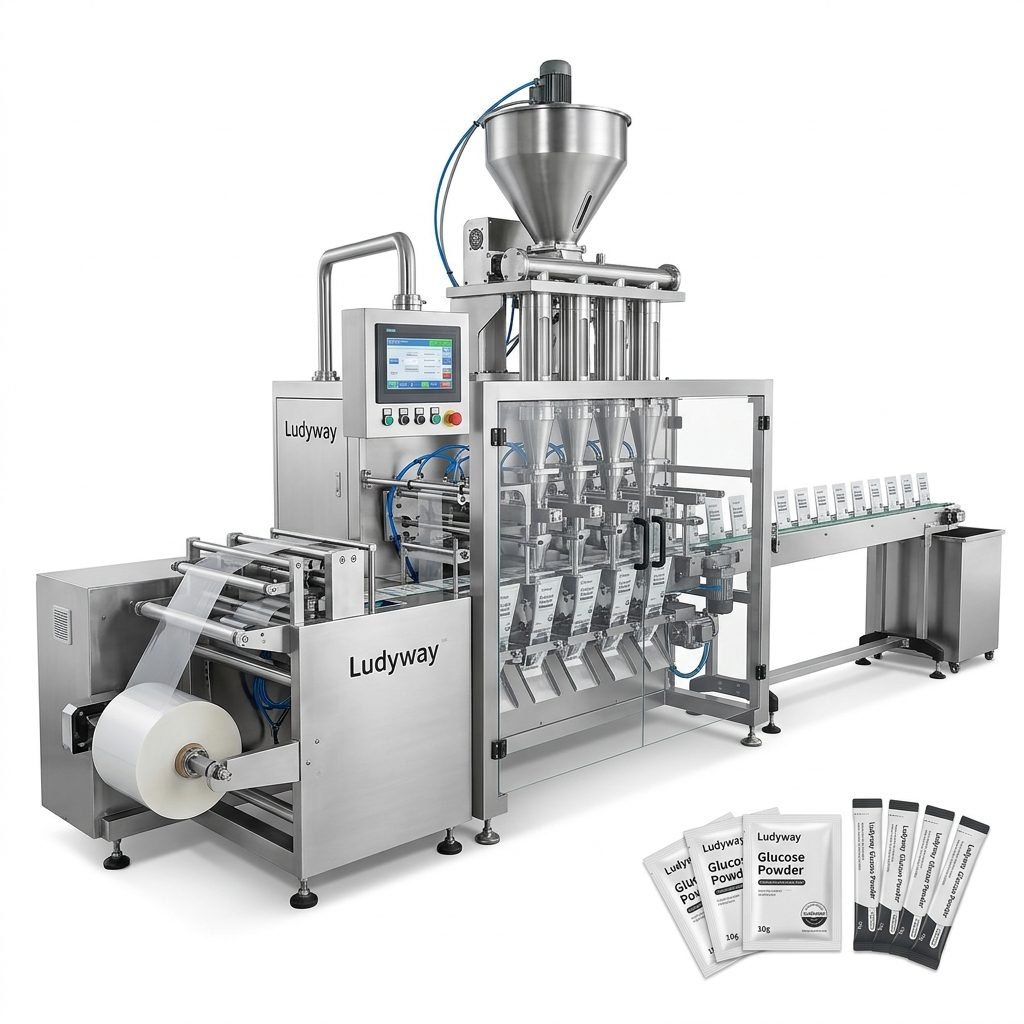
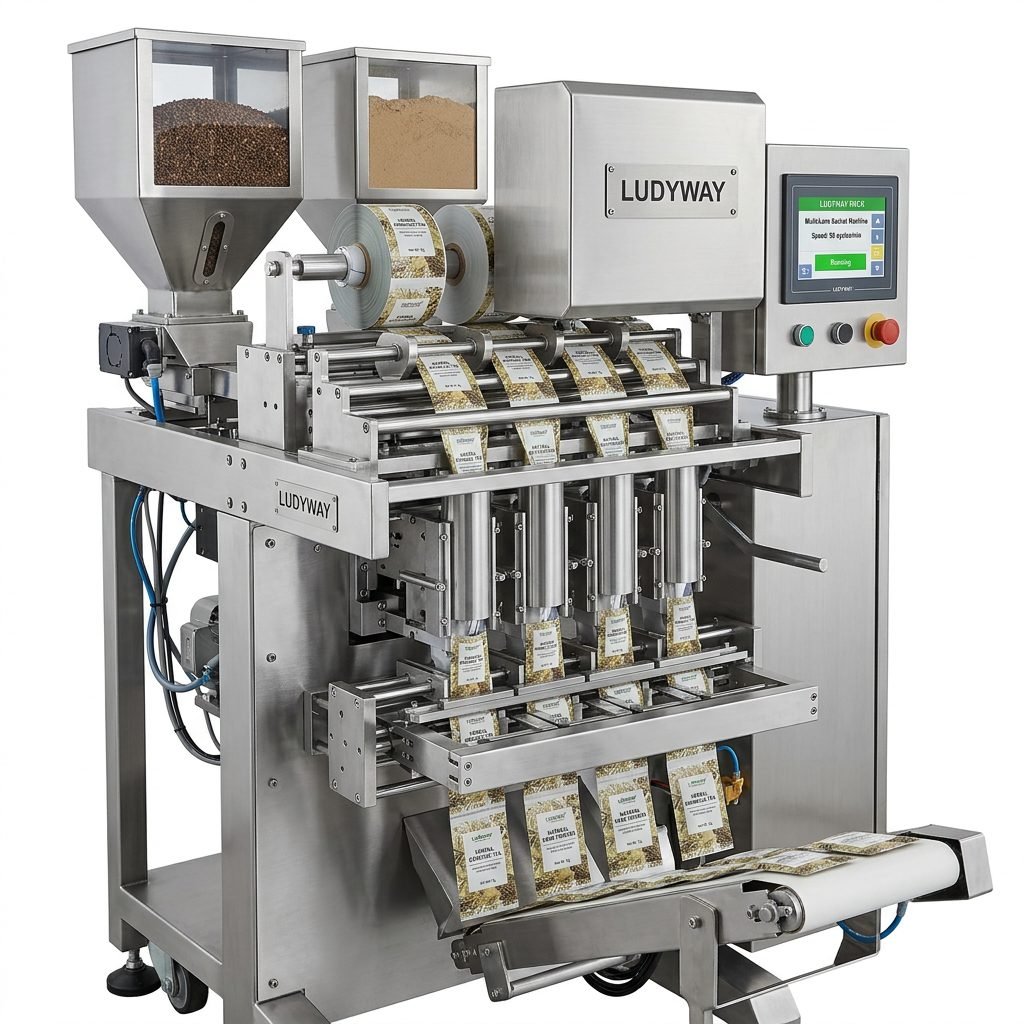
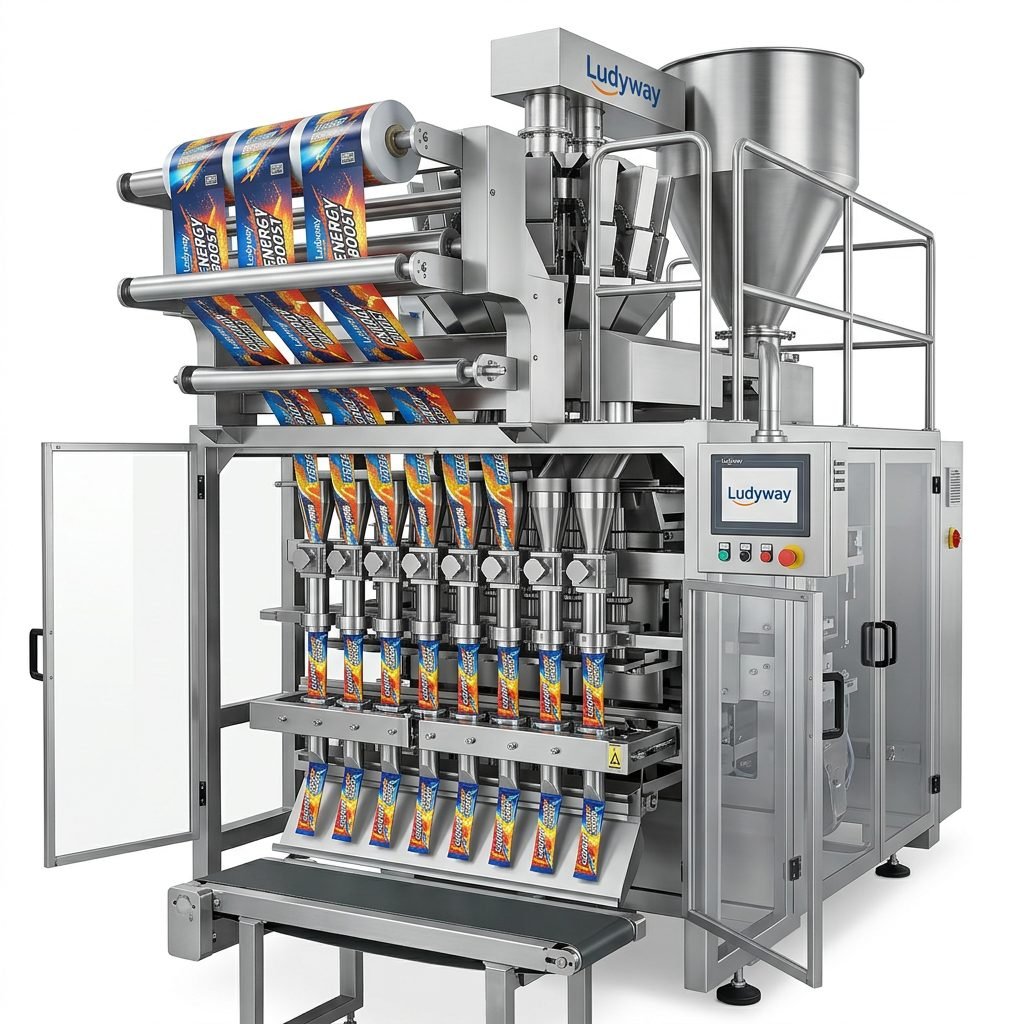
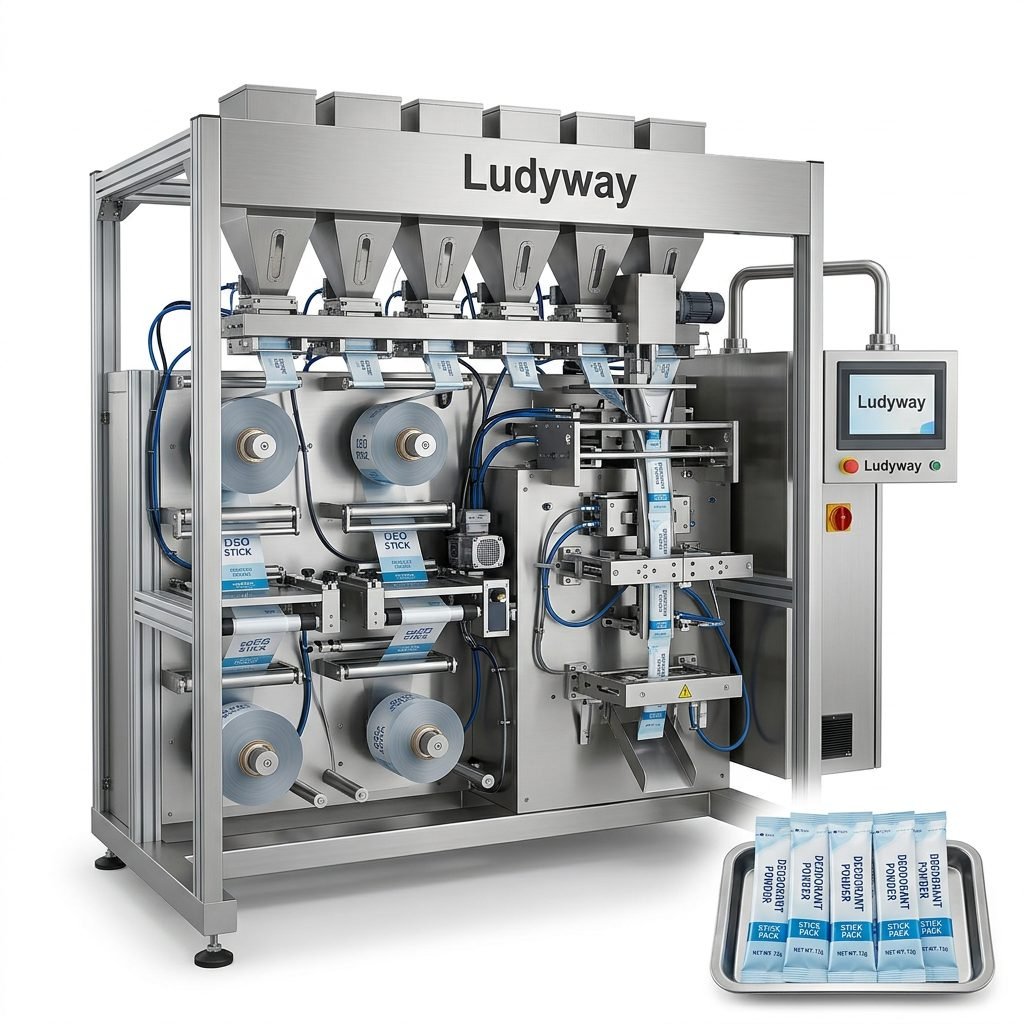
In the highly regulated sectors of pharmaceuticals, medical devices, and certain food products, maintaining sterility from the point of manufacturing to the point of use is non-negotiable. The final guardian of this critical integrity is the sterile packaging machine. These sophisticated systems are engineered to create a hermetically sealed, microorganism-free environment for products, ensuring they remain uncontaminated throughout their shelf life and distribution. This comprehensive guide delves into the types of sterile packaging machines, their core working principles, and provides a strategic framework for selecting the ideal system for your production needs.
Core Types of Sterile Packaging Machines
The landscape of sterile packaging is diverse, with machines tailored to different materials, product forms, and sterility assurance levels. Understanding these categories is the first step in making an informed choice.
1. Thermoform-Fill-Seal (TFFS) Machines
Thermoform-Fill-Seal machines are a dominant force in medical device and pharmaceutical packaging. They operate by unrolling a web of thermoformable plastic (like PVC, PET, or APET) and heating it. The pliable film is then drawn into molds using vacuum or pressure, creating precise cavities. The product—be it a syringe, vial, or surgical tool—is placed into these cavities. A second web of lidding material (often a Tyvek® or medical-grade paper laminate) is then sealed over the top under controlled heat and pressure. The result is a rigid, blister-style package that offers excellent product visibility and physical protection.
2. Blister Packaging Machines
While similar in output to TFFS, traditional blister machines often start with pre-formed plastic blisters. These blisters are loaded into nests on a conveyor, filled with product, and then sealed with a lidding film. This method is highly efficient for high-volume, uniform products like tablets and capsules. Modern versions integrate seamlessly with cartoning lines for complete primary and secondary packaging.
3. Pouch Form-Fill-Seal (FFS) Machines
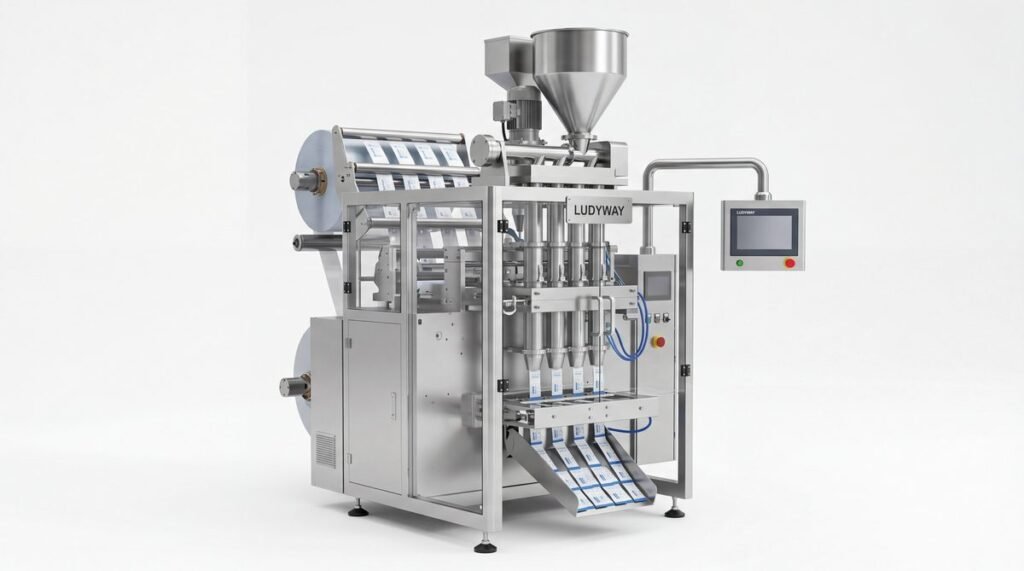
For flexible sterile packaging, pouch machines are the go-to solution. They form, fill, and seal pouches from rolls of pre-sterilized laminate film in a continuous motion. This method is prevalent for packaging surgical kits, gauze, drapes, and liquid medical solutions. The process typically occurs within a sterile chamber or under a laminar airflow hood to prevent contamination during the filling stage. These pouches can be designed with peelable seals for easy aseptic opening in operating rooms.
4. Bagging and Sealing Systems
These systems are designed for larger or bulk items. Pre-made sterile bags are automatically opened (often using air jets or mechanical fingers), the product is inserted manually or robotically, and the bag is then sealed using heat, impulse, or ultrasonic methods. They are crucial for packaging items like surgical gowns, large implants, or sets of instruments.
Fundamental Working Principles
Despite their differences, all sterile packaging machines share a common goal: to create a hermetically sealed barrier without introducing contaminants. Their operation hinges on several key principles.
Sterilization Integration
The packaging material itself must be sterile. Machines are often integrated with or designed to handle materials pre-sterilized by methods like:
• Ethylene Oxide (EtO): Common for heat-sensitive materials.
• Gamma Radiation: Penetrating sterilization for pre-sealed packages.
• Electron Beam (E-beam): High-speed, surface-level sterilization.
Some advanced FFS systems incorporate in-line sterilization using hydrogen peroxide vapor or peracetic acid mist just before the sealing zone.
The Sealing Process
The integrity of the seal is paramount. Common sealing technologies include:
• Heat Sealing: The most prevalent method, where heated jaws melt polymer layers together under precise pressure, time, and temperature control.
• Impulse Sealing: A brief, intense burst of heat is applied, ideal for materials that shouldn’t be under continuous heat.
• Ultrasonic Sealing: Uses high-frequency vibrations to create friction heat at the sealing interface, excellent for complex laminates and contamination-sensitive zones as it doesn’t require external heat.
Environmental Control & Monitoring
Critical zones of the machine (like the filling and sealing areas) are housed within or equipped with HEPA-filtered laminar airflow (LAF) stations or mini-environments (Isolators). These maintain an ISO Class 5 (Class 100) or better air quality. Continuous monitoring for airborne particles and, in some cases, microbial activity, is essential for compliance with standards like ISO 13485 for medical devices.
How to Choose the Right Sterile Packaging System
Selecting a machine is a strategic investment. A misaligned choice can lead to validation failures, product loss, and regulatory hurdles. Follow this structured approach to guide your decision.
Step 1: Define Your Product & Package
This is the foundation. Clearly answer:
• Product Form: Solid, liquid, powder, or a combination (e.g., a kit)?
• Size and Shape: Does it require a custom-formed cavity (TFFS) or fit a standard pouch?
• Material Compatibility: What sterile barrier materials (films, Tyvek, paper) are validated for your product? The machine must handle these materials effectively.
• Sterilization Method: Will you use EtO, radiation, or steam? The packaging material and seal must survive this process intact.
Step 2: Assess Production Requirements
Align the machine’s capabilities with your operational goals.
• Output Speed (Units/Minute): Match this to your current and forecasted demand. Don’t over-invest in excessive speed you won’t use.
• Changeover Flexibility: How often do you change product or package size? Quick-change tooling and recipe-driven controls drastically reduce downtime.
• Automation Level: Will you manually load product, or integrate with upstream feeders and downstream cartoners and case packers? Consider future automation roadmaps.
Step 3: Evaluate Compliance & Validation Needs
For medical and pharmaceutical markets, this is critical.
• Regulatory Standards: Ensure the machine is designed to facilitate compliance with FDA 21 CFR Part 211/820, EU MDR/IVDR, ISO 13485, and cGMP. Look for materials of construction suitable for cleanrooms (e.g., 304 or 316 stainless steel, smooth surfaces).
• Installation & Operational Qualification (IQ/OQ): Reputable suppliers provide detailed documentation and protocols to support your validation (DQ/IQ/OQ/PQ), a cornerstone of regulatory approval.
Step 4: Consider Operational Factors
Look beyond the initial purchase price.
• Total Cost of Ownership (TCO): Include energy consumption, consumable parts (sealing jaws, filters), maintenance costs, and required operator skill level.
• Supplier Support: Choose a partner like Ludyway Packing Machine with proven expertise. Evaluate their technical support, availability of spare parts, training programs, and service response times. A machine is only as good as the support behind it.
• Future-Proofing: Can the system be upgraded or reconfigured? Selecting a modular platform from a supplier with a broad portfolio of packaging solutions can protect your investment as your needs evolve.
Frequently Asked Questions (FAQs)
Q1: What is the main difference between a sterile packaging machine and a regular food packaging machine?
A: The core difference lies in the sterility assurance level and environmental controls. Sterile packaging machines are built with cleanroom-compatible materials, often incorporate HEPA-filtered laminar airflow hoods or isolators over critical zones, and are designed to handle pre-sterilized materials or include in-line sterilization. Their validation documentation for processes like sealing is far more rigorous to meet medical/pharmaceutical regulations.
Q2: How often do sterile packaging machines require maintenance and calibration?
A: Maintenance frequency depends on usage but is typically scheduled quarterly or semi-annually. Critical components like sealing jaws, temperature sensors, and particle counters require regular calibration—often annually or per the manufacturer’s specification—to ensure consistent performance and compliance. A robust preventive maintenance (PM) schedule is mandatory.
Q3: Can one machine handle multiple different sterile packaging formats?
A: Yes, but with limitations. Many modern machines are designed for quick changeover. A TFFS machine can be fitted with different mold tools for different blister sizes. A pouch FFS machine can adjust seal dimensions. However, switching between fundamentally different formats (e.g., from blisters to pre-made bags) usually requires a different machine or a highly modular, costly system.
Q4: What are the most common causes of seal failure in sterile packaging?
A: Seal failures often stem from: incorrect temperature/pressure/time settings for the specific material; contamination on the sealing surface (e.g., product dust, fibers); worn or damaged sealing jaws; or using packaging material from a non-validated lot that has different melting characteristics.
Q5: Is it necessary to have a full cleanroom to operate a sterile packaging machine?
A: Not always for the entire machine. Many systems are designed with localized protection. The critical filling and sealing zones are enclosed within a mini-environment (like an isolator or LAF hood) that maintains ISO Class 5 conditions. The rest of the machine can operate in a controlled environment (ISO Class 7 or 8), significantly reducing facility costs while maintaining sterility assurance at the point of seal.