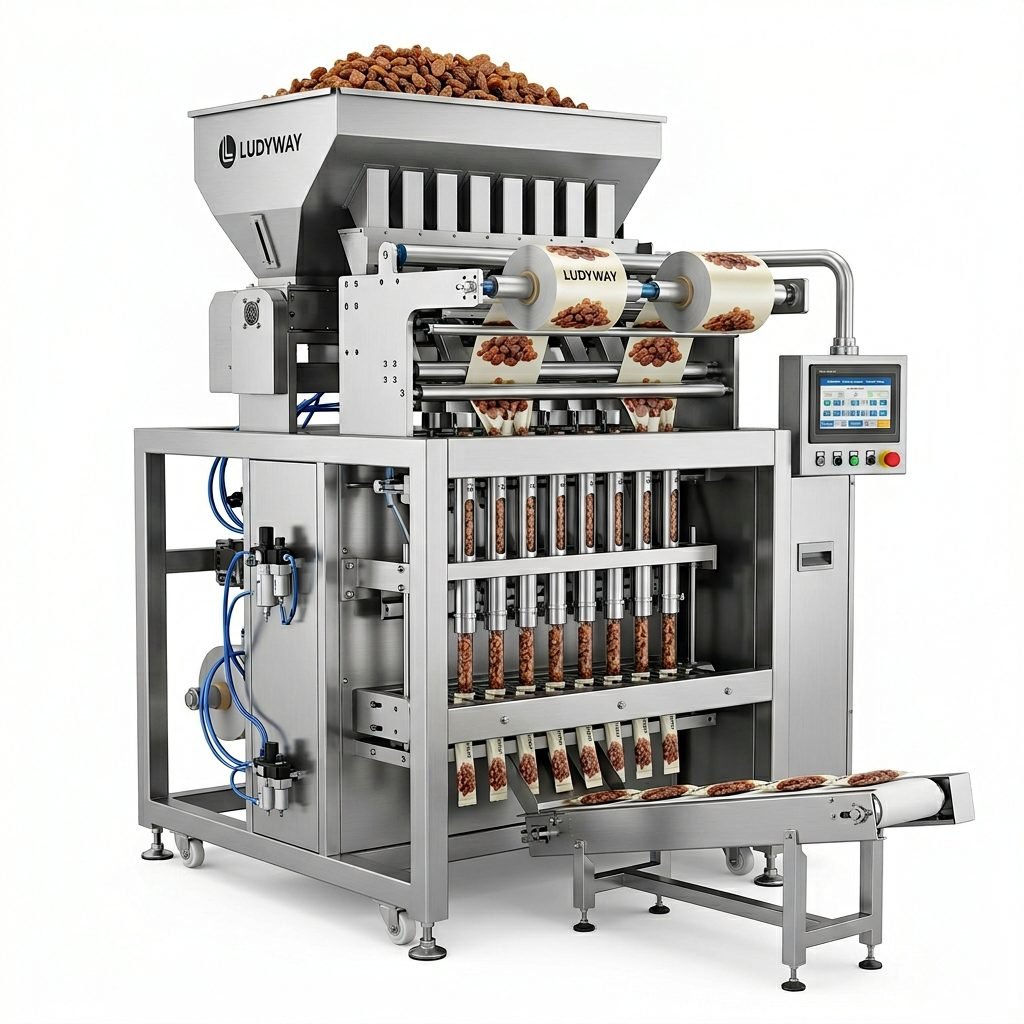
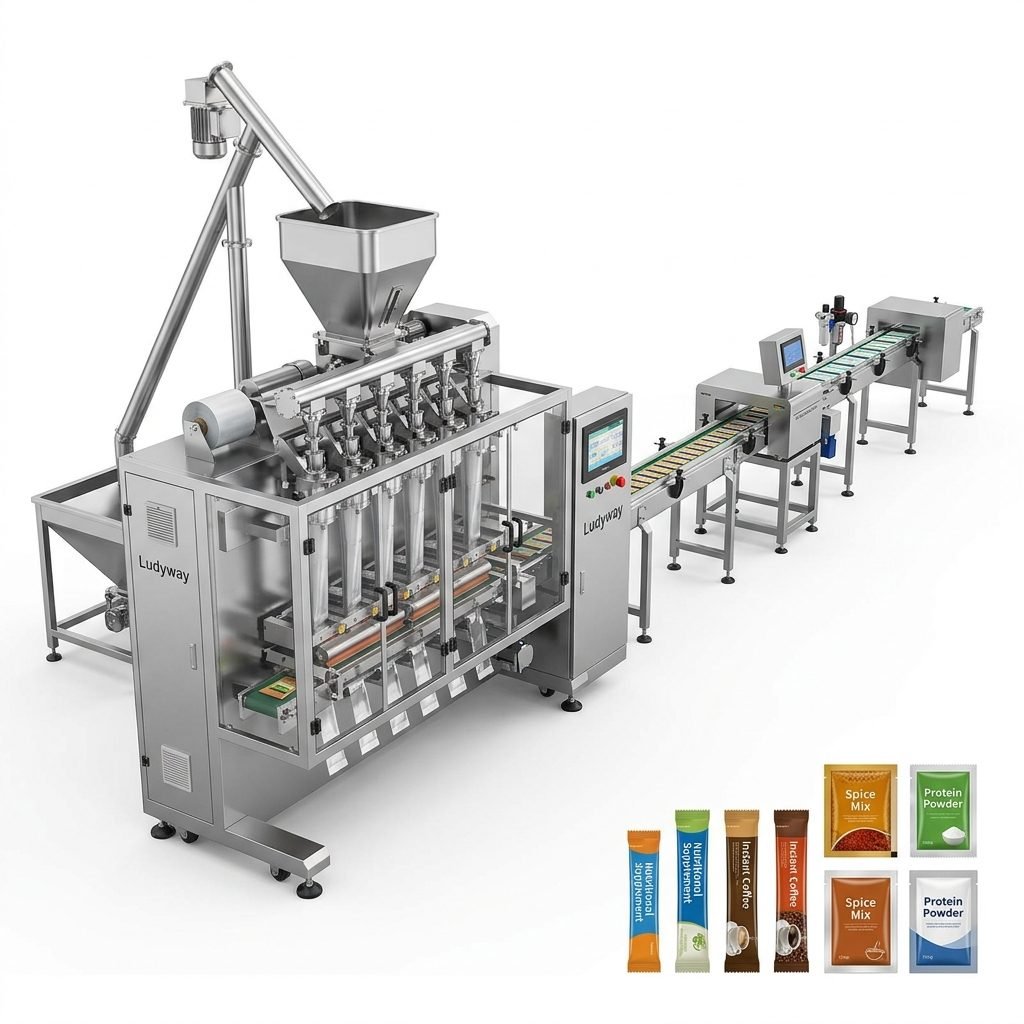
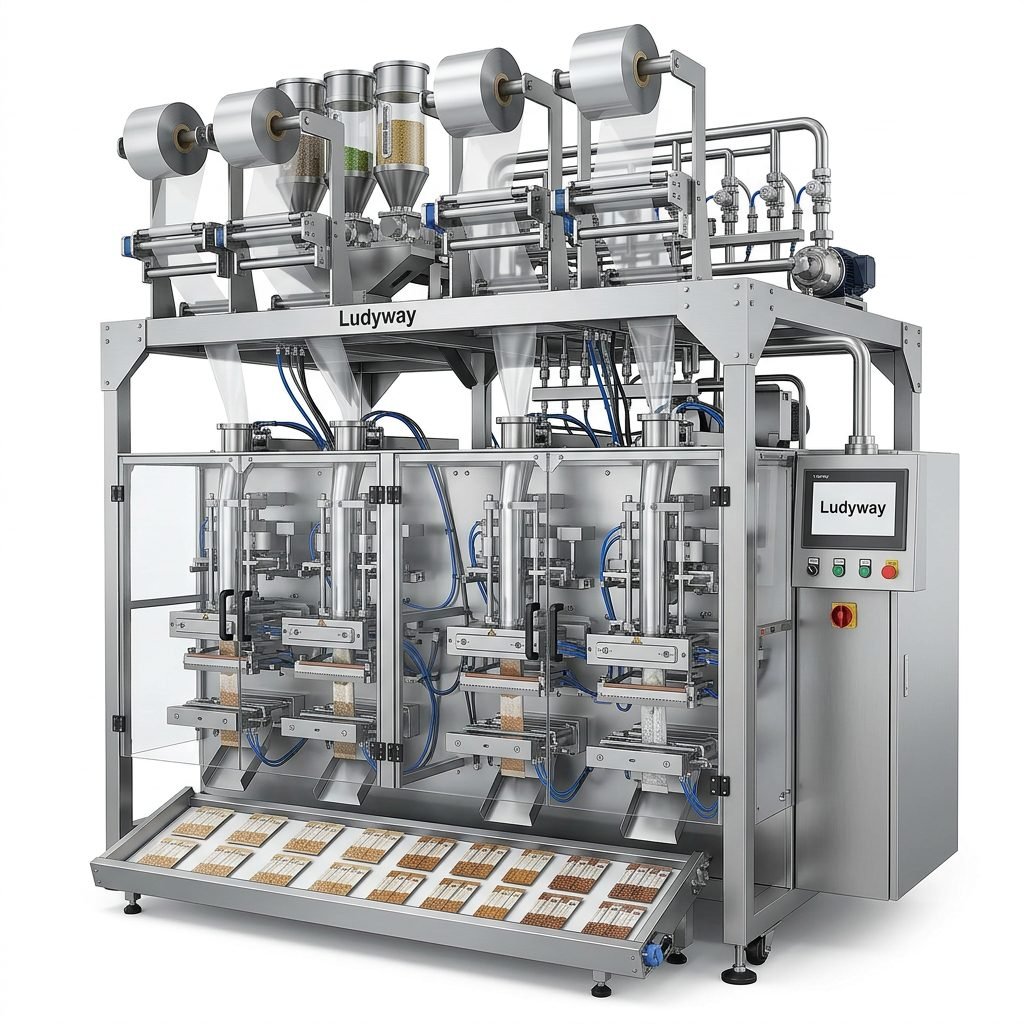
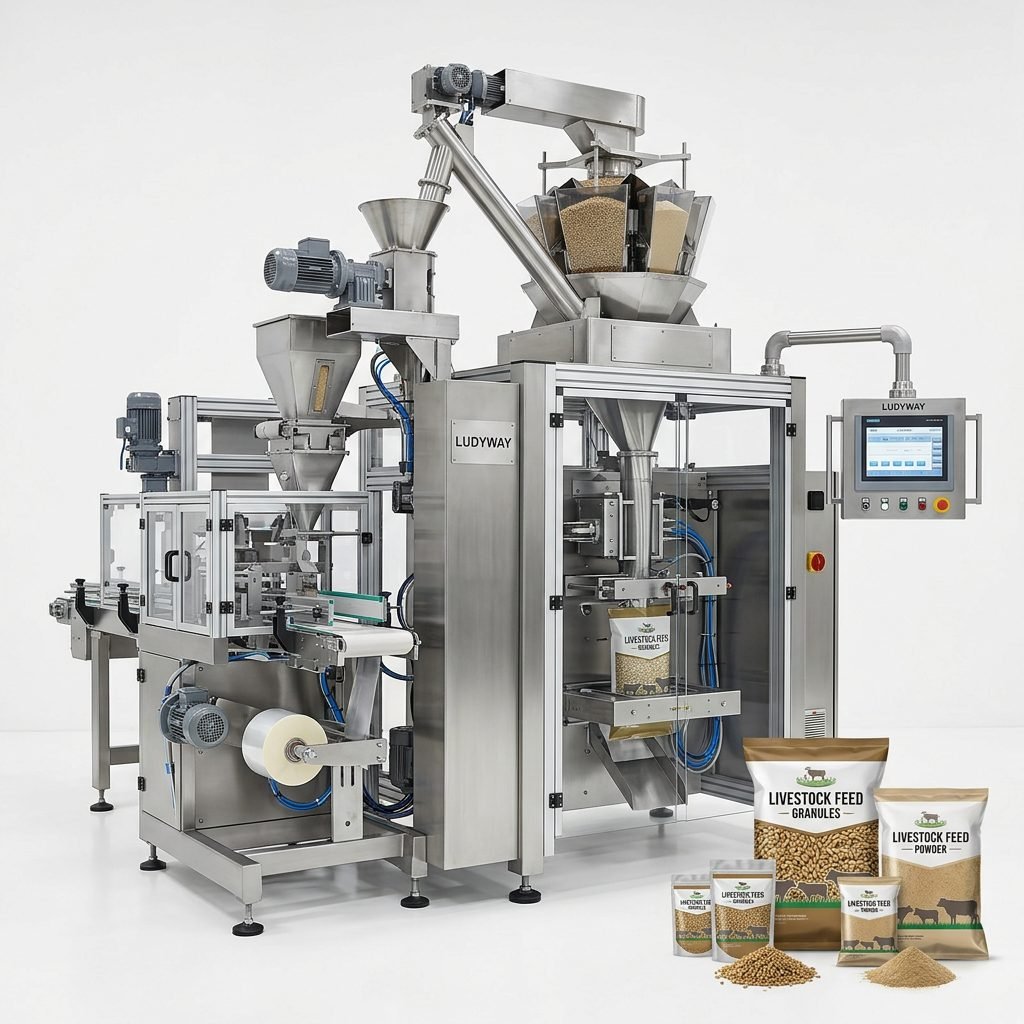
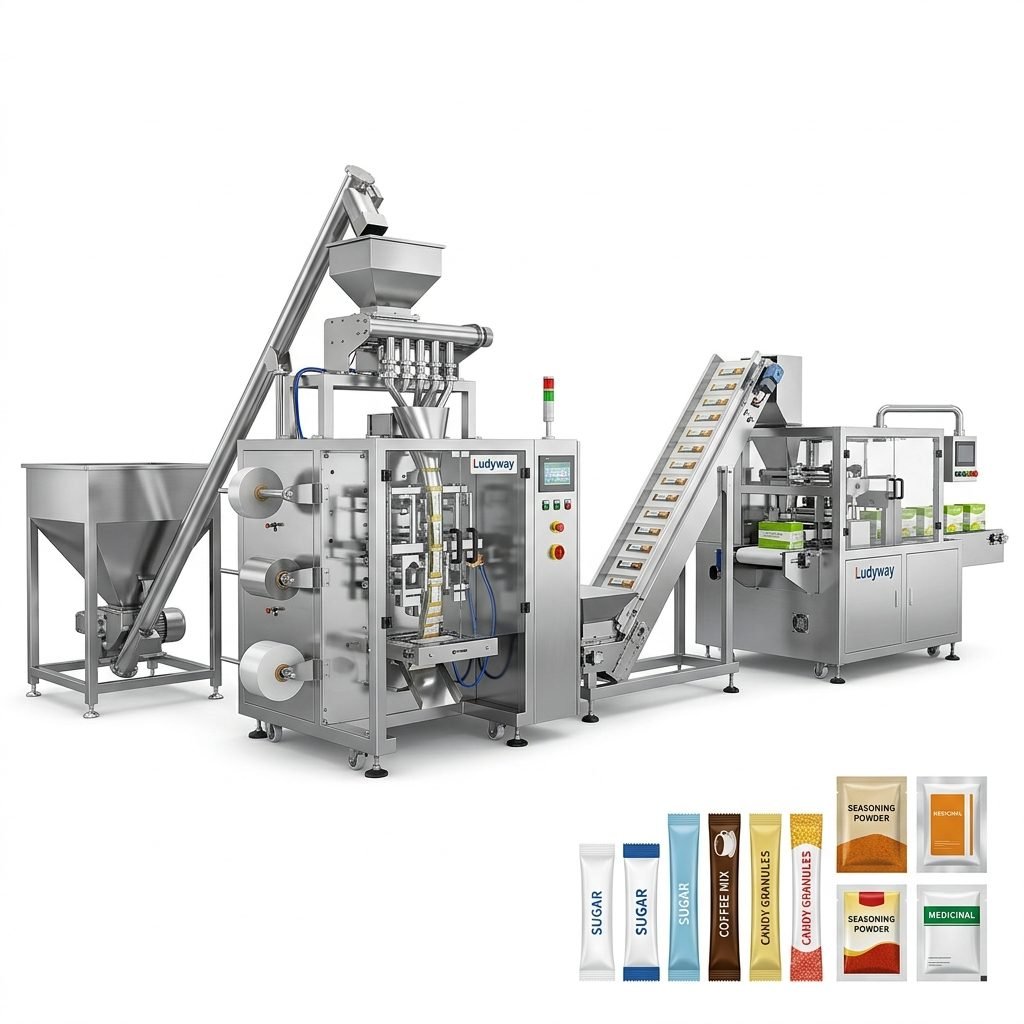
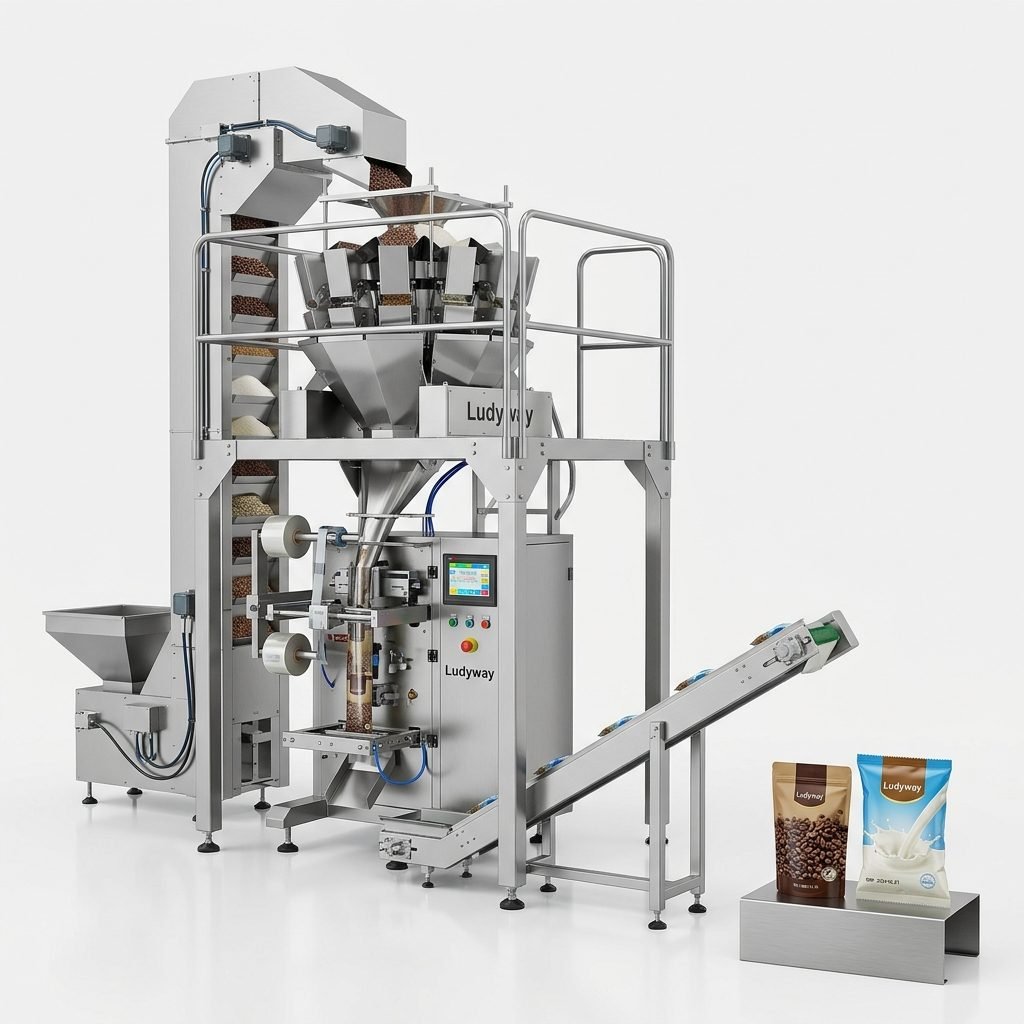
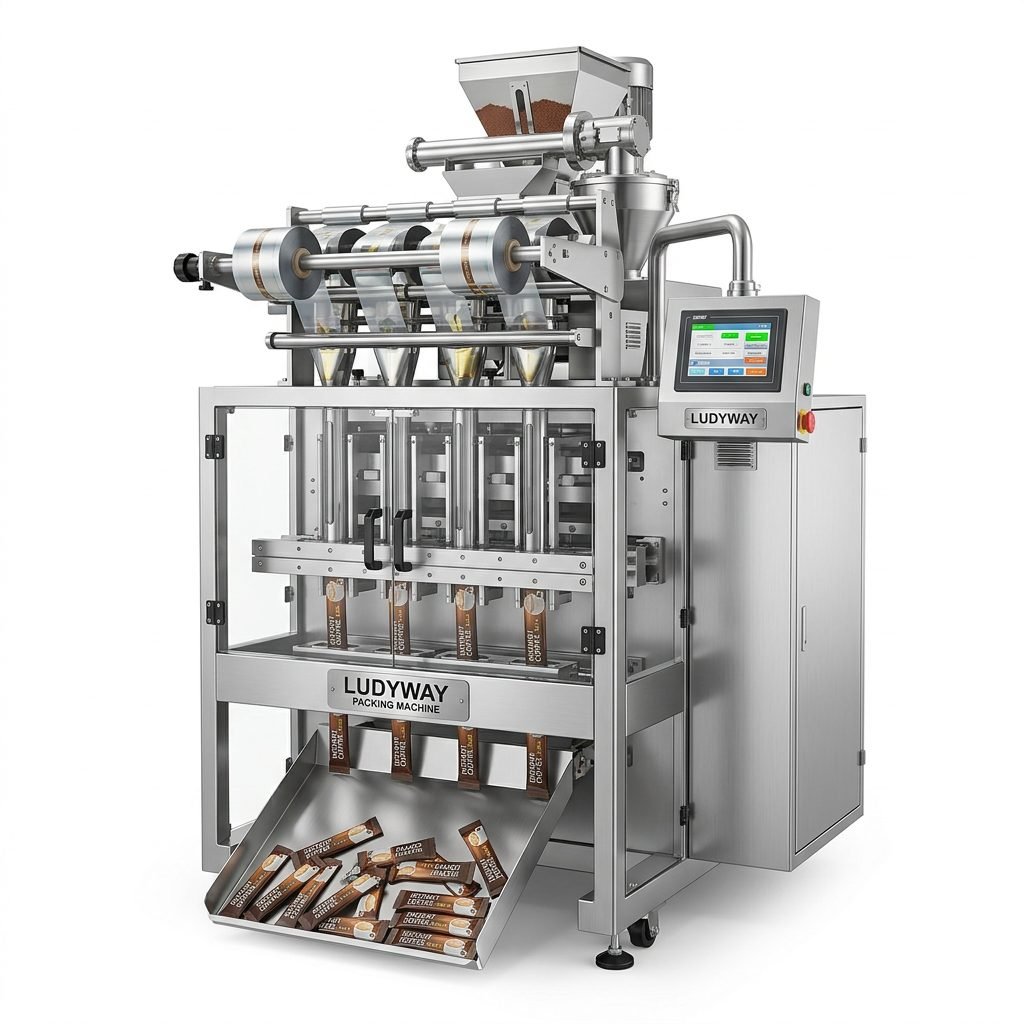
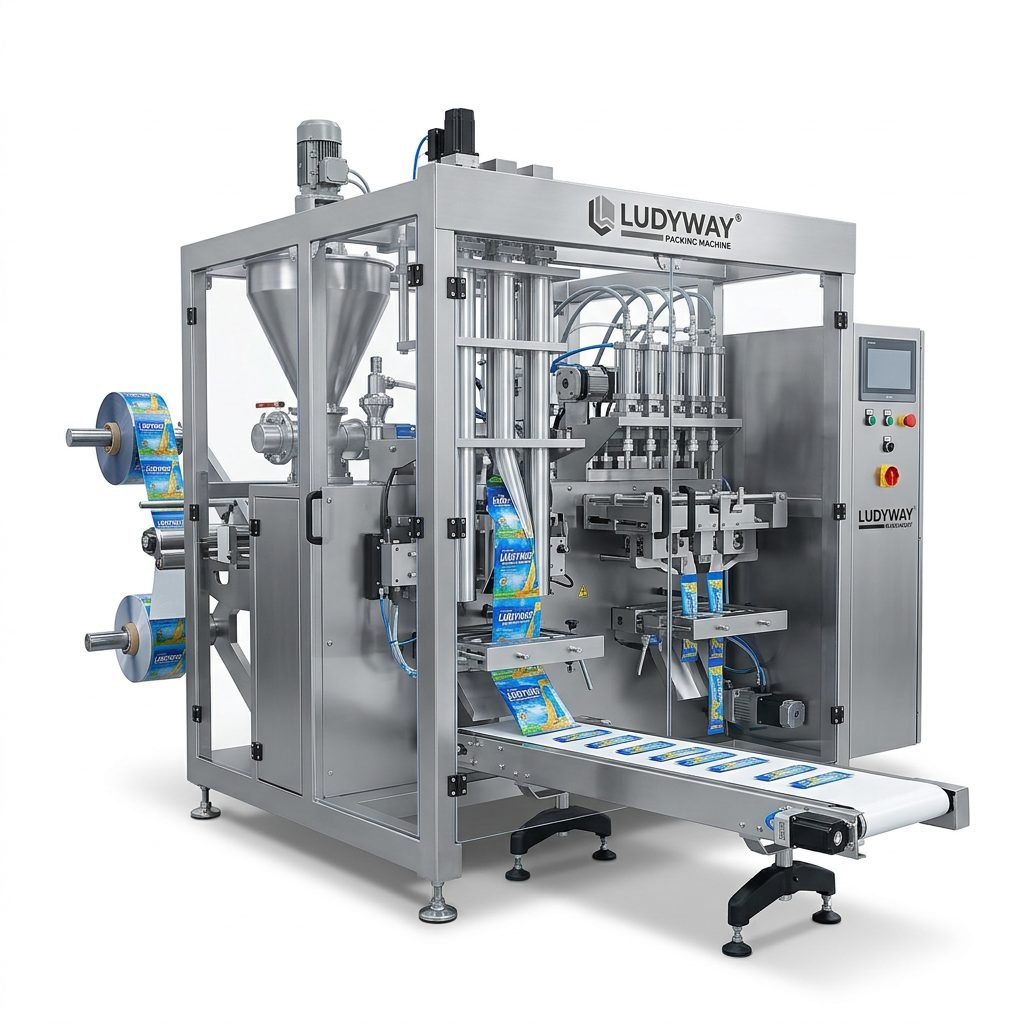
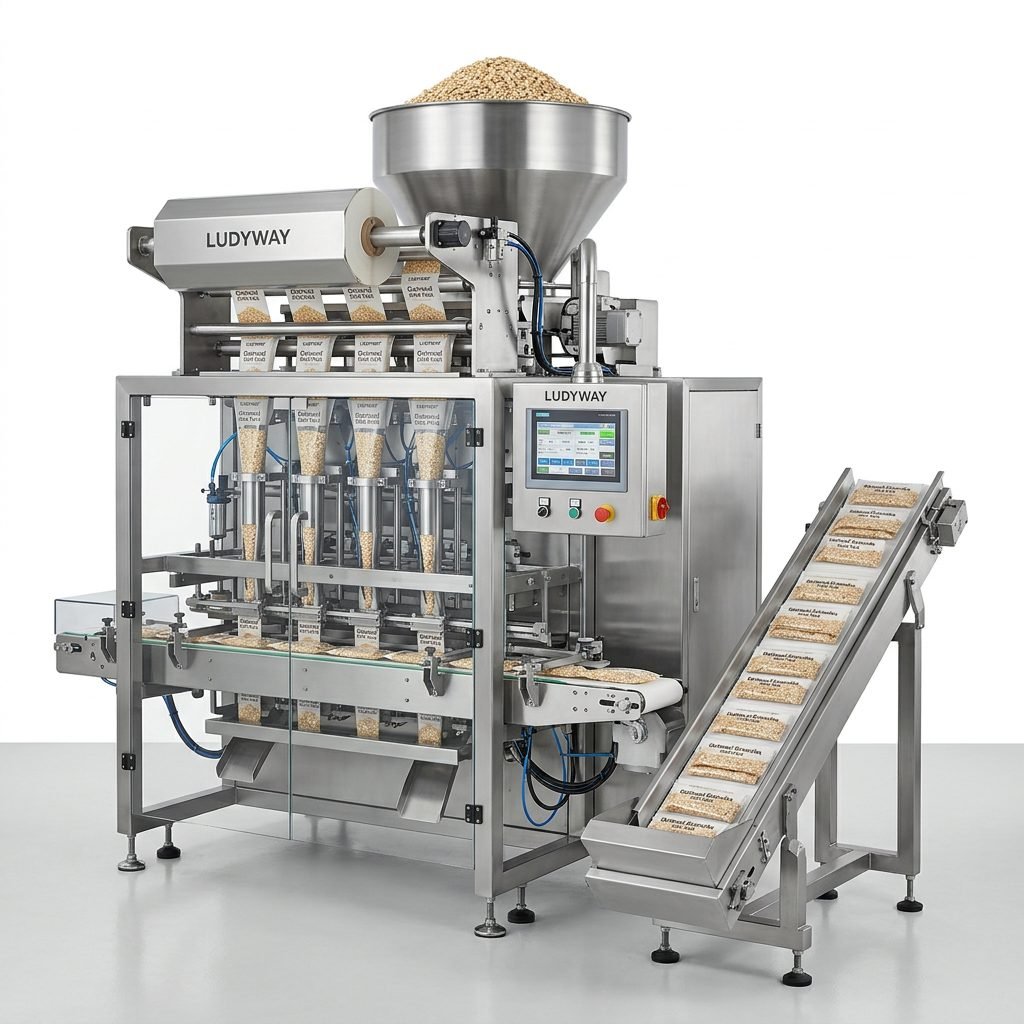
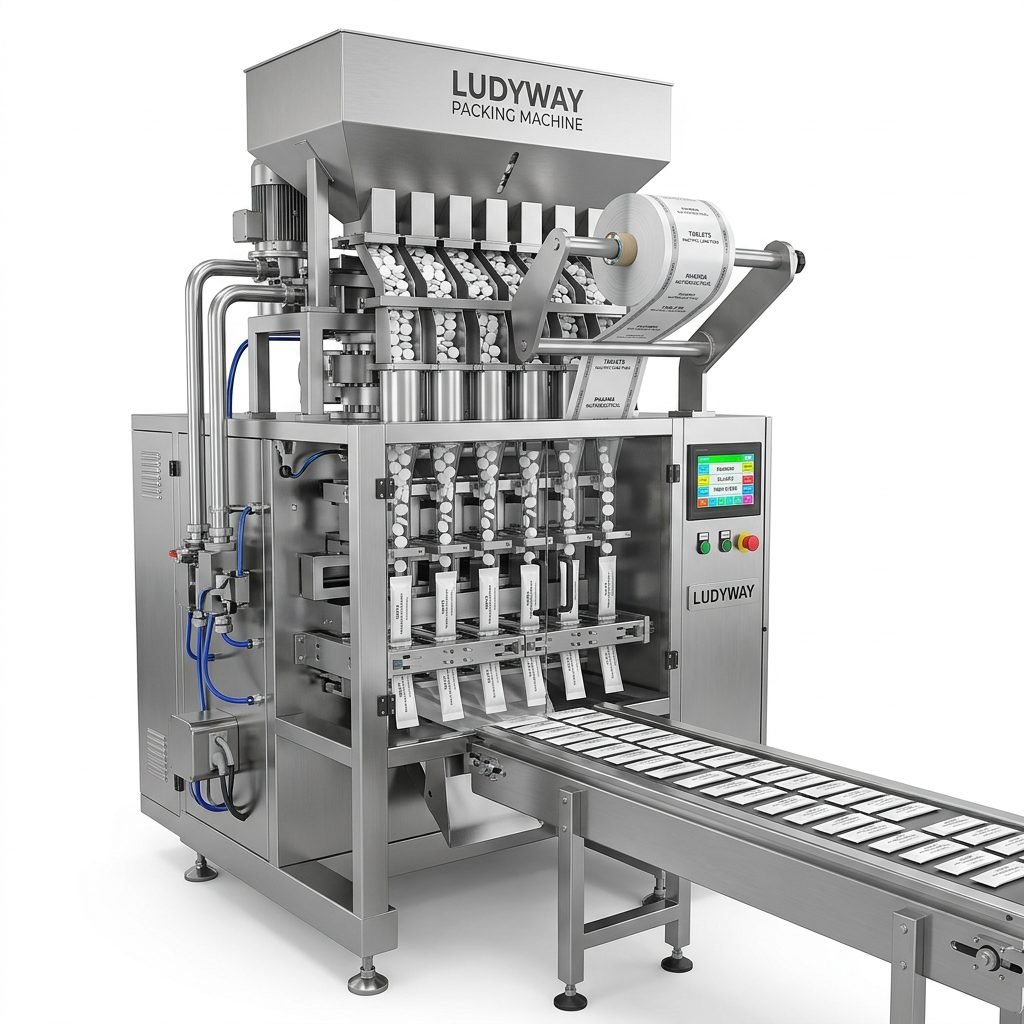
Choosing the right baby food packaging machine manufacturer is a critical decision that impacts product quality, operational efficiency, and brand reputation. This guide provides essential insights into evaluating and selecting a reliable supplier for your baby food packaging needs.
Understanding Your Packaging Requirements
Before beginning your search, clearly define your specific requirements. Consider the ✔️ product format (purees, cereals, snacks), ✔️ packaging type (sachets, stick packs, pouches), required ✔️ production speed, and compliance with stringent ✔️ food safety regulations. This clarity will streamline your evaluation process.
Key Considerations Checklist
Product Compatibility: Ensure the machine handles your specific baby food consistency.
Regulatory Compliance: Machinery must meet FDA, EU, or other local food contact material standards.
Output Capacity: Match the machine’s speed with your production volume forecasts.
Flexibility: Can the system adapt to future product or packaging changes?
Evaluating Manufacturer Expertise & Experience
Look for manufacturers with proven experience in the food packaging sector, particularly with sensitive products like baby food. A supplier with 30+ years in packaging machinery, for instance, brings invaluable knowledge of hygiene protocols, material suitability, and long-term equipment reliability.
Assessing Technical & Support Capabilities
Beyond the machine itself, evaluate the supplier’s support structure. Do they offer comprehensive installation, training, and maintenance? Can they provide spare parts promptly? A manufacturer with a large modern production facility and over 200 production equipment models often indicates strong engineering resources and customization ability.
Quality, Safety, and Innovation
Baby food packaging demands the highest standards. Investigate the manufacturer’s quality control systems, use of food-grade materials, and incorporation of features like clean-in-place (CIP) systems. Innovation in automation, precision filling, and seal integrity is crucial for product safety and shelf life.
Red Flags to Avoid
❌ Limited Food Industry References: Lack of specific baby or sensitive food clientele.
❌ Vague Compliance Claims: Unable to provide detailed regulatory documentation.
❌ Weak Support Network: No clear after-sales service or local technical support.
❌ Outdated Technology: Machinery lacks modern safety, hygiene, or control features.
Making the Final Decision
Request detailed proposals, visit manufacturing facilities if possible, and speak directly to existing clients in the baby food industry. Compare not only the initial cost but the total lifecycle value, including efficiency, durability, and support costs. A partner committed to long-term cooperation and innovation will contribute more significantly to your success.
Global Considerations for Specific Markets
When operating in regions like Europe or North America, understanding local consumer preferences and regulations is vital. For instance, European parents often value sustainable, recyclable packaging materials, while in the US, convenience and portion control are highly prized. Choose a manufacturer with global experience who can advise on these market-specific nuances.
Summary & Next Steps
Selecting the best baby food packaging machine manufacturer involves a multi-faceted assessment of their expertise, technology, quality, and support aligned with your specific needs. A thorough due diligence process will secure a partnership that ensures safe, efficient, and market-responsive packaging for your products.
Frequently Asked Questions (FAQs)
1. What is the most important feature in a baby food packaging machine?
Hygiene and safety are paramount. Features ensuring airtight seals, precision filling to avoid contamination, and easy-cleaning designs are critical.
2. Can one machine handle different types of baby food (puree vs. cereal)?
Many modern machines are versatile, but you must confirm the supplier can configure the system for varying viscosities and particle sizes.
3. How do I verify a manufacturer’s compliance with food safety regulations?
Request certificates of conformity for materials and machine design, and ask for audit reports or references from other food producers.
4. What should I expect in a standard after-sales service agreement?
It should include installation supervision, operator training, a warranty period, access to spare parts, and remote/onsite technical support.
5. Is customization possible for unique packaging shapes or sizes?
Yes, experienced manufacturers with strong R&D departments often offer customization, but it affects timelines and costs.