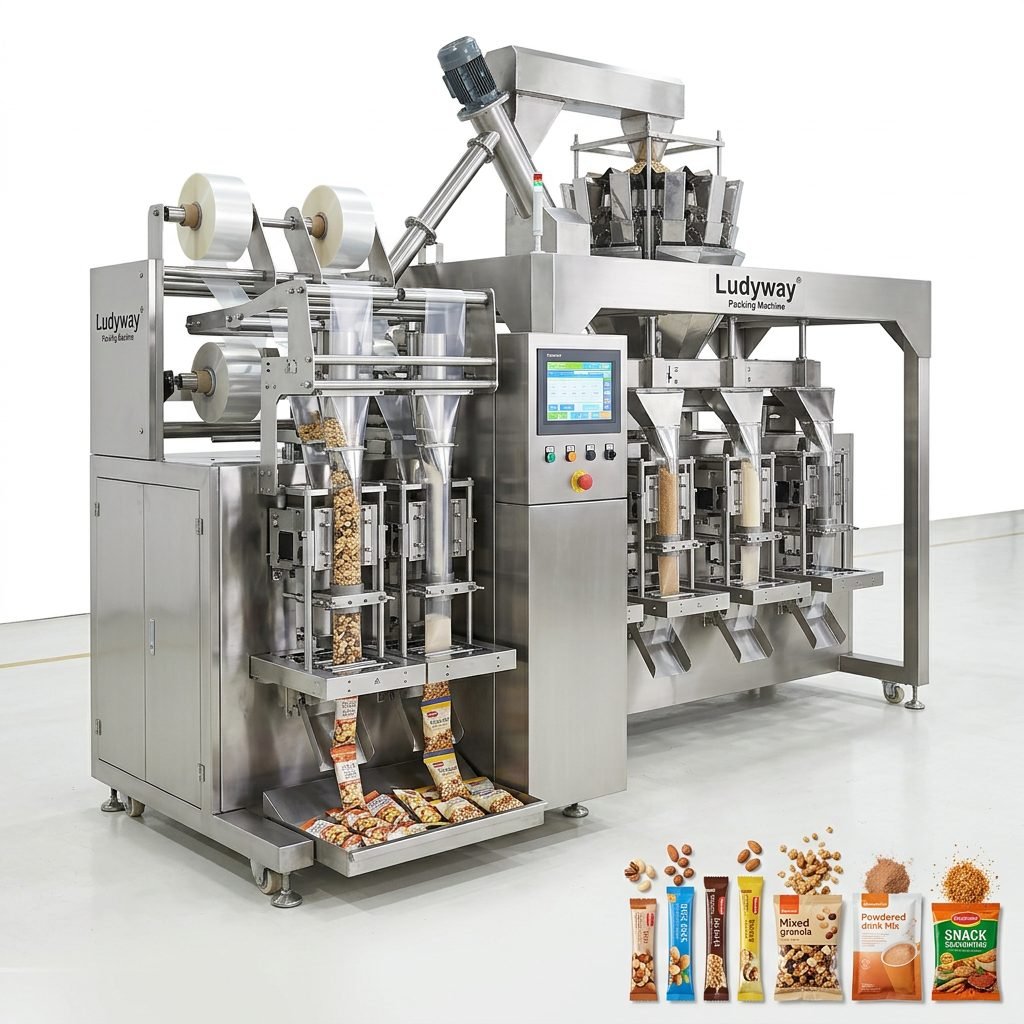
In the fast-paced world of food production, ensuring product freshness, extending shelf life, and creating an appealing presentation are paramount. Vacuum skin packaging (VSP) has emerged as a superior solution for achieving these goals, offering a tight, second-skin-like seal that locks in quality. If you are in the market for a vacuum skin packaging machine for sale, navigating the options can be complex. This complete buying guide will walk you through the critical considerations and highlight some of the best models tailored for food packaging applications.
What is a Vacuum Skin Packaging Machine?
A vacuum skin packaging machine is a specialized piece of equipment that uses a combination of heat and vacuum to drape a flexible top film over a product placed on a rigid or semi-rigid tray. The process evacuates all air, and the film conforms tightly to the product’s contours before sealing to the tray’s flange. This creates a secure, tamper-evident package with exceptional visual appeal, as the product is showcased without wrinkles or excess film.
Core Advantage: Unlike traditional vacuum packaging, VSP minimizes purge (the liquid and juices released from the product), dramatically reducing waste and preserving the product’s natural weight, texture, and appearance. This is especially critical for premium meats, seafood, cheeses, and prepared meals.
Key Benefits for Food Packaging
Investing in a vacuum skin packaging system offers a multitude of benefits that directly impact product quality, operational efficiency, and consumer perception.
- ✓ Extended Shelf Life: The complete oxygen removal significantly slows down oxidation and bacterial growth, often doubling or tripling the shelf life of fresh products compared to overwrapped trays.
- ✓ Enhanced Product Presentation: The “second-skin” effect creates a high-end, glossy finish that highlights the product’s color and texture, making it more attractive on retail shelves.
- ✓ Reduced Leakage & Improved Hygiene: The tight seal contains juices and prevents cross-contamination, ensuring cleaner handling and transportation.
- ✓ Material Efficiency: VSP typically uses less film material than traditional vacuum bags or deep-draw packaging, leading to cost savings and a smaller environmental footprint.
- ✓ Versatility: Modern machines can handle a wide range of products, from raw steaks and fish fillets to soft cheeses, smoked sausages, and ready-to-eat meals.
Complete Buying Guide: How to Choose the Right Machine
Selecting the ideal vacuum skin packaging machine for sale requires a careful assessment of your specific production needs. Here are the essential factors to consider.
1. Production Volume & Speed Requirements
Your required output is the primary driver. Machines range from manual or semi-automatic models suitable for small-scale operations or specialty producers to fully automated, high-speed rotary or in-line systems for large-scale food processing plants. Determine your cycles-per-hour needs to narrow down your options.
2. Product Type and Size
The physical characteristics of your food products are crucial. Consider the maximum tray dimensions (length, width, depth) the machine must accommodate. Also, account for product height and profile; some machines are better suited for flat items, while others can handle taller, irregular shapes. The type of food (e.g., juicy, dry, oily, sharp-edged) will also influence film selection and sealing parameters.
3. Tray and Film Compatibility
Ensure the machine is compatible with the tray materials you plan to use (APET, CPET, PP, HIPS, etc.) and the specific multilayer barrier films required for skin packaging. Some machines offer greater flexibility with film types and gauges. A reliable supplier like Ludyway Packing Machine can provide guidance on optimal material combinations for your application.
4. Level of Automation
Manual/Semi-Automatic: Operator loads the tray and product, then initiates the cycle. Ideal for low volume, high-mix production.
Automatic (Single Chamber): Automatically indexes trays in and out of a single sealing chamber. Good for medium-volume lines.
Automatic (Double Chamber/Twin-Chamber): Two chambers alternate, virtually eliminating downtime and maximizing output for high-speed requirements.
Fully Integrated In-line Systems: The VSP machine is integrated with automatic tray denesting, product loading, and downstream handling systems for complete, hands-off automation.
5. Critical Machine Features
- Sealing Technology: Look for precise temperature and pressure controls for consistent, reliable seals.
- Vacuum System: A powerful and efficient vacuum pump is essential for achieving a perfect skin-tight package.
- User Interface: An intuitive touchscreen PLC with recipe storage allows for quick changeovers between different products.
- Hygiene & Cleanability: Stainless steel construction and designs with minimal crevices facilitate easy cleaning and meet food safety standards.
- Service & Support: Choose a supplier with a strong reputation for technical support, spare parts availability, and training. Global experience in food packaging is a significant advantage.
Best Models for Food Packaging Applications
While specific model recommendations depend on your unique needs, here are generalized categories of high-performance VSP machines suitable for the food industry.
High-Speed Automated Skin Packers
Designed for large-scale processors of fresh meat, poultry, and seafood, these systems feature twin sealing chambers, automatic tray feeding, and integrated film delivery. They offer speeds exceeding 20 cycles per minute, ensuring high throughput for volume-driven operations. Their robust construction and advanced PLC controls guarantee consistency and reliability on demanding production floors.
Versatile Mid-Range Chamber Machines
This category is the workhorse for many small to medium-sized enterprises (SMEs) and specialty food producers. They offer an excellent balance of speed, flexibility, and affordability. Capable of handling a diverse product range from gourmet cheeses and smoked meats to prepared vegetables, these single or double-chamber machines are known for their ease of use and quick changeover capabilities, making them ideal for producers with multiple SKUs.
Compact & Efficient Solutions
For artisanal producers, butcher shops, or businesses starting with skin packaging, compact semi-automatic or tabletop models are perfect. They deliver the same high-quality skin-packaged presentation at a lower entry cost and with a smaller footprint. These machines are user-friendly and allow producers to add significant value to their products without a massive capital investment. Exploring the range of intelligent packaging solutions from experienced providers can reveal options that scale with your business.
Frequently Asked Questions (FAQs)
1. What types of food are best suited for vacuum skin packaging?
VSP is exceptionally effective for fresh red meat, poultry, seafood (especially fatty fish), processed meats (sausages, ham), soft and semi-hard cheeses, ready meals, and even some produce. It is ideal for products where appearance, drip loss, and extended shelf life are critical.
2. How does vacuum skin packaging differ from modified atmosphere packaging (MAP)?
VSP removes almost all air (oxygen) from the package, creating a vacuum. MAP replaces the air inside a package with a specific gas mixture (like Nitrogen and CO2). VSP typically offers a tighter, more conforming package with less purge, while MAP can be better for very delicate products that might be crushed by a vacuum.
3. Can I use my existing trays with a new VSP machine?
Potentially, but it requires verification. The tray must have a suitable flange for sealing and be made from a material compatible with the skin packaging film and heat-sealing process. Your machine supplier should test your current trays to ensure compatibility.
4. What is the typical shelf life extension for meat using VSP?
While it varies based on the product, initial quality, and storage temperature, vacuum skin-packed fresh meat can achieve a shelf life of 14 to 21 days (or more) under proper refrigeration, compared to 3-7 days for overwrapped trays.
5. Is the film used in VSP recyclable?
This is a complex area. The multilayer barrier films are often difficult to recycle in conventional streams. However, the industry is actively developing more sustainable mono-material and recyclable barrier films. Always consult with your film supplier for the latest environmentally conscious options.