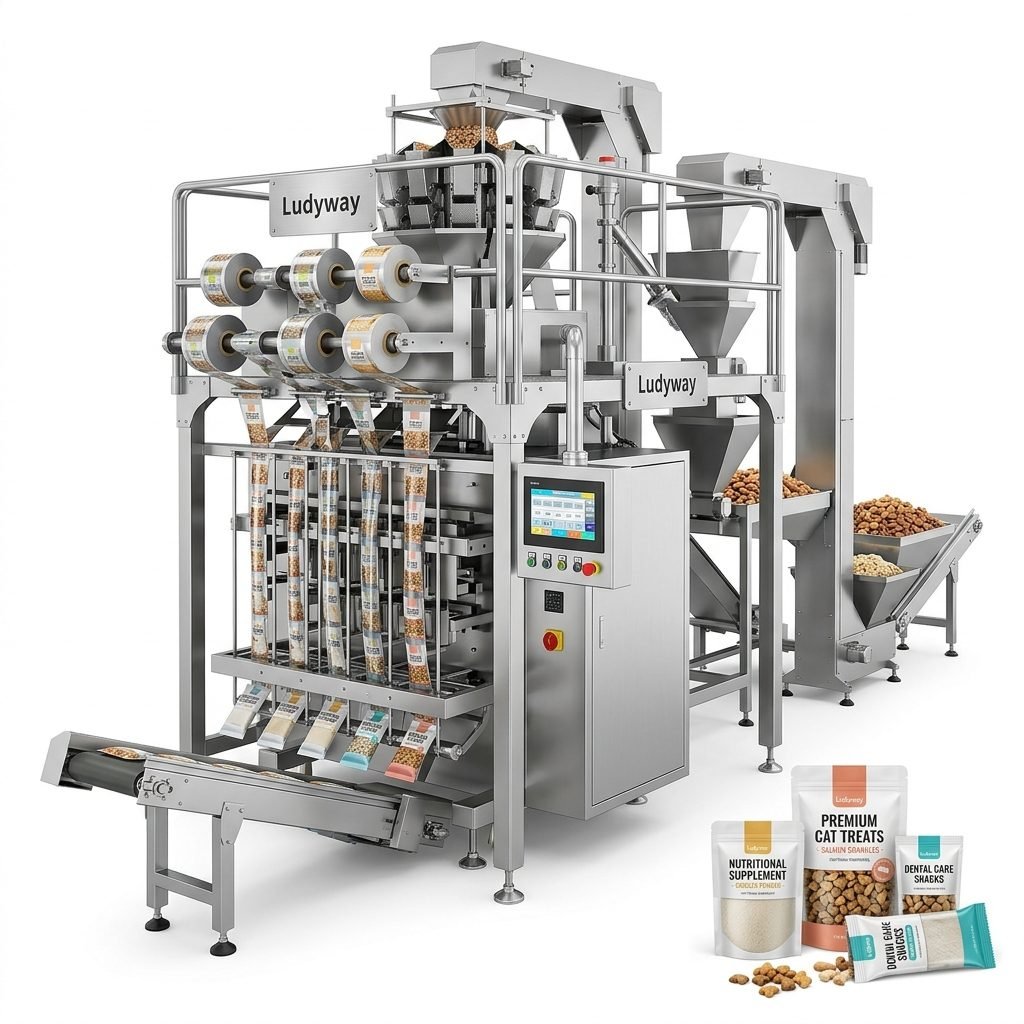
The world of paper packaging equipment is vast and varied, offering solutions for nearly every production need. From creating simple sachets for sugar to complex, multi-lane stick packs for pharmaceuticals, the right machine can dramatically enhance efficiency, reduce waste, and improve product presentation. Choosing the correct equipment, however, requires a clear understanding of the different types available, their core features, and how they align with your specific production goals. This guide will walk you through the essential considerations to help you make an informed investment.
Understanding the Main Types of Paper Packaging Equipment
Paper packaging machinery is categorized primarily by the form of packaging it produces and the product format it handles. Knowing these categories is the first step in narrowing down your options.
1. By Packaging Form: Sachet, Stick Pack, and Pouch Machines
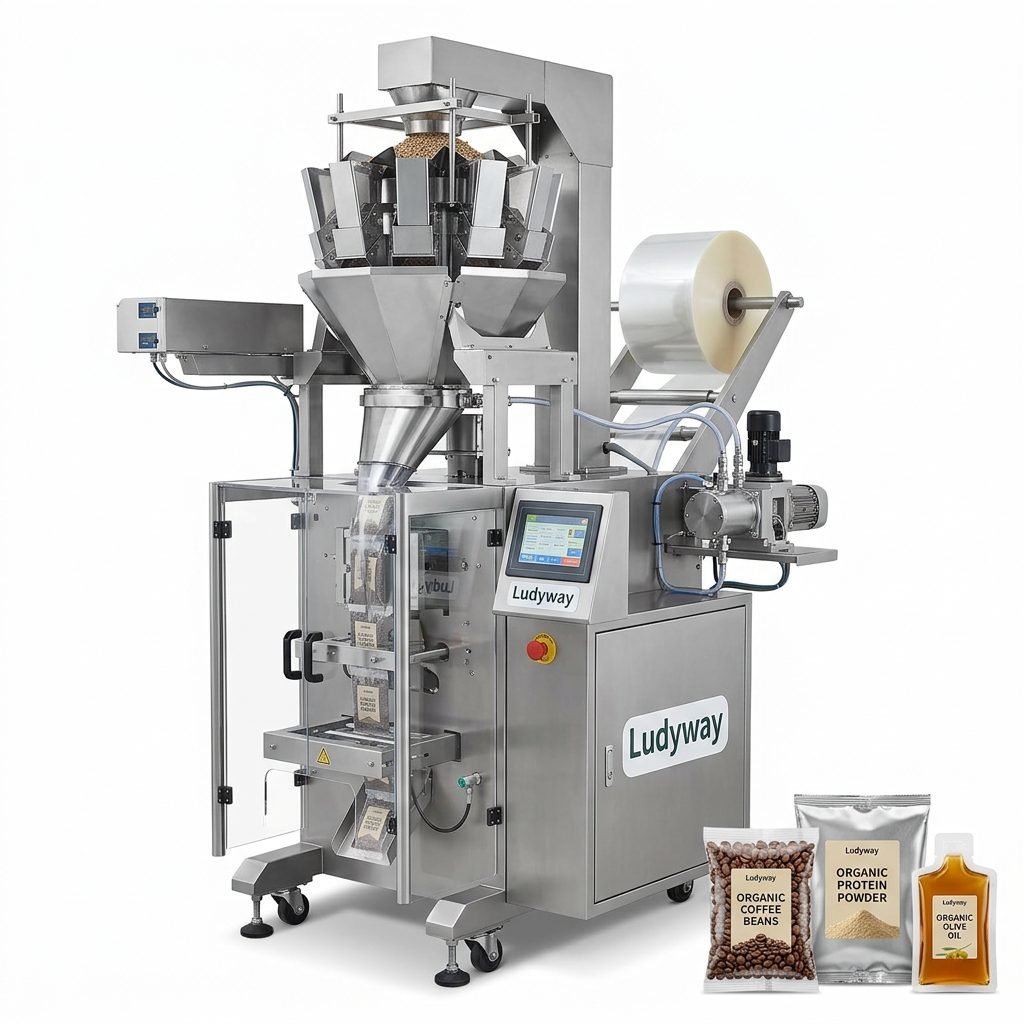
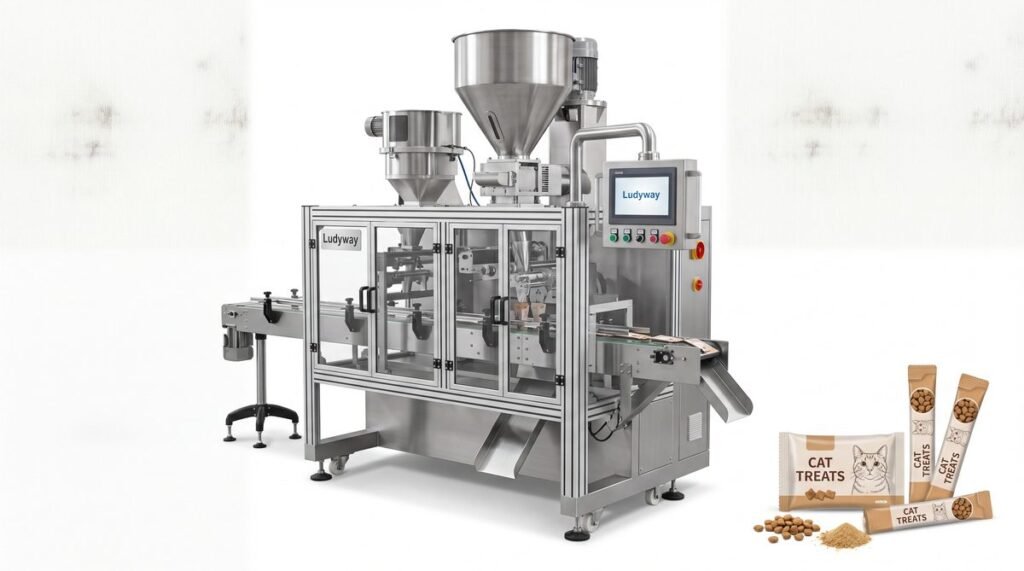
Vertical Form-Fill-Seal (VFFS) Machines are the workhorses for creating sachets and pouches. They form the package from a roll of packaging material (like laminated paper), fill it with product, and seal it—all in one continuous vertical motion. They are incredibly versatile for packaging granules, powders, and liquids.
Key Application: Ideal for seasoning packets, shampoo sachets, instant coffee, and detergent powders.
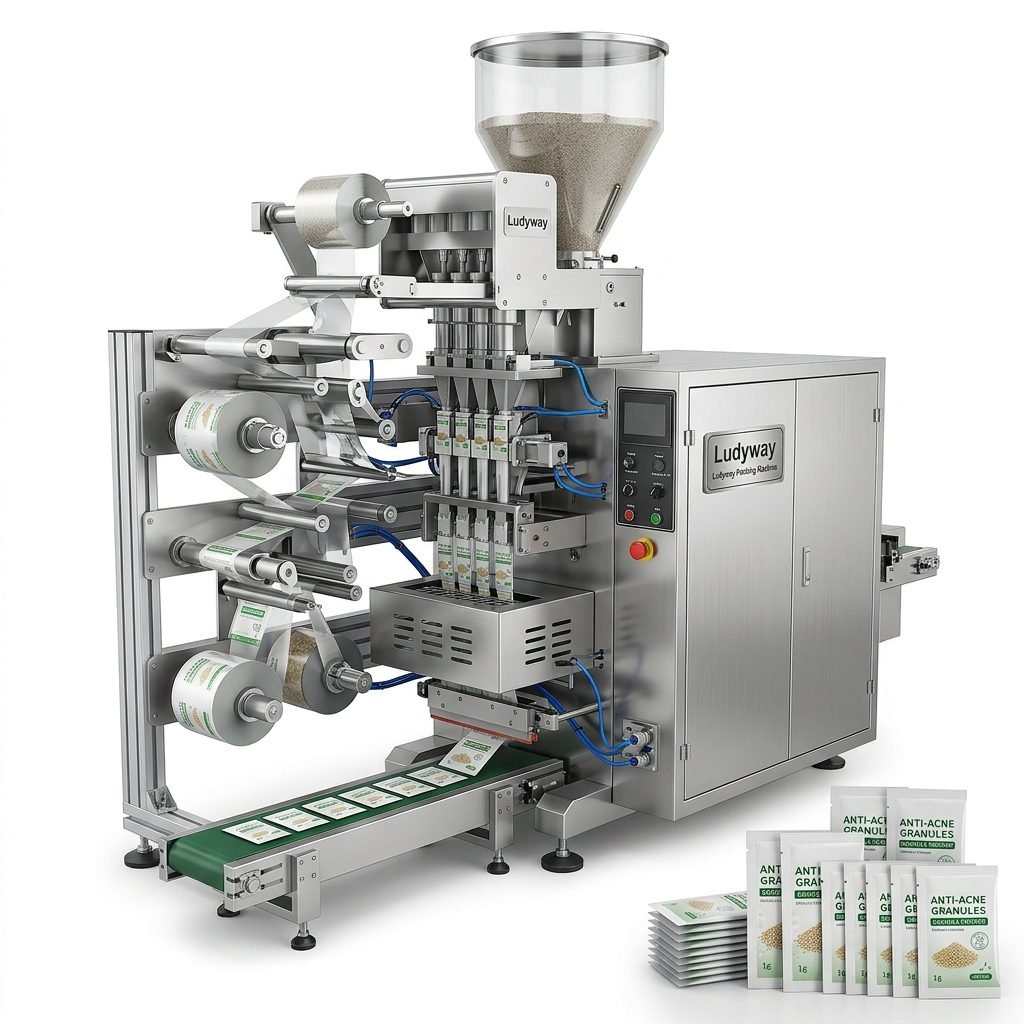
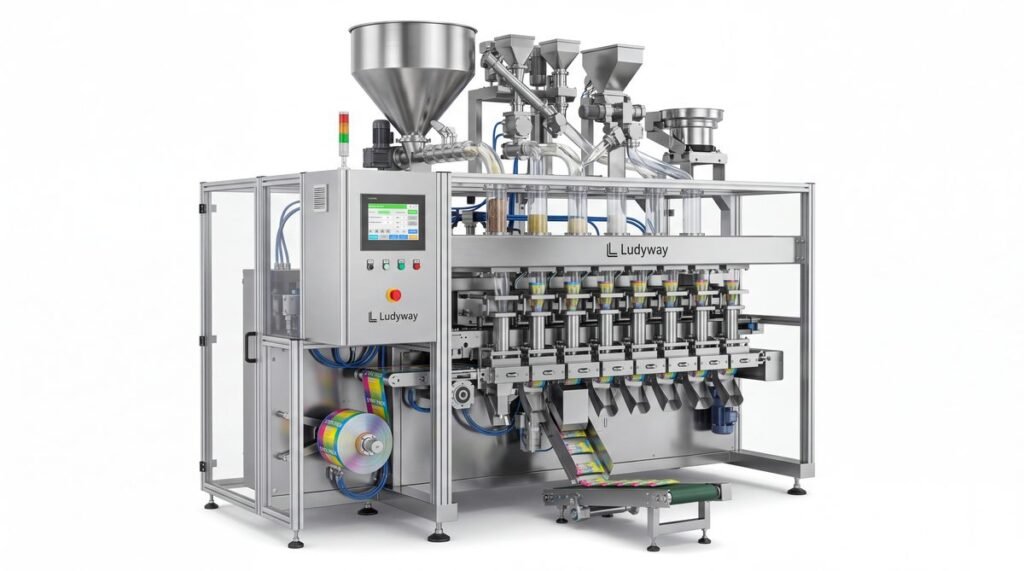
Horizontal Form-Fill-Seal (HFFS) Machines are typically used for stick packs. The packaging material is fed horizontally, formed into a tube, filled, and sealed at both ends. This format is perfect for single-serve portions.
Pre-made Pouch Machines use pouches that are already formed. The machine’s role is to open, fill, and seal them. This is often used for higher-value products or where complex packaging materials are required.
2. By Product Type: Granule, Powder, and Liquid Fillers
The nature of your product dictates the type of filling system you need, which is often integrated into the form-fill-seal machine.
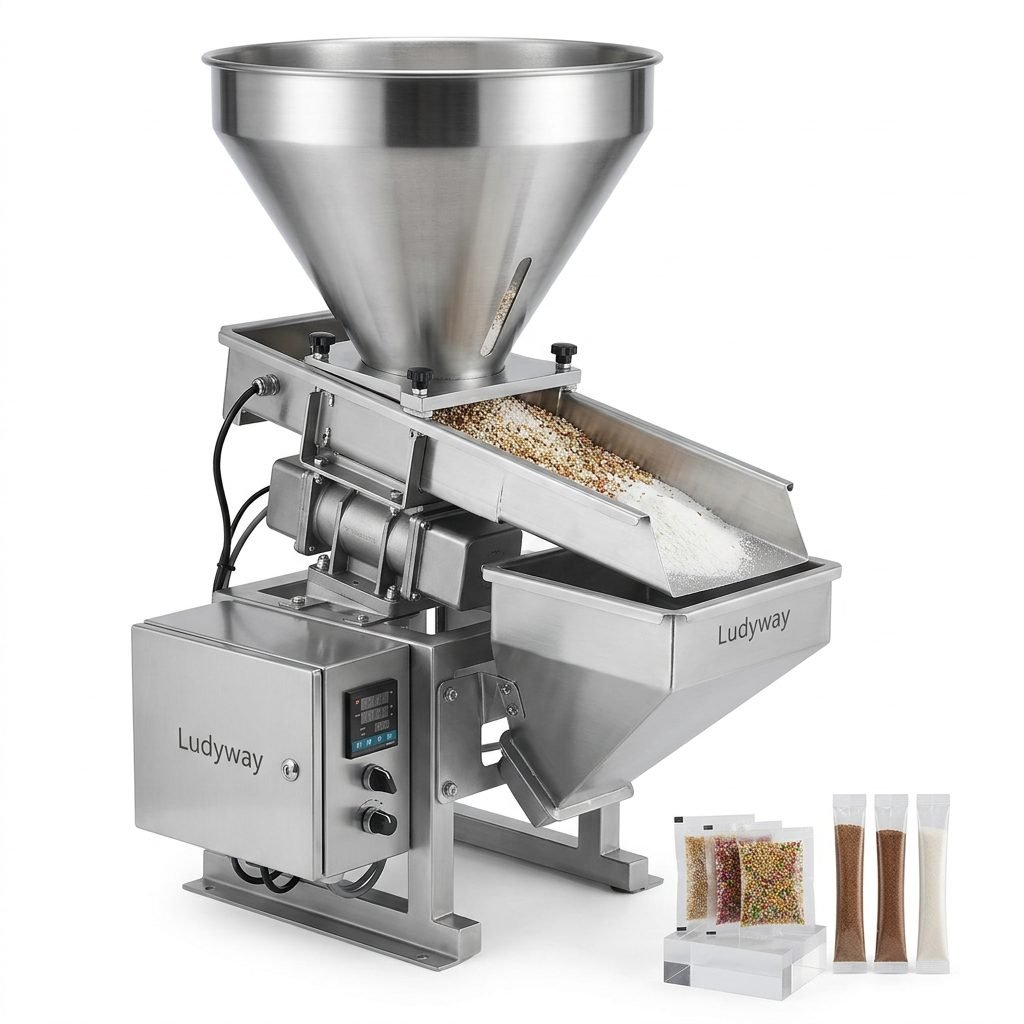
Auger Fillers: The most common choice for powders and fine granules. A rotating auger (screw) dispenses a precise volume of product. Accuracy is paramount and depends on the powder’s characteristics.
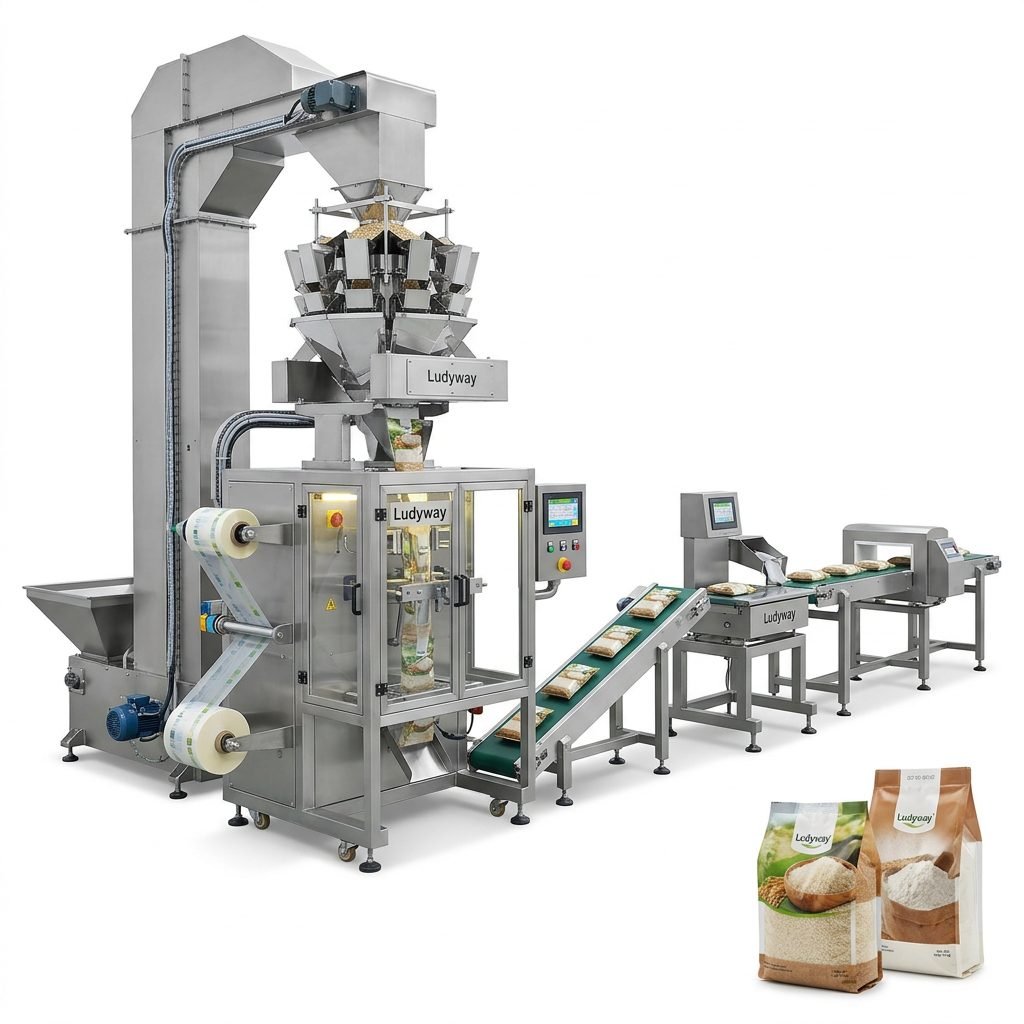
Volumetric Cup Fillers: Best for uniform, free-flowing granules like rice, beans, or seeds. They use cups of a fixed volume to measure each dose.
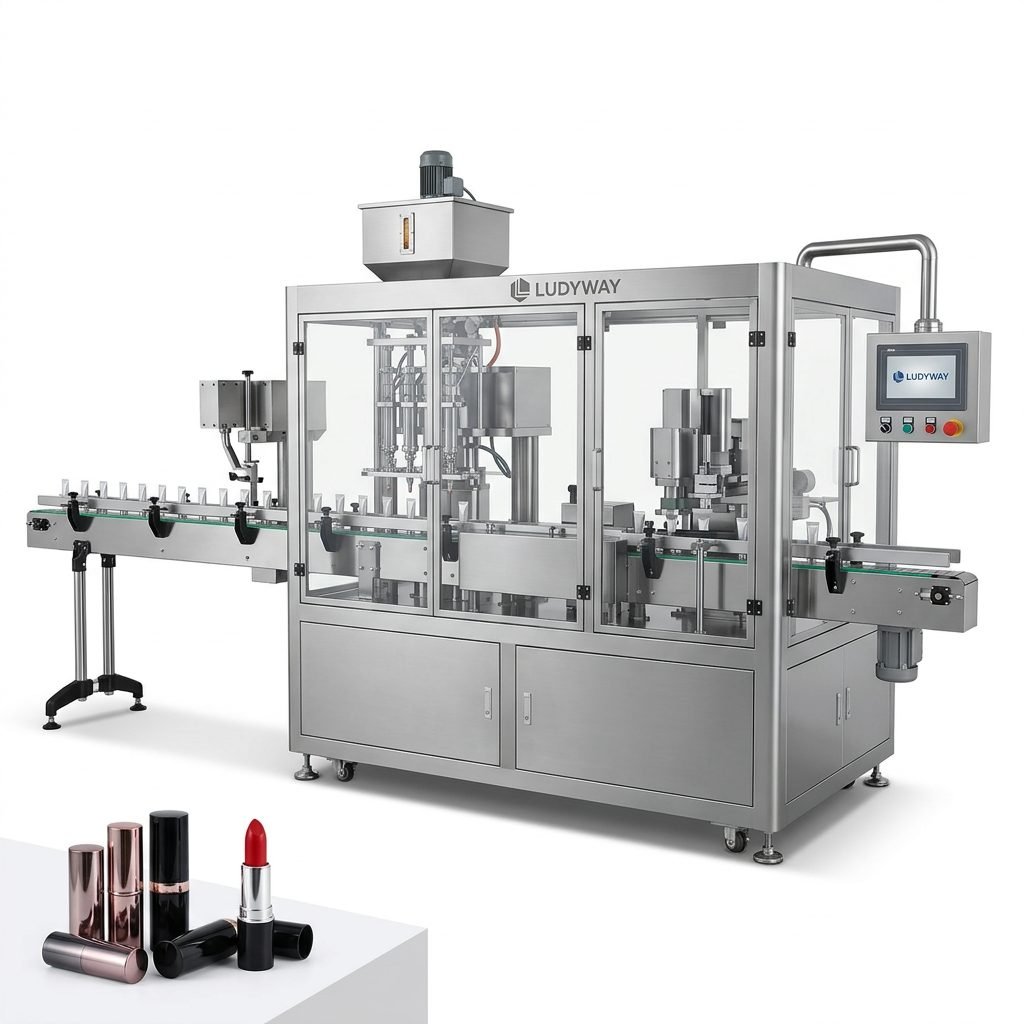
Liquid Piston Fillers: Used for liquids, creams, and pastes. A piston draws a precise amount of product from a cylinder and injects it into the package, ensuring high accuracy and handling viscous products well.
Essential Features to Evaluate in a Packaging Machine
Beyond the basic type, several features determine a machine’s capability, reliability, and suitability for your line.
Production Speed and Output
Measured in packs per minute (PPM), this must match your current and near-future production targets. A multi-lane stick pack machine can significantly boost output by packaging multiple sticks simultaneously.
Accuracy and Precision of the Filling System
Filling accuracy directly impacts product give-away and compliance with net content regulations. Look for machines with servo-driven fillers and easy-to-calibrate systems for minimal waste.
Flexibility and Changeover Time
Can the machine handle different package sizes or products? Quick-change parts and recipe storage in the PLC (Programmable Logic Controller) can reduce downtime from hours to minutes when switching production runs.
Construction Quality and Ease of Maintenance
Robust stainless-steel frames and food-grade contact parts ensure durability and hygiene. Easy access to key components simplifies routine cleaning and maintenance, maximizing uptime.
⚠️ Pro Tip: Don’t Overlook Support
The quality of technical support, training, and spare parts availability is as critical as the machine itself. A reliable supplier with a strong service network can prevent minor issues from causing major production halts.
Automation and Integration Level
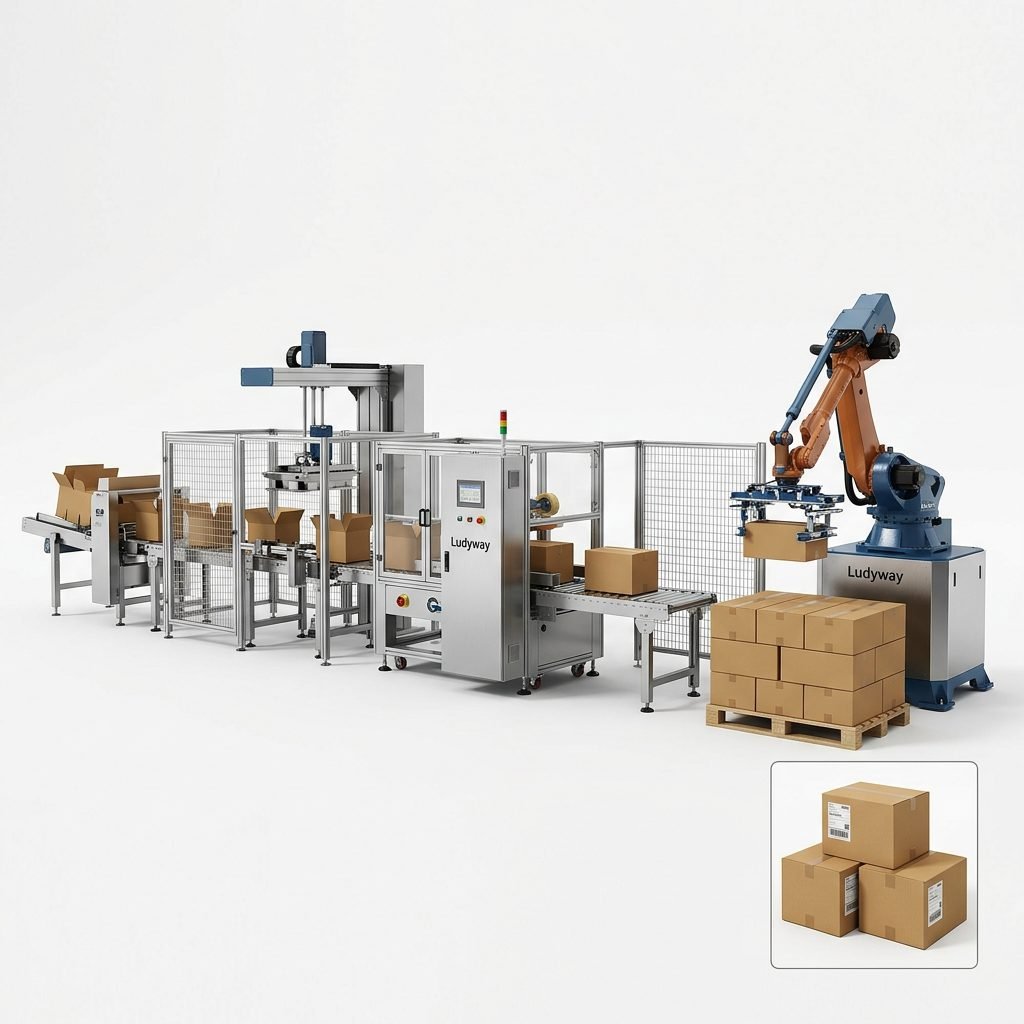
Consider machines that can integrate with upstream (e.g., mixers) and downstream (e.g., cartoners) equipment. Features like automatic film splicing and fault detection elevate the automation level, reducing manual intervention.
How to Choose the Right Machine for Your Production Line
Selecting equipment is a strategic decision. Follow this structured approach to ensure your choice supports your business objectives.
Step 1: Define Your Core Requirements
Start with a detailed specification list:
• Product: Physical characteristics (flowability, abrasiveness, viscosity).
• Packaging Material: Type of paper laminate (structure, thickness, print).
• Package Size & Shape: Dimensions and desired seal type (fin seal, pillow pack).
• Required Output: Desired PPM, accounting for efficiency (typically 80-85%).
Step 2: Assess Your Operational Environment
Consider your factory’s space, power supply, available operator skill level, and hygiene standards (e.g., IP rating, washdown requirements). A compact, user-friendly machine may be better for a small facility than a high-speed, complex system.
Step 3: Balance Budget with Total Cost of Ownership (TCO)
Look beyond the initial purchase price. Calculate TCO by factoring in:
• Energy consumption.
• Maintenance and spare parts costs.
• Potential for future upgrades.
• Supplier reliability and warranty terms.
A slightly higher initial investment in a robust, efficient machine from a reputable provider like Ludyway Machinery often leads to lower long-term costs.
Step 4: Request a Product Sample Test
Always insist on testing your actual product on the shortlisted machine. A live test demonstrates filling accuracy, film runnability, seal integrity, and achievable speed, providing the most reliable data for your final decision.
Step 5: Plan for the Future
Choose a machine and supplier that can grow with you. Can the machine be upgraded later? Does the supplier offer a broader range of equipment for future expansion? Investing in a partnership, not just a machine, provides long-term value.
Frequently Asked Questions (FAQs)
Q1: What is the main difference between a sachet and a stick pack machine?
A: The primary difference is the packaging orientation and final shape. A sachet machine (typically VFFS) creates a wider, often rectangular pouch that sits flat. A stick pack machine (typically HFFS) forms a long, narrow, cylindrical tube ideal for single-serve powders or liquids. The choice depends on product dosage, branding, and consumer handling preference.
Q2: How accurate are powder filling machines?
A: Modern servo-driven auger fillers can achieve very high accuracy, often within ±0.5% to ±1% of the target weight, depending on the powder’s characteristics (e.g., density, cohesiveness). For critical applications, weight-checking systems can be integrated to reject any off-spec packs.
Q3: Can one machine handle both granules and powders?
A: Many versatile VFFS machines can, but they require a change of the filling system (e.g., swapping from a volumetric cup to an auger filler). It’s crucial to discuss this flexibility requirement with your supplier to ensure the machine is designed for such changeovers and to understand the time and cost involved.
Q4: What maintenance does a paper packaging machine require?
A: Daily cleaning of product contact parts, regular lubrication of moving components as per the manual, and inspection of sealing jaws and cutting blades for wear are essential. Preventive maintenance schedules provided by the manufacturer should be strictly followed to ensure optimal performance and longevity.
Q5: Why is supplier experience important when choosing equipment?
A: An experienced supplier brings invaluable application knowledge. They can foresee potential issues with your specific product, recommend the most suitable material, and provide proven, reliable solutions. Their technical support and spare parts service ensure your production line remains operational, safeguarding your investment. Companies with decades of experience, like our team at Ludyway, understand these nuances deeply.