Choosing the right packaging machinery company is a critical decision that directly impacts your production efficiency, product quality, and bottom line. With numerous suppliers in the market, from global giants to specialized regional players, navigating the options can be complex. This guide will walk you through the key factors to consider when selecting a packaging machinery partner to meet your specific production needs.
Understanding Your Production Requirements
Before you begin evaluating companies, you must have a clear understanding of your own requirements. This foundational step ensures you seek out partners capable of delivering exactly what you need.
Key Questions to Ask Yourself:
- Product Type: Are you packaging granules, powders, liquids, tablets, or solids?
- Production Speed & Volume: What is your required output (e.g., bags/minute)? Is it for low-volume batches or high-speed continuous production?
- Packaging Format: Do you need stick packs, sachets, pouches, bottles, or blister packs?
- Future Growth: Do you anticipate scaling up or diversifying your product line in the next 3-5 years?
- Budget & ROI: What is your investment capacity, and what is the expected return on investment timeline?
Core Criteria for Evaluating Packaging Machinery Companies
Once your needs are defined, use these core criteria to assess potential suppliers. A thorough evaluation minimizes risk and sets the stage for a successful partnership.
1. Industry Experience and Specialization
Look for a company with proven experience in your specific sector. A supplier familiar with the food industry’s hygiene standards may not understand the stringent validation protocols required for pharmaceutical packaging. Specialization matters.
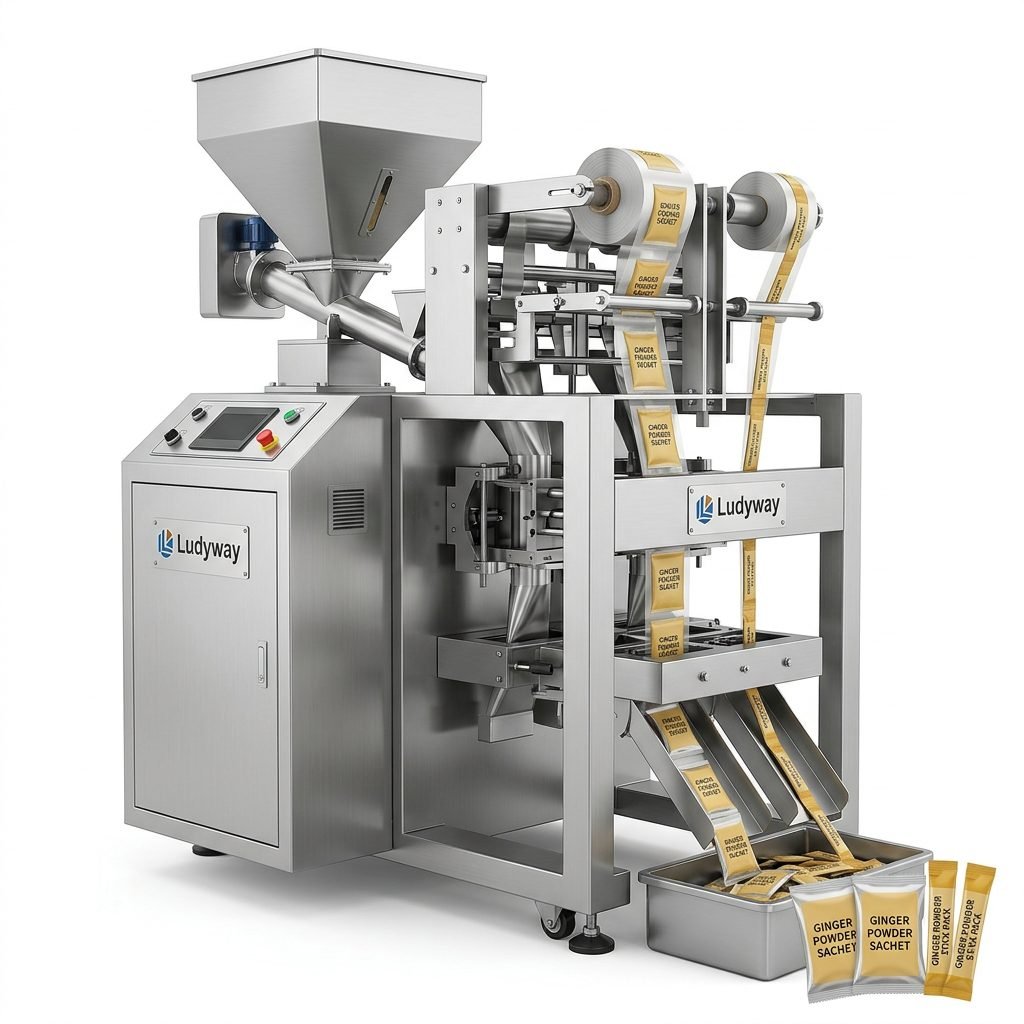
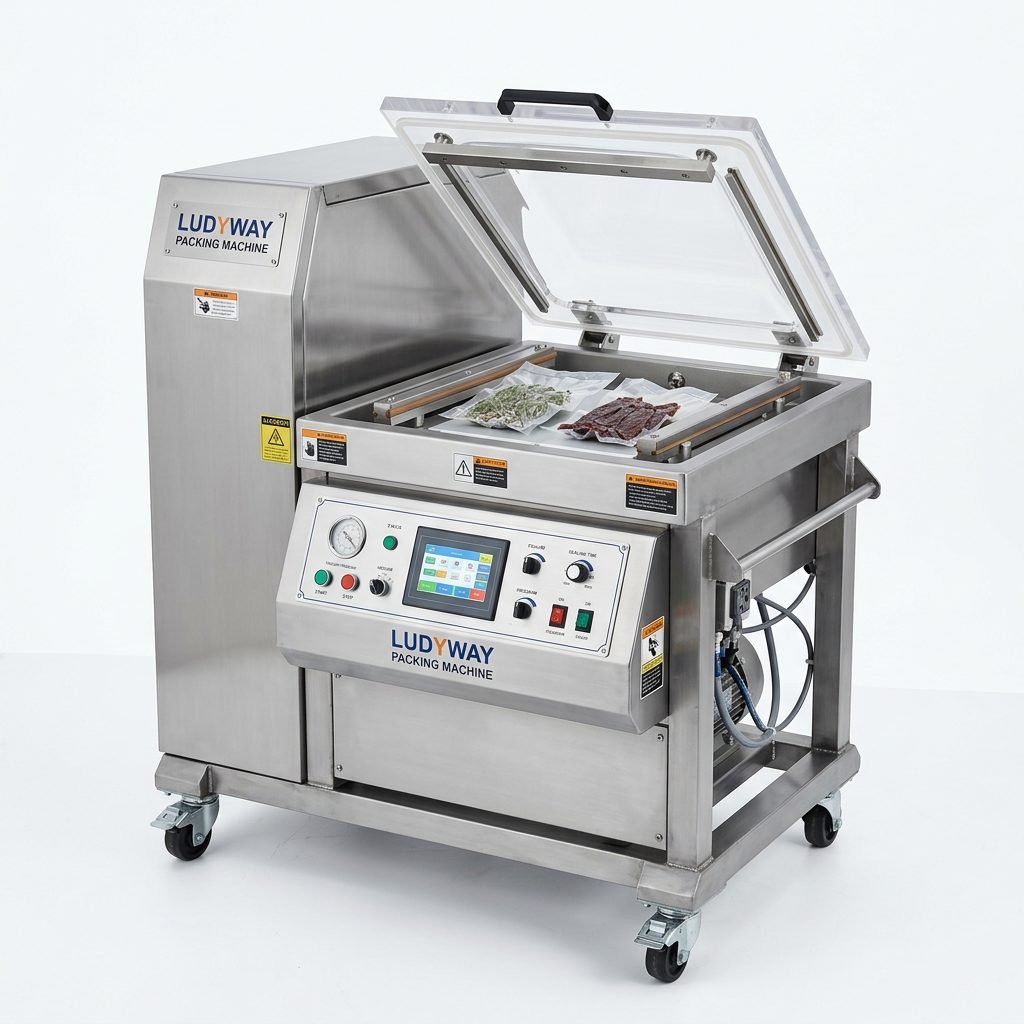
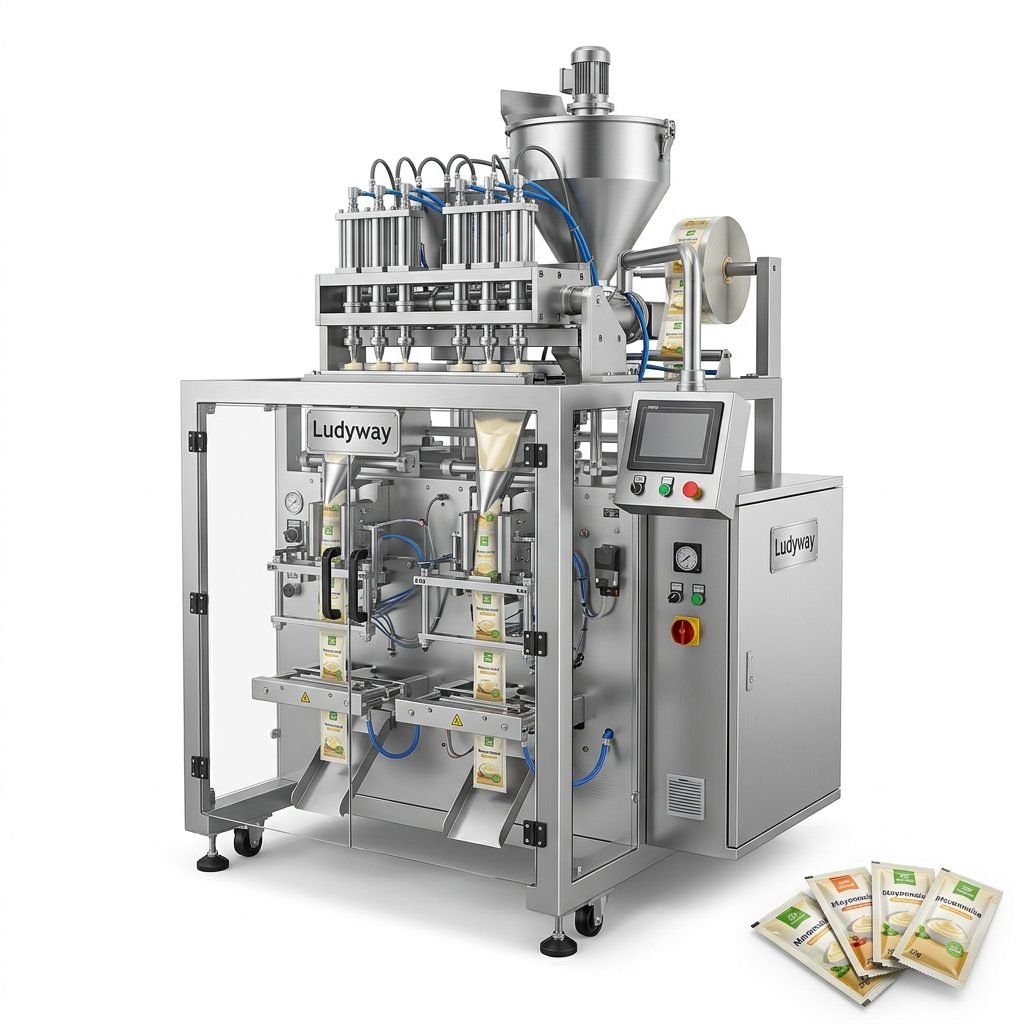
→ Pro Tip: Ask for case studies or client references within your industry. A company like Ludyway Packing Machine, for instance, has built its expertise over 30+ years specifically serving the food, pharmaceutical, and health industries, ensuring they understand sector-specific challenges.
2. Technical Capability and Machine Range
The company’s technical prowess determines the quality and capability of the machinery. Evaluate their engineering strength, R&D focus, and the diversity of their equipment portfolio.
Essential Technical Checks:
✔ In-House Manufacturing: Companies with their own production facilities (like a 20,000㎡ plant) have better control over quality and supply chain.
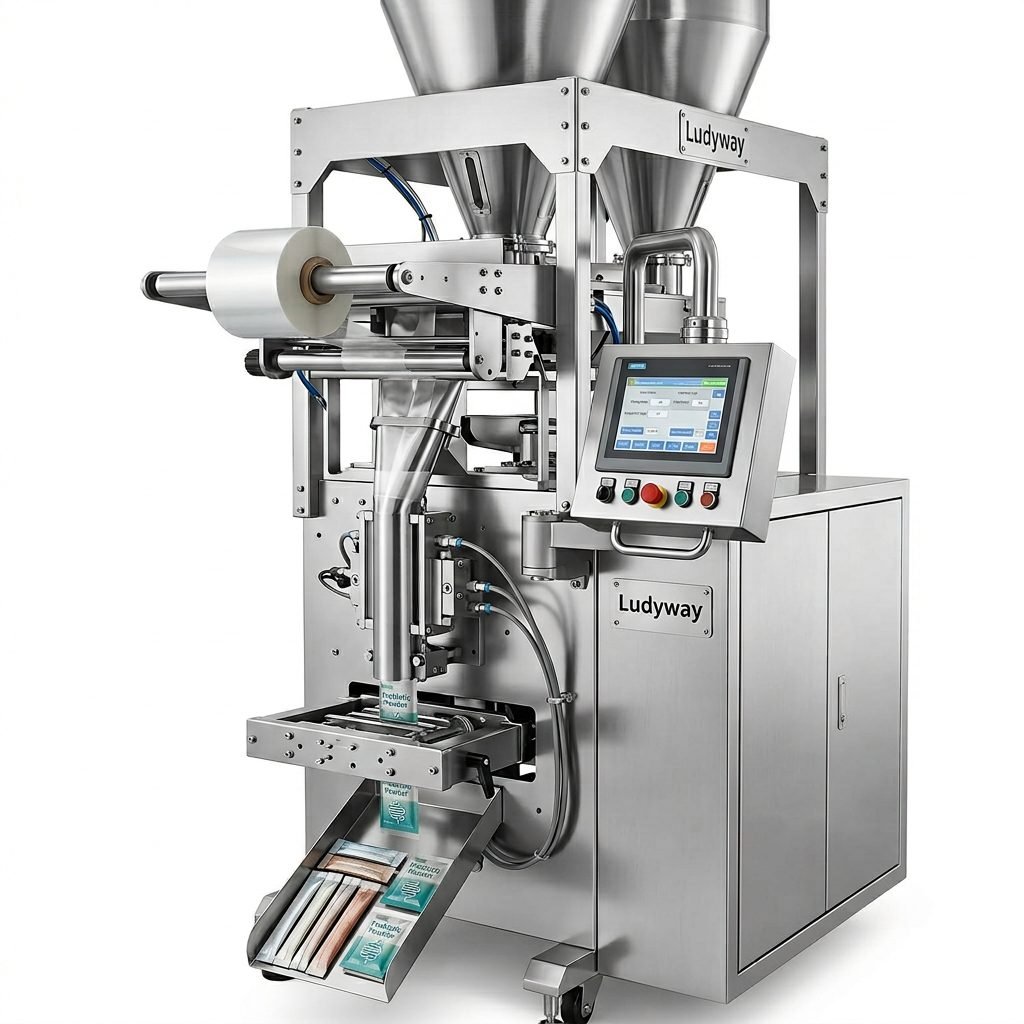
✔ Automation & Intelligence: Seek out suppliers offering intelligent packaging systems with features like touch-screen PLC controls, automatic fault detection, and data reporting.
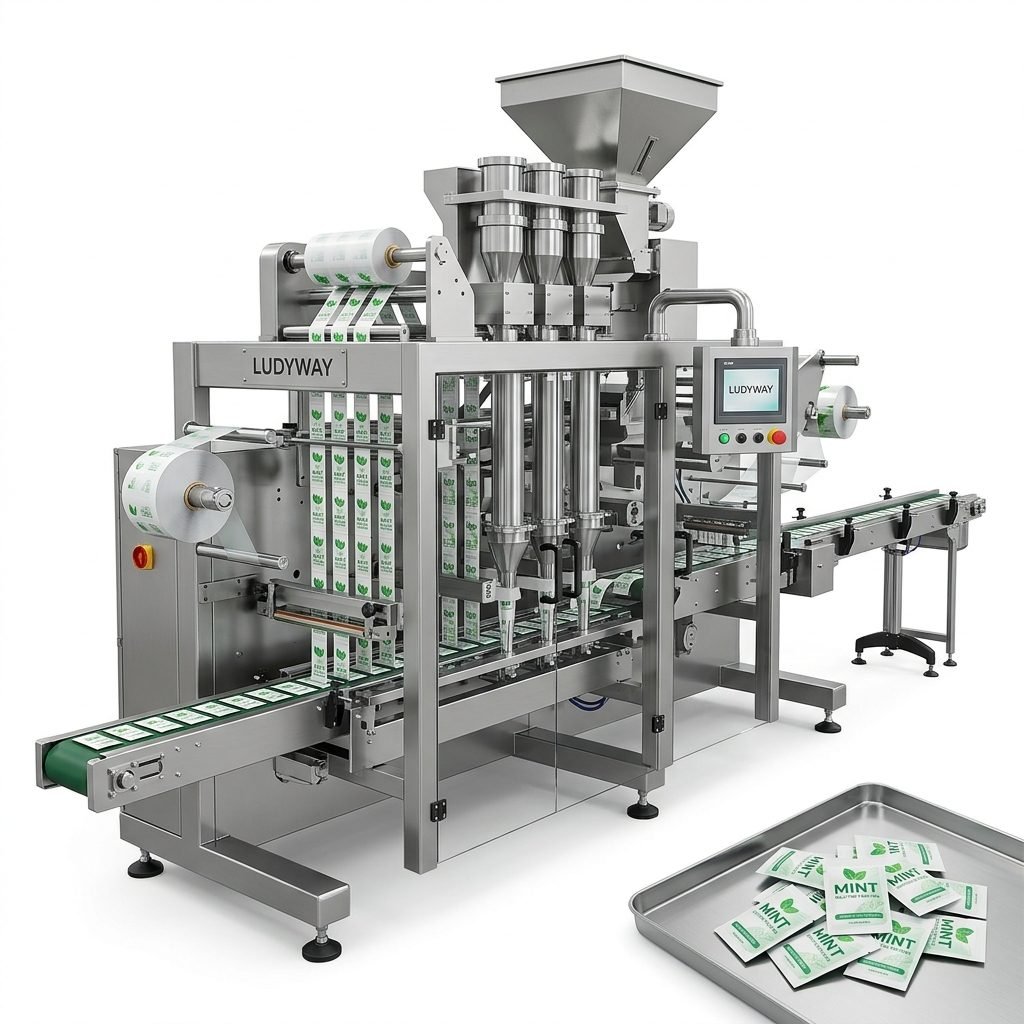
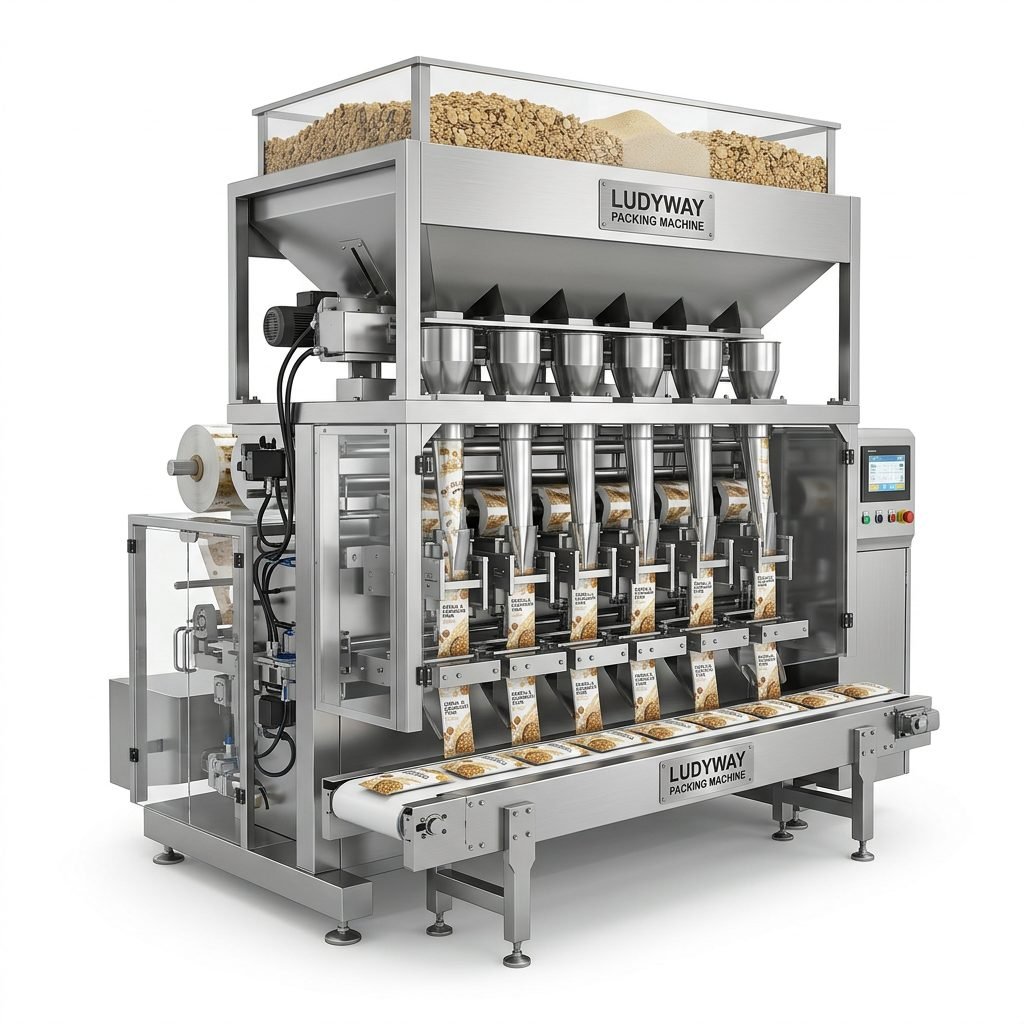
✔ Product Breadth: A wide range of models (e.g., 50+ machine models covering multi-lane stick pack and sachet systems) indicates deep expertise and offers you more tailored solutions.
3. Quality, Reliability, and After-Sales Support
The machine’s upfront cost is just one part of the total cost of ownership. Reliability and support are paramount for minimizing downtime and ensuring long-term productivity.
Investigate the company’s quality control processes, warranty terms, and the structure of their after-sales service. Do they offer comprehensive training, readily available spare parts, and responsive technical support? A partner committed to long-term cooperation will prioritize your operational success beyond the initial sale.
4. Customization and Turnkey Solution Ability
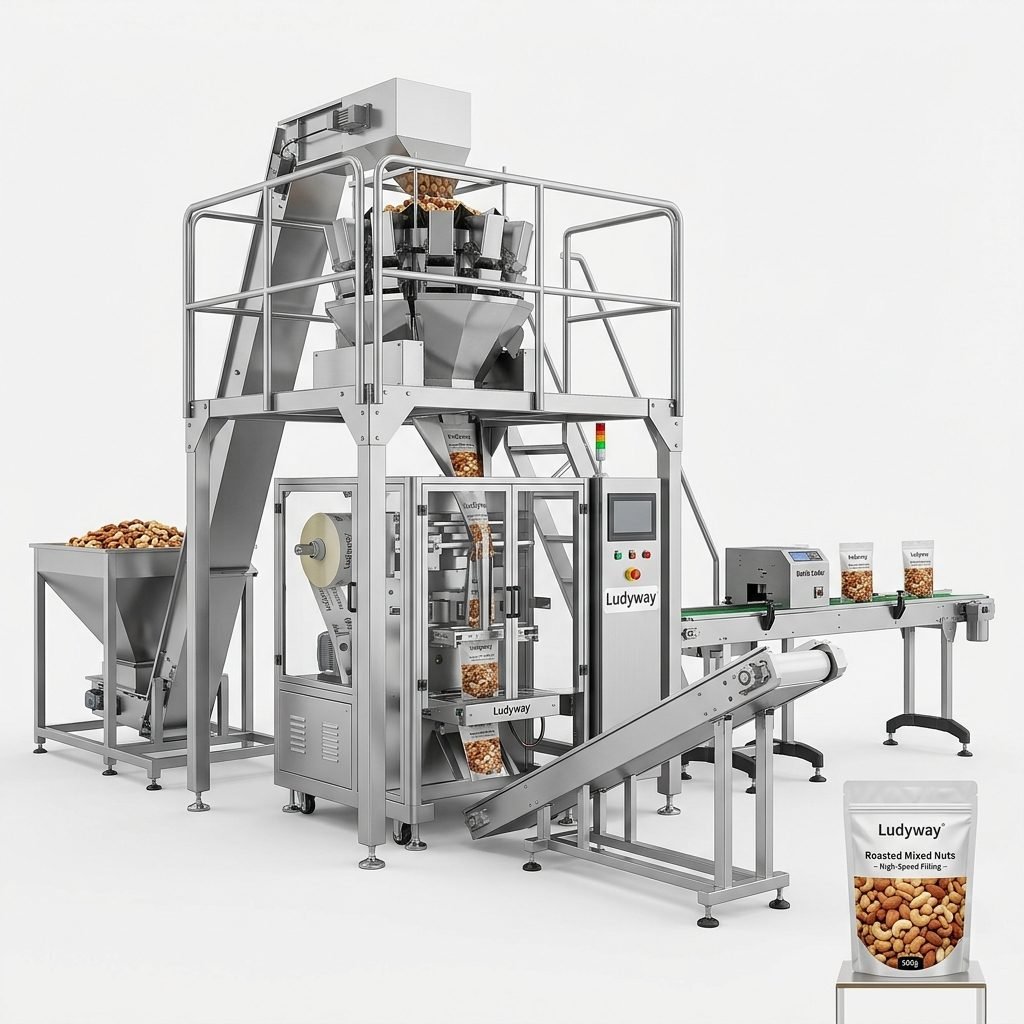
Off-the-shelf machines rarely fit perfectly. The ability to provide customized solutions—whether modifying a standard machine or building a complete turnkey production line—is a sign of a mature and capable supplier.
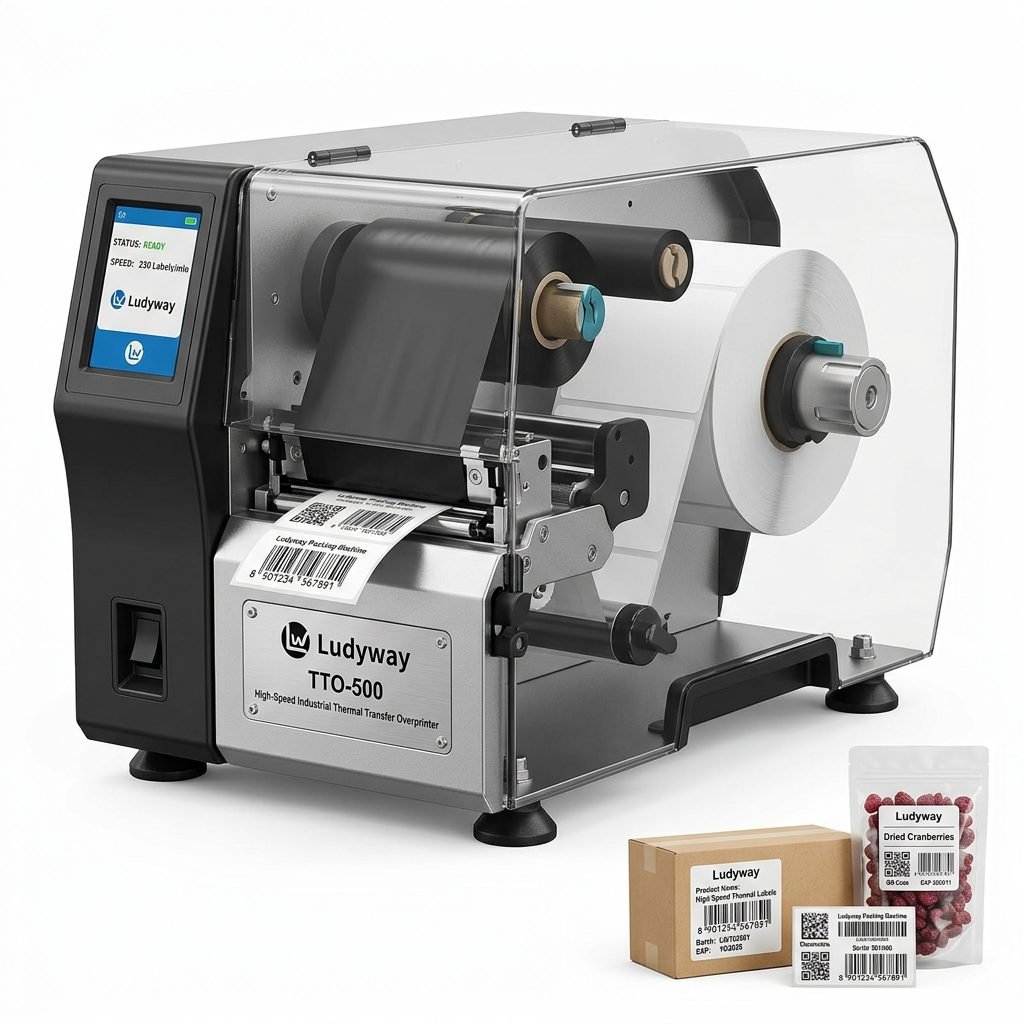
This includes integrating feeding systems, conveyors, checkweighers, and cartoning machines into a seamless line. Discuss your vision openly to gauge their project management and systems integration capabilities.
5. Global Reach and Local Understanding
If you operate or plan to sell internationally, your machinery partner should have relevant experience. They should understand different market regulations, packaging trends, and even provide service support in your target regions.
A company serving customers worldwide will be adept at handling export logistics, documentation, and offering support that transcends time zones, ensuring you are never left without assistance.
The Selection Process: From Inquiry to Installation
Turning your evaluation into action requires a structured process. Follow these steps to make an informed decision.
Step 1: Initial Research & Shortlisting
Use industry directories, trade shows, and peer recommendations to create a long list. Visit company websites, review their online content, and assess their professionalism.
Step 2: Detailed Inquiry & Proposal Request
Contact your shortlisted companies with a detailed request for proposal (RFP). Include your product samples, required specifications, and desired outcomes. Compare their proposed solutions, not just prices.
Step 3: Factory Audit & Machine Testing
Whenever possible, visit the supplier’s manufacturing facility. A modern production facility is a strong indicator of capability. Request a live test using your own product samples to see the machine in action.
Step 4: Final Evaluation & Contract Negotiation
Compare proposals based on total value: technical solution, price, delivery time, payment terms, warranty, and service agreement. Ensure all verbal promises are documented in the contract.
Step 5: Project Implementation & Training
A good partner will manage installation, commissioning, and operator training. Ensure you have a clear project timeline and a single point of contact for a smooth transition to your new equipment.
Conclusion: Building a Partnership for Growth
Selecting a packaging machinery company is not merely a purchase; it’s the beginning of a strategic partnership. The right partner acts as an extension of your team, contributing to your efficiency and innovation for years to come. By prioritizing industry expertise, technical capability, reliable support, and customization, you invest in more than a machine—you invest in the future resilience and growth of your production line. Companies that demonstrate a history of innovation and customer commitment, such as those with decades of focused experience, are often well-positioned to be such partners.
Frequently Asked Questions (FAQs)
1. What is the most important factor when choosing a packaging machine supplier?
While price is a consideration, the most critical factor is total value and reliability. A slightly more expensive machine from a supplier with superior after-sales support, proven industry experience, and the ability to customize will typically offer a much lower total cost of ownership and less downtime than a cheaper, less-supported option.
2. How do I know if a company can handle a custom or turnkey project?
Ask direct questions about their engineering team size, past custom project portfolios, and project management methodology. Request to speak with a reference who completed a similar custom project. A strong indicator is if they discuss your entire production process, not just the machine itself.
3. What should I expect during the machine testing phase?
You should provide your actual product for testing. Expect the supplier to document key performance indicators like speed, accuracy (fill weight), bag seal integrity, and material waste percentage. This is your opportunity to see the machine’s performance with your product before purchase.
4. How critical is local service and support?
Extremely critical. Even the best machines require maintenance. Evaluate the supplier’s support network: Do they have service technicians in your region? What is their average response time? Is remote diagnostics available? Strong global partners structure their support to be effective locally, minimizing potential production stoppages.
5. Can one machine handle multiple different products or packaging formats?
Many modern machines are designed with changeover flexibility in mind. Discuss your product range with the supplier. Some machines allow for quick change of parts (like forming tubes and fillers) to switch between similar products. However, vastly different formats (e.g., switching from stick packs to bottles) usually requires different specialized machines or significant modular adjustments.