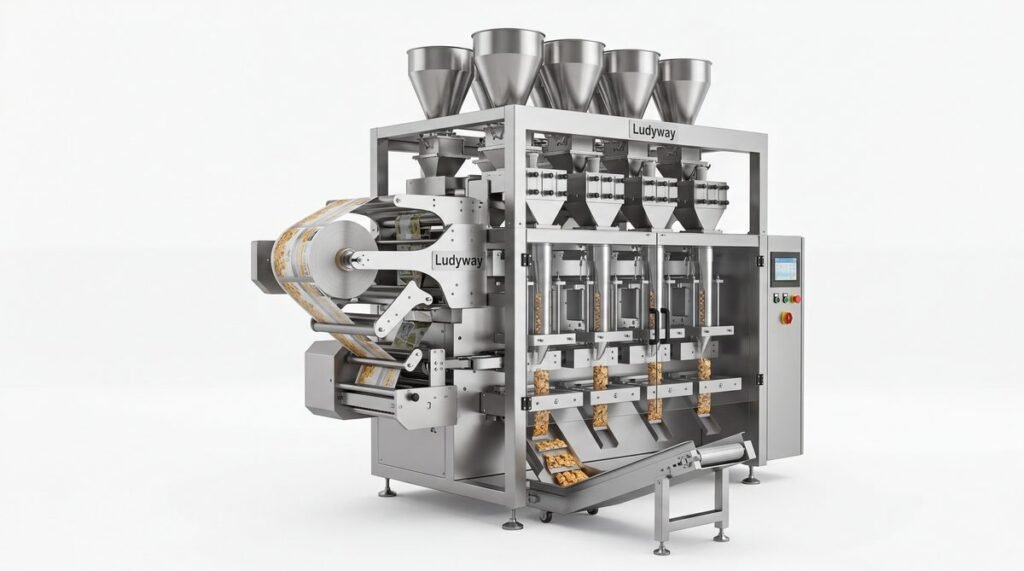
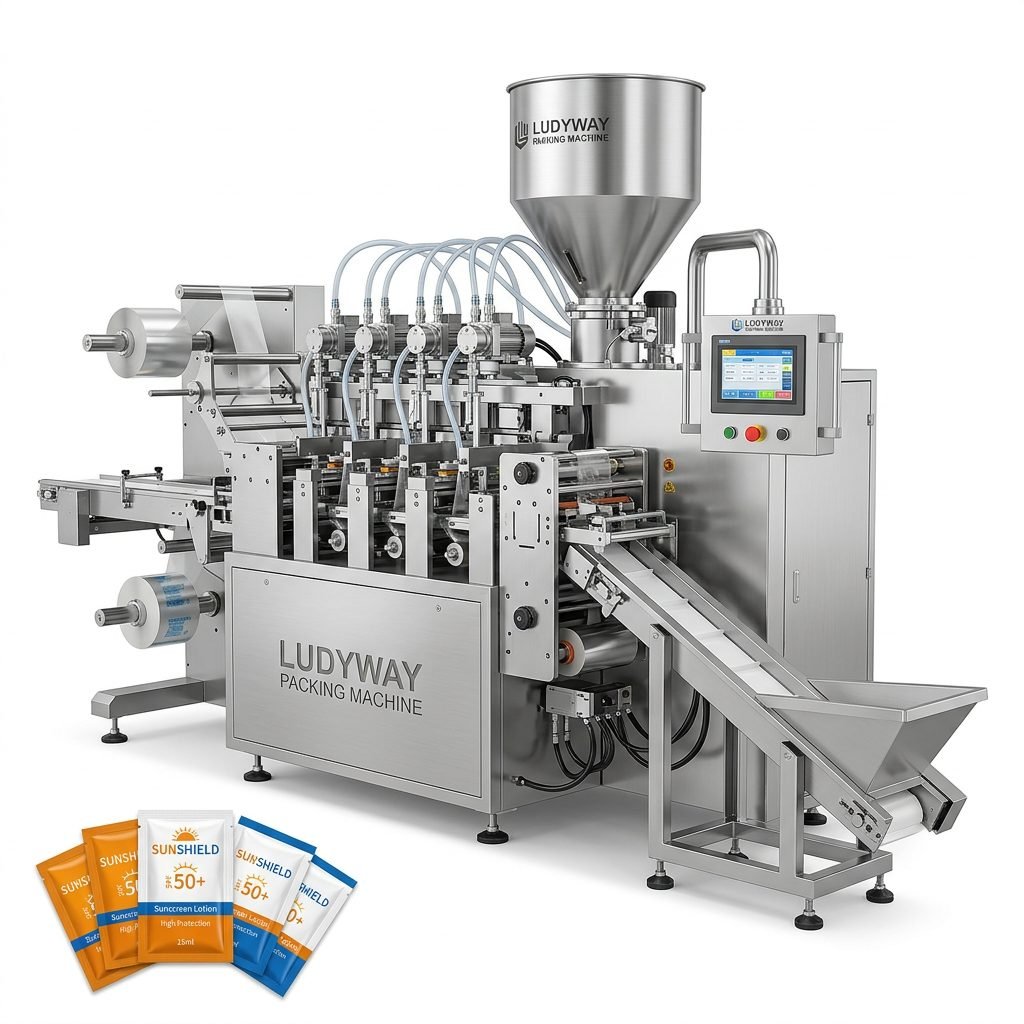
In today’s fast-paced pharmacy and clinical environments, efficiency, accuracy, and patient safety are paramount. An automatic pill packaging machine can be a transformative investment, streamlining the dispensing process, minimizing human error, and freeing up valuable staff time for patient care. However, with various models and features available, selecting the best solution requires careful consideration of your specific operational needs, volume, and future growth plans. This guide will walk you through the key factors to evaluate when choosing an automatic pill packaging system for your pharmacy or clinic.
Understanding Automatic Pill Packaging Technology
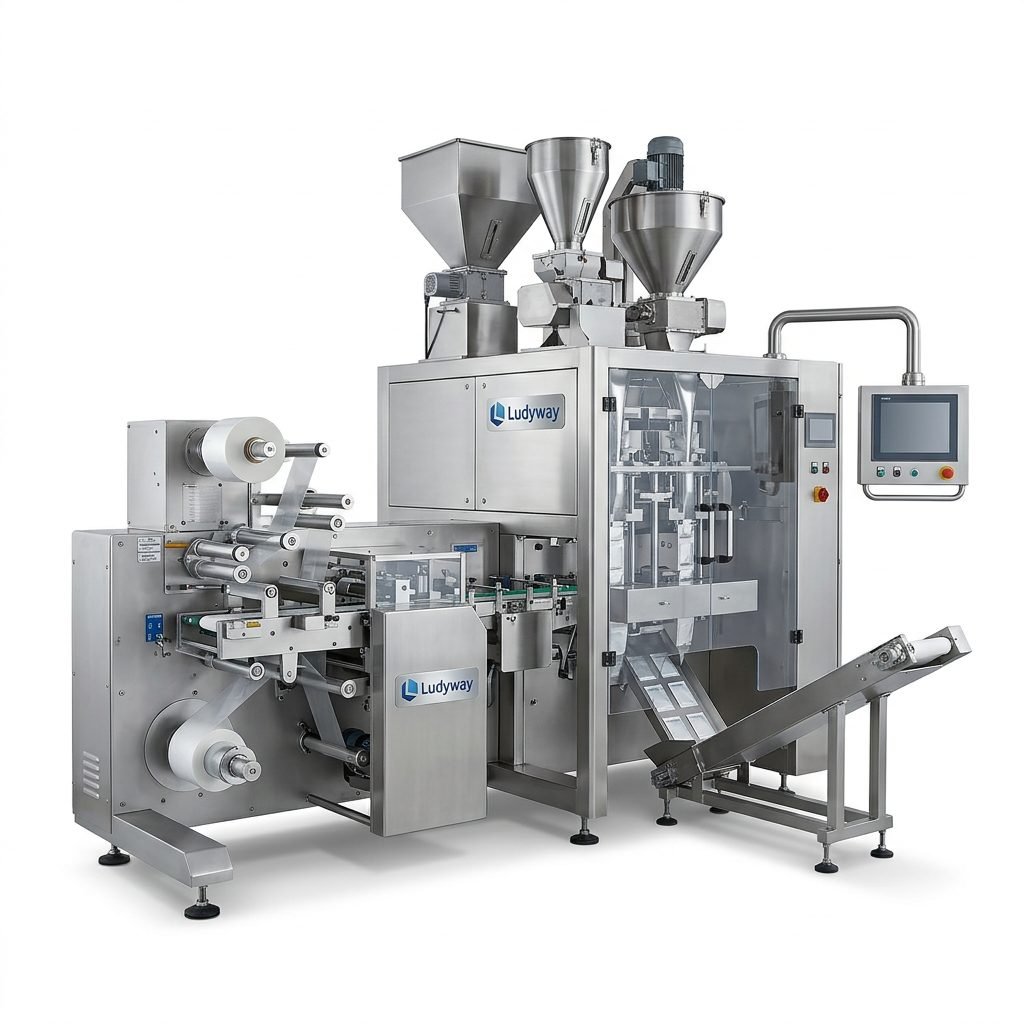
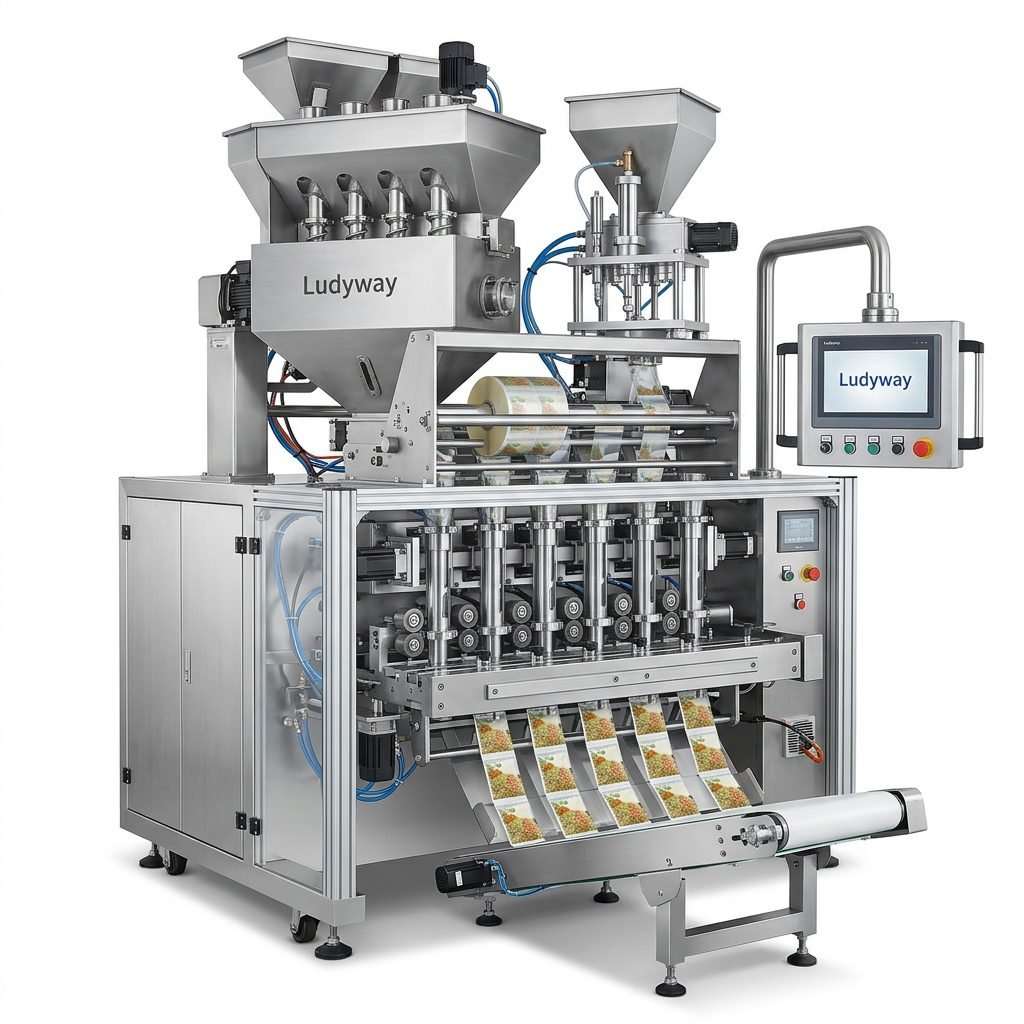
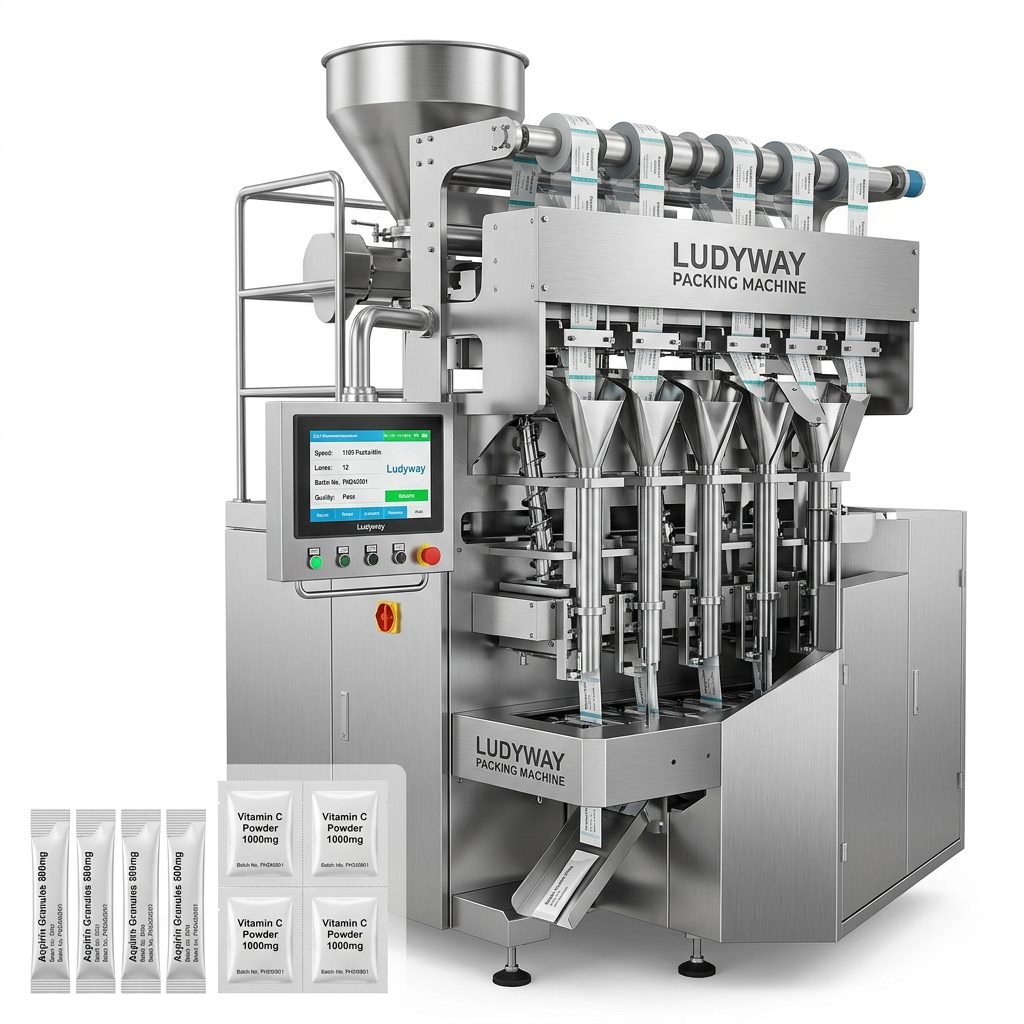
At its core, an automatic pill packaging machine automates the counting, sorting, and packaging of individual medication doses. These systems range from compact, tabletop units suitable for small clinics to high-speed, multi-lane systems designed for large-scale pharmacy operations. The primary output is typically unit-dose packaging—sealing each dose in a separate pouch or blister—which enhances medication adherence, simplifies inventory management, and provides clear labeling for patients.
Key Benefit: The shift from manual counting and vial filling to automated, sealed unit-dose packaging significantly reduces the risk of cross-contamination and dosage errors, a critical advantage in any healthcare setting.
Core Functions and Output Types
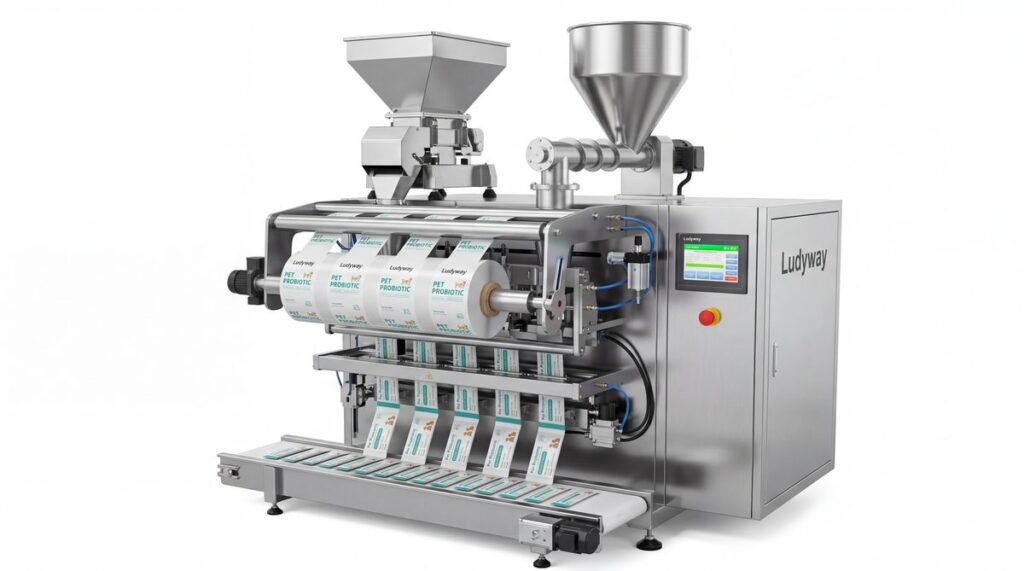
Modern machines offer versatile packaging formats. The most common is the strip or pouch pack, where medications are sealed in individual, labeled compartments on a continuous roll. Some advanced systems can also handle blister packaging or integrate with vial filling for traditional prescriptions. Understanding which output format aligns with your patient delivery model—such as multi-dose compliance packs for elderly care or single-dose packs for hospital dispensaries—is the first step in narrowing your choices.
Critical Factors for Choosing Your Machine
1. Assessing Your Daily Prescription Volume
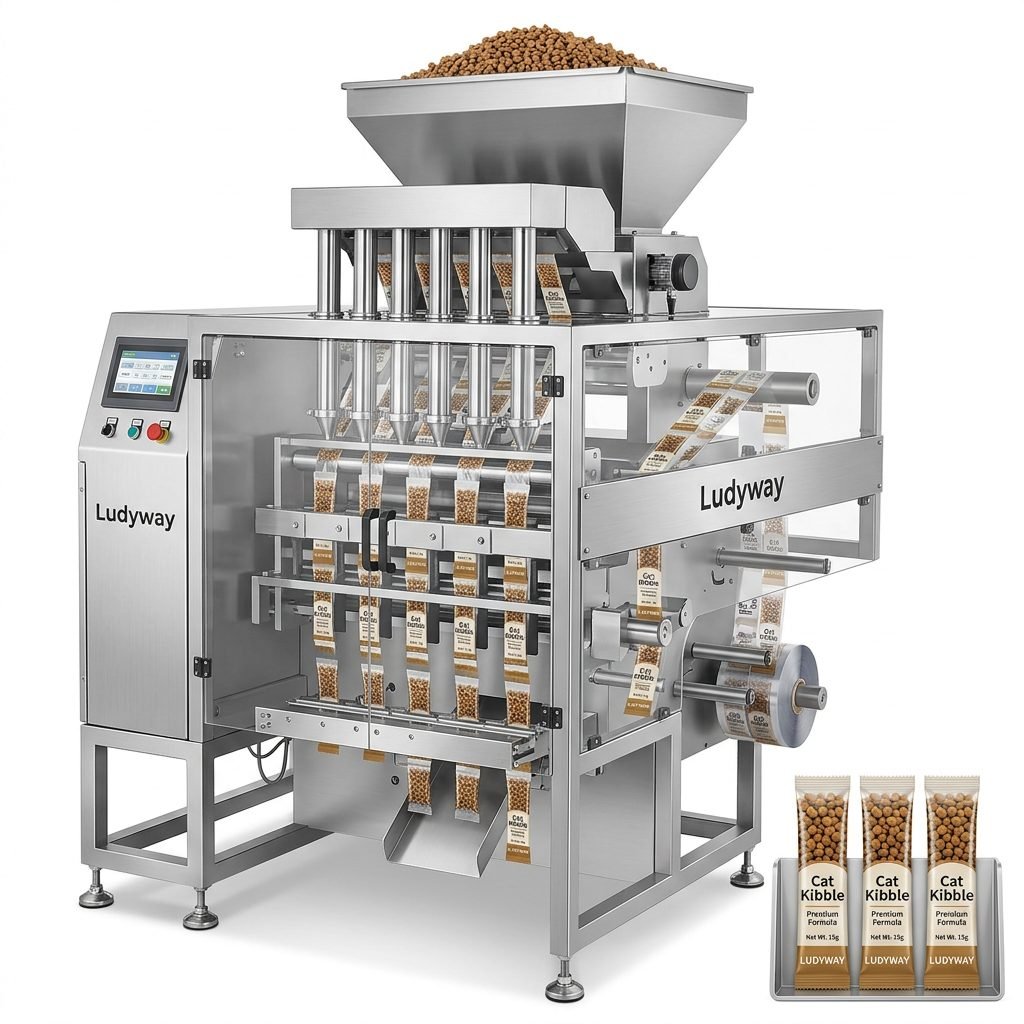
Your average and peak prescription volumes are the most decisive factors. A low-volume clinic (3000 doses/day) will need a high-speed system with multiple counting channels and automated hoppers to maintain throughput without constant reloading.
2. Medication Variety and Form Factors
Consider the diversity of medications you handle. Does your inventory include a wide range of pill sizes, shapes (round, oval, capsule), and textures? Superior machines feature gentle handling mechanisms and adjustable sensor technology to accurately count fragile or irregularly shaped pills without causing damage. The ability to manage multi-drug packaging—placing different medications into a single time-stamped pouch—is essential for creating compliance packs.
3. Integration with Pharmacy Management Software (PMS)
Seamless software integration is non-negotiable for modern efficiency. The best pill packagers connect directly with your pharmacy management system, automatically receiving prescription data, printing patient-specific labels with barcodes, drug names, dosage instructions, and expiration dates, and updating inventory levels in real-time. This eliminates manual data entry, a major source of error.
Pro Tip: During demos, insist on testing the software interface with a sample of your actual prescription data to ensure compatibility and workflow smoothness.
4. Accuracy, Safety Features, and Compliance
Accuracy rates for quality machines should exceed 99.9%. Look for features like weight verification sensors and vision inspection systems that double-check each pouch. Safety mechanisms to catch miscounts or jams are crucial. Furthermore, the system must support compliance with regional regulations, such as the Drug Supply Chain Security Act (DSCSA) in the U.S., by enabling precise lot number and expiration date tracking on every dose.
5. Physical Footprint and Facility Requirements
Evaluate the space you have available. Will the machine fit into your current workflow? Consider not just the machine’s size, but also requirements for ancillary equipment like label printers, packaging material storage, and operator workspace. Also, check power, air supply (for some models), and noise level specifications to ensure they are suitable for your clinical environment.
Beyond the Machine: Service and Total Cost of Ownership
The initial purchase price is just one part of the investment. A comprehensive evaluation must include the Total Cost of Ownership (TCO).
• Maintenance and Technical Support
Reliable, readily available technical support is essential. Inquire about the vendor’s service network, typical response times, and the availability of spare parts. Machines from established providers with a long history in packaging automation often come with more robust support ecosystems and proven machine longevity.
• Cost of Consumables
Ongoing costs include the packaging film or foil rolls and labels. Ensure these materials are readily sourced and cost-effective. Some systems may use proprietary materials, which could lead to higher long-term costs and supply chain dependency.
• Training and Usability
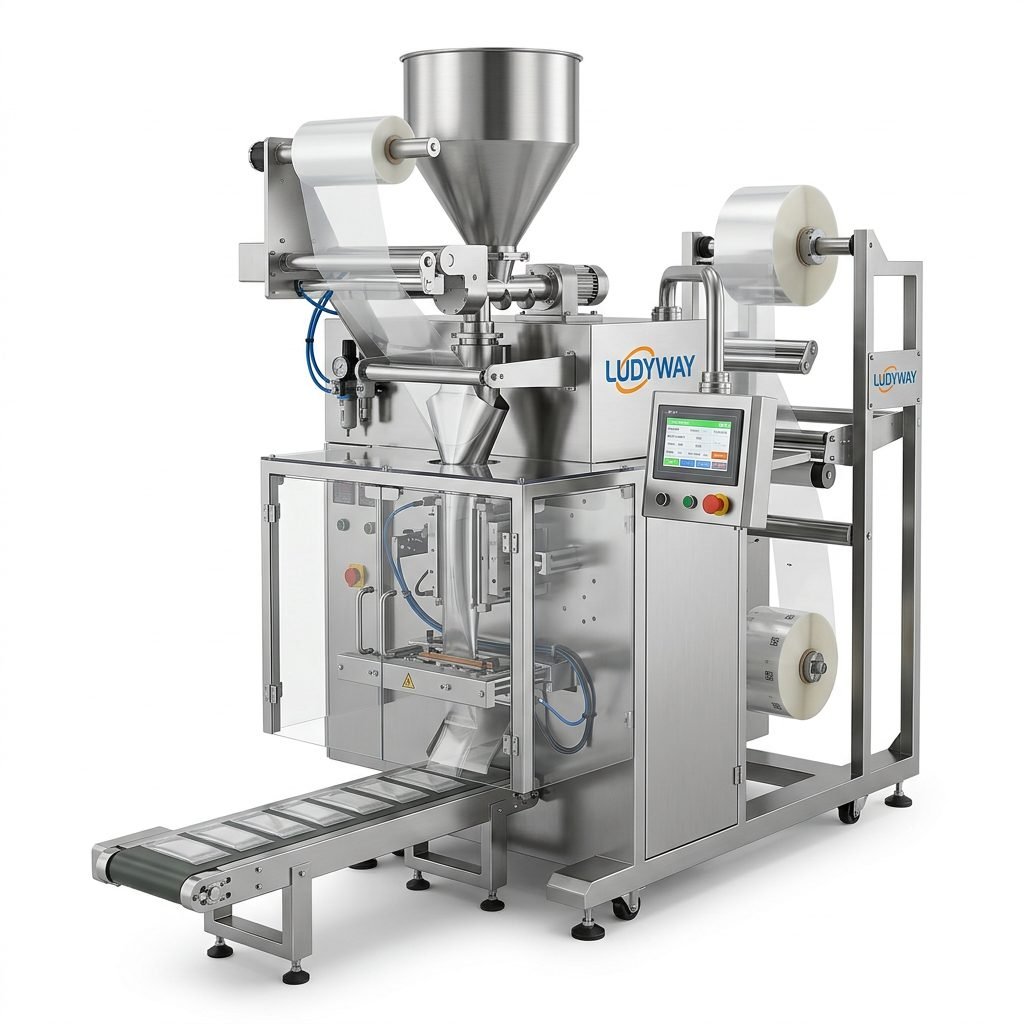
A machine is only as good as the staff operating it. Choose a supplier that offers comprehensive initial training and clear documentation. An intuitive touchscreen interface with multilingual support can greatly reduce training time and minimize operational errors.
Making the Final Decision: A Step-by-Step Approach
1. Conduct an Internal Workflow Audit: Document your current prescription fulfillment process, identifying bottlenecks and error-prone steps.
2. Define Must-Have vs. Nice-to-Have Features: Create a checklist based on the factors above. Speed, accuracy, and software integration are typically non-negotiable.
3. Research and Shortlist Reputable Vendors: Look for manufacturers with a strong track record in the pharmaceutical sector. Read case studies and seek peer recommendations.
4. Request Live Demonstrations: Ask vendors to run a demo using a sample of your own pill varieties. Pay attention to speed, noise, and the operator’s experience.
5. Analyze the Financial Proposal: Compare not only the capital cost but also warranty terms, service contract prices, and estimated consumable costs over 3-5 years.
Frequently Asked Questions (FAQs)
Q1: What is the typical payback period for an automatic pill packaging machine?
The payback period varies based on prescription volume and labor costs. For a busy pharmacy, reducing manual counting labor and medication waste can often lead to a return on investment within 12 to 24 months, achieved through significant gains in staff productivity and error reduction.
Q2: Can these machines handle controlled substances securely?
Yes, many advanced models are designed with security in mind. They can include locked access logs, require user authentication for dispensing certain drugs, and maintain detailed audit trails for every packaged dose, which is crucial for compliance with controlled substance regulations.
Q3: How do I handle medications that are very small, large, or oddly shaped?
High-quality machines use a combination of advanced counting technologies (like precise photo-eye sensors or gentle vibratory trays) and customizable tooling (counting plates, channels) to handle a vast array of sizes and shapes. It’s vital to provide samples of your most challenging medications to the vendor for a compatibility test during the evaluation phase.
Q4: Is it difficult to switch packaging material types or label designs?
Modern machines make changeovers relatively straightforward. Look for models with quick-release mechanisms for the film roll and easy label format adjustments via the software. The best systems minimize downtime during material changes, allowing for flexibility in packaging appearance.
Q5: What happens if the machine jams or has a counting error?
Robust systems are built with multiple fail-safes. They will automatically pause operation, alert the operator via the screen and/or audible alarm, and clearly indicate the location of the issue. Comprehensive training ensures your staff can perform basic clearing procedures and troubleshooting, supported by the vendor’s remote or on-site technical assistance.