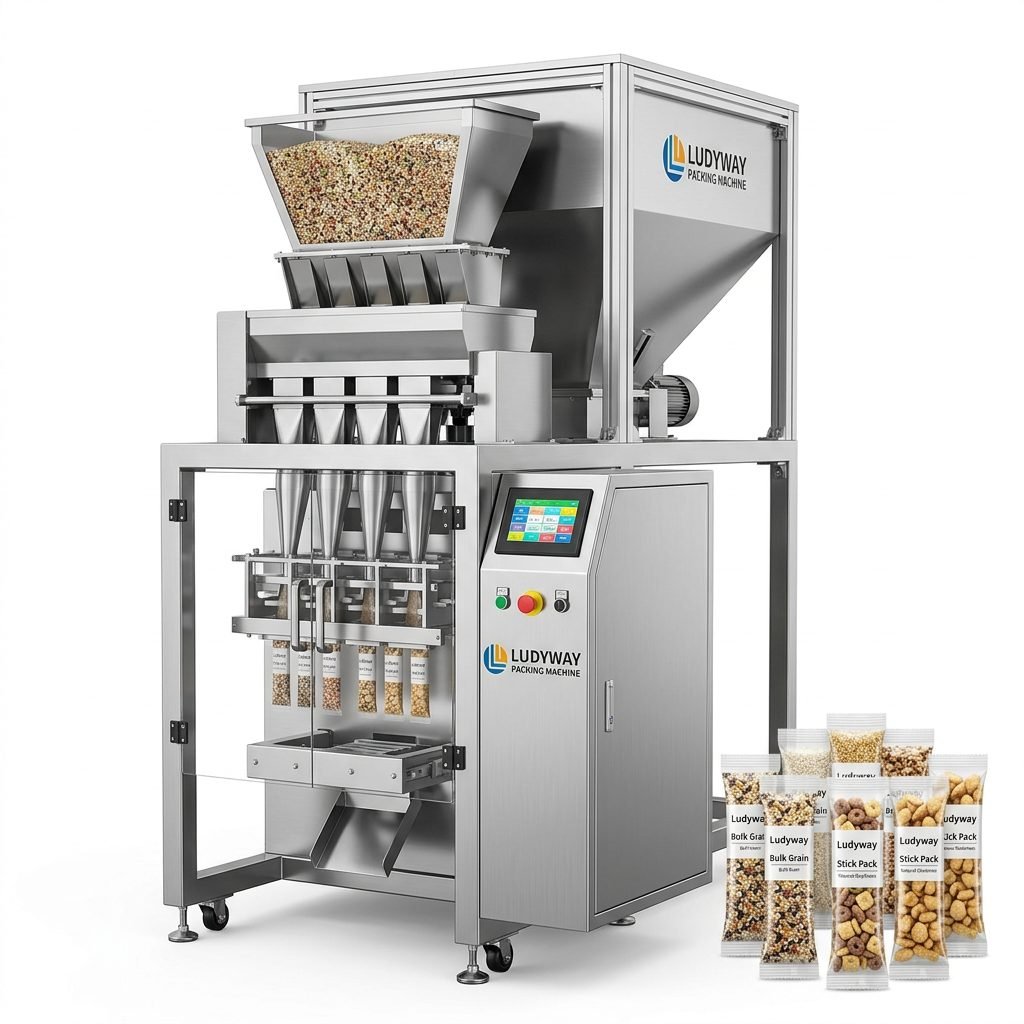
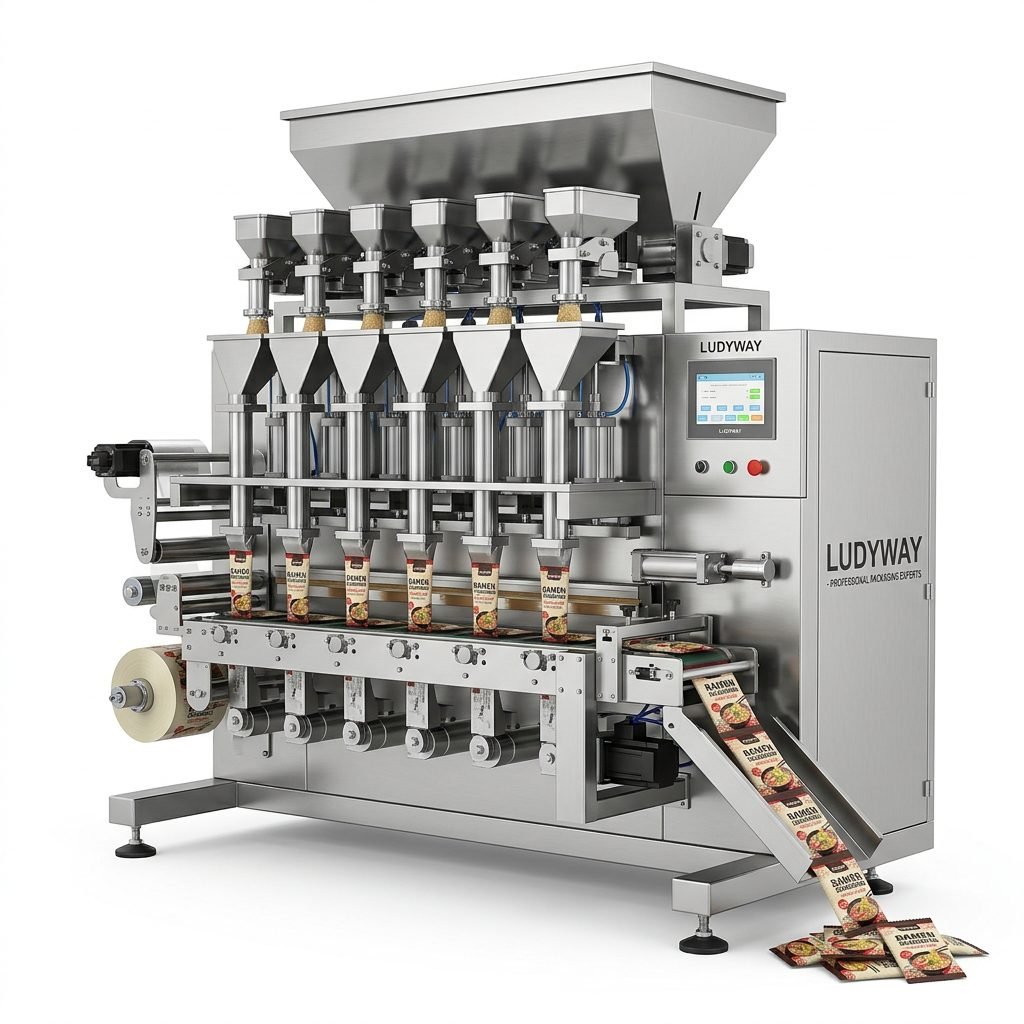
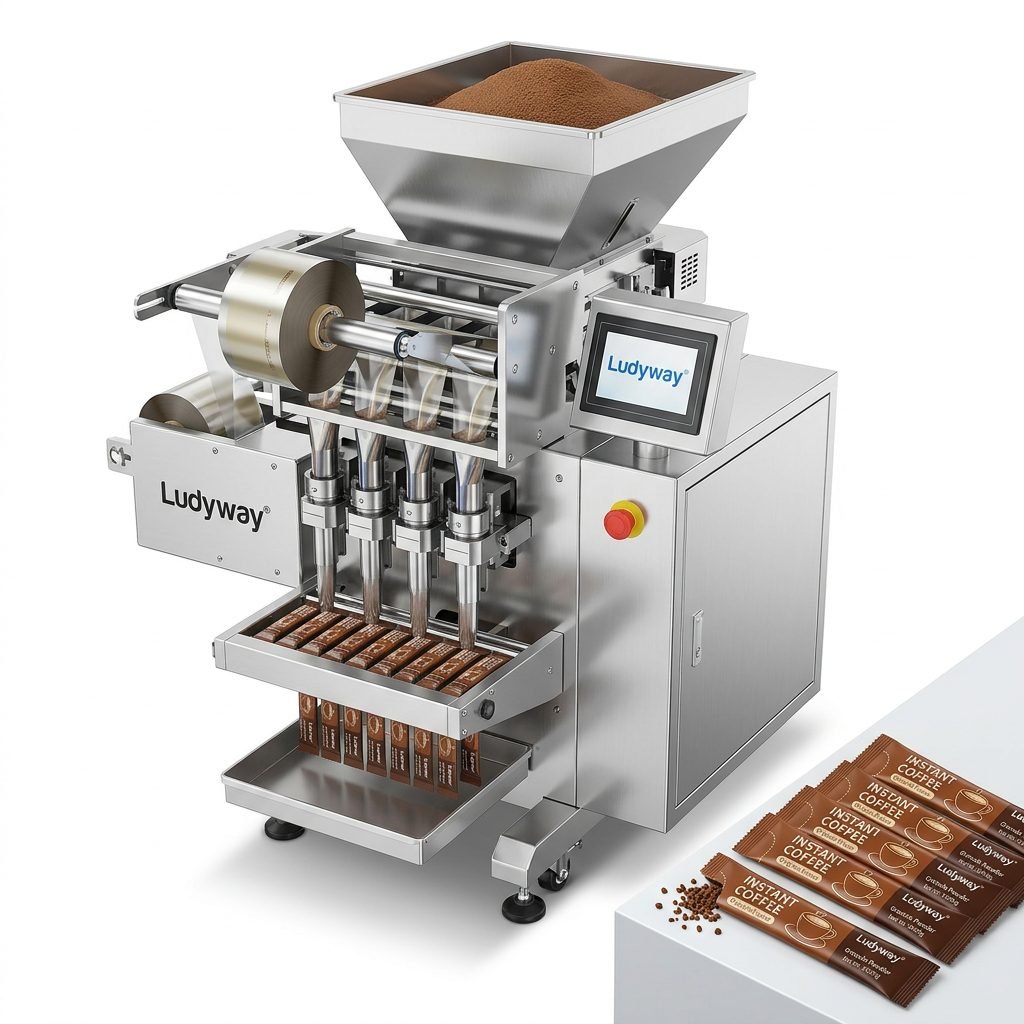
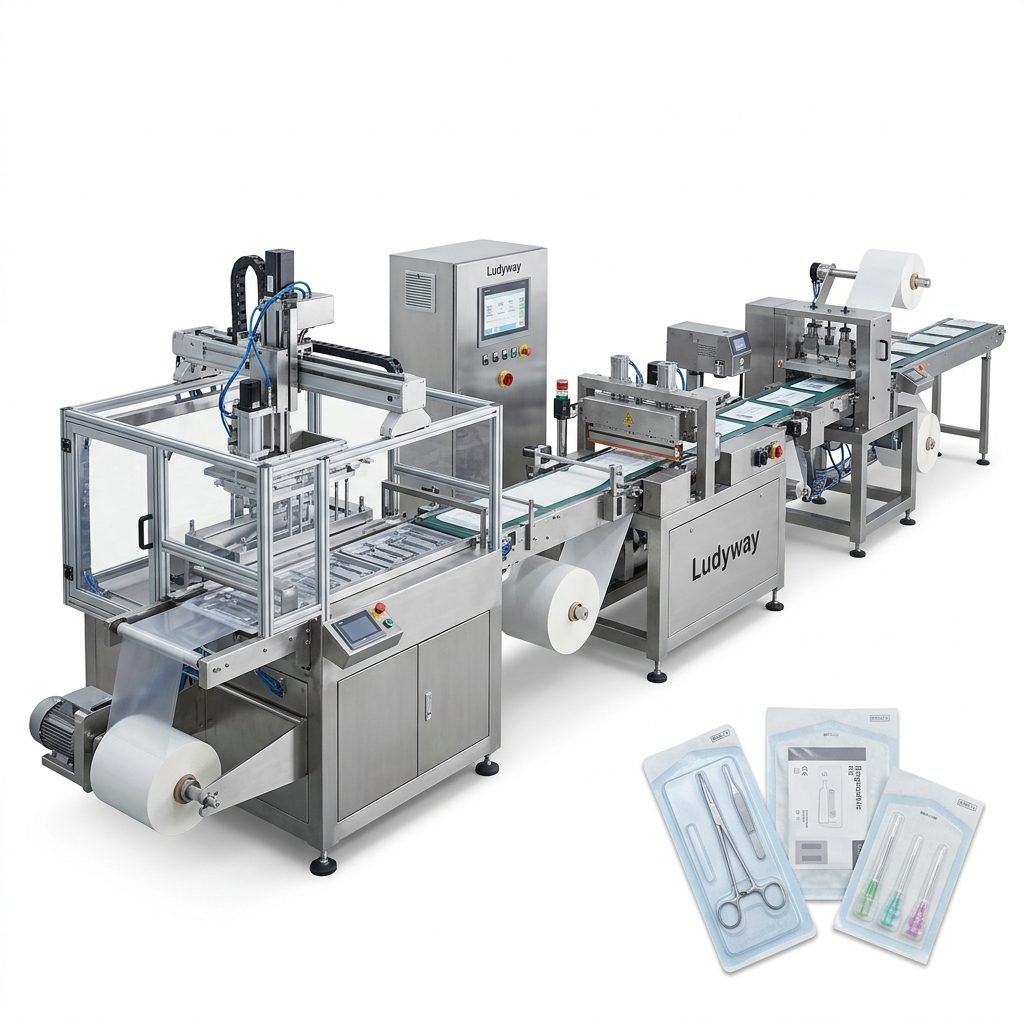
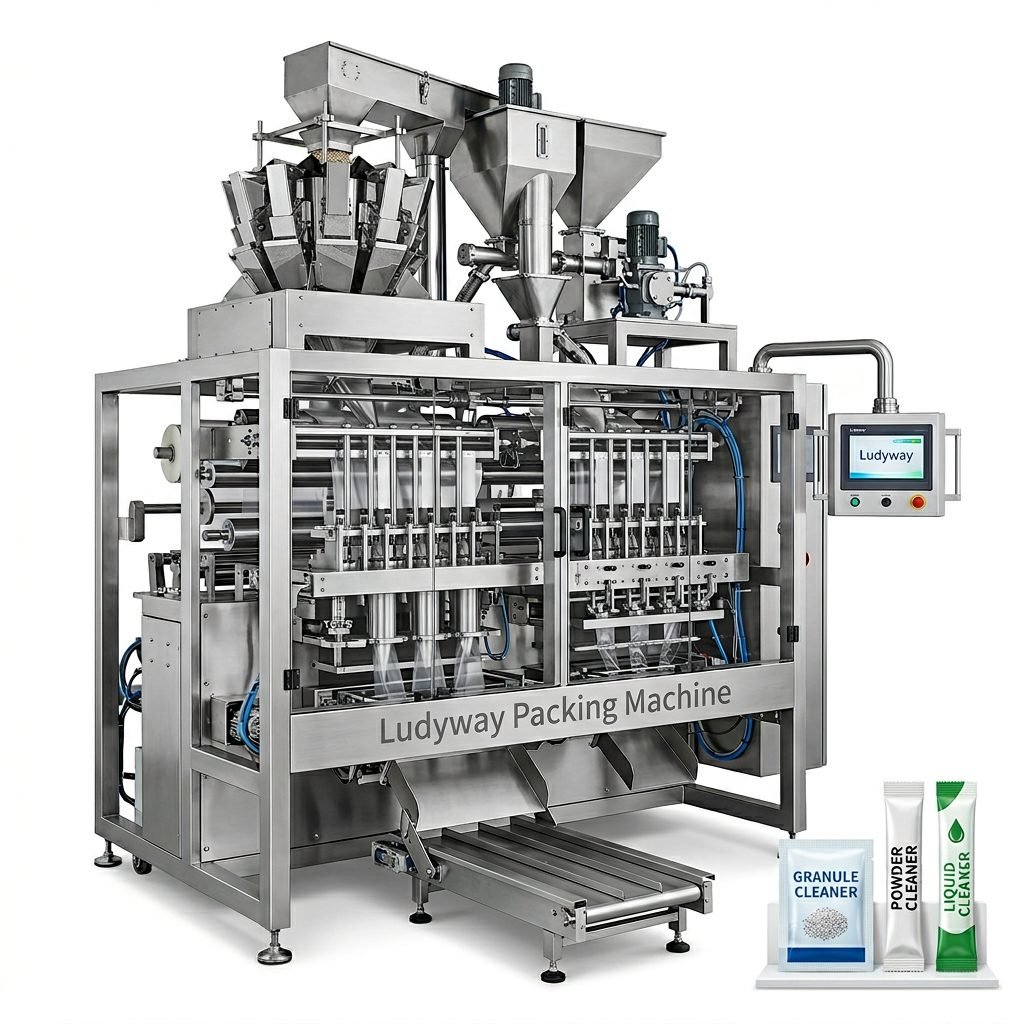
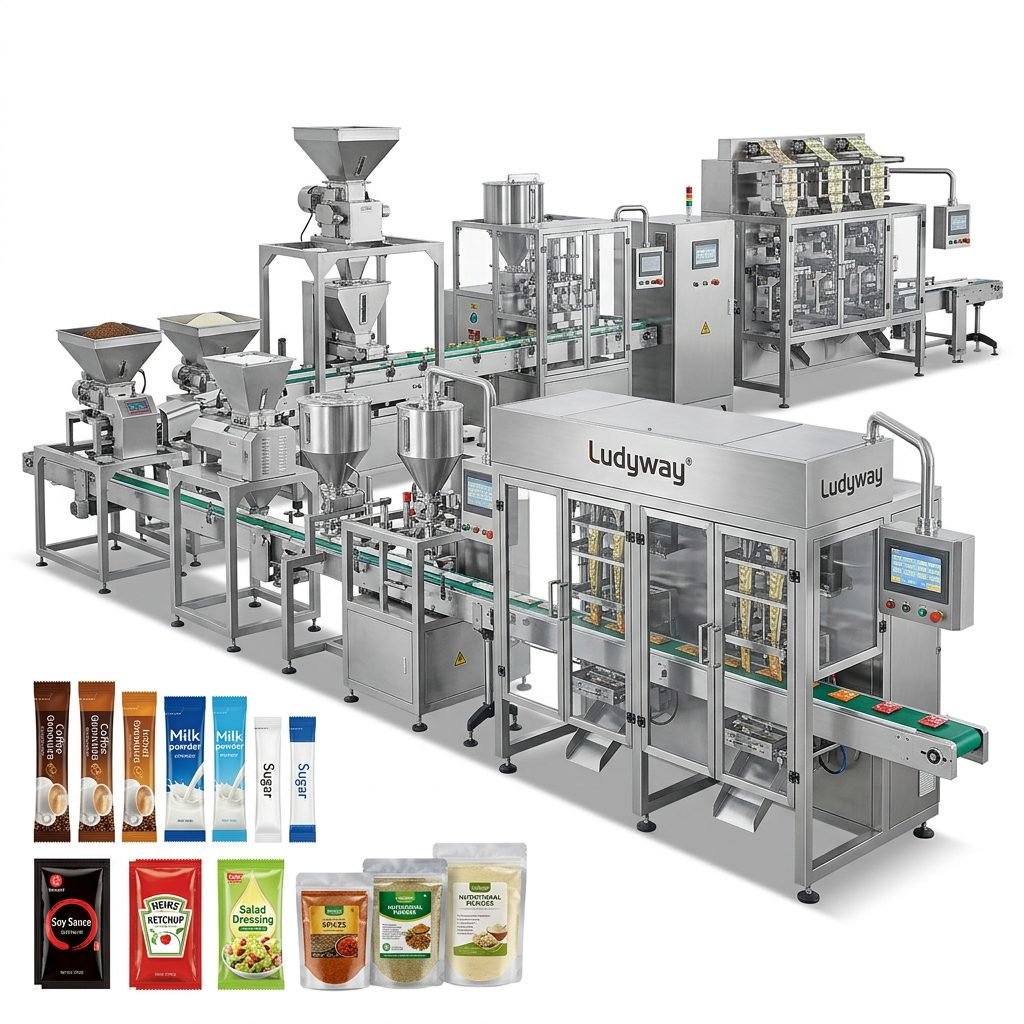
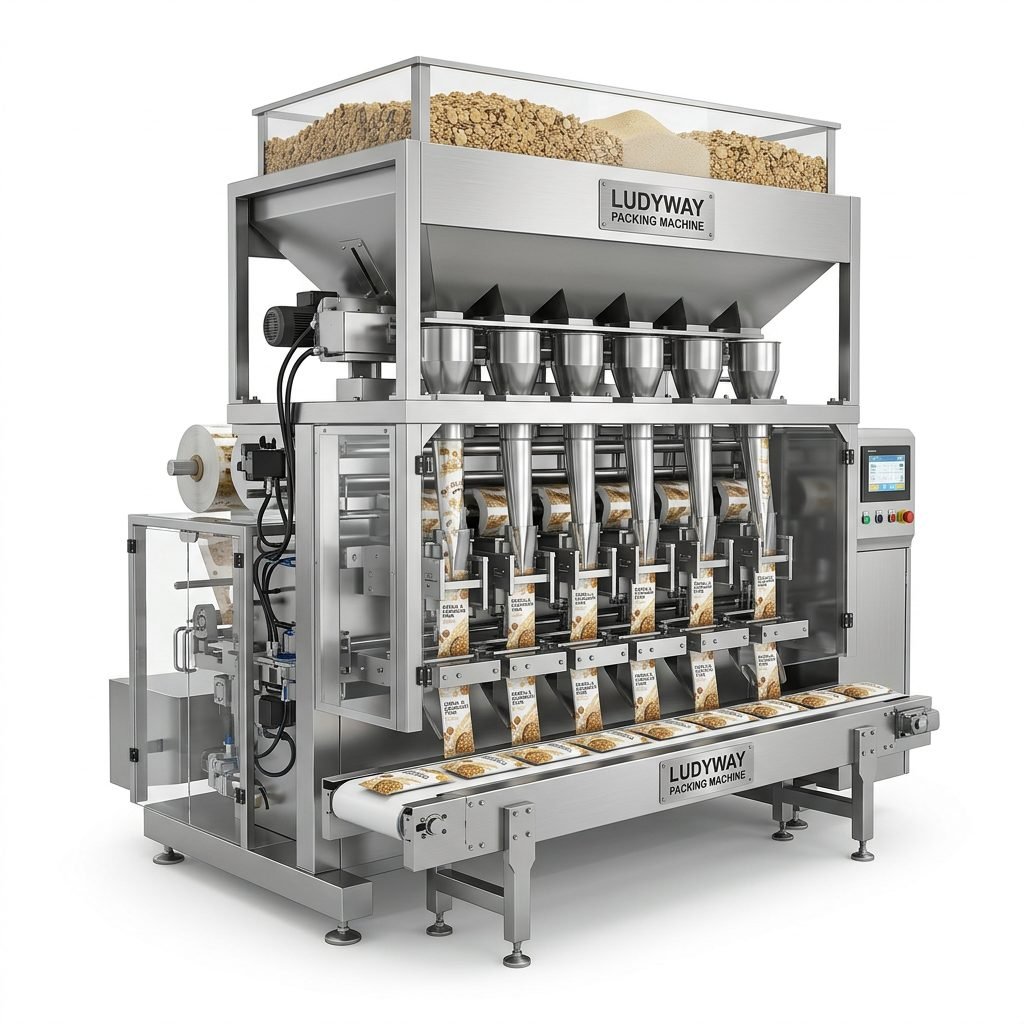
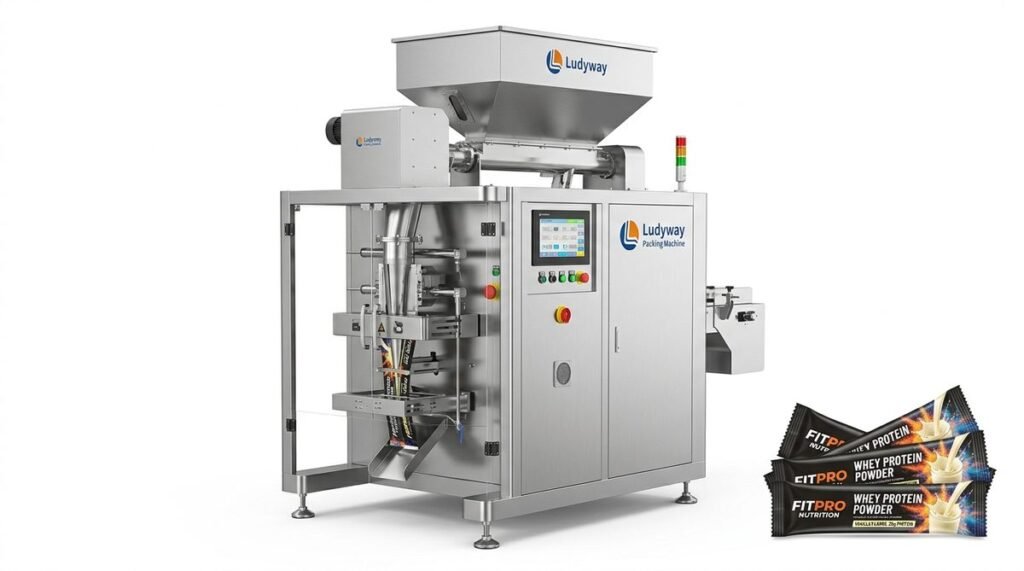
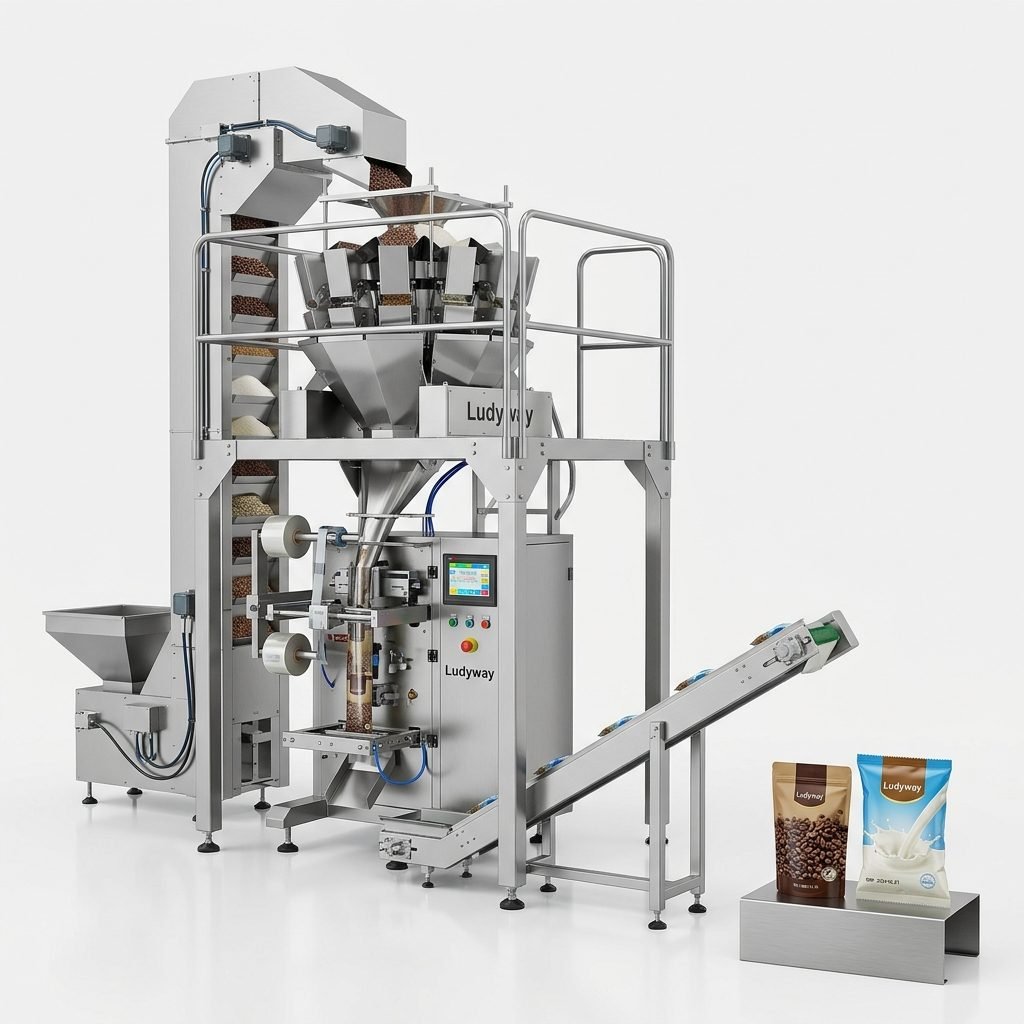
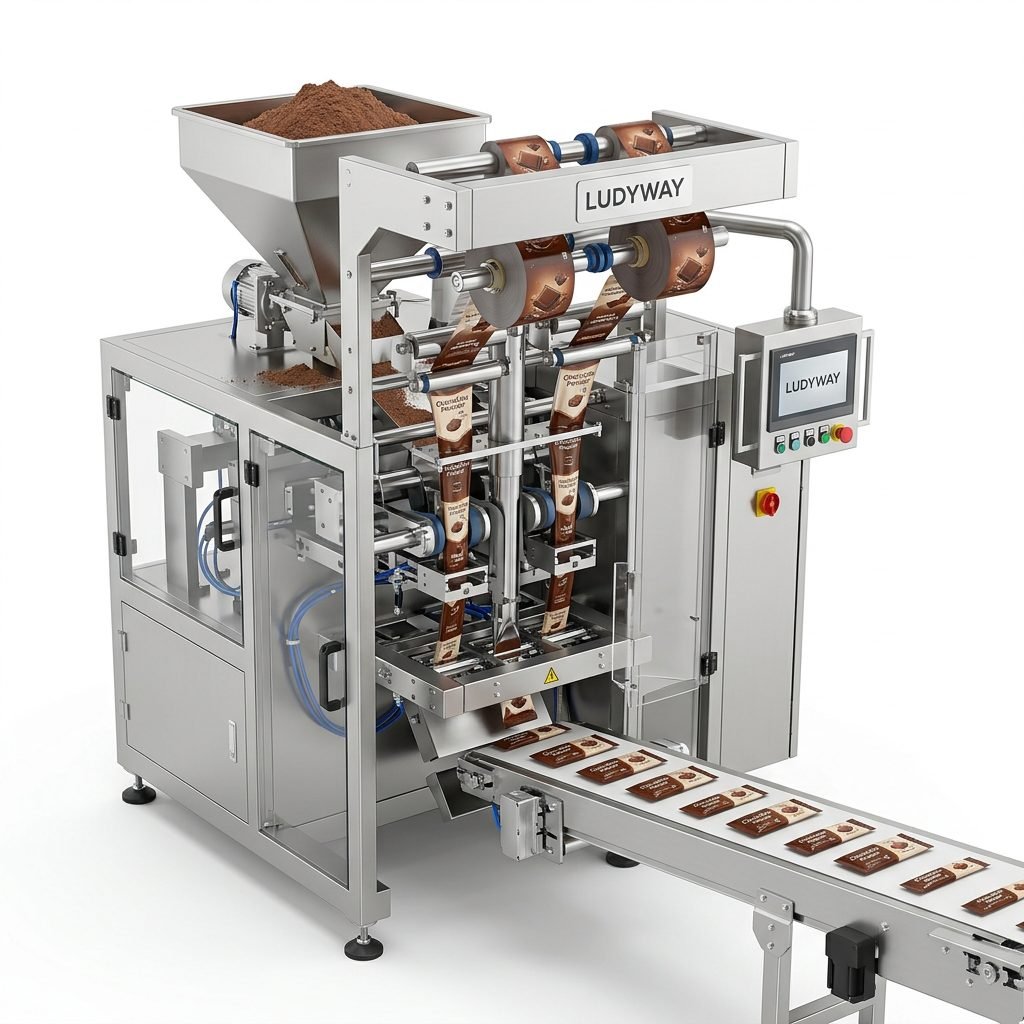
Delta packaging machines represent a significant advancement in automated packaging technology, offering enhanced efficiency, precision, and flexibility for modern production lines. These systems are designed to handle a variety of packaging formats, including sachets, stick packs, and pouches, catering to industries such as food, pharmaceuticals, and health products.
How Delta Packaging Machines Work
The operation of a Delta packaging machine is a seamless integration of mechanical precision and electronic control. The process begins with the feeding of product—whether granules, powders, or liquids—into a hopper or filling system. A metering device, often a precision pump or volumetric filler, ensures accurate dose measurement for each package.
Key Operational Stages:
1. Material Feeding: Product is conveyed from a supply source to the packaging head.
2. Film Transport: Roll-fed packaging film is precisely drawn and positioned.
3. Forming & Filling: The film is shaped into a pouch, the product is injected, and the package is sealed.
4. Cutting & Discharge: Individual packages are cut and ejected onto a collection conveyor.
This cycle is managed by a central programmable logic controller (PLC) and human-machine interface (HMI), allowing operators to adjust parameters like speed, fill volume, and package size on the fly. The synchronization of these stages is critical for achieving high output rates while maintaining consistent package quality.
Core Mechanical & Control Systems
The robustness of Delta machines comes from their durable servo-driven mechanisms and intelligent sensor networks. Servo motors provide precise control over film pull, cutter movement, and filler actuation, reducing mechanical wear and improving repeatability. Sensors continuously monitor film presence, product level, and seal integrity, triggering automatic adjustments or alerts to prevent errors.
Key Features of Delta Packaging Machines
Delta packaging systems are distinguished by several advanced features that address the core needs of automated production.
1. High-Speed Multi-Lane Packaging
Many Delta models are configured for multi-lane operation, simultaneously producing multiple streams of packages. This design dramatically increases throughput, making them ideal for large-scale production of items like stick pack beverages or single-dose pharmaceutical sachets.
2. Versatile Format Compatibility
A single machine can often be configured to produce different package styles. By changing tooling parts and adjusting the PLC program, a Delta machine can switch from producing three-side-sealed sachets to four-side-sealed pouches or even stick packs, offering tremendous flexibility for manufacturers with diverse product lines.
Supported Formats Include:
• Stand-up pouches with easy-open notches
• Flat sachets for powders and granules
• Long, slender stick packs for liquid concentrates
• Multi-unit connected packs (strip packaging)
3. Precision Dosing Systems
Accuracy in filling is paramount, especially for pharmaceuticals or premium food products. Delta machines employ precision piston fillers, auger fillers, or liquid pumps with feedback control. These systems can handle products with varying viscosities and densities, ensuring each package meets strict weight or volume tolerances.
4. Integrated Quality Control
Quality assurance is built into the process. Features like real-time seal temperature monitoring, missing product detection, and film defect detection help maintain high standards. Some advanced models may include integrated vision systems for final package inspection before discharge.
5. User-Friendly HMI & Connectivity
The touchscreen Human-Machine Interface (HMI) provides intuitive access to all machine functions. Operators can set recipes, view production statistics, and diagnose issues. Modern machines also offer connectivity for data logging and integration with factory MES (Manufacturing Execution Systems), facilitating production management and traceability.
Benefits of Implementing Delta Packaging Machines
Investing in Delta packaging automation brings tangible benefits that impact productivity, cost, and product quality.
Increased Production Efficiency & Output
The primary benefit is a substantial increase in packaging speed and line efficiency. Automated, continuous operation eliminates manual handling bottlenecks. Multi-lane machines can achieve output rates significantly higher than single-lane or manual systems, allowing manufacturers to scale production without expanding floor space.
Enhanced Product Consistency & Quality
Automation ensures every package is created under identical conditions. This leads to uniform fill weights, consistent seal strength, and standardized package dimensions. This level of consistency is crucial for brand reputation, regulatory compliance in pharmaceuticals, and customer satisfaction.
Reduced Operational Costs
While the initial investment is significant, Delta machines reduce long-term costs through lower labor requirements, minimized product giveaway from overfilling, and reduced material waste from precise film usage. Their reliability also decreases downtime and maintenance costs.
Improved Flexibility & Scalability
The ability to quickly change package formats and sizes allows manufacturers to respond rapidly to market trends or launch new products without purchasing additional equipment. This scalability supports business growth and diversification.
Enhanced Safety & Hygiene
In food and pharmaceutical packaging, automated systems minimize human contact with the product and packaging materials. This creates a more hygienic production environment and reduces contamination risks. Enclosed systems also improve operator safety by isolating moving parts.
Conclusion
Delta packaging machines are sophisticated solutions that address the core demands of modern, automated production: speed, accuracy, flexibility, and control. By integrating robust mechanics, precise dosing, intelligent controls, and versatile formatting, they provide a compelling return on investment for manufacturers aiming to improve their packaging operations’ efficiency and quality.
Frequently Asked Questions (FAQs)
1. What types of products can a Delta packaging machine handle?
Delta machines are highly versatile and can package a wide range of products including free-flowing granules (like coffee, sugar), fine powders (spices, protein powders), viscous pastes (creams, ointments), and liquids (sauces, concentrates). The specific filling system (auger, piston, pump) is chosen based on the product characteristics.
2. How difficult is it to change the package format or size on these machines?
Format changeovers are designed to be relatively straightforward. For minor size changes (e.g., pouch length), it often involves adjusting parameters on the HMI. For major format changes (e.g., from sachet to stick pack), physical tooling parts like forming shoulders and cutting dies may need to be replaced, a process that trained technicians can perform.
3. What is the typical output speed of a multi-lane Delta stick pack machine?
Output speeds vary by model, product, and package size. A typical high-speed multi-lane stick pack machine for liquid products can produce from 200 to over 600 stick packs per minute per lane. Multi-lane configurations (e.g., 4 lanes) can therefore achieve total outputs in the range of 800 to 2400 packs per minute.
4. How is the sealing quality ensured on these automated machines?
Sealing quality is controlled through precise temperature regulation of the sealing jaws, consistent pressure application, and sometimes real-time temperature monitoring. The machines use durable, heated sealing elements and often run automatic seal tests. Consistent film tension and accurate positioning also contribute to strong, reliable seals.
5. Can Delta packaging machines be integrated into a complete production line?
Absolutely. Delta machines are often designed as part of a turnkey packaging line. They can be seamlessly integrated upstream with product mixing or preparation systems and downstream with cartoning machines, case packers, or robotic palletizing systems. Communication via industry-standard protocols (like Ethernet/IP) allows for synchronized line control.