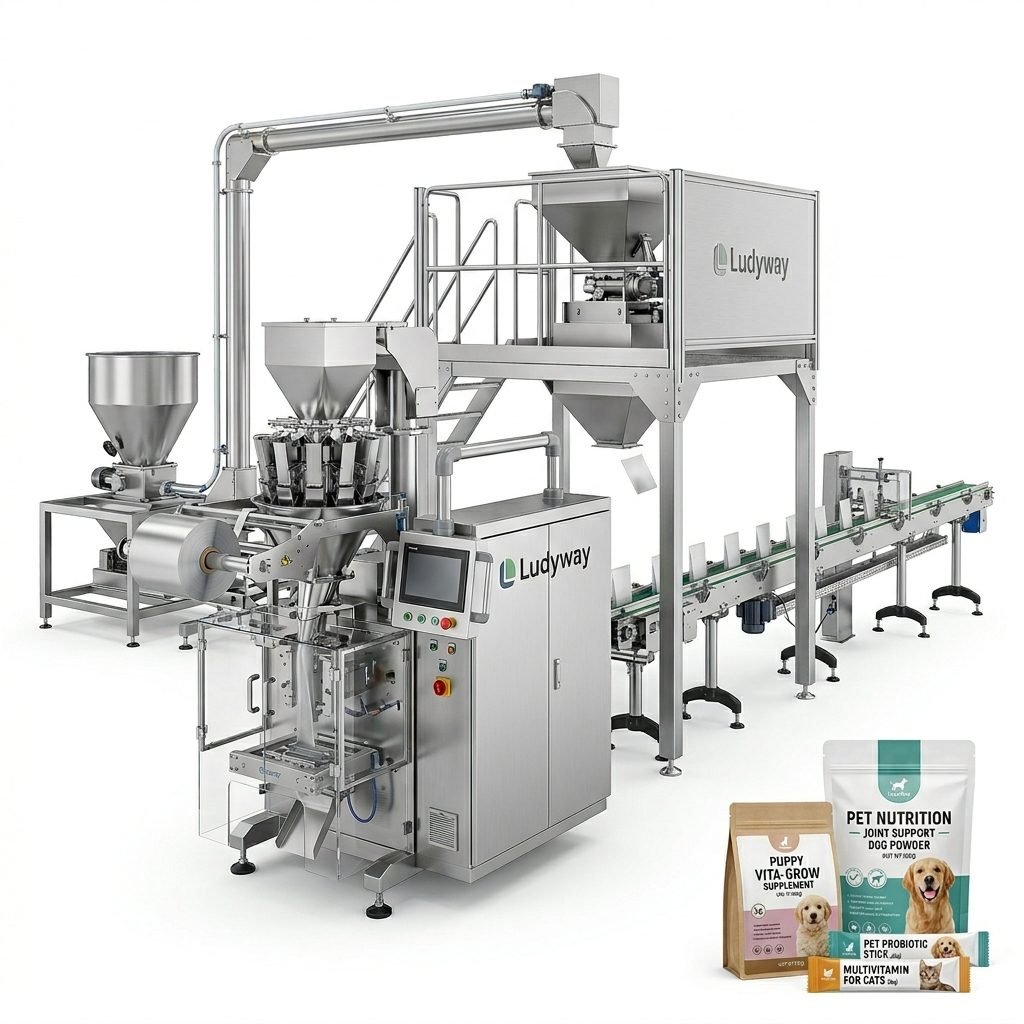
In the competitive landscape of food, coffee, and specialty powder product manufacturing, packaging is not merely a final step—it is a critical component of product preservation, presentation, and marketability. Among the various packaging technologies available, the brick type vacuum packaging machine stands out for its ability to create compact, airtight, and visually appealing brick-shaped packages that significantly extend shelf life and enhance brand perception. However, selecting the right model from the myriad of options available can be a daunting task for business owners and production managers.
Understanding Brick Type Vacuum Packaging Technology
Brick type vacuum packaging, often referred to as brick pack or block packaging, involves forming a product into a dense, rectangular block within a flexible film pouch and then removing the air to create a vacuum seal. This process is highly effective for products that are sensitive to oxidation, moisture, or microbial contamination. The resulting package is not only robust and space-efficient but also provides a premium look that resonates with consumers, particularly in markets where product aesthetics and quality assurance are paramount.
Core Advantages for Target Products
The application of this technology brings distinct benefits for our three focal product categories:
For Food Products: Vacuum sealing locks in freshness, prevents freezer burn for frozen goods, and inhibits the growth of spoilage organisms. It is ideal for cheeses, processed meats, dried fruits, and ready-to-eat meals.
For Coffee: Whether for ground coffee or whole beans, vacuum packaging is essential to preserve volatile aromas, prevent staleness, and protect against humidity. The brick shape offers excellent stacking for retail display and logistics.
For Powder Products: This includes a wide range such as spices, nutritional supplements, protein powders, and instant drink mixes. Vacuum packaging prevents caking, maintains potency, and ensures a consistent, free-flowing product.
Key Factors in Choosing the Right Machine Model
Investing in a brick type vacuum packaging machine requires a careful evaluation of your specific operational needs. The wrong choice can lead to inefficiency, product waste, and unmet production goals.
1. Production Capacity & Speed Requirements
Your required output per hour or day is the primary driver. Machines range from semi-automatic models suitable for small-batch, artisanal producers (e.g., specialty coffee roasters or boutique spice blenders) to fully automatic, high-speed lines for large-scale food manufacturers. Consider not just current needs but also projected growth. A machine with modular scalability can be a wise long-term investment.
2. Product Characteristics & Packaging Specifications
The physical nature of your product dictates many machine features:
- Granule/Particle Size: Fine powders require different feeding systems (like auger fillers) compared to granules or whole beans to ensure accurate, dust-free filling.
- Package Size & Weight Range: Define your minimum and maximum brick dimensions (length, width, thickness) and weight. The machine must be adjustable across this range.
- Film Material Compatibility: The machine must work effectively with your chosen packaging film—whether it’s multi-layer laminates for high barrier properties or specific plastics for moisture resistance.
3. Level of Automation & Integration
Do you need a standalone packaging unit or a machine that integrates seamlessly into a complete production line? For powders and coffee, integration with preceding filling, weighing, and mixing systems is often crucial. Higher automation reduces labor costs and improves consistency but comes at a higher initial cost. Evaluate your available workforce and technical skill level for operation and maintenance.
4. Special Features for Product Integrity
Certain features are vital for product quality:
➤ Degassing Function: For products like coffee or fermented food powders that release gases, a machine with a degassing or gas-flushing option is necessary to achieve a true, stable vacuum.
➤ Precision Weighing Systems: Net weight control is critical for cost management and regulatory compliance, especially for premium products.
➤ Gentle Handling: For fragile products (e.g., certain dried fruits or delicate spice blends), the forming and transfer mechanisms should be designed to minimize product damage.
5. After-Sales Support & Service
The reliability of the machinery provider is as important as the machine itself. Look for a supplier with a proven track record, readily available technical support, comprehensive training, and a robust spare parts supply chain. This ensures minimal downtime and long-term operational efficiency.
Tailoring the Choice to Your Product Category
For Food Products
Focus on hygiene and safety. Machines should have easy-clean designs, often with stainless steel contact parts. Models with advanced vacuum levels and the option for modified atmosphere packaging (MAP) can be beneficial for fresh and processed meats. Durability to handle potential oils or moisture from the products is key.
For Coffee Packaging
Preservation of aroma is paramount. Machines must create an extremely high-quality, consistent vacuum seal. Consider models specifically optimized for coffee, which may include features to handle whole beans without damage and systems to manage the natural degassing of roasted coffee without compromising the seal over time.
For Powder Products
Accuracy and contamination prevention are top priorities. Machines should feature closed, dust-controlled filling systems. The vacuum process must be strong enough to compact the powder into a solid brick but gentle enough to not alter its composition. Anti-static features can also be important for certain powders.
Making the Final Decision: A Practical Checklist
Before finalizing your purchase, use this actionable checklist:
- ✅ Have you clearly defined your output speed (packages per minute) requirement?
- ✅ Have you tested your product with potential packaging films on a sample or demo machine?
- ✅ Does the machine offer the specific features (degassing, precision weigh-fill) your product demands?
- ✅ Is the machine’s control system user-friendly for your operators?
- ✅ Does the supplier provide detailed installation, training, and warranty plans?
- ✅ Have you considered future flexibility for new products or package sizes?
Choosing the optimal brick type vacuum packaging machine is a strategic decision that impacts your product quality, operational cost, and brand reputation. By methodically analyzing your production needs, product characteristics, and long-term goals against the capabilities of available models, you can invest in a solution that not only meets today’s demands but also supports your business growth for years to come. Partnering with an experienced and supportive machinery provider will further ensure that this key piece of equipment becomes a reliable asset in your production arsenal.
Frequently Asked Questions (FAQs)
Can a brick type vacuum machine handle both granular and fine powder products?
Yes, many advanced models are designed with versatile filling systems. However, it is crucial to specify your product range to the supplier. Machines often use different filling heads (e.g., auger for powders, cup for granules) and may require specific adjustments or accessories to handle both effectively without cross-contamination or accuracy loss.
How important is the degassing function for packaging fresh coffee?
It is essential. Roasted coffee releases carbon dioxide for days or weeks after roasting. Packaging it immediately without a degassing function will result in the vacuum seal being broken by the escaping gas, leading to a bloated package and loss of freshness. Machines with a timed degassing cycle or gas-flushing option are recommended for quality coffee packaging.
What is the typical maintenance required for these machines?
Regular maintenance includes daily cleaning of product contact areas, lubrication of moving parts as per the manual, periodic inspection and replacement of sealing elements (like vacuum pump filters and sealing gaskets), and calibration of weighing systems. The frequency depends on usage intensity. Choosing a machine with a robust and accessible design simplifies maintenance.
Can the package size be easily changed on one machine?
Most modern machines offer adjustable forming tools and programmable settings to change brick dimensions (length, width, thickness) within a defined range. The ease and speed of changeover vary. Semi-automatic models may require manual tool adjustment, while fully automatic ones often allow size changes through the touchscreen interface, making them suitable for producers with multiple SKUs.
Are these machines suitable for small-scale or startup businesses?
Absolutely. The market offers semi-automatic and lower-speed automatic models that are perfect for small-scale production. They provide all the benefits of vacuum brick packaging at a lower capital investment and with simpler operation. This allows startups in artisanal food, specialty coffee, or niche powder supplements to achieve premium packaging that enhances their brand value from the outset.