Commercial packing machines are the backbone of modern production, helping manufacturers package products faster, more accurately, and with lower labor costs. Whether you produce powders, granules, liquids, pastes, or premade pouches, choosing the right system can significantly improve throughput, consistency, and profitability.
In high-volume industries such as food, pharmaceutical, health supplement, cosmetic, chemical, and animal nutrition, packaging is no longer just the final step. It is a strategic operation that affects product safety, shelf appeal, speed to market, and long-term operating costs. A well-matched machine helps businesses reduce waste, maintain sealing quality, and scale production with confidence.

Why Commercial Packing Machines Matter
Manual or semi-automatic packaging may work for small batches, but it often creates bottlenecks as demand grows. Commercial systems are designed to support continuous production, repeatable filling accuracy, and cleaner packaging operations. This is especially important for businesses facing tight delivery schedules and rising labor expenses.
- Higher output: automated cycles increase packaging speed significantly.
- Better consistency: every pouch, sachet, bag, bottle, or stick pack is filled within controlled tolerances.
- Lower labor dependence: fewer operators are needed for repetitive tasks.
- Reduced waste: precise dosing and stable sealing lower product and film loss.
- Improved hygiene: enclosed structures and controlled contact surfaces support cleaner production.
- Scalability: modular lines make it easier to expand capacity later.
Top Commercial Packing Machine Types for Fast, Efficient Packaging
The best solution depends on your product form, package style, target speed, and plant layout. Below are the most common machine categories used in commercial packaging.
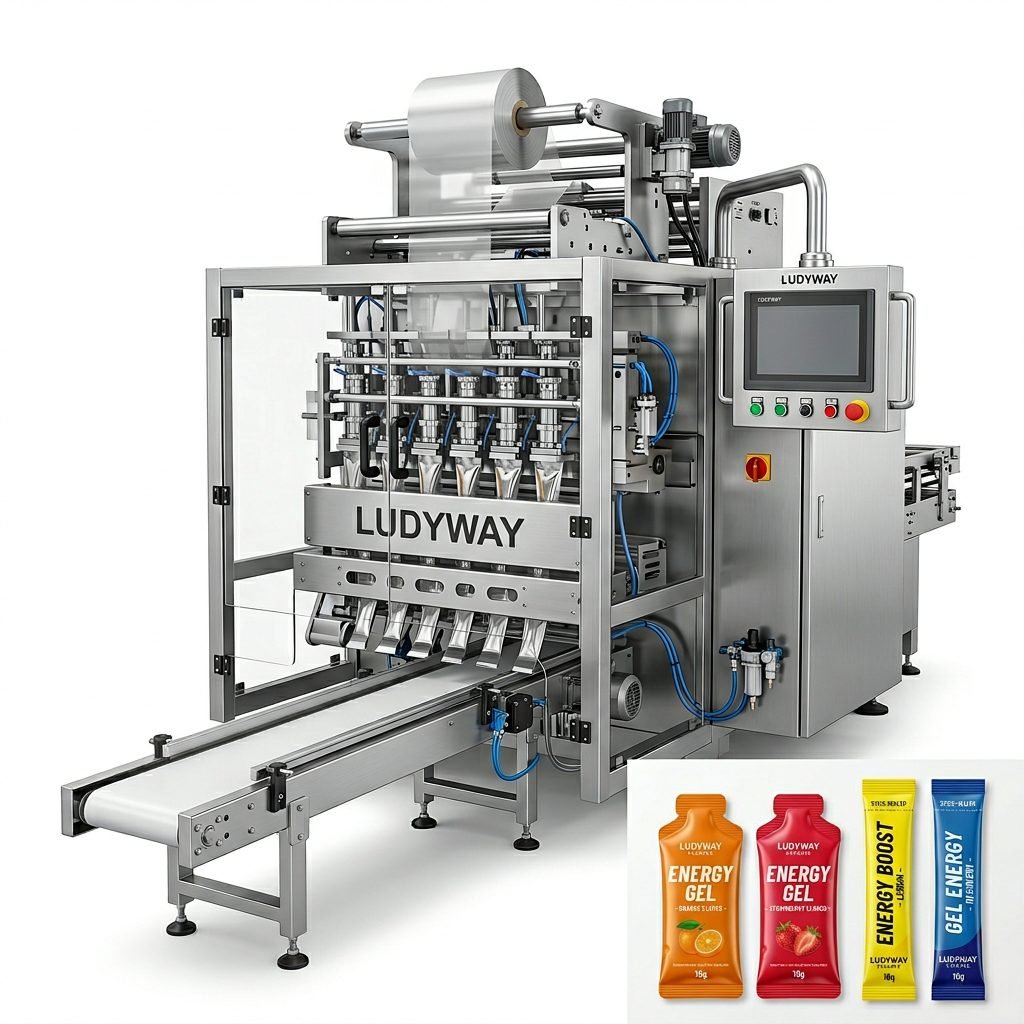
1. Sachet Packing Machines
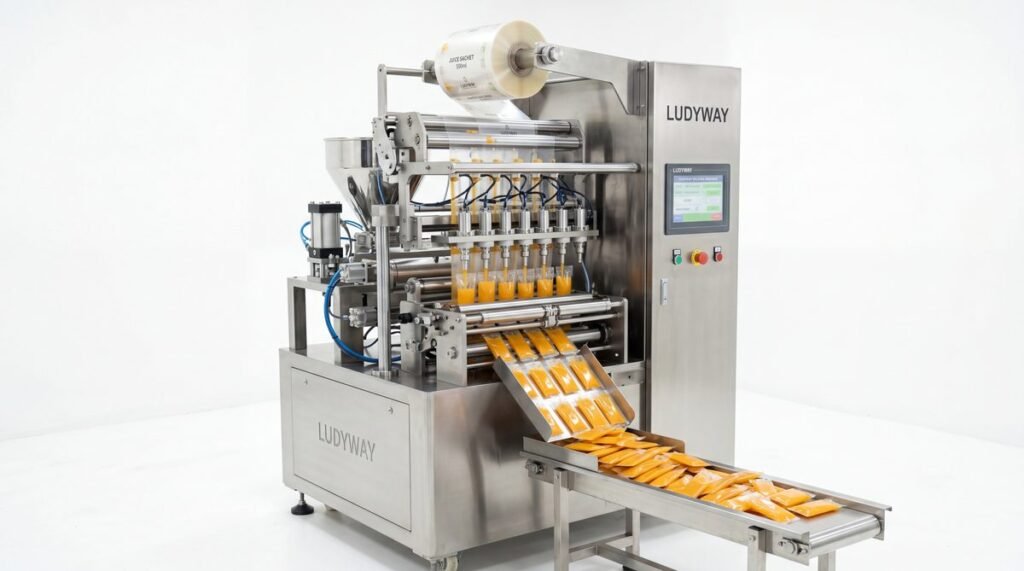
Sachet machines are ideal for single-dose or small-volume applications. They are widely used for condiments, coffee powder, sugar, oral rehydration salts, cream, gel, shampoo, and pharmaceutical powders.
- Suitable for powder, granule, liquid, and paste products
- Compact package format for retail and sample applications
- High production efficiency in multi-lane configurations
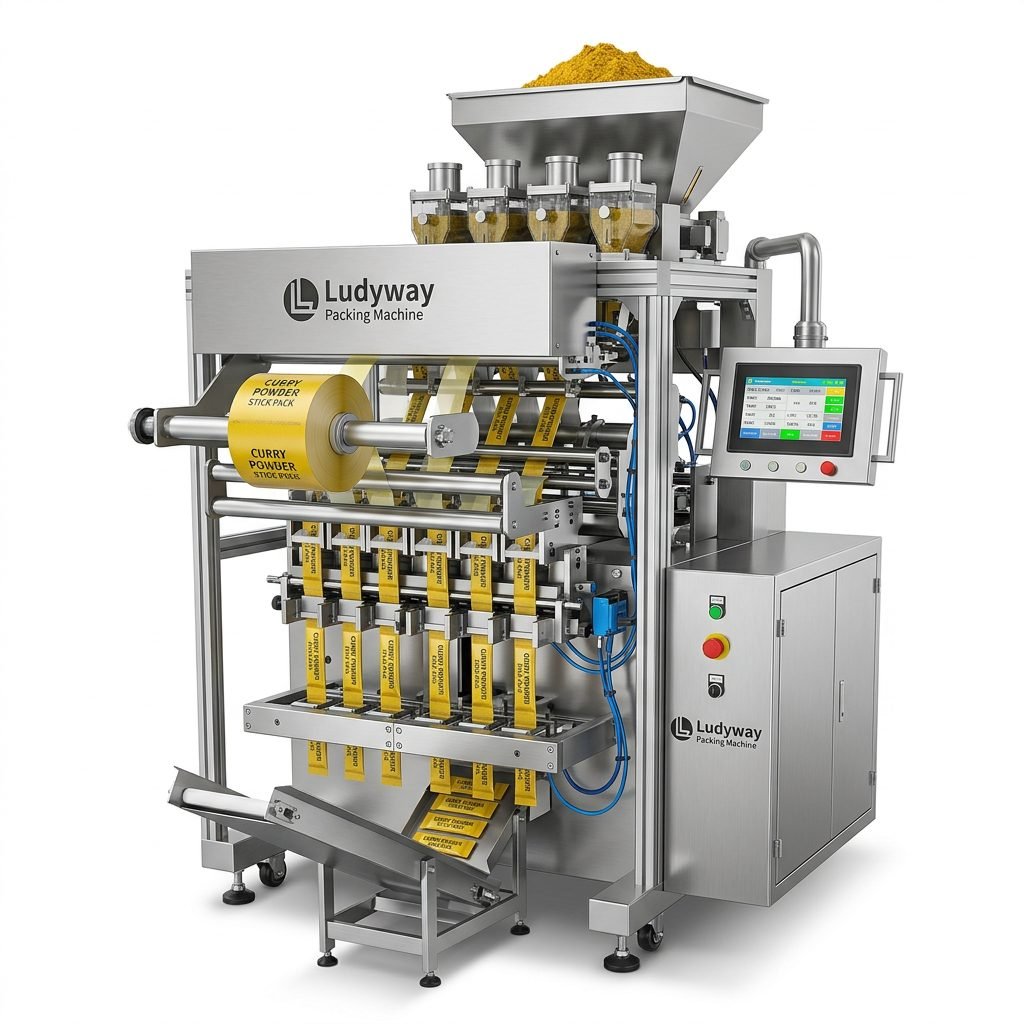
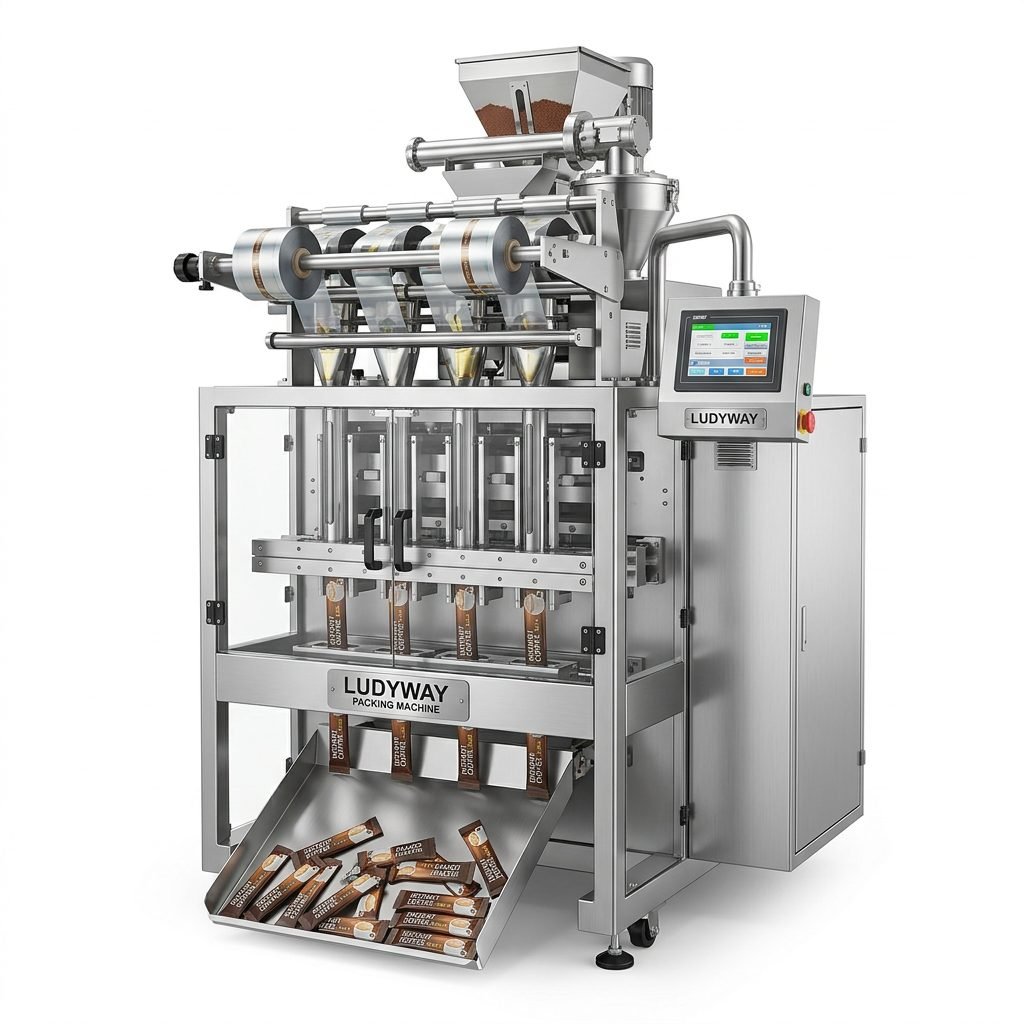
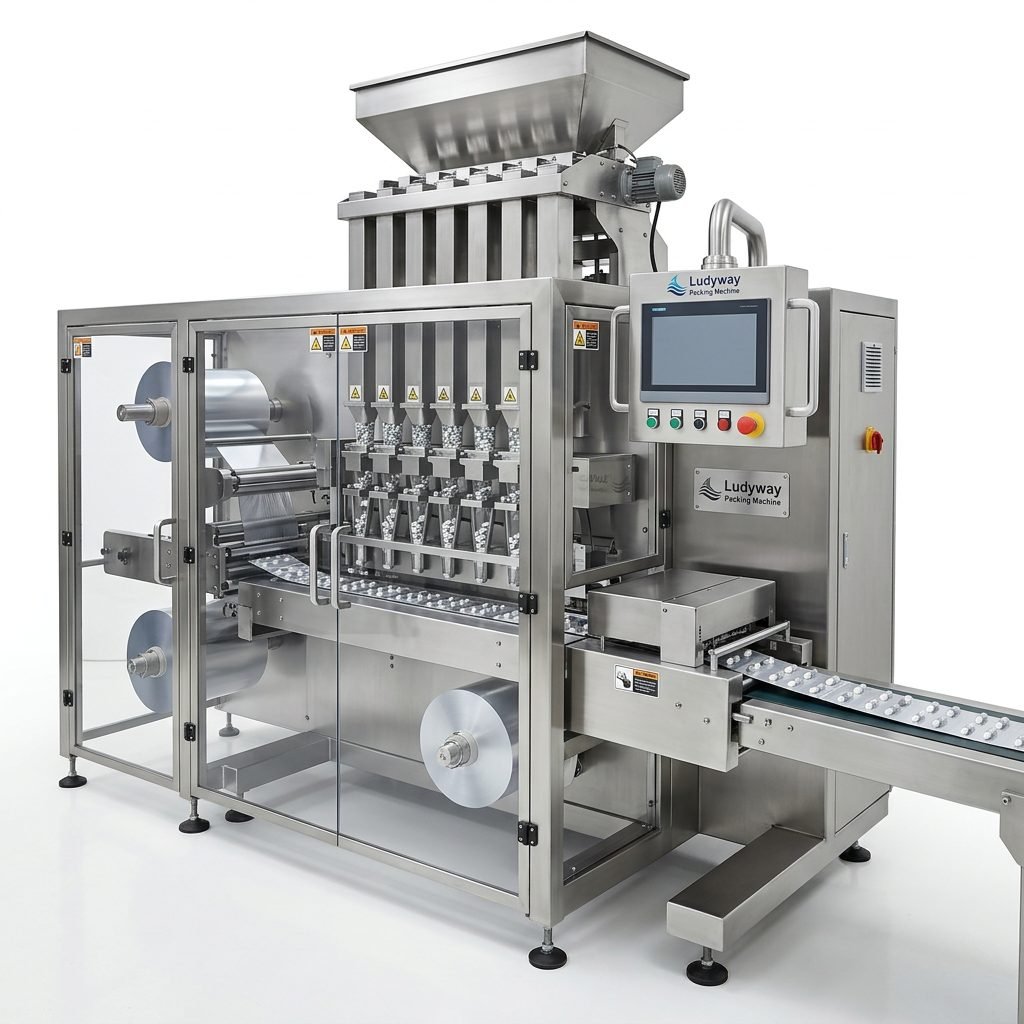
2. Stick Pack Machines
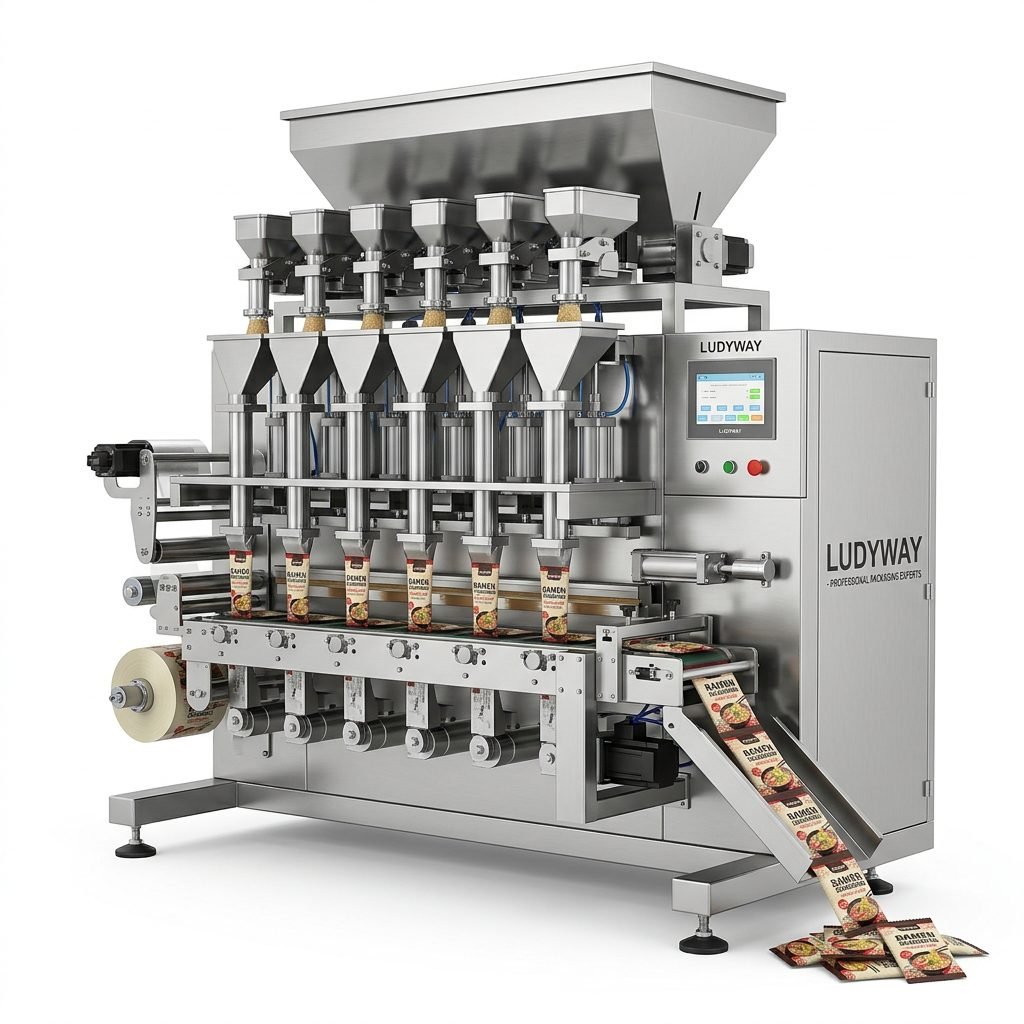
Stick pack systems are highly popular for nutritional supplements, drink mixes, instant coffee, sweeteners, and health products. Their narrow package shape supports premium presentation and convenient consumer use.
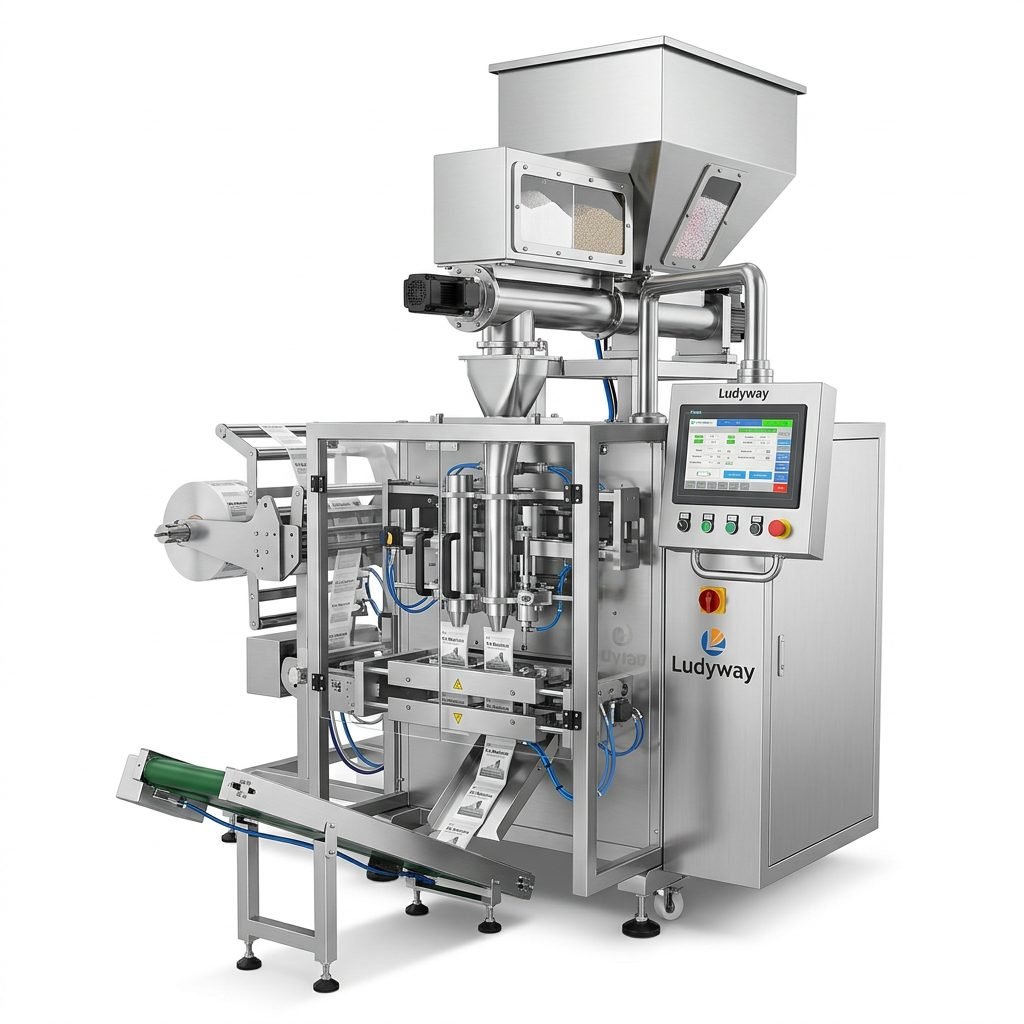
3. Vertical Form Fill Seal Machines
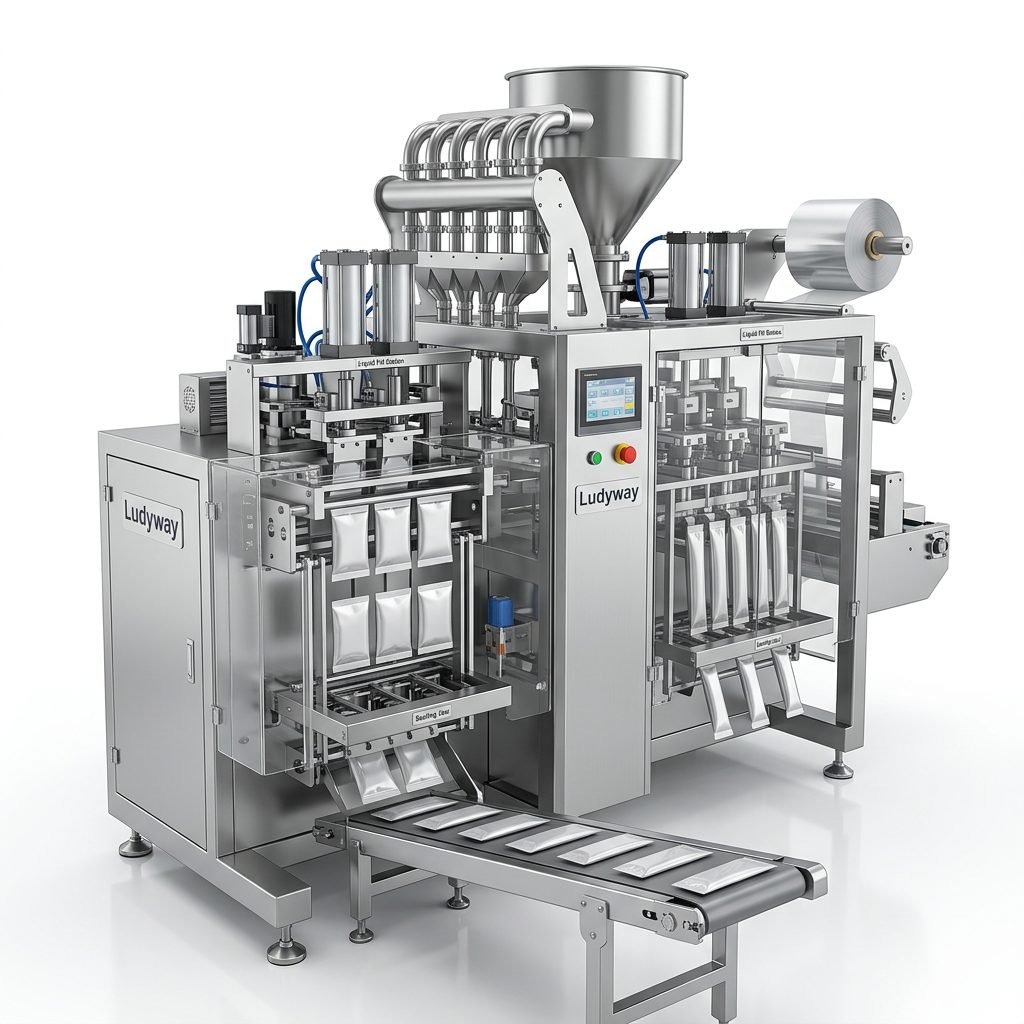
VFFS machines form the pouch from roll film, fill it, and seal it in one automated process. They are efficient for snacks, grains, seeds, powders, frozen products, and many bulk or retail bag applications.
4. Liquid and Paste Filling & Sealing Machines
For shampoos, sauces, oils, detergents, gels, and syrups, liquid packaging machines help maintain accurate dosing and seal integrity. They can be configured for sachets, pouches, bottles, or specialized containers.
5. Turnkey Packaging Lines
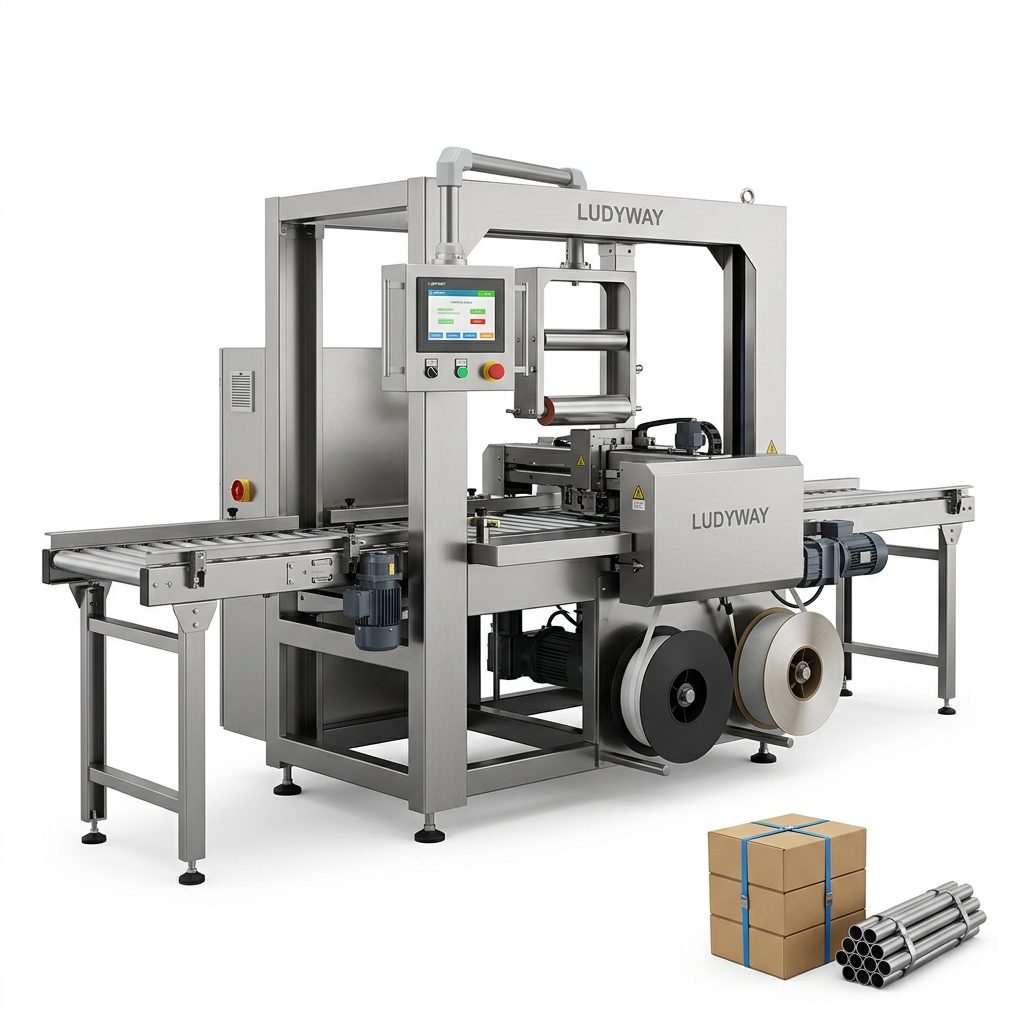
Many growing manufacturers prefer complete lines that combine feeding, filling, sealing, coding, inspection, cartoning, case packing, and palletizing. This approach delivers smoother workflow integration and stronger automation.
How to Choose the Best Commercial Packing Machine
Before investing, it is important to evaluate both immediate needs and long-term production goals. The right machine should fit your product characteristics and business expansion plans.
| Selection Factor | What to Consider |
|---|---|
| Product Type | Powder, granule, liquid, paste, capsule, tablet, or premade pouch product |
| Packaging Format | Sachet, stick pack, pouch, bag, bottle, blister, carton, or bulk bag |
| Required Speed | Units per minute, shift volume, and future capacity expansion |
| Accuracy | Dosing tolerance, seal consistency, and product loss control |
| Automation Level | Standalone machine or integrated turnkey packaging line |
| Industry Compliance | Food safety, pharmaceutical hygiene, material compatibility, and traceability requirements |
| Factory Layout | Available installation space, material flow, operator access, and maintenance area |
Key Features That Improve Packaging Efficiency
Not all machines deliver the same performance. Buyers should focus on design details that directly influence daily efficiency and maintenance.
- Multi-lane design: boosts output without requiring multiple separate machines.
- Servo-driven controls: provide better precision and easier adjustment.
- Quick changeover: reduces downtime between product sizes or packaging formats.
- Integrated dosing systems: improves compatibility with powders, granules, liquids, and viscous products.
- Reliable sealing technology: ensures product protection and shelf stability.
- Smart HMI interface: simplifies operation, troubleshooting, and production settings.
- Inspection compatibility: supports metal detection, checkweighing, coding, and rejection systems.
Best Industry Applications
Food Industry
Food manufacturers often need high-speed packaging for coffee, milk powder, seasoning, sauce, sugar, cereal, snacks, flour, protein powders, and instant beverages. Fast machine response and stable sealing are essential for freshness and retail appearance.
Pharmaceutical Industry
Pharma production requires accuracy, cleanliness, traceability, and repeatable quality. Commercial packing machines are used for tablets, capsules, granules, oral liquids, powders, and medical consumables.
Health Supplement Industry
Stick packs and sachets are ideal for collagen, probiotics, vitamins, creatine, electrolyte blends, and nutrition powders. This format supports convenient dosage and strong shelf presentation.
Cosmetic and Personal Care
Single-use and travel-size packs are increasingly popular for creams, serums, lotions, shampoos, face masks, and cleansers. Precision liquid and paste dosing helps maintain product quality and reduce leakage risk.
Chemical and Household Products
For detergents, cleaners, additives, lubricants, and industrial powders, the right commercial packaging system must balance speed with product compatibility and sealing performance.
Standalone Machine vs Turnkey Packaging Line
Some businesses only need a single packaging unit, while others benefit more from a fully integrated line.
| Option | Best For | Advantages |
|---|---|---|
| Standalone Machine | Smaller plants, limited product range, budget-focused upgrades | Lower initial investment, easier installation, simpler operation |
| Turnkey Line | Growing factories, export manufacturers, large-volume projects | Better process integration, reduced labor, smoother material flow, stronger long-term efficiency |
Common Challenges and Practical Solutions
Inconsistent Fill Weight
This is often caused by unsuitable dosing systems or unstable product feeding. Matching auger, volumetric cup, piston, pump, or weigher systems to the product is essential.
Poor Seal Quality
Seal problems may result from film mismatch, contamination in the sealing area, or temperature instability. A stable sealing unit and compatible packaging material are critical.
Frequent Downtime
Downtime can come from complicated changeovers, weak automation logic, or low-quality components. Machines designed for easier maintenance and operator use provide better long-term output.
Scaling Production Too Late
Buying a machine only for today’s order volume can create a bottleneck within a short time. It is usually more cost-effective to select a platform that supports future expansion.
What Makes a Reliable Packaging Equipment Supplier
Beyond the machine itself, supplier capability matters. Buyers should look for engineering experience, export background, product range, after-sales support, and customization ability. For companies seeking scalable packaging automation, Ludyway commercial packing machine solutions are often considered for standalone equipment and turnkey production lines across food, pharmaceutical, health supplement, cosmetic, chemical, and related industries.
- Proven manufacturing history
- Broad machine portfolio
- Customization for different product characteristics
- International project experience
- Technical support for installation and operation
Tips for Getting the Best ROI
To maximize return on investment, focus on total operating value rather than purchase price alone.
- Define your target pack style and production output clearly.
- Test actual product samples before finalizing machine configuration.
- Evaluate changeover time if you run multiple SKUs.
- Consider future automation add-ons such as coding, checkweighing, cartoning, and palletizing.
- Assess maintenance access and spare parts support.
- Choose equipment with stable performance over the long term.
Final Buying Insight
The best commercial packing machine is not simply the fastest model on the market. It is the one that fits your product, packaging type, compliance requirements, and growth strategy. When the machine is correctly matched to your application, you gain faster packaging speed, lower waste, stronger consistency, and more efficient production management.
If your business is planning to improve packaging speed and automation, selecting the right commercial system now can create lasting gains in productivity, quality, and competitiveness.