In the competitive world of confectionery production, efficiency and presentation are paramount. Finding the right candy packaging machine for sale is not just about wrapping sweets; it’s about enhancing productivity, ensuring product freshness, and creating an appealing package that attracts consumers. This comprehensive guide explores the best automatic candy wrapping solutions available at affordable prices, helping you make an informed investment for your business.
Why Invest in an Automatic Candy Packaging Machine?
Manual wrapping is time-consuming, inconsistent, and limits production capacity. An automatic candy wrapping machine streamlines your entire packaging line, offering numerous advantages that directly impact your bottom line.
Increased Production Speed & Output: Automatic machines can wrap hundreds, even thousands, of candies per minute, dramatically increasing your daily output and meeting higher market demands.
Consistent & Professional Packaging Quality: Every piece is wrapped with uniform tightness and alignment, presenting a professional, shelf-ready appearance that builds brand trust.
Significant Labor Cost Reduction: Automating the wrapping process reduces dependency on manual labor, lowering long-term operational costs and minimizing human error.
Enhanced Product Hygiene & Freshness: Automated, sealed wrapping minimizes human contact and creates an airtight barrier, preserving flavor, texture, and extending shelf life.
Material Savings & Reduced Waste: Precision feeding and cutting mechanisms optimize the use of wrapping film, reducing material waste and associated costs.
Key Features to Look for in a Candy Wrapper
Not all packaging machines are created equal. When evaluating options, prioritize these essential features to ensure you get a reliable and versatile solution.
Versatile Wrapping Capabilities: The best machines handle various candy types—hard candies, chews, chocolates, jellies—and different shapes (round, square, oval) with quick changeover. Look for models that support multiple wrapping styles like twist-wrap, fold-wrap, or pillow-pack.
High-Speed Operation with Stability: Speed is crucial, but not at the expense of reliability. A robust machine with a stable frame and precision drive system maintains consistent performance at high speeds without frequent jams or breakdowns.
User-Friendly PLC Control System: A modern touch-screen PLC (Programmable Logic Controller) allows for easy setup, recipe storage for different products, speed adjustment, and monitoring of production data and machine status.
Durable, Food-Grade Construction: All parts in contact with the product should be made from high-quality, corrosion-resistant stainless steel (e.g., SS304/SS316) to meet food safety standards (like FDA, CE) and ensure easy cleaning and longevity.
Advanced Film Feeding & Sealing: Precision servo-driven film feeding and consistent heat sealing jaws are critical for creating strong, leak-proof seals with various packaging materials, including laminates, cellophane, and polypropylene.
Types of Automatic Candy Packaging Solutions
The ideal machine depends on your product format and production scale. Here are the primary types of automatic candy wrappers available.
1. High-Speed Twist Wrapping Machines
Iconic for wrapping traditional hard candies and mints, these machines create a tight twist at both ends. Modern versions are fully automatic, feeding, wrapping, and twisting at speeds exceeding 800 pieces per minute. They are perfect for bulk production of individually wrapped candies.
2. Flow Wrap (Pillow Pack) Machines
Extremely versatile, flow wrappers create a sealed “pillow” pack around the candy. They are ideal for wrapped chocolate bars, candy bundles, or products that need a flat, printed packaging surface for branding. They work with a wide range of heat-sealable films.
3. Fold Wrapping Machines
Commonly used for chocolates and candies wrapped in foil or inner wrap, these machines neatly fold the ends of the wrapper. They offer an elegant, traditional finish and are often integrated into complete chocolate bar production lines.
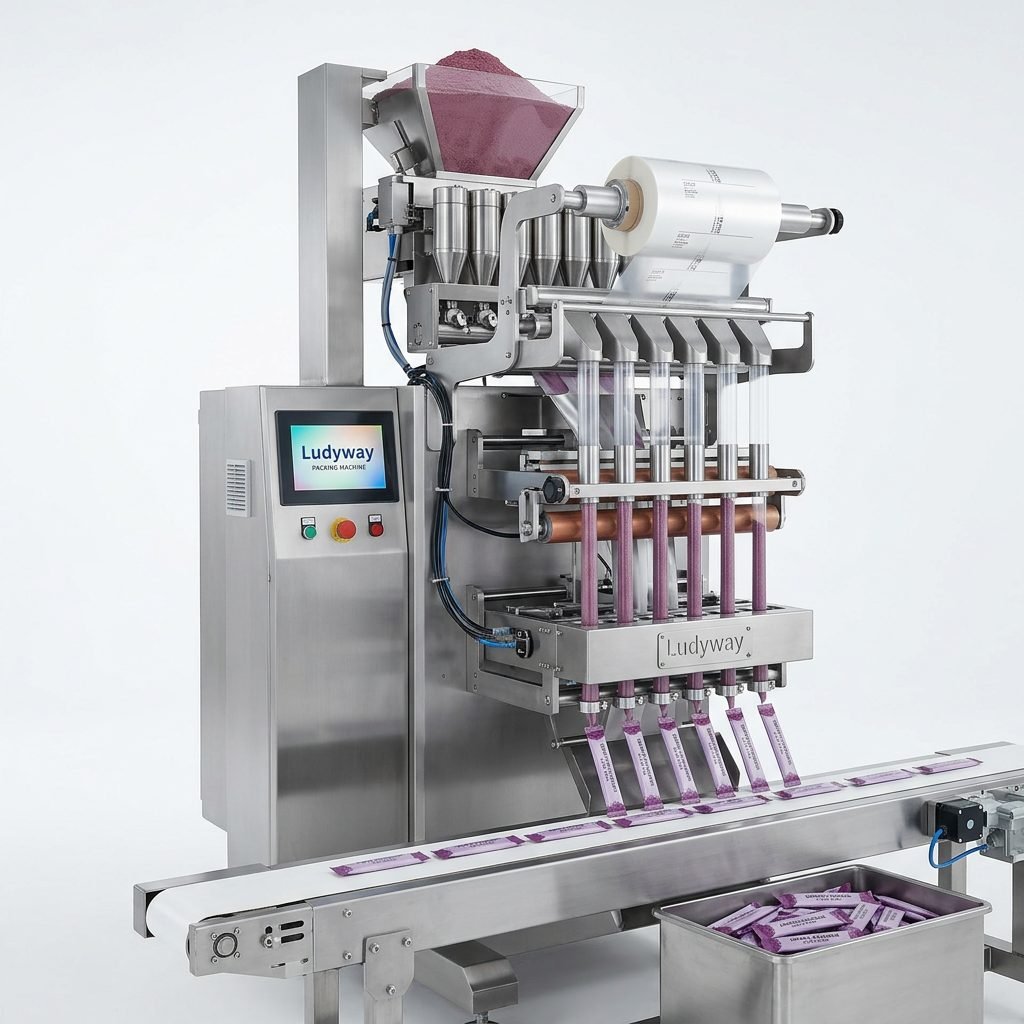
4. Multi-Lane Stick Pack & Sachet Machines
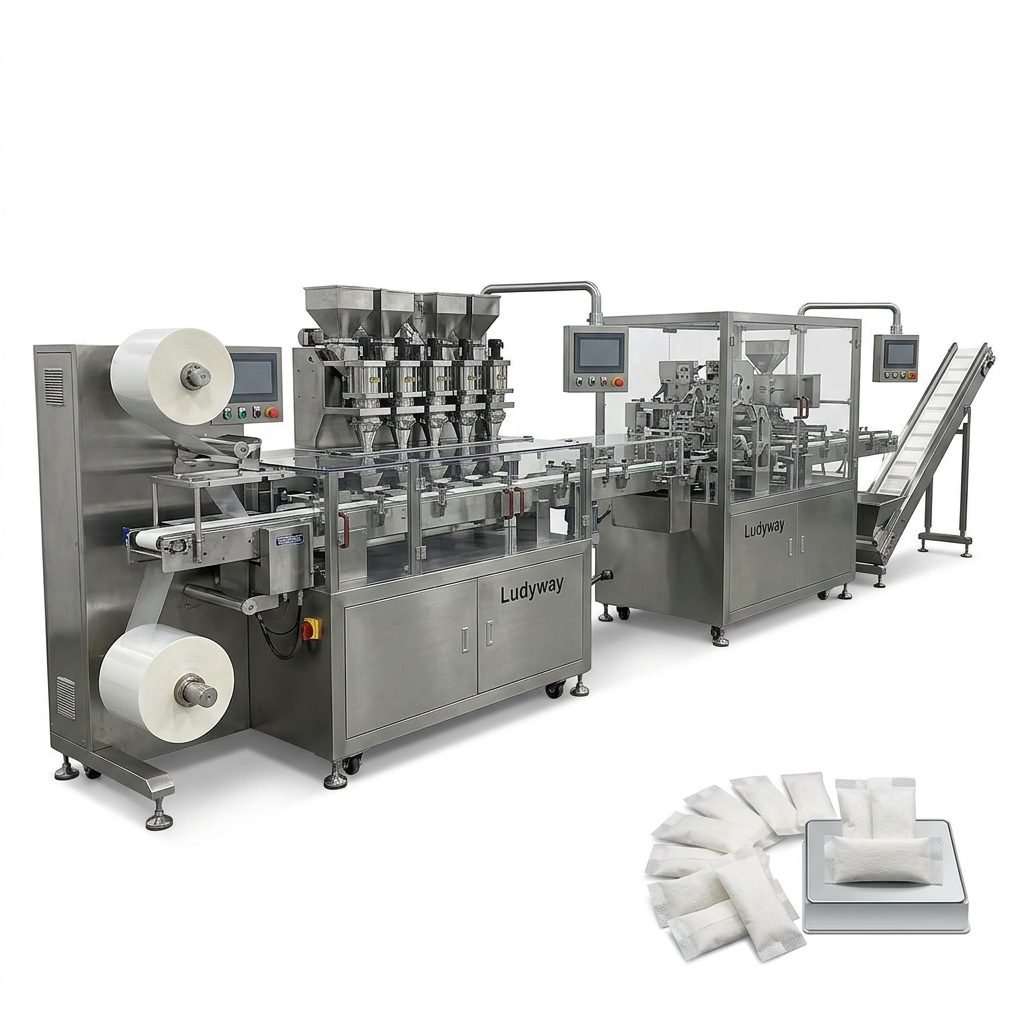
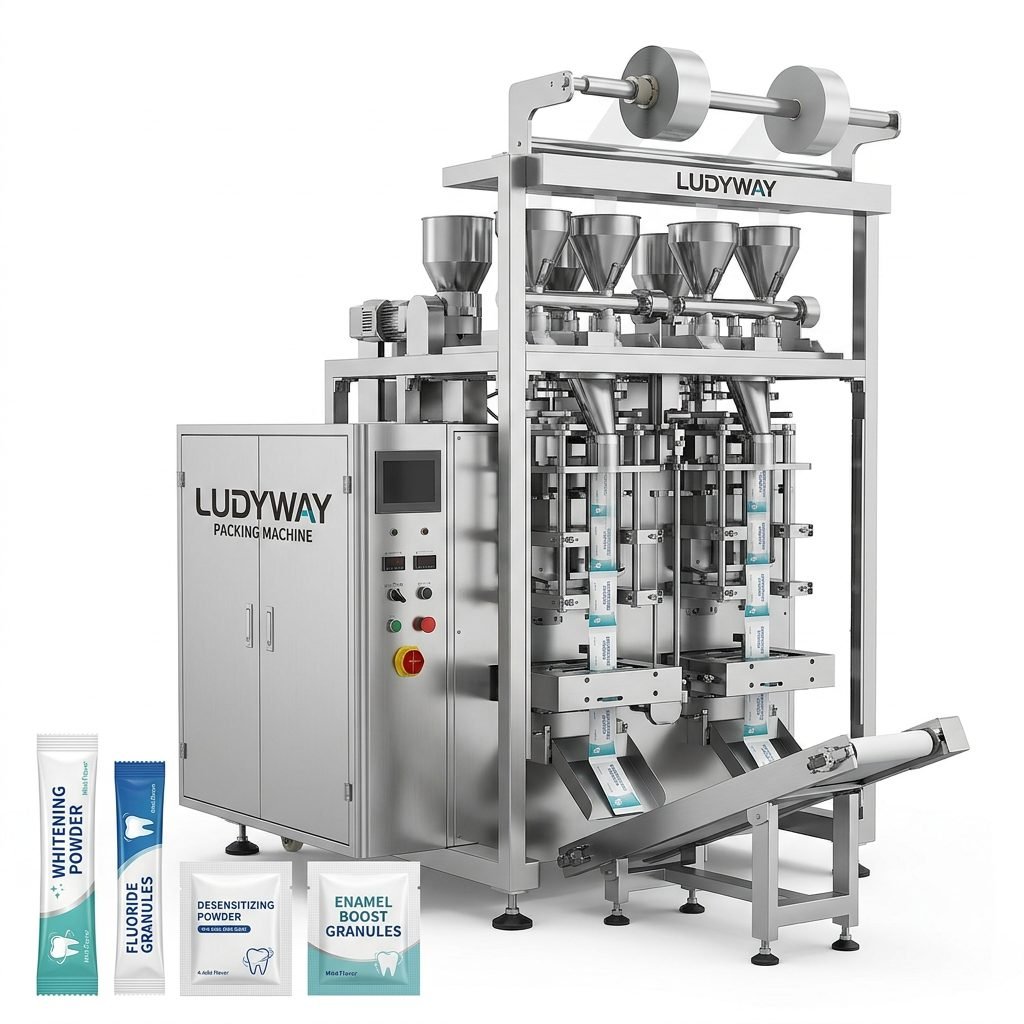
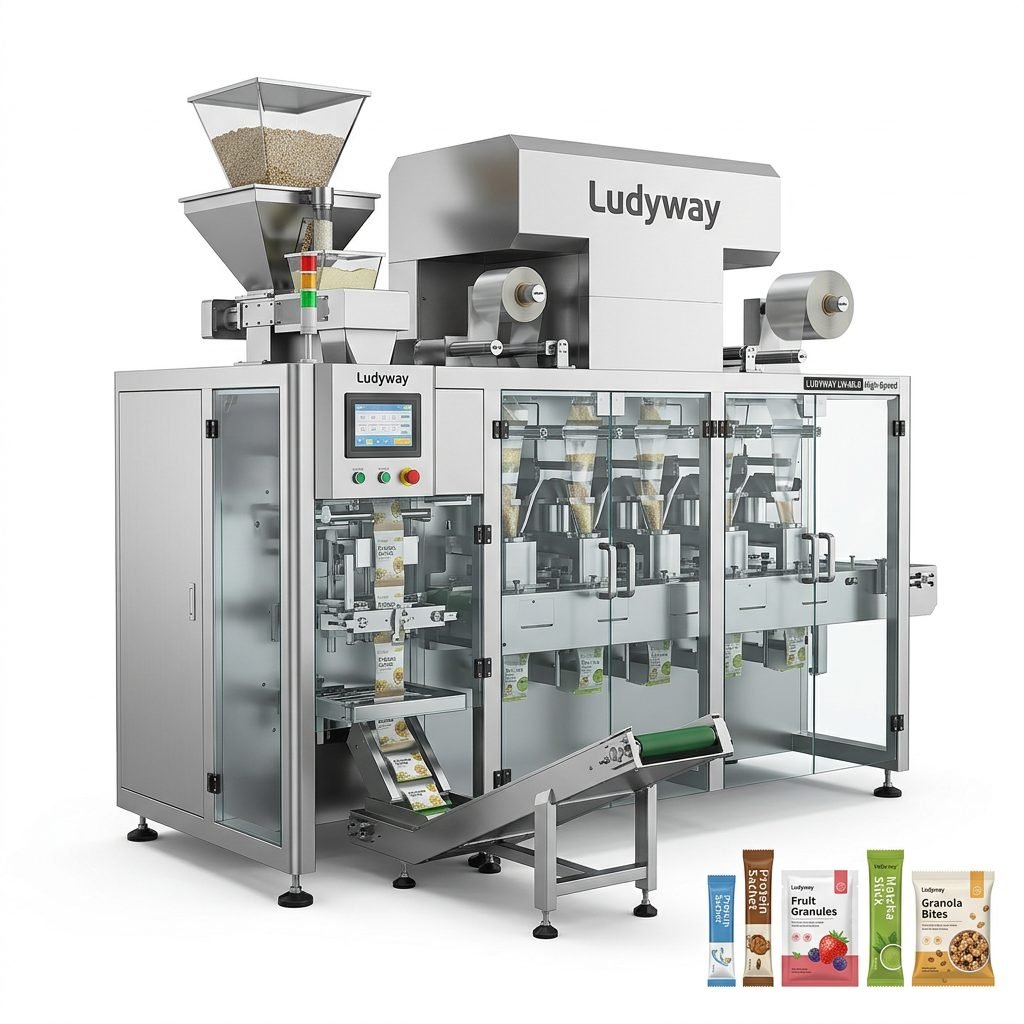
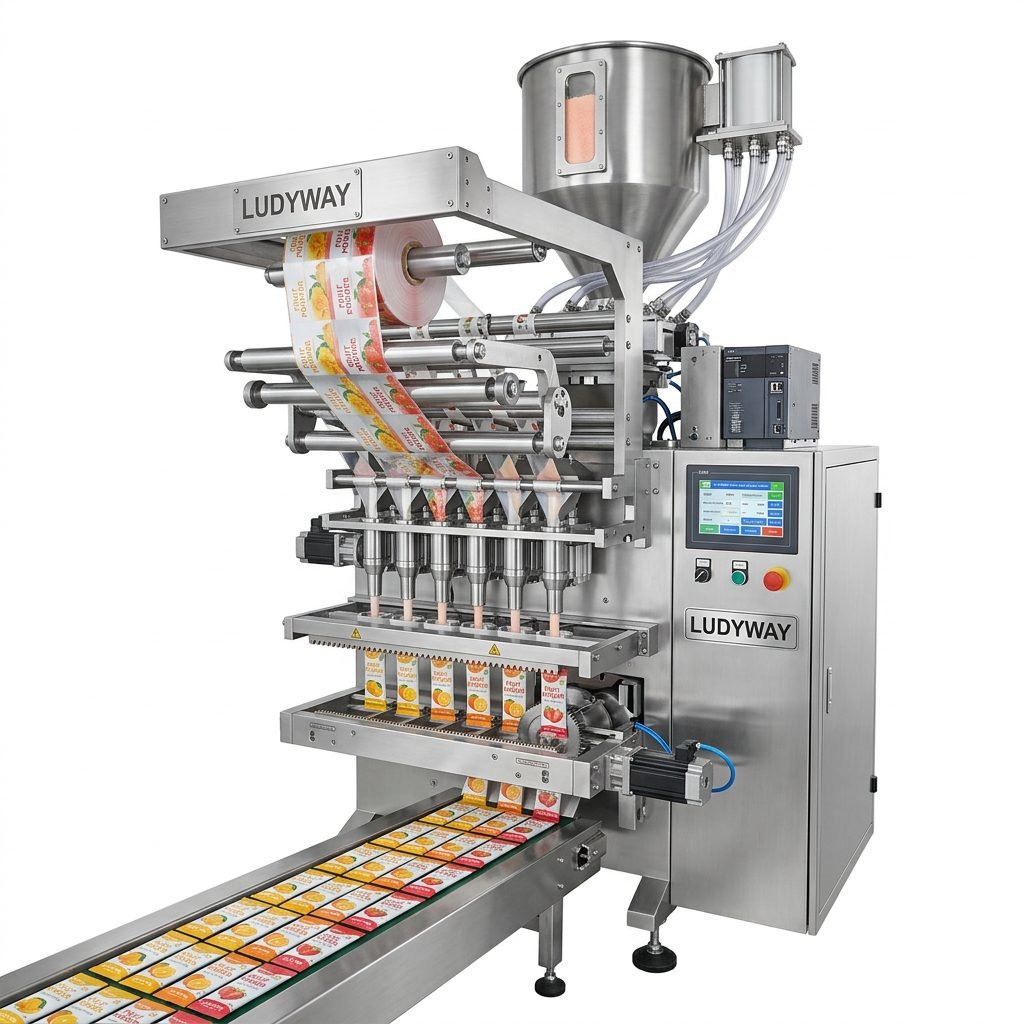
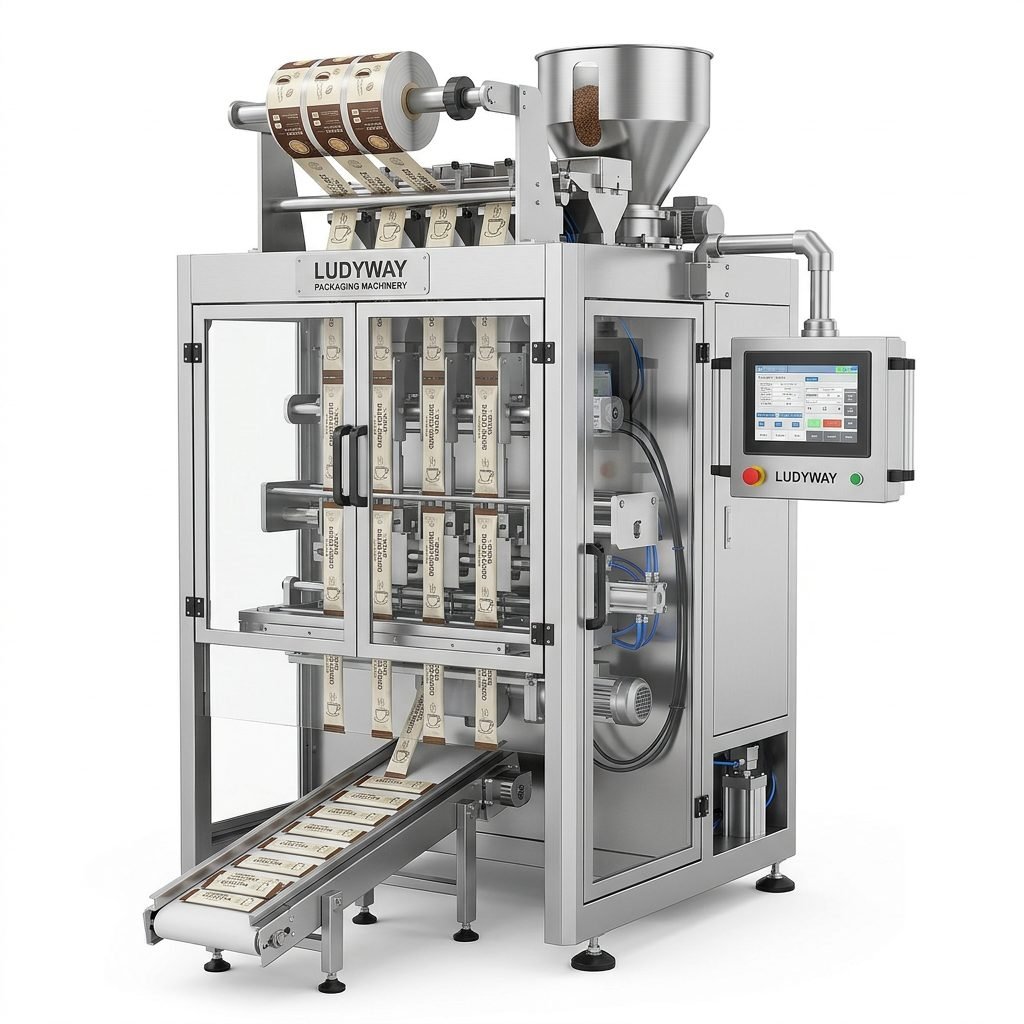
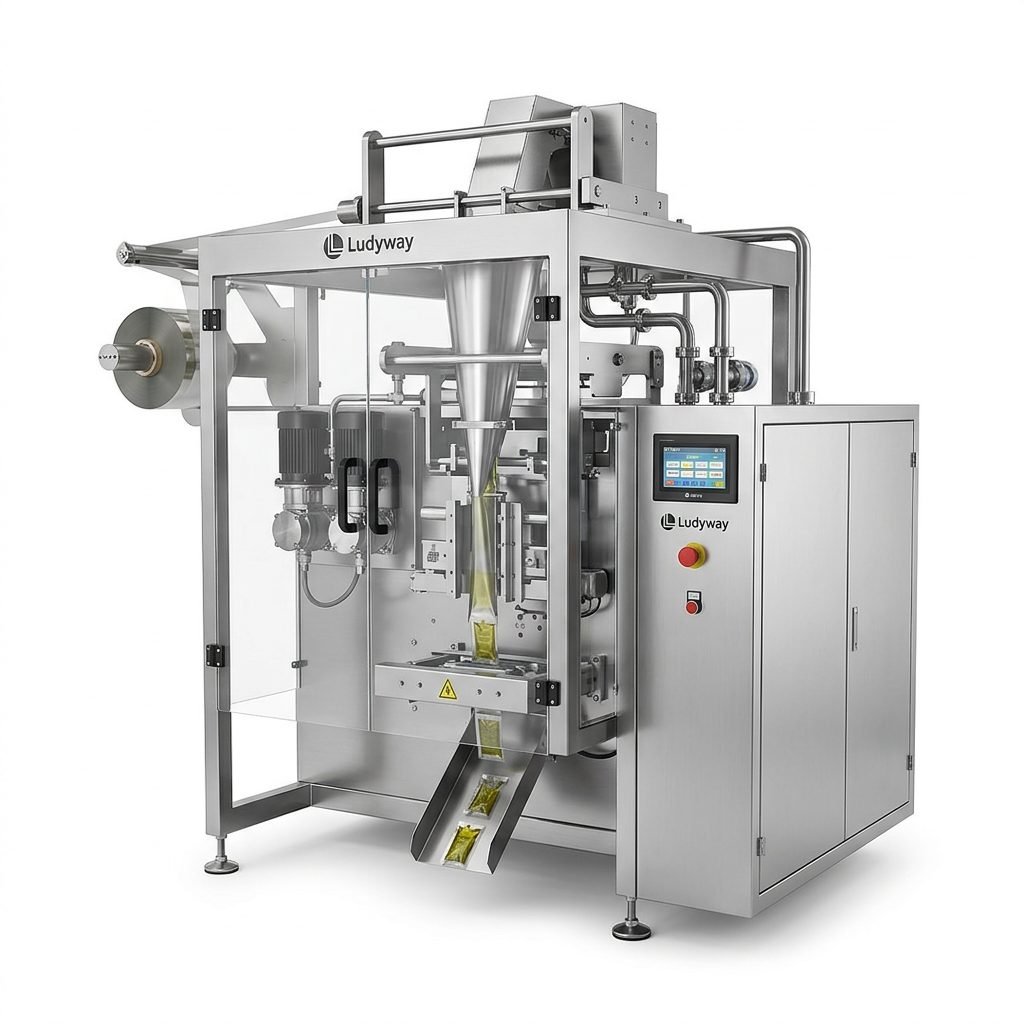
For powdered candies, sugar strands, or small granular sweets, multi-lane stick pack or sachet packaging machines are ideal. They can produce multiple sealed packets simultaneously from a single roll of film, offering incredible efficiency for portion-controlled products. Companies like Ludyway Machinery specialize in such advanced, intelligent packaging systems that maximize output for granular and powder products.
Finding Affordable Yet Reliable Machinery
The term “affordable” should be balanced with “value.” A low upfront cost can lead to high downtime and maintenance expenses. Here’s how to find a cost-effective solution:
✅ Evaluate Total Cost of Ownership (TCO): Consider energy efficiency, spare part costs, and expected maintenance, not just the purchase price.
✅ Choose a Reputable Supplier: Partner with an experienced manufacturer known for quality and support. A supplier with over 30 years of industry experience typically offers more reliable machines and better technical knowledge.
✅ Consider Scalability: Invest in a machine that can grow with your business. Modular designs that allow for future upgrades or integration into full turnkey production lines offer long-term value.
✅ Prioritize After-Sales Service: Ensure the supplier provides comprehensive installation, training, warranty, and readily available spare parts. Global service support is crucial for uninterrupted operation.
Integrating Your Packaging Machine into the Production Line
For maximum efficiency, your candy wrapper should work seamlessly with upstream and downstream equipment.
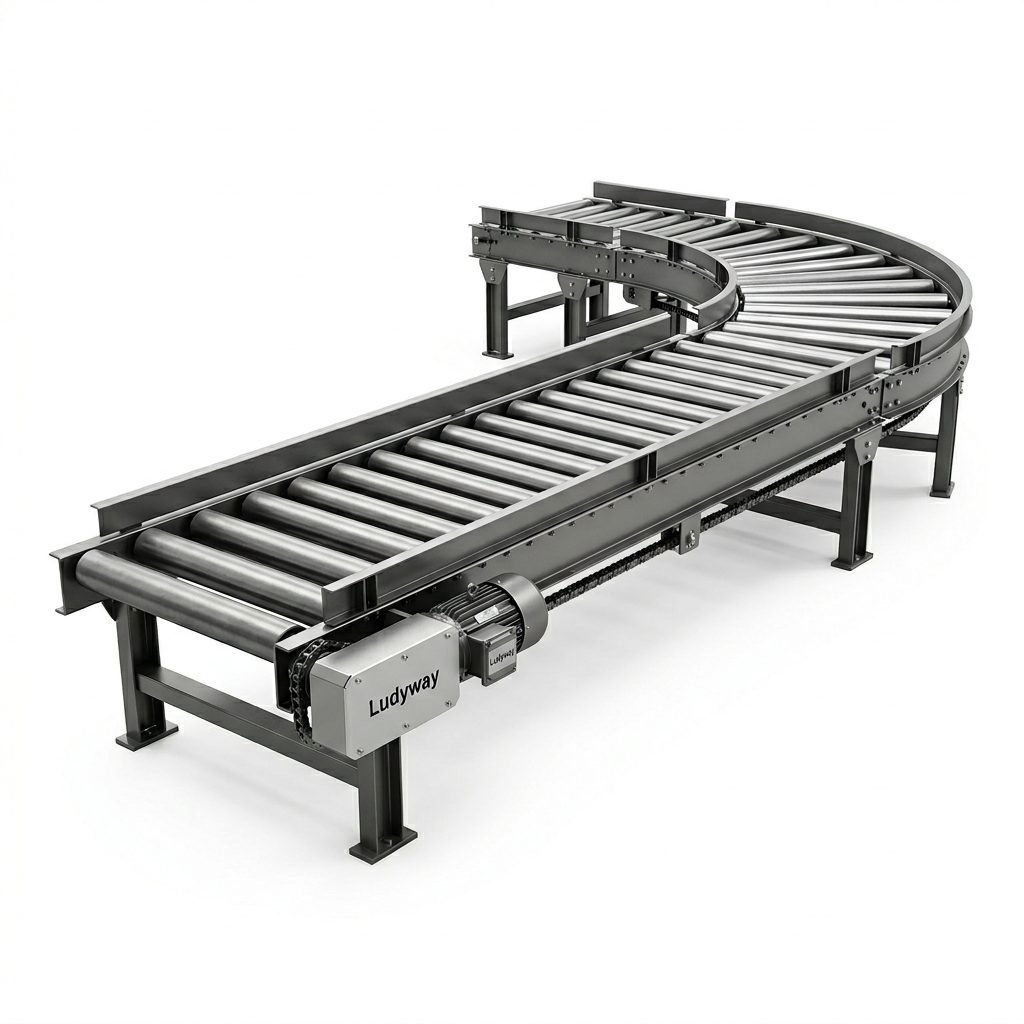
Upstream Integration: The machine can be fed directly from a candy depositor, cooler, or conveyor belt. Consistent product feeding is key to stable operation.
Downstream Integration: Wrapped candies can be conveyed to checkweighers, metal detectors, cartoners, or case packers to create a fully automated line. Modern machines with PLC controls easily communicate with this ancillary equipment.
Working with a supplier that provides customized automation solutions ensures all components work in harmony, optimizing your entire workflow from production to dispatch.
Maintenance Tips for Longevity
Proper care extends your machine’s life and prevents costly downtime.
- Daily: Clean all product contact surfaces, remove debris, and perform visual checks.
- Weekly/Monthly: Lubricate moving parts as per the manual, inspect and clean sealing jaws, and check for wear on belts and gears.
- Annually: Schedule a professional inspection and servicing by the supplier’s technician to ensure optimal performance.
Always use recommended spare parts and consumables to maintain warranty and performance standards.
Frequently Asked Questions (FAQs)
What is the typical production speed of an automatic candy wrapper?
Speeds vary by machine type and product. High-speed twist wrappers can reach 800-1200 pieces per minute, while flow wrappers for chocolate bars may range from 100-400 packs per minute. Multi-lane stick pack machines can output thousands of sachets per hour. The exact speed depends on candy size, shape, and wrapping material.
Can one machine wrap different shapes and sizes of candy?
Yes, many modern machines are designed for quick changeover. By更换ing the forming tubes, feeding wheels, and adjusting the PLC settings, you can switch between different products within minutes. It’s essential to discuss your product range with the supplier to choose a suitably flexible model.
What packaging materials can I use with these machines?
Automatic wrappers are compatible with various heat-sealable films, including cellophane, polypropylene (PP), polyethylene (PE), laminates (e.g., BOPP/MPET/PE), and wax paper. The machine’s sealing system must be configured for the specific material. Your supplier can advise on the best material for your product’s barrier and aesthetic needs.
How do I ensure the machine meets food safety standards?
Choose a machine constructed with food-grade stainless steel (SS304/316) for all product contact parts. Reputable manufacturers design machines to comply with international standards like CE, FDA, and GMP. Request the relevant certification documents from your supplier. Regular and proper cleaning protocols are also vital for maintaining hygiene.
What kind of after-sales support should I expect?
A reliable supplier should offer comprehensive support, including machine installation and commissioning, on-site operator training, a clear warranty period (typically 12-18 months), access to a library of operation and maintenance manuals, and readily available spare parts. Look for suppliers with a proven global service network, like those with a history of serving customers worldwide, to ensure prompt assistance when needed.