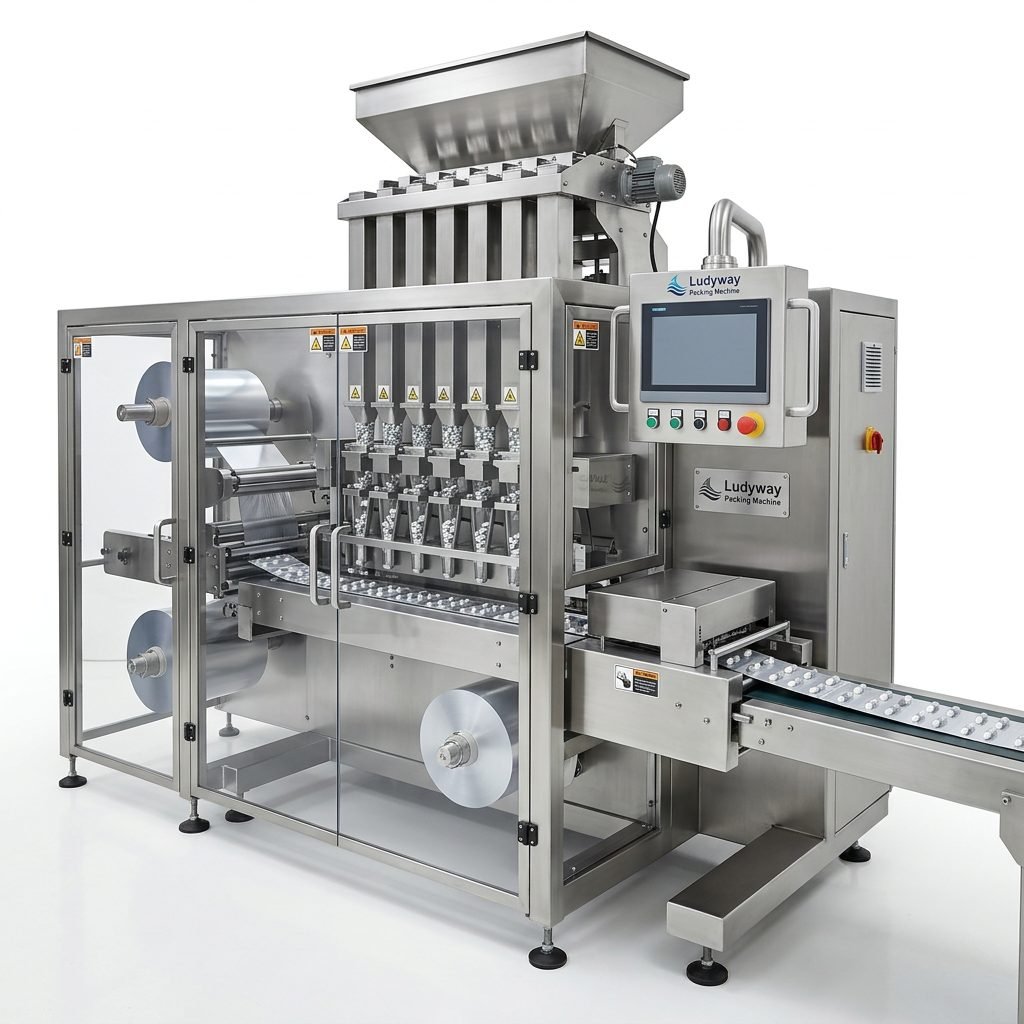
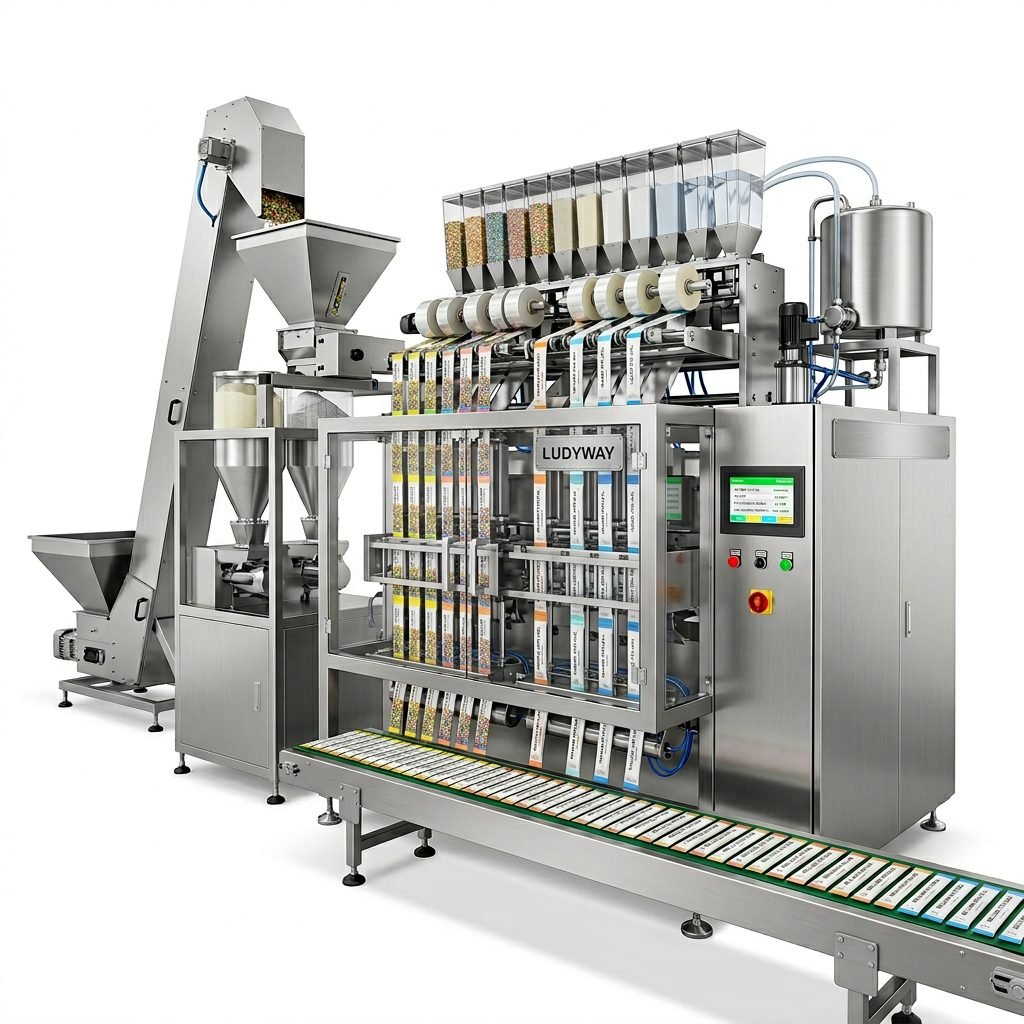
In the fast-paced world of manufacturing, efficiency and speed are paramount. For industries producing cigarettes, the packaging process is a critical step that demands precision, reliability, and high output. High-speed cigarette box packaging machines are engineered to meet these rigorous demands, automating the process of forming, filling, and sealing cigarette boxes at remarkable speeds. This guide delves into the various types of machines available, their key features, and essential tips for selecting the right equipment for your production line.
Understanding the Different Types of High-Speed Cigarette Box Packaging Machines
The market offers a range of machinery tailored to different production scales and packaging styles. Understanding these types is the first step in making an informed purchase.
Automatic Carton Forming & Packing Machines
These are fully integrated systems that take flat cardboard blanks and automatically form them into complete cartons or boxes. They then precisely insert the bundled cigarettes into the formed box before sealing it. This type is ideal for large-scale production requiring minimal manual intervention.
High-Speed Bundle Insertion Machines
Focusing on the core task, these machines specialize in the high-speed placement of pre-bundled cigarettes into pre-formed boxes. They are often used in lines where box forming is handled by a separate machine or where existing boxes are supplied.
Complete Turnkey Packaging Lines
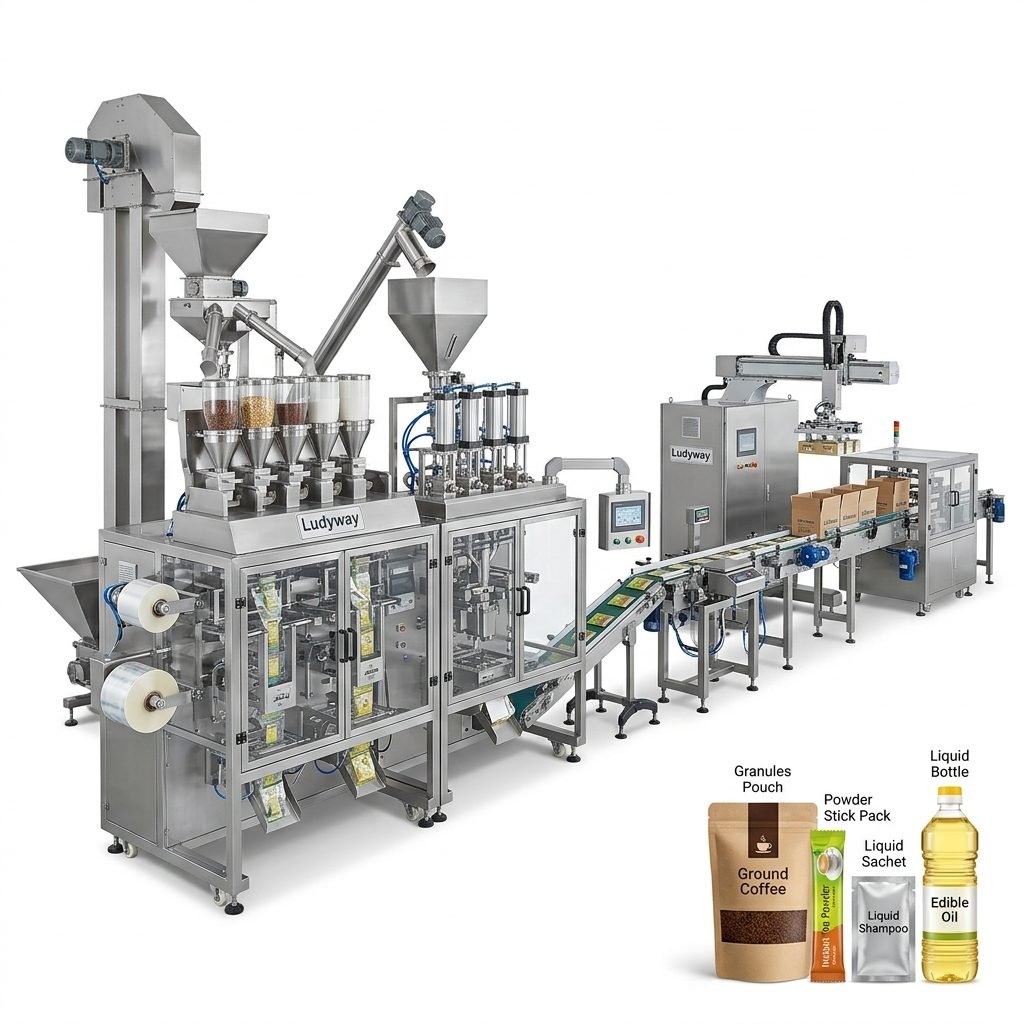
Beyond a single machine, these are comprehensive systems that integrate multiple processes: from receiving loose cigarettes, bundling them, forming the box, inserting the bundle, to final sealing and case packing. They represent the pinnacle of automation for major manufacturers.
Key Feature Spotlight: Speed and Output
The primary metric for these machines is their packaging speed, typically measured in boxes per minute (bpm). High-end models can achieve speeds exceeding 200 bpm, ensuring production targets are consistently met. Output is directly linked to overall plant profitability.
Essential Features to Consider When Evaluating Machines
Beyond basic type, several critical features determine a machine’s performance, reliability, and suitability for your specific environment.
1. Drive System and Control Technology
The heart of the machine’s motion. Modern machines utilize servo motor drives for precise, programmable, and energy-efficient control of all movements. This offers greater flexibility and smoother operation compared to traditional mechanical drives.
2. Flexibility and Changeover Capability
Can the machine handle different box sizes or packaging formats? Quick changeover systems, often facilitated by digital settings, allow production lines to switch between product variants without lengthy downtime, a crucial feature for multi-brand producers.
3. Integrated Quality Control Systems
High speed shouldn’t compromise quality. Look for machines with built-in inspection systems. These can include vision systems to check for missing bundles, weight checks, or seal integrity verification, automatically rejecting faulty packages.
4. Robust Construction and Ease of Maintenance
The machine must withstand continuous high-speed operation. High-grade stainless steel and hardened components in critical areas ensure longevity. Additionally, a design that allows for easy access to key parts simplifies routine maintenance and cleaning, reducing total downtime.
Operational Safety and Ergonomics
Safety is non-negotiable. Machines should feature comprehensive safety guarding, interlock systems, and emergency stops. Ergonomic design, such as adjustable operator interfaces and clear visibility into the process, also contributes to a safer and more efficient work environment.
Practical Buying Tips for Your Investment
Selecting the right machine is a significant investment. Here are actionable tips to guide your decision-making process.
Tip 1: Clearly Define Your Production Requirements
Start with hard numbers: your required output speed (bpm), the specific box dimensions and materials you use, and any future plans for product diversification. This clarity will immediately narrow down your options to suitable models.
Tip 2: Prioritize Reliability and Supplier Support Over Initial Price
A machine breakdown can cost far more than its purchase price. Investigate the manufacturer’s reputation for build quality and machine durability. Crucially, assess the level of technical support, availability of spare parts, and training offered. A reliable partner is invaluable.
Tip 3: Request a Live Demonstration or Visit a Reference Site
Never buy based solely on specifications. Arrange to see the machine running, preferably packaging your own box sample or a similar one. Visiting an existing customer’s site (a reference site) can provide unbiased insights into long-term performance and service.
Tip 4: Analyze the Total Cost of Ownership (TCO)
Look beyond the invoice. Calculate TCO by including estimated costs for energy consumption, routine maintenance, potential spare parts, and operator training. A slightly higher-priced, more efficient and reliable machine often has a lower TCO over 5-10 years.
Tip 5: Ensure Compatibility with Your Existing Line
The new machine must integrate seamlessly. Verify its physical dimensions, input/output conveyor heights, and control system communication protocols (e.g., Ethernet/IP) match your current line. Compatibility avoids costly and time-consuming integration problems.
Investing in a high-speed cigarette box packaging machine is a strategic decision that impacts your production efficiency, product quality, and bottom line. By thoroughly understanding the different machine types, scrutinizing their essential features, and following practical buying tips, you can select a system that not only meets your current needs but also serves as a robust foundation for future growth. The right machine, paired with a reliable supplier, becomes a cornerstone of a competitive and modern manufacturing operation.
Frequently Asked Questions (FAQs)
1. What is the typical speed range for a high-speed cigarette box packaging machine?
Speeds vary by model and complexity. Standard machines range from 80 to 150 boxes per minute (bpm), while advanced, top-tier models can achieve speeds of 200 bpm or higher. The required speed should be based on your total production line output.
2. How difficult is it to change the machine for a different box size?
Modern machines with servo-driven adjustments and digital controls allow for relatively quick changeovers. The time can range from 30 minutes to a few hours, depending on the extent of the size change and the machine’s design. Always request a demonstration of the changeover process.
3. What kind of maintenance schedule do these machines require?
Regular maintenance is key. This typically includes daily cleaning, weekly lubrication and inspection of moving parts, and more thorough preventive maintenance (PM) checks every 500 to 1000 operating hours or as recommended by the manufacturer. A good supplier will provide a detailed maintenance schedule.
4. Can these machines handle soft-pack or hard-pack boxes equally well?
Most machines are designed for a specific type. Hard-pack (carton) machines are more common for high-speed automation. Some machines offer flexibility, but it’s essential to confirm with the manufacturer if you need to pack both styles, as the forming and handling mechanisms differ.
5. What is the most important factor to ensure a successful installation?
Thorough pre-installation planning and communication with the supplier are critical. This includes preparing the site foundation, ensuring power and air supply specifications are met, and having your technical team ready for training. A collaborative approach with the supplier’s installation engineers minimizes startup issues.