Selecting the right sauce packaging equipment is a critical decision for any food manufacturer. The right machine not only ensures product integrity and shelf life but also optimizes production efficiency, minimizes waste, and enhances brand presentation. This comprehensive guide will walk you through the various types of sauce packaging machines, their key features, and the essential factors to consider when choosing the perfect equipment for your production line.
Understanding the Different Types of Sauce Packaging Equipment
The market offers a variety of packaging solutions tailored to different sauce viscosities, production volumes, and packaging formats. Understanding these types is the first step in making an informed choice.
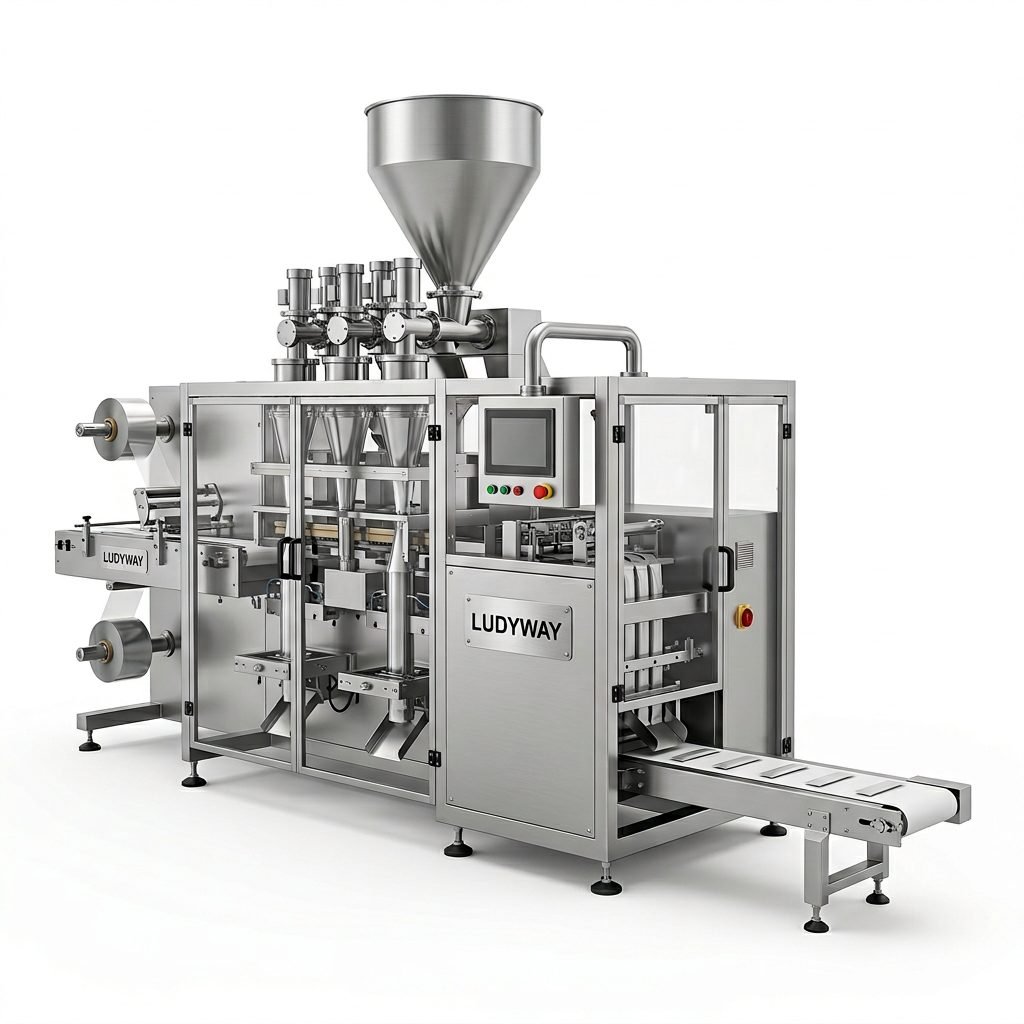
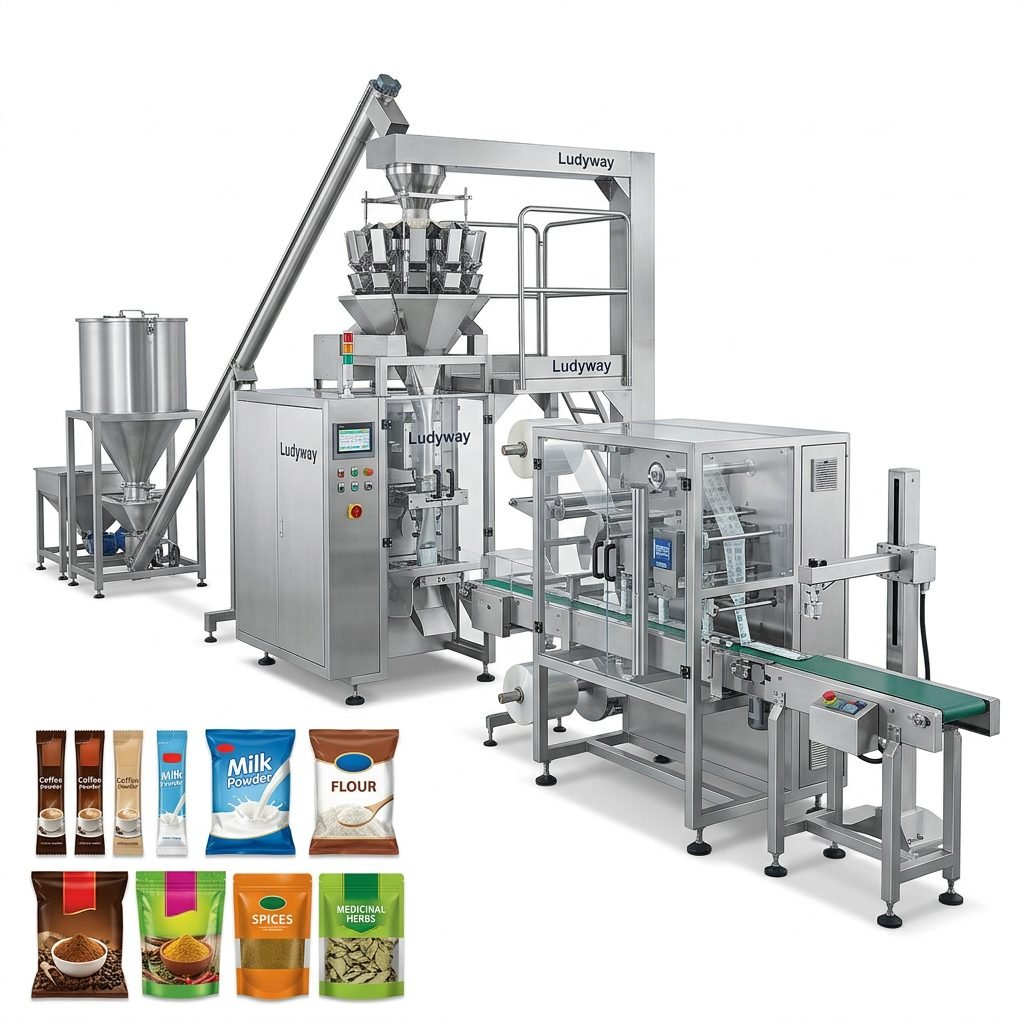
1. Pouch Packaging Machines
Pouch packaging is highly popular for sauces due to its cost-effectiveness, lightweight nature, and excellent shelf appeal. Machines in this category typically produce stand-up pouches (doypacks) or flat pouches.
Key Feature: Many modern pouch machines integrate gas flushing capabilities (modified atmosphere packaging) to extend the shelf life of sensitive products like fresh salsas or gourmet dressings by displacing oxygen inside the pouch.
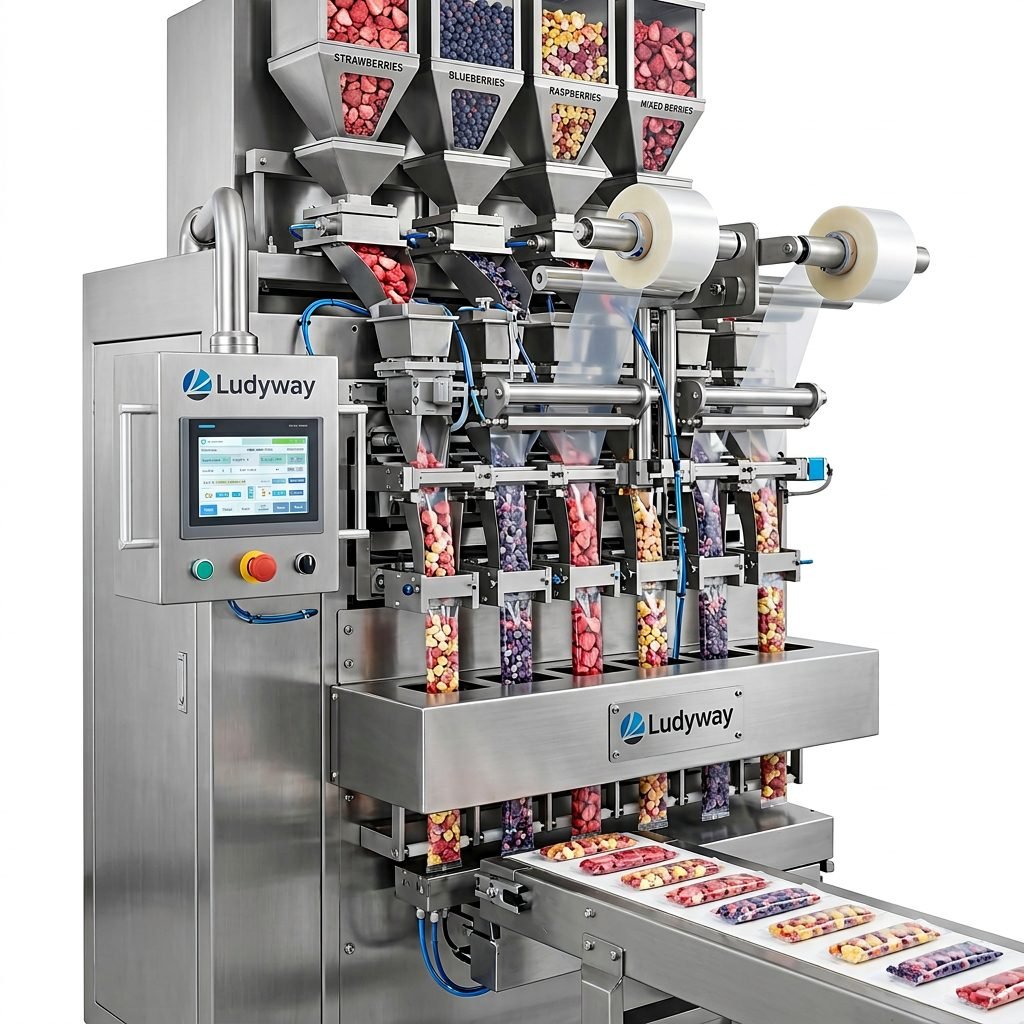
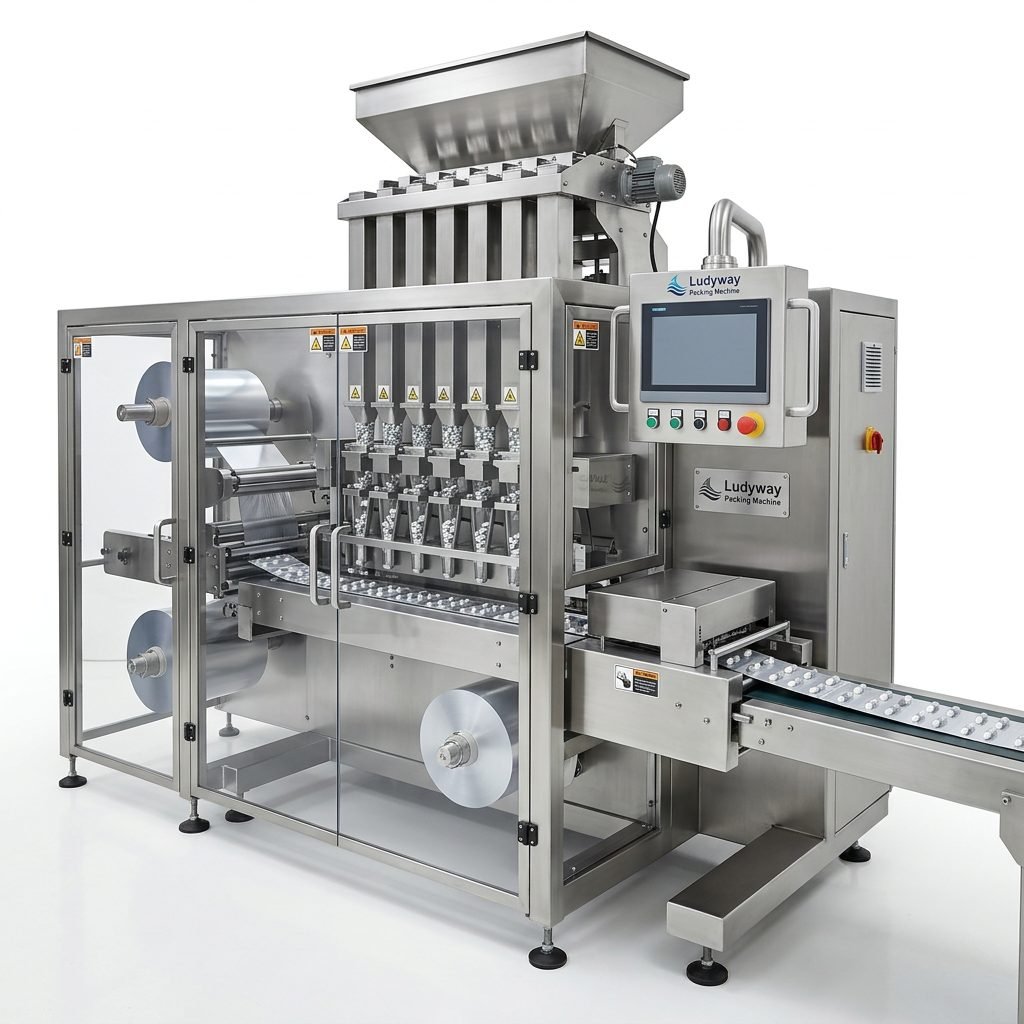
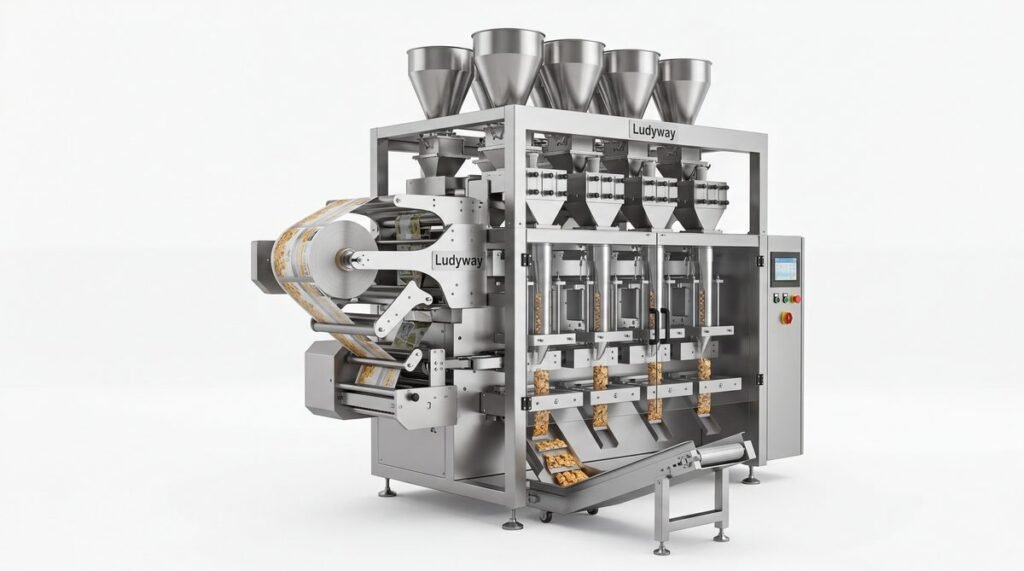
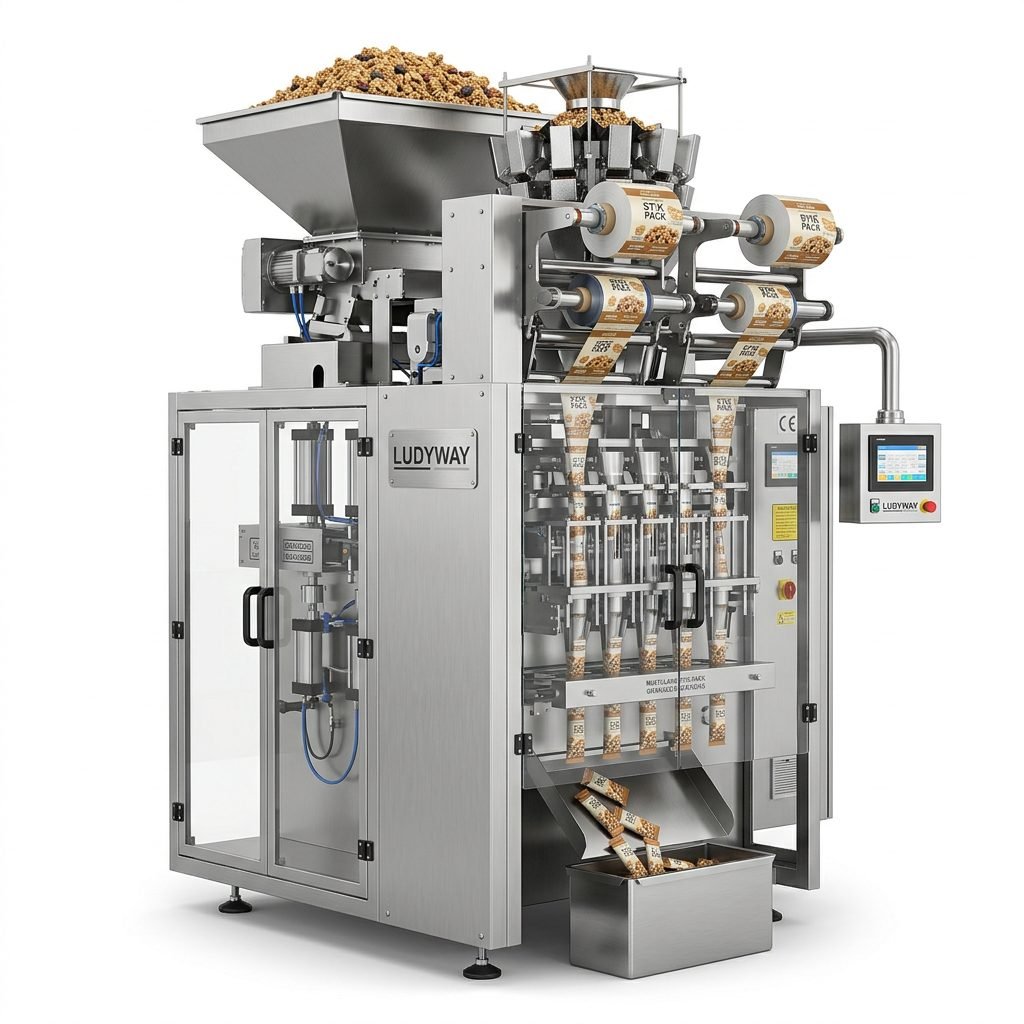
2. Sachet & Stick Pack Machines
Ideal for single-serve portions of condiments like ketchup, soy sauce, or salad dressing. These machines are designed for high-speed production, often running multiple lanes simultaneously.
Production Tip: For products like hot sauce or oil-based dressings, ensure the machine uses a high-quality sealing system that can handle potential seepage and create a robust, leak-proof seal.
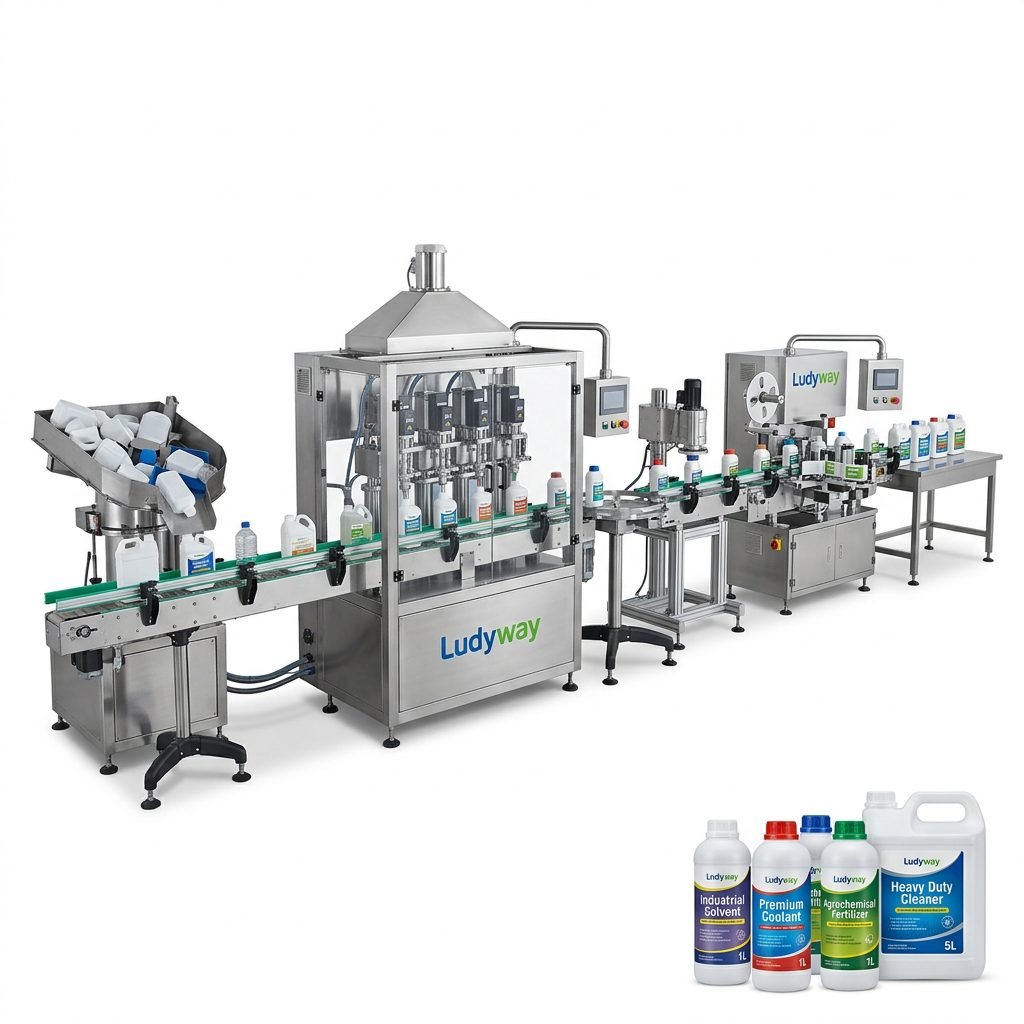
3. Bottling & Capping Lines
For retail-ready glass or plastic bottles. This is a more complex system involving a filler, a capper, and often a labeler. They are perfect for thicker sauces like pasta sauce, mayonnaise, or barbecue sauce.
4. Tube Filling and Sealing Machines
Used for packaging products like tomato paste, curry paste, or gourmet mustards in laminated or plastic tubes. They offer excellent barrier properties and precise dispensing for the consumer.
Essential Features to Look For in Sauce Packaging Machinery
Beyond the basic type, several features determine a machine’s suitability, reliability, and return on investment.
Filling Accuracy and Technology
Accurate filling is non-negotiable to maintain consistent product weight and comply with regulations. Look for machines with piston fillers for viscous products (like relish or chutney) or auger fillers for semi-solids. For liquid sauces, gravity or volumetric pumps are common. Advanced machines offer touch-screen controls for easy recipe changeover and precise adjustment.
Material Compatibility and Sealing System
The machine must be compatible with your chosen packaging film or material (e.g., PET/AL/PE laminates). The sealing system—whether thermal, impulse, or ultrasonic—must create a hermetic seal that withstands the sauce’s chemistry and potential sterilization processes.
Critical Check: Verify the machine’s ability to handle multi-layered films if you require high barrier properties against oxygen and light to preserve flavor and color.
Hygienic Design and Cleanability
Food safety is paramount. Equipment should have a stainless steel construction (preferably 304 or 316 grade) in product contact zones, with smooth, crevice-free surfaces. Easy disassembly for cleaning (CIP – Clean-in-Place systems are a premium feature) significantly reduces downtime.
Automation and Integration Level
Consider the machine’s ability to integrate into your existing line. Features like automatic film feeding, date coding, batch coding, and weight checkers add efficiency. For high-volume operations, robotic palletizing integration might be a future consideration.
How to Choose the Right Sauce Packaging Machine: A Step-by-Step Guide
Step 1: Define Your Product and Production Requirements
Start with a clear analysis. What is the sauce’s viscosity and acidity? What is your target production speed (pouches/minute)? What are your daily/weekly output volumes? Defining these parameters narrows down the machine type and size needed.
Step 2: Determine Your Packaging Format and Material
The package is your product’s ambassador. Decide on the format (pouch, sachet, bottle) and the specific material structure. This decision will directly dictate the kind of machine you require. Consider consumer convenience features like re-closable zippers or spouts.
Step 3: Evaluate Machine Specifications and Supplier Credibility
Scrutinize the technical specs: speed, accuracy, power requirements, and footprint. More importantly, evaluate the supplier. A provider like Ludyway Machinery, with over 30 years of industry experience, offers not just a machine but reliable expertise. Review their after-sales service, availability of spare parts, and technical support network.
Step 4: Consider Flexibility and Future-Proofing
Will you introduce new sauce variants or package sizes? A machine with quick-change parts and programmable settings offers valuable flexibility. Investing in a slightly more adaptable machine can save significant capital later.
Pro Tip: Discuss training and documentation with your supplier. Comprehensive manuals and operator training are crucial for smooth day-one operation and long-term maintenance.
Step 5: Analyze Total Cost of Ownership (TCO)
Look beyond the initial purchase price. Factor in energy consumption, maintenance costs, expected downtime, and potential waste (due to filling inaccuracies or sealing faults). A robust, efficient machine from a reputable supplier often delivers a lower TCO despite a higher upfront cost.
Partnering for Success in Packaging Automation
The journey doesn’t end with the purchase. A successful packaging line implementation relies on strong partnership. From the initial consultation and factory acceptance test to installation, commissioning, and ongoing support, choose a supplier committed to your production goals. Experienced providers can offer complete turnkey solutions, ensuring all components of your line work in harmony for maximum uptime and efficiency.
Frequently Asked Questions (FAQs)
What type of filling system is best for thick, chunky sauces?
For sauces with particulates (like chunky salsa or relish), a piston filler is generally the best choice. It handles high viscosities well and is less likely to damage or separate solid pieces compared to an auger system.
How important is Modified Atmosphere Packaging (MAP) for sauce?
MAP is crucial for fresh, preservative-free sauces or those prone to oxidation (like avocado-based dressings). It significantly extends shelf life and preserves color, flavor, and nutritional value by replacing oxygen inside the package with inert gases like nitrogen or carbon dioxide.
Can one machine handle different sauce viscosities?
Some versatile machines can handle a range, but significant changes (e.g., from water-thin soy sauce to thick mayonnaise) usually require different filling systems or changeover kits. It’s essential to discuss your full product portfolio with the machine supplier.
What maintenance is required for a sauce packaging machine?
Daily cleaning and lubrication of specific points are essential. Regular maintenance includes checking and replacing sealing jaws, pump seals, and filters, and calibrating the filling system. A good supplier will provide a detailed maintenance schedule.
How do I ensure my packaging is leak-proof?
Leak-proof integrity depends on three factors: the correct film material with a reliable seal layer, a perfectly calibrated sealing system (correct temperature, pressure, and dwell time), and a filling system that prevents product contamination on the seal area. Prototype testing is vital.