Investing in a customized frozen dough packaging machine is a strategic decision for bakeries and food manufacturers aiming to scale production, ensure product freshness, and enhance brand presentation. This comprehensive guide delves into the essential features, cost considerations, and buying factors to help you select the ideal machine for your operational needs.
Why Customization is Key for Frozen Dough Packaging
Frozen dough products, from bread rolls to pastry sheets, have unique packaging challenges. They require protection against freezer burn, moisture loss, and physical damage during storage and transit. A standard packaging machine often falls short. A customized frozen dough packaging machine is engineered to handle your specific product’s size, shape, weight, and sensitivity, ensuring optimal preservation and efficiency.
Key Benefit: Customization minimizes product waste, maximizes line speed, and allows for brand-specific packaging formats that stand out on retail shelves.
Core Features to Demand in Your Machine
When evaluating potential equipment, focus on these non-negotiable features that define high-performance machinery.
1. Precision Weighing and Filling System
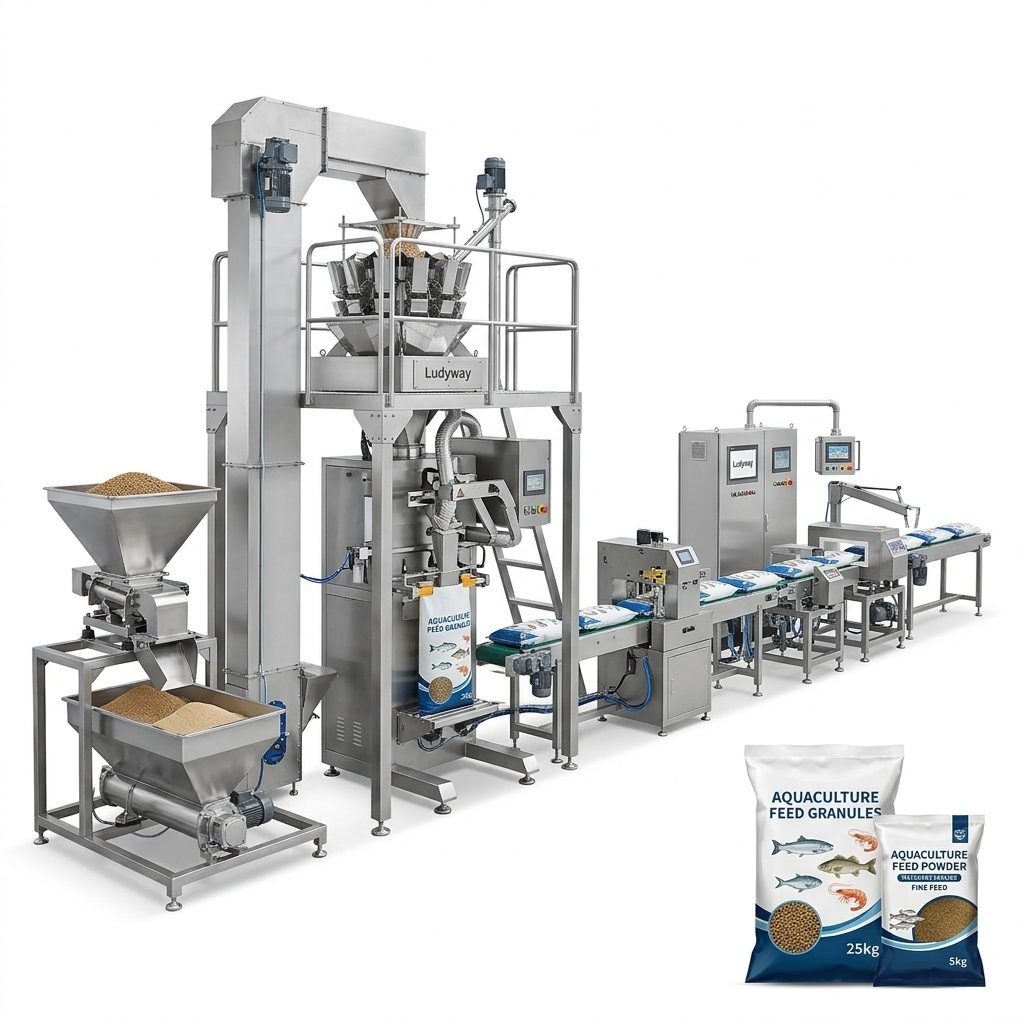
Accuracy is paramount. Look for multi-head weighers or volumetric fillers that can handle delicate, irregularly shaped dough pieces with minimal giveaway. Consistency in portion control directly impacts your profitability.
2. Gentle Product Handling Mechanisms
Frozen dough is fragile. The machine should feature soft-drop mechanisms, adjustable vibration settings, and conveyor belts designed to prevent deformation or sticking, preserving the product’s integrity and proofing potential.
3. Advanced Film Handling and Sealing
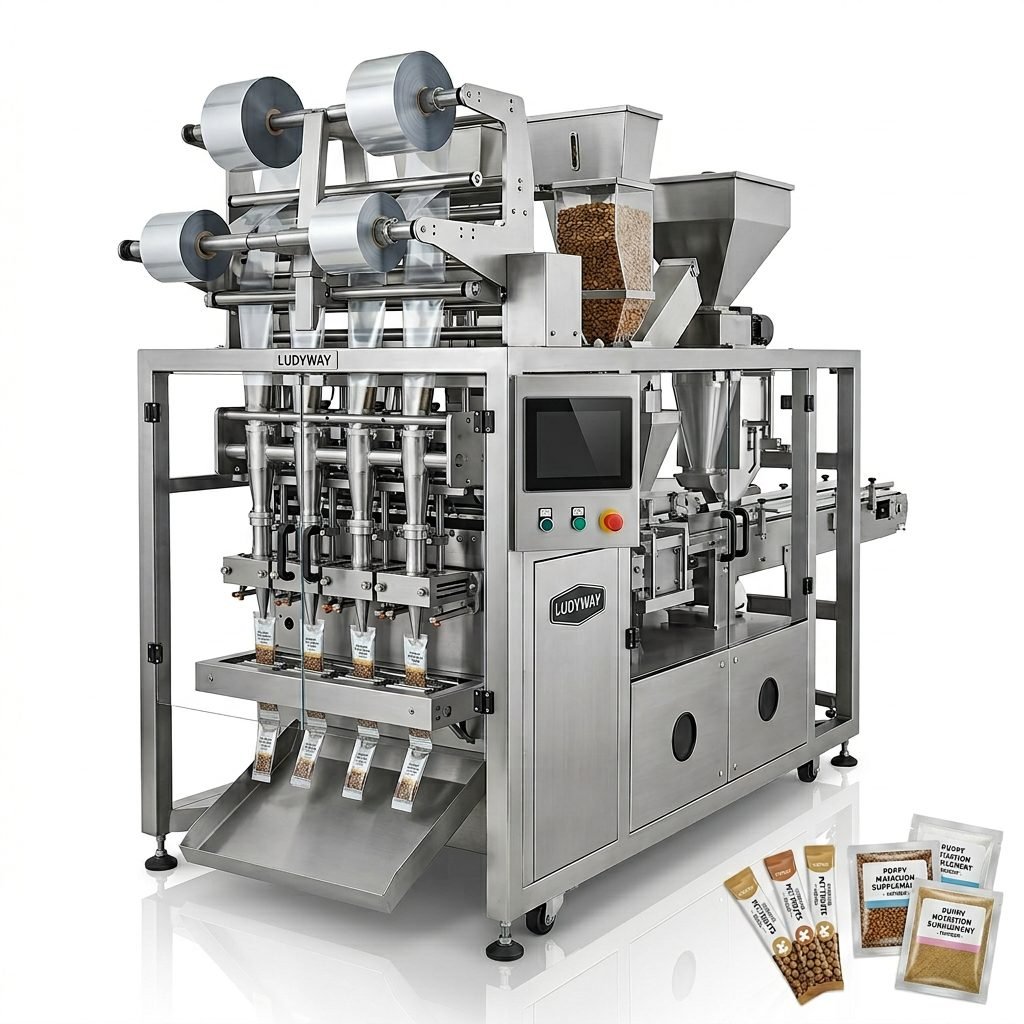
The system must work reliably with various packaging films, including high-barrier laminates essential for frozen goods. Seek robust, temperature-compensated sealing jaws that create strong, airtight seals even in cold, humid production environments to prevent freezer burn.
4. Integrated Nitrogen or Modified Atmosphere Packaging (MAP)
For extended shelf-life and superior quality preservation, an integrated MAP system is crucial. It flushes oxygen from the package and replaces it with nitrogen or a gas mix, drastically reducing oxidation and microbial growth.
5. Hygienic & Easy-Clean Design (EHEDG standards)
Given food safety regulations, the machine should have a stainless-steel construction, smooth surfaces, and a design that allows for quick disassembly and cleaning without tools, minimizing downtime.
Complete Cost Analysis: Beyond the Sticker Price
The total investment includes several components. A clear breakdown prevents unexpected expenses.
› Initial Machine Cost: Varies widely based on automation level, speed (bags/minute), and customization scope. Semi-automatic models are an entry point, while fully automated turnkey lines represent a premium investment.
› Packaging Material Costs: The type of film (e.g., metallized, anti-fog) and the efficiency of the machine in minimizing film waste will significantly impact your ongoing operational expenses.
› Installation & Training: Factor in costs for factory acceptance tests, shipping, on-site installation, and comprehensive operator training provided by the supplier.
› Maintenance & Spare Parts: Inquire about the annual maintenance contract cost, availability of spare parts, and the supplier’s technical support response time. A reliable after-sales service network is invaluable.
› Return on Investment (ROI): Calculate ROI by considering increased output, reduced labor, lower product waste, and improved shelf-life allowing for broader distribution.
The Step-by-Step Buying Guide
Navigate the purchasing process methodically to ensure a successful outcome.
Step 1: Define Your Requirements
Document your product specifications (size, weight), required output speed (bags per hour), available factory space, and desired packaging format (pillow bag, gusseted bag, etc.).
Step 2: Research and Shortlist Suppliers
Seek manufacturers with proven expertise in food and frozen product packaging. Review case studies and client testimonials. A supplier with over 30 years of industry experience often brings deeper problem-solving knowledge.
Step 3: Request for Quotation (RFQ) & Demo
Provide your detailed specs to shortlisted suppliers. Request a comprehensive quotation and insist on a live or video demonstration using a sample of your actual frozen dough product.
Step 4: Evaluate Technical & Service Support
Assess the supplier’s engineering capability for customization, their warranty terms, and the structure of their technical support. Ensure they have a modern production facility capable of manufacturing and testing your customized machine.
Step 5: Finalize Contract and Project Timeline
Clearly define delivery, installation, and performance acceptance criteria in the contract. Agree on a realistic project timeline that includes factory testing, shipping, and commissioning.
Partnering with the Right Manufacturer
Choosing a partner like Ludyway Machinery means aligning with a specialist focused on tailored solutions. With a foundation built on continuous innovation and a commitment to long-term cooperation, such partners offer more than just a machine; they provide a production solution backed by global service experience and a portfolio of over 50 intelligent packaging machine models. Their approach ensures the delivered system integrates seamlessly into your operation, driving efficiency and growth.
Frequently Asked Questions (FAQs)
Q1: What is the typical lead time for a customized frozen dough packaging machine?
Lead times vary from 12 to 20 weeks after order confirmation, depending on the complexity of customization and the supplier’s production schedule. It includes design, manufacturing, factory testing, and shipping preparation.
Q2: Can one machine handle different shapes and sizes of frozen dough?
Yes, a well-designed customized machine often includes quick-change parts (like forming tubes and buckets) and programmable recipes, allowing for efficient changeovers between different products with minimal downtime.
Q3: How important is Modified Atmosphere Packaging (MAP) for frozen dough?
While freezing preserves the product, MAP is critical for preventing oxidation (rancidity) and moisture migration during long-term storage. It maintains color, texture, and flavor, making it essential for premium products and extended distribution cycles.
Q4: What kind of after-sales support should I expect?
Expect comprehensive support including detailed operation manuals, on-site installation and training, a warranty period (typically 12-18 months), readily available spare parts, and access to remote or on-call technical assistance for troubleshooting.
Q5: How do I ensure the machine meets food safety standards?
Ensure the machine is constructed with food-grade materials (e.g., 304/316 stainless steel) and designed according to hygiene principles like EHEDG. Request documentation on compliance with relevant standards (e.g., CE, FDA) for your target markets.