Choosing the right ice cream packaging machine is a critical decision for any manufacturer, impacting product quality, shelf life, operational efficiency, and ultimately, profitability. This guide explores the various types of machines, their key features, and provides a structured approach to selecting the best solution for your production needs.
Understanding the Core Types of Ice Cream Packaging Machines
The packaging process for ice cream is specialized due to the product’s sensitivity to temperature and handling. Machines are generally categorized by their packaging format and automation level.
Primary Packaging Format Machines
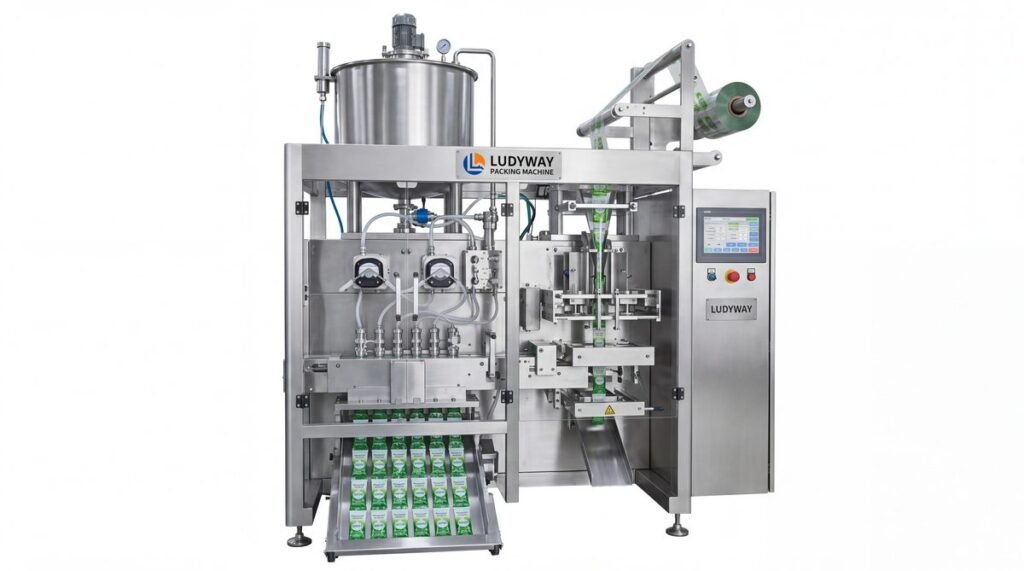
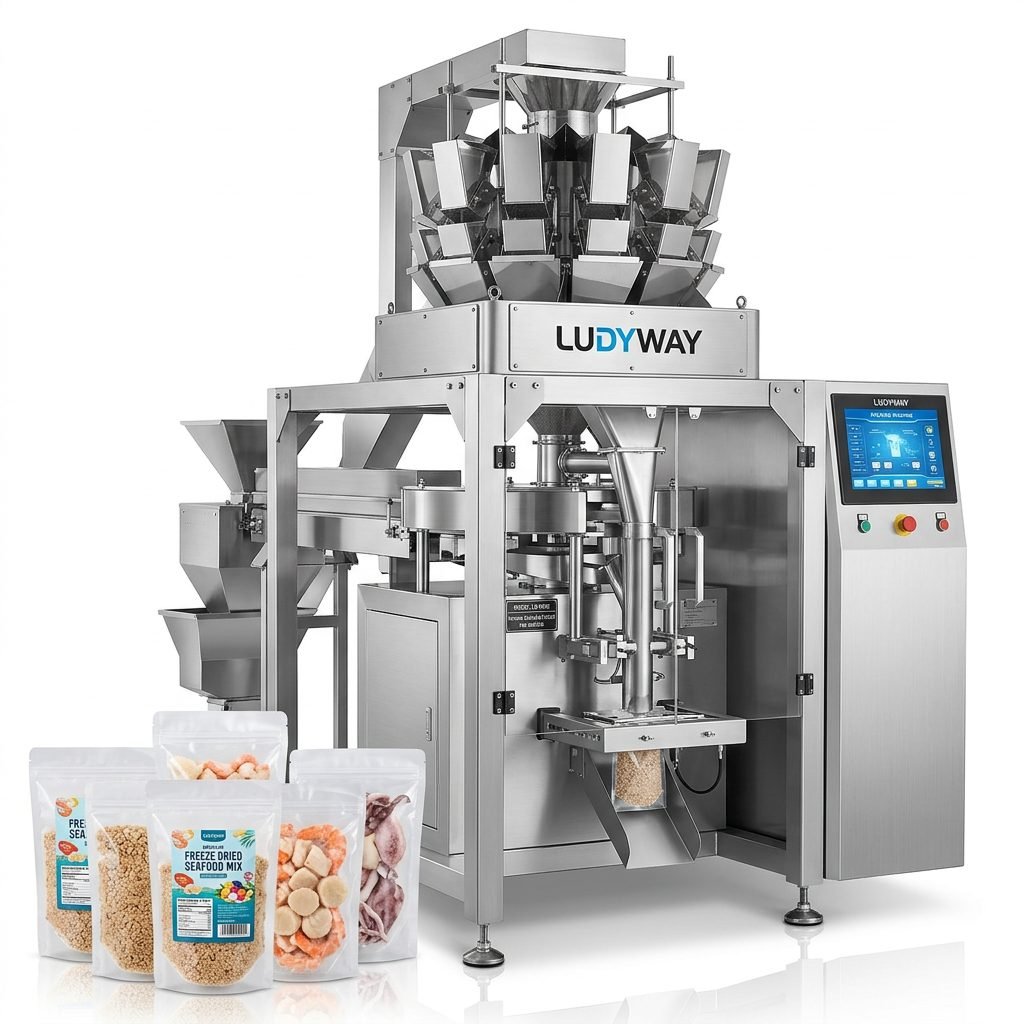
Carton & Tub Fillers: These are the most common machines for retail ice cream packaging. They automatically form, fill, and seal paperboard cartons or plastic tubs. High-speed versions can handle multiple lanes and are ideal for large-scale production of standard-sized containers.
Cup Fillers: Designed for filling pre-formed single-serving cups, often used for portion-controlled products like frozen yogurts or gelatos. They can be integrated with lid sealing systems.
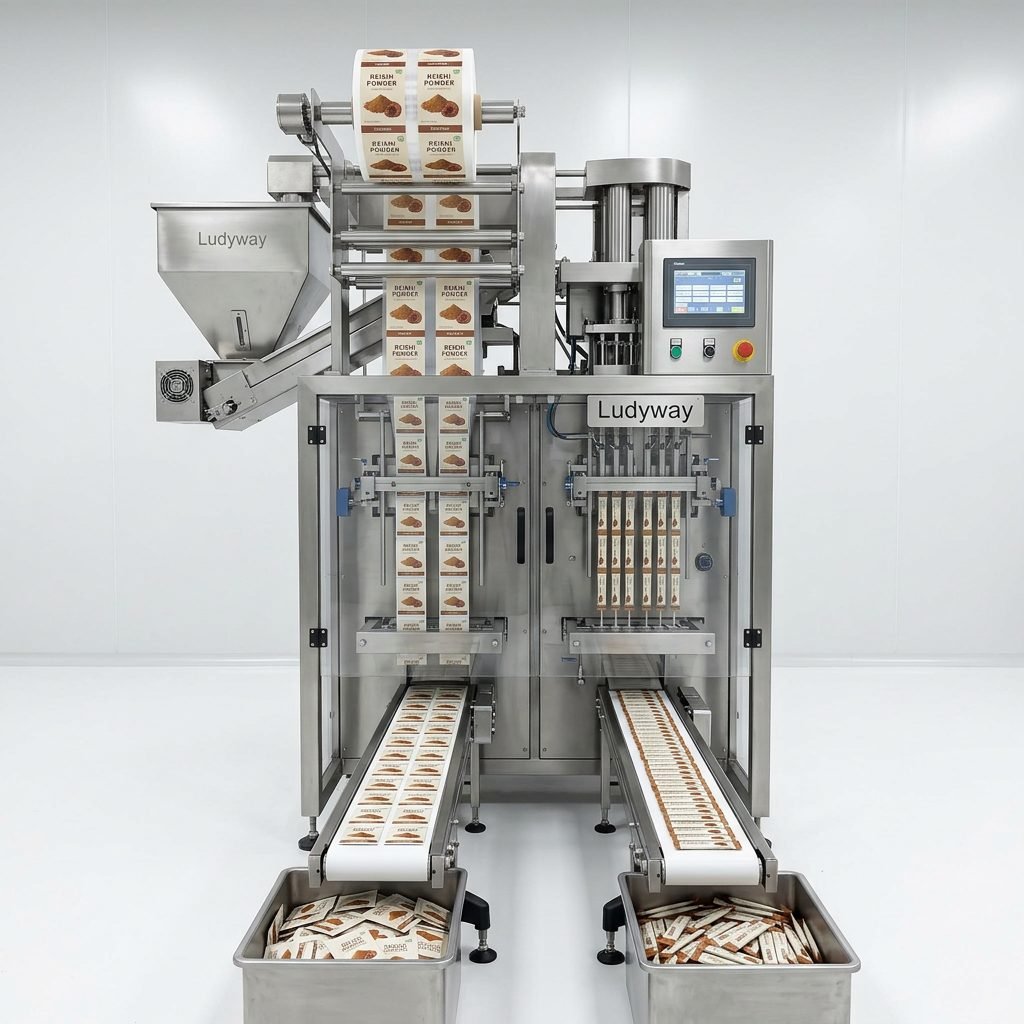
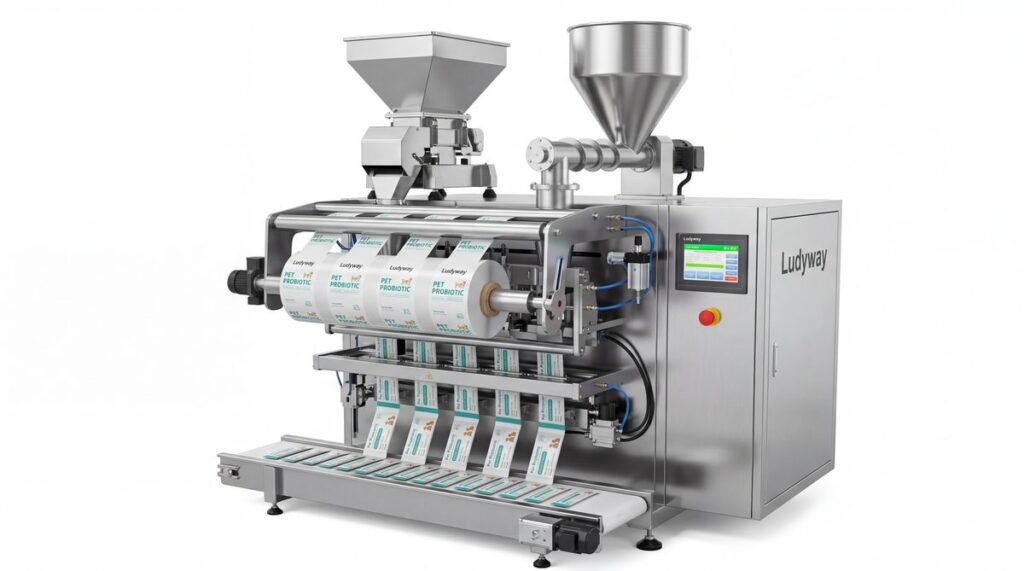
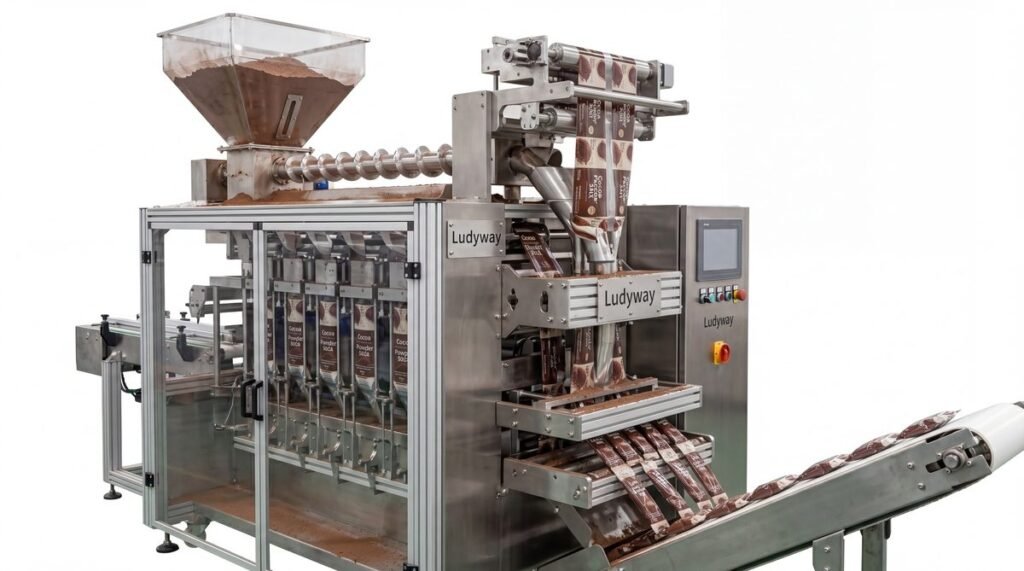
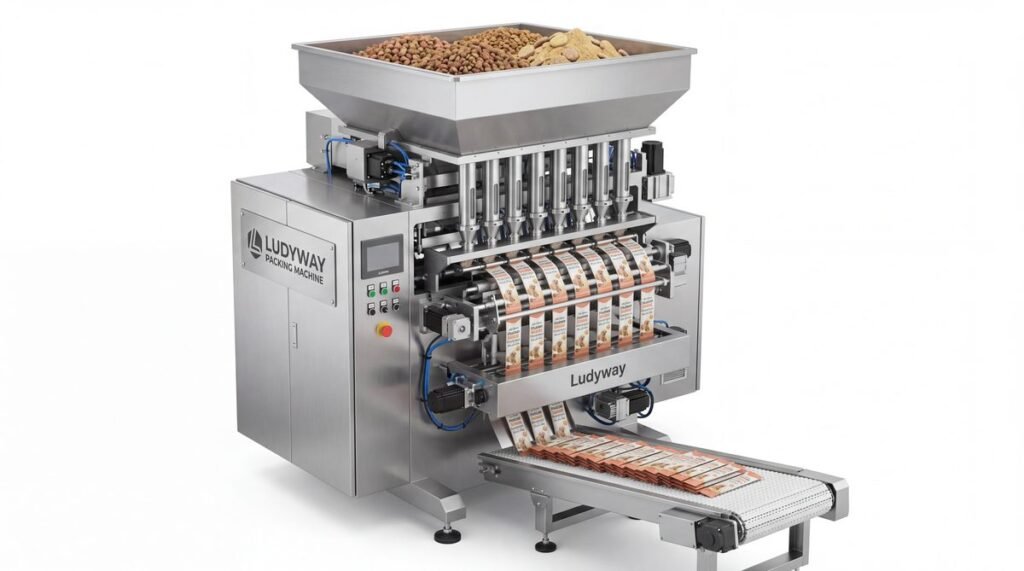
Stick Pack Machines: Used for producing small, elongated ice cream portions on a stick (like mini ice creams). These are highly automated, forming the stick pack from roll film, filling it with the product, inserting the stick, and sealing it.
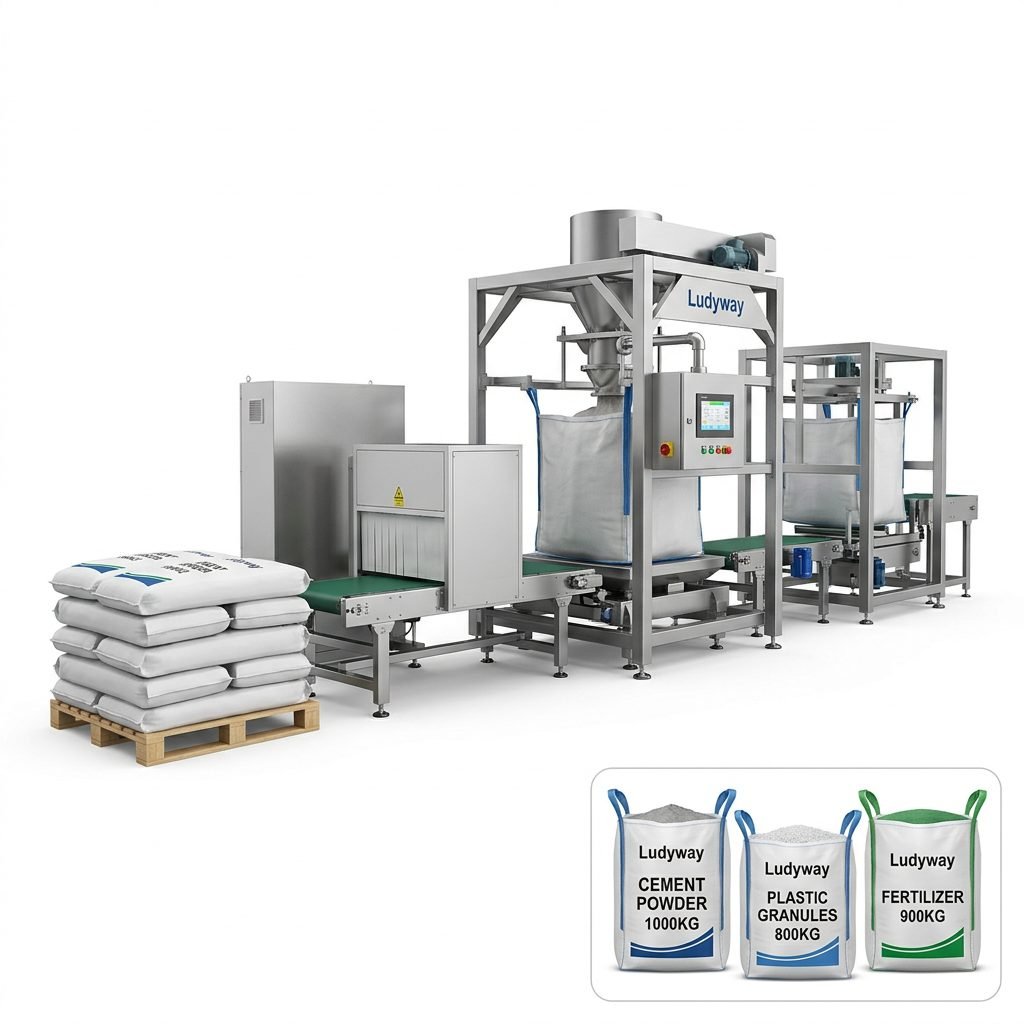
Bulk Packing Systems: For industrial or food service supply, these systems fill large containers (e.g., 2-5 kg tubs or bags) for bulk distribution.
Automation Level Classification
Manual & Semi-Automatic Machines: Suitable for small startups, artisan producers, or low-volume operations. They require operator involvement for placing containers or initiating cycles but offer a low-cost entry point.
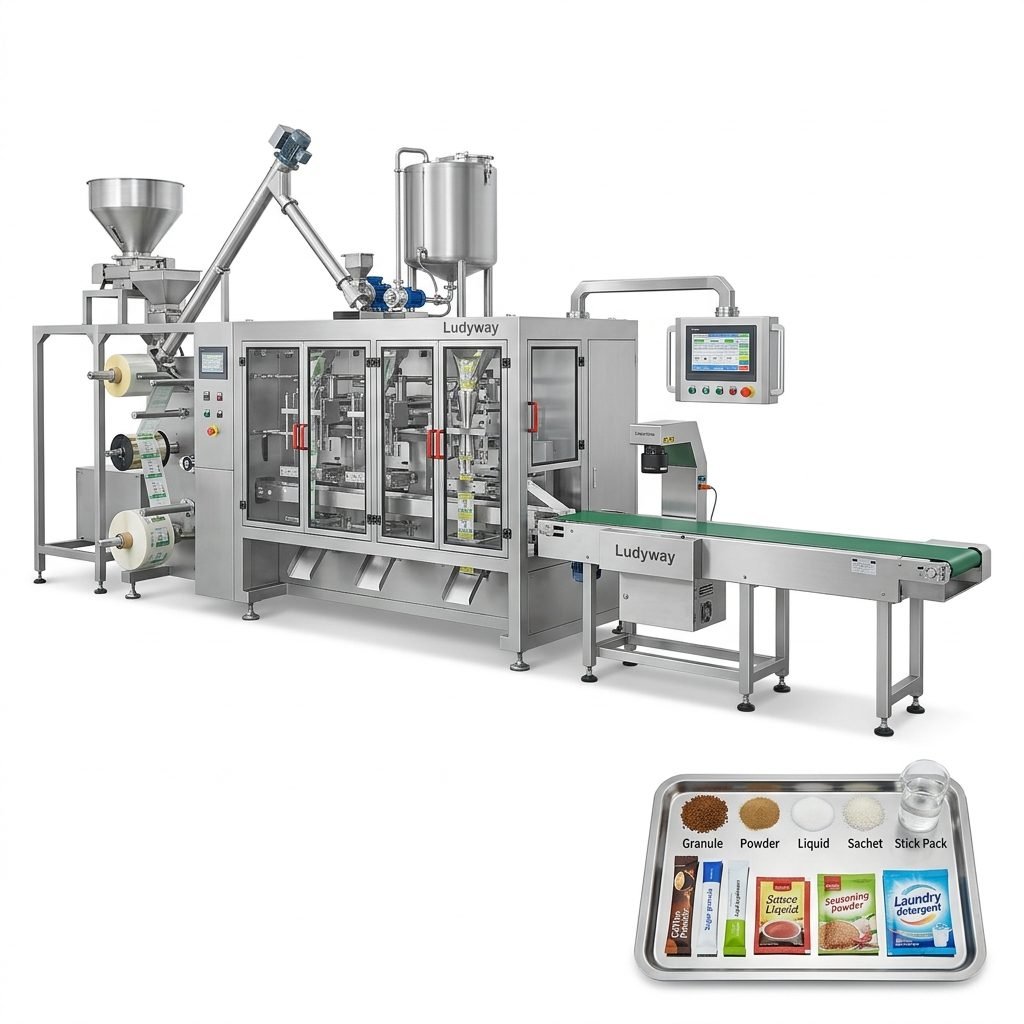
Automatic Machines: The standard for commercial production. They perform the entire filling and sealing process autonomously at high speeds, often with inline container feeding.
High-Speed, Multi-Lane Automatic Lines: These are turnkey solutions for large manufacturers. Multiple parallel machines work synchronously, fed by a central product supply system, achieving maximum output volumes.
Essential Features to Evaluate in a Packaging Machine
Beyond the basic type, several technical features determine a machine’s suitability, reliability, and versatility.
Filling Technology and Accuracy
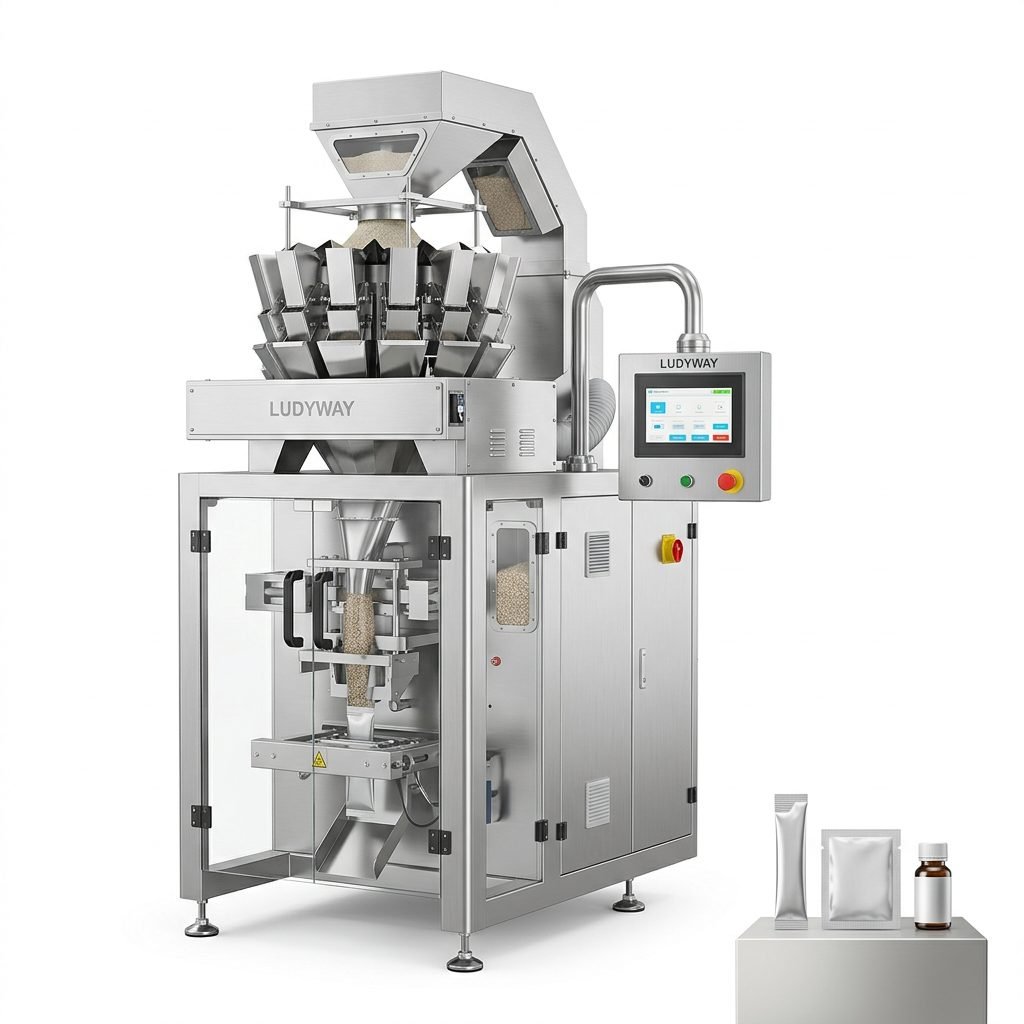
Volumetric vs. Weight-Based Filling: Volumetric fillers (using pistons or cups) are common and fast. For premium products where exact weight is crucial (and price-sensitive), weight-based fillers using load cells offer superior accuracy and reduce giveaway.
Product Handling: The filling mechanism must handle ice cream’s viscosity and temperature gently to prevent smearing or melting. Piston fillers with cooled jackets are often preferred.
Temperature Control and Hygiene
Ice cream packaging must occur in a cold environment. Key features include:
- ✔ Insulated or refrigerated filling zones to maintain product integrity.
- ✔ Easy-Clean Design (ECD): Smooth surfaces, quick-disconnect parts, and stainless steel construction for hygiene and preventing bacterial growth.
- ✔ Compatibility with cleaning-in-place (CIP) systems in larger automated lines.
Flexibility and Changeover Capability
If you produce multiple flavors or container sizes, flexibility is vital.
Quick Size Changeover: Machines with tool-less or minimal-tool adjustment for different carton/tub sizes drastically reduce downtime between production runs.
Multi-Product Handling: Ability to switch between different product viscosities (e.g., hard ice cream vs. soft serve mix) without major recalibration.
Integration and Control Systems
PLC & Touchscreen HMI: Modern machines are controlled by Programmable Logic Controllers (PLC) with intuitive touchscreen interfaces. This allows for precise parameter setting, recipe storage, production data logging, and easier operator training.
Connectivity: Features like Ethernet connectivity for data export (OEE, output counts) or integration with upstream/downstream equipment (freezers, palletizers) are valuable for smart factory setups.
A Step-by-Step Guide to Choosing the Best Solution
Selecting a machine is a strategic process. Follow these steps to align your investment with your business goals.
Step 1: Conduct a Thorough Needs Analysis
Start by defining your current and future requirements with absolute clarity.
- Production Volume: Calculate your required output in units/hour or shifts/day. Consider peak season demands.
- Product Range: List all your ice cream types, flavors, and their physical properties (viscosity, inclusions like chips).
- Packaging Formats: Determine your container types (carton size, tub material, cup style) and any special sealing needs.
- Factory Environment: Assess available space, utilities (power, compressed air, cooling), and existing production line layout.
Step 2: Prioritize Key Performance Criteria
Based on your analysis, rank the importance of:
- ➤ Speed & Output: Is maximizing throughput the primary goal?
- ➤ Accuracy & Quality: Is minimizing giveaway and ensuring perfect fills critical for your brand?
- ➤ Flexibility: How frequently will you change products or packaging?
- ➤ Budget & ROI: Define your investment ceiling and calculate the payback period based on efficiency gains.
Step 3: Research and Compare Suppliers
Look for suppliers with proven expertise in frozen food packaging.
Evaluate their industry experience, the robustness of their machine design, and the availability of comprehensive technical support (installation, training, spare parts, service). A supplier with a long track record, like those with over 30 years in packaging machinery, often brings invaluable application knowledge. Request detailed specifications and, crucially, arrange for product trials using your actual ice cream and containers.
Step 4: Plan for Integration and Future Growth
The best solution fits not just today, but tomorrow.
Discuss with the supplier how the machine will integrate into your current process. Consider if you need a standalone unit or a module for a future complete turnkey production line. Ensure the machine’s design allows for potential upgrades or capacity expansion. Investing in a slightly more capable machine than currently needed can prevent costly replacements later.
Conclusion: Investing in Efficiency and Quality
The right ice cream packaging machine is more than a capital expense; it is a cornerstone of your production integrity and efficiency. By systematically analyzing your needs, understanding the technology, and choosing a reliable partner, you secure a solution that protects your product quality, optimizes your operational costs, and scales with your business success. A well-chosen machine ensures that every tub, carton, or cup that reaches the consumer is as perfect as the ice cream inside.
Frequently Asked Questions (FAQs)
What is the typical output speed of an automatic carton filler?
Speeds vary widely by model. Standard single-lane automatic fillers can achieve 30-60 cartons per minute. High-speed, multi-lane systems can exceed 150 cartons per minute. Your required speed depends entirely on your total daily production volume.
Can one machine handle both ice cream and frozen yogurt?
Yes, many modern fillers are designed for versatility. The key is the filling mechanism’s ability to handle different viscosities. Piston fillers with adjustable settings often manage both well. Always conduct a product trial with both formulations to confirm performance.
How important is temperature control in the machine?
Extremely important. Ice cream begins to soften immediately outside a frozen environment. Machines with insulated fill heads or cooled jackets prevent “melt-back” at the point of fill, which can affect seal integrity and product appearance. This is a critical feature for quality.
What are the main maintenance requirements?
Regular cleaning is paramount for hygiene. Daily washing of product contact parts and periodic lubrication of moving components are standard. Machines with Easy-Clean Design (ECD) significantly reduce maintenance time. Following the supplier’s scheduled maintenance plan for belts, seals, and sensors prevents unexpected downtime.
Is operator training provided by the supplier?
Reputable suppliers almost always provide on-site operator and maintenance technician training as part of the installation service. This includes hands-on instruction on machine operation, changeover procedures, basic troubleshooting, and safety protocols. Ensure this is included in your purchase agreement.