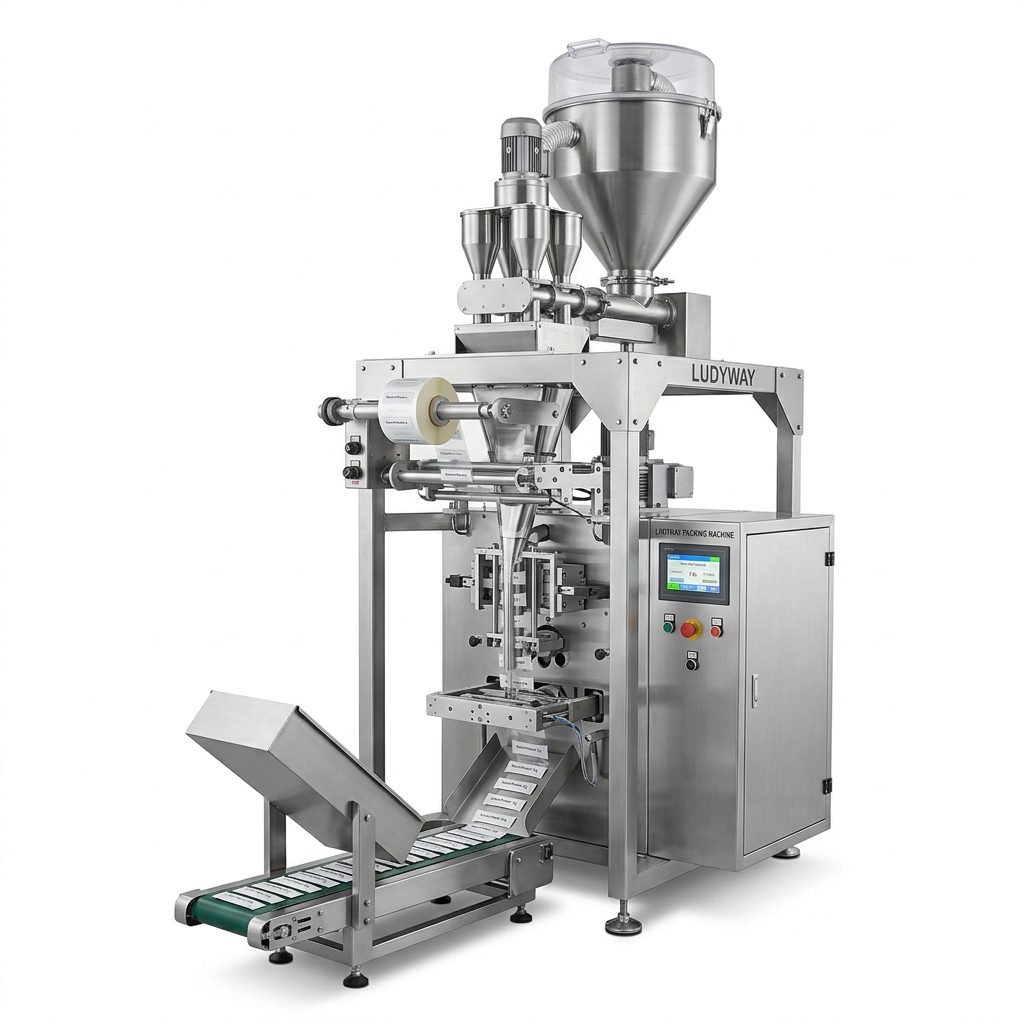
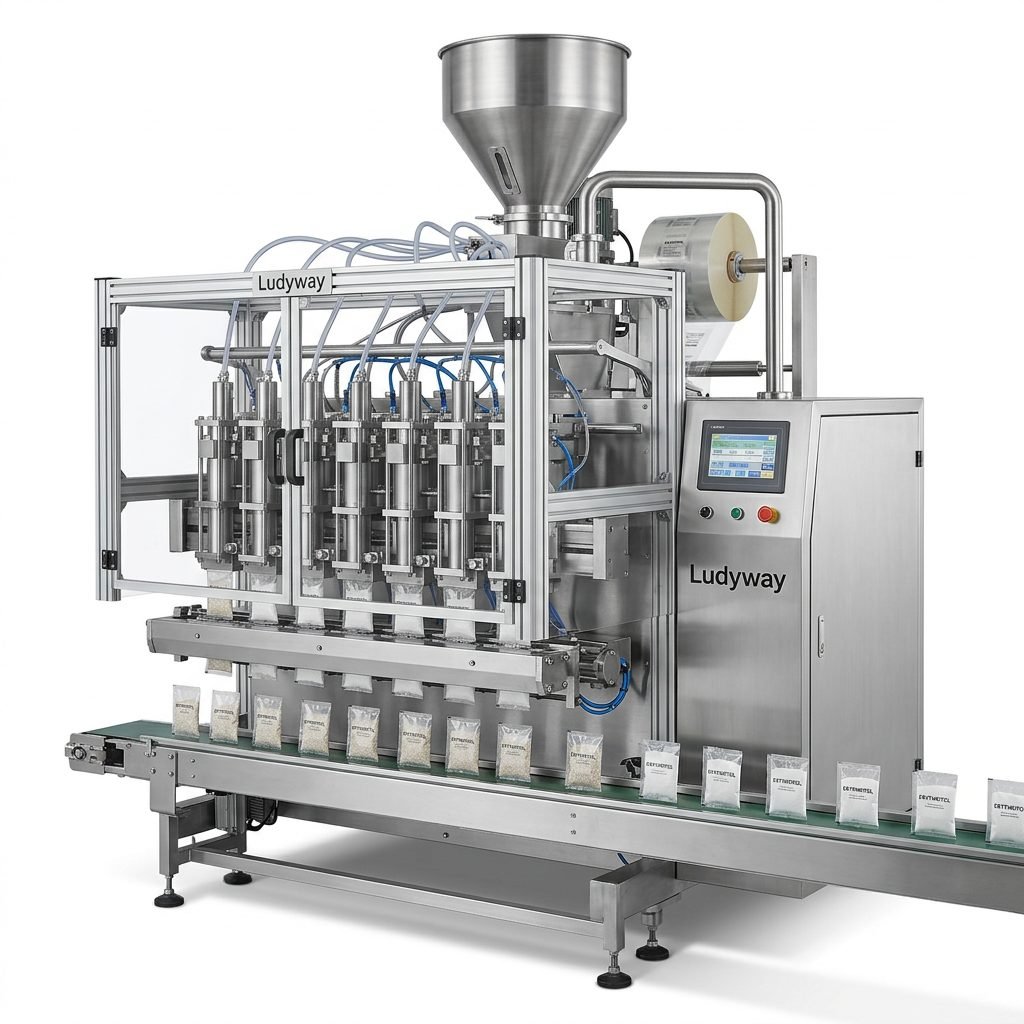
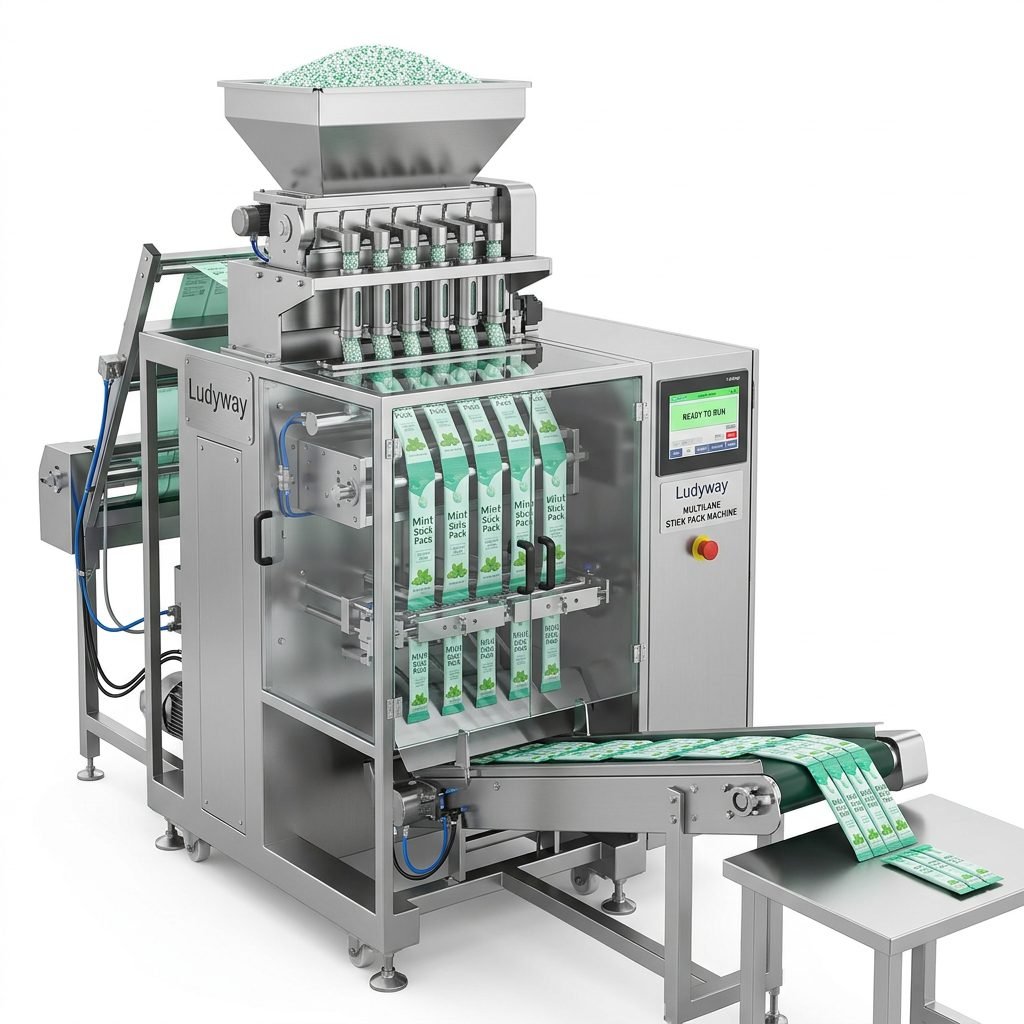
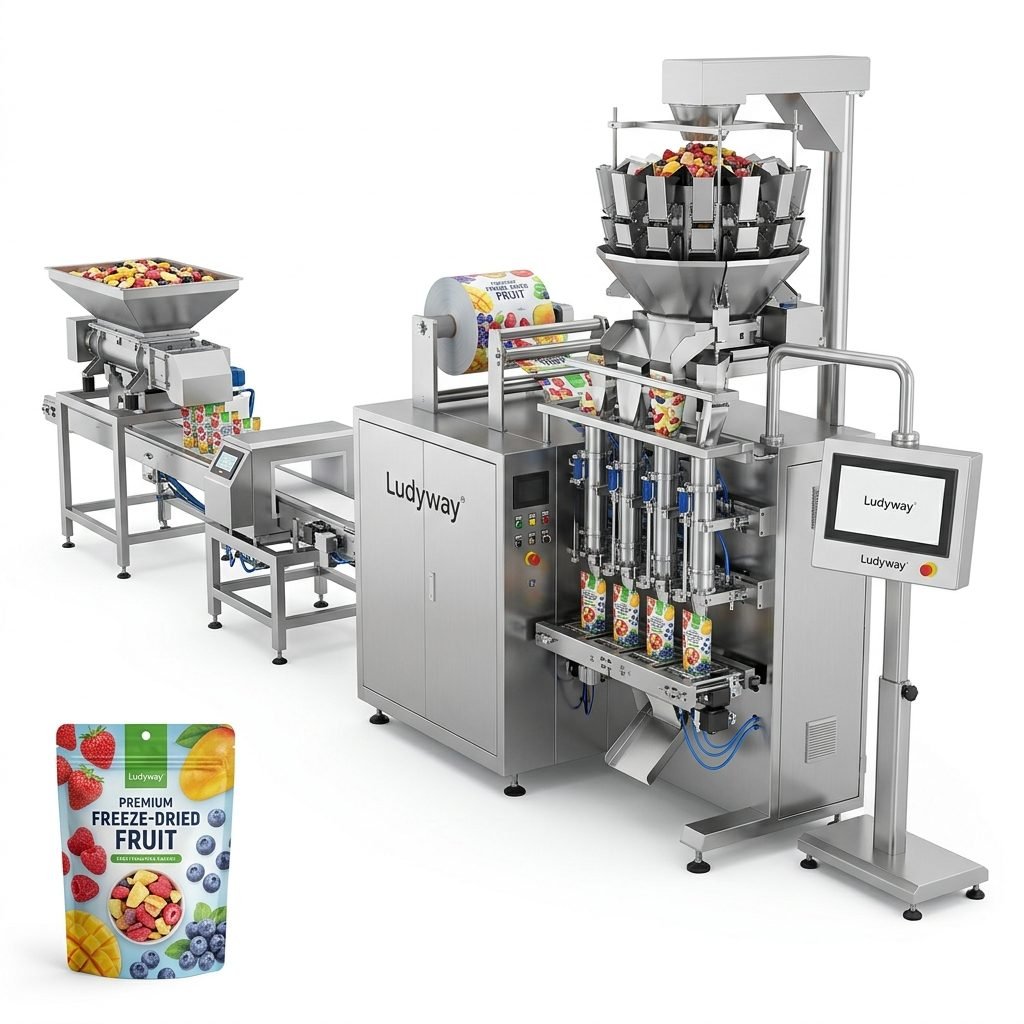
In the fast-paced world of manufacturing, efficiency, precision, and hygiene are paramount. For producers of dishwasher tablets, selecting the right automatic packaging solution is not just about wrapping a product; it’s about ensuring product integrity, maximizing production speed, and building a brand through consistent, high-quality presentation. An automatic dishwasher tablet packaging machine is the cornerstone of this process, transforming bulk tablets into market-ready, consumer-friendly packs.
Understanding Dishwasher Tablet Packaging Needs
Dishwasher tablets are a unique product category with specific packaging challenges. They are solid, often multi-layered or wrapped in dissolvable film, and can be sensitive to moisture and physical damage. The packaging must provide a robust barrier to protect the tablet’s efficacy while also being appealing on the retail shelf. Furthermore, the high-volume nature of consumer goods demands packaging solutions that are exceptionally fast and reliable.
Key Product Characteristics Influencing Packaging:
- Physical Form: Solid, pre-formed tablets of specific dimensions and weights.
- Hygiene & Protection: Requires a sealed, moisture-proof barrier (often using laminated film or pouches).
- Branding & Information: Packaging film must allow for high-quality printing of logos, usage instructions, and safety warnings.
- High-Volume Output: Production lines often need to package hundreds of tablets per minute to meet demand.
Core Components of an Automatic Packing Machine
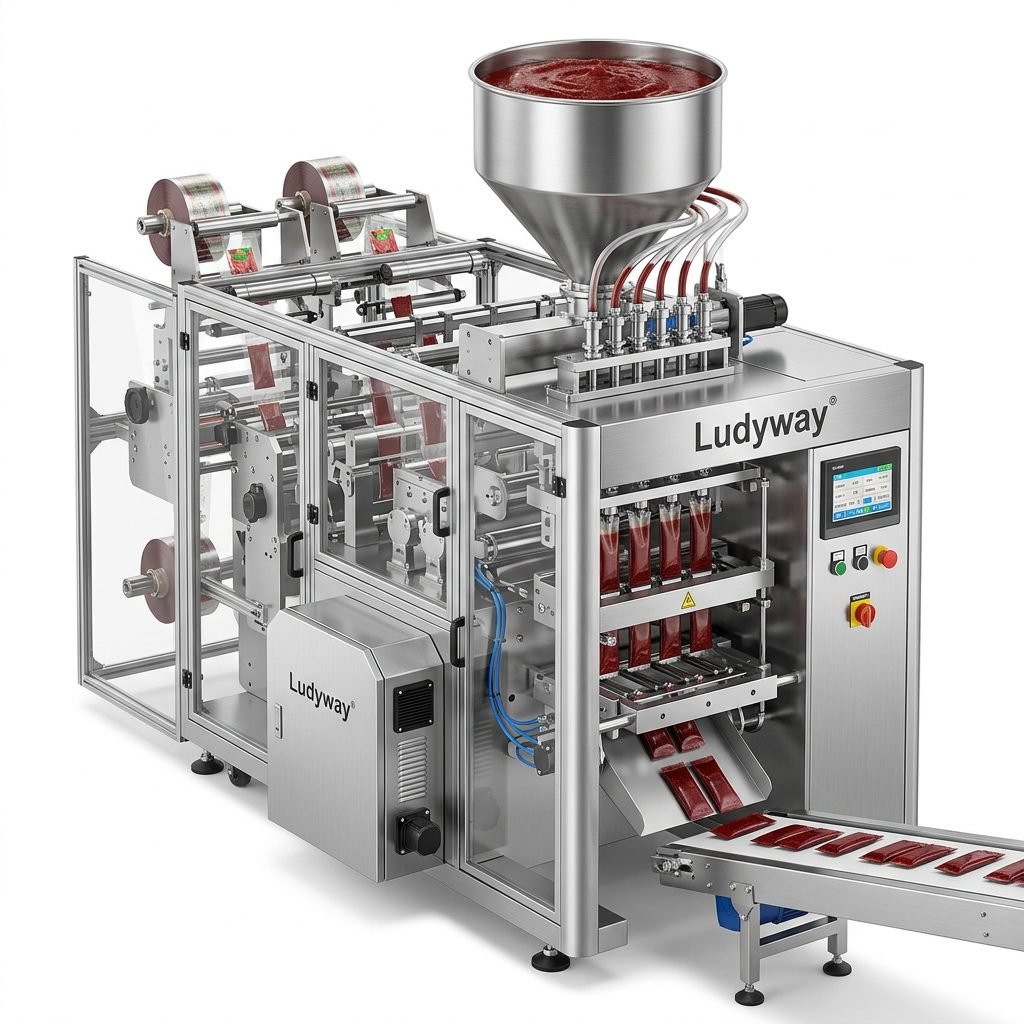
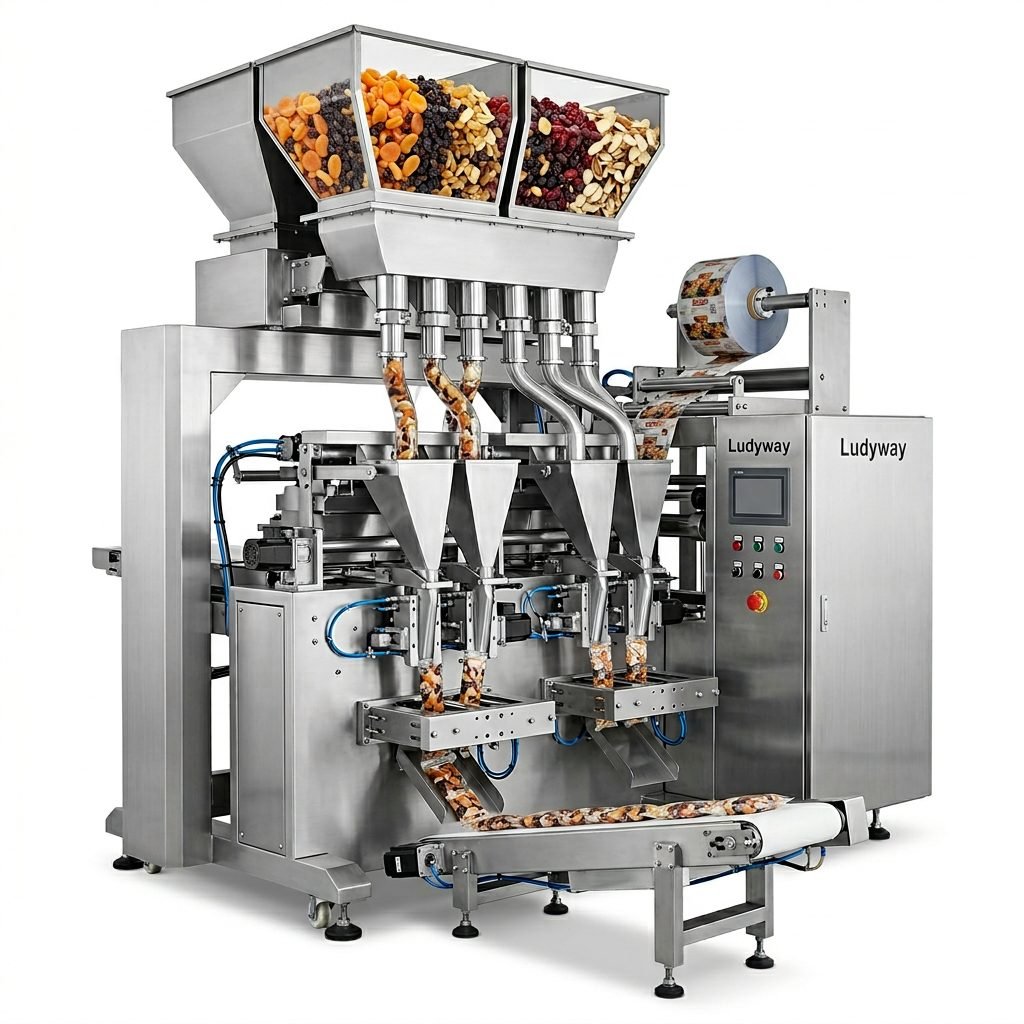
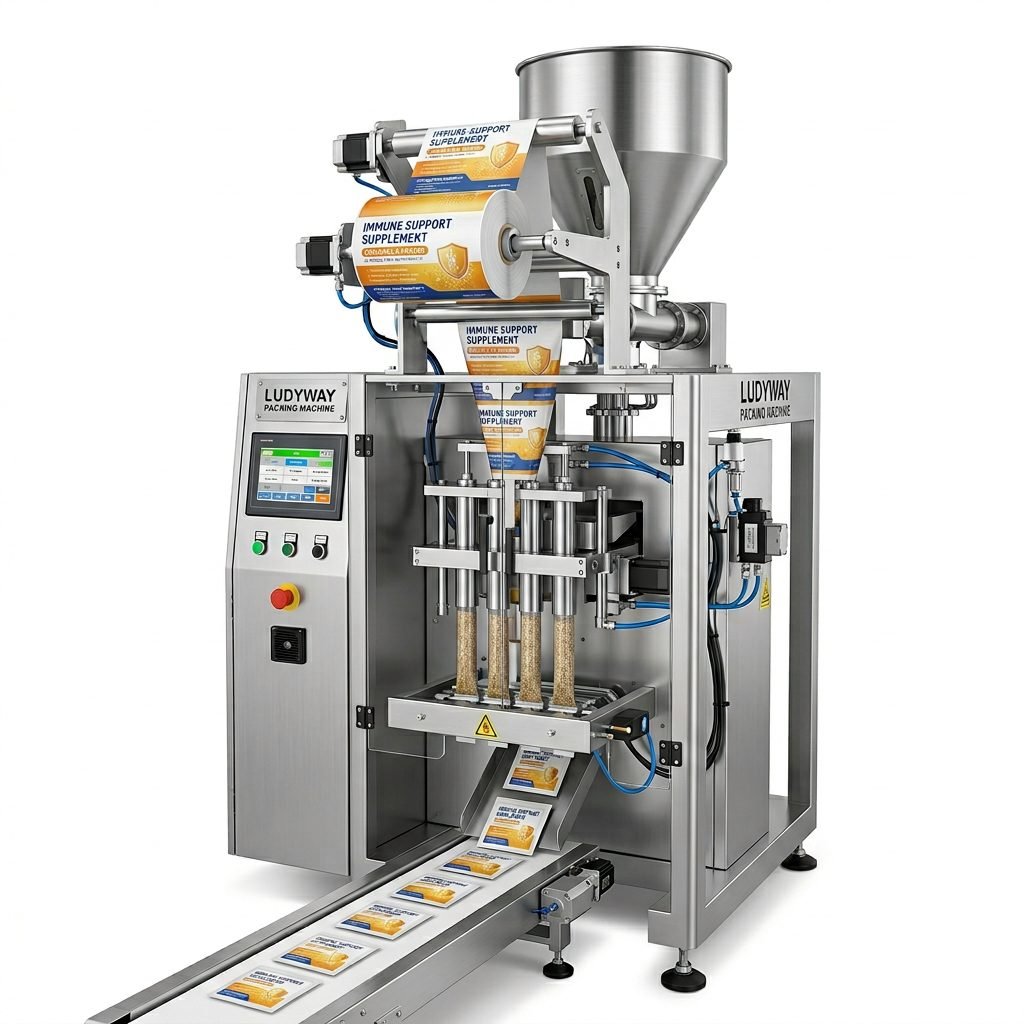
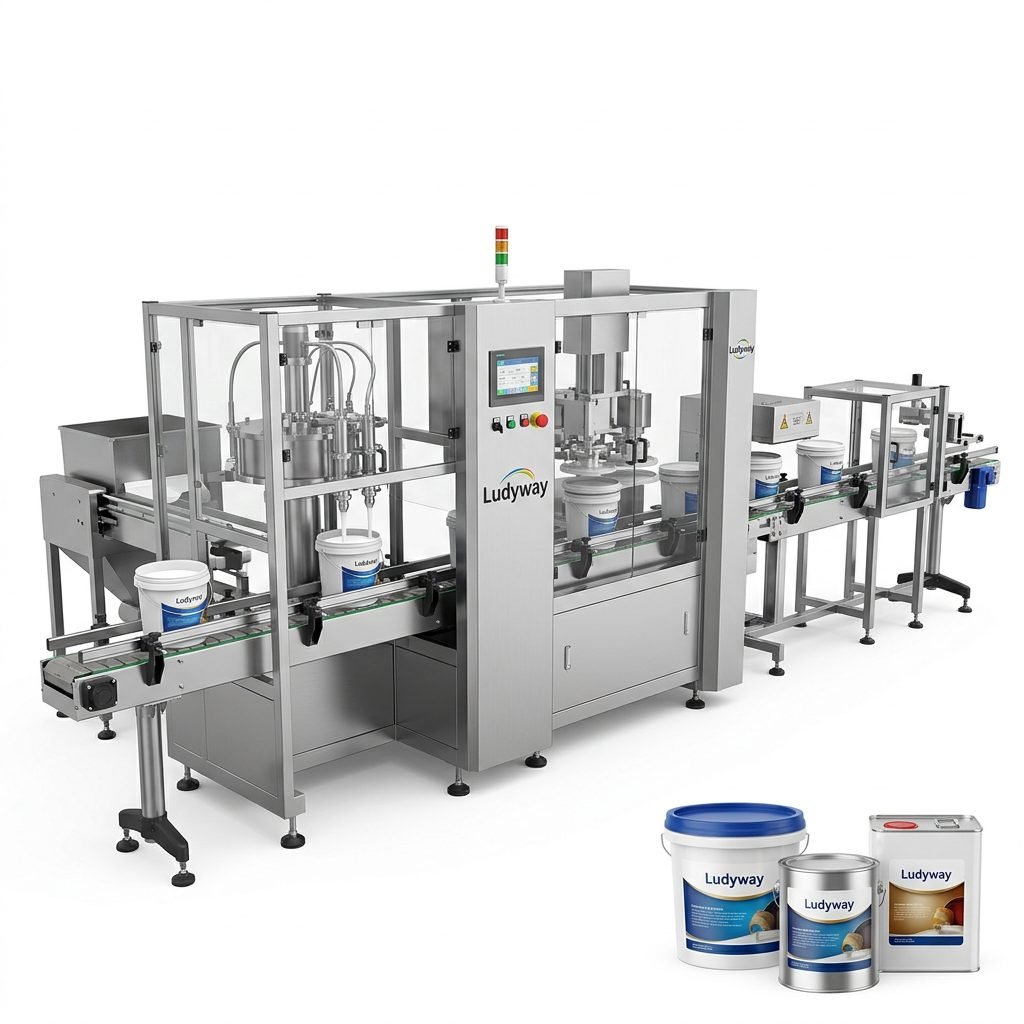
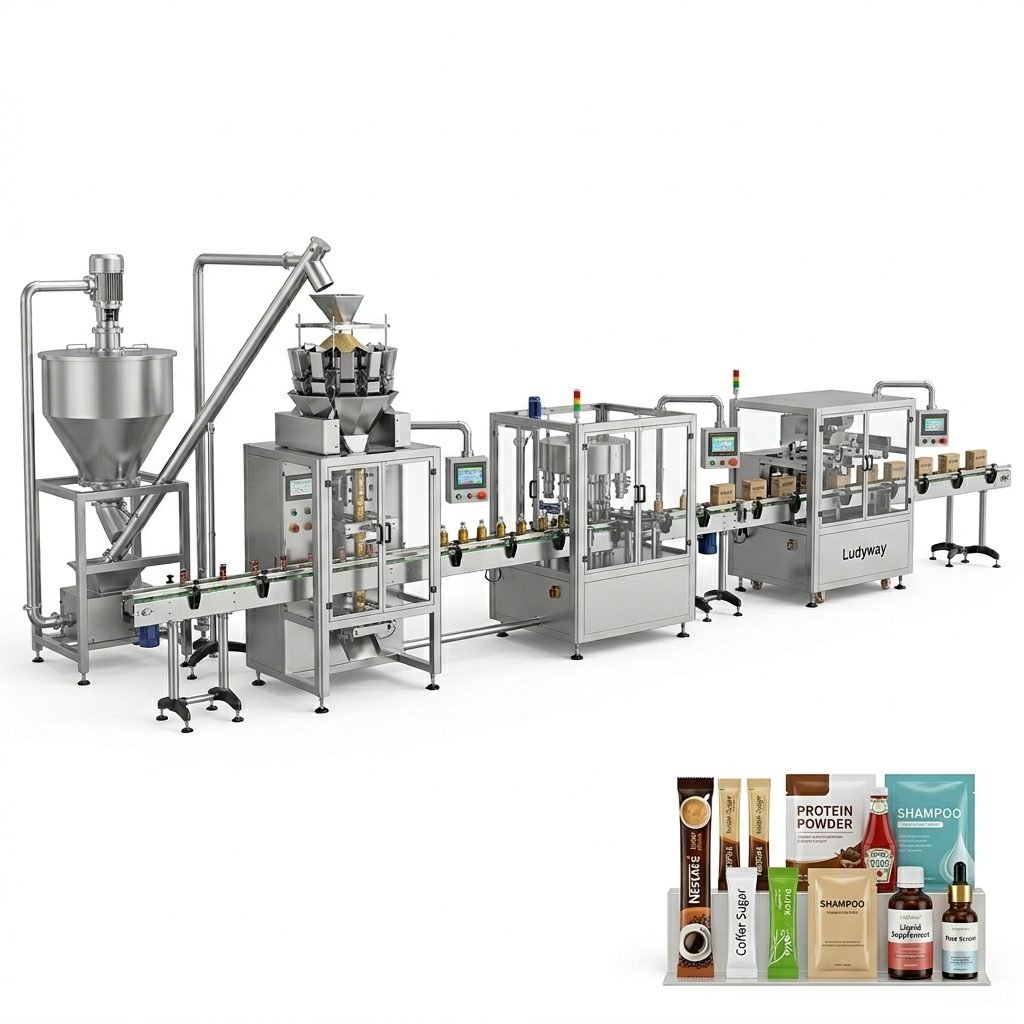
A fully automatic packaging line is a symphony of integrated systems. Understanding each component’s role is crucial for making an informed investment decision.
1. Feeding and Sorting System
This is the first critical stage. A vibratory feeder or conveyor belt gently orients and transfers bulk dishwasher tablets into the machine’s packaging lane. Advanced systems use vision systems or precision channels to ensure each tablet is correctly positioned and that any damaged or misshapen tablets are rejected, preventing jams downstream.
2. Weighing and Counting Mechanism
Accuracy is non-negotiable. Most machines use a multi-head weigher for granular products, but for pre-formed tablets, a precise count-based system is standard. Photoelectric sensors or high-speed counters ensure every pouch contains the exact number of tablets specified, maintaining product consistency and regulatory compliance.
3. Film Feeding and Forming Unit
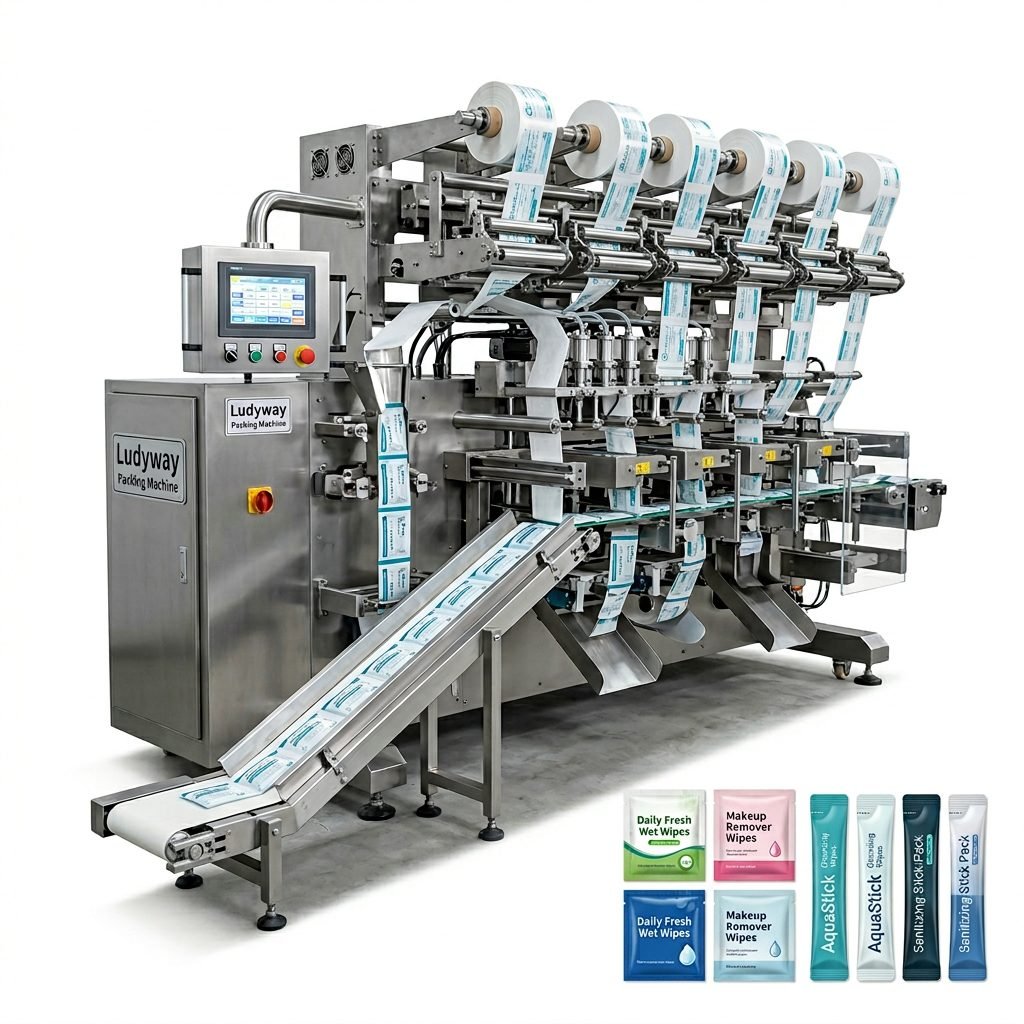
A roll of packaging film (typically a multi-layer laminate for moisture and aroma barrier) is fed into the machine. A forming collar shapes the flat film into a tube around the product-filling tube. The quality of this forming process directly affects the seal integrity and final package appearance.
4. Sealing and Cutting System
The heart of the machine. Heated jaws create longitudinal (vertical) and transverse (horizontal) seals to create individual pouches. The cutting mechanism, often integrated into the sealing jaws, separates the pouches. Consistent temperature control is vital for strong, hermetic seals that won’t fail during transport or storage.
🔍 Focus on Innovation: Advanced Features to Look For
Modern machines go beyond basic functions. Seek out these value-adding features:
Servo Motor Drives: Offer superior precision, faster changeover times, and quieter operation compared to traditional mechanical systems. They allow for easy adjustment of package length and speed via the touchscreen HMI.
Integrated Nitrogen Flushing: For premium dishwasher tablets, replacing the air inside the pouch with nitrogen (an inert gas) can significantly extend shelf life by preventing oxidation and preserving the active ingredients.
Automatic Film Splice & Reel Stand: Allows for uninterrupted production by automatically splicing the end of one film roll to the start of another without stopping the machine, crucial for 24/7 production runs.
Industry 4.0 Connectivity: Machines equipped with IoT capabilities can provide real-time data on OEE (Overall Equipment Effectiveness), production counts, downtime reasons, and predictive maintenance alerts, integrating seamlessly into smart factory systems.
Choosing the Right Machine: A Step-by-Step Guide
Selecting a dishwasher tablet packaging machine is a significant capital decision. Follow this structured approach to find your ideal match.
Step 1: Define Your Production Parameters
- Output Speed (Pouches/Minute): Calculate your current and projected future demand. Machines can range from 60 to over 400 pouches per minute.
- Package Size & Style: Determine the dimensions of your final pouch (e.g., single tablet, multi-pack strip). Ensure the machine can handle the required film width.
- Film Material: Consult with your film supplier. The machine must be compatible with your chosen laminate structure (e.g., PET/AL/PE).
Step 2: Evaluate Machine Construction & Reliability
Look for a robust frame (stainless steel is preferred for food-grade and corrosive environments), high-quality sealing jaws, and reputable component brands (e.g., for PLCs, servos, sensors). A well-built machine minimizes vibration, wear, and downtime. Don’t hesitate to ask for a materials list of key components.
Step 3: Assess Ease of Use and Changeover
Time is money. Machines with tool-less changeovers, recipe storage on the HMI, and easily accessible parts dramatically reduce the time needed to switch between different tablet counts or package sizes, boosting overall line flexibility and productivity.
Step 4: Consider After-Sales Support and Service
The machine’s value is heavily tied to the supplier’s support. Investigate the provider’s reputation for technical support, availability of spare parts, and training programs. A reliable partner ensures your investment is protected for the long term. For insights into a provider’s commitment to quality and support, you can explore their company profile and history.
Why Partner with a Specialist Provider?
Choosing a packaging machine is not a simple transaction. Partnering with an experienced specialist like Ludyway Packing Machine brings immense advantages. With deep industry expertise, they don’t just sell a machine; they deliver a tailored solution. They understand the nuances of packaging hygroscopic and sensitive products like dishwasher tablets and can recommend the optimal machine configuration and film specifications. Their experience in delivering turnkey production line solutions means they can integrate the packaging machine seamlessly with upstream tablet production and downstream cartoning or case packing, ensuring a smooth, efficient workflow.
Ultimately, the right automatic dishwasher tablet packaging machine is an investment in your brand’s future. It safeguards product quality, unlocks production scalability, and delivers the consistent, professional packaging that consumers trust. By carefully analyzing your needs and partnering with a knowledgeable equipment provider, you can secure a packaging solution that drives efficiency and growth for years to come.
Frequently Asked Questions (FAQs)
1. What is the typical production speed range for these machines?
Speeds vary significantly based on machine model and package complexity. For standard single-tablet pouches, speeds typically range from 80 to 200 pouches per minute. More advanced multi-lane or high-speed servo machines can achieve outputs of 300+ pouches per minute.
2. Can one machine handle different tablet shapes and sizes?
Yes, most modern machines are designed for flexibility. By changing the forming tube, feed chutes, and sealing jaw tools (often a quick-change process), and adjusting parameters on the HMI, a single machine can typically accommodate a range of tablet dimensions and pouch sizes.
3. What type of packaging film is best for dishwasher tablets?
A multi-layer laminated film is standard. A common structure is PET (for printability and strength) / Aluminum Foil (for an absolute moisture and light barrier) / PE (for heat-sealability). The exact specification should be developed with your film supplier based on your tablet’s sensitivity and desired shelf life.
4. How important is after-sales service when purchasing?
Extremely important. Reliable local technical support, readily available spare parts, and comprehensive operator training are critical for minimizing costly downtime and ensuring your machine operates at peak efficiency throughout its lifespan. Always evaluate a supplier’s service network and commitment.
5. Are these machines suitable for small-scale production or startups?
Absolutely. The market offers a range of machines, from semi-automatic tabletop models perfect for low-volume production, pilot runs, or R&D, to fully automatic high-speed lines. A reputable supplier can help you select a machine that matches your current budget and output needs while offering a path for future scalability. Learn more about solutions tailored to businesses at various stages of growth.