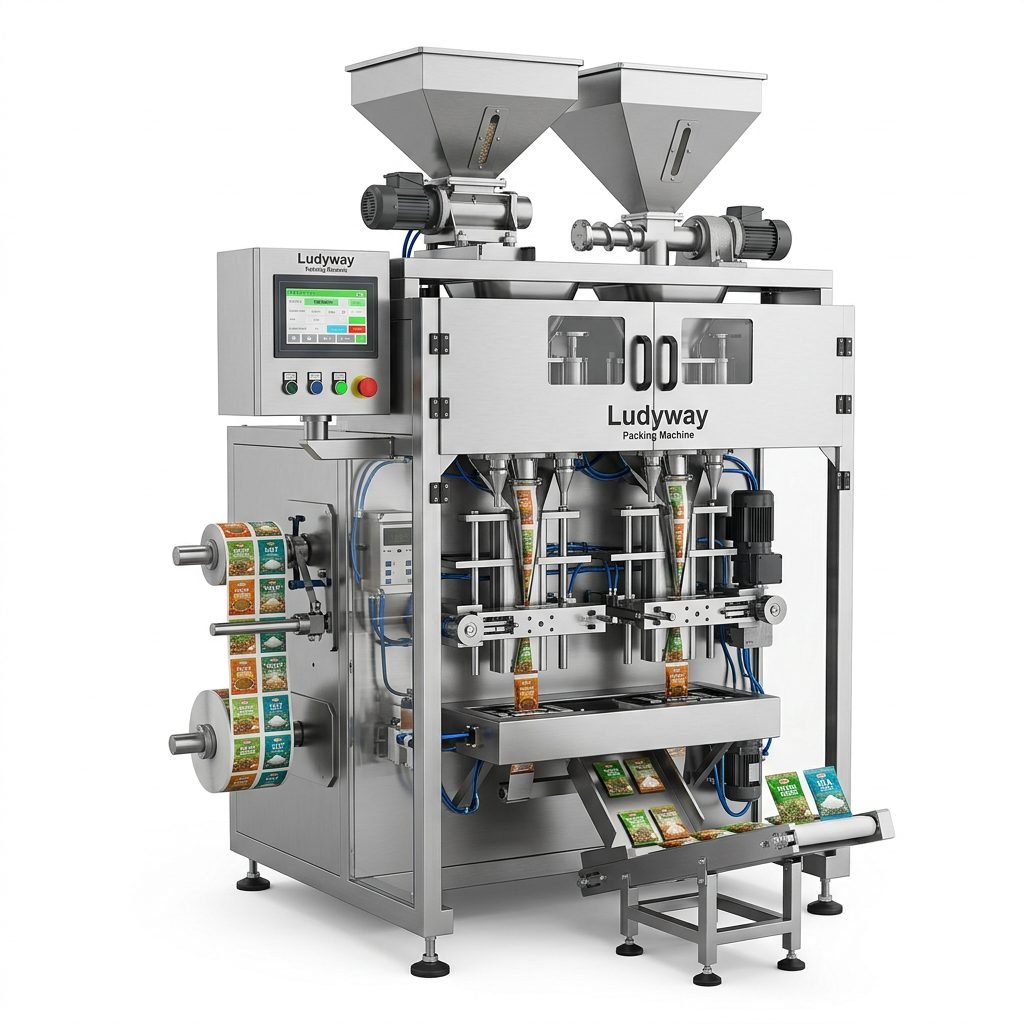
In the modern home kitchen, the ability to preserve food freshness is no longer a luxury but a necessity for health-conscious families and cooking enthusiasts. A reliable food packaging machine can drastically reduce waste, save money, and unlock new culinary possibilities. Whether you’re meal prepping, storing garden harvests, or simply trying to keep snacks crisp, choosing the right sealer is a crucial decision.
Why Your Kitchen Needs a Food Sealer
Beyond simple storage, a home food packaging machine offers a multitude of benefits that align with contemporary lifestyles focused on efficiency and sustainability.
Key Advantages at a Glance
● Extended Freshness: By removing air, sealers slow down oxidation and bacterial growth, keeping food fresh 3-5 times longer than traditional methods.
● Reduced Food Waste: Perfect for preserving leftovers, bulk purchases, and seasonal produce, directly impacting your grocery budget and environmental footprint.
● Enhanced Food Safety: Creates an airtight barrier against moisture and contaminants, ideal for storing raw meats, cheeses, and sensitive ingredients.
● Space Optimization: Vacuum-sealed bags are compact and stackable, freeing up valuable refrigerator and freezer space.
● Culinary Creativity: Enables advanced techniques like marinade infusion in minutes and sous-vide cooking, turning your kitchen into a gourmet lab.
Understanding Different Types of Home Sealers
Not all sealers are created equal. The market offers several types, each with distinct mechanisms and ideal use cases.
1. External Vacuum Sealers (Chamberless)
These are the most common and affordable type for home use. They work by placing the open end of a special bag into the machine’s sealing strip. A nozzle extracts air from the bag before heat-sealing it shut. They are excellent for dry and semi-dry foods but can struggle with liquids or very fine powders, as these might be sucked into the machine’s mechanism.
2. Vacuum Chamber Sealers
While more common in commercial settings, compact chamber sealers are available for serious home users. The entire bag is placed inside a chamber, which is then evacuated of air. This method is far superior for sealing liquids, soups, stews, and marinades without any risk of spillage. They also tend to create a stronger vacuum but come at a higher price point and larger footprint.
3. Handheld Vacuum Sealers
These portable, battery-operated devices are designed for use with specially designed containers or bags with a one-way valve. They are incredibly convenient for quick jobs and travel but typically don’t achieve the same level of vacuum strength as their countertop counterparts. They are best for light-duty, short-term storage.
4. Simple Heat Sealers (No Vacuum)
These devices only perform the sealing function. They are used with pre-filled bags to create an airtight seal but do not remove air. This is useful for sealing dry goods you’ve manually pushed the air out of, or for creating bags of snacks, crafts, or non-food items.
Critical Features to Evaluate Before You Buy
Navigating product specifications can be daunting. Focus on these core features to find the best match for your kitchen routine.
Sealing Performance & Versatility
Vacuum Strength (Pa/kPa): A higher number indicates a stronger vacuum, leading to longer preservation. Look for adjustable suction settings for delicate items like bread or berries.
Seal Bar Quality & Width: A wider, double-seal bar is more reliable and can handle thicker bags or occasional crumbs. Ensure it has a “pulse” or “moist” mode for sealing bags containing liquid.
Bag Compatibility & Accessory Port: Can it use both standard rolls and pre-made bags? An accessory port allows for vacuuming containers or wine bottle stoppers, greatly expanding utility.
Usability & Design
Ease of Cleaning: Drips and crumbs are inevitable. A machine with a removable drip tray and a smooth, wipeable surface will save you frustration.
Noise Level: Some sealers can be quite loud. If you plan to use it frequently, consider this factor, especially in open-plan homes.
Footprint & Storage: Counter space is precious. Measure your available space and check if the machine can be stored vertically or has a cord wrap.
Matching the Machine to Your Cooking Habits
The “best” machine is the one that fits seamlessly into your life. Consider these user profiles.
The Bulk Buyer & Meal Prepper
If you buy meat in bulk from warehouse stores or dedicate Sundays to meal prep, a robust external sealer with strong vacuum power is essential. Look for a model with a large sealing bar to handle bigger bags and a quick cycle time for efficiency. A reliable sealing system that prevents freezer burn on your pre-portioned meals is key.
The Gourmet & Sous-Vide Chef
For those who practice sous-vide cooking, precision is non-negotiable. You need a sealer that can reliably handle liquids (like marinated meats) without fail. A chamber sealer is the gold standard here, though high-end external sealers with excellent liquid modes can also work. Consistent, strong seals are critical for long, low-temperature cooks.
The Gardener & Preservation Enthusiast
Preserving seasonal vegetables, fruits, and herbs requires a machine that can handle varying textures and moisture levels. An external sealer with a moist setting and a wide sealing bar to accommodate irregular shapes (like asparagus or beans) is ideal. The ability to use different bag sizes from rolls is a major cost-saving advantage.
Beyond the Machine: Bags, Rolls, and Maintenance
Your sealer is only as good as the bags you use. Always use bags designed for your specific machine to ensure proper sealing and food safety. Purchasing bag material on rolls and cutting to size is often more economical than pre-made bags. To ensure longevity, regularly clean the sealing strip and drip tray, and never force the machine to seal over food particles or liquid.
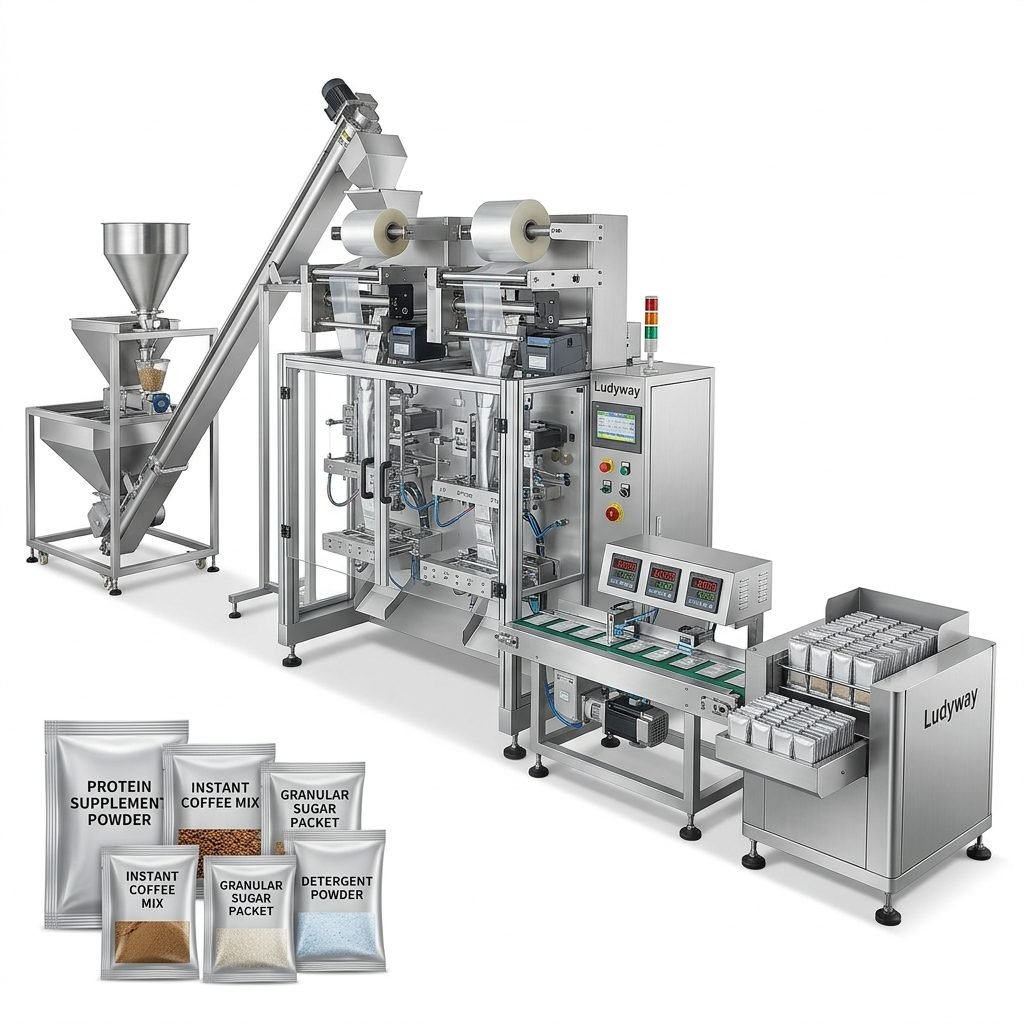
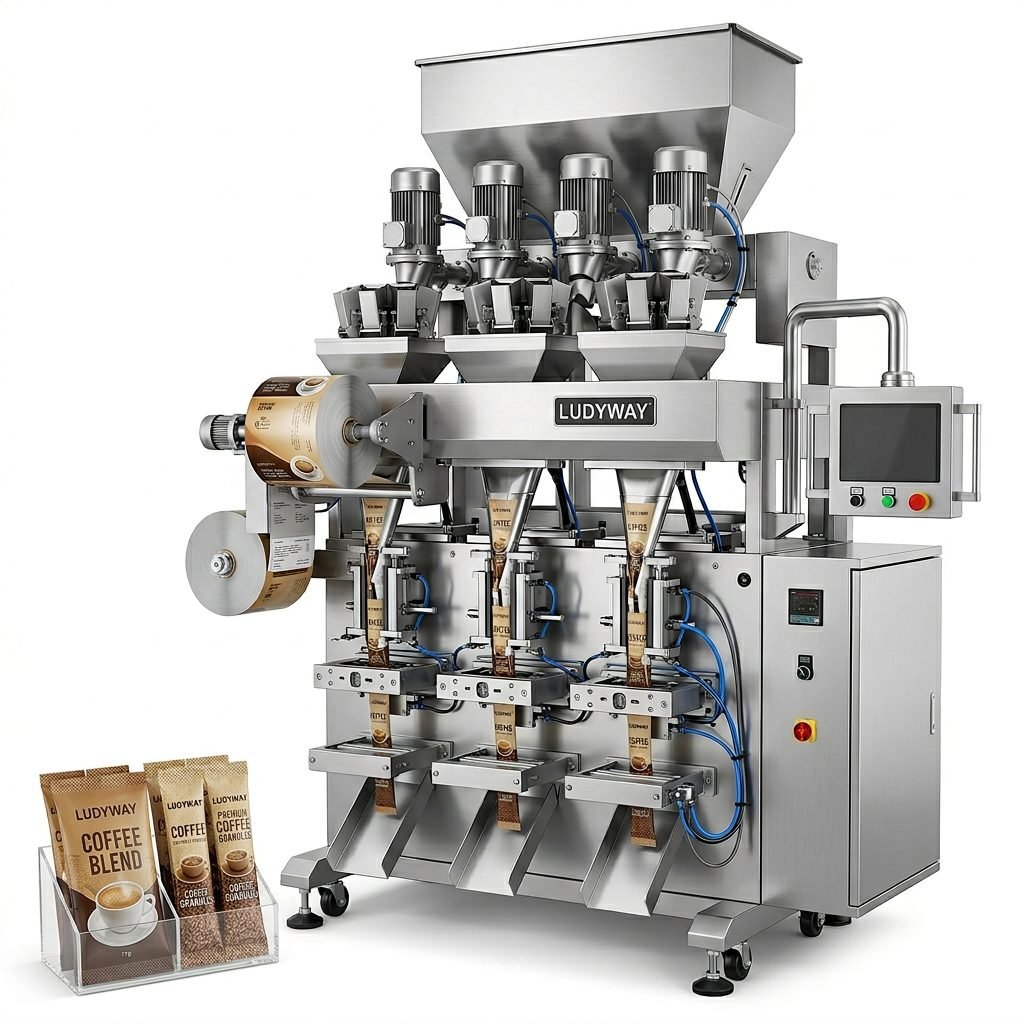
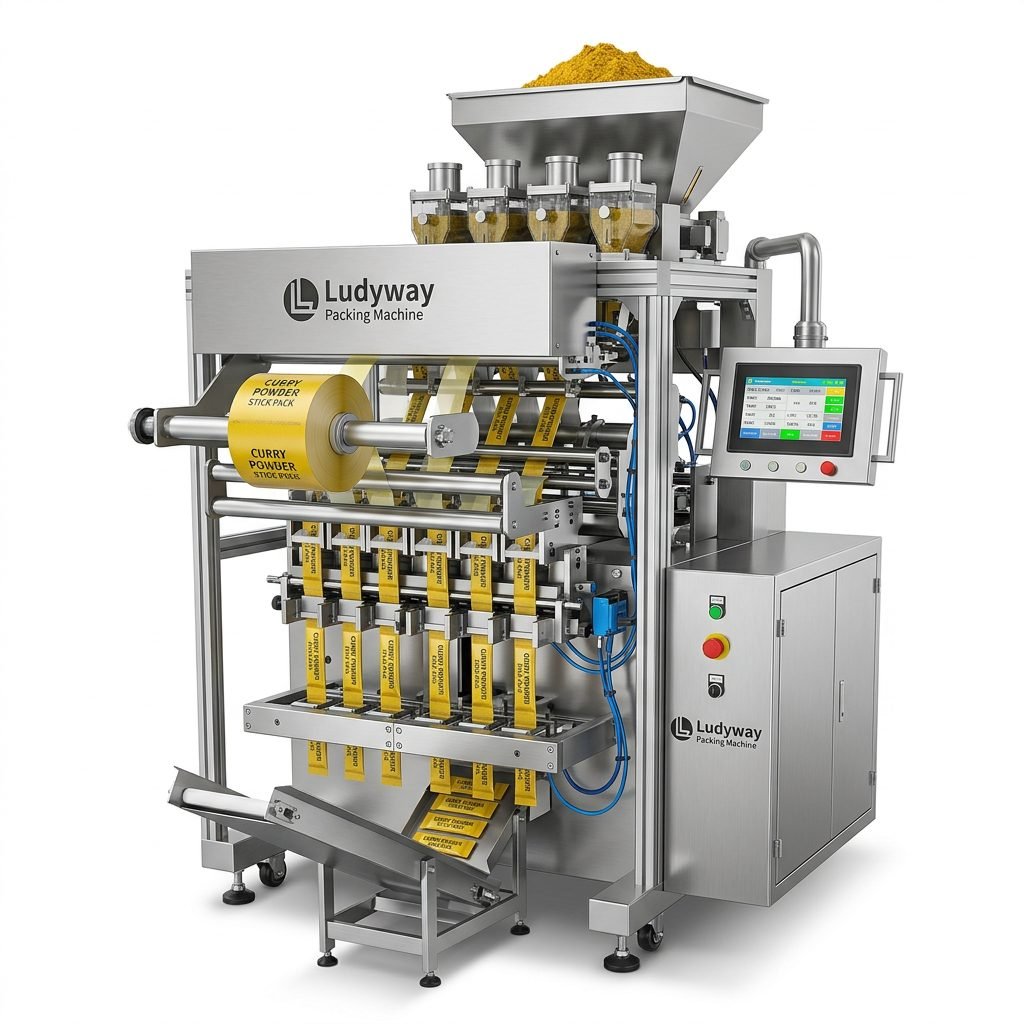
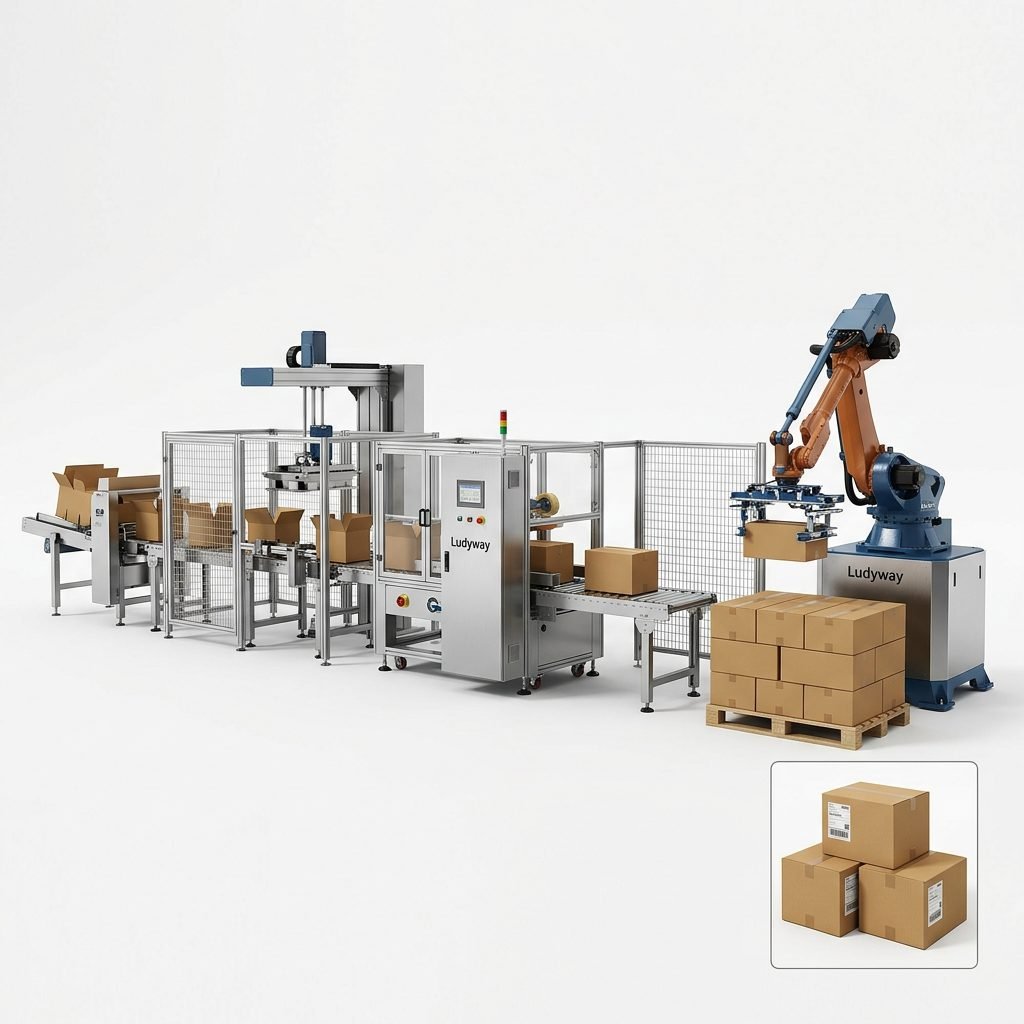
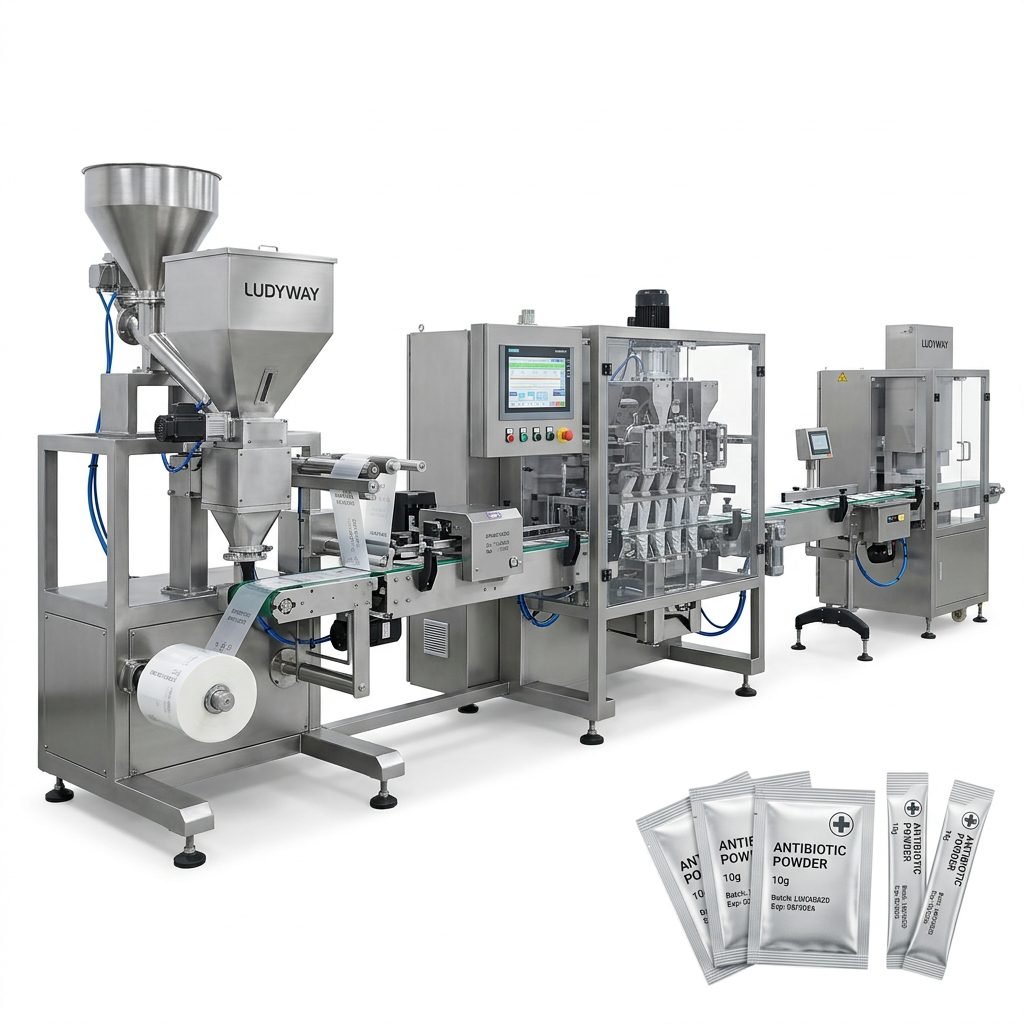
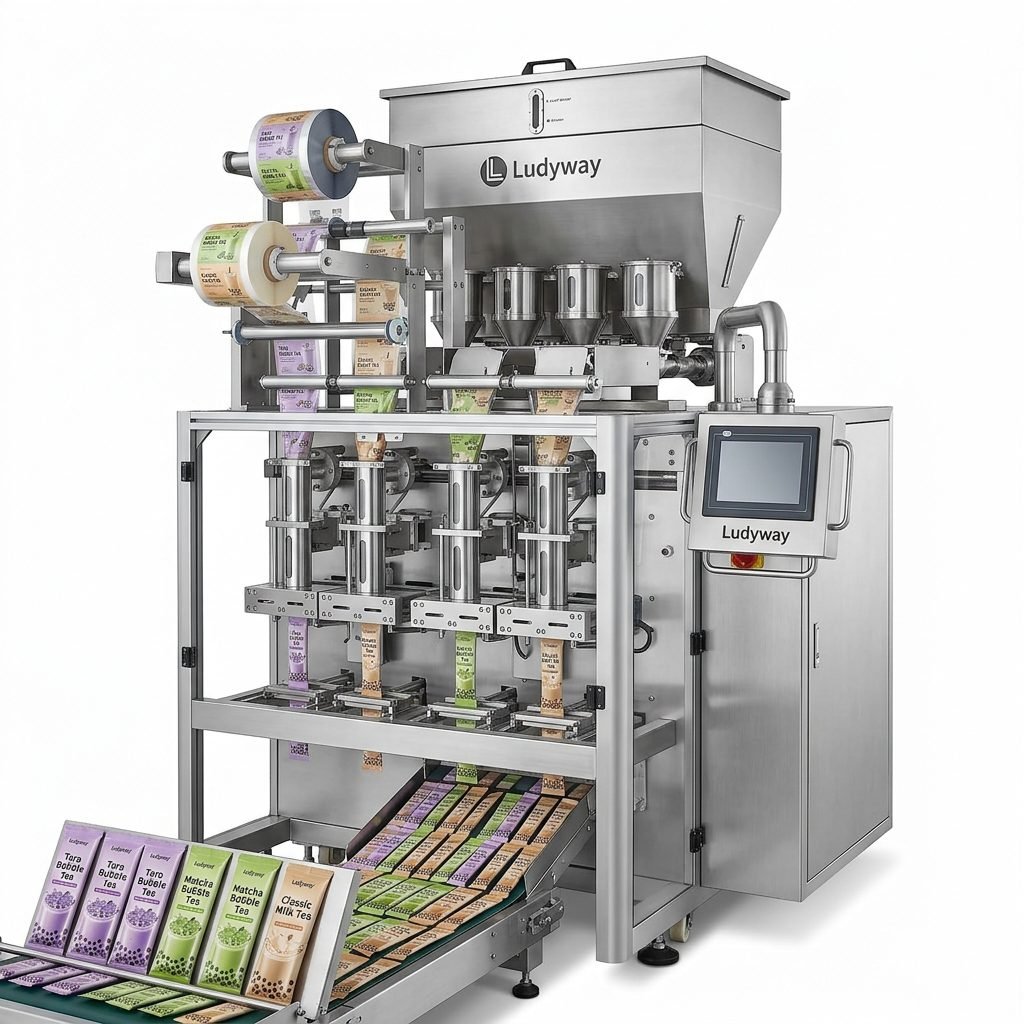
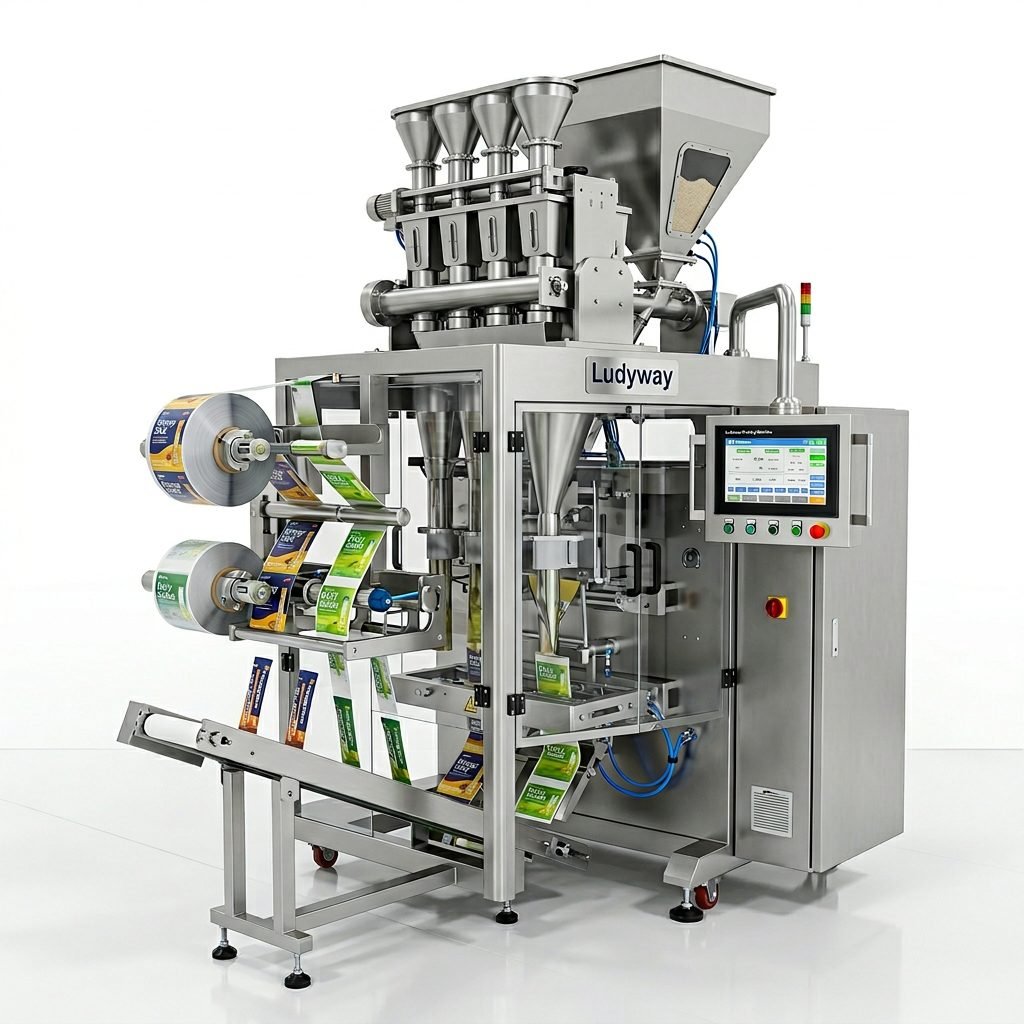
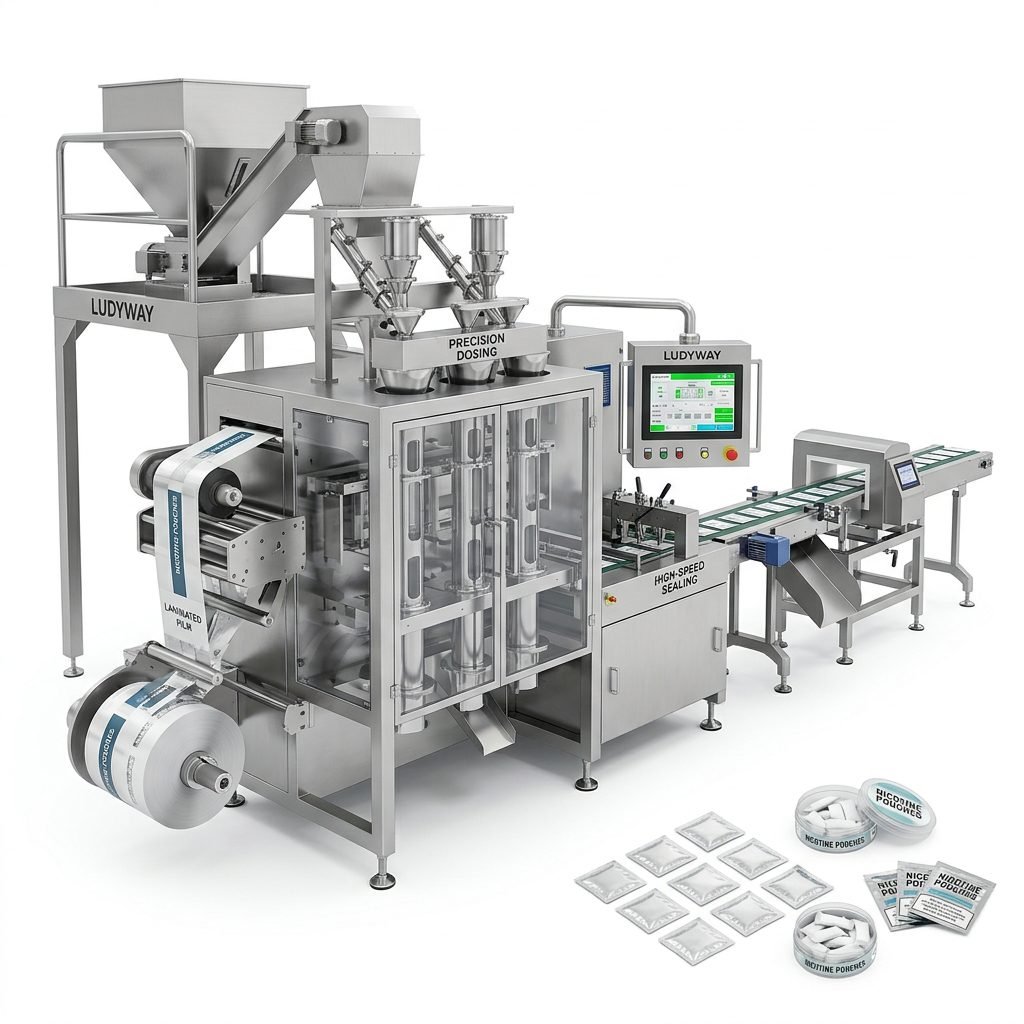
For those seeking industrial-grade reliability and innovation in packaging technology, exploring solutions from experienced packaging machinery providers can offer insights into the engineering behind durable sealing systems. Companies with deep industry expertise, like Ludyway Packing Machine, which specializes in advanced automated solutions for various industries, highlight the importance of precision engineering—a principle that trickles down to high-performance home appliances.
Frequently Asked Questions (FAQs)
1. Can I reuse vacuum sealer bags?
It is generally not recommended for food safety reasons. After opening, the bag’s integrity is compromised, and it is difficult to clean properly inside. Reusing bags for non-food items is possible if they are thoroughly cleaned and the seal area is undamaged.
2. What foods should NOT be vacuum sealed?
Avoid vacuum sealing raw mushrooms, soft cheeses (like brie), and freshly baked bread without first freezing them solid, as the pressure can crush them. Also, never vacuum seal raw onions or garlic in a bag with other foods, as their strong odors will permeate everything.
3. Is a more expensive chamber sealer worth it for a home kitchen?
It depends on your usage. If you frequently seal liquids, soups, or very fine powders, or if you process large volumes of food and need the fastest, most reliable method, a chamber sealer is a significant upgrade. For most households sealing dry and solid foods, a high-quality external sealer is sufficient.
4. How do I prevent sharp bones from puncturing the vacuum bag?
Use a specialty bag labeled as “puncture-resistant” for items like bone-in meats. Alternatively, you can wrap the sharp tip in a small piece of paper towel or parchment paper before placing it in the bag to create a buffer.
5. My sealed bag seems to have lost its vacuum in the freezer. Why?
This is often due to “freezer burn,” which is actually dehydration, not a loss of vacuum. It can happen if the initial seal wasn’t perfect, if the bag was punctured, or if the food had sharp edges. Ensuring a clean, dry seal area and using appropriate bags minimizes this risk.