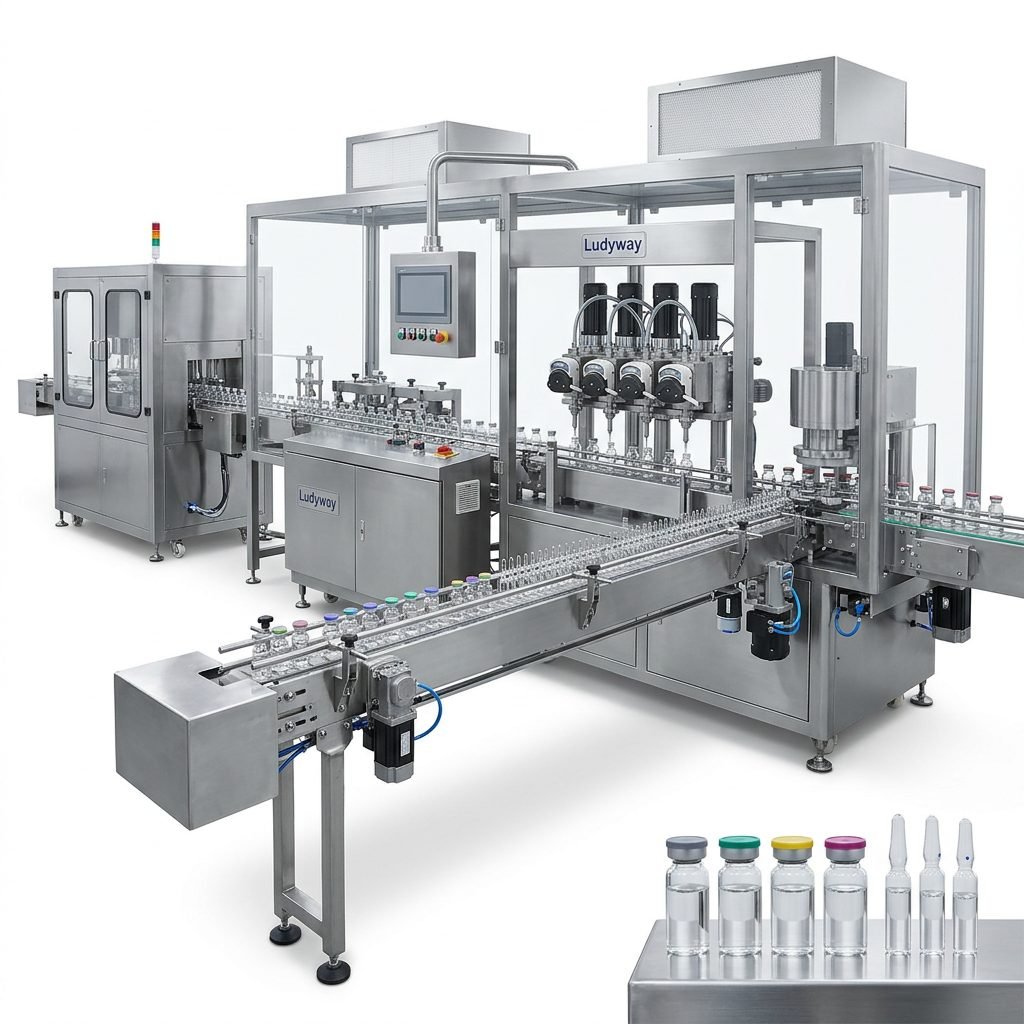
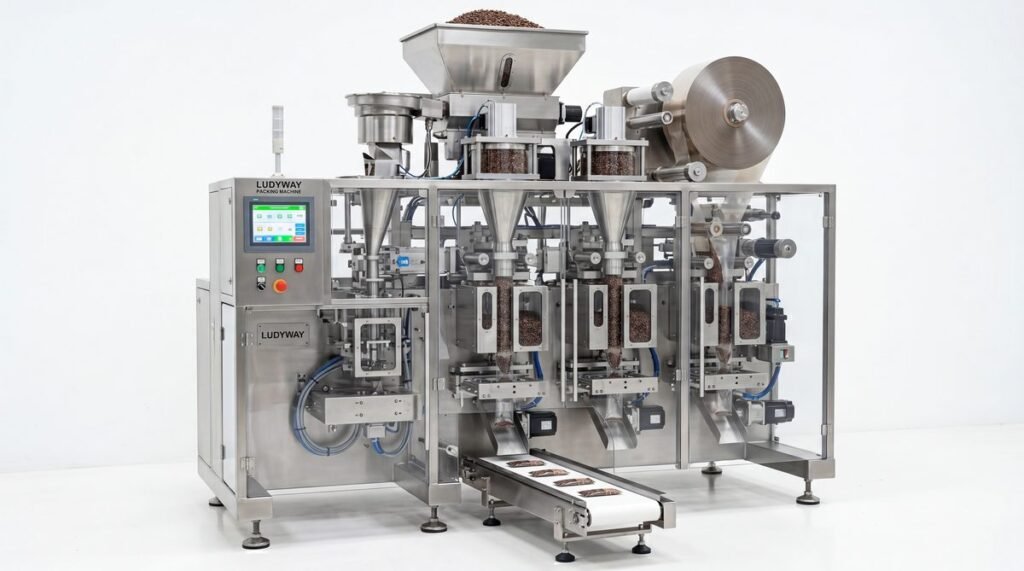
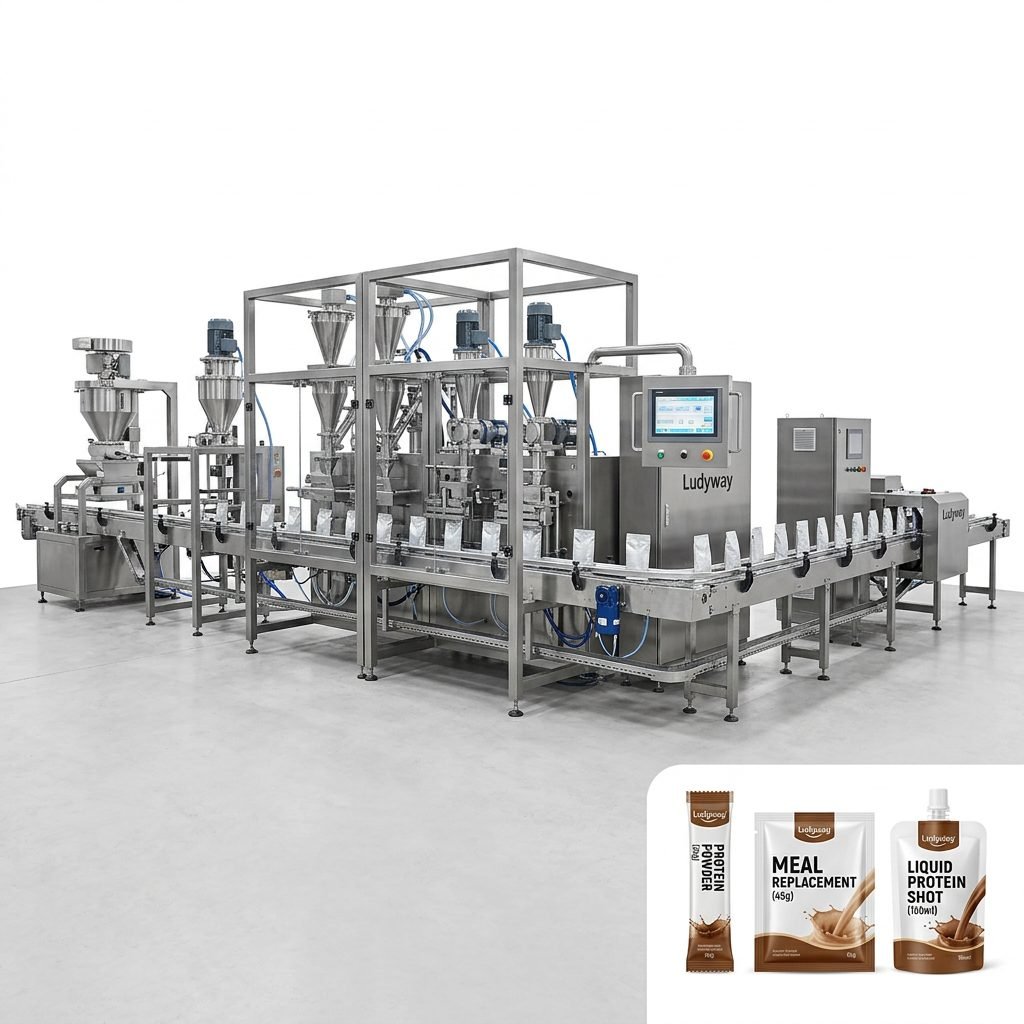
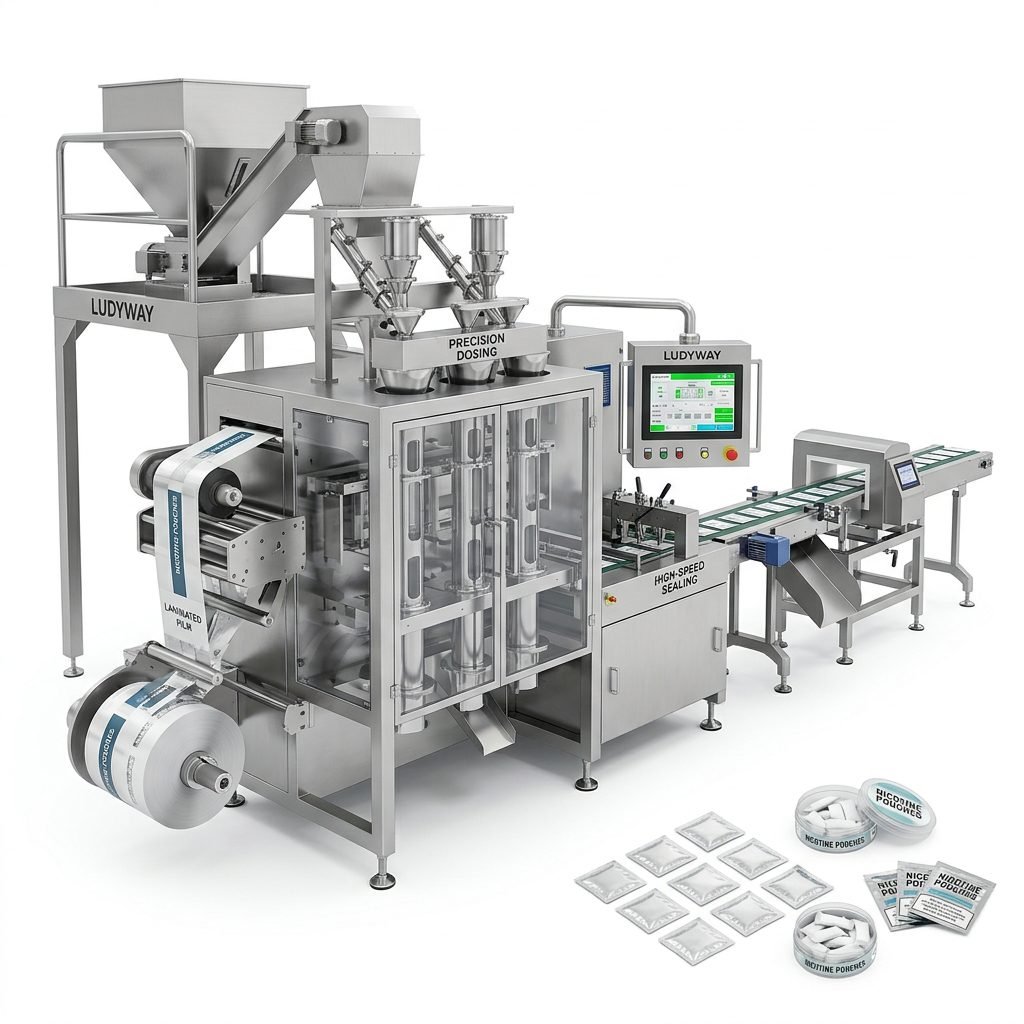
In the dynamic world of manufacturing and product distribution, efficient and reliable packaging is a cornerstone of success. For businesses dealing with powders, granules, liquids, and other fine products, choosing the right packaging machinery is a critical decision. This guide delves into the world of Dividella packaging machines, exploring their various types, core working principles, diverse applications, and essential tips for making an informed purchase.
Understanding Dividella Packaging Machines
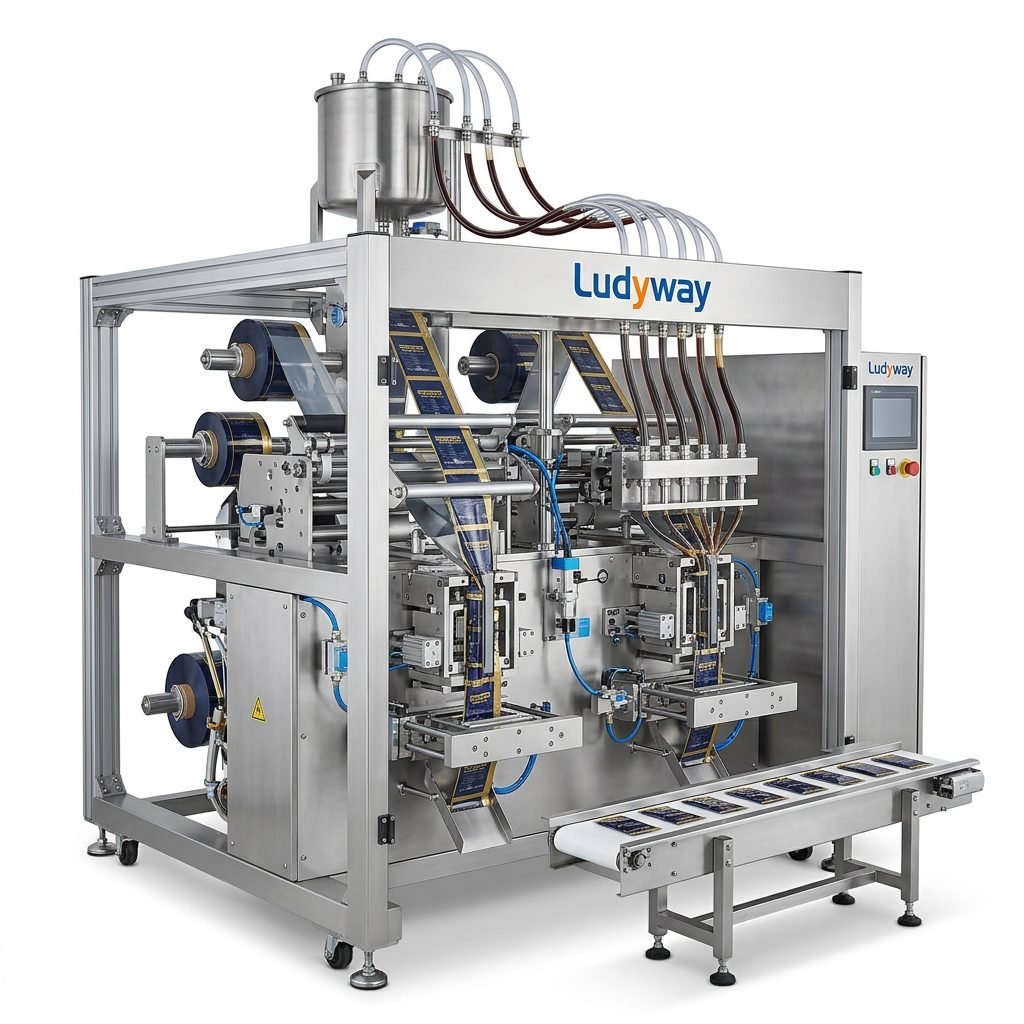
Dividella represents a class of high-performance, automated packaging systems renowned for their precision, speed, and versatility. These machines are engineered to handle a wide array of products, from pharmaceuticals and food supplements to spices and instant beverages. Their design focuses on creating airtight, neatly sealed sachets or stick packs that protect product integrity, enhance shelf appeal, and streamline production lines.
Key Takeaway: At their core, Dividella-style machines automate the process of forming, filling, and sealing single-serve or multi-dose packages from a roll of packaging film, ensuring consistency and hygiene.
Primary Types of Dividella Packaging Machines
The market offers several configurations of these machines, each suited to specific production needs and package styles.
Vertical Form-Fill-Seal (VFFS) Machines
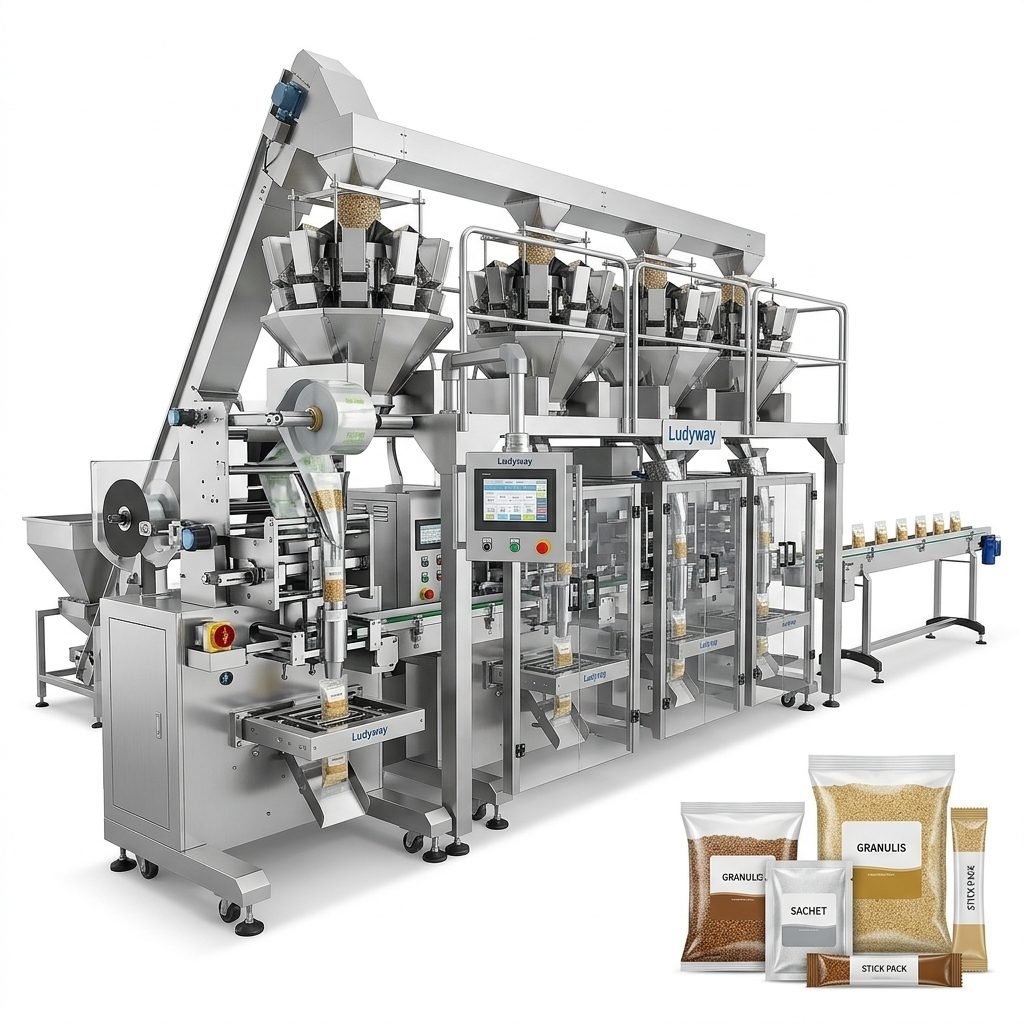
These are the most common type. The packaging film is fed vertically, formed into a tube around a filling tube, sealed longitudinally, filled with product, and then sealed and cut horizontally to create individual packs. They are ideal for granules, powders, and small solid items.
Horizontal Form-Fill-Seal (HFFS) Machines
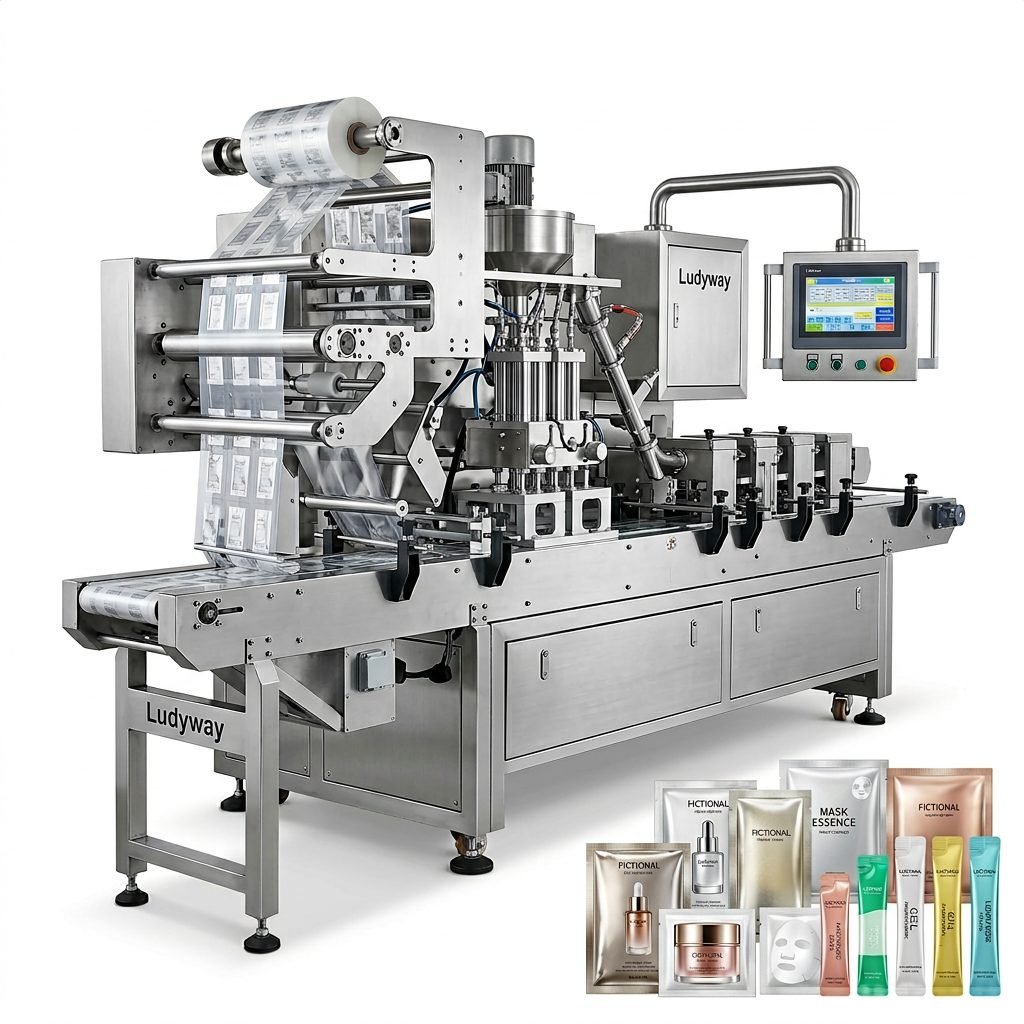
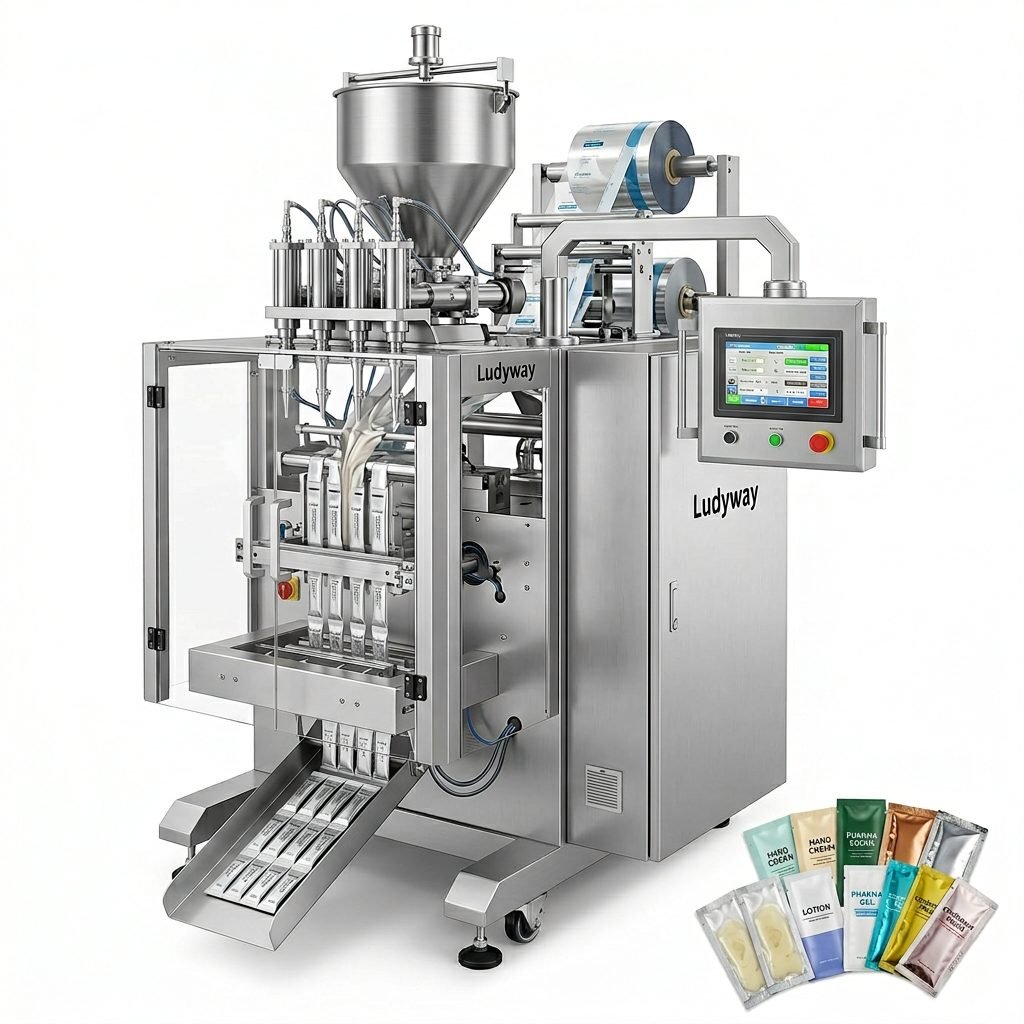
In HFFS machines, the film moves horizontally. They are often used for more complex packaging shapes, multi-lane production (producing several packs side-by-side simultaneously), and are excellent for liquids, pastes, and products requiring precise dosage placement.
Stick Pack Machines
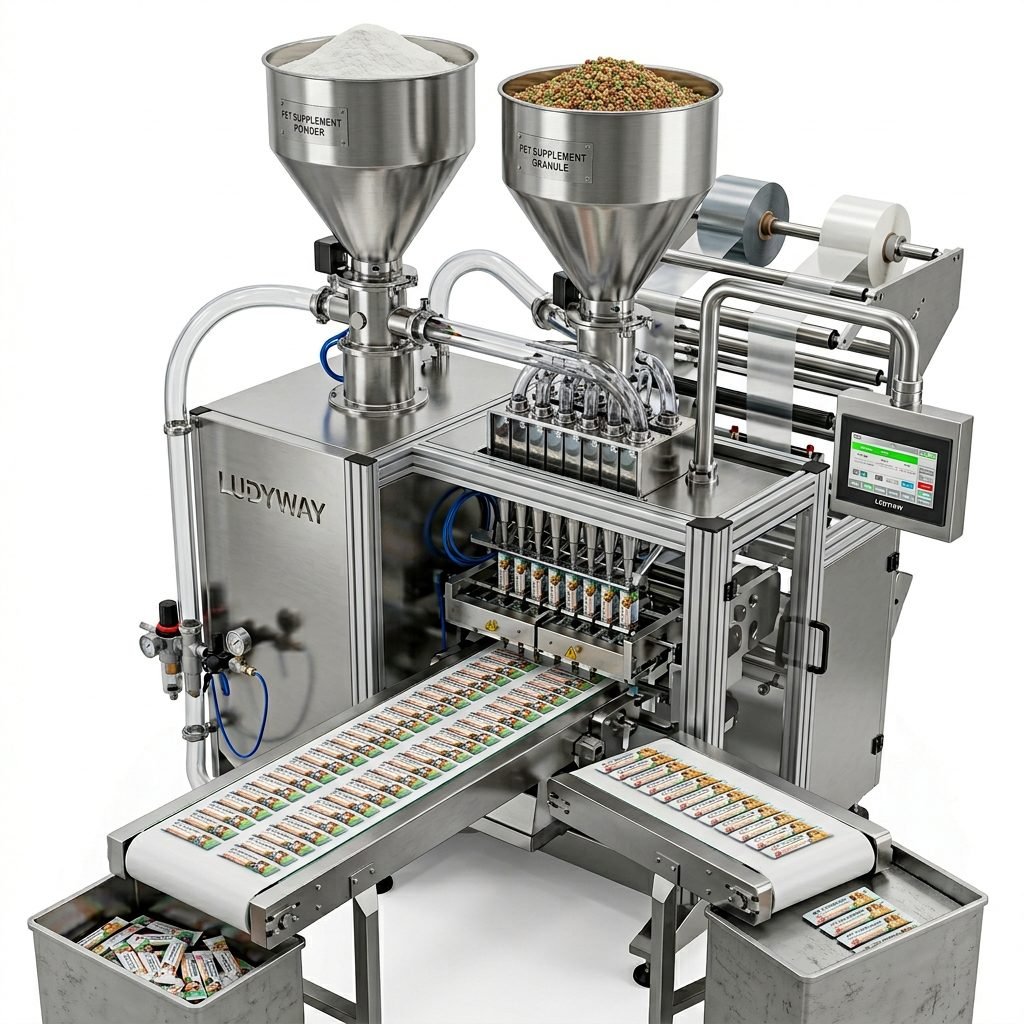
A specialized variant designed to produce long, slender “stick” packs. These are extremely popular for instant drink mixes, sugar, salt, and pharmaceutical powders due to their space-efficient design and ease of use for consumers.
Sachet Packaging Machines
These machines create small, rectangular pouches (sachets). They can be configured as either vertical or horizontal and are perfect for single-serve condiments, skincare samples, tea bags, and seasoning packets.
Choosing the Right Type
Your choice depends heavily on:
→ Product Characteristics: Powder flowability, granule size, liquid viscosity.
→ Desired Package Format: Stick pack, stand-up pouch, flat sachet.
→ Production Speed Required: Output measured in packs per minute (PPM).
→ Budget and Floor Space: HFFS machines often require more space than VFFS models.
Working Principle: How Do They Operate?
The operation of a Dividella-style packaging machine is a marvel of synchronized engineering. The process, typically fully automated, follows these key stages:
1. Film Unwinding & Feeding
A roll of laminated packaging film (often a composite of plastic, foil, and paper for barrier properties) is mounted and fed into the machine.
2. Forming
The film is drawn through a forming collar or shaping box. In VFFS machines, it is wrapped around a vertical “forming tube” to create a continuous tube. In HFFS machines, it is shaped into pockets in a horizontal plane.
3. Longitudinal Sealing
The overlapping edges of the film are heat-sealed together to create a continuous, airtight tube or a series of connected pockets.
4. Product Filling
Precisely at the right moment, the measured product is dispensed from a hopper through a filling system (auger for powders, pump for liquids, volumetric cup for granules) into the formed package.
5. Horizontal Sealing & Cutting
Heated jaws close to seal the top of the filled pack and simultaneously seal the bottom of the next pack. A cutting mechanism then separates the individual packs from the film web.
The entire cycle is controlled by a Programmable Logic Controller (PLC), ensuring accuracy, repeatability, and allowing for easy adjustment of package size and seal parameters.
Wide-Ranging Applications Across Industries
The versatility of these machines makes them indispensable in numerous sectors. For instance, in regions with a strong culture of tea consumption and spice blending, such as parts of Asia and the Middle East, single-serve packaging is crucial for both convenience and preserving delicate flavors.
Food & Beverage Industry
Dominant application area. Used for:
• Instant coffee, sugar, creamer sticks.
• Spices, herbs, and seasoning sachets.
• Sauce, ketchup, and mayonnaise packets.
• Powdered drink mixes and soup sachets.
Pharmaceutical & Healthcare
Critical for dosage accuracy and contamination prevention.
• Powdered medication sachets.
• Oral rehydration salts (ORS).
• Nutritional supplement sticks.
• Sample-sized skincare and ointment pouches.
Chemical & Agri-Products
• Single-dose detergents, water treatment powders.
• Pesticides, fertilizers, and seed coatings in precise packets.
Cosmetics & Personal Care
• Shampoo, conditioner, and lotion samples.
• Face mask powder sachets.
Essential Buying Tips for Your Investment
Purchasing a packaging machine is a significant investment. Here are crucial factors to consider to ensure you select the right partner and equipment.
1. Define Your Requirements Precisely
Before contacting suppliers, have clear specifications: product type, target packaging speed (PPM), package dimensions, film material required, and desired level of automation (semi-auto vs. full-auto with robotic integration).
2. Prioritize Machine Flexibility & Changeover
If you plan to run multiple products or package sizes, evaluate how quickly and easily the machine can be changed over. Look for features like tool-less change parts and digital size adjustment.
3. Evaluate Build Quality and Supplier Reputation
The machine’s construction (stainless steel contact parts, robust frame) directly impacts longevity and hygiene. Research the manufacturer’s or brand’s history, like Ludyway Machinery, which brings over a decade of focused experience in providing reliable packaging solutions for global markets. Assess their after-sales service, technical support availability, and spare parts supply chain.
4. Consider Total Cost of Ownership (TCO)
Look beyond the initial purchase price. Factor in operational costs (energy consumption, film waste), maintenance costs, and potential costs from downtime. A slightly more expensive, reliable machine often has a lower TCO.
5. Request a Product Test Run
Always insist on a live test using your actual product and packaging material. This is the only way to verify performance, seal integrity, filling accuracy, and achievable speed.
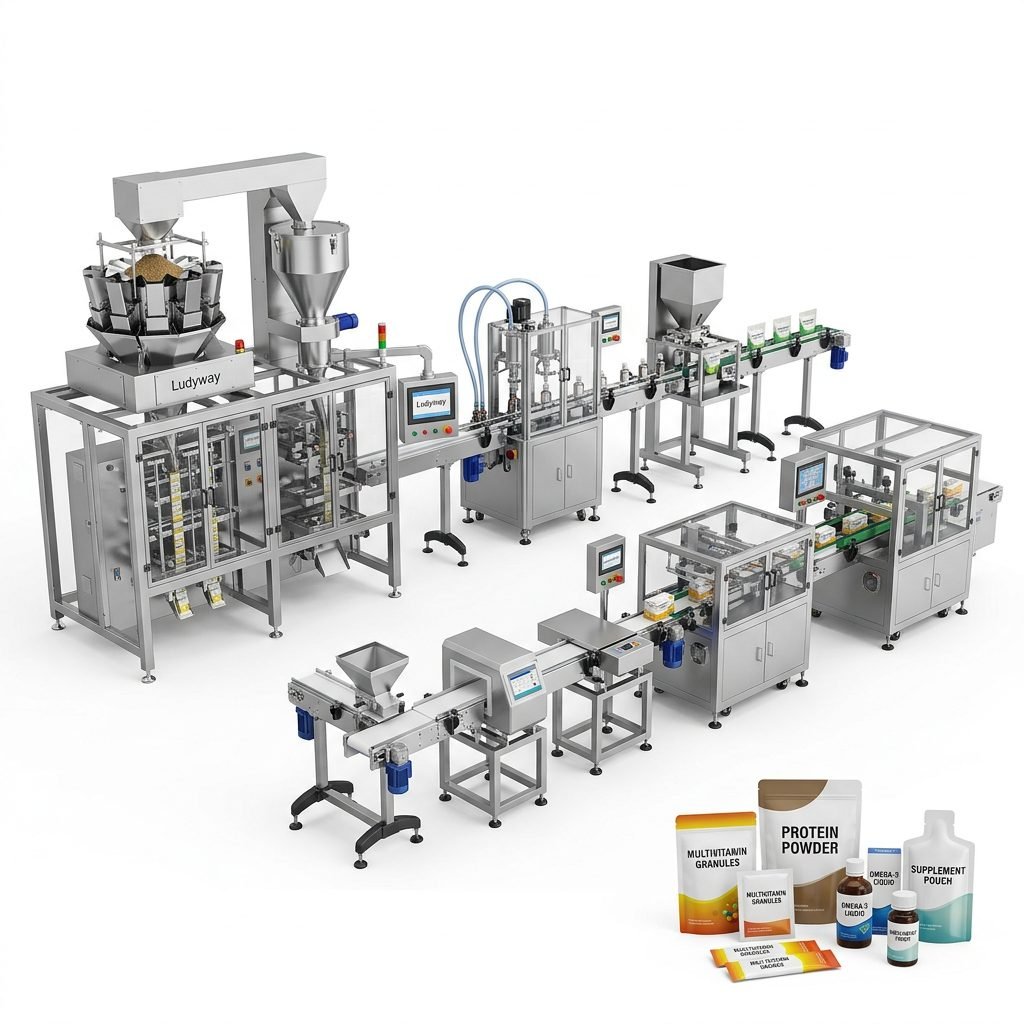
Partnering with an experienced provider like Ludyway Machinery can simplify this process. With a portfolio of over 50 intelligent packaging models and a focus on turnkey solutions, they can guide you from requirement analysis to machine selection, installation, and training, ensuring the technology aligns perfectly with your production goals.
Frequently Asked Questions (FAQs)
What is the main difference between vertical and horizontal Dividella machines?
The primary difference is the direction of film travel and package formation. Vertical (VFFS) machines are typically more compact and ideal for free-flowing granules/powders. Horizontal (HFFS) machines excel at handling liquids, pastes, and complex multi-lane packaging, often at higher speeds but requiring more floor space.
What packaging films can be used with these machines?
They can run a variety of heat-sealable laminates, including PET/PE, PET/AL/PE, OPP/CPP, and paper-based composites. The choice depends on your product’s barrier requirements (moisture, oxygen, light) and the desired shelf life. Your machine supplier can recommend suitable materials.
How do I ensure consistent filling accuracy, especially with powders?
Consistent accuracy relies on the filling system. Auger fillers are standard for powders; their accuracy depends on auger design, tooling, and powder characteristics (flowability, density). Regular calibration, using a consistent product blend, and opting for servo-driven augers for high precision are key practices.
What are the common maintenance requirements?
Daily cleaning of product contact parts, weekly lubrication of moving parts (as per manual), and periodic inspection of sealing jaws, cutters, and sensors are essential. Having a maintenance schedule and using genuine spare parts from your supplier, like those offered by experienced brands, prevents unexpected downtime.
Can one machine handle different package sizes?
Yes, most modern machines are designed for quick changeover. However, changing package size usually requires replacing the forming collar, filling tube, and sometimes the sealing jaws. The speed and complexity of this changeover vary by machine model and is a critical factor to discuss before purchase.