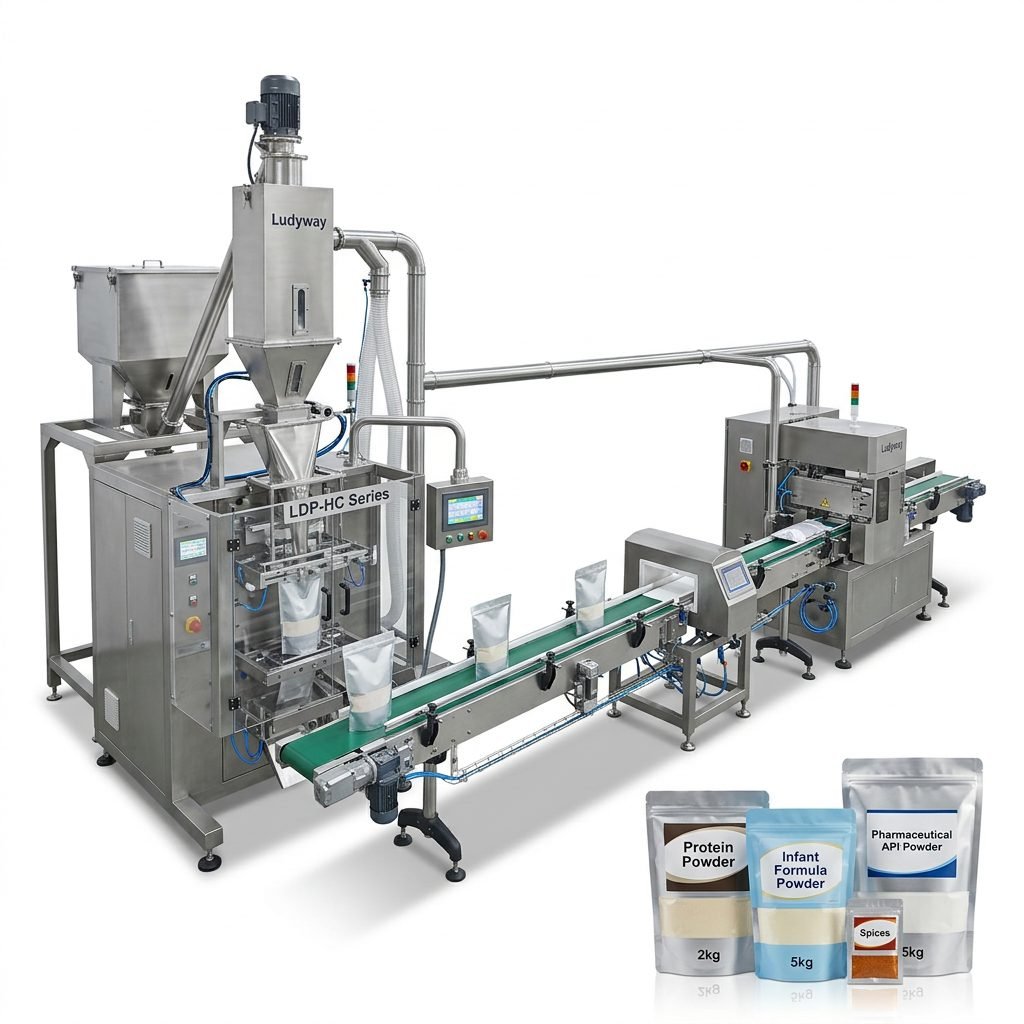
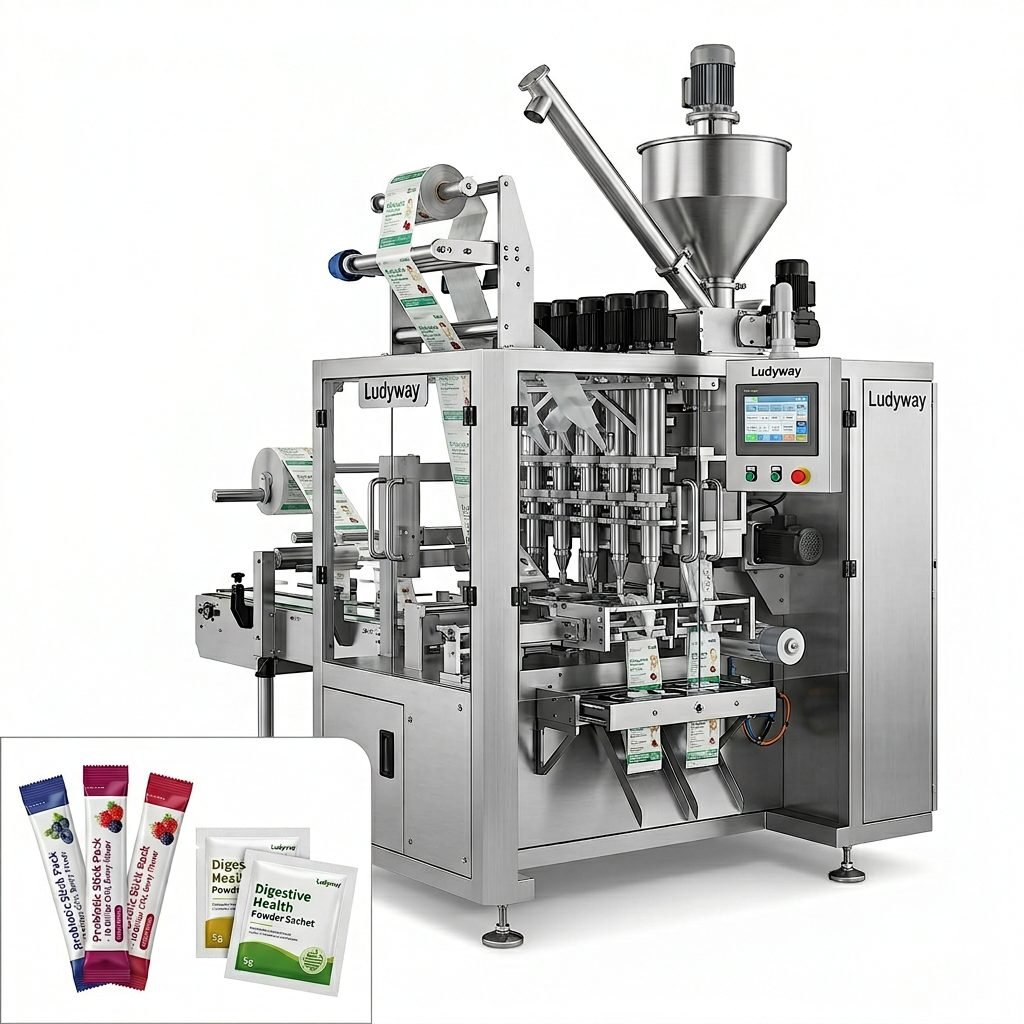
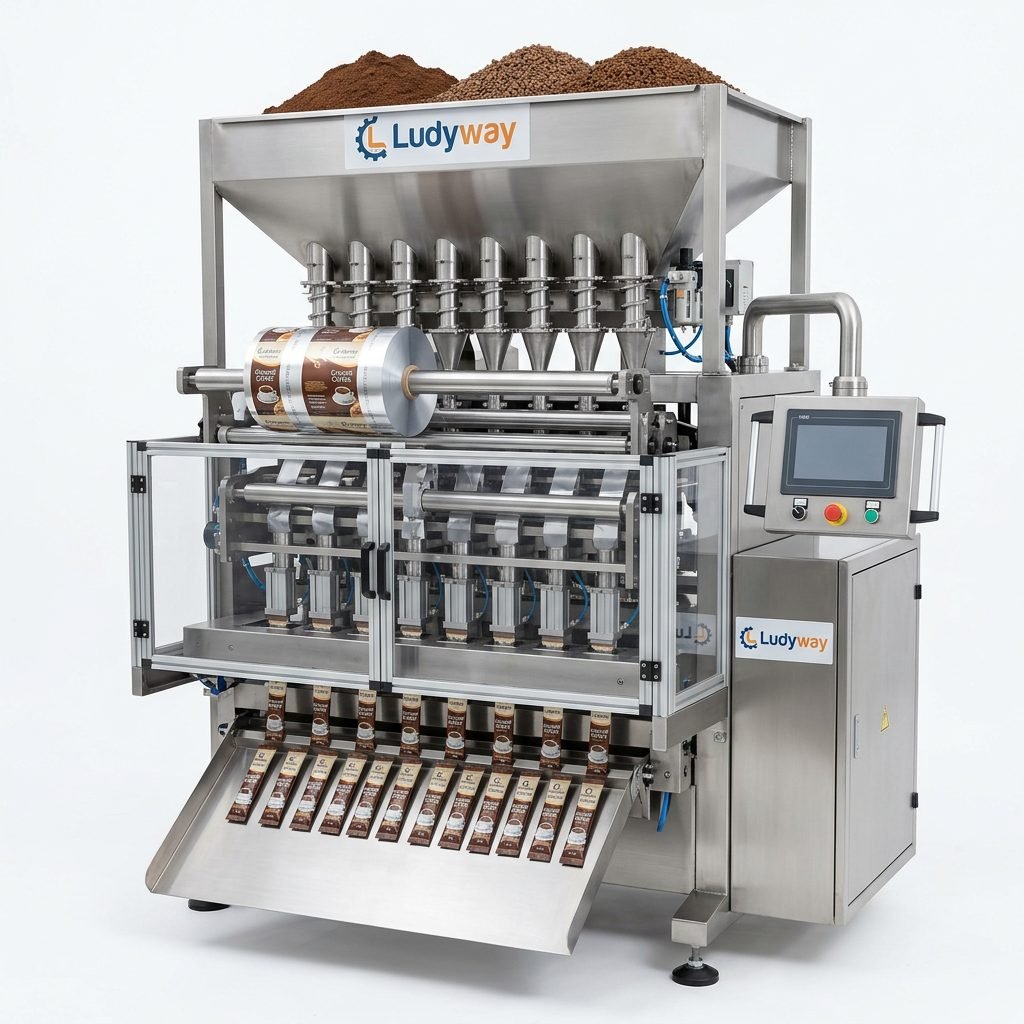
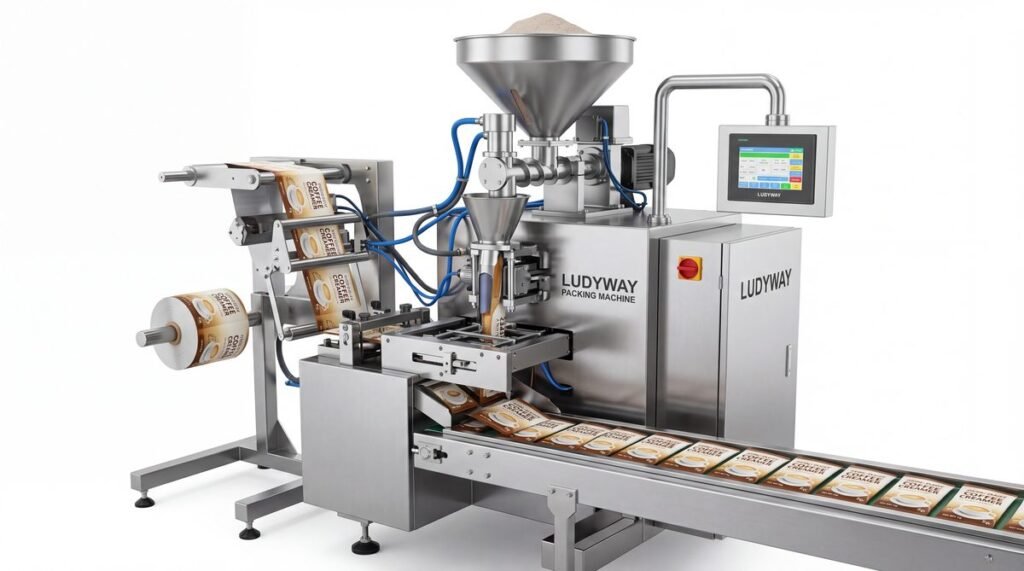
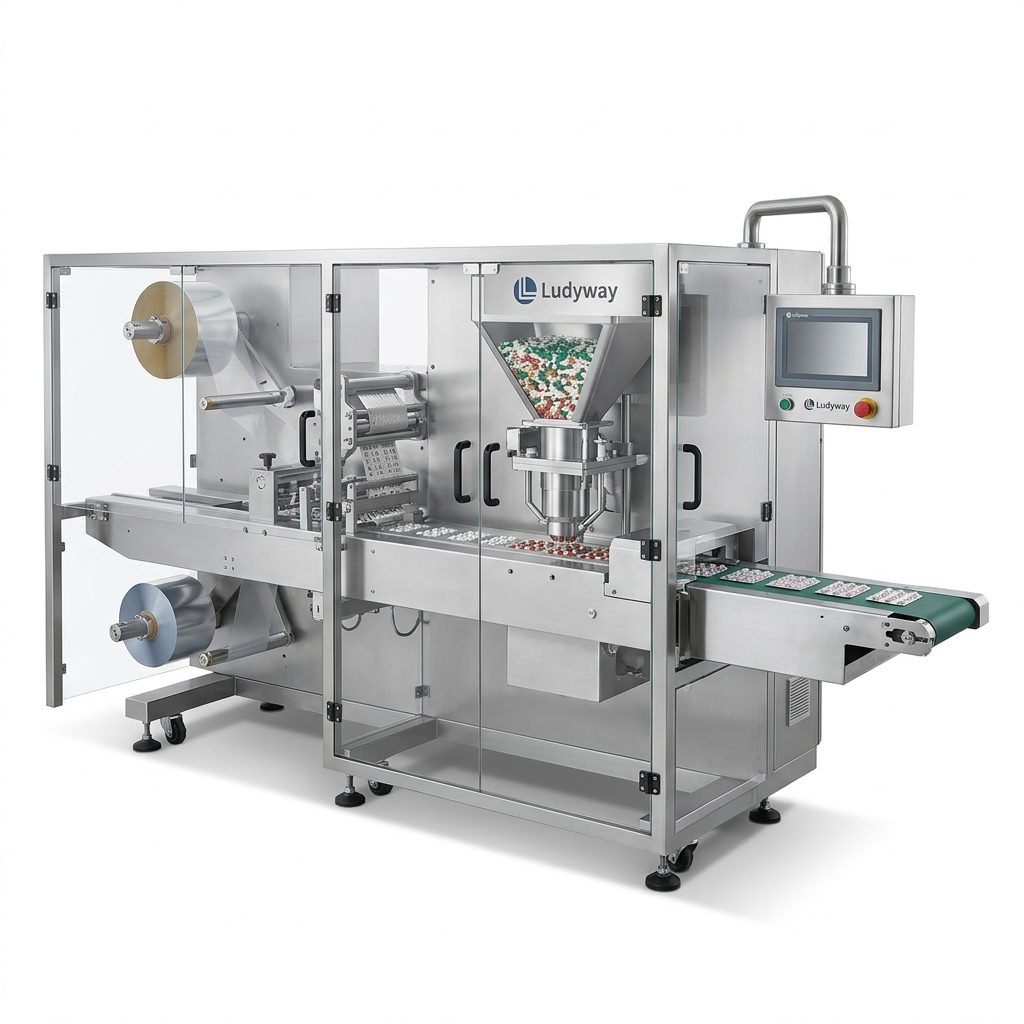
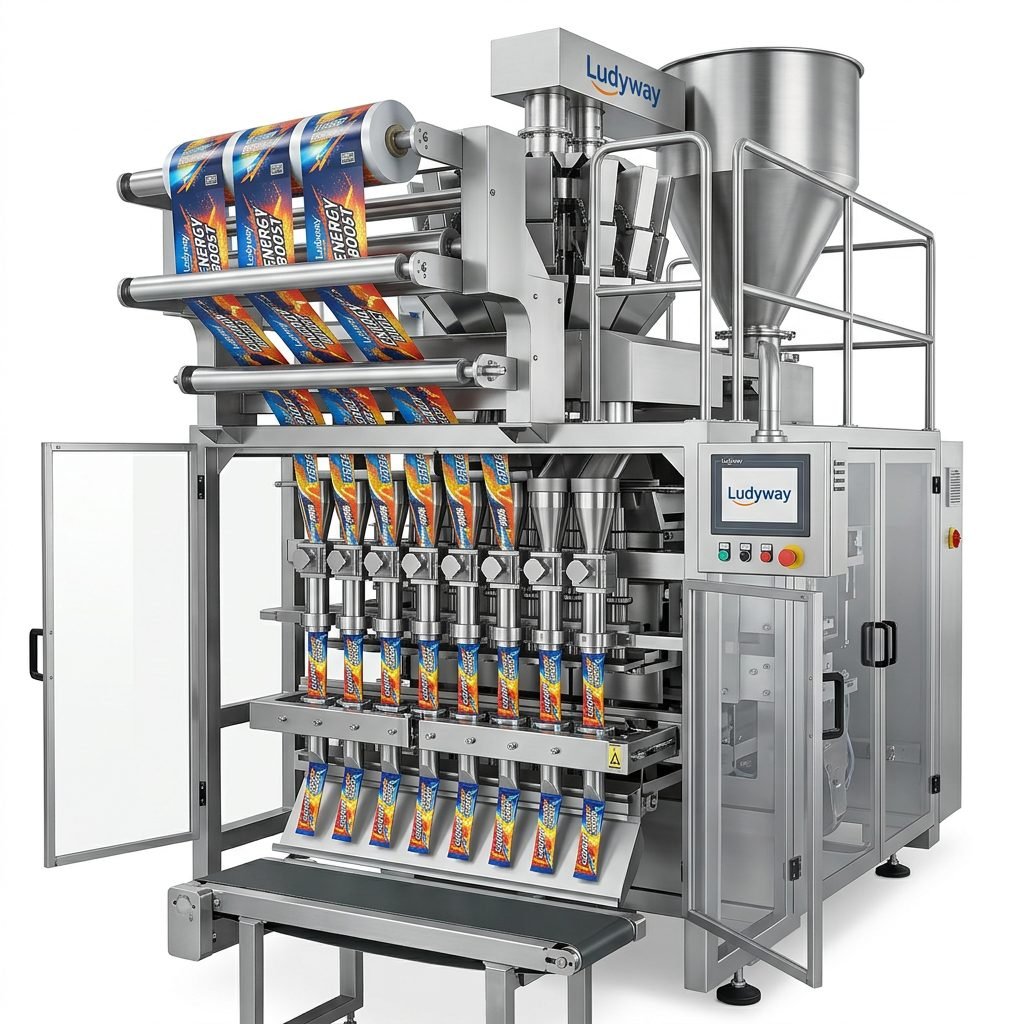
In the fast-paced world of modern manufacturing, efficiency, product protection, and presentation are paramount. For businesses packaging granular products, powders, or small solid items, the 4 side seal packaging machine has emerged as a cornerstone technology. This advanced equipment creates sleek, durable pouches sealed on all four sides, offering superior barrier properties and a professional finish. Understanding how these machines work, their significant benefits, and what to consider before purchasing one is crucial for any operation looking to enhance its packaging line.
The Core Mechanism: How a 4 Side Seal Machine Works
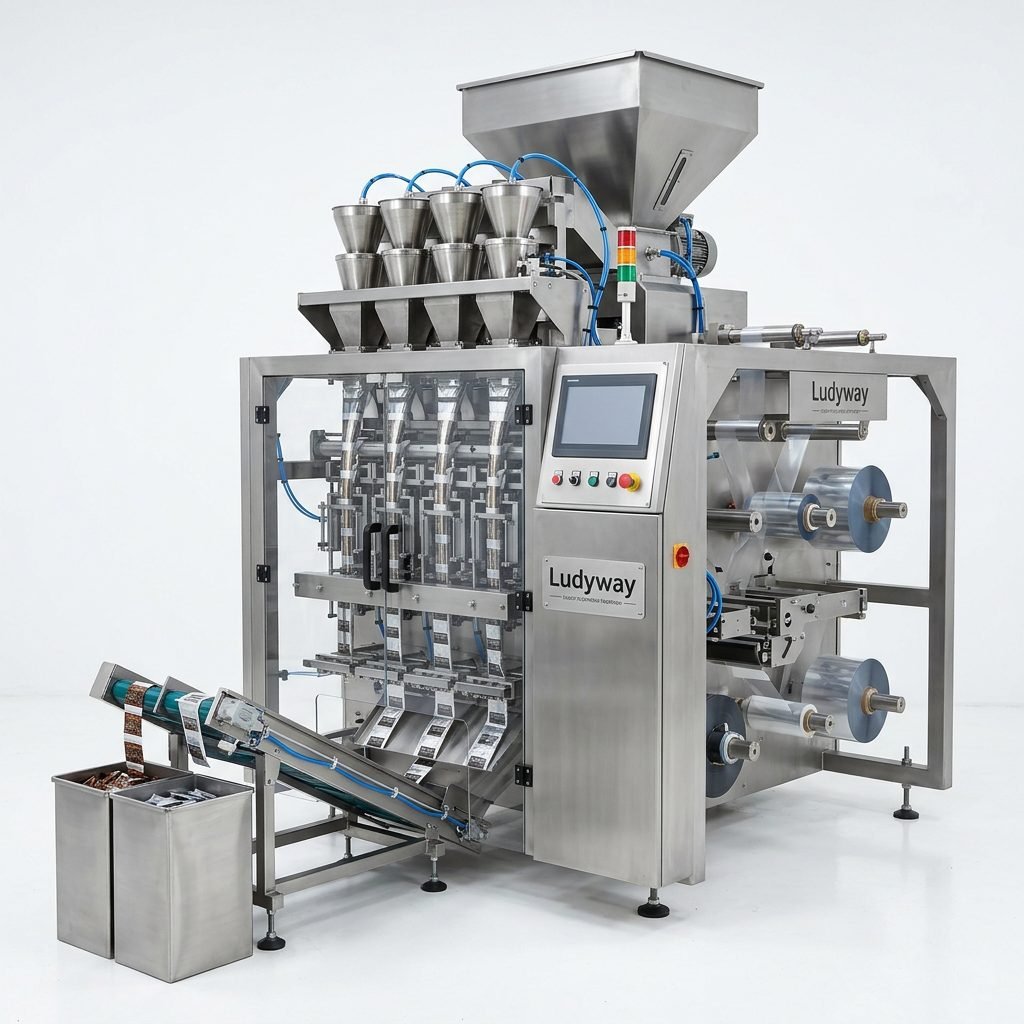
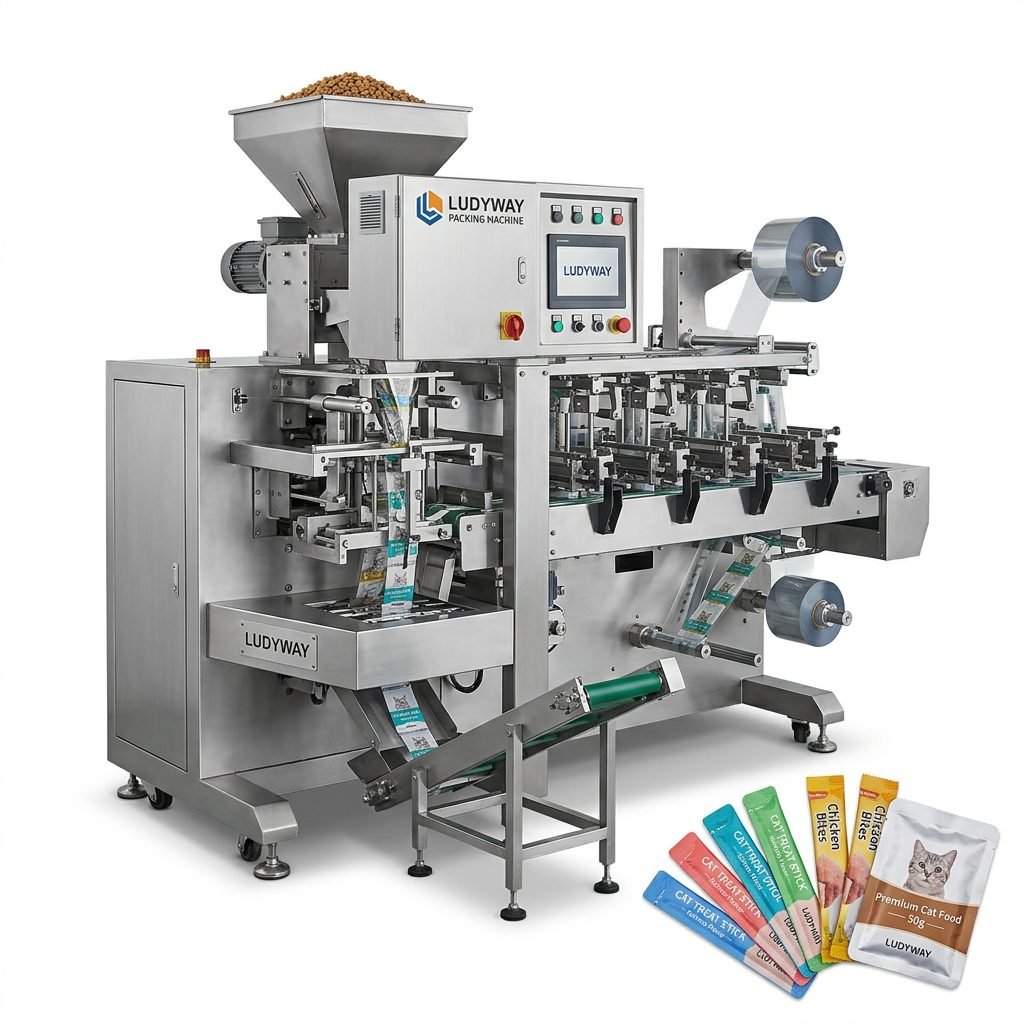
The operation of a 4 side seal packaging machine is a marvel of precision engineering and sequential automation. The process begins with the feeding of a roll of packaging film, typically a multi-layered laminate, into the machine. This film is precisely formed into a tube around a vertical filling tube. As the film moves downward, the longitudinal back seal is created, forming a continuous tube.
Key Operational Stages:
1. Film Feeding & Forming: The flat film is guided through forming collars to shape it into a tube around the filling cylinder.
2. Longitudinal Sealing: A constant heat sealer bonds the film edges together along the back of the tube.
3. Product Metering & Filling: The product is precisely measured—by volume or weight—and dropped through the filling tube into the formed film tube.
4. Cross Sealing & Cutting: This is the critical step for creating the “4 side seal.” Horizontal jaws simultaneously seal the top of the filled pouch and the bottom of the next pouch, then cut between the seals. This action creates the two horizontal seals, completing the fourth side and separating the individual pouch.
The entire cycle is driven by a programmable logic controller (PLC) that synchronizes the film pull, filling, and sealing actions with incredible accuracy. Modern machines often feature servo motors for each axis of movement, allowing for gentle handling of delicate products and highly adjustable pouch lengths.
Unlocking Advantages: Key Benefits for Your Business
Investing in a 4 side seal packaging machine delivers a multitude of operational and commercial benefits that directly impact your bottom line and brand perception.
Superior Product Protection & Shelf Life
The complete, hermetic seal on all four sides provides an excellent barrier against moisture, oxygen, dust, and contaminants. This is vital for hygroscopic products like spices, instant drinks, or pharmaceuticals, where any moisture ingress can lead to clumping, degradation, or spoilage. By maintaining product integrity, you reduce waste and ensure customer satisfaction.
Enhanced Efficiency and High-Speed Output
These machines are designed for continuous motion operation, enabling high-speed packaging that manual or semi-automatic methods cannot match. With capabilities often ranging from 40 to over 200 pouches per minute, they dramatically increase production throughput, allowing you to meet larger orders and scale your business efficiently.
💡 Operational Efficiency Highlights:
Reduced Labor Costs: Automates the entire pouch forming, filling, and sealing process, minimizing manual intervention.
Material Savings: Precise film feeding and cutting minimize material waste compared to less accurate systems.
Quick Changeovers: Many models allow for quick adjustments to pouch size and product type, reducing downtime between production runs.
Professional Brand Presentation and Versatility
The clean, flat, and symmetrical pouch produced by a 4 side seal machine offers a premium look on retail shelves. It provides ample space for vibrant graphics and branding on both the front and back. Furthermore, this technology is incredibly versatile, capable of handling a wide range of products—from coffee and sugar to hardware parts and medical swabs—using various film types, including PET/AL/PE for high-barrier needs or recyclable mono-material structures.
Your Strategic Buying Guide: What to Consider
Choosing the right 4 side seal packaging machine requires careful evaluation of your specific needs. A misstep here can lead to production bottlenecks, compatibility issues, or unnecessary costs.
1. Define Your Core Requirements
Start by detailing your product specifications (type, granule size, flow characteristics), desired pouch size range, and required production speed (pouches per minute). Also, consider your target market’s packaging norms; for instance, markets with strong sustainability drives may prefer machines compatible with recyclable films.
2. Evaluate Machine Specifications and Features
Look beyond the basic specs. Prioritize machines with a robust stainless-steel frame for durability. Servo-motor driven systems offer superior precision, energy efficiency, and quieter operation compared to traditional mechanical drives. Ensure the sealing system offers precise temperature control for consistent, strong seals with your chosen film material.
3. Prioritize Integration and Support
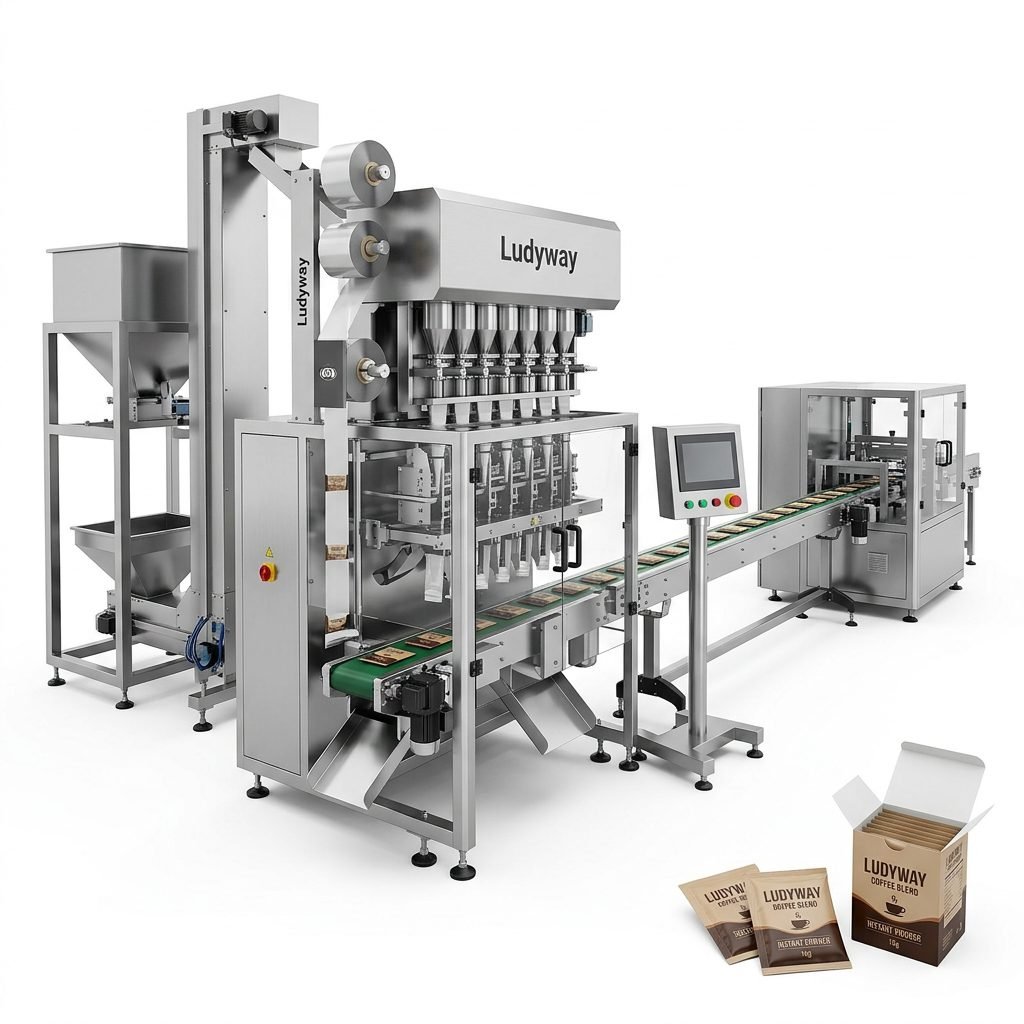
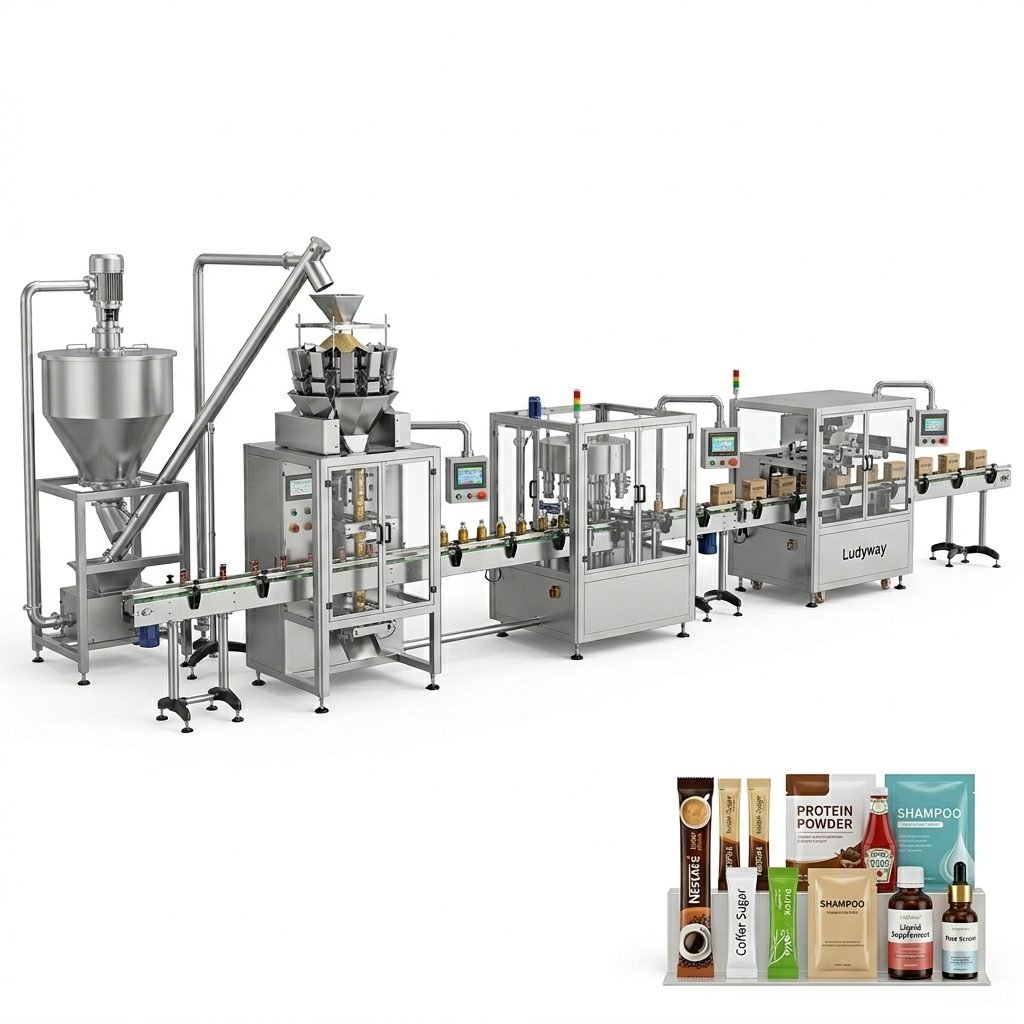
The machine should integrate seamlessly with your existing upstream (e.g., feeders, conveyors) and downstream (e.g., cartoning) equipment. The most critical factor, however, is the supplier’s reputation. Choose a manufacturer known for reliability and comprehensive after-sales support. For example, partnering with an experienced provider like Ludyway Packing Machine ensures access to professional packaging experts who can offer tailored solutions and reliable technical support, backed by decades of industry experience.
Checklist for Supplier Evaluation:
✔ Proven Track Record: Look for suppliers with extensive experience, like those with 30+ years in the industry.
✔ Technical & Spare Parts Support: Availability of local or responsive remote support is non-negotiable for minimizing downtime.
✔ Customization Capability: Can they modify the machine to fit your unique product or production line layout?
✔ Training and Documentation: Proper training for your operators is essential for safe and efficient long-term use.
4. Consider Total Cost of Ownership (TCO)
Your budget should account for more than the initial purchase price. Factor in installation costs, potential utility upgrades, the cost of spare parts, and long-term maintenance. A slightly higher upfront investment in a more reliable and efficient machine from a reputable supplier often results in a lower TCO due to fewer breakdowns, less waste, and higher output.
Conclusion
The 4 side seal packaging machine is a transformative asset for businesses seeking to improve efficiency, product quality, and market appeal. By automating the creation of secure, attractive pouches, it addresses core challenges in modern packaging. Success hinges on a thorough understanding of the technology, a clear assessment of your operational needs, and, most importantly, selecting the right equipment partner. A partner with deep engineering expertise and a commitment to customer success can ensure your investment delivers maximum return for years to come.
Frequently Asked Questions (FAQs)
What types of products are best suited for 4 side seal packaging?
This technology is ideal for free-flowing granular products (coffee, seeds, powder supplements), fine powders (spices, milk powder), and small solid items (hardware, tea bags). It is particularly beneficial for products requiring high barrier protection against moisture or oxygen.
How does a 4 side seal machine differ from a 3 side seal machine?
A 3 side seal machine creates a pouch by sealing three sides of two flat sheets of film, leaving one side open for filling before it is finally sealed. A 4 side seal machine forms a tube from a single roll of film, creates a back seal, fills it, and then makes the two cross-seals simultaneously, resulting in a more efficient process and a pouch with seals on all four sides.
Can these machines handle different packaging materials?
Yes, high-quality 4 side seal machines are designed to work with a variety of laminates, including standard plastic films (PET/PE, OPP/CPP) and high-barrier materials containing aluminum foil. The key is to ensure the machine’s sealing jaws and temperature controls are precisely calibrated for the specific material.
What is the typical production speed range?
Speeds vary significantly based on the machine model, pouch size, and product characteristics. Entry-level machines may operate at 40-60 pouches per minute (ppm), while advanced, multi-lane servo-driven systems from leading suppliers can achieve speeds of 120-200+ ppm.
What kind of maintenance do these machines require?
Regular maintenance is crucial. Daily cleaning of product contact parts and sealing jaws, weekly lubrication of moving parts as per the manual, and periodic inspection of wear items like sealing jaws, cutters, and film guides are standard. Choosing a machine with accessible components and reliable support from your supplier, such as the comprehensive service offered by established brands, simplifies maintenance and ensures longevity.