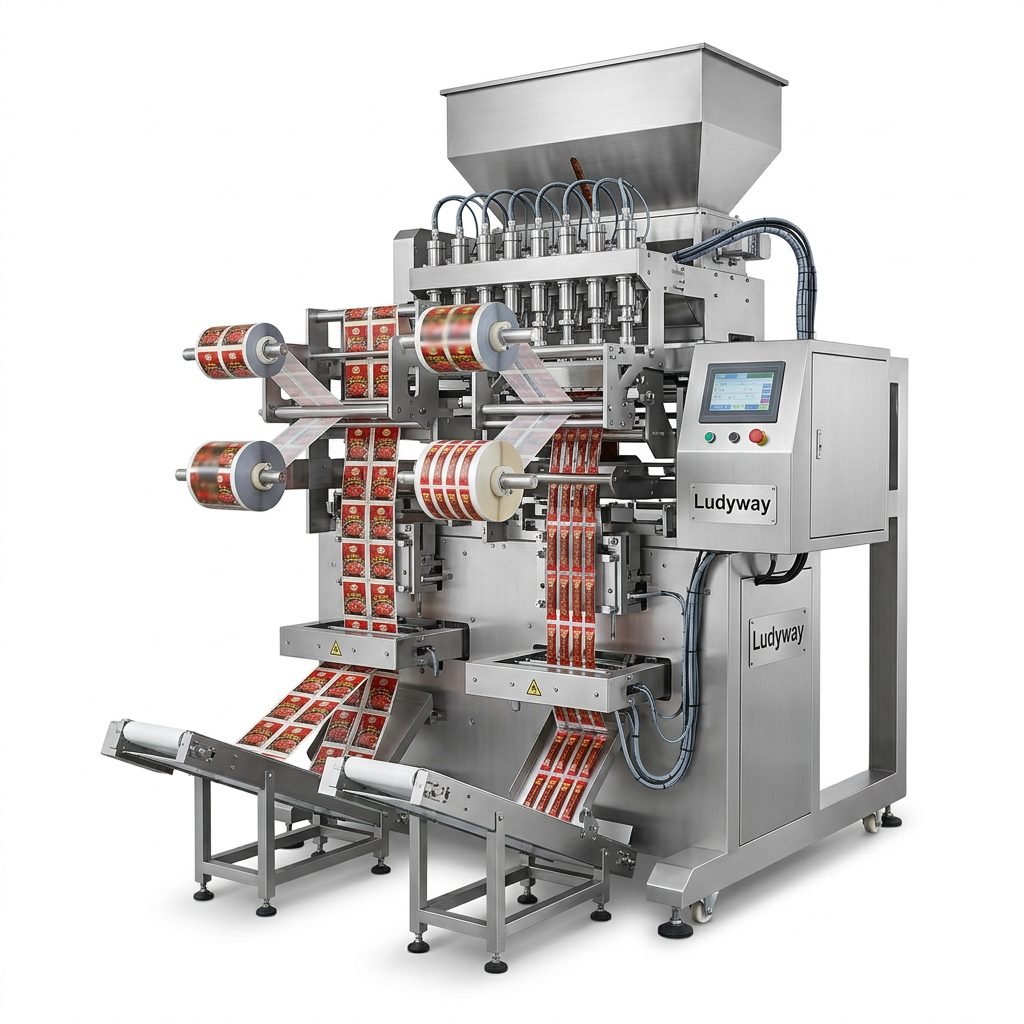
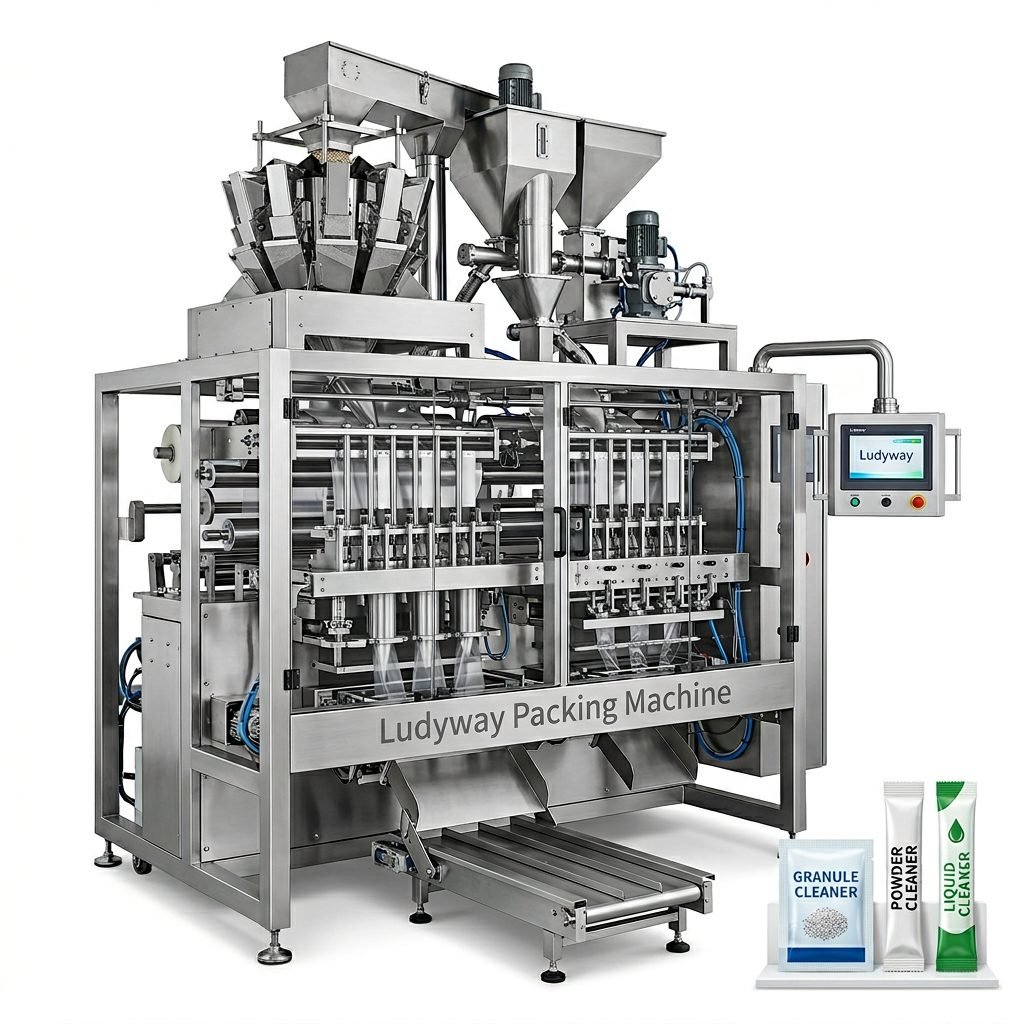
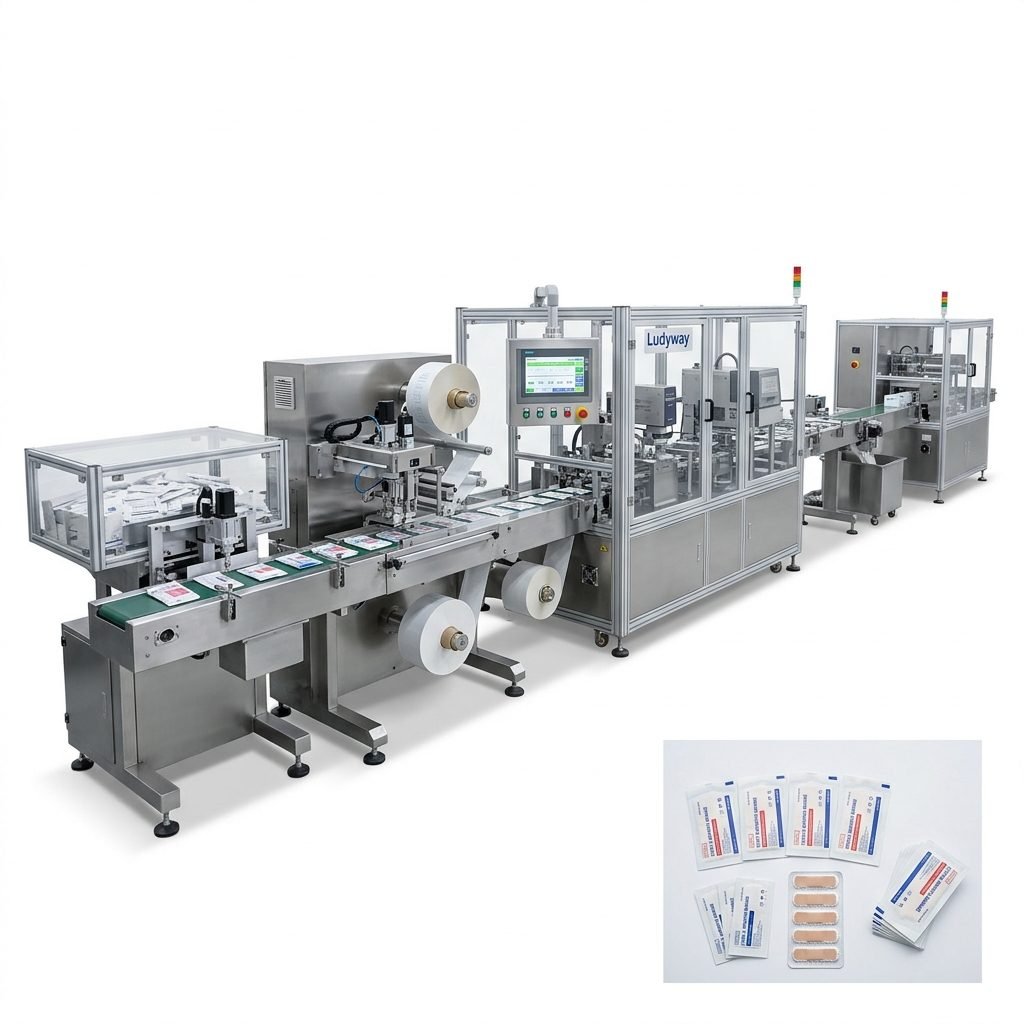
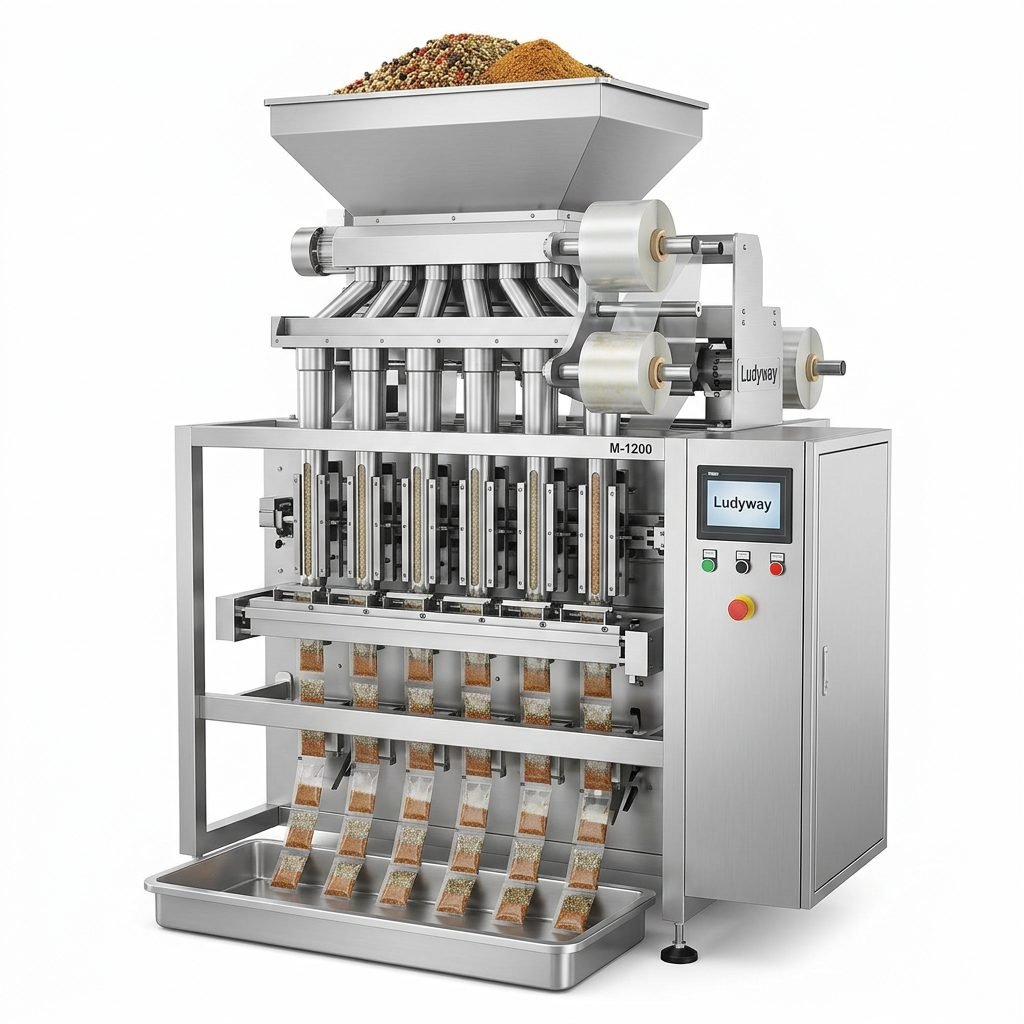
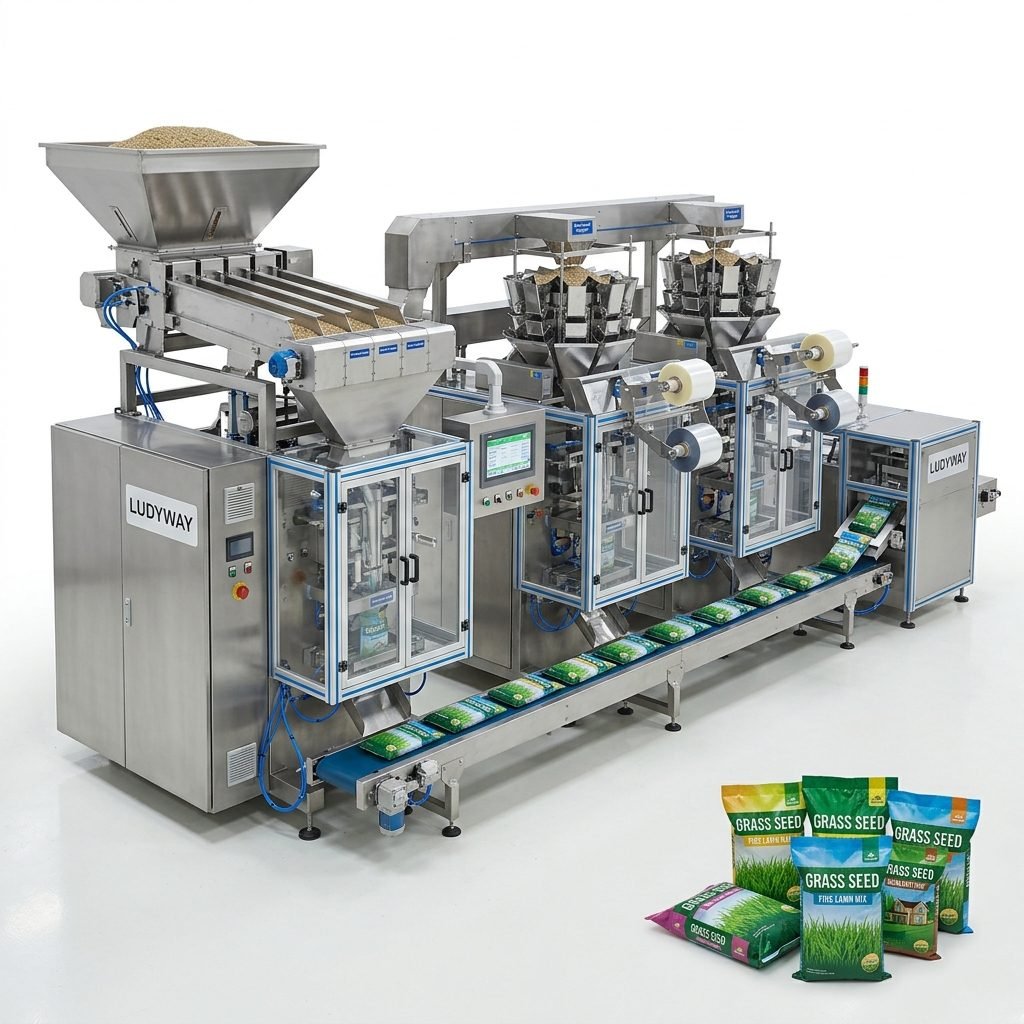
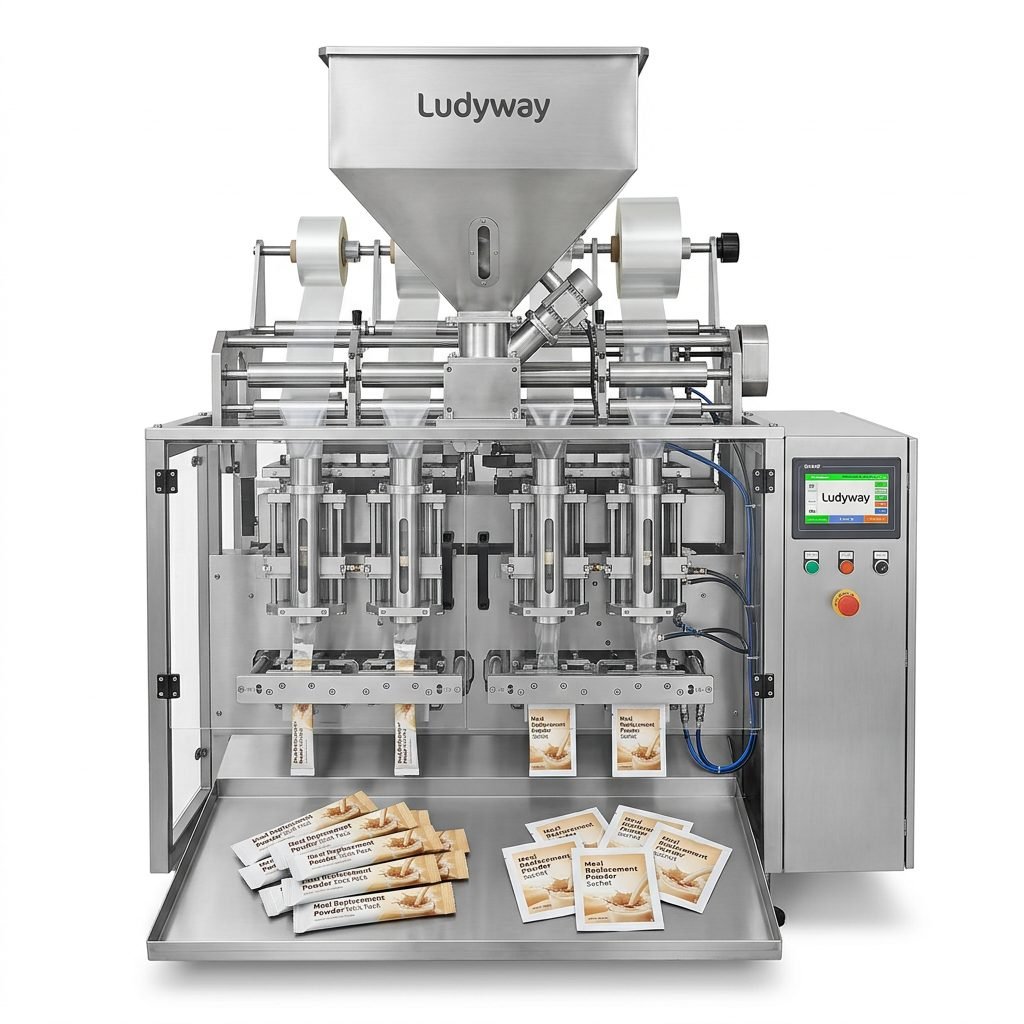
In the dazzling world of cosmetics, crafts, and festive products, glitter holds a special place. Packaging this shimmering material efficiently and securely presents unique challenges. An automatic glitter filler and sealer is not just a machine; it’s a critical investment for businesses aiming to scale production, ensure consistency, and captivate customers with flawless presentation. This comprehensive guide will illuminate the key factors to consider when selecting the best glitter packaging machine for your operation.
Understanding Glitter Packaging Challenges
Glitter, by its very nature, is lightweight, prone to static, and can be messy. Manual filling is time-consuming, inconsistent, and leads to significant product waste. An automatic system must address:
- Precision Dosing: Glitter’s low density makes volumetric filling inaccurate. Weight-based filling is superior.
- Static Control: Static electricity causes glitter to cling to machinery, leading to clogging and inaccurate fills.
- Dust Containment: Fine glitter particles become airborne, creating a messy work environment and potential cross-contamination.
- Bag/Pouch Handling: The machine must gently yet securely handle empty bags, fill them without spillage, and create a perfect seal.
Key Insight: The ideal glitter packaging machine isn’t just a standard powder filler. It incorporates specific design features—like anti-static coatings, dedicated dust extraction ports, and specialized auger systems—to tame the unique properties of glitter.
Core Components of an Automatic Glitter Filler & Sealer
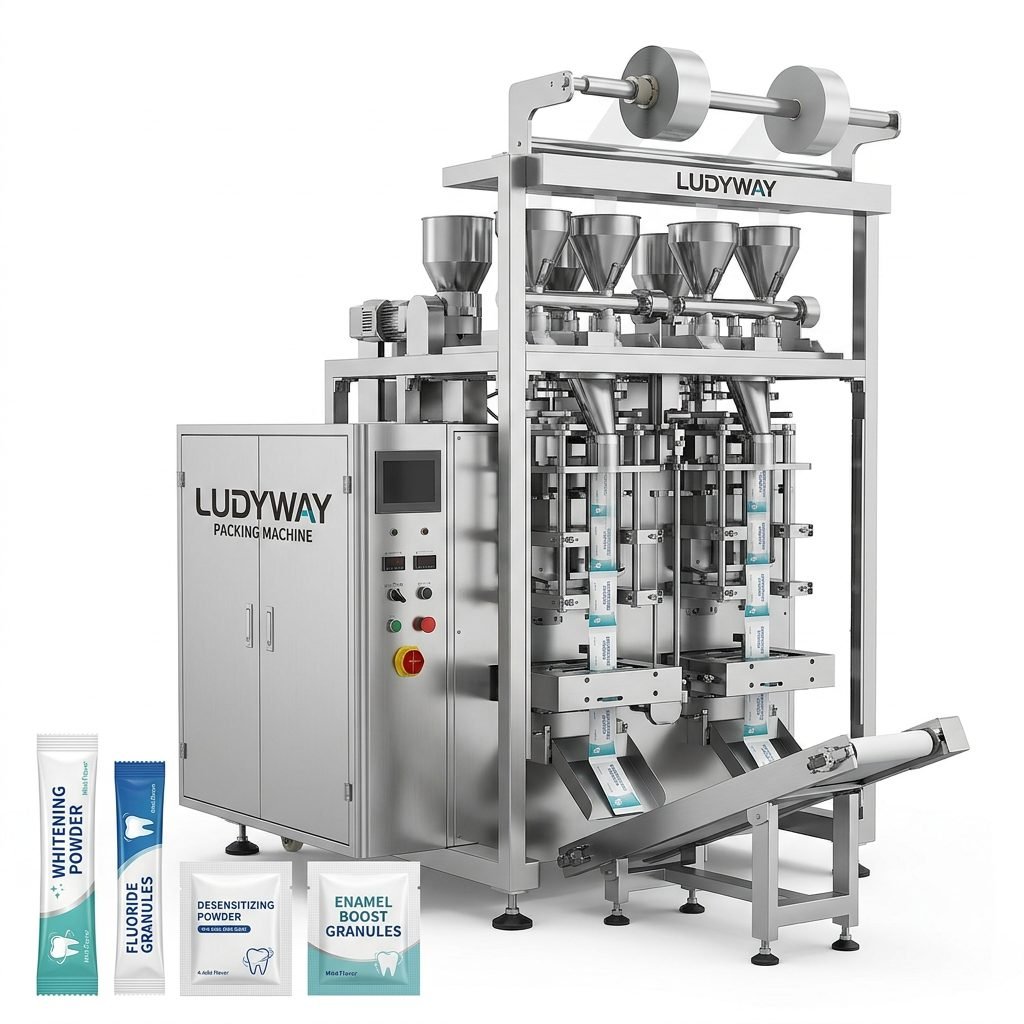
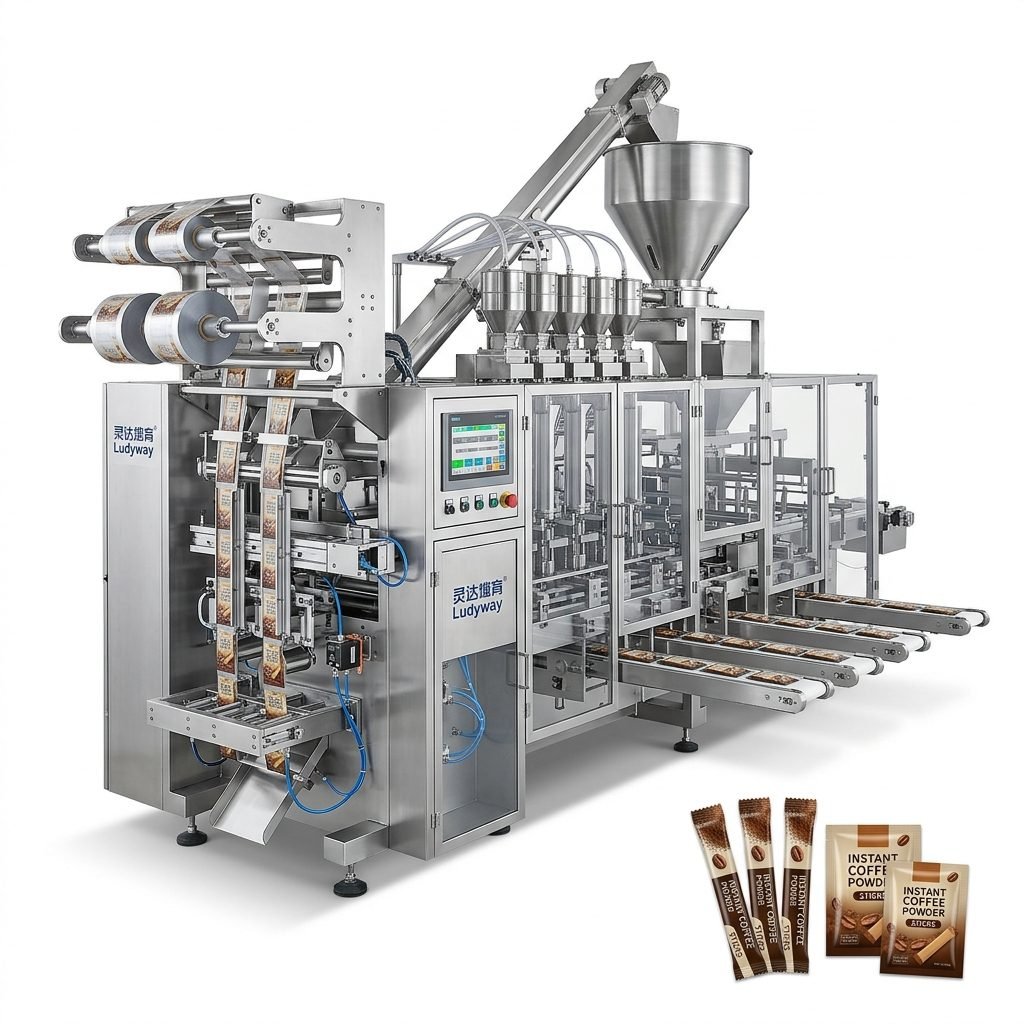
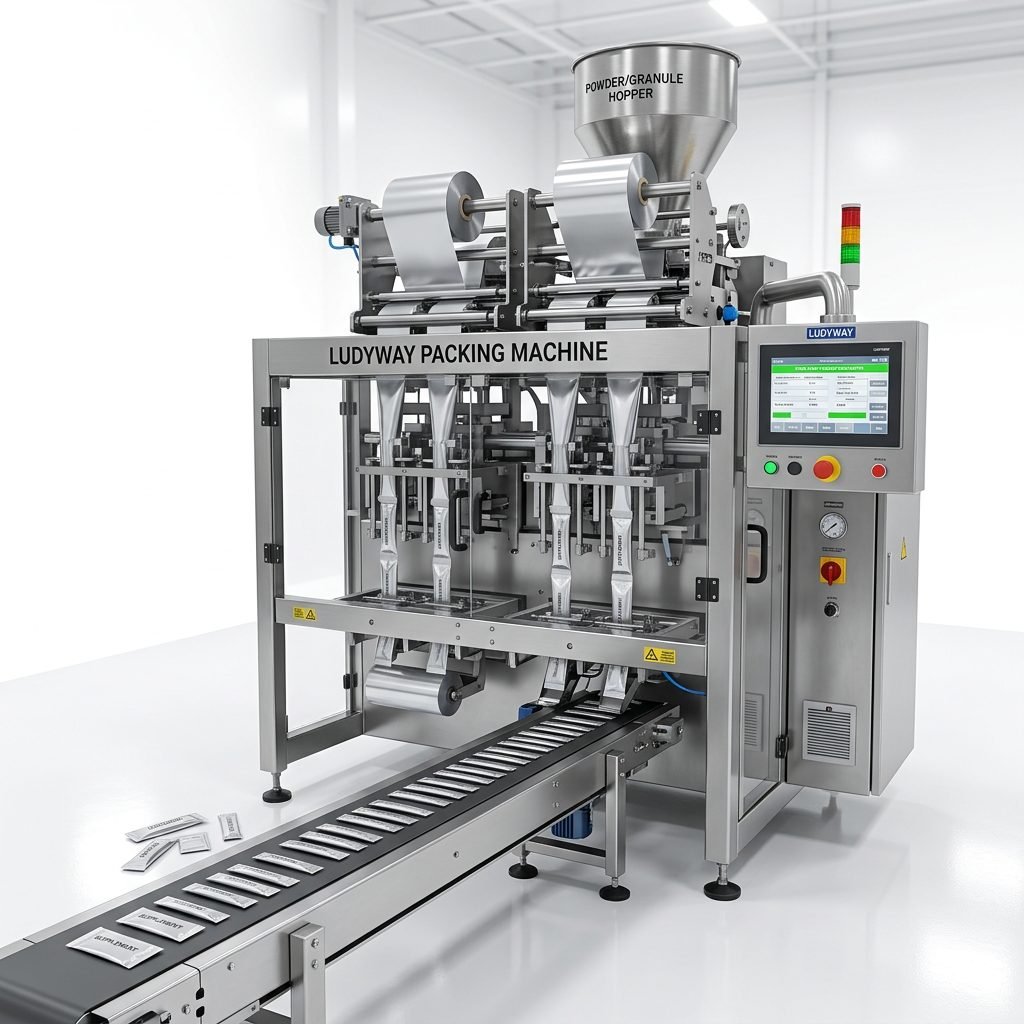
A typical automatic system integrates several key stations into one seamless workflow:
1. The Feeding & Dosing System
This is the heart of the machine. Look for a servo-driven auger filler. Servo motors provide exceptional control over the auger’s rotation, enabling micro-adjustments for pinpoint accuracy, crucial for expensive cosmetic-grade glitter. The hopper and auger should be polished and treated for anti-static properties.
2. The Bag Handling & Sealing System
The machine automatically opens premade bags (stand-up pouches, flat pouches), presents them under the filler nozzle, and then transfers them to the sealer. The sealing system must offer consistent temperature and pressure control to ensure airtight seals on various laminate materials, preventing glitter from escaping.
3. The Control System
A user-friendly touchscreen HMI (Human-Machine Interface) is essential. It allows operators to easily set fill weight, sealing parameters, production speed, and store recipes for different glitter products.
How to Choose the Best Machine: 5 Critical Evaluation Factors
Factor 1: Filling Accuracy & Technology
Never compromise on accuracy. Gross/Net Weight Filling is the gold standard for glitter. The system weighs the bag before, during, and after filling, compensating for the bag’s own weight variance and ensuring each package contains the exact specified amount. This minimizes giveaway and ensures compliance.
Factor 2: Production Speed & Output
Match the machine’s speed (bags per minute) to your current and forecasted demand. A small business might thrive with a 30-40 bpm machine, while large manufacturers may need equipment exceeding 60 bpm. Remember, a slightly faster machine than currently needed provides room for growth.
Factor 3: Flexibility & Changeover
Do you package different glitter colors, sizes, or bag types? Seek a machine with quick-change parts like augers, funnels, and bag grippers. Tool-less changeovers dramatically reduce downtime when switching between products, increasing overall equipment effectiveness (OEE).
Factor 4: Hygiene & Cleanability
Glitter changes can necessitate thorough cleaning to prevent color contamination. Machines with smooth, stainless steel surfaces, removable hoppers, and easy-access panels simplify cleaning and maintenance, ensuring product purity and meeting hygiene standards for cosmetic applications.
Factor 5: Supplier Support & Reliability
The machine is a long-term asset. Evaluate the supplier’s reputation. Ludyway Machinery, for instance, brings over a decade of focused experience in packaging solutions. Look for providers offering comprehensive training, readily available spare parts, and responsive technical support. A reliable partner ensures your machine remains productive for years.
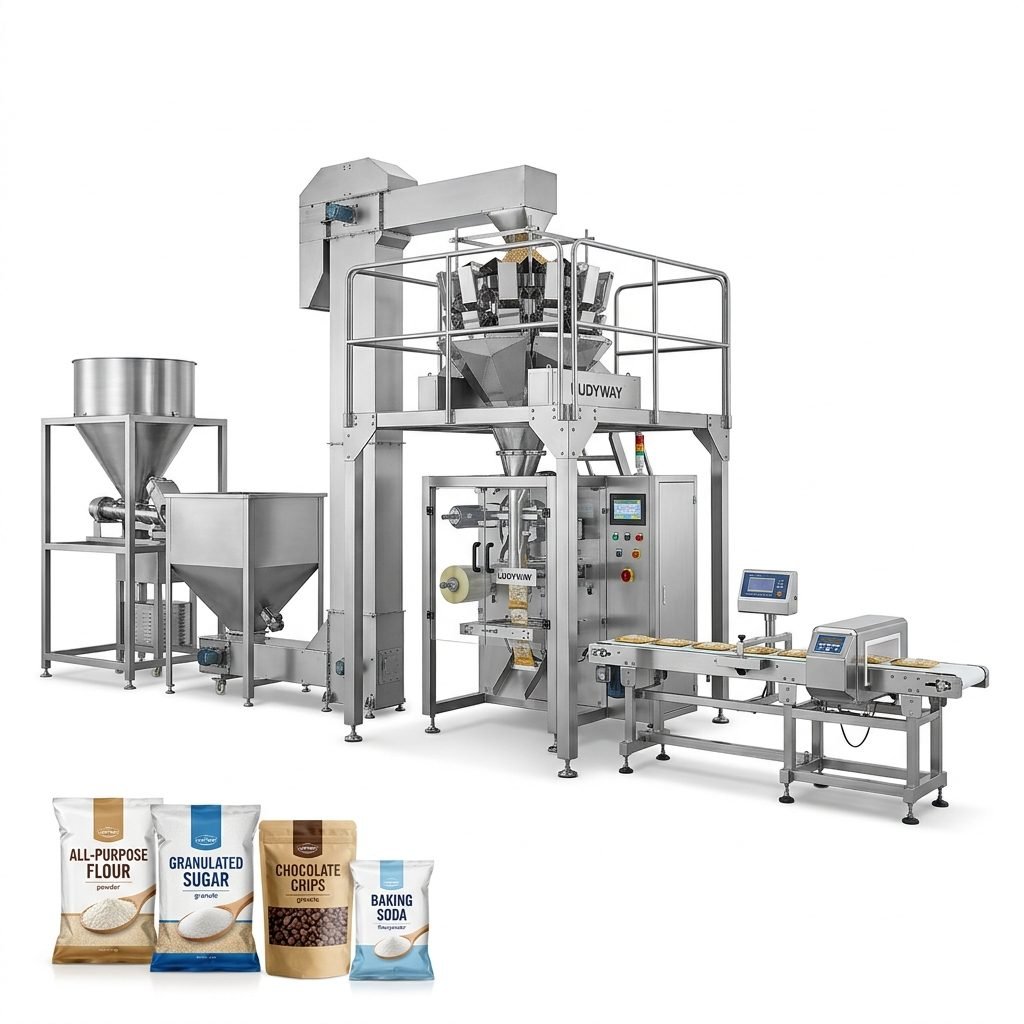
Integration with Broader Operations
Consider how the filler/sealer will fit into your production line. It can be a standalone unit or integrated with upstream equipment like a bag former or downstream systems like a cartoner or case packer. Discuss your workflow with the supplier to explore turnkey solutions that optimize the entire process from bulk glitter to shelf-ready product.
Return on Investment (ROI) Considerations
While the upfront cost is a factor, calculate the total ROI. An automatic glitter packager delivers value through:
- Reduced Labor Costs: One machine can replace several manual stations.
- Minimized Product Waste: High accuracy cuts down on costly glitter giveaway.
- Increased Output: Meet larger orders and scale your business.
- Consistent Quality: Build brand reputation with perfectly filled and sealed packages every time.
Frequently Asked Questions (FAQs)
1. Can the same machine package different types of glitter (fine, coarse, biodegradable)?
Yes, but configurability is key. Machines with interchangeable augers (different pitches and diameters) and adjustable filling parameters can handle a range of glitter types. Always test your specific glitter with the machine during a factory acceptance trial.
2. How do I control the static electricity problem during filling?
Reputable manufacturers build-in static control measures. These include anti-static coatings on contact parts, ionizing air bars near the filling nozzle, and proper grounding of the entire machine. Ensure this is a standard or optional feature discussed with your supplier.
3. What bag materials work best with an automatic glitter filler and sealer?
Metallized polyester (MET PET), laminated stand-up pouches, and other heat-sealable flexible materials are ideal. The key is a consistent bag quality from your supplier. The machine’s sealing jaws can be tailored to the specific material thickness and composition.
4. How difficult is it to operate and maintain an automatic glitter packaging machine?
Modern machines are designed for operator-friendliness. Intuitive touchscreen controls guide the setup. Routine maintenance typically involves cleaning and lubrication as per the manual. Choosing a supplier that provides thorough training and clear documentation is crucial for smooth operation.
5. What safety features should I look for?
Essential safety features include emergency stop buttons, protective guarding around moving parts, and safety interlocks that halt the machine if a guard is opened. For glitter, ensure the electrical components are properly rated for any potential dust environment.