In the seed industry, packaging accuracy is more than a production metric—it directly affects inventory control, product presentation, transport efficiency, and customer trust. A modern seed filling machine helps producers, distributors, and agricultural brands package seeds quickly, cleanly, and consistently across different bag sizes and packaging formats.
Whether you handle vegetable seeds, flower seeds, grass seeds, corn seeds, rice seeds, or treatment-coated seeds, choosing the right filling equipment can significantly improve throughput while reducing giveaway, labor dependency, and sealing errors.
What Is a Seed Filling Machine?
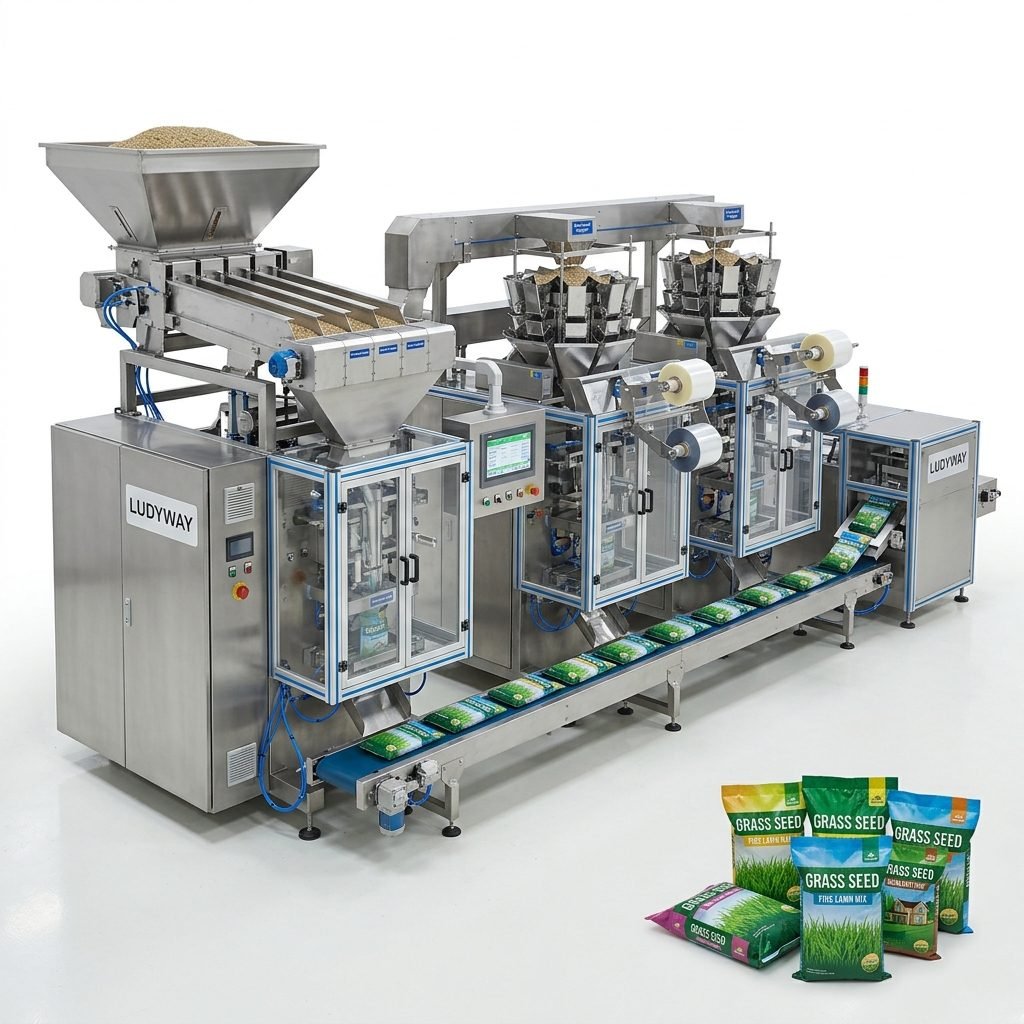
A seed filling machine is packaging equipment designed to measure, dose, fill, and often seal seeds into containers or flexible packages. Depending on the product and packaging target, the machine may work with pouches, sachets, stick packs, premade bags, bottles, jars, or bulk sacks.
Seed products are usually free-flowing granules, but they can vary greatly in:
- Seed size and shape
- Bulk density
- Surface coating or treatment
- Dust level
- Fragility and breakage sensitivity
- Target package weight or count
Because of these variables, the best seed filling system is rarely one-size-fits-all. The machine should match the seed characteristics, package style, production capacity, and automation level of your facility.
Why Seed Packaging Efficiency Matters
Efficient seed packaging is essential for agricultural manufacturers and seed brands that need stable output during planting seasons, promotional peaks, or export cycles. A properly selected system offers benefits such as:
- Improved filling accuracy for better weight consistency
- Reduced product loss caused by overfill or spills
- Higher packaging speed for growing order volumes
- Cleaner sealing quality and better shelf presentation
- Lower labor costs through automation
- Traceable production data for quality control
For businesses selling both retail seed packs and larger wholesale bags, filling precision also supports stronger margin control. Even a small overfill repeated across thousands of packs can create substantial hidden costs.
How a Seed Filling Machine Works
While machine designs differ, most seed packaging systems follow a similar process:
- Seeds are loaded into a hopper or feeding system.
- The machine meters the required amount by weight, volume, or count.
- Packaging material or containers are positioned automatically.
- The measured seeds are discharged into the package.
- The package is sealed, coded, labeled, or transferred downstream.
- Finished packs are collected, checked, or cartoned.
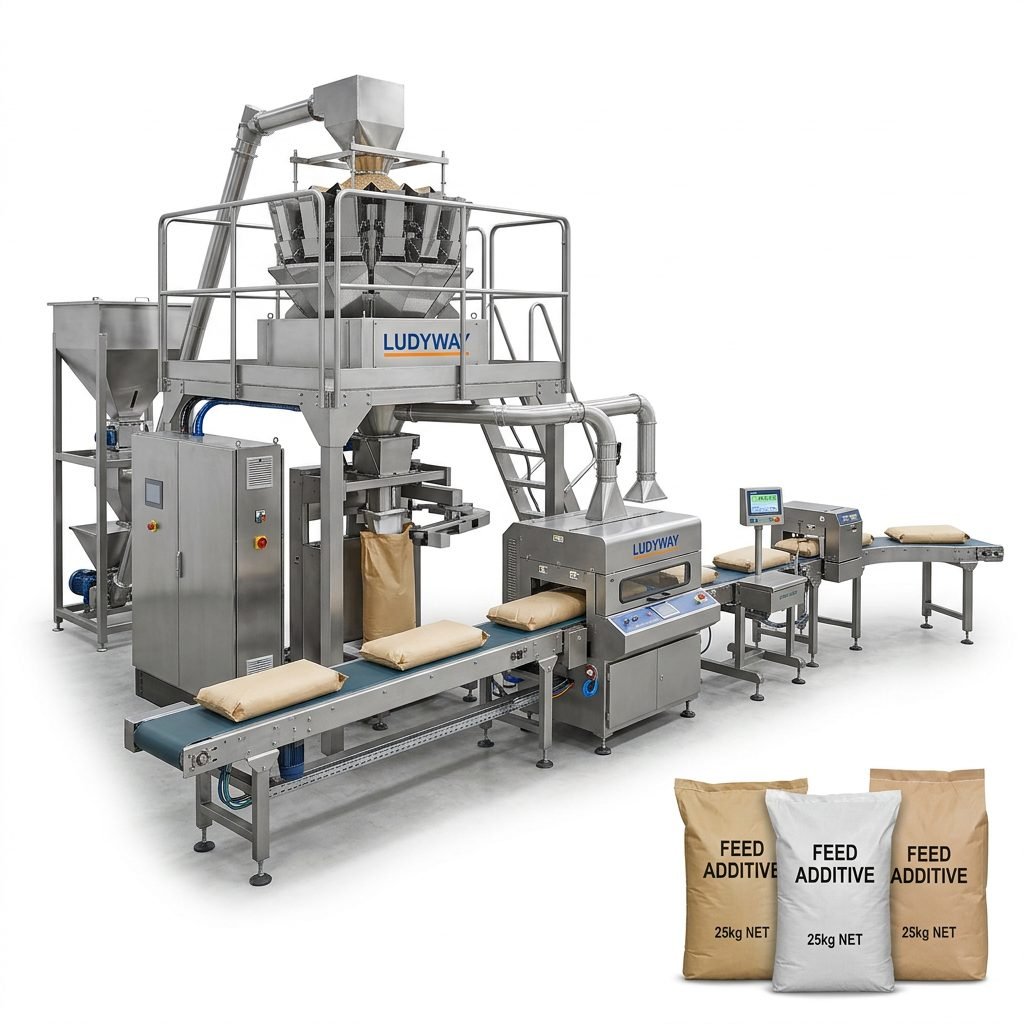
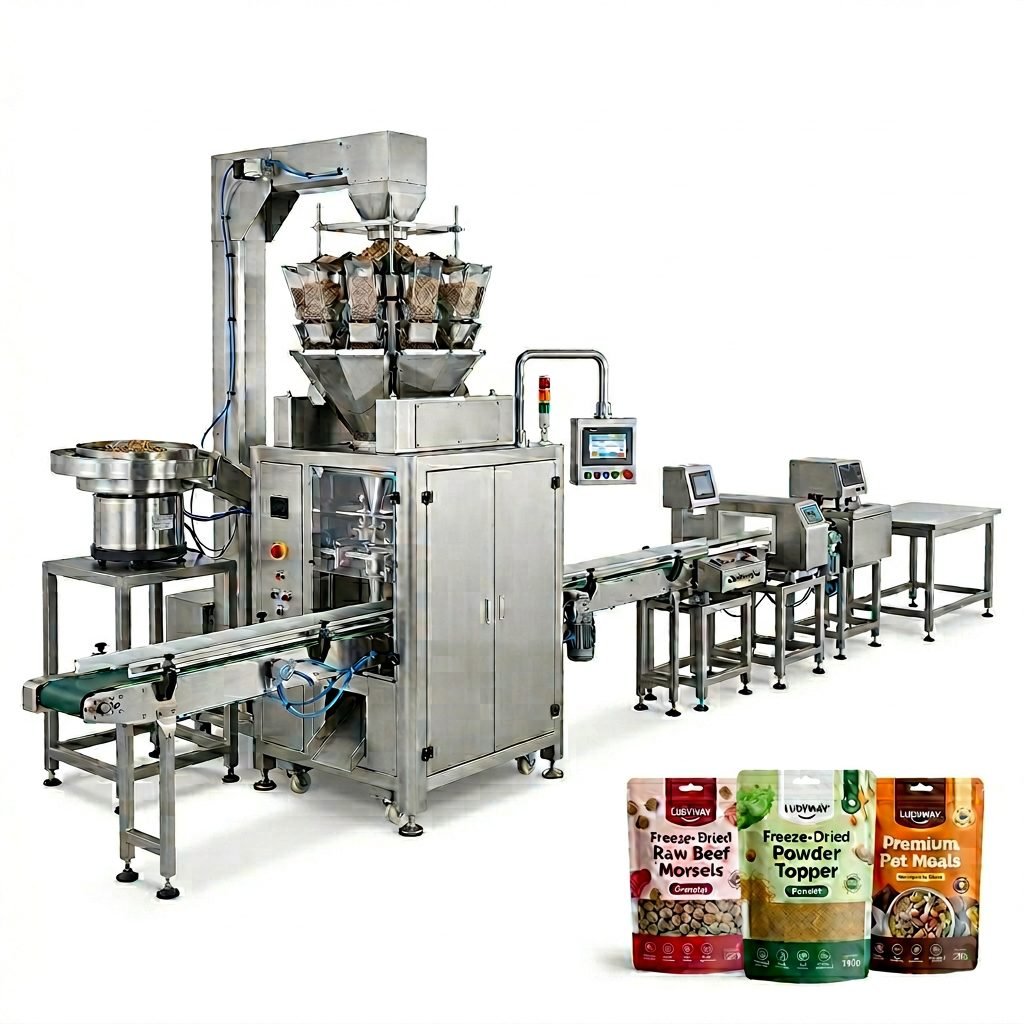
In fully automatic lines, auxiliary equipment such as conveyors, elevators, checkweighers, coding units, metal detectors, and cartoning systems can be integrated for a smoother production flow.
Main Types of Seed Filling Machines
1. Weighing Seed Filling Machines
These systems use weighing technology to deliver precise amounts of seeds into each package. They are commonly used when accuracy is a top priority and when seed density may vary from batch to batch.
Best for: retail bags, medium bags, and bulk seed packaging
2. Volumetric Seed Fillers
Volumetric fillers dispense a set volume of seeds per cycle. They can achieve high speed, but performance depends on seed uniformity and flow behavior.
Best for: relatively consistent seed types with stable flow characteristics
3. Counting Seed Packaging Machines
For premium products or exact-count packaging, counting systems can fill by the number of seeds instead of weight. This is useful for hobby gardening kits, trial packs, and specialty seed products.
Best for: high-value seeds, home garden packs, and precise-count applications
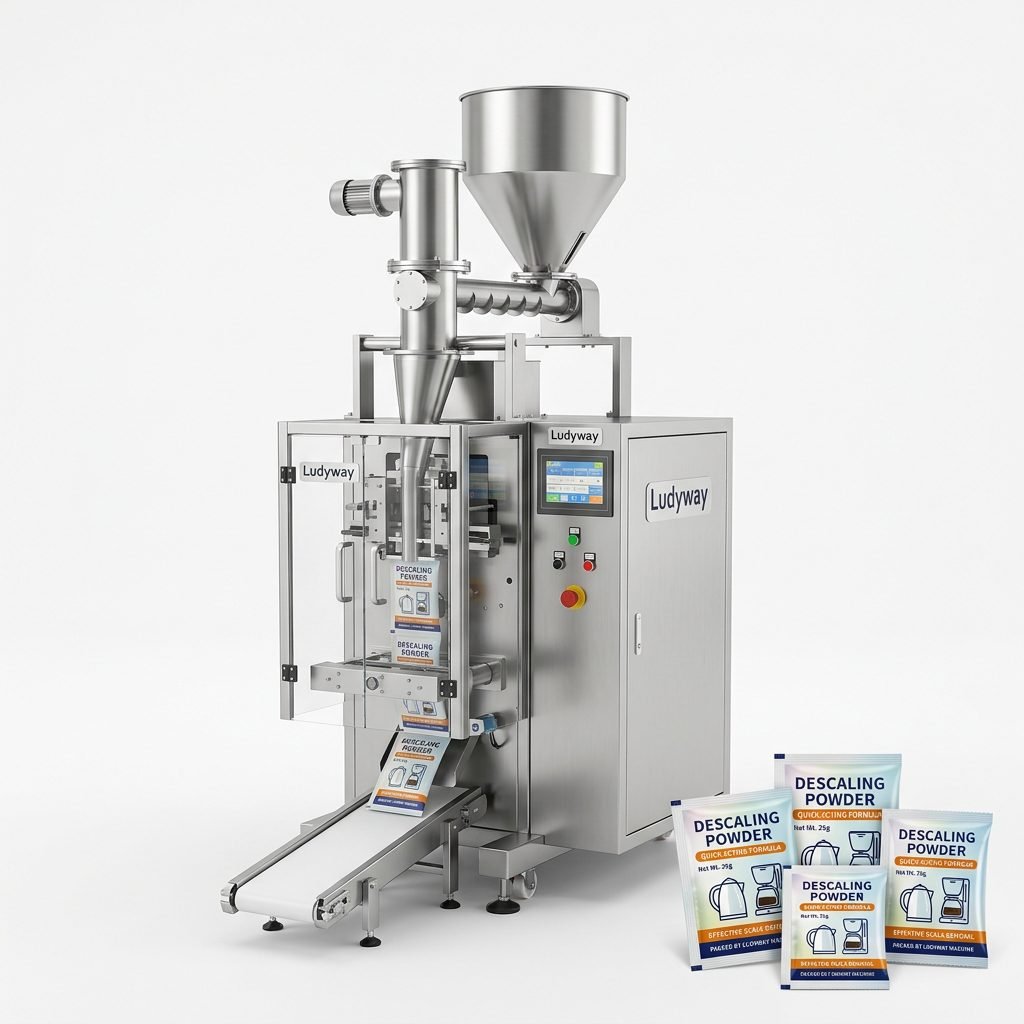
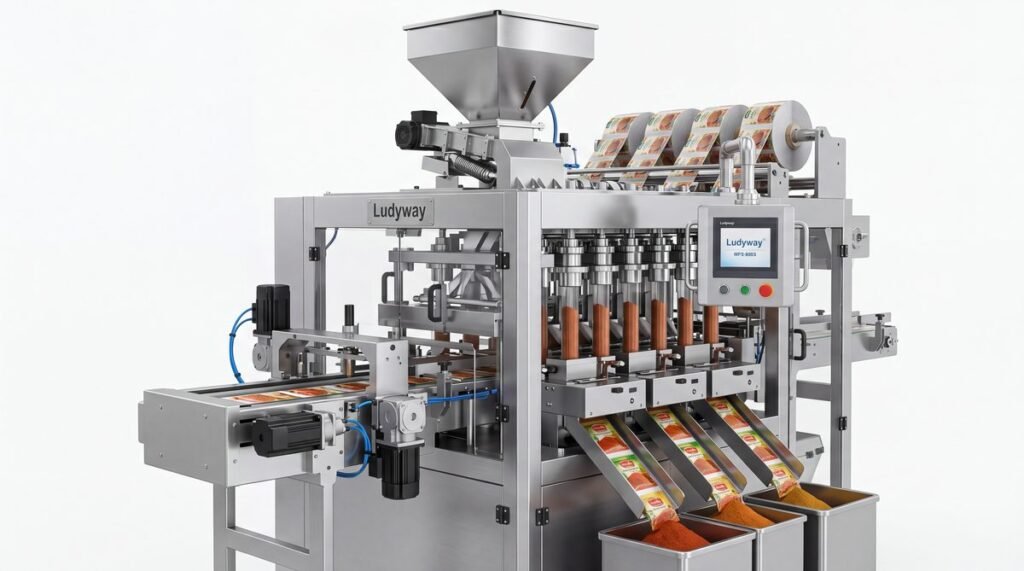
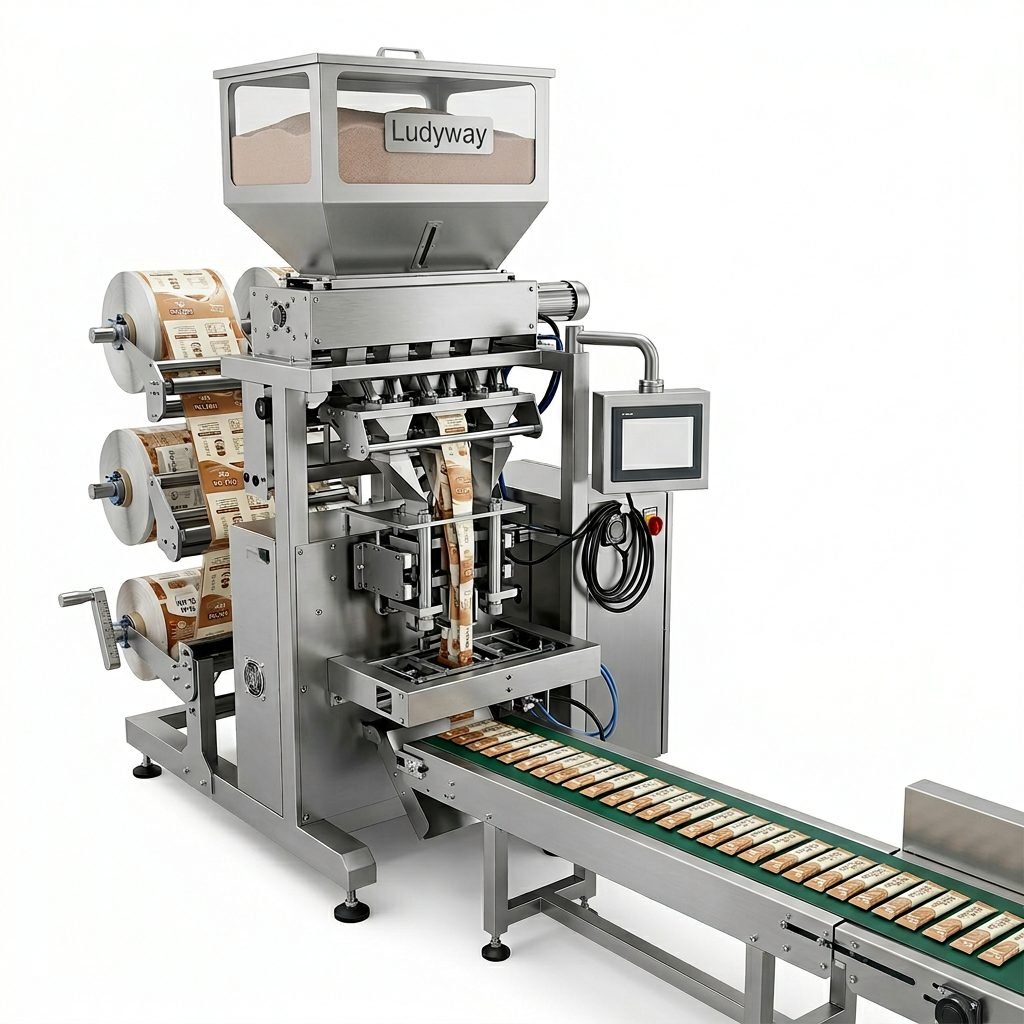
4. VFFS Seed Packaging Machines
Vertical form fill seal machines create pouches from roll film, fill seeds, and seal the package in one continuous operation. They are widely used for granular products and can offer excellent efficiency.
Best for: pillow bags, gusset bags, sachets, and continuous high-speed production
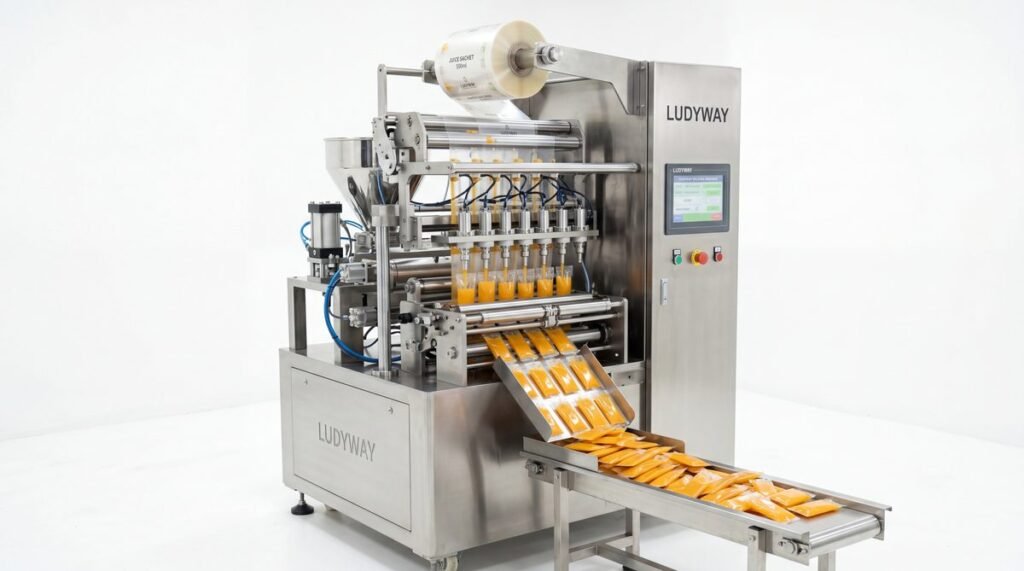
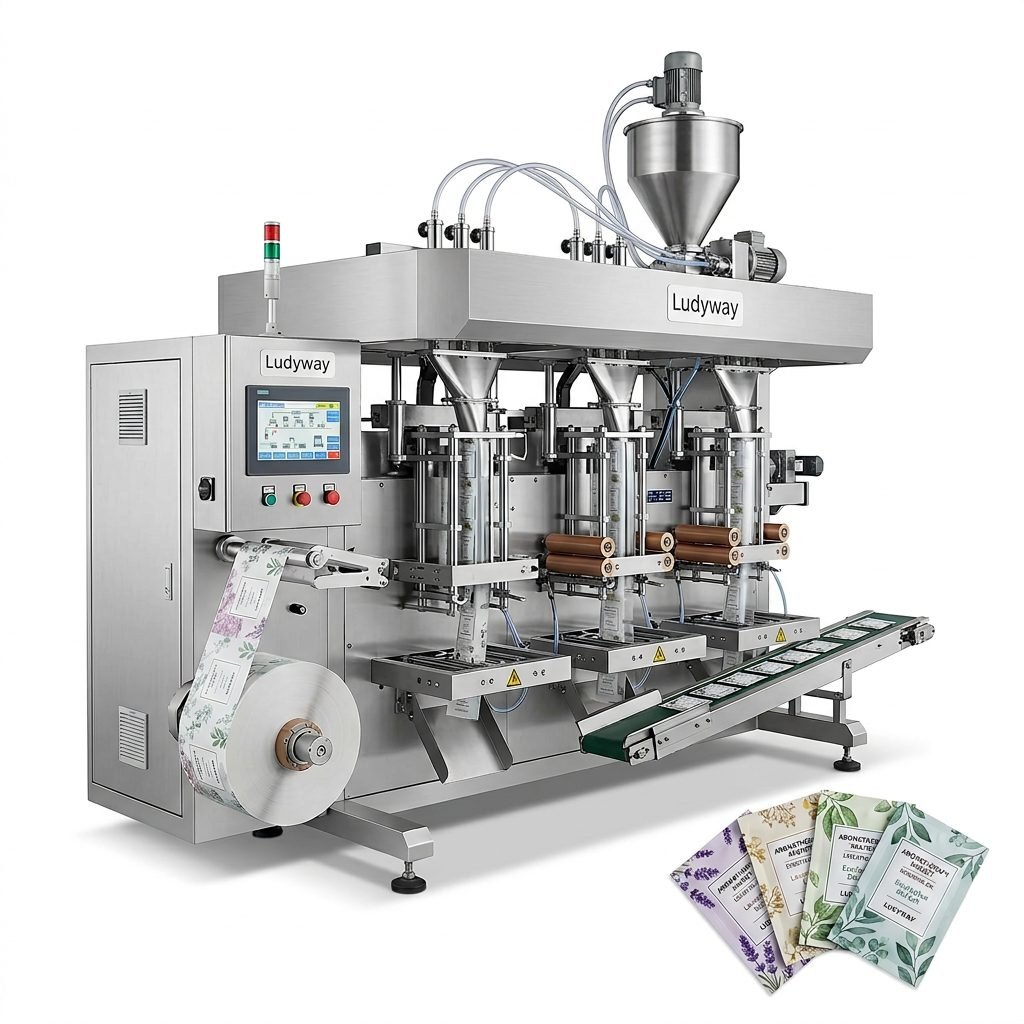
5. Premade Pouch Filling Machines
These machines open ready-made pouches, fill the seeds, and seal the package. They are ideal when packaging appearance and shelf impact are important.
Best for: stand-up pouches, zipper pouches, and premium retail packaging
Common Seed Products That Can Be Filled
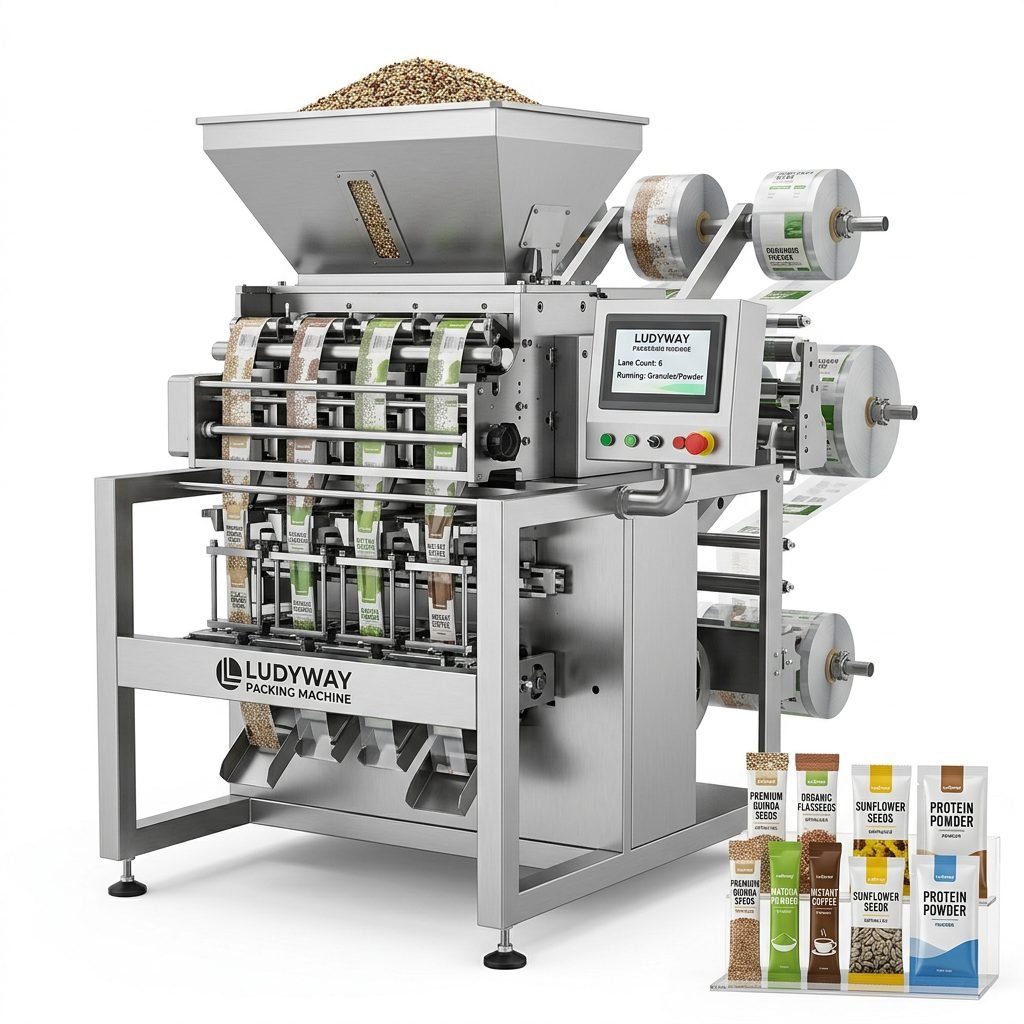
Modern seed filling equipment can handle many product categories, including:
- Vegetable seeds
- Flower seeds
- Grass seeds
- Corn seeds
- Rice seeds
- Sunflower seeds for planting
- Coated seeds
- Pelleted seeds
- Mixed seed products
- Treated agricultural seed products
Before final machine selection, it is important to test the actual product because coating, moisture, shape, and dust level can all affect feeding and dosing performance.
Packaging Formats for Seeds
The right machine should support your preferred package style as well as future product expansion. Common formats include:
| Packaging Format | Typical Use | Key Benefit |
|---|---|---|
| Small sachets | Sample packs, retail units | Low material use, convenient size |
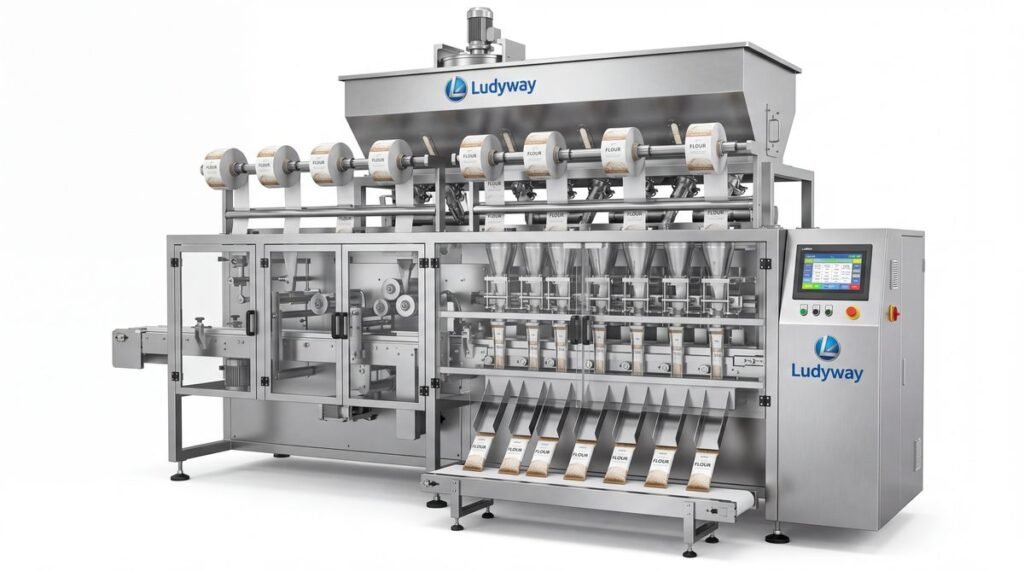
| Stick packs | Narrow-format seed portions | Compact and efficient |
| Pillow bags | Standard seed packaging | Cost-effective high-volume option |
| Stand-up pouches | Premium retail branding | Strong shelf appeal |
| Bottles or jars | Specialty seeds | Rigid protection and easy dispensing |
| Large bags or sacks | Wholesale and bulk distribution | Efficient for industrial-scale handling |
Key Features to Look For in a Seed Filling Machine
Not all seed packing machines offer the same long-term value. When comparing solutions, focus on these important features:
Accurate Dosing System
Choose a machine with stable measuring performance suited to granular seed products. Accuracy is critical for cost control and label compliance.
Gentle Product Handling
Some seeds are fragile or coated. A good machine should minimize breakage, abrasion, and dust generation during transfer and filling.
Fast Changeover
If your business packs multiple seed varieties or several bag sizes, easy adjustment reduces downtime between runs.
Sealing Reliability
Poor seals can lead to leakage, contamination, and customer complaints. Sealing consistency is essential for product protection and shelf-ready packaging.
Dust Control
Seed dust can affect sensor readings, sealing quality, and the working environment. Machines with better containment and clean discharge design are often more dependable.
Automation Compatibility
A scalable seed packaging line should be able to integrate with feeders, elevators, coding systems, checkweighers, labelers, and case packing equipment.
Manual vs Semi-Automatic vs Fully Automatic Seed Filling Machines
| Machine Type | Best For | Advantages | Limitations |
|---|---|---|---|
| Manual | Small operations | Low upfront cost | Slow speed, labor-intensive |
| Semi-automatic | Growing businesses | Balanced cost and efficiency | Still needs operator input |
| Fully automatic | High-volume production | High speed, consistency, lower labor dependence | Higher initial investment |
Businesses with seasonal demand spikes often prefer automatic solutions because they help maintain stable output without requiring a large temporary workforce.
How to Choose the Right Seed Filling Machine
To choose the best seed filling machine for your project, evaluate the following:
- Seed type: free-flowing, coated, dusty, irregular, fragile
- Pack weight range: grams, kilograms, or exact counts
- Package style: sachet, pouch, bag, bottle, or bulk sack
- Required speed: packs per minute or bags per hour
- Available factory space: standalone machine or full line layout
- Labor cost: automation level needed for efficiency
- Future scalability: whether you may add more formats later
- Compliance needs: labeling, coding, export requirements
It is always wise to request sample testing with your actual seeds and packaging material before making a final purchase decision.
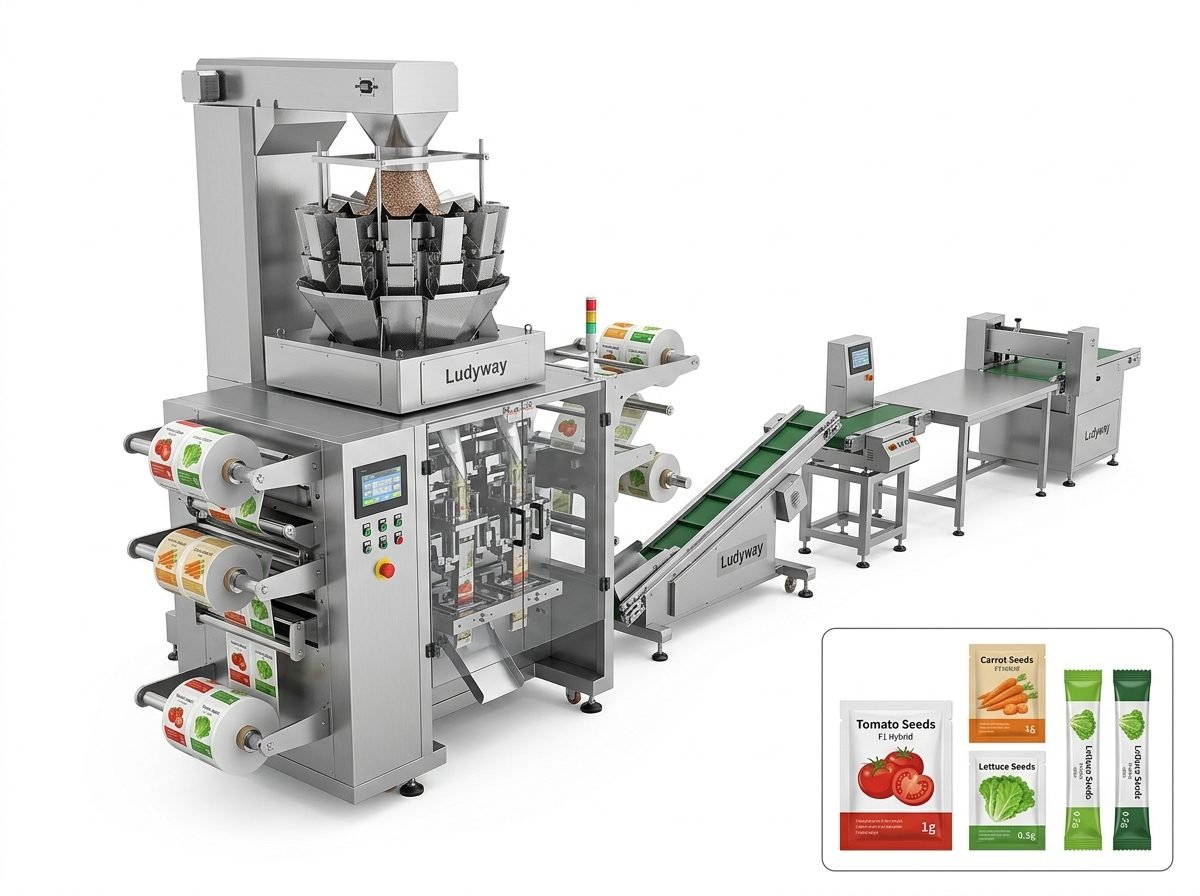
Essential Components in a Complete Seed Packaging Line
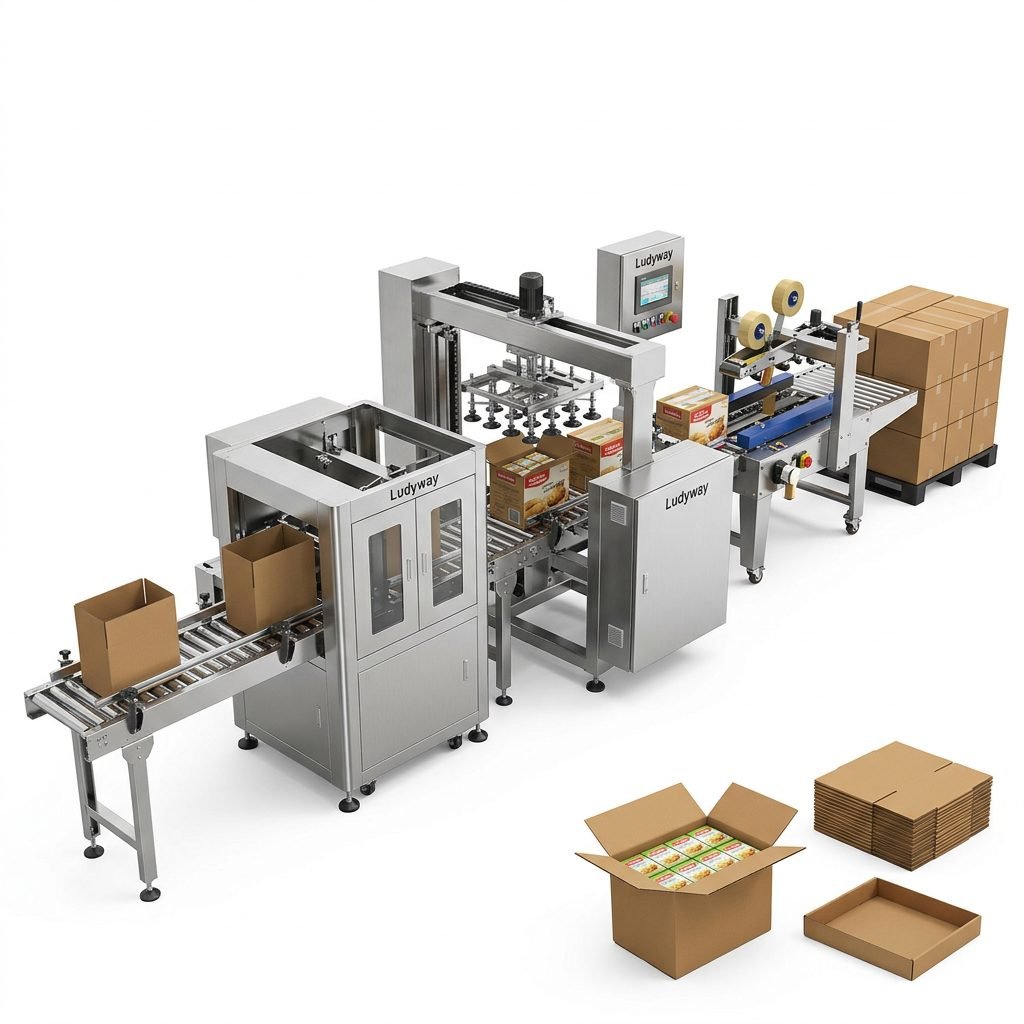
A seed filling machine often performs best when it is part of an integrated packaging system. Common upstream and downstream equipment includes:
- Storage hopper
- Vibratory feeder or elevator
- Weighing or counting unit
- Form-fill-seal or pouch filling machine
- Date coding or batch printing system
- Checkweigher
- Metal detector or inspection equipment
- Cartoning or case packing system
- Palletizing equipment
For buyers planning a more advanced production setup, working with an experienced manufacturer can make layout planning and line integration much easier.
Typical Industries Using Seed Filling Equipment
Seed packaging machinery is widely used by:
- Agricultural seed producers
- Commercial nurseries
- Garden seed brands
- Agrochemical and treated seed suppliers
- Wholesale distributors
- Export-oriented agribusiness companies
Some operations also package related granular products on compatible equipment, provided the machine configuration is suitable for the material characteristics.
Common Problems in Seed Filling and How to Avoid Them
Inconsistent Fill Weights
This may be caused by unstable seed flow, poor feeder design, or machine mismatch. Product testing and correct dosing selection are the best solutions.
Seed Breakage
Excessive drop height, rough conveying, or improper machine settings can damage seeds. Use equipment designed for gentle material handling.
Sealing Defects
Dust near the seal area and poor temperature control often reduce seal quality. Machines with stable sealing systems and better dust management help prevent this issue.
Low Production Efficiency
Bottlenecks can occur when upstream feeding or downstream packing is not synchronized. A complete line approach is often more efficient than upgrading a single station only.
Maintenance Tips for Long-Term Performance
Regular maintenance keeps seed filling equipment reliable and extends service life. Good practices include:
- Cleaning hoppers, chutes, and sealing areas daily
- Checking sensors and weighing calibration regularly
- Inspecting wear parts before high-demand seasons
- Lubricating moving components according to the manual
- Monitoring seal quality and package consistency
- Training operators on changeover and troubleshooting
Preventive maintenance is especially important for agricultural businesses with seasonal production peaks, when unplanned downtime can become very costly.
Should You Buy a Standalone Machine or a Turnkey Line?
The answer depends on your production goals. A standalone machine may be enough for simple operations, but a turnkey line is often better for companies that want:
- Higher automation
- Consistent output from feeding to final packing
- Lower manual handling
- Easier production management
- Better support for future expansion
If your business is growing or exporting multiple seed products, an integrated solution can provide stronger long-term efficiency than piecing together machines from different sources.
Choosing a Reliable Seed Packaging Equipment Supplier
Beyond machine specifications, supplier capability matters. Look for a manufacturer with strong engineering support, customization ability, export experience, and the capacity to provide both individual machines and complete lines.
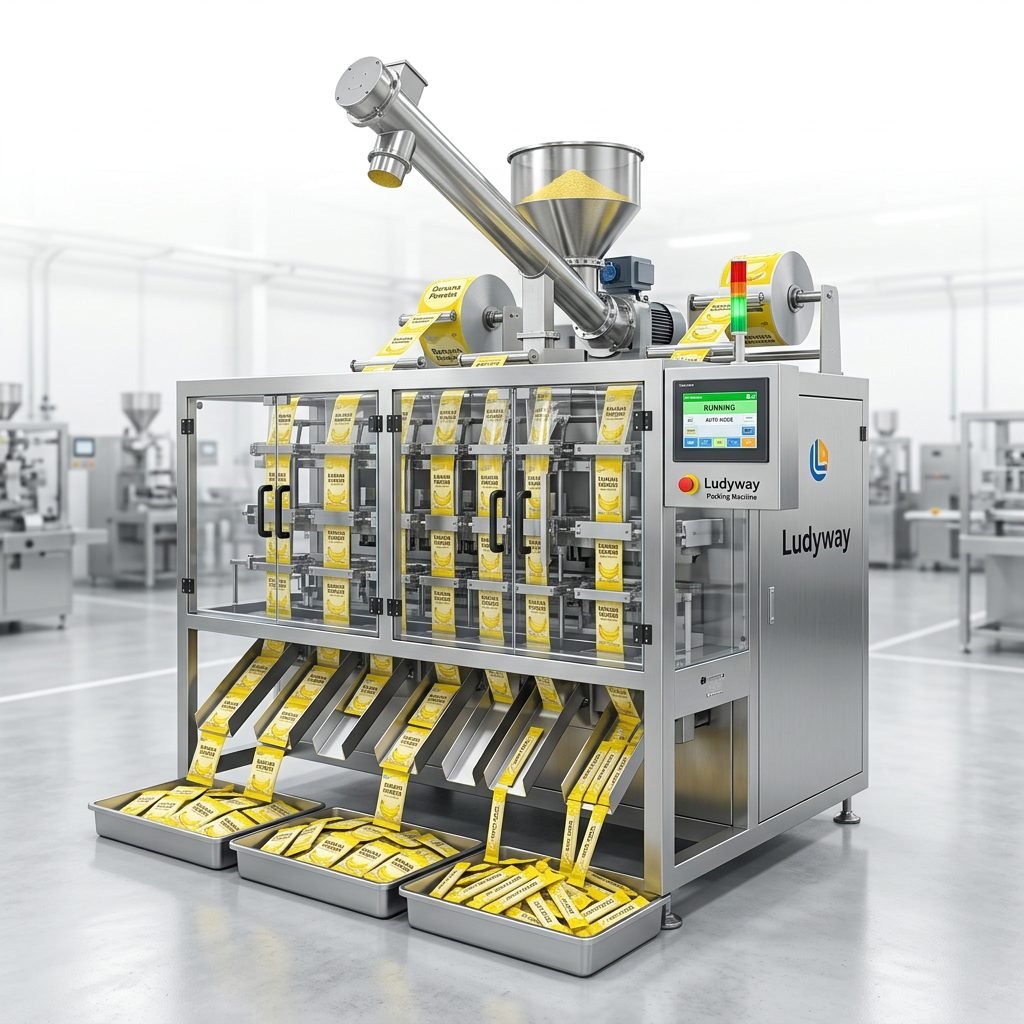
For businesses seeking professional packaging automation, Ludyway seed filling and packaging solutions are backed by more than 30 years of manufacturing experience, a factory of over 20,000 square meters, and broad expertise in turnkey packaging systems for granules, powders, liquids, and pouch-based products.
Final Considerations Before Investment
Before purchasing a seed filling machine, prepare clear answers to these practical questions:
- What seed products will be packed now and later?
- What package weights and bag styles are required?
- How many packs per hour do you need during peak season?
- Do you need printing, inspection, cartoning, or palletizing?
- How important are flexibility and future upgrades?
A carefully matched machine will do more than fill seeds—it will help improve packaging consistency, production efficiency, and overall business profitability.
FAQ About Seed Filling Machines
Can one machine pack different types of seeds?
Yes, many machines can handle multiple seed varieties, but performance depends on product differences, package format, and adjustment range. Sample testing is recommended.
Is a weigh filler better than a volumetric filler for seeds?
In many cases, yes. Weigh filling is often preferred when accuracy and product consistency are important, especially if seed density varies.
Can seed filling machines handle treated or coated seeds?
Yes, but the equipment should be selected for the product’s coating, flowability, and dust characteristics to ensure smooth handling and clean packaging.
What is the ideal packaging machine for small retail seed packs?
A sachet or small pouch filling system is often suitable for retail seed packaging, especially when paired with accurate dosing and reliable sealing.
Can a seed filling machine be integrated into a full automatic line?
Absolutely. Many modern systems can connect with feeding, weighing, coding, inspection, cartoning, and end-of-line equipment for complete automation.