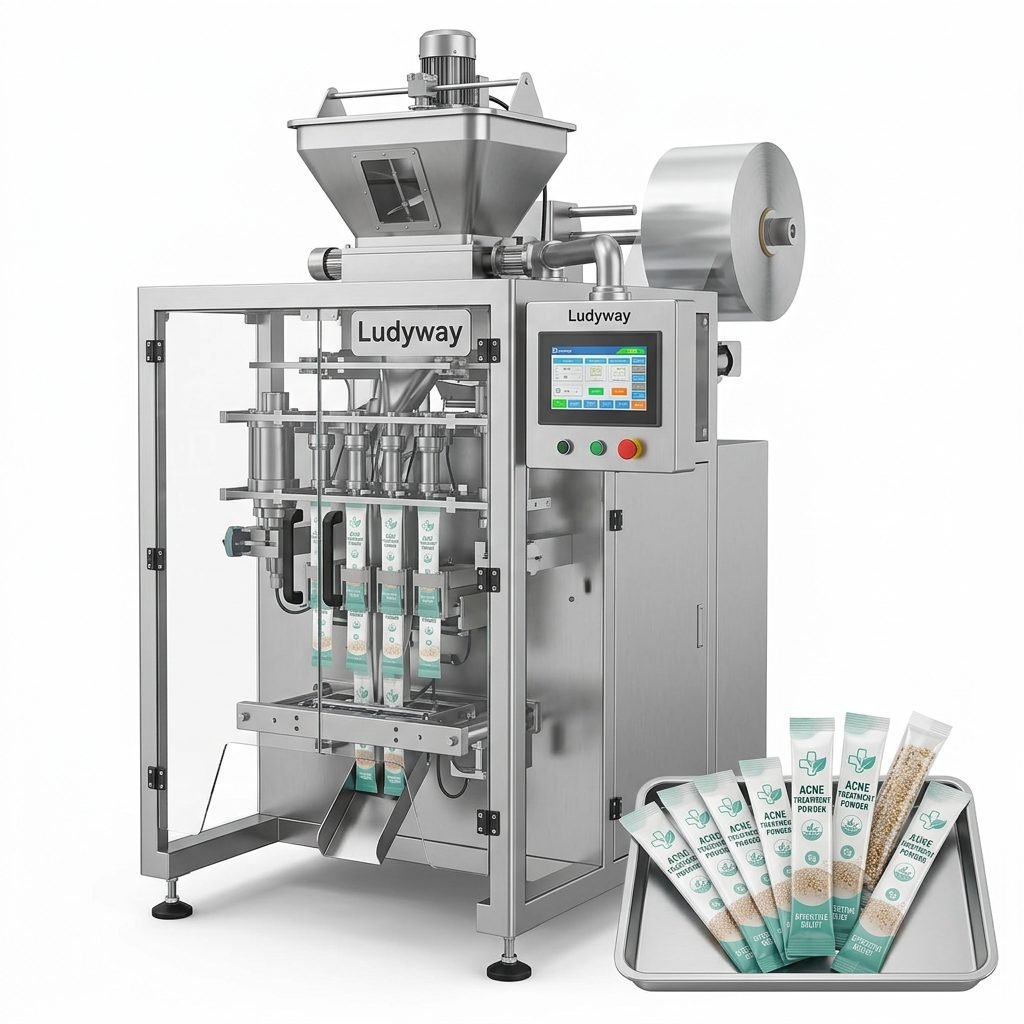
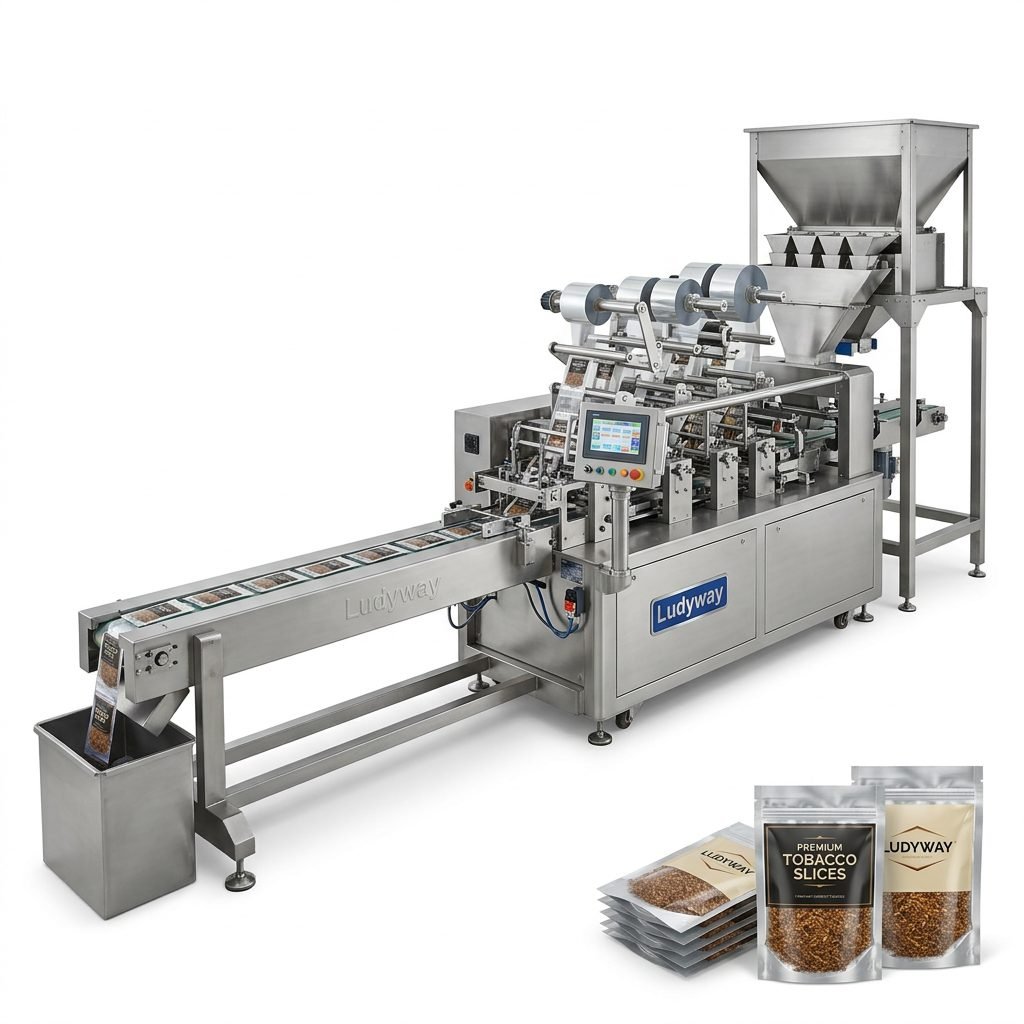
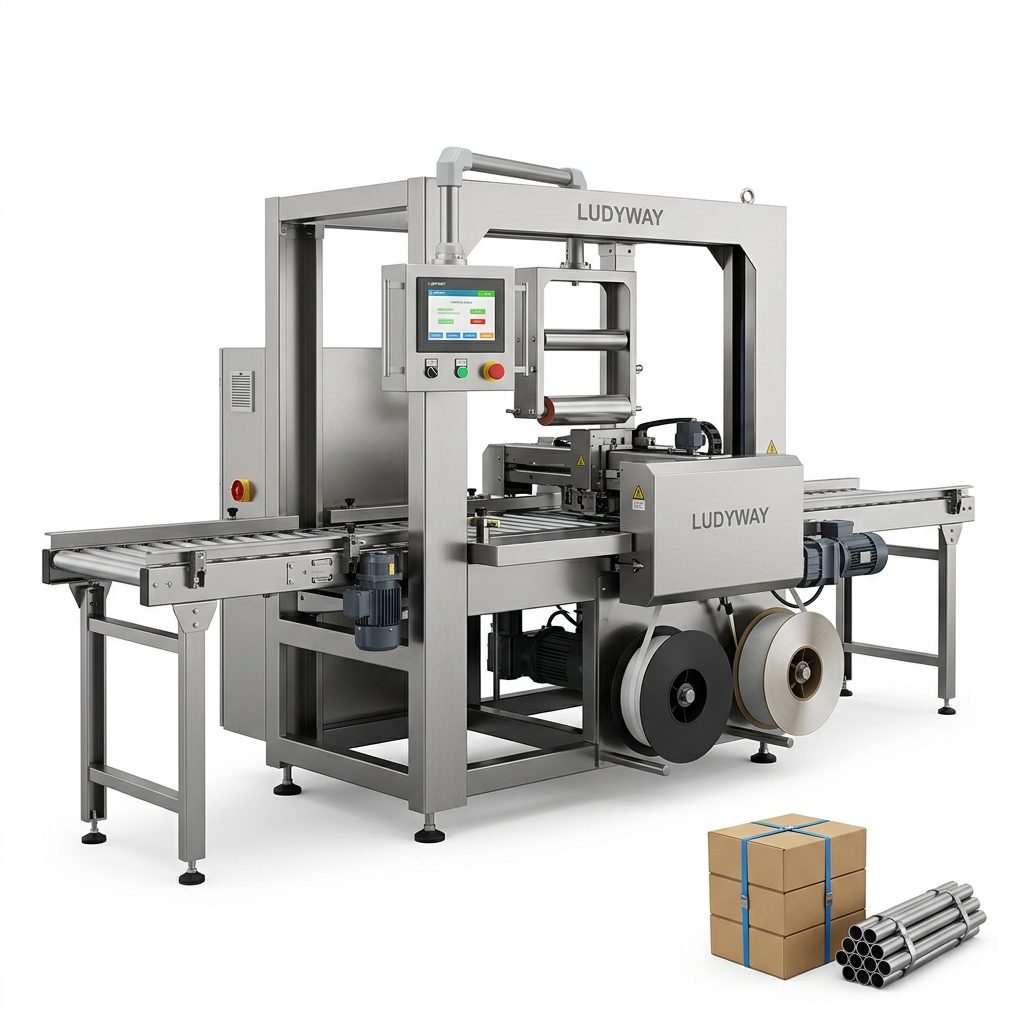
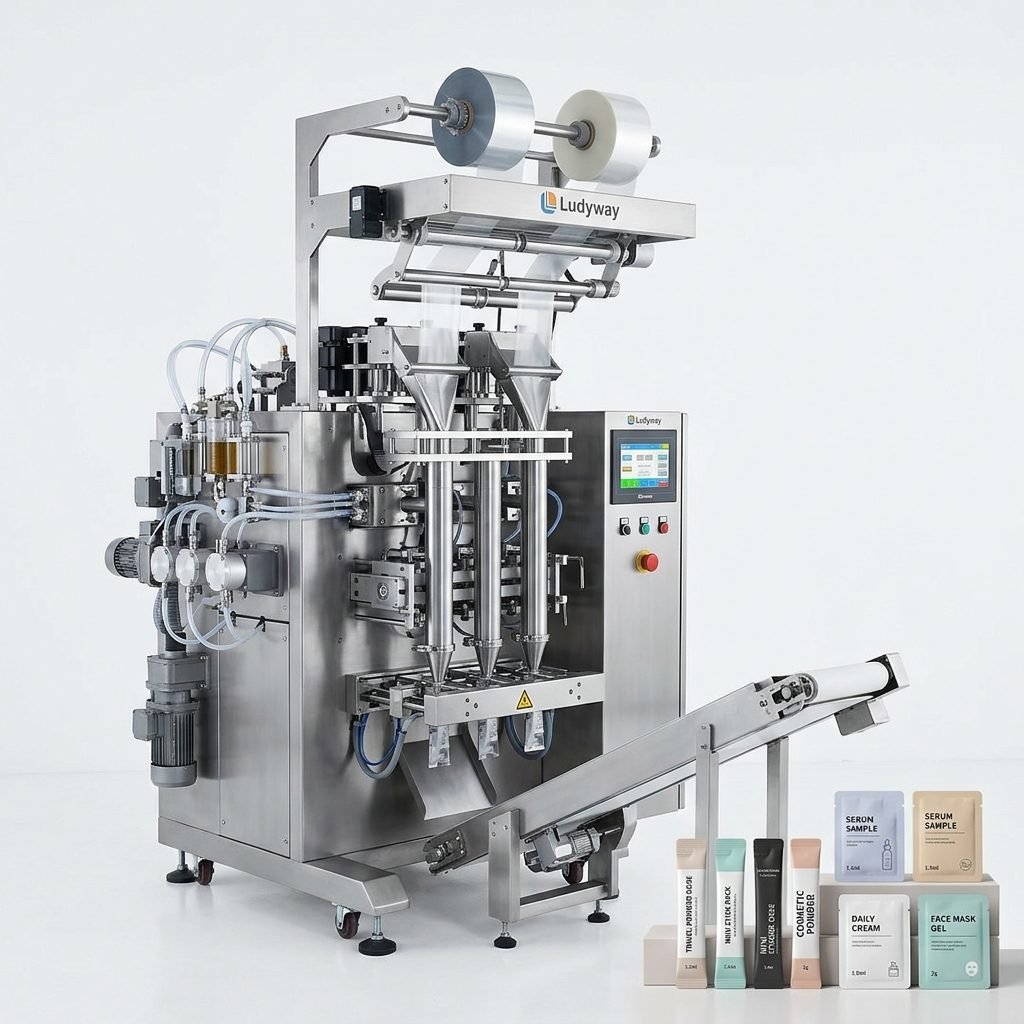
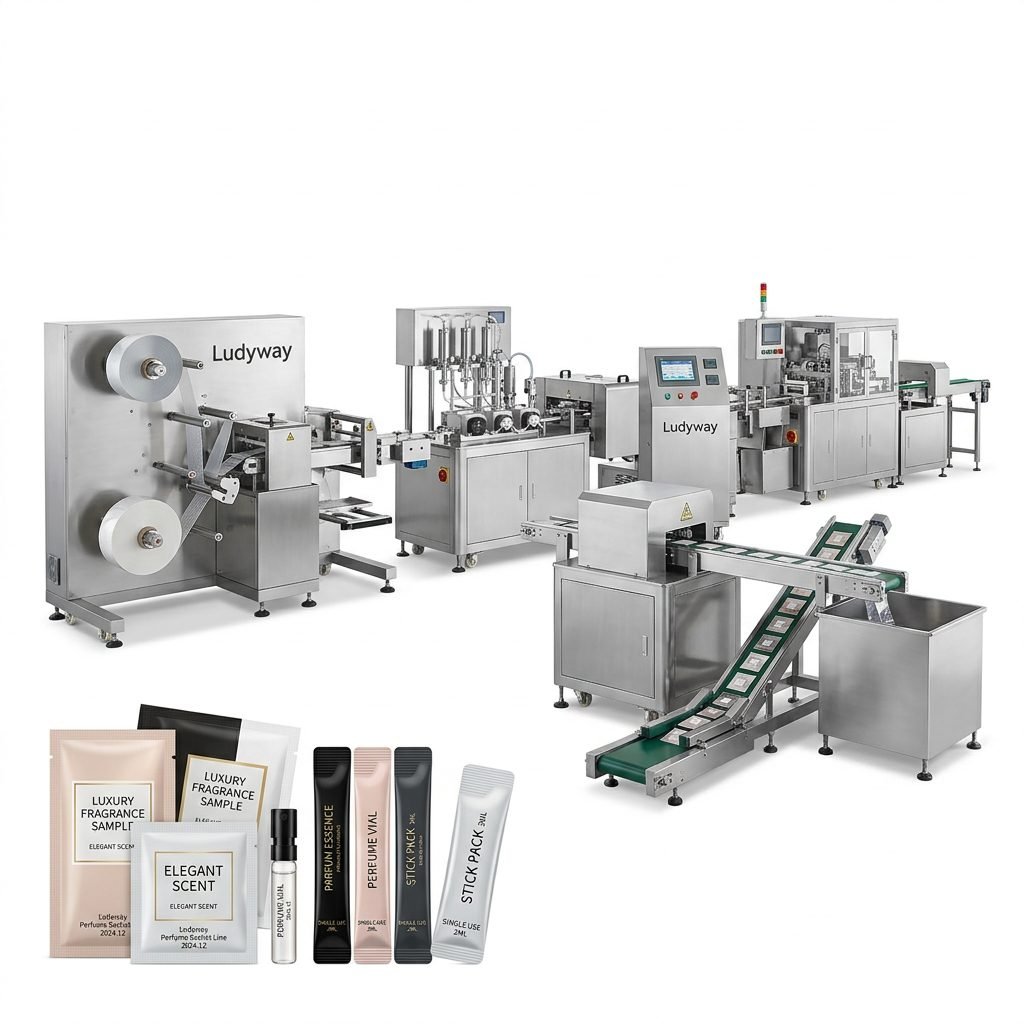
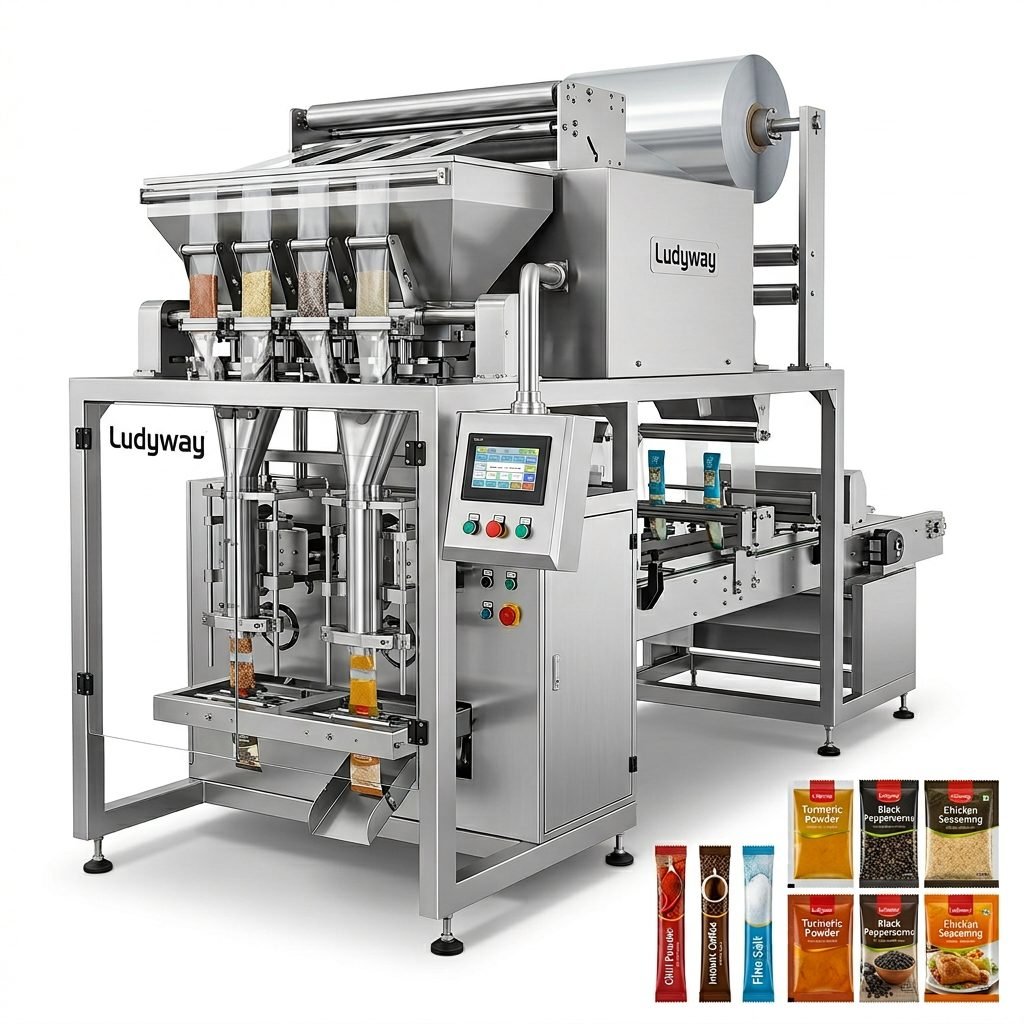
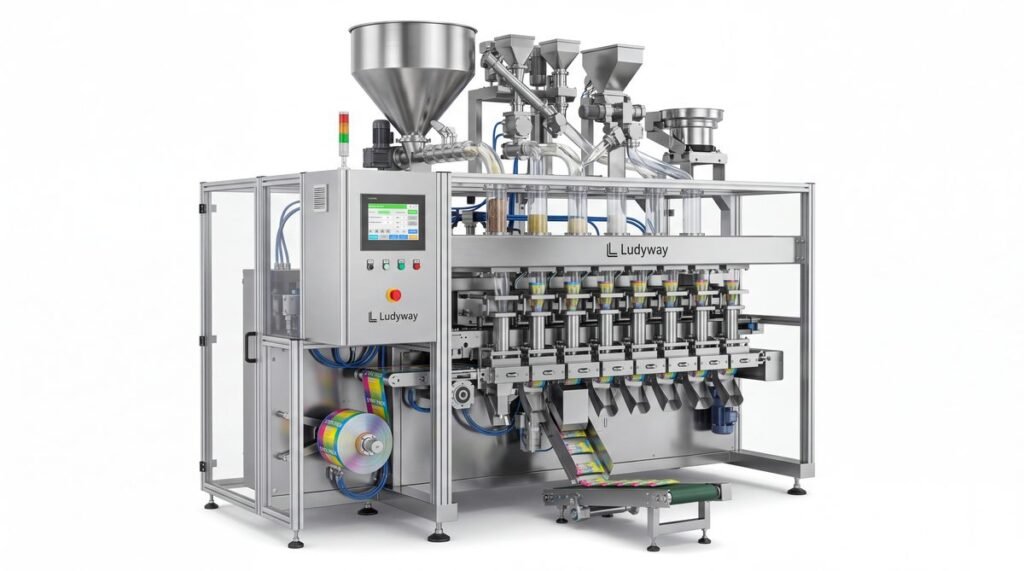
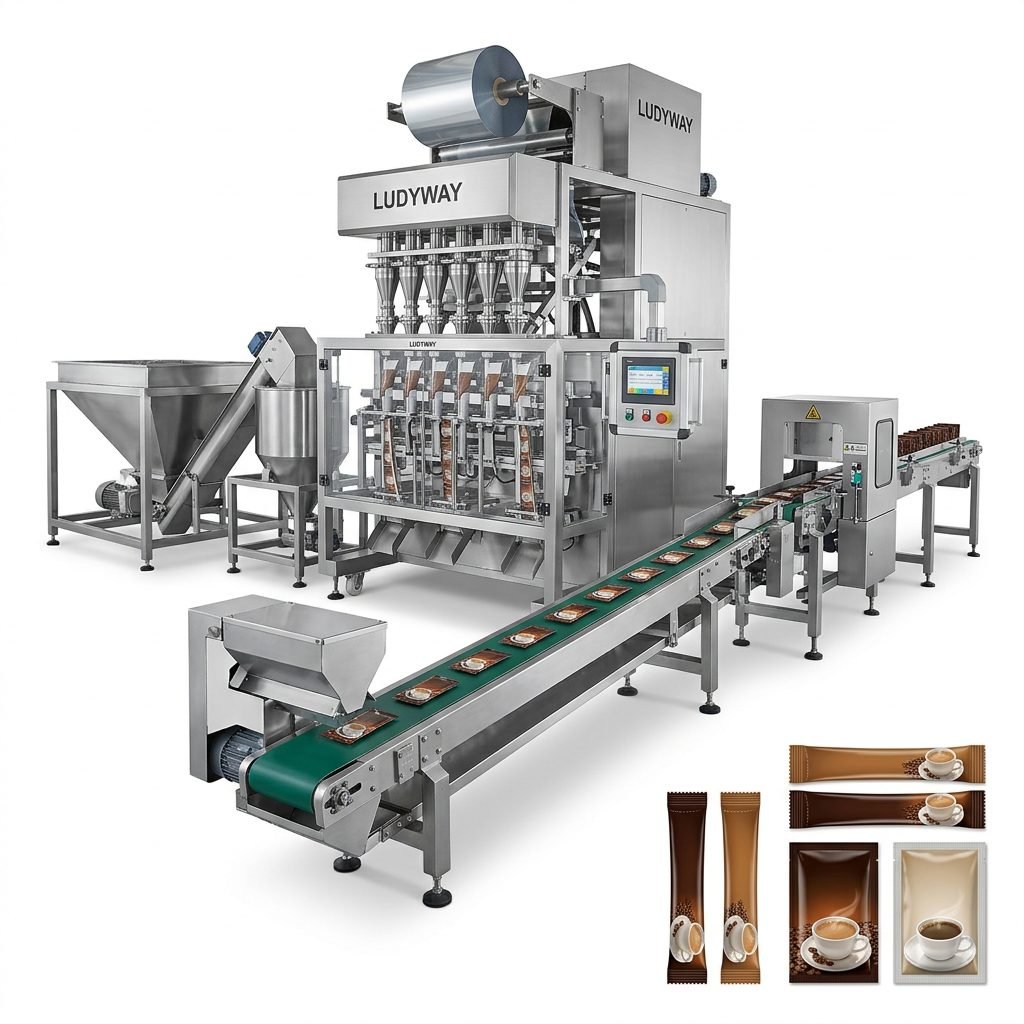
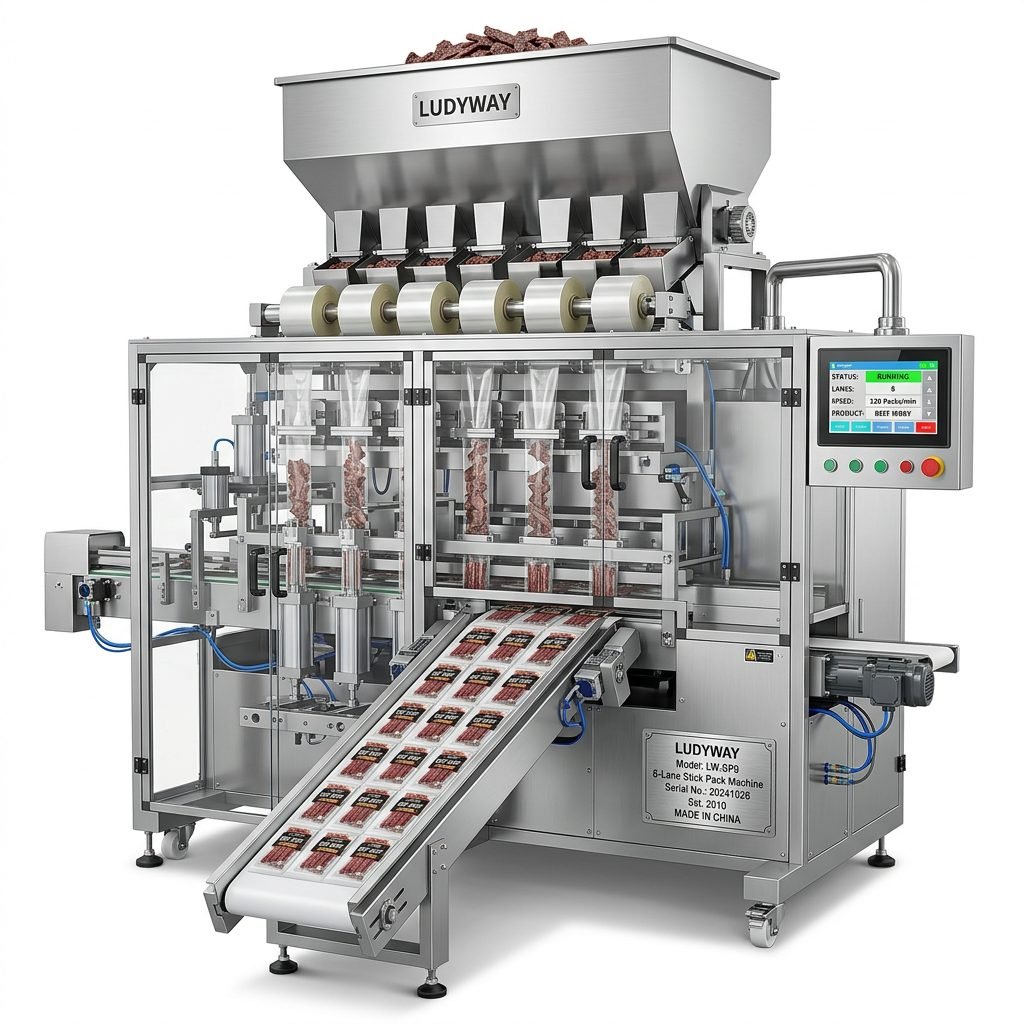
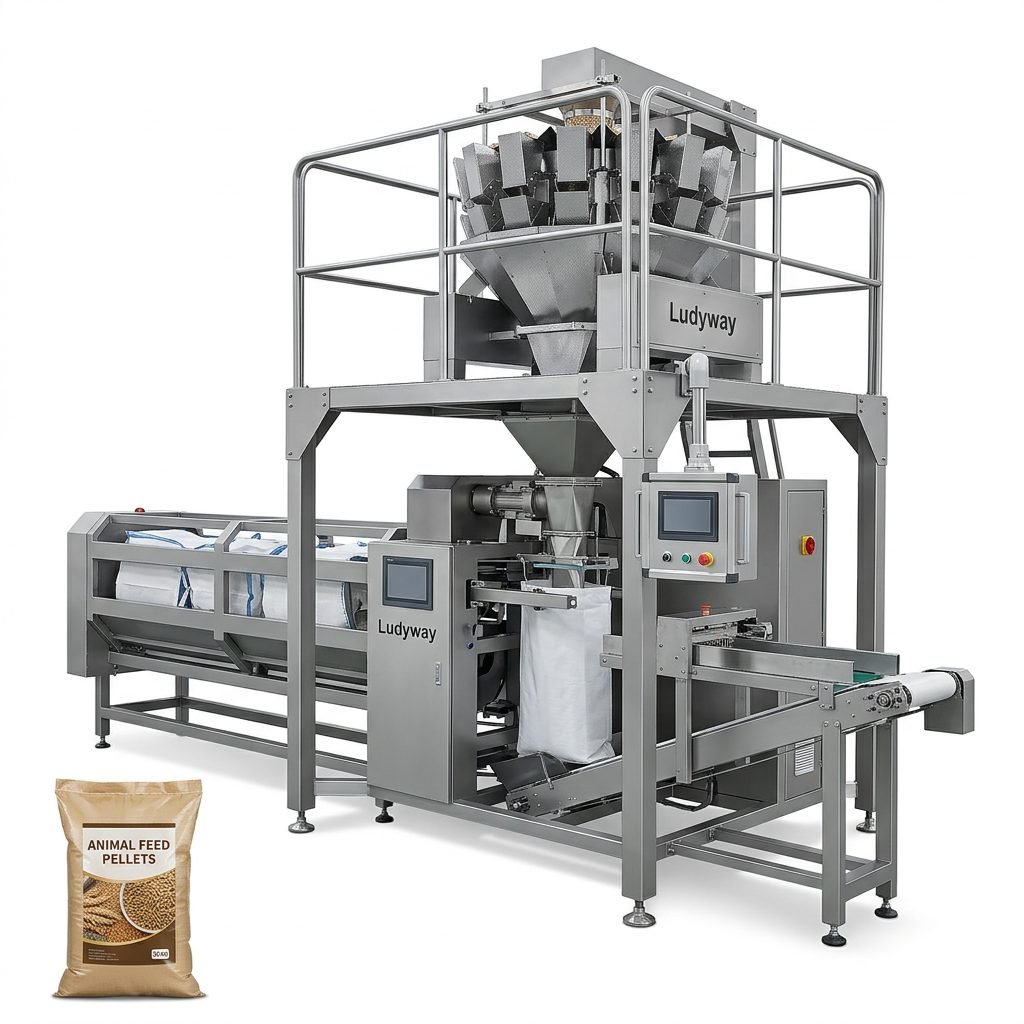
In the fast-paced world of manufacturing, efficiency, precision, and product integrity are paramount. For industries handling granular products—from instant coffee and sugar to seeds, nuts, and pharmaceutical granules—the right packaging machine is not just an asset; it’s a critical component of the production line. A granular packaging machine automates the process of measuring, filling, and sealing pre-formed bags or pouches with granular materials, ensuring consistent weight, minimizing waste, and significantly boosting output.
This comprehensive guide delves into the world of granular packaging machinery. We will explore the various types available, explain their core working principles, highlight the substantial benefits they offer, and provide key buying tips to help you select the perfect machine for your operational needs. Whether you are a small business looking to scale or a large enterprise aiming to optimize, understanding this equipment is the first step toward a more efficient and profitable packaging operation.
Understanding the Different Types of Granular Packaging Machines
Granular packaging machines are not one-size-fits-all. They are designed to cater to different production speeds, bag styles, and levels of automation. Choosing the correct type is foundational to your success.
1. Volumetric Cup Filling Machines
These are among the most common and cost-effective solutions for granular packaging. They operate using a rotating disc or a linear system with multiple measuring cups. As the cups pass under a bulk hopper, they are filled by volume. The simplicity of their design makes them ideal for free-flowing granules like rice, beans, or seeds. Their accuracy is suitable for applications where slight weight variations are acceptable, and they are prized for their ease of cleaning and maintenance.
2. Auger Filling Machines
For higher accuracy, especially with finer or non-free-flowing granules (like powdered drink mixes or certain spices), auger fillers are the go-to choice. They use a rotating helical screw (the auger) inside a tube to dispense product. The amount is controlled by the number of screw revolutions, allowing for precise weight control. Modern auger systems are often coupled with load cells for real-time weight feedback and adjustment, making them exceptionally accurate.
3. Weighing Scale Filling Machines (Multi-Head Weighers)
This is the pinnacle of accuracy and speed for granular packaging. Multi-head weighers consist of multiple weigh buckets (often 10, 14, or more). A computer-controlled system calculates the optimal combination of buckets to achieve the exact target weight before discharging into the bag. This technology is essential for high-value products like premium coffee, nuts, or pharmaceuticals, where weight precision directly impacts cost and compliance.
4. Form-Fill-Seal (FFS) Machines
FFS machines represent a fully integrated packaging line. They form bags from a roll of packaging film, fill them with the measured granules, and then seal them—all in one continuous, automated process. They are highly versatile and can produce various pouch styles (pillow bags, gusseted bags, stand-up pouches). When paired with a volumetric, auger, or multi-head weigher, they create a complete, space-efficient packaging cell.
5. Pre-Made Pouch Fillers
These machines are designed to work with bags that are already manufactured (pre-made pouches). They open the bag, fill it using one of the methods above, and then seal it. This is an excellent option for businesses that require unique, pre-printed bag designs or for those transitioning from manual filling to automation without changing their bag supply chain.
How Granular Packaging Machines Work: Core Principles
While types vary, the fundamental workflow of an automated granular packaging machine follows a consistent sequence:
Step 1: Product Feeding & Storage
Granules are stored in a large hopper mounted above the machine. An integrated feeding system, often with vibration or agitation, ensures a consistent and reliable flow of material to the measuring system, preventing clogs or voids.
Step 2: Precise Measuring & Dosing
This is the heart of the operation. Depending on the machine type:
• Volumetric: Cups of a fixed volume are filled.
• Auger: The screw rotates a pre-set number of times.
• Weighing: Computer selects the perfect weight combination.
Step 3: Bag Handling & Filling
The empty bag (either formed from film or pre-made) is positioned under the discharge nozzle. Once the precise dose is measured, a gate opens, and the granules are gently transferred into the waiting bag.
Step 4: Sealing & Discharge
After filling, the bag is moved to the sealing station. Heated jaws press together to create a hermetic seal, whether it’s a simple top seal or a more complex shape. The finished, sealed bag is then discharged onto a conveyor or collection tray, ready for boxing and shipment.
The Compelling Benefits of Automating Your Granular Packaging
Investing in an automated granular packaging system delivers a rapid and measurable return on investment across several key areas of your business.
Unmatched Speed and Increased Productivity: Machines operate continuously at high speeds, far surpassing manual filling. This allows you to meet larger orders, scale production effortlessly, and reduce lead times.
Superior Accuracy and Consistency: Automated dosing eliminates human error. Every bag meets the exact weight specification, reducing costly product giveaways (overfilling) and protecting you from underfilling complaints. This consistency builds brand trust.
Significant Cost Reduction: While there’s an upfront cost, automation saves money long-term through reduced labor costs, minimized material waste, and lower costs associated with product recalls or customer returns due to packaging errors.
Enhanced Product Freshness and Safety: Modern machines create strong, airtight seals that protect granules from moisture, contamination, and spoilage. This extends shelf life and ensures product safety, which is crucial for food and pharmaceutical products.
Improved Working Conditions: Automation takes over repetitive, physically demanding tasks. This reduces worker fatigue and the risk of repetitive strain injuries, allowing your team to focus on higher-value tasks like quality control and machine supervision.
Key Buying Tips: Choosing Your Ideal Granular Packaging Machine
Selecting the right machine requires careful consideration of your specific product and production goals. Here are the essential factors to evaluate:
1. Analyze Your Granule Characteristics
Is your product free-flowing, sticky, abrasive, or fragile? The size, shape, and flowability directly determine the best filling technology (e.g., auger for powders, volumetric for beans).
2. Define Your Required Speed (Bags Per Minute)
Calculate your current and projected output needs. A small volumetric filler may suffice for 20-30 bags per minute, while a multi-head weigher with a form-fill-seal system can exceed 200 bags per minute.
3. Determine Your Bag/Pouch Specifications
What bag size, material (film type), and style (pillow, stand-up, gusseted) do you use? Ensure the machine you choose is compatible and can handle the material thickness for a reliable seal.
4. Prioritize Accuracy Requirements
What are your legal or commercial weight tolerances? High-value products demand multi-head weighers, while bulk commodities may perform well with a volumetric system.
5. Consider Hygiene and Cleanability
For food or pharmaceutical use, look for machines with stainless steel contact parts, easy disassembly, and designs that prevent product trap points to meet hygiene standards like FDA or GMP.
6. Evaluate the Supplier’s Expertise and Support
The machine is only as good as the company behind it. Choose a supplier with proven experience in granular packaging, like Ludyway Machinery, which offers comprehensive support. Look for providers who offer reliable after-sales service, readily available spare parts, and thorough operator training. A partner who understands turnkey production solutions can be invaluable for integrating the machine into your line.
7. Plan for Future Growth
Opt for a machine that offers some flexibility or modularity. Can it handle a range of bag sizes? Could it be upgraded later? Investing in a slightly more capable machine can save you from another major purchase in the near future.
Conclusion
Implementing an automated granular packaging machine is a strategic decision that drives efficiency, ensures quality, and enhances profitability. By understanding the different machine types—from simple volumetric fillers to sophisticated multi-head weighers—and aligning their capabilities with your specific product needs and production targets, you can make a confident investment. Remember to partner with a knowledgeable and reliable supplier who can provide not just the equipment, but also the ongoing technical support and expertise necessary for long-term success. In today’s competitive market, the precision and reliability of your packaging line can be a definitive advantage.
Frequently Asked Questions (FAQs)
1. What is the typical accuracy range for a granular packaging machine?
Accuracy varies by technology. Volumetric fillers typically achieve ±1-2% of target weight. Auger fillers with standard controls can reach ±0.5-1%, while systems with weight feedback can do better. Multi-head weighers are the most precise, often achieving ±0.1-0.5% or even tighter tolerances for high-value products.
2. Can one machine package different types of granules?
Yes, many machines are versatile, but changeover requires consideration. You may need to change the measuring cup size, auger screw type, or weigher bucket configuration. The ease and speed of changeover is a key feature to discuss with your supplier, especially if you run multiple products.
3. How do I maintain my granular packaging machine?
Daily maintenance usually involves cleaning contact parts to prevent cross-contamination and buildup. Regular checks on seals, filters, and moving parts are essential. Always follow the manufacturer’s maintenance schedule for lubrication and part replacement to ensure longevity and consistent performance.
4. What is the lead time for receiving a new packaging machine?
Lead times depend on the machine’s complexity and customization. Standard models may be available in 4-8 weeks, while highly customized or integrated turnkey lines can take 12-20 weeks or more. Planning ahead and engaging with your supplier early is crucial.
5. Is operator training provided with the machine purchase?
Reputable suppliers almost always include basic operator and maintenance training as part of the purchase. This can occur at their facility (FAT – Factory Acceptance Test) or during installation at your site. Ensure this is clearly stated in your purchase agreement.