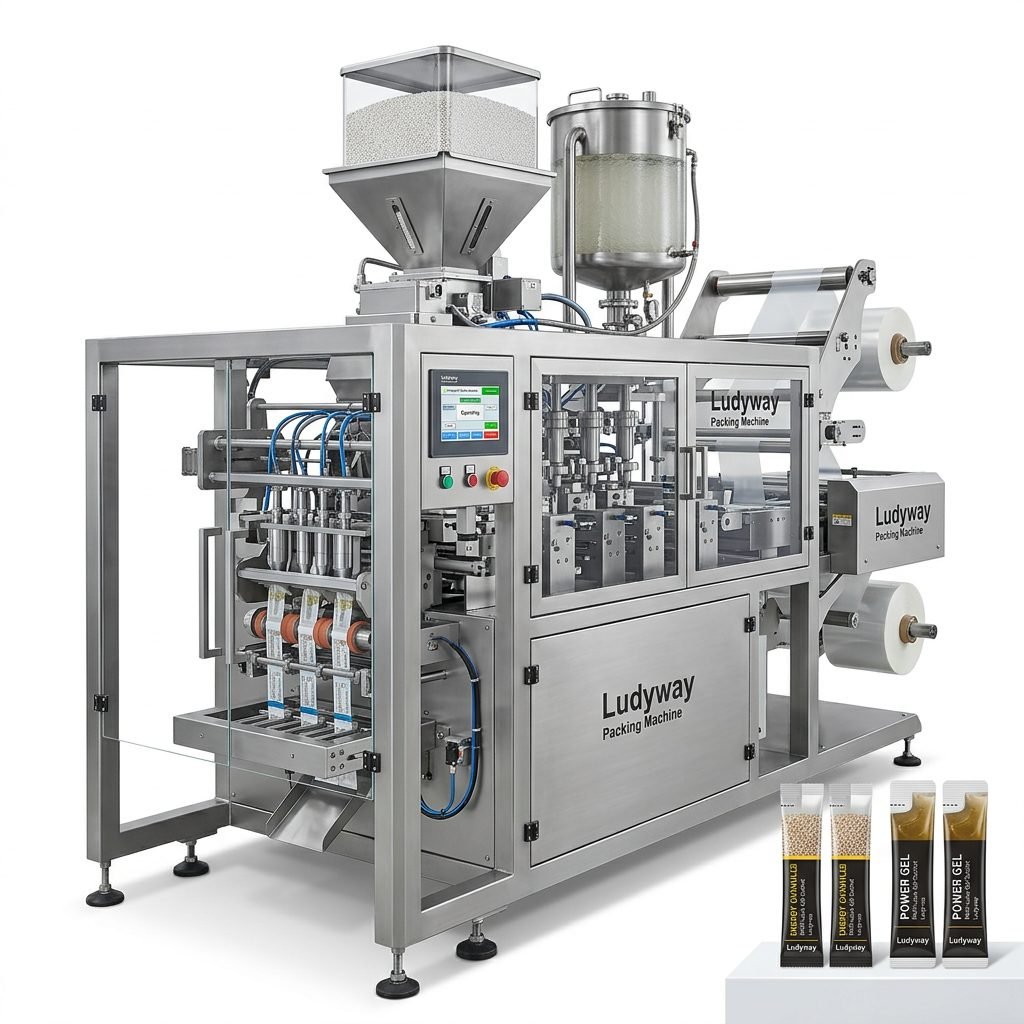
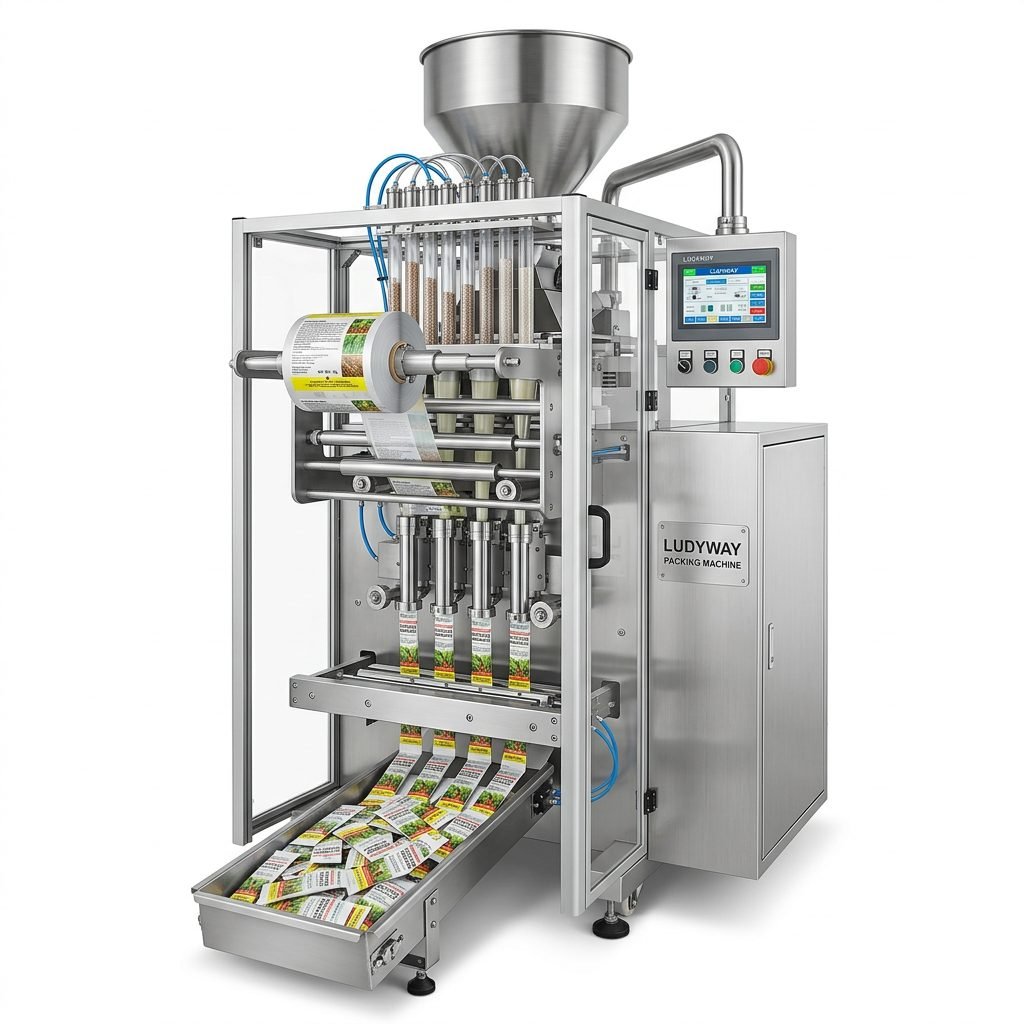
Understanding the cost of a shrink packaging machine is a critical step for any business looking to automate or upgrade its packaging line. Prices can vary dramatically, from a few thousand dollars for basic semi-automatic models to several hundred thousand for fully integrated, high-speed systems. This guide will break down the key factors influencing shrink packaging machine prices, explore budget-friendly options, and provide a clear framework to help you make the best investment decision for your operational needs and financial constraints.
Primary Cost Factors for Shrink Packaging Machines
The final price tag of a shrink wrapper is not arbitrary; it’s a direct reflection of its capabilities, construction, and the value it delivers. Here are the core elements that determine cost.
Machine Type and Automation Level
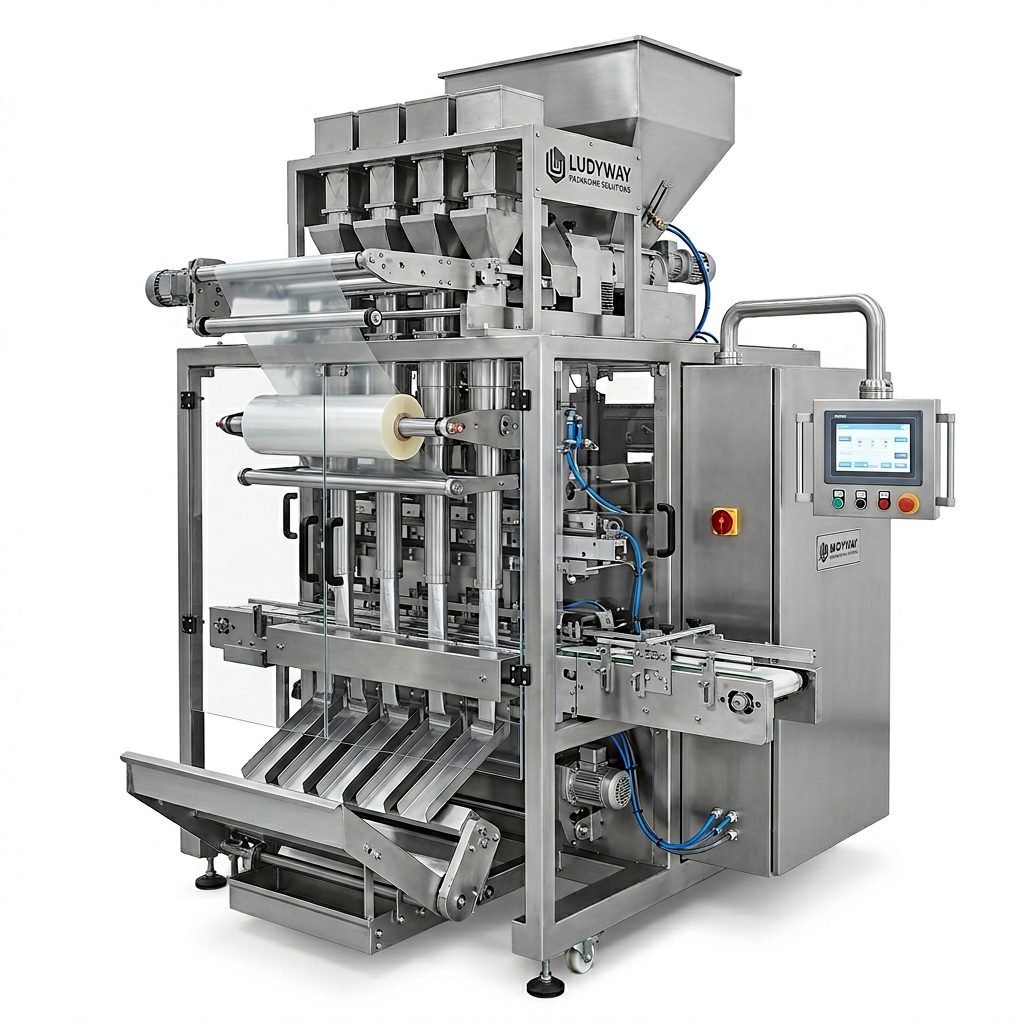
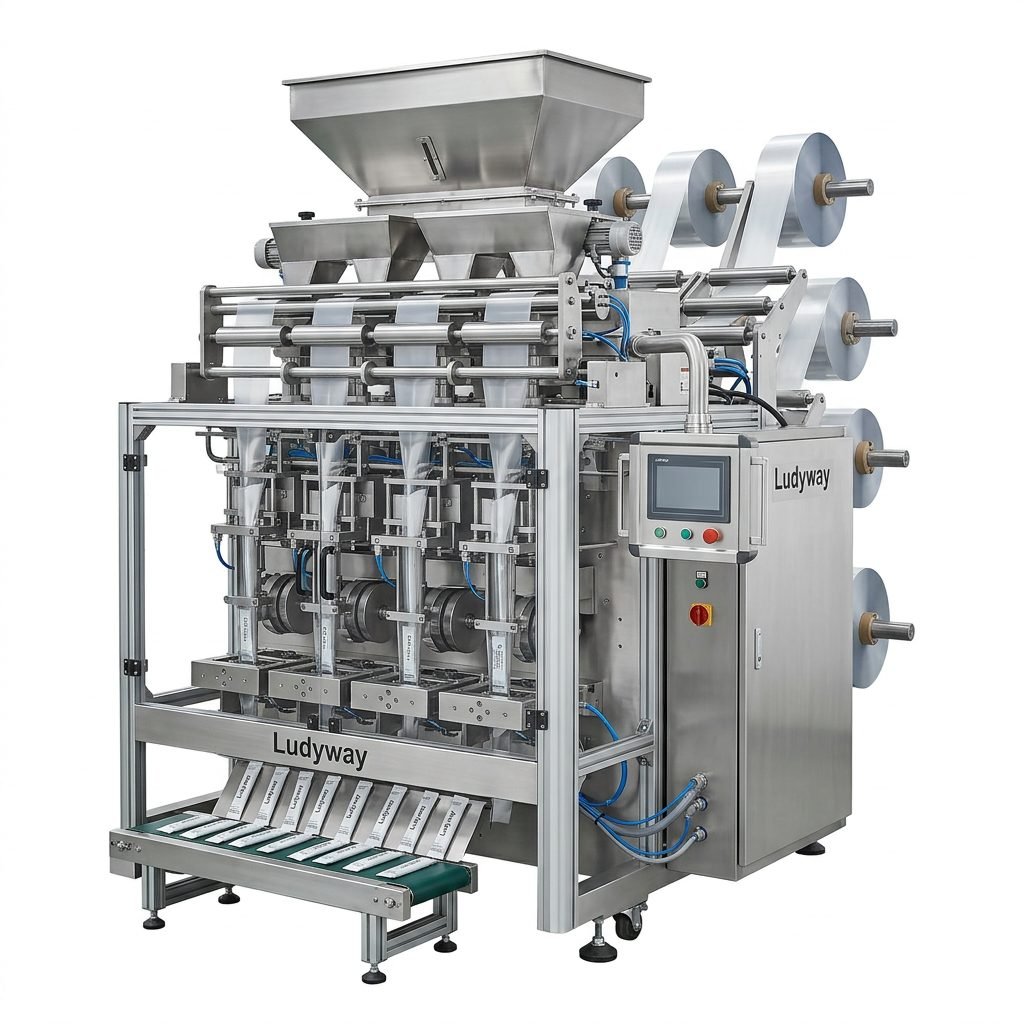
The most significant price driver is the level of automation. Manual or semi-automatic L-sealers are the most affordable entry point. They require an operator to place the product and initiate the sealing cycle. Automatic sleeve wrappers represent the mid-range, automatically forming a sleeve around the product before sealing and shrinking. At the top end are fully automatic shrink wrapping systems with integrated infeed conveyors, automatic bag placers, and high-speed sealing tunnels, designed for large-scale production.
Production Speed and Capacity
Speed, measured in packages per minute (PPM), directly correlates with price. A machine rated for 15-20 PPM will cost substantially less than one capable of 60+ PPM. High-speed machines require more robust motors, precision engineering, and advanced control systems to maintain stability and accuracy, all of which increase manufacturing costs.
Construction Quality and Components
The durability and longevity of a machine are tied to its build. Machines with frames constructed from heavy-duty steel, high-grade stainless steel contact parts (especially for food or pharmaceutical use), and industrial-grade components from reputable brands (e.g., Siemens, Omron, SMC) command a higher price. Investing in superior construction minimizes downtime and extends the machine’s lifecycle, offering better long-term value.
Sealing and Shrinking Technology
The sealing method impacts cost. Impulse sealers use heated wires and are common in basic models. Constant heat sealers provide more consistent seals for continuous operation. The shrinking tunnel’s heating system also matters: infrared heaters are often more precise and energy-efficient than hot air systems, but may come at a premium. Advanced systems feature multi-zone temperature control for perfect film shrinkage on complex shapes.
Customization and Special Features
Standard, off-the-shelf models are the most budget-friendly. However, if your product has an unusual shape, requires special handling, or needs integration with existing production line equipment, customization will add cost. Features like automatic film registration, print verification systems, quick-change tooling for different product sizes, and sophisticated PLC touchscreen interfaces with data logging all contribute to a higher initial investment.
Budget Spectrum: From Entry-Level to Premium Systems
To set realistic expectations, let’s categorize the market into three broad budget tiers.
🟢 Entry-Level / Small Business Tier ($3,000 – $15,000)
This range typically includes manual L-sealers and basic semi-automatic sleeve wrappers. They are ideal for startups, low-volume producers, or businesses with highly variable product runs. Speeds are low, and they often require significant manual labor. The focus is on functionality over speed or advanced features. These machines are a great way to achieve professional packaging on a tight budget.
🟡 Mid-Range / Growth Business Tier ($15,000 – $50,000)
Here you find robust automatic sleeve wrappers and smaller fully automatic systems. They offer a significant boost in speed (20-40 PPM), improved consistency, and often include features like adjustable sealing temperatures, basic PLC controls, and compatibility with a wider range of film types. This tier is suited for businesses experiencing growth who need reliable, daily-use equipment to increase output and reduce labor costs.
🔴 Premium / Industrial Tier ($50,000 – $200,000+)
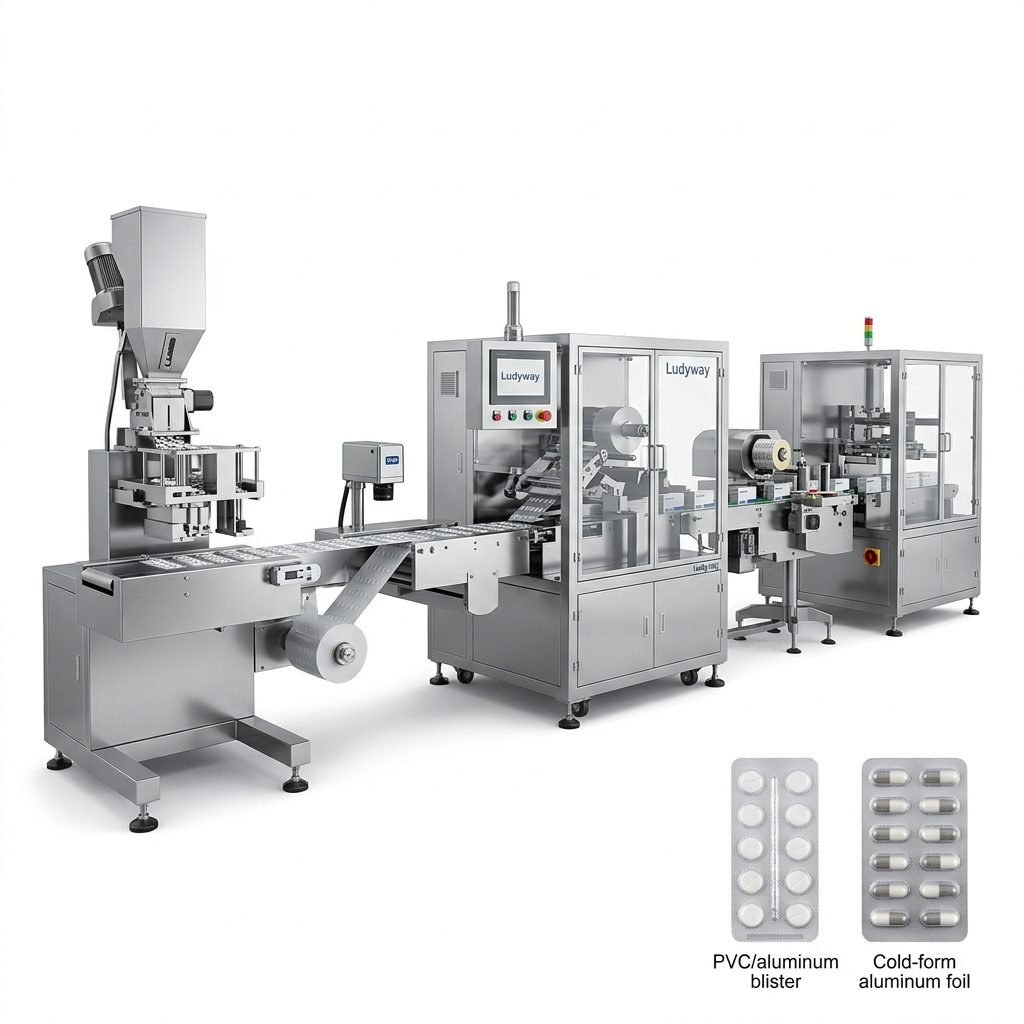
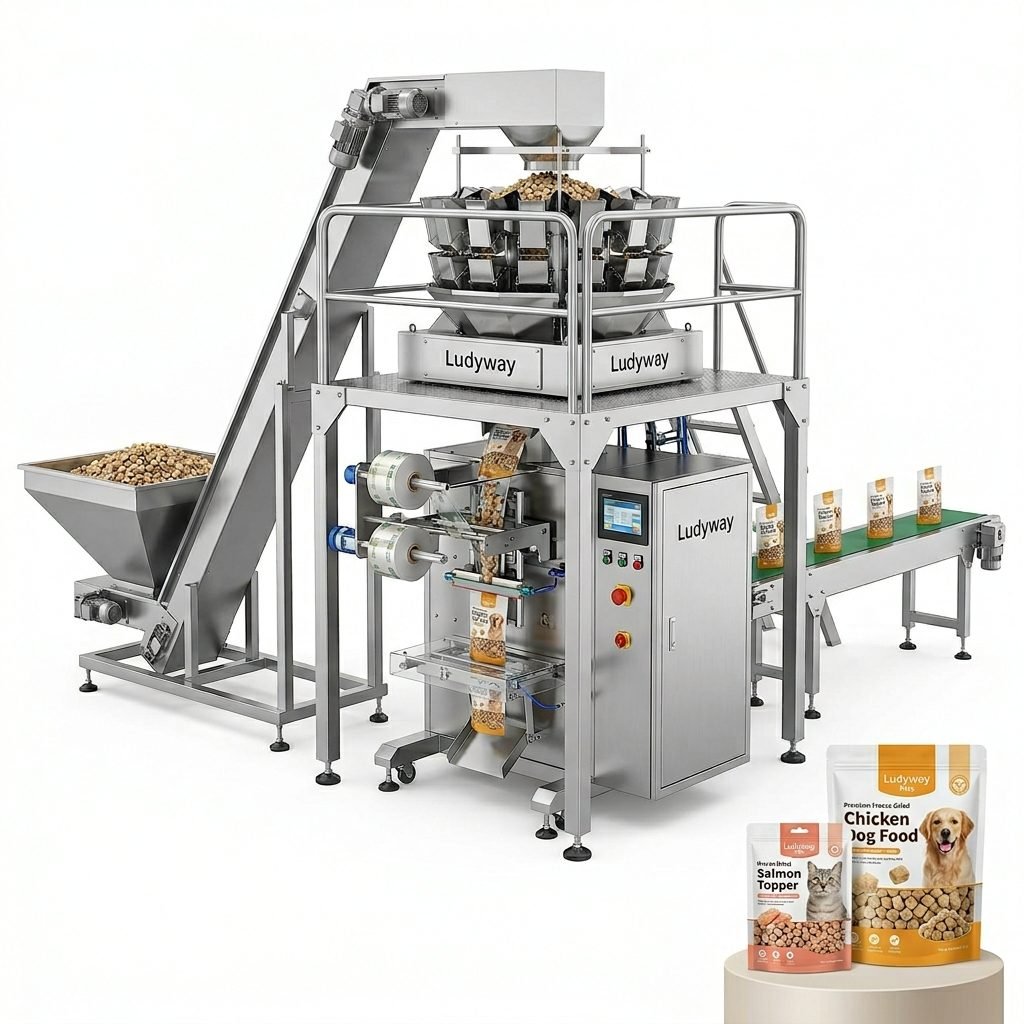
This category encompasses high-speed, fully integrated turnkey systems. Machines are built for 24/7 operation in demanding environments, with speeds exceeding 60 PPM. They feature all-stainless-steel construction, sophisticated servo-driven motion, advanced thermal management, HMI panels with recipe storage, and seamless integration with upstream and downstream equipment like cartoners or case packers. The investment is justified by maximum efficiency, minimal waste, and the lowest cost-per-package at high volumes.
How to Choose the Right Machine for Your Budget
Selecting a machine is a balance between current needs, future growth, and total cost of ownership. Follow this decision framework.
1. Conduct a Thorough Needs Analysis
Start with the fundamentals: Product dimensions (min/max size), production volume (packages per shift), and film type (PVC, POF, PE). Don’t just consider today’s needs—project your growth for the next 3-5 years. A slightly more capable machine may prevent a costly upgrade sooner than expected.
2. Calculate Total Cost of Ownership (TCO)
Look beyond the purchase price. Factor in:
• Operating Costs: Energy consumption, film waste rates, and required maintenance.
• Labor Impact: Will the machine reduce labor hours? A more expensive automatic machine might pay for itself in labor savings within a year.
• Downtime Cost: A cheaper, less reliable machine that frequently breaks down can cripple production and cost more in lost revenue than a robust machine ever would.
3. Evaluate Supplier Reputation and Support
The machine is only as good as the company behind it. Research the manufacturer’s or supplier’s track record. A provider with deep industry experience can offer invaluable guidance. Crucially, assess their after-sales support: availability of spare parts, quality of technical documentation, warranty terms, and responsiveness of their service team. Good support drastically reduces long-term risk and operational headaches.
4. Request Demonstrations and References
Always insist on seeing the machine run, preferably with a product similar to yours. A video demonstration is a minimum; a live or recorded factory test is better. Ask for contact information of current customers, especially those in a similar industry. Their firsthand experience with performance, reliability, and support is the most credible information you can get.
5. Consider Future-Proofing and Flexibility
If your product mix is diverse or likely to change, prioritize machines with easy changeover features. Modular designs that allow for future upgrades (like adding a higher-speed sealer or a larger tunnel) can protect your investment. Ensure the machine’s control system is user-friendly and can store multiple product settings.
Conclusion and Final Recommendations
Investing in a shrink packaging machine is a strategic decision that impacts your operational efficiency, product presentation, and bottom line. There is no universal “best” machine—only the best machine for your specific situation. By meticulously analyzing your production requirements, calculating the true total cost of ownership, and partnering with a reputable supplier who offers strong technical support, you can make a confident investment that will deliver value for years to come. Remember, the goal is to find the optimal point where capability, reliability, and cost intersect for your business.
Frequently Asked Questions (FAQs)
What is the typical price range for a basic semi-automatic shrink wrapper?
A reliable semi-automatic L-sealer or sleeve wrapper typically ranges from $5,000 to $20,000, depending on its size, construction, and brand. Very basic manual models can start lower, while more feature-rich semi-automatics with higher output may approach the lower end of the automatic machine price spectrum.
Are used shrink packaging machines a good way to save money?
Used machines can offer significant upfront savings, but they come with risks. It’s crucial to inspect the machine’s condition, verify the availability of spare parts, and understand its maintenance history. For critical production, a new machine with a full warranty and support from an experienced supplier is often the safer, more reliable long-term choice.
What are the most common ongoing costs after purchasing the machine?
The primary ongoing costs are shrink film, which is a consumable, and energy to power the sealer and tunnel. Additionally, budget for periodic preventive maintenance (e.g., replacing sealing elements, cleaning sensors) and having a small inventory of common spare parts to minimize downtime.
How important is the choice of shrink film to the machine’s operation?
Extremely important. The machine must be compatible with the film’s sealing temperature and shrinkage characteristics. Using the wrong film can lead to poor seals, uneven shrinkage, jams, and wasted product. Always consult with both your machine supplier and film supplier to ensure perfect compatibility for your specific application.
Can one machine handle a wide variety of different product sizes?
Yes, but ease of changeover varies. Look for machines with tool-less adjustment mechanisms for guide rails and product pushers, and digital settings recall on the control panel. The more frequently you need to change sizes, the more critical quick and simple changeover becomes for maintaining productivity.