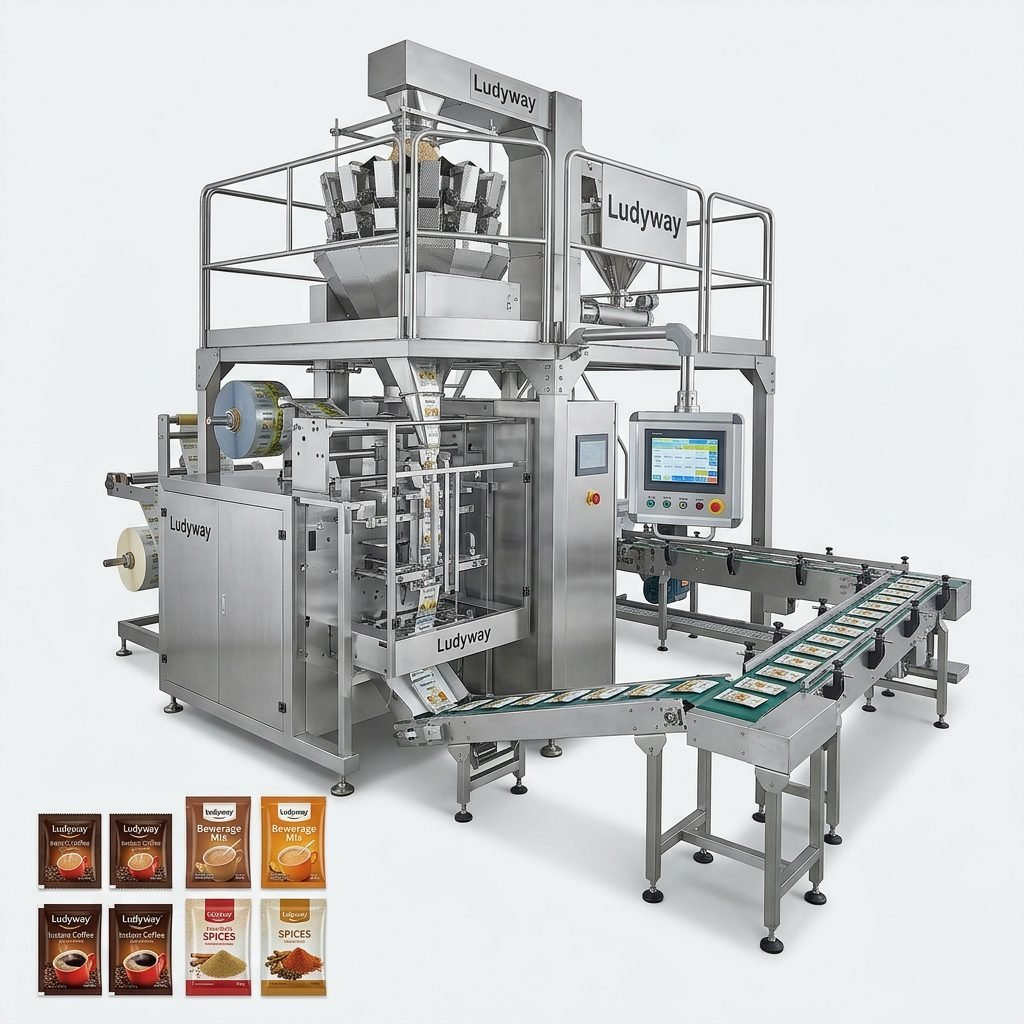
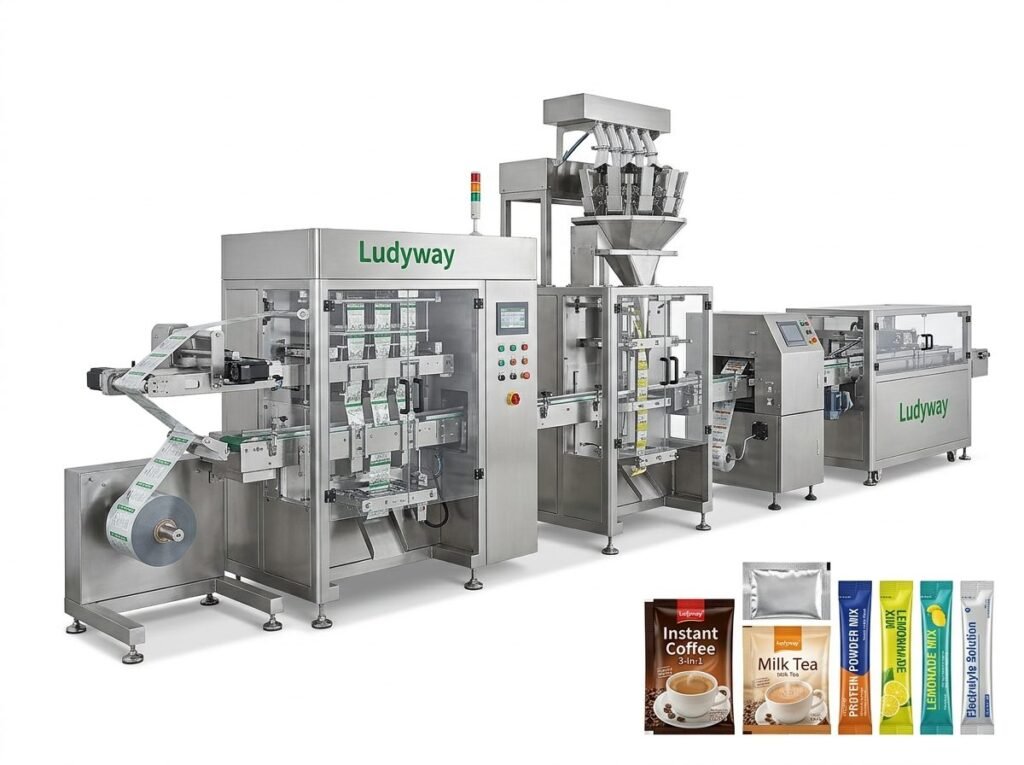
In today’s fast-paced manufacturing world, achieving high efficiency is not just a goal; it’s a necessity for survival and growth. For sectors like food, pharmaceuticals, and general industrial production, the packaging process is a critical bottleneck that can dictate overall productivity, product integrity, and market success. Investing in high-efficiency packaging machine solutions is therefore a strategic move that directly impacts the bottom line, ensuring speed, accuracy, and compliance with stringent industry standards.
The Core Pillars of High-Efficiency Packaging
What defines a truly efficient packaging solution? It goes beyond mere speed. Modern high-efficiency systems are built on several interconnected pillars that work in harmony to deliver superior performance.
1. Unmatched Speed & Throughput
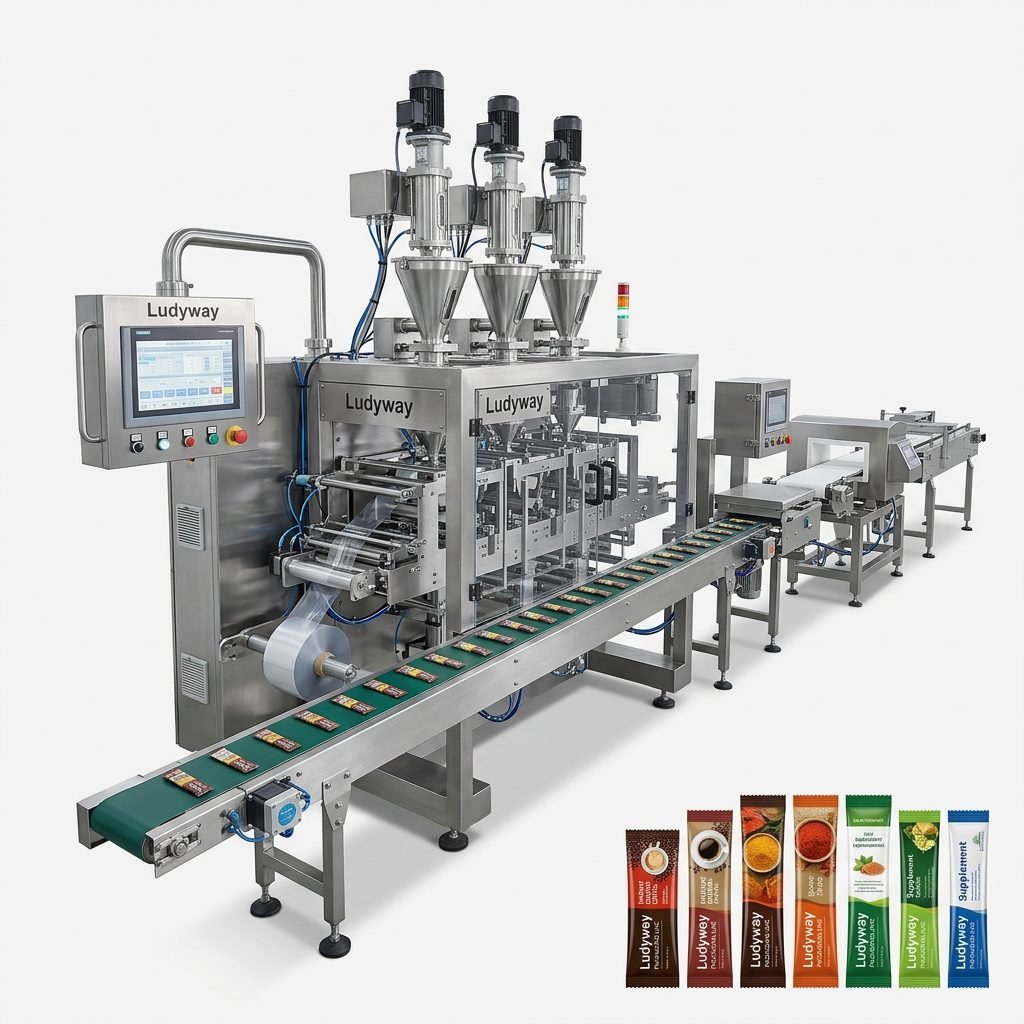
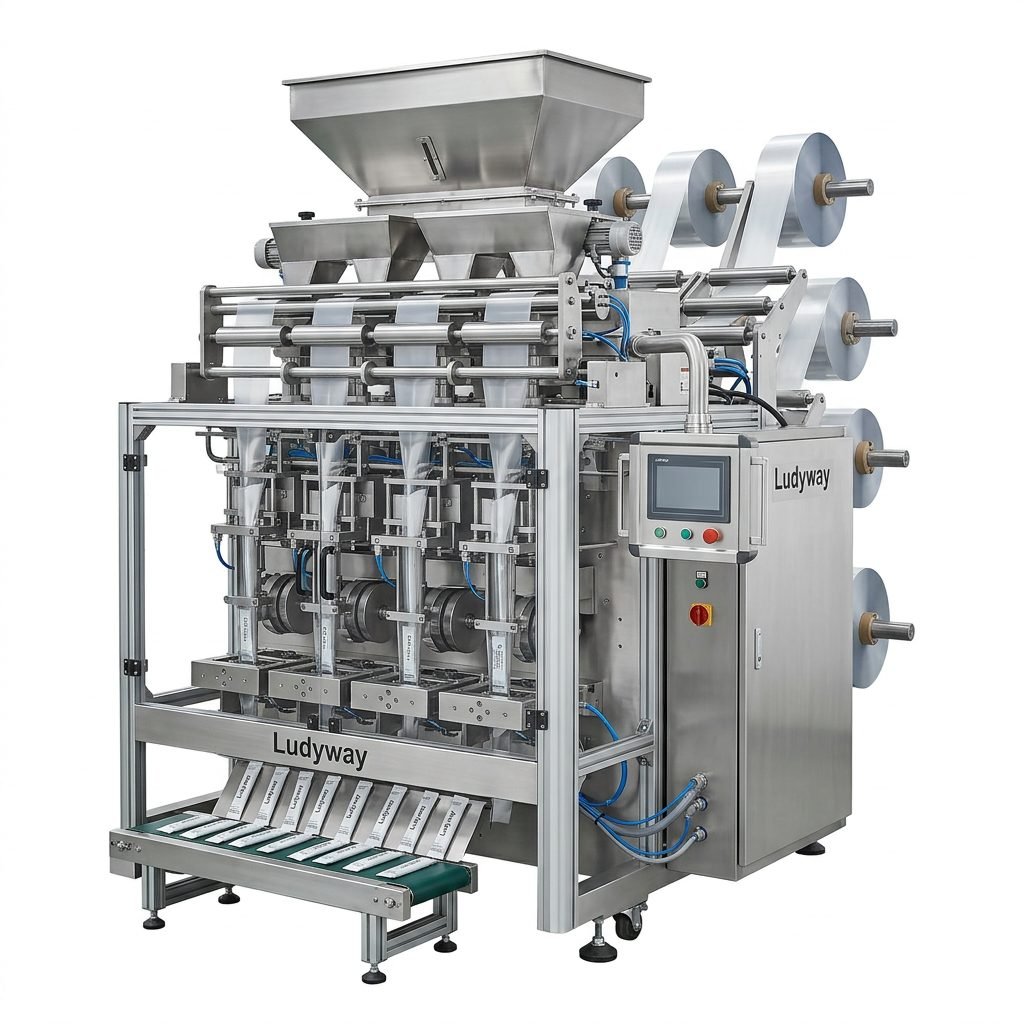
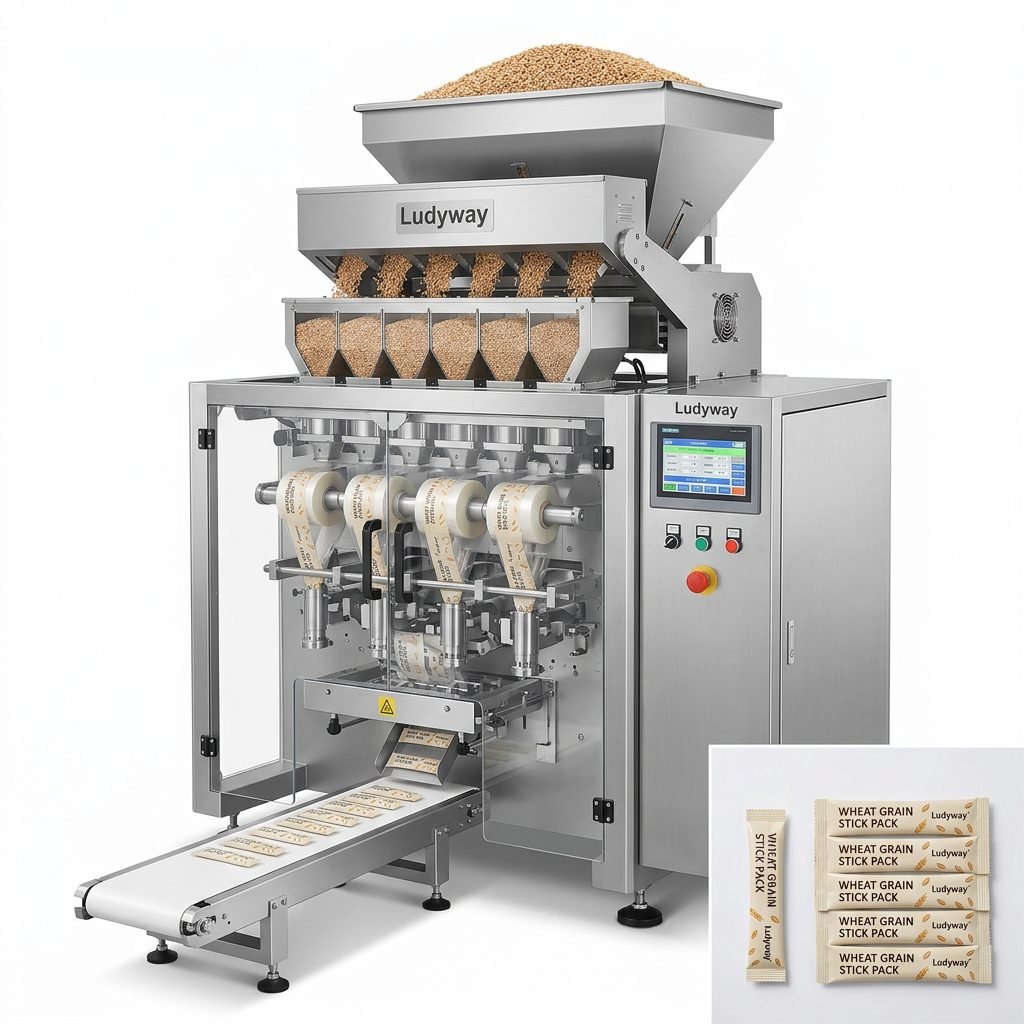
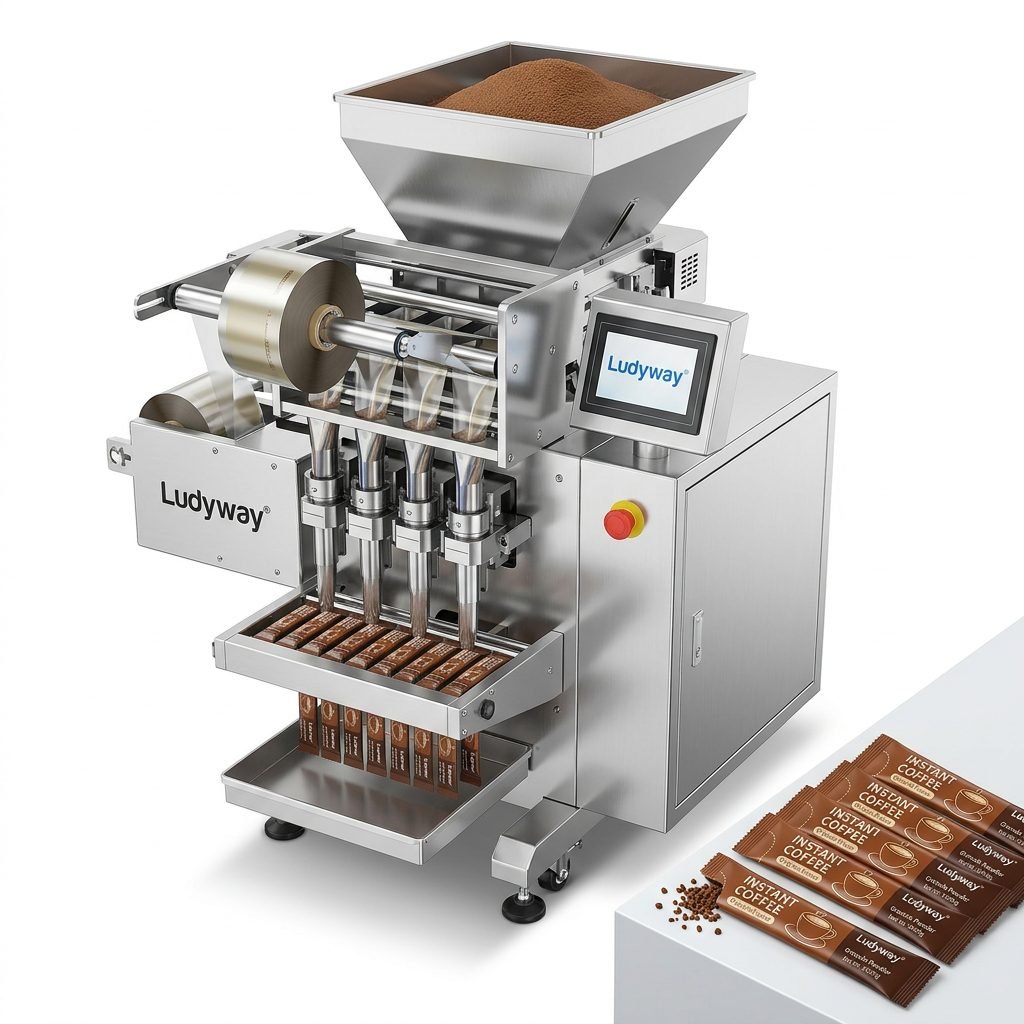
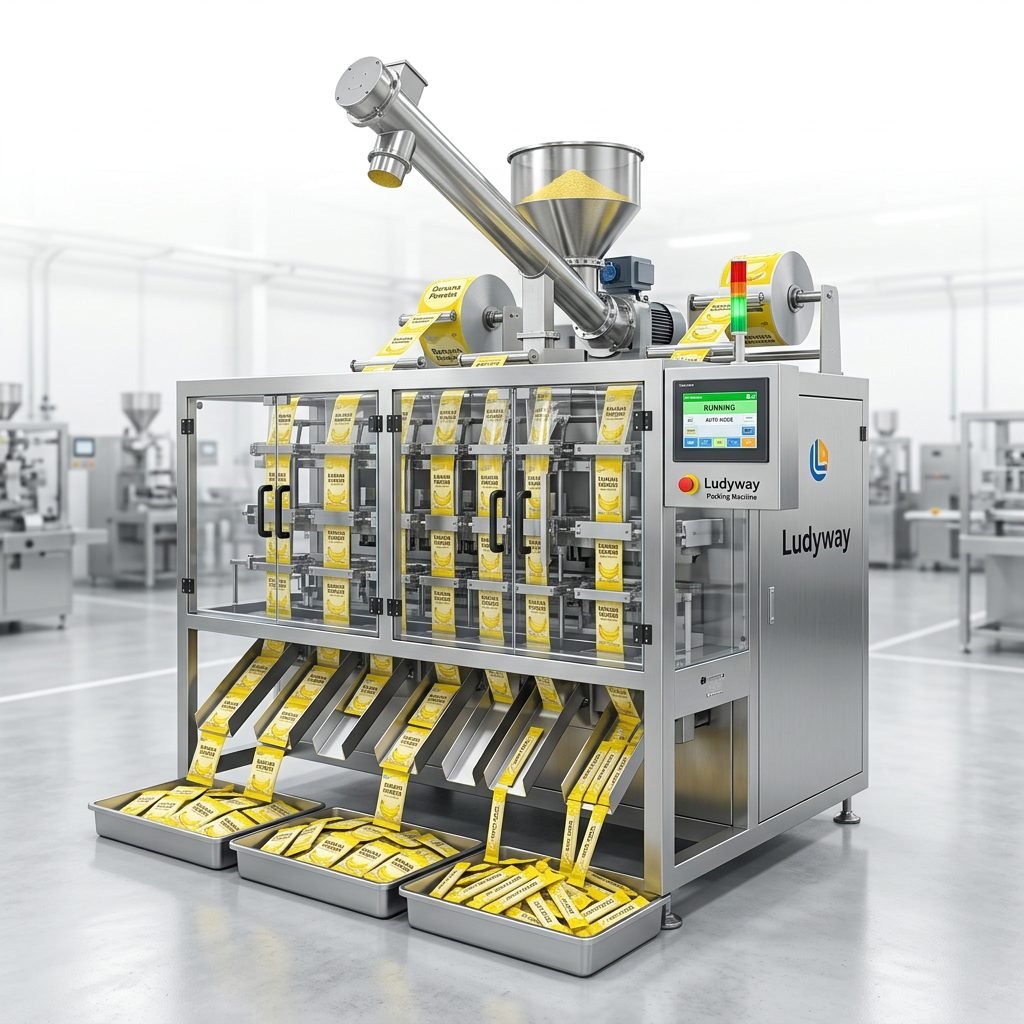
The most visible metric of efficiency is the number of packages produced per minute. Advanced multi-lane stick pack and sachet machines are engineered to handle multiple product streams simultaneously, dramatically increasing output without compromising on precision. This parallel processing capability is essential for meeting large-volume orders and just-in-time delivery schedules.
2. Precision & Material Savings
Efficiency is wasted if it leads to product giveaway or material waste. High-performance machines incorporate sophisticated weighing, volumetric, or counting systems to ensure each package contains the exact specified amount. This precision, often down to fractions of a gram, minimizes raw material costs and ensures consistent product quality for the end-user. Furthermore, modern machines are designed to optimize film usage, reducing trim waste and lowering packaging material expenses.
3. Uninterrupted Uptime & Reliability
A machine that runs fast but breaks down frequently is inefficient. True high-efficiency packaging is built on robust engineering, premium components, and simple, accessible mechanics that ensure maximum uptime. Features like quick-changeover parts, tool-less adjustments, and user-friendly HMI (Human-Machine Interface) panels reduce downtime during product switches and maintenance, keeping your production line moving.
4. Flexibility & Adaptability
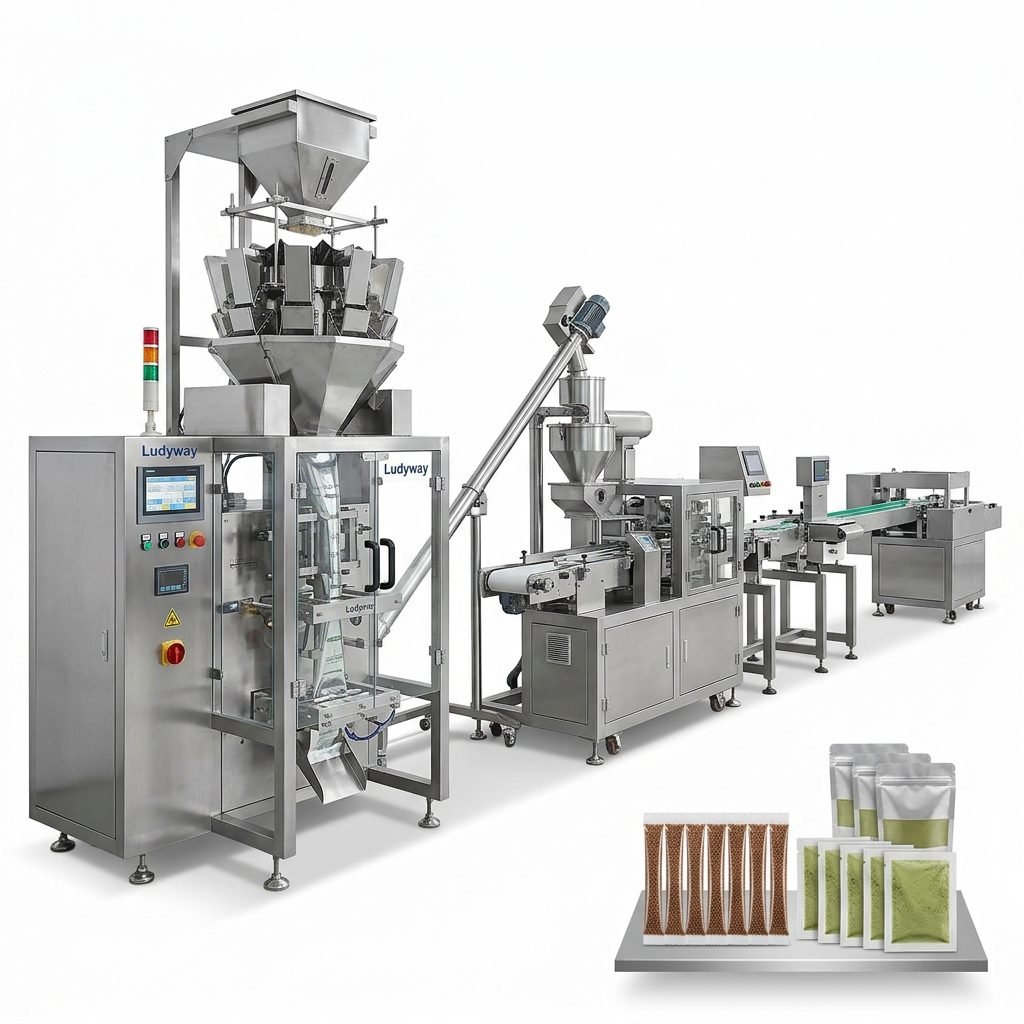
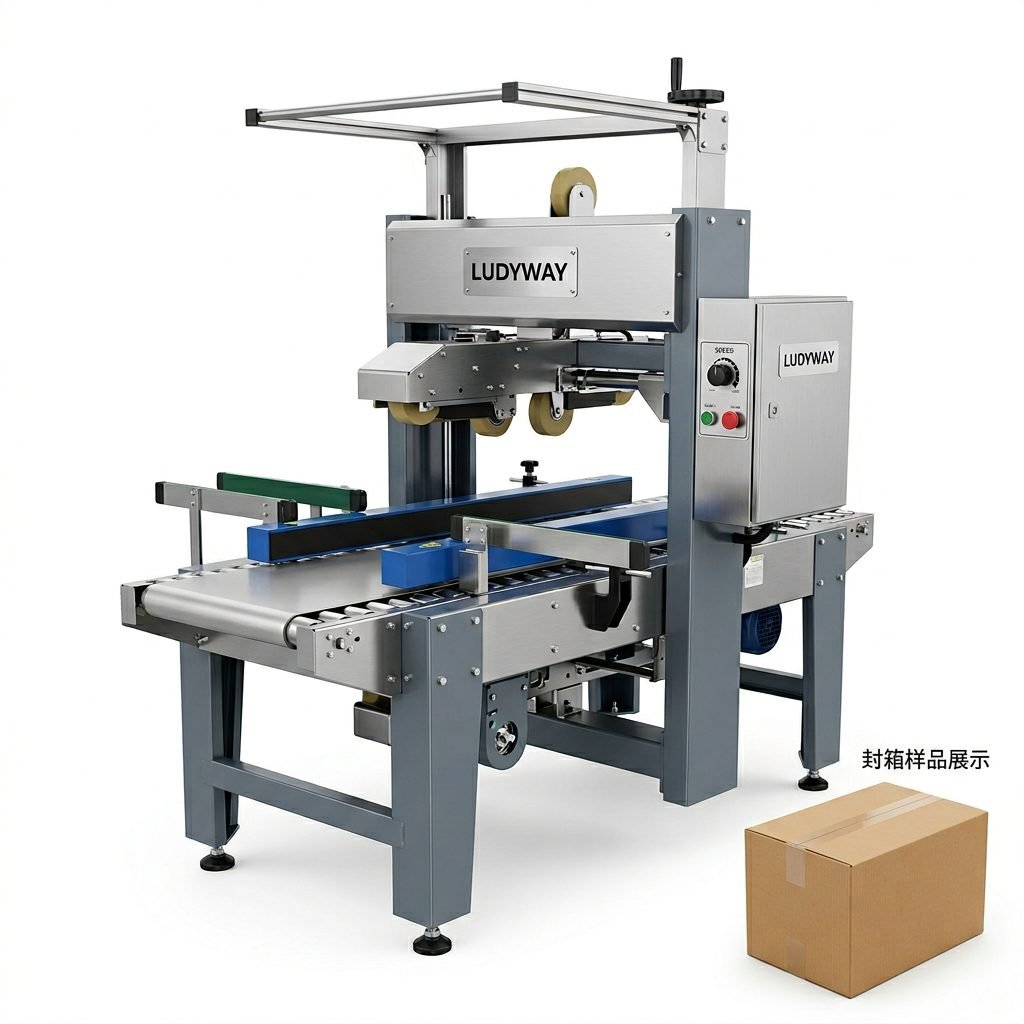
Market demands change rapidly. An efficient packaging line must be adaptable. The best solutions offer modular designs that allow for easy reconfiguration, from handling different package sizes and shapes (e.g., switching from stick packs to sachets) to integrating with upstream and downstream equipment like cartoners or case packers. This future-proofs your investment.
Sector-Specific Solutions for Maximum Impact
The definition of “high efficiency” varies significantly across industries due to unique regulatory, product, and market demands. A one-size-fits-all approach does not work.
Food Industry Packaging
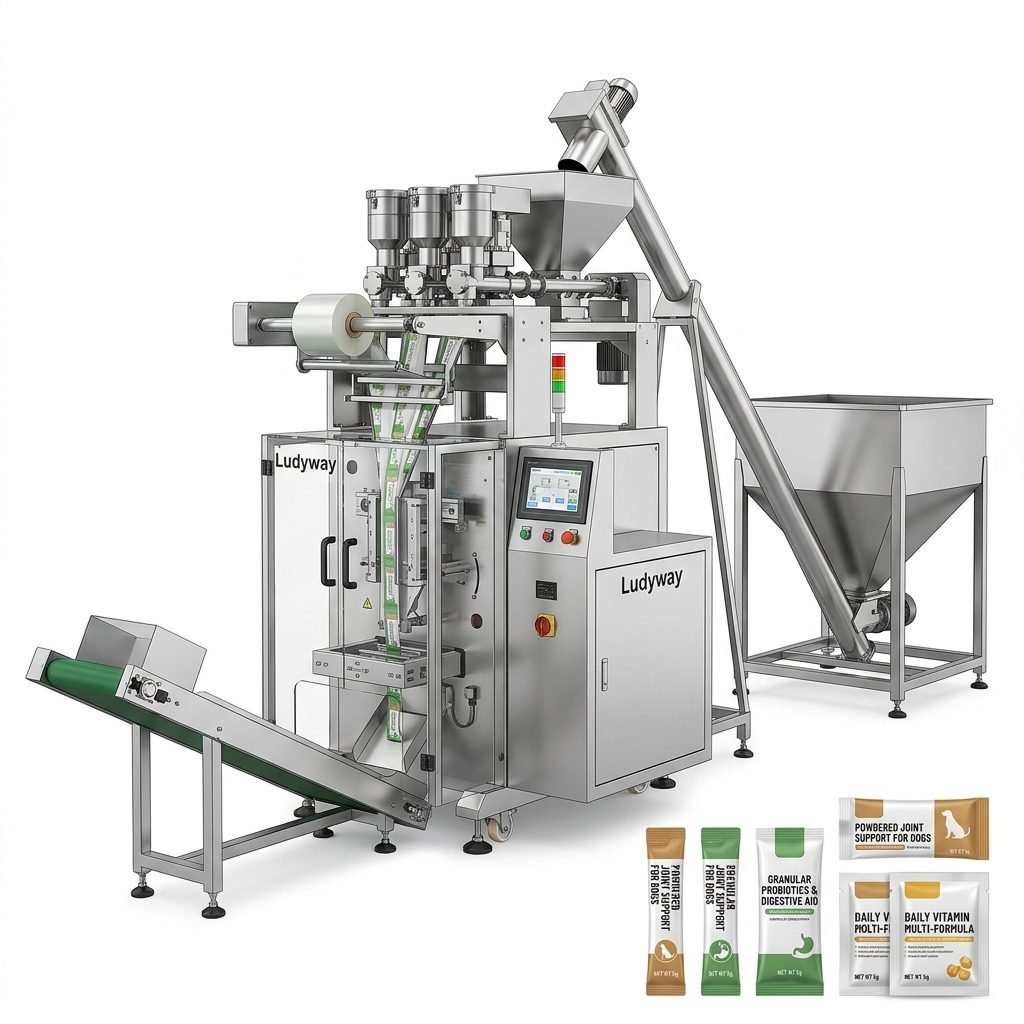
In the food sector, efficiency is synonymous with hygiene, freshness preservation, and brand appeal. High-speed vertical form-fill-seal (VFFS) machines for granules (like coffee, sugar, spices) and powders (like protein, flour) must operate in environments where cross-contamination is a critical concern. Machines with stainless-steel contact parts, CIP (Clean-in-Place) capabilities, and nitrogen flushing options for extended shelf-life are paramount. Efficiency here means faster packaging that also better protects the product.
Pharmaceutical & Healthcare Packaging
For pharmaceuticals and nutraceuticals, efficiency cannot compromise on accuracy or compliance. Packaging machines must deliver 100% dose accuracy and operate under strict cGMP guidelines. This often involves integrated checkweighers, metal detectors, and vision inspection systems that reject any non-conforming sachet or stick pack in real-time. The efficiency gain is twofold: it ensures patient safety and eliminates costly product recalls, protecting both health and brand reputation.
Industrial & Chemical Production
Industrial products, from agrochemicals to lubricants and construction materials, require robust packaging that can handle corrosive, abrasive, or heavy materials. Efficiency in this domain focuses on durability, sealing integrity, and operator safety. Machines are built with hardened materials and advanced sealing systems to prevent leaks. High-speed filling of liquids into pouches or powders into heavy-duty bags, often with dust extraction systems, defines operational efficiency here.
The Role of Automation & Smart Technology
The next leap in packaging efficiency is driven by Industry 4.0 principles. Smart packaging machines are no longer isolated units but connected nodes in a production network.
- Data Analytics: Machines collect real-time data on speed, downtime causes, and maintenance needs, allowing for predictive maintenance and process optimization.
- Remote Monitoring & Support: Technicians can diagnose issues remotely, reducing service response times and minimizing production interruptions.
- Seamless Integration: Modern machines communicate with ERP and MES systems, providing end-to-end traceability and aligning packaging output with overall production planning.
This intelligent automation transforms packaging from a cost center into a strategic source of operational data and agility.
Implementing Your High-Efficiency Solution
Choosing the right partner is as crucial as selecting the right machine. Look for a provider with deep sector expertise, proven technical support, and a commitment to partnership. A reliable supplier will conduct a thorough analysis of your product characteristics, production goals, and facility constraints to recommend a truly optimized solution, not just an off-the-shelf machine. They should offer comprehensive services from installation and training to ongoing spare parts supply and technical support, ensuring your investment delivers peak efficiency for years to come.
Companies like Ludyway Machinery, with decades of focused experience, exemplify this approach. By specializing in advanced packaging for food, pharma, and industrial sectors, they develop a profound understanding of the unique efficiency drivers in each field. Their portfolio of over 50 intelligent machine models, including sophisticated multi-lane systems, is built to address these specific challenges, helping global manufacturers achieve their productivity and quality targets.
Conclusion: Efficiency as a Competitive Edge
Ultimately, high-efficiency packaging machinery is an investment in competitiveness. It reduces operational costs through material savings and lower labor requirements. It enhances product quality and consistency, building consumer trust. It increases production capacity and flexibility, allowing businesses to respond swiftly to market opportunities. In the demanding landscapes of food, pharmaceutical, and industrial production, a state-of-the-art packaging solution is not merely an equipment purchase; it is a foundational step towards building a more resilient, profitable, and future-ready operation.
Frequently Asked Questions (FAQs)
1. What is the most important factor when choosing a high-efficiency packaging machine?
The single most important factor is matching the machine’s capabilities to your specific product and production requirements. A machine that is “efficient” for packaging coffee granules may be entirely unsuitable for a viscous pharmaceutical cream. A detailed product and output analysis with your supplier is essential.
2. Can one machine efficiently handle different types of products?
Yes, to a significant degree. Many modern machines are designed for quick changeover. With modular components and digital recipe storage, they can switch between different package sizes, shapes, and even product types (e.g., from powders to granules) with minimal downtime, making them highly efficient for multi-product facilities.
3. How does automation improve packaging line efficiency?
Automation improves efficiency by increasing speed, reducing human error, and enabling 24/7 operation. It integrates inspection systems (like checkweighers) to ensure quality at high speeds and provides data for optimizing the entire process, leading to less waste and higher overall equipment effectiveness (OEE).
4. Are high-efficiency machines difficult to maintain?
Not necessarily. Well-designed high-efficiency machines prioritize reliability and ease of maintenance. Features like tool-less access panels, self-diagnostic systems, and standardized parts are common. The key is partnering with a supplier that offers robust training and readily available technical support and spare parts.
5. What is the typical ROI for investing in advanced packaging machinery?
Return on Investment (ROI) can be rapid, often within 12-24 months. Savings are generated from reduced labor costs, lower material waste, increased output, and decreased downtime. The exact timeline depends on your current operational costs, production volume, and the specific efficiencies gained from the new equipment.