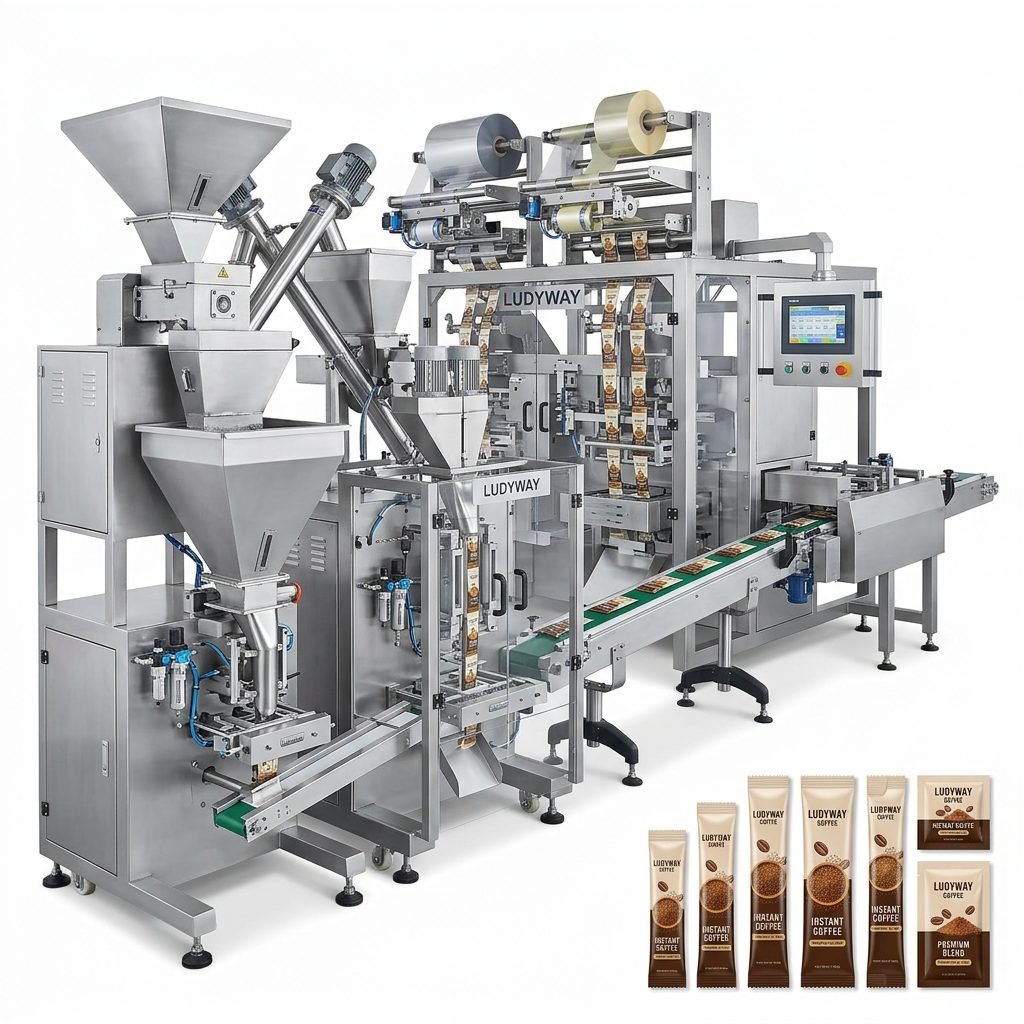
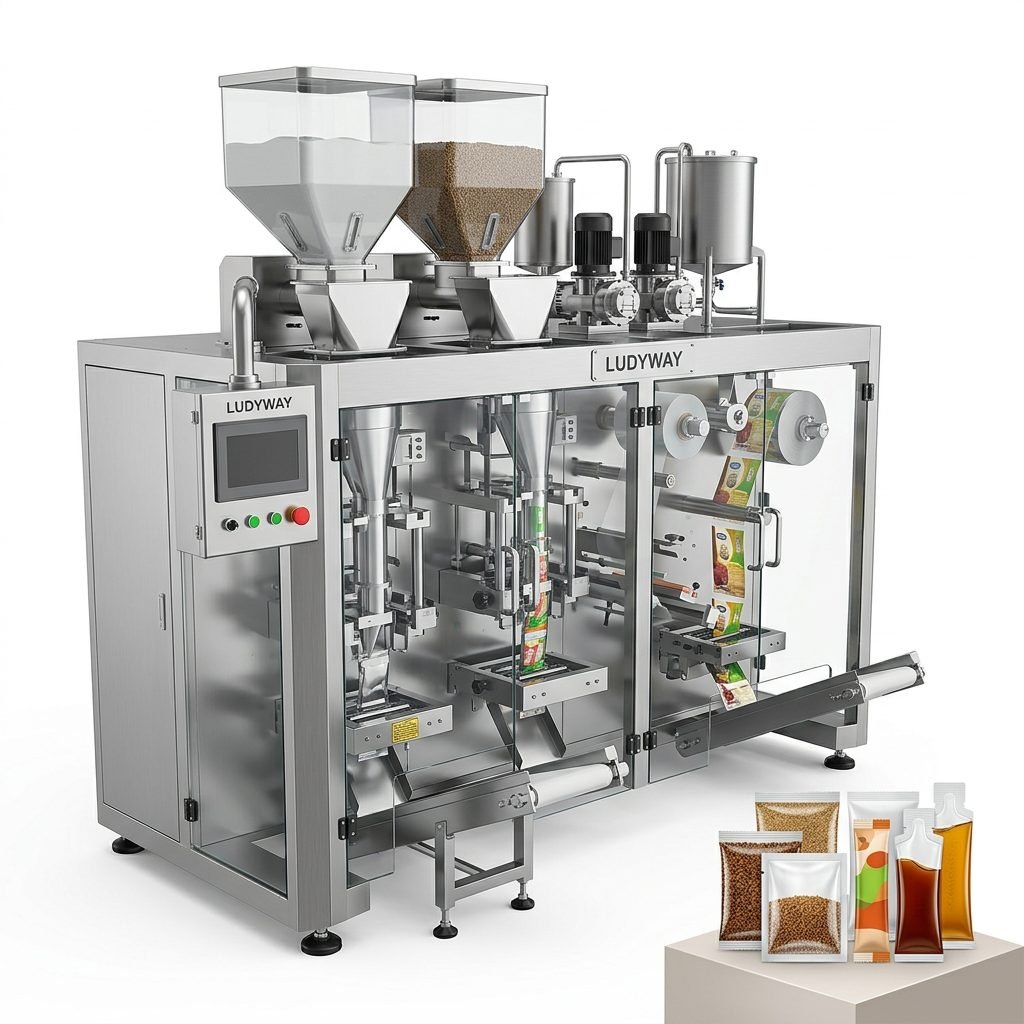
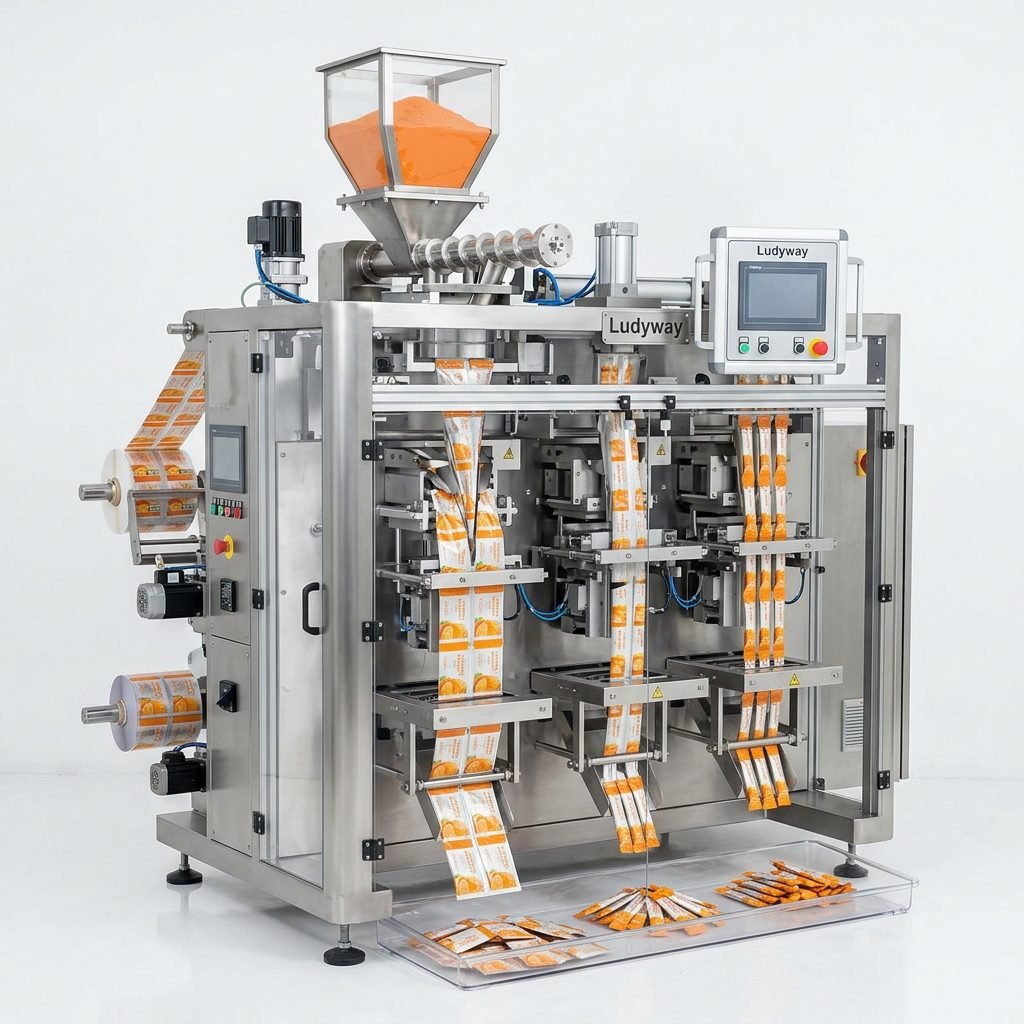
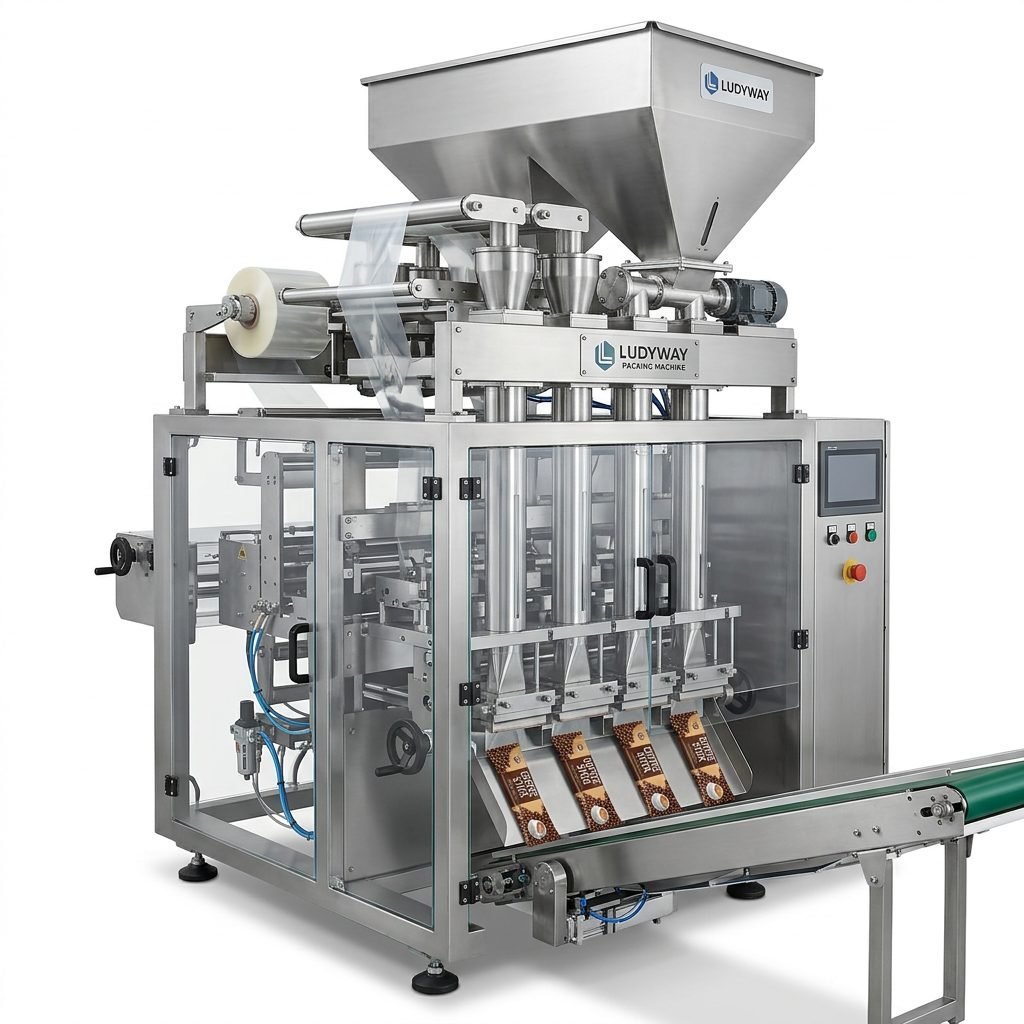
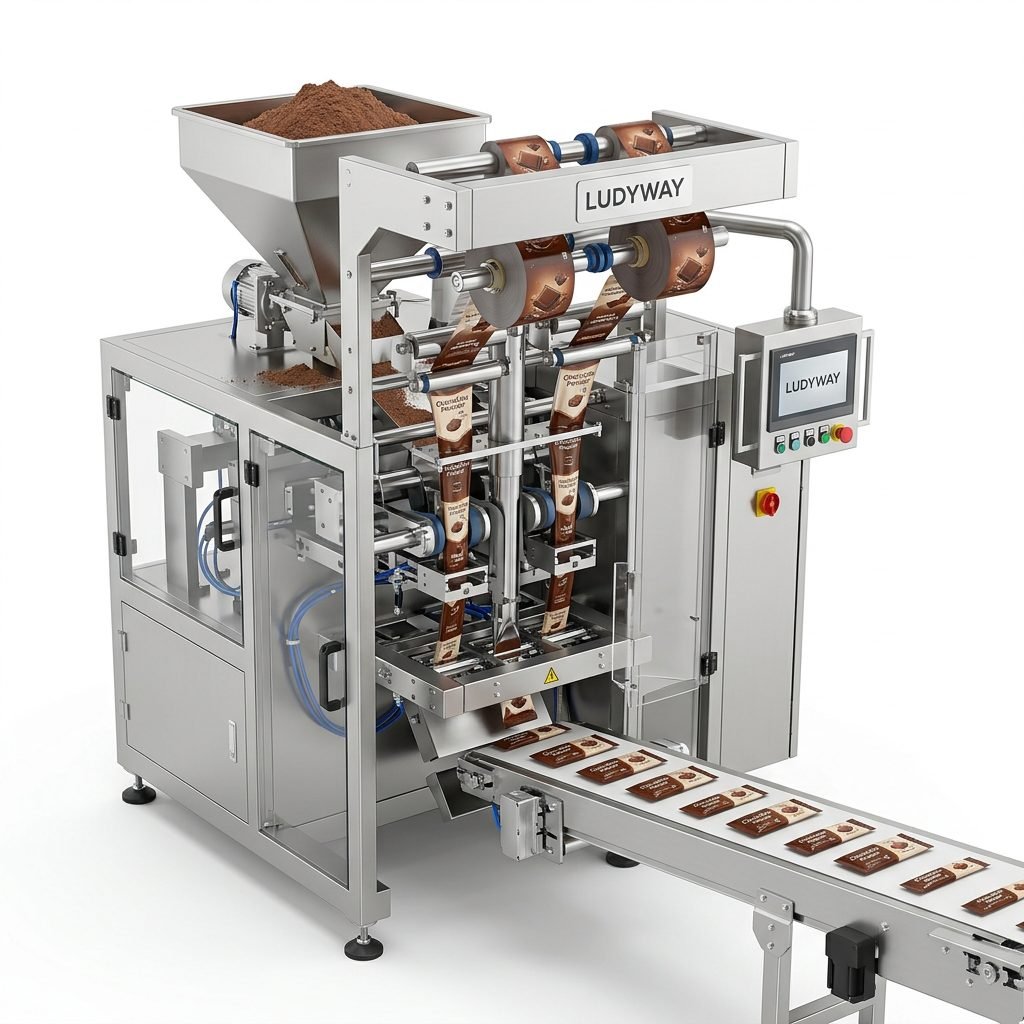
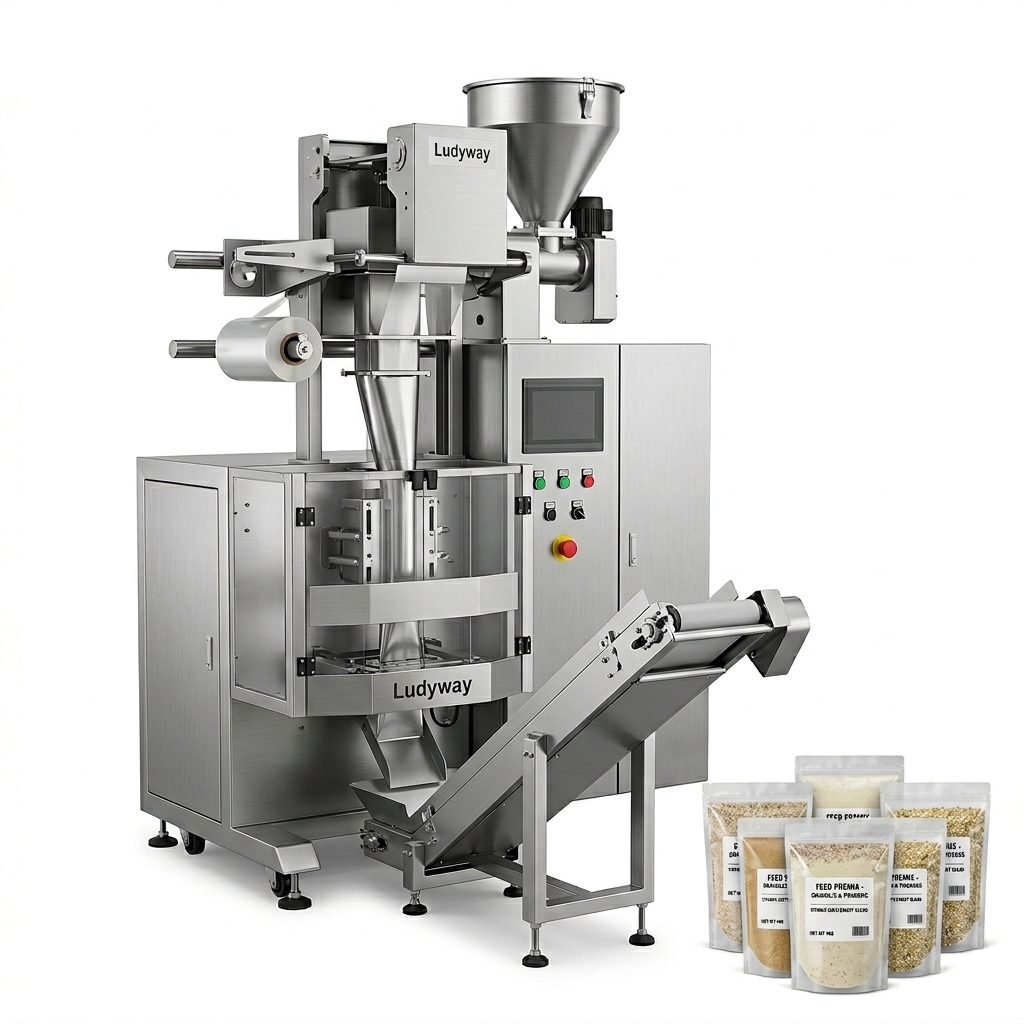
In the fast-paced world of packaging, efficiency, reliability, and precision are paramount. Carton forming machines, often the final step in an automated packaging line, play a critical role in ensuring products are securely and professionally presented for distribution and retail. IPAK packaging machines represent a significant segment of this technology, offering a range of solutions designed to meet diverse production needs. This article delves into the core features and benefits of these machines and provides a comprehensive guide on selecting the right carton former for your operation.
Core Features of Modern Carton Forming Machines
Today’s advanced carton formers are engineered with sophisticated technology to maximize throughput and minimize downtime. Key features include:
High-Speed Automation
Modern machines integrate servo-driven systems for precise motion control, enabling rapid and consistent carton erection, loading, and sealing. Speeds can exceed 60 cartons per minute, depending on the model and carton complexity.
Versatile Carton Handling
They are designed to handle a wide variety of carton styles—from standard RSC (Regular Slotted Cartons) and HSC (Half-Slotted Cartons) to more complex auto-bottom, tray-style, and four- and six-corner glued cartons. Quick-change tooling allows for fast switchovers between different carton sizes.
Intelligent Control Systems
Equipped with user-friendly touchscreen HMIs (Human-Machine Interfaces), these machines allow for easy parameter setting, recipe storage, and real-time monitoring of production data, OEE (Overall Equipment Effectiveness), and fault diagnostics.
Tangible Benefits for Your Production Line
Investing in a robust carton forming system delivers measurable advantages across your operation.
Increased Productivity & Labor Savings
Automating the cartoning process eliminates manual folding and taping, significantly boosting output while reducing labor costs and physical strain on workers. One machine can often do the work of several operators.
Enhanced Consistency and Quality
Machines produce uniformly erected and sealed cartons every time. This consistency improves the professional appearance of your final product, reduces packaging material waste from errors, and ensures secure closure for safe shipping.
Improved Space Utilization and Safety
Automated systems have a smaller footprint than manual packing stations and create a more organized workflow. They also enhance workplace safety by minimizing repetitive motion injuries associated with manual carton forming.
How to Choose the Right Carton Former: A Step-by-Step Guide
Selecting the ideal machine requires careful analysis of your specific needs. Follow this guide to make an informed decision.
1. Analyze Your Product and Carton Specifications
Start with the basics: product dimensions, weight, and fragility. Determine the carton size range (minimum to maximum) and style you will use. Consider if you need features like internal partitions or automatic leaflet insertion.
2. Define Your Required Output Speed
Match the machine’s maximum speed (cartons per minute, CPM) to your current and future production targets. Remember to factor in efficiency; a machine rated for 50 CPM might sustainably run at 80-90% of that rate.
3. Evaluate Integration Needs
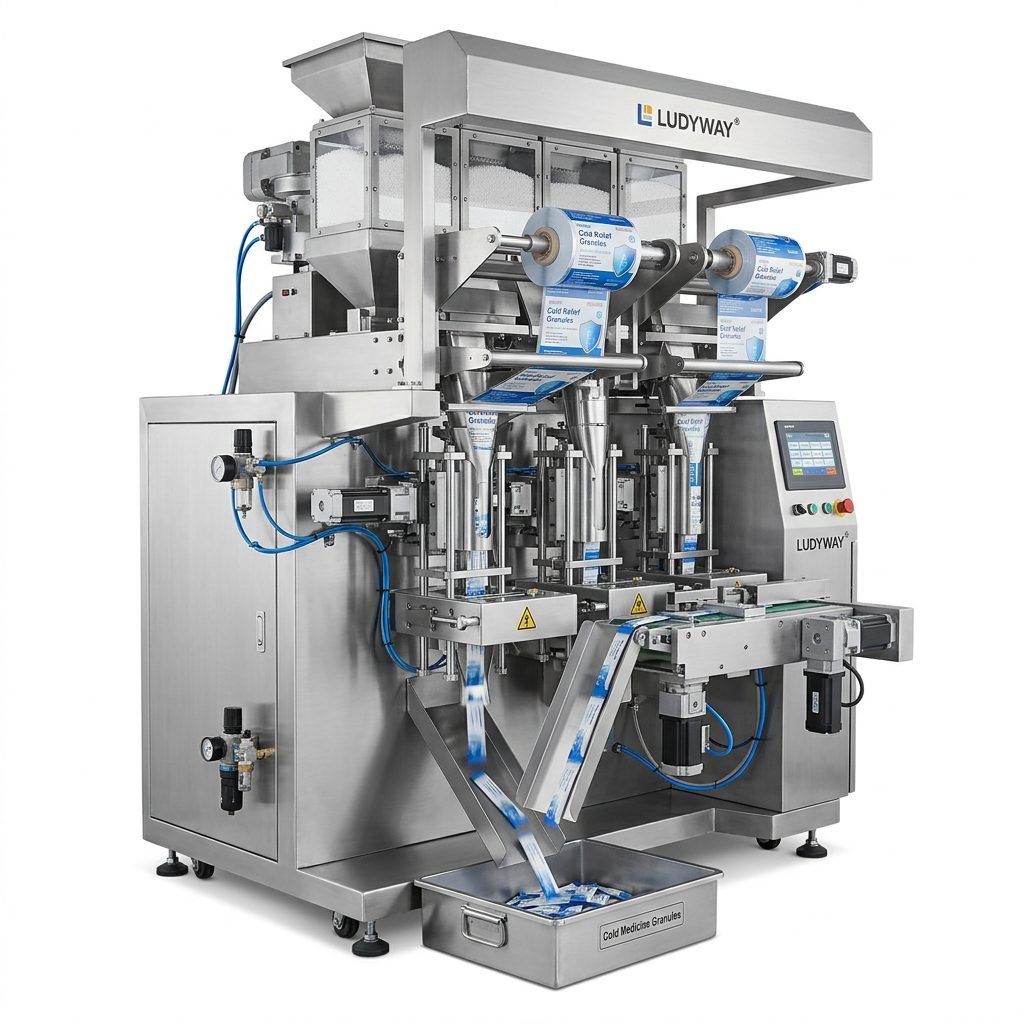
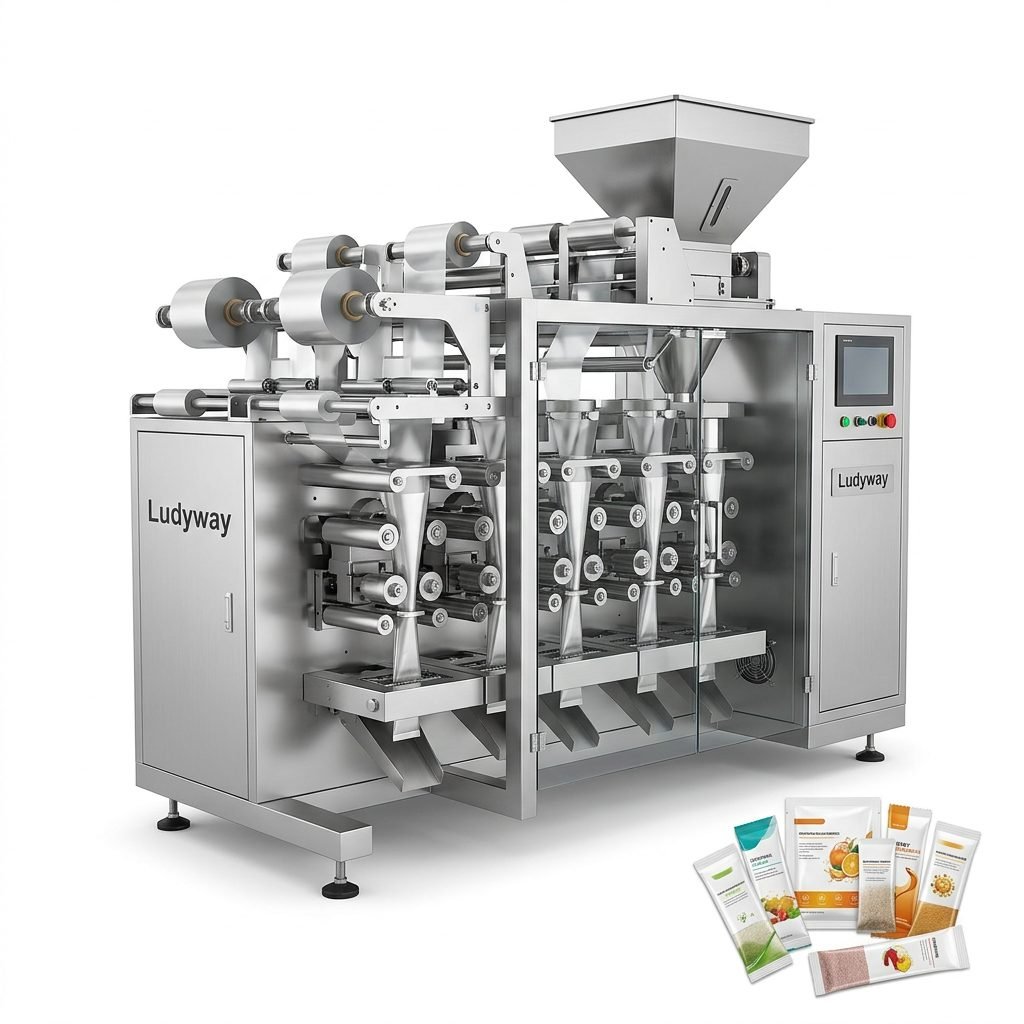
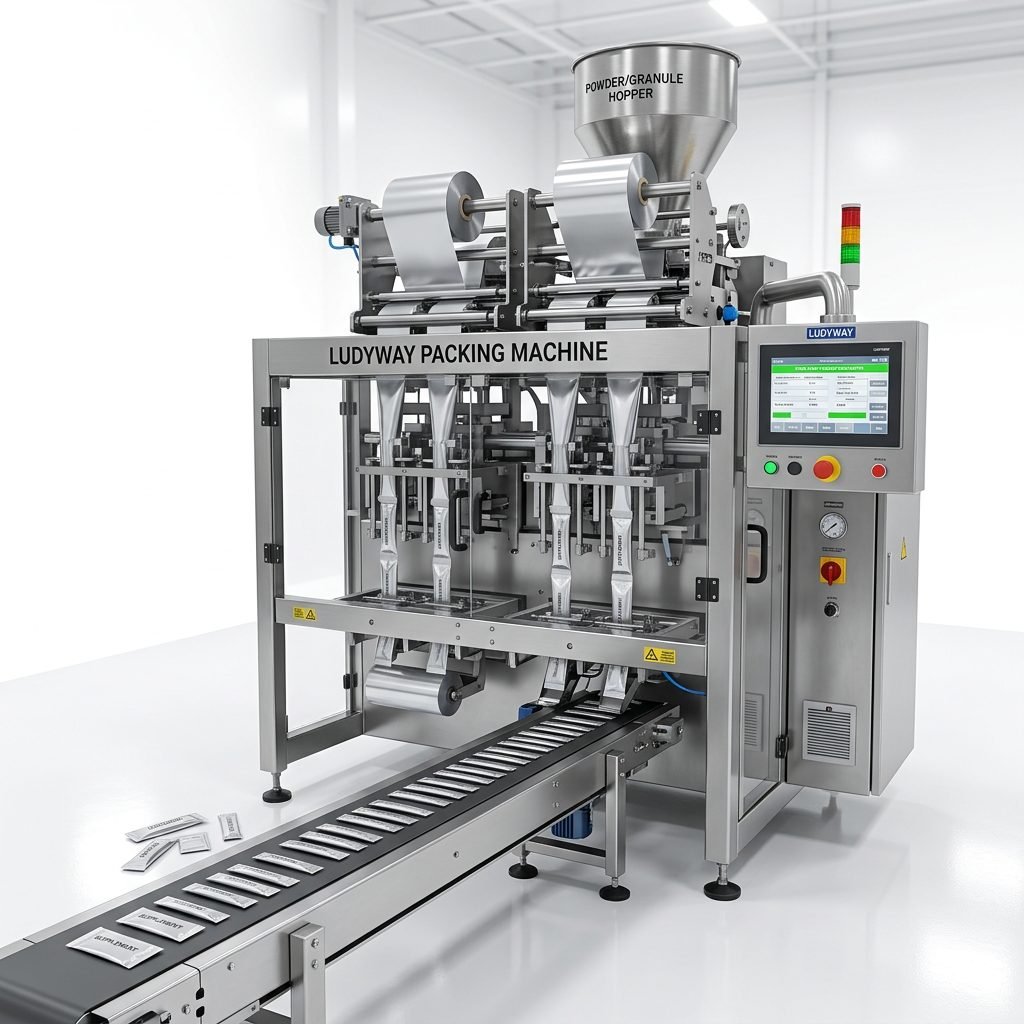
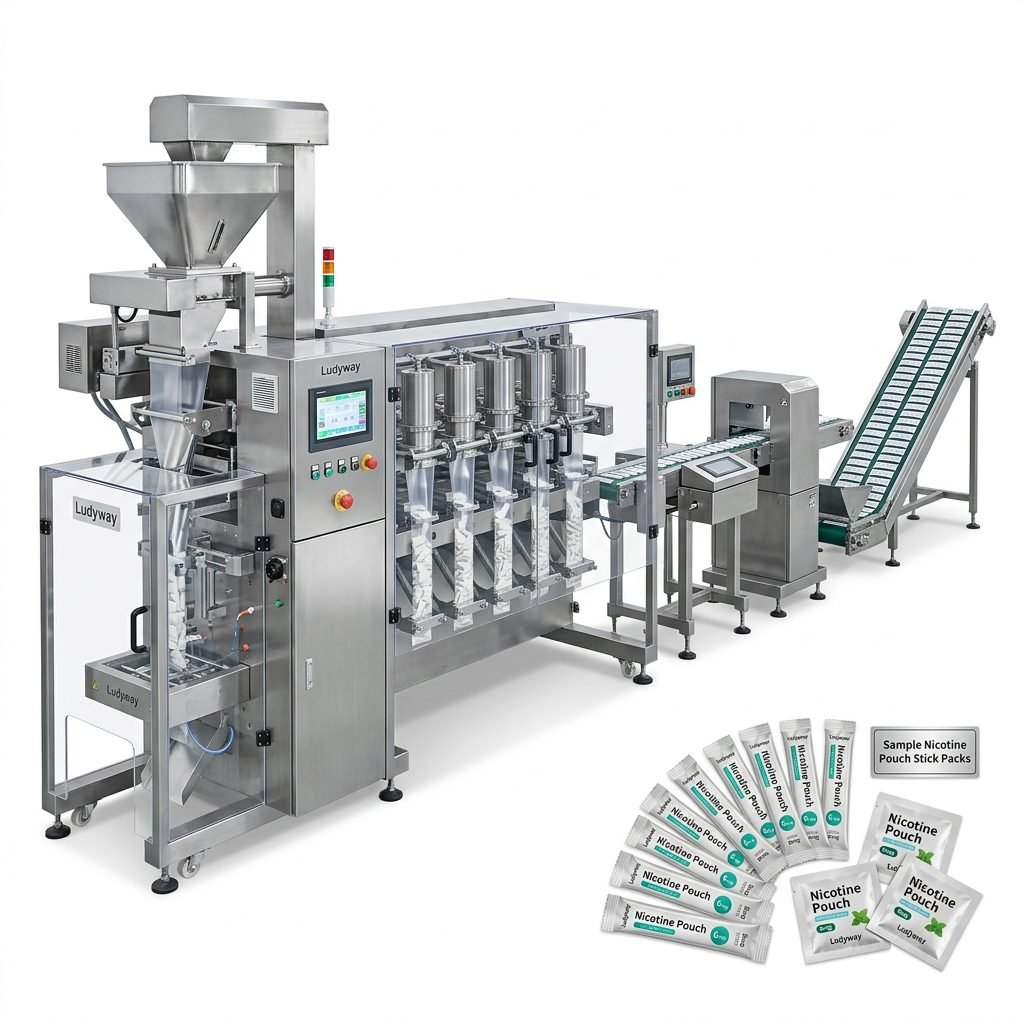
Will the cartoner be a standalone unit or integrated into a full line with a bagger, multilane sachet machine, case packer, and palletizer? Ensure the machine has the correct infeed and discharge interfaces and communication protocols (e.g., PLC connectivity) for seamless integration.
4. Consider Flexibility and Changeover Time
If you run multiple SKUs, look for machines with quick-change tooling and recipe storage. The ability to switch carton sizes in under 5 minutes can drastically improve overall equipment effectiveness (OEE).
5. Assess Build Quality and Supplier Support
Examine the machine’s construction—stainless steel or high-grade aluminum frames offer durability. Crucially, partner with a supplier known for reliable technical support, readily available spare parts, and comprehensive training. A company with deep industry experience, like Ludyway Machinery, which brings over 30 years of expertise in packaging solutions, can provide invaluable long-term partnership and customized production solutions.
6. Total Cost of Ownership (TCO) Analysis
Look beyond the initial purchase price. Consider energy consumption, maintenance costs, expected lifespan, and the potential cost of downtime. A slightly higher initial investment in a more reliable machine often leads to lower TCO.
Conclusion
Choosing the right IPAK carton forming machine is a strategic decision that impacts your operational efficiency, product quality, and bottom line. By thoroughly understanding the advanced features available, clearly defining your production requirements, and partnering with a knowledgeable and reliable equipment provider, you can implement a cartoning solution that drives productivity and growth for years to come. The right automation partner will help you navigate these choices to find the perfect fit for your line.
Frequently Asked Questions (FAQs)
What is the typical maintenance required for a carton forming machine?
Regular maintenance includes daily cleaning, lubrication of moving parts as per the manual, and inspection of wear components like forming mandrels, suction cups, and sealing heads. Scheduled preventive maintenance by a qualified technician is recommended every 6-12 months.
Can one machine handle both glued and taped cartons?
Some machines are designed as convertible models and can be configured for either hot melt glue or pressure-sensitive tape (PSA) sealing by changing specific modules. It’s essential to specify this requirement upfront with the manufacturer.
How do I ensure the machine can handle my future carton sizes?
When purchasing, specify not only your current carton size range but also any planned future products. Choose a machine with a wider adjustable range than you currently need and ensure quick-change tooling is available for the anticipated sizes.
What is the lead time for a new carton forming machine?
Lead times vary by manufacturer and model complexity but typically range from 12 to 20 weeks for standard machines. Customized or highly integrated solutions may take longer. It’s advisable to plan your procurement well in advance of your needed installation date.
What training is provided with the machine purchase?
Reputable suppliers offer comprehensive training for your operators and maintenance staff. This usually includes on-site installation and commissioning training, detailed operational manuals, and often remote or on-site follow-up sessions. Ensure training is part of your purchase agreement.