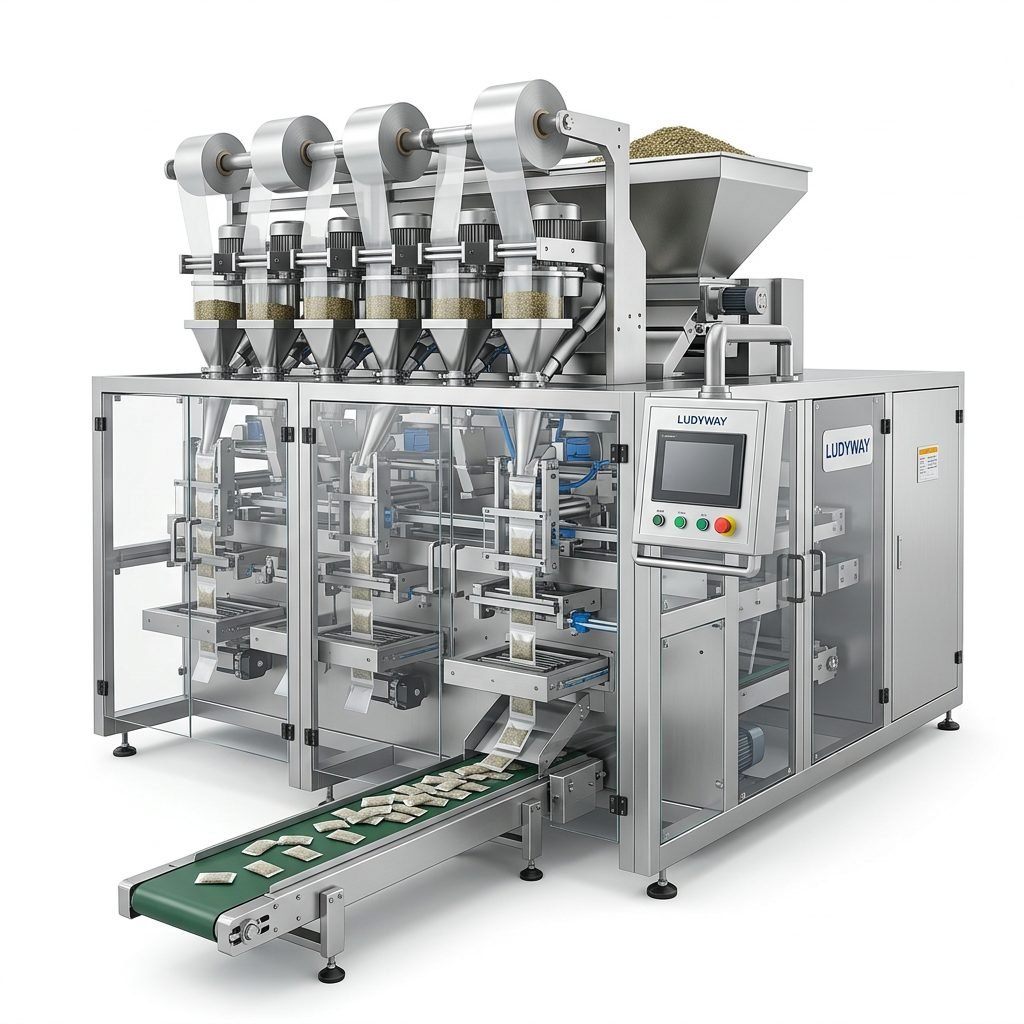
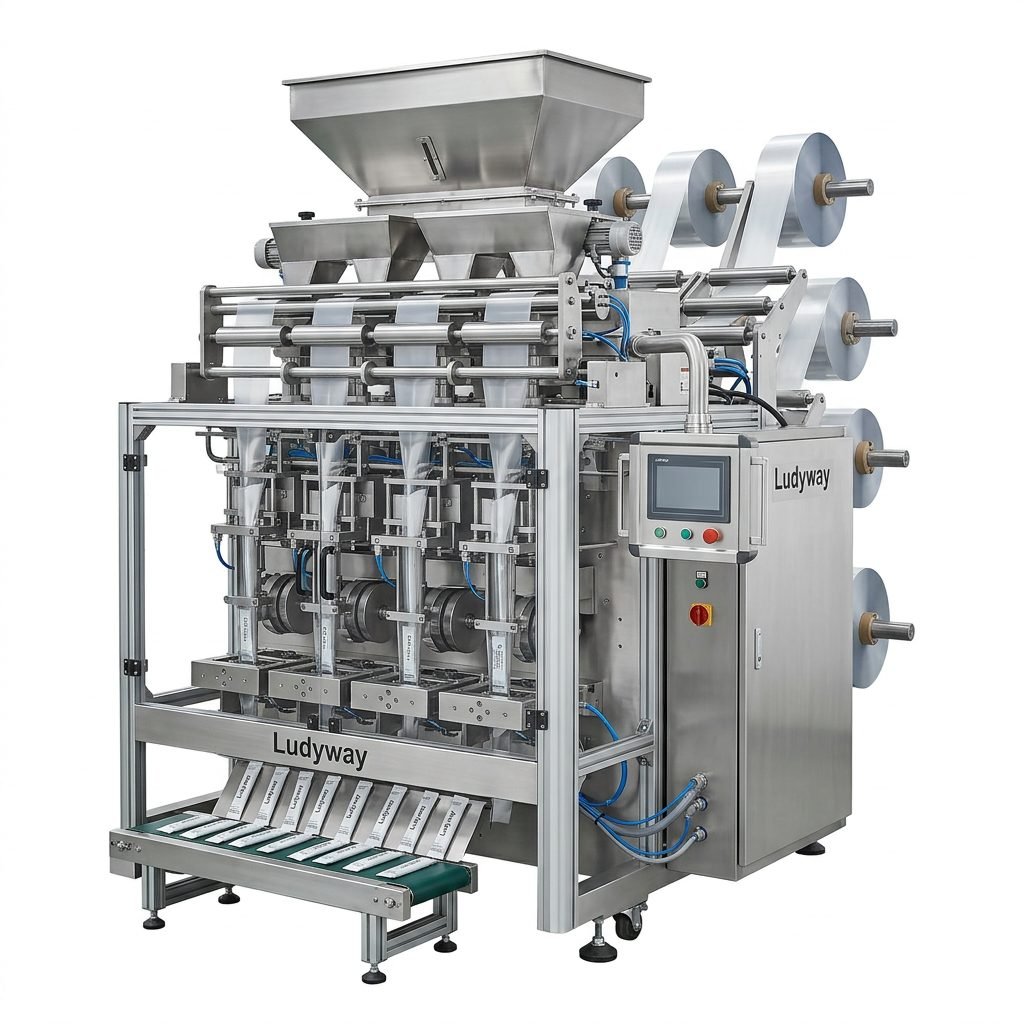
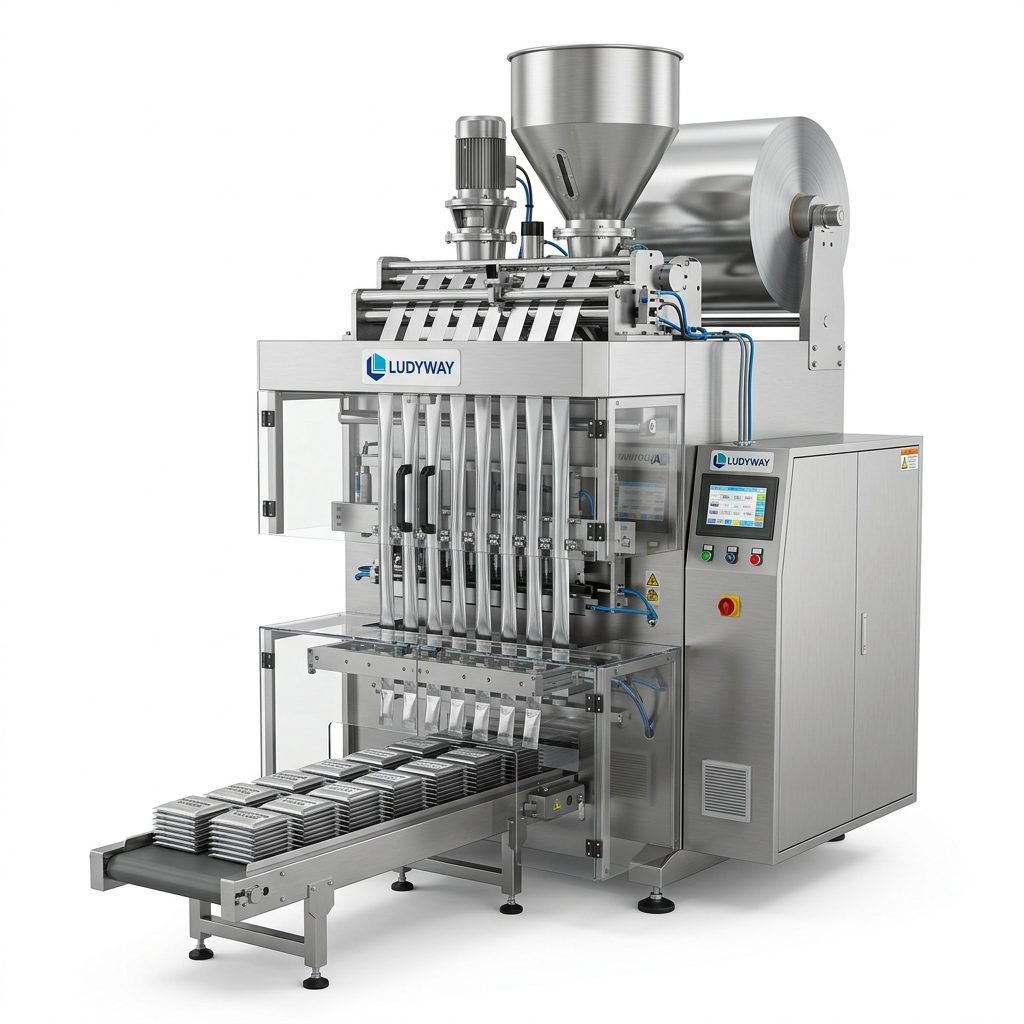
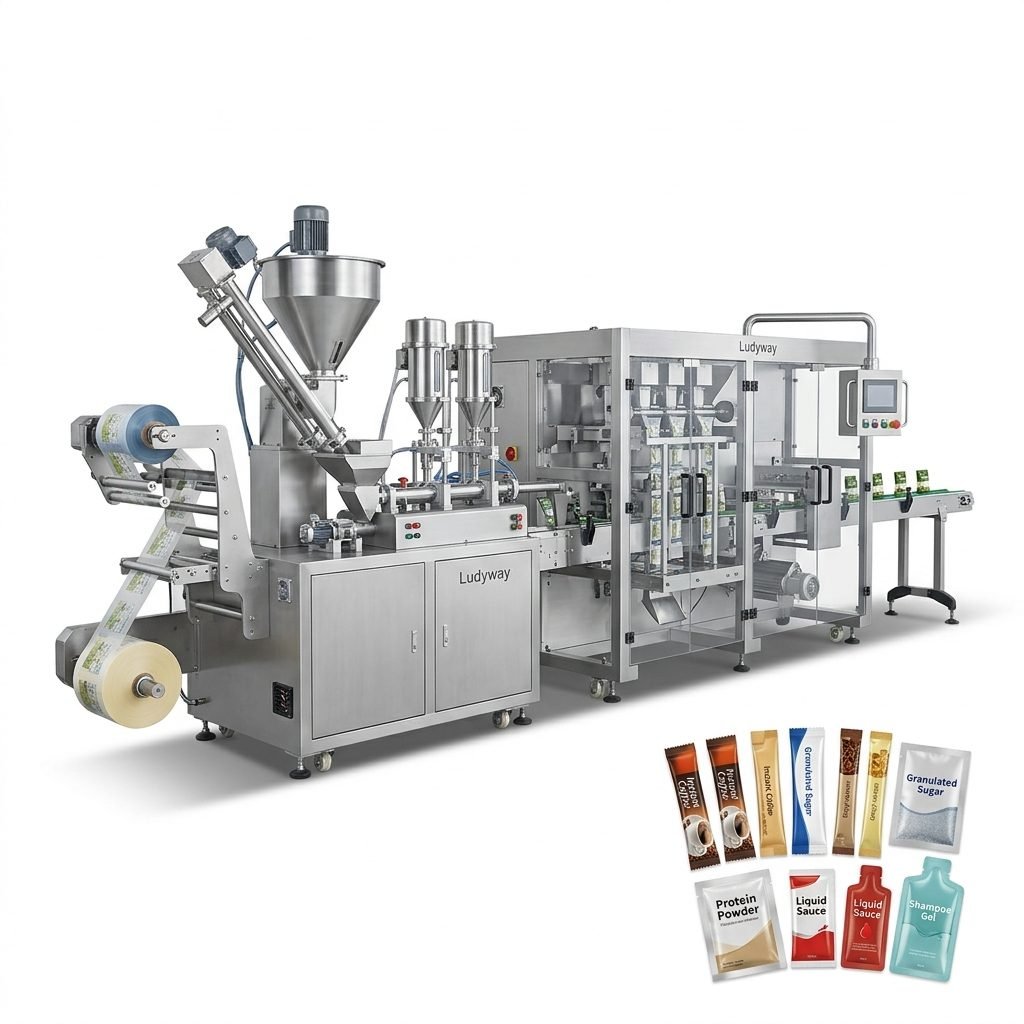
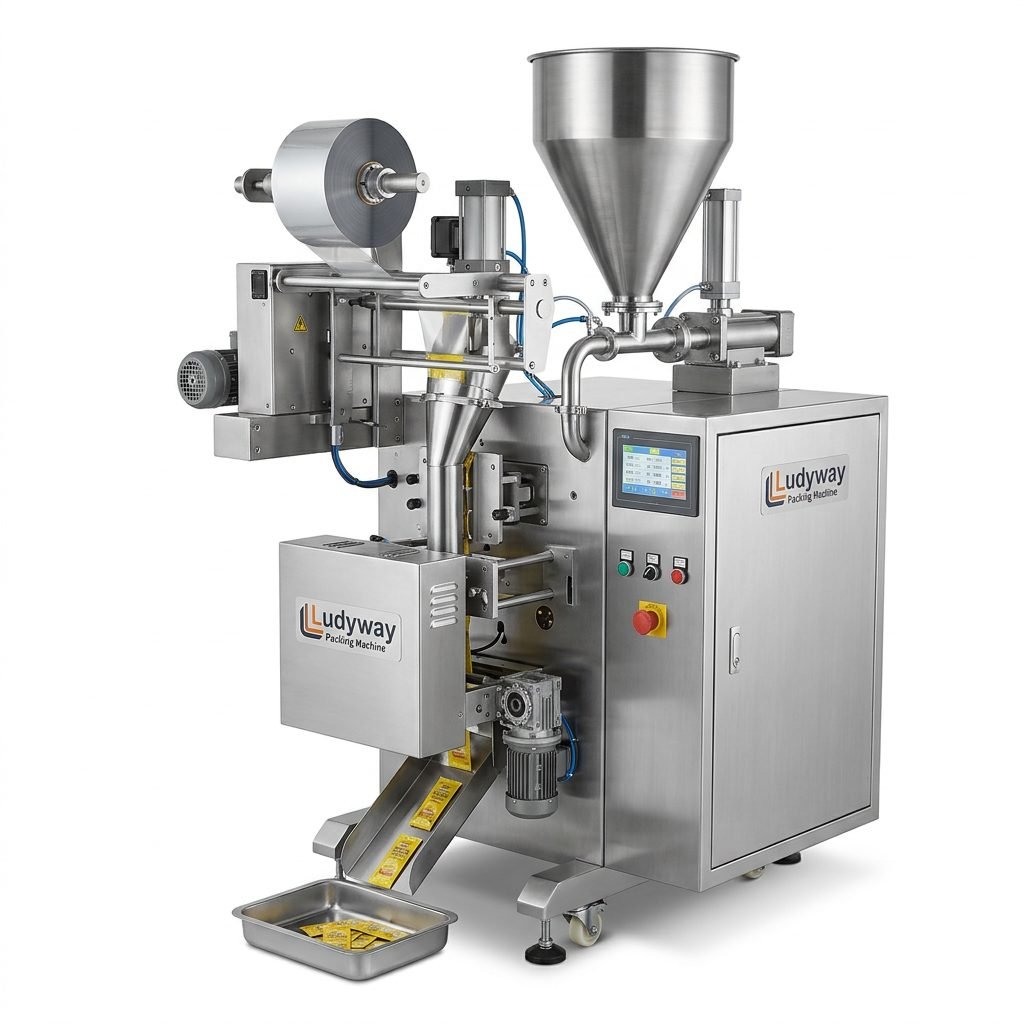
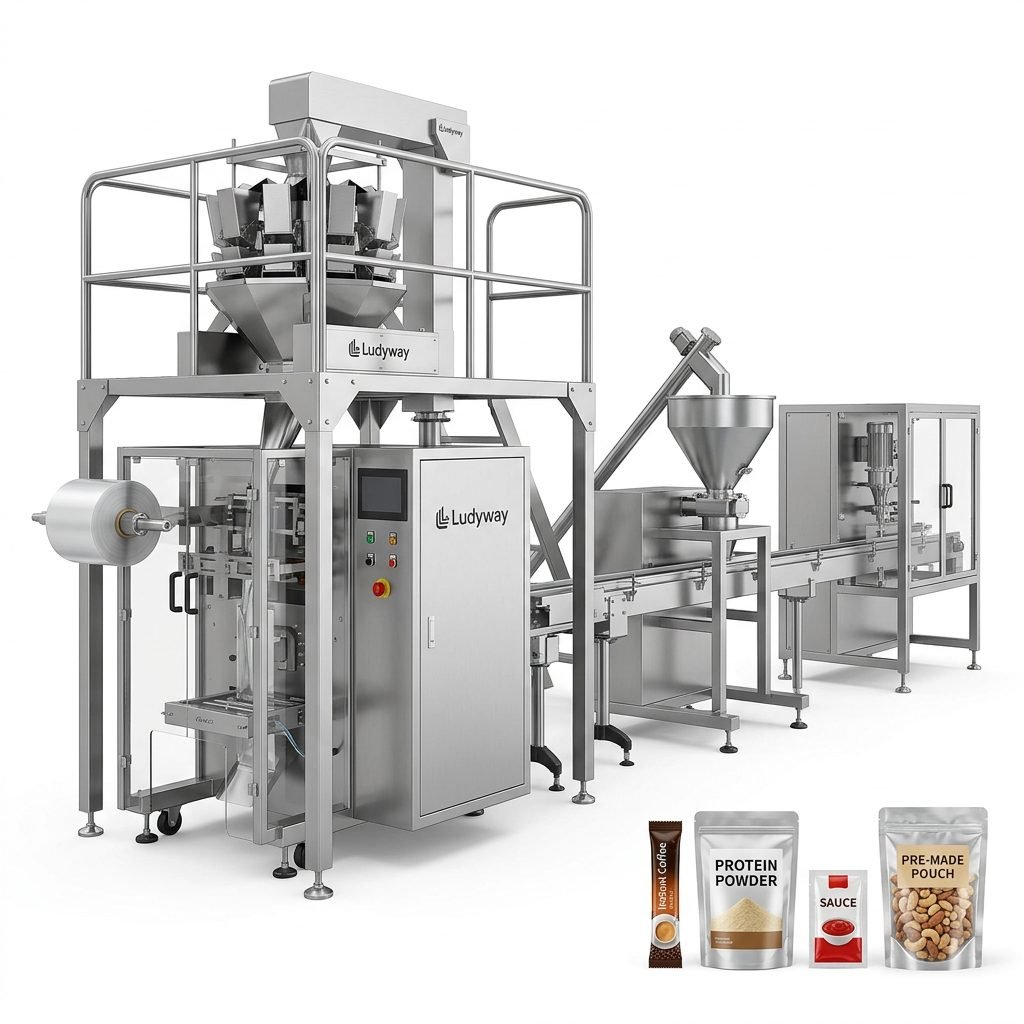
In the world of industrial manufacturing, the reliability and efficiency of a packaging line are only as strong as its individual components. Understanding the various types of industrial packaging machine parts, their specific functions, and the criteria for selecting the right ones is fundamental for maintaining seamless operations, minimizing downtime, and ensuring product quality.
Core Types of Industrial Packaging Machine Parts
Packaging machinery is a complex assembly of numerous components, each playing a critical role. These parts can be broadly categorized into several key groups.
1. Drive and Motion Components
These are the parts responsible for the machine’s movement and power transmission.
- Servo Motors and Stepper Motors: Provide precise, programmable control over motion for tasks like film indexing, cutting, and filling.
- Gearboxes and Reducers: Modify the motor’s speed and torque to suit the required operational force.
- Bearings, Bushings, and Linear Guides: Ensure smooth, low-friction movement of rotating shafts and sliding components.
- Belts, Chains, and Sprockets: Transmit mechanical power between different sections of the machine.
2. Product Handling and Forming Parts
This group interacts directly with the product or packaging material.
- Augers, Pumps, and Volumetric Fillers: Precisely measure and dispense powders, granules, or liquids into packages. The choice depends on product viscosity and required accuracy.
- Forming Tubes and Collars: Shape the packaging film (e.g., for vertical form-fill-seal machines) into the desired pouch or sachet.
- Product Feeders (Vibratory, Screw): Consistently supply product to the filling station at a controlled rate.
3. Sealing and Cutting Components
These parts create the final, sealed package.
- Heating Elements and Bands: Generate the heat necessary to melt and fuse thermoplastic packaging layers together.
- Sealing Jaws and Crimpers: Apply pressure and heat for a specific duration to create a hermetic seal. They come in various profiles (flat, serrated, ribbed) for different film types.
- Cutting Knives and Blades: Separate individual packages from the film web. They can be thermal (hot knives) or mechanical (reciprocating or rotary blades).
4. Control and Sensing Components
The “brain” and “nervous system” of the machine, ensuring accuracy and safety.
- PLC (Programmable Logic Controller): The central computer that executes the machine’s operational logic.
- HMI (Human-Machine Interface): The touchscreen or panel where operators set parameters and monitor performance.
- Sensors (Proximity, Photoelectric, Encoders): Detect product presence, film position, and machine speed, providing real-time feedback to the PLC.
5. Structural and Wear Parts
These form the machine’s framework and are subject to regular wear.
- Machine Frames and Guards: Provide structural integrity and operator safety.
- Gaskets and Seals: Prevent product or lubricant leakage at joints and connections.
- High-Wear Items: Includes items like O-rings, scraper blades, and guide strips, which require periodic replacement as part of routine maintenance.
Key Functions of Packaging Machine Components
Each part contributes to one or more of the following overarching functions that define a machine’s performance:
Precision and Accuracy: Components like servo motors, high-resolution encoders, and precision-machined augers ensure consistent fill weights and package dimensions, directly impacting product giveaway and compliance.
Speed and Throughput: Robust drive systems, low-friction bearings, and efficient sealing jaws determine the maximum cycles per minute (CPM) a machine can achieve without sacrificing quality.
Reliability and Uptime: The durability of structural parts and the quality of wear components dictate mean time between failures (MTBF). Using premium-grade parts reduces unplanned downtime.
Flexibility and Changeover: Quick-release clamps, tool-less adjustments on forming parts, and programmable servo settings allow faster transitions between different package sizes or products.
Safety and Compliance: Safety-rated sensors, emergency stop circuits, and properly guarded moving parts protect operators and help the machine meet international safety standards.
How to Choose the Right Components: A Practical Guide
Selecting the correct part is not merely a purchasing decision; it’s an investment in your production line’s future. Follow this structured approach.
Step 1: Identify the Exact Specification
Never guess. Cross-reference the failed part’s model number, serial number, and technical drawings from the original equipment manual. Measure critical dimensions (shaft diameter, thread pitch, length) if the old part is worn but identifiable. For electronic parts, note voltage, current, and communication protocol details.
Step 2: Prioritize Material and Build Quality
The material must withstand the operating environment.
- Food & Pharmaceutical Contact: Parts must be made from FDA-approved or USP Class VI materials like 316L stainless steel or specific food-grade plastics.
- Corrosive or Abrasive Products: Specify hardened tool steel, ceramic coatings, or specialized alloys to resist wear and chemical attack.
- General Wear Parts: Opt for hardened steels or engineered polymers over standard materials for longer service life.
Step 3: Evaluate Supplier Credentials
The source of the part is as important as the part itself. A reputable supplier like Ludyway Machinery, with deep industry experience, adds significant value.
- Technical Support: Can they provide installation guidance or troubleshooting help?
- Certification & Traceability: Do they provide material certificates (e.g., Mill Certificates for metals) for critical applications?
- Inventory & Lead Time: Do they stock common wear parts to minimize your machine downtime?
Choosing a partner with a strong track record in packaging solutions ensures you get components designed for real-world industrial demands.
Step 4: Consider OEM vs. High-Quality Aftermarket
This is a key cost vs. reliability decision.
| Option | Pros | Cons | Best For |
|---|---|---|---|
| OEM Parts | Guaranteed fit and performance; maintains original warranty. | Typically higher cost; potentially longer lead times. | Critical control components, complex assemblies, machines under warranty. |
| Quality Aftermarket | Cost-effective; often improved materials or design; faster availability. | Requires vetting the supplier; may void warranty on some systems. | High-wear items (seals, blades), simple mechanical parts, older machines where OEM parts are obsolete. |
Step 5: Plan for Lifecycle and Maintenance
Adopt a proactive stance. When ordering a critical wear part, consider purchasing a spare to have on hand. Understand the recommended maintenance schedule for components like bearings and seals. Implementing a preventive maintenance (PM) program based on component life expectancy is far cheaper than reactive repairs after a catastrophic failure.
For comprehensive systems and expert advice on maintaining your line, exploring turnkey production solutions from experienced providers can offer long-term strategic benefits.
Conclusion
Mastering the knowledge of industrial packaging machine parts—from their types and functions to the strategic process of selection—empowers operations managers and maintenance engineers to make informed decisions. Prioritizing precision, durability, and supplier partnership over initial cost savings leads to greater line efficiency, higher product quality, and lower total cost of ownership. By treating components as integral to your system’s health, you build a foundation for reliable, uninterrupted production.
Frequently Asked Questions (FAQs)
1. How often should common wear parts like sealing jaws or O-rings be replaced?
There’s no universal interval; it depends on runtime, product abrasiveness, and material quality. Monitor performance: replace sealing jaws when seal integrity declines or visual wear is apparent. O-rings should be replaced during scheduled PM or at the first sign of leakage. Keeping a usage log helps predict future needs.
2. Can I use generic lubricants on my packaging machine components?
It is not recommended. Always use the lubricant type and viscosity specified by the machine manufacturer. Using incorrect lubricants can damage seals, attract contaminants, or fail to protect components under specific loads and speeds, leading to premature failure.
3. What is the most common mistake when sourcing replacement parts?
The most common error is ordering based only on a visual match or a generic name (e.g., “proximity sensor”), without verifying the exact technical specifications. This almost always results in a part that doesn’t fit or function correctly, causing more downtime and cost.
4. Are upgraded or “performance” aftermarket parts worth the investment?
For high-wear items in demanding applications, yes. For example, upgrading to ceramic-coated cutting blades for abrasive products or using polyurethane seals instead of standard Buna-N can significantly extend service life, reducing changeover frequency and long-term costs.
5. How can I ensure the spare parts I buy are compatible with my machine’s safety systems?
For safety-critical components (e.g., safety relays, light curtains, interlock switches), always choose parts with the appropriate safety ratings (e.g., SIL, PL, Cat.) that match or exceed the original design. Consult with a qualified technician or the original supplier to ensure compliance and maintain the machine’s safety integrity.