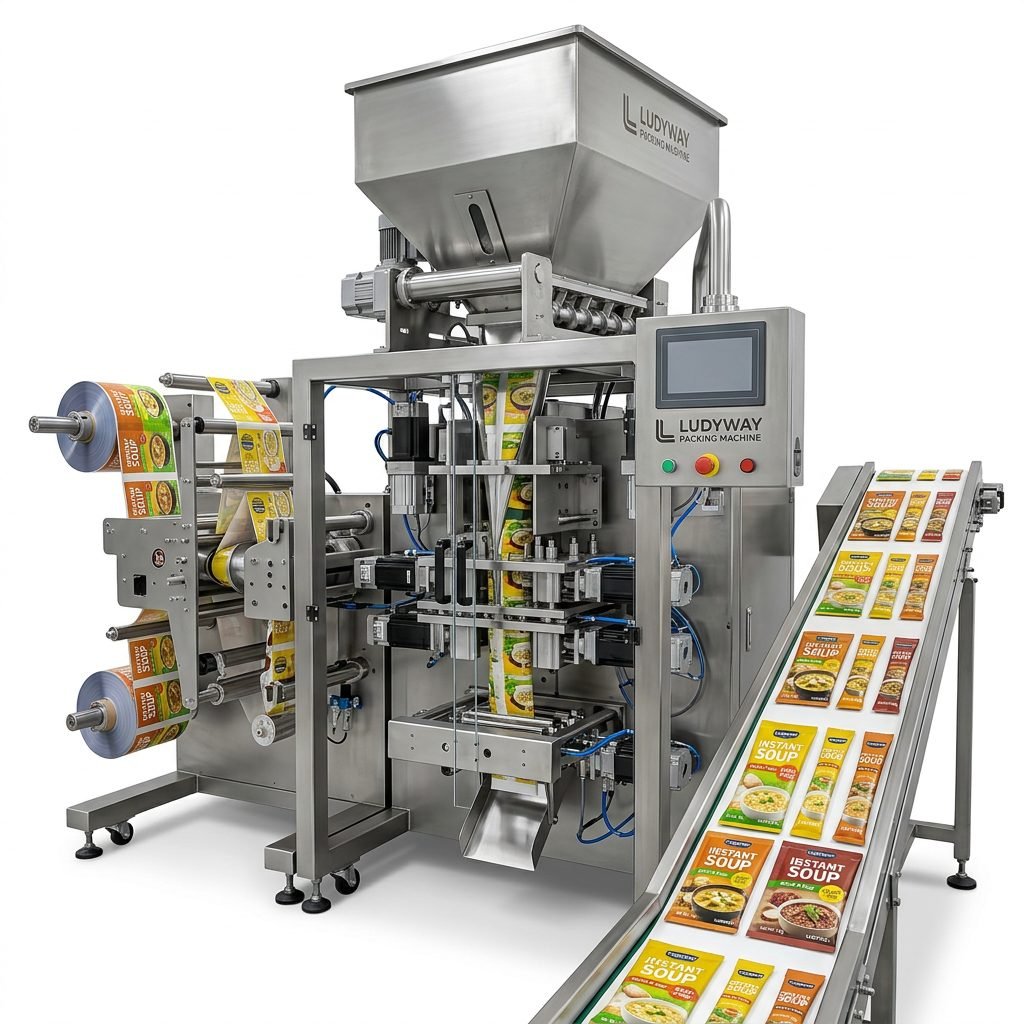
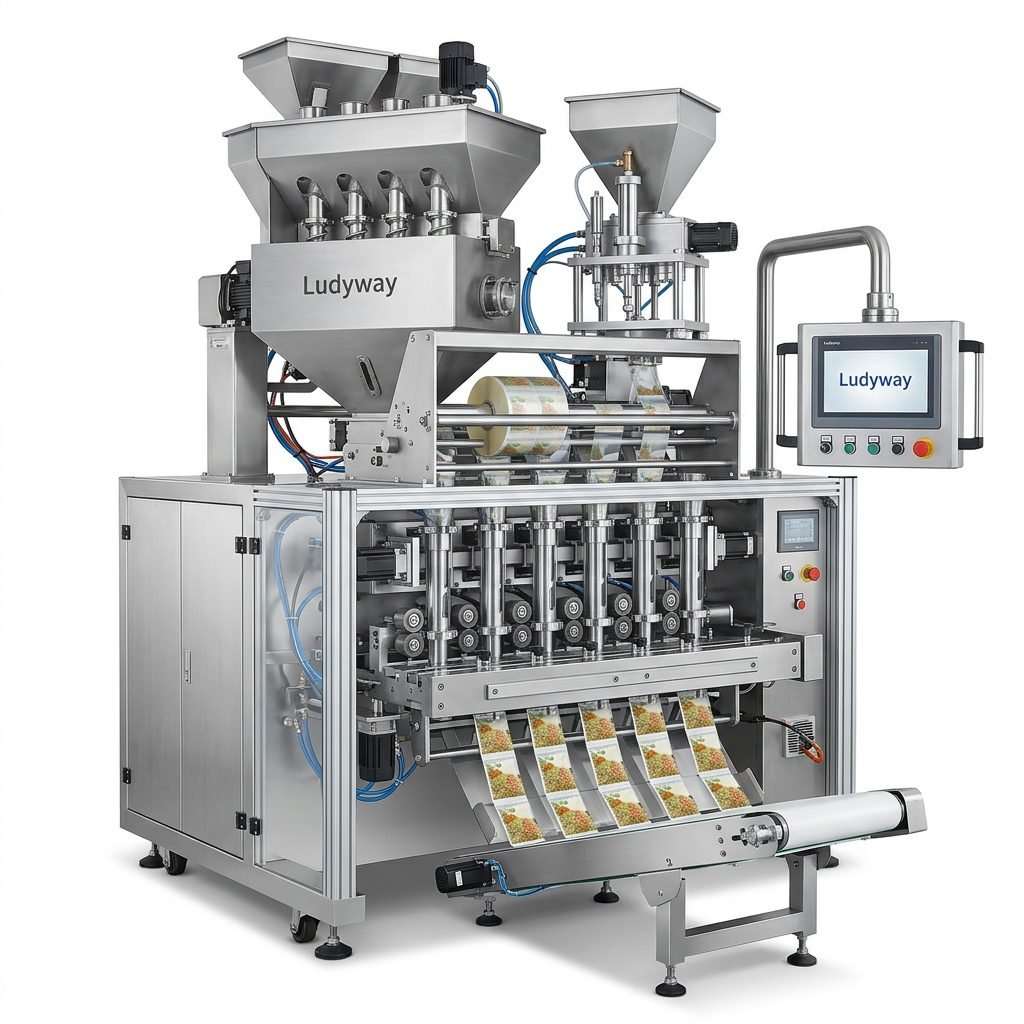
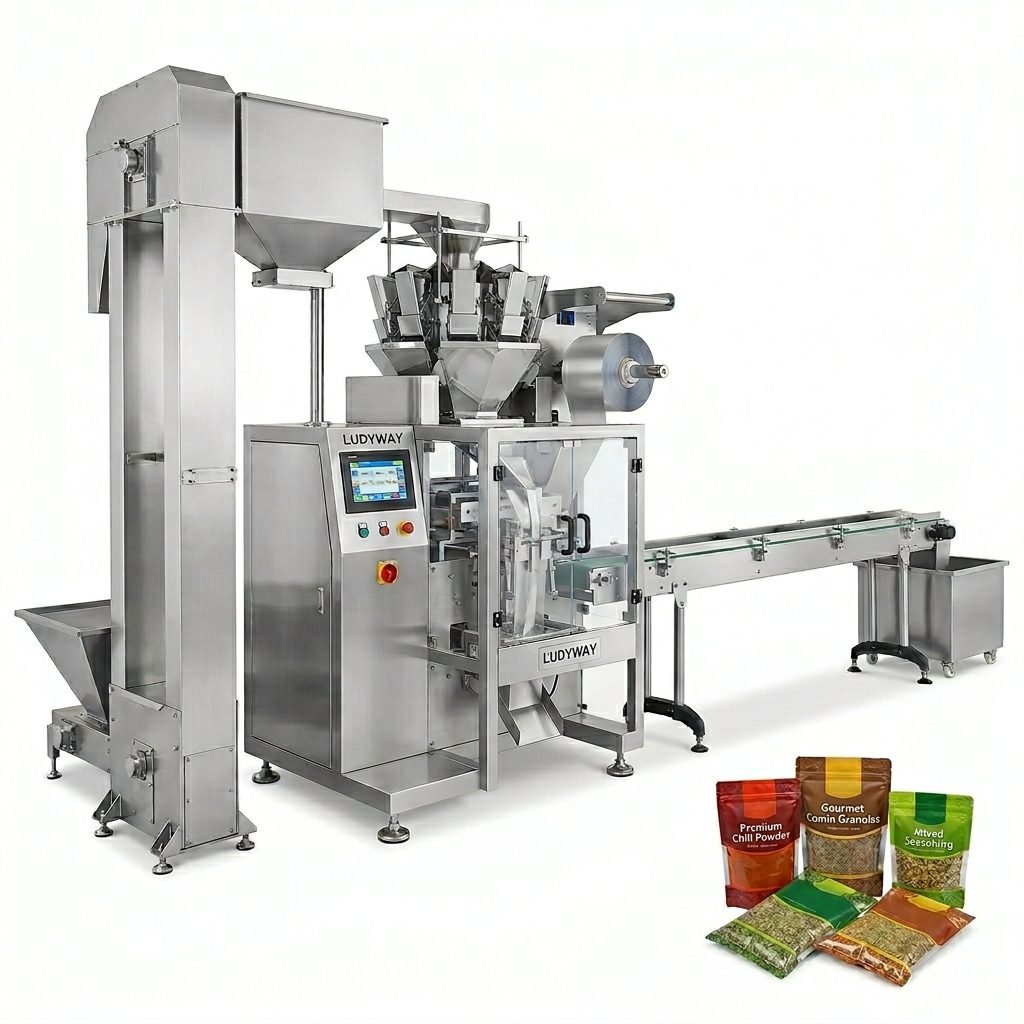
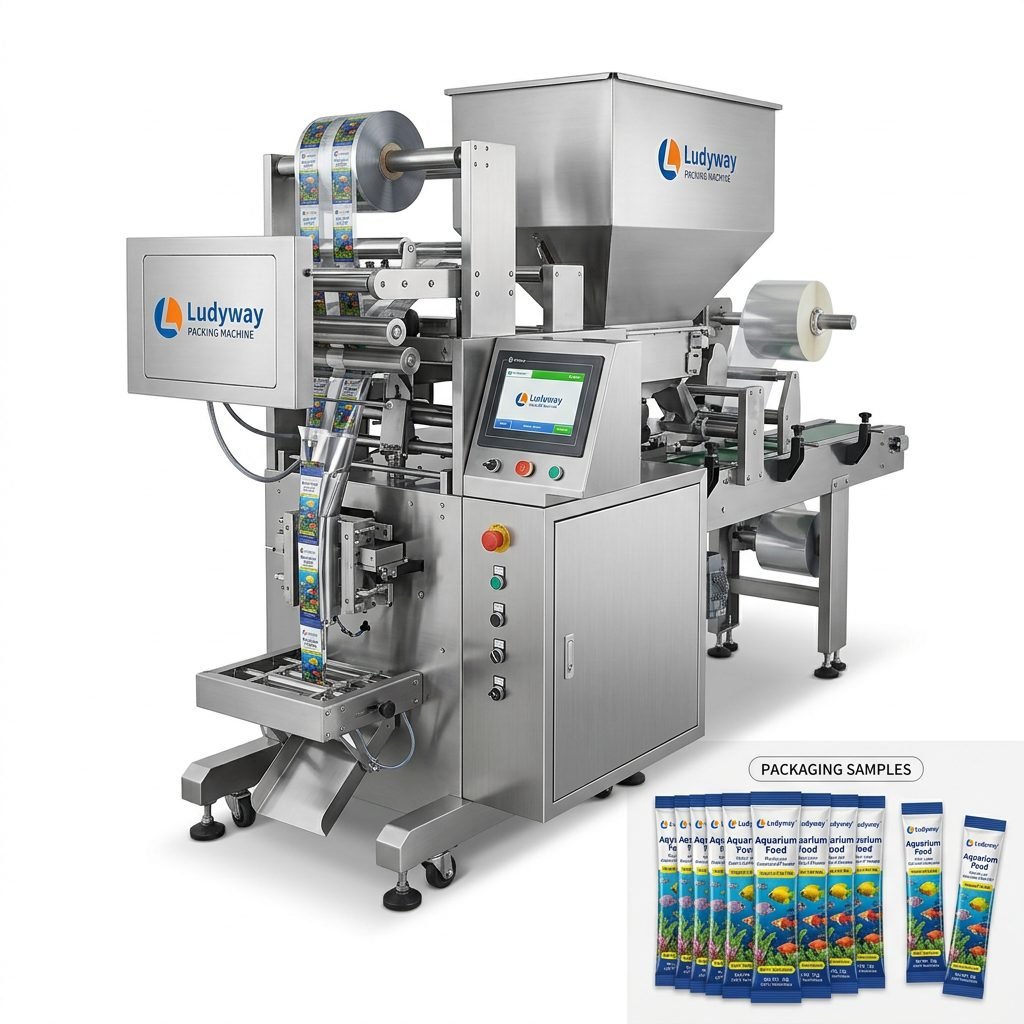
In the modern manufacturing landscape, labeling and packaging machines are critical components for product presentation, brand identification, and operational efficiency. This guide explores the various types of machines, their practical applications across industries, and provides a framework for selecting the optimal system for your production needs.
Primary Types of Labeling and Packaging Machines
The machinery spectrum is broad, each type serving a distinct function in the packaging workflow.
Automatic Label Applicators
These systems apply pre-printed labels to products, containers, or packages with high speed and precision. Common variants include wrap-around labelers for cylindrical containers, front-and-back labelers for flat surfaces, and top labelers for carton sealing. Their accuracy ensures consistent brand presentation and crucial information display.
Integrated Packaging Systems
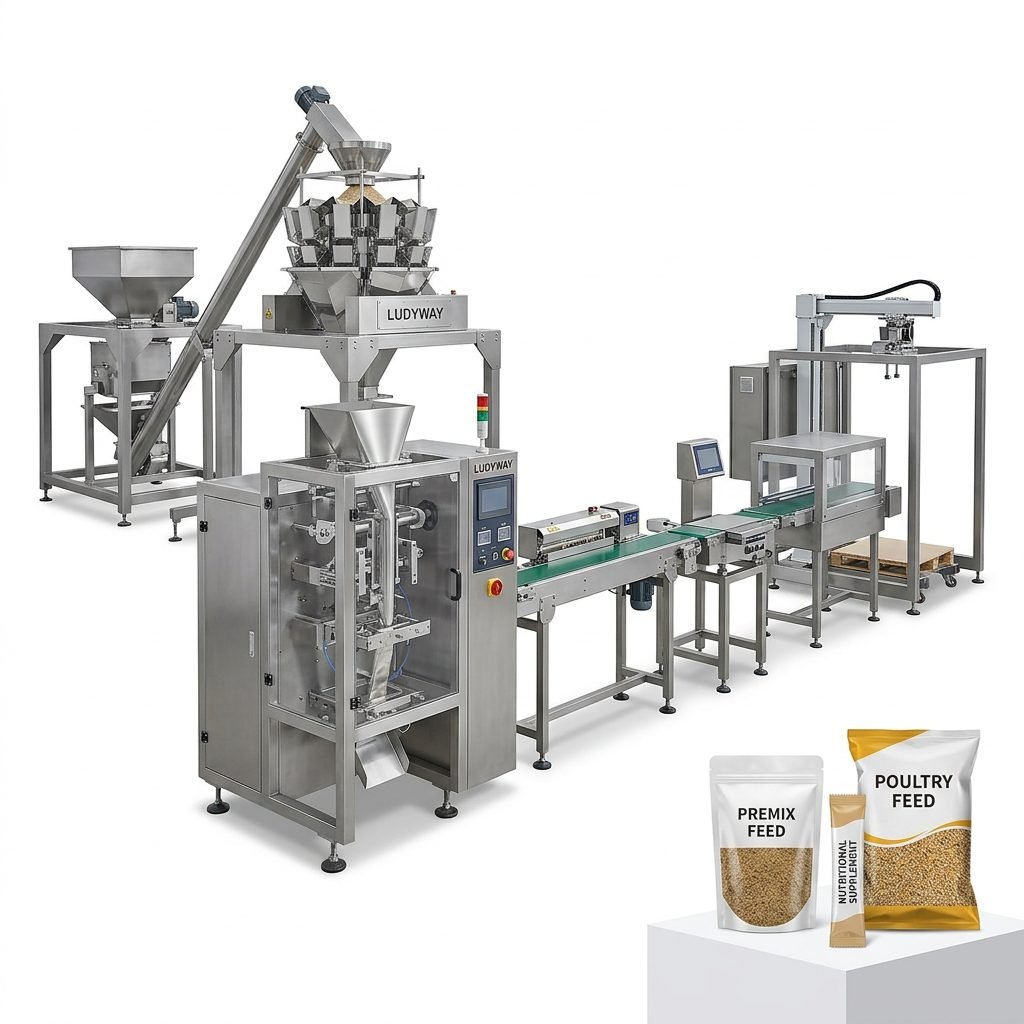
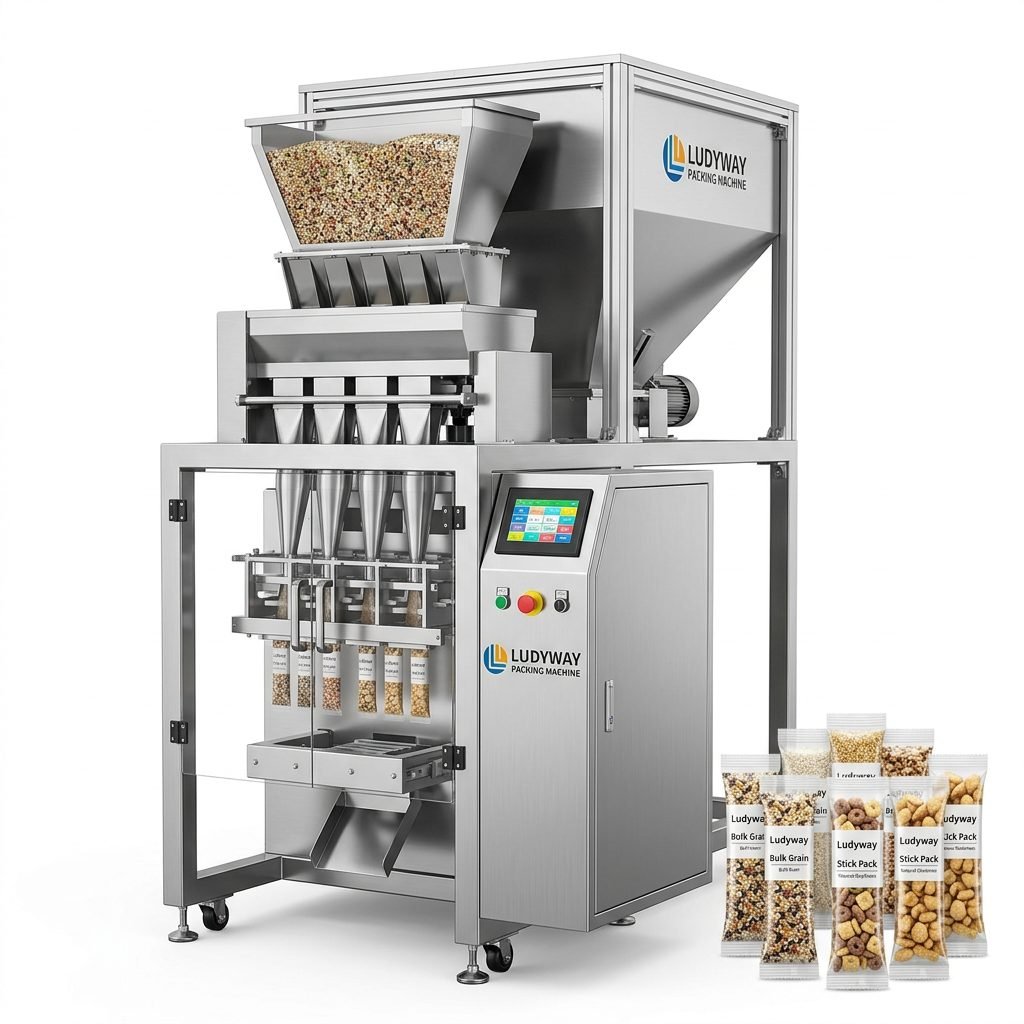
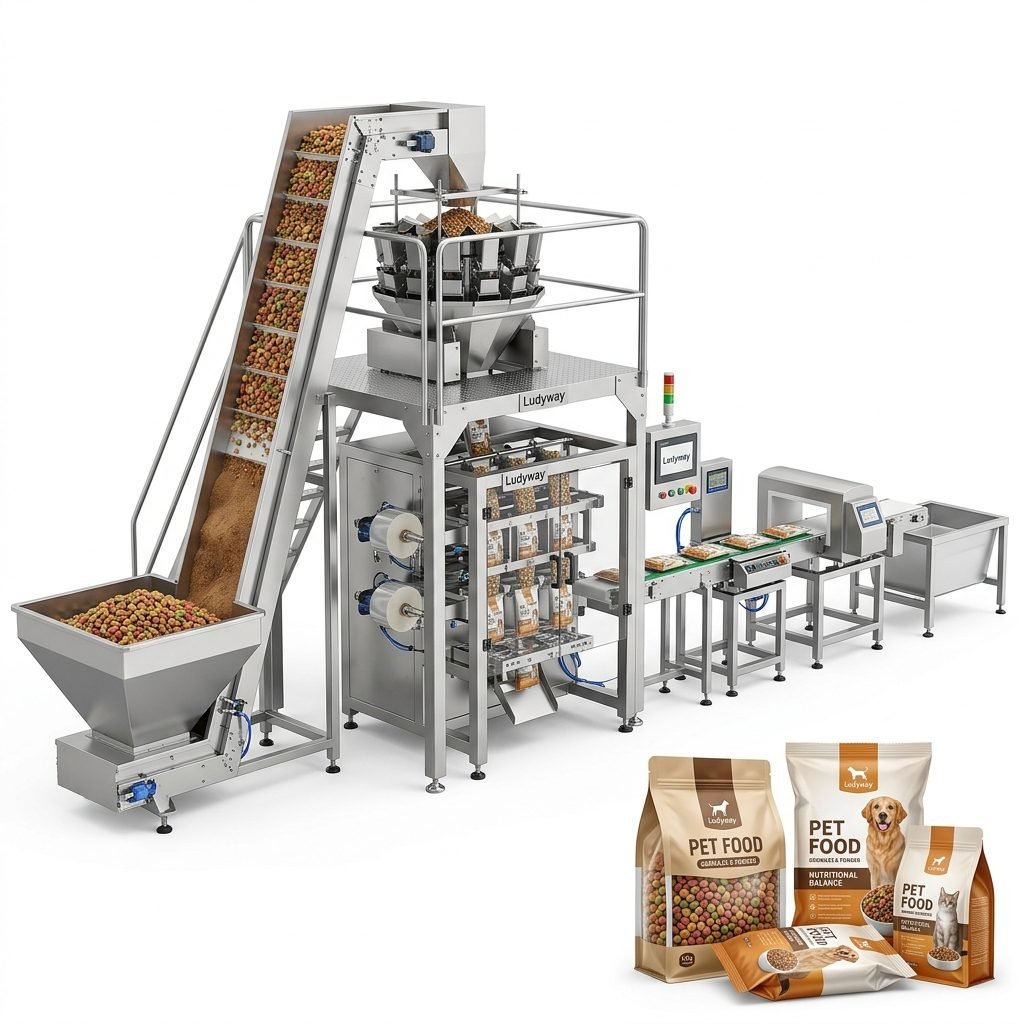
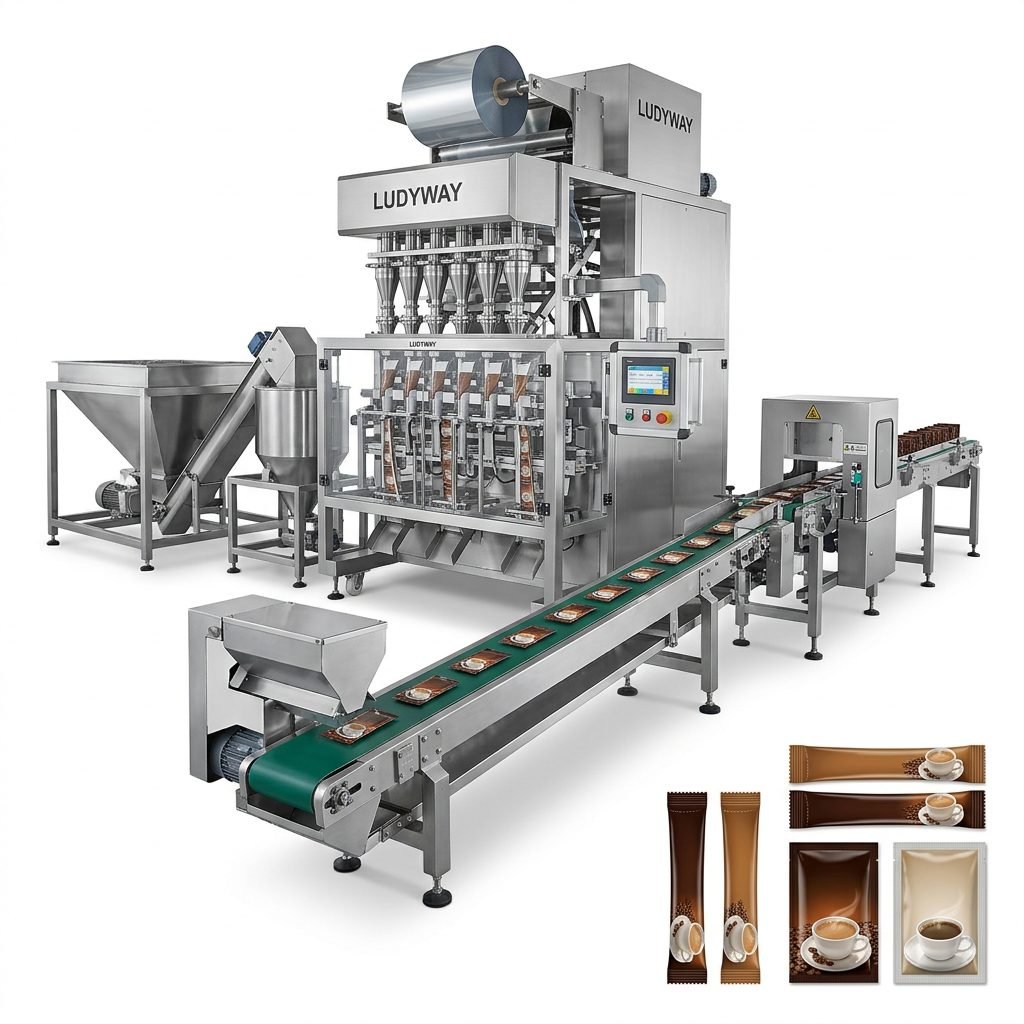
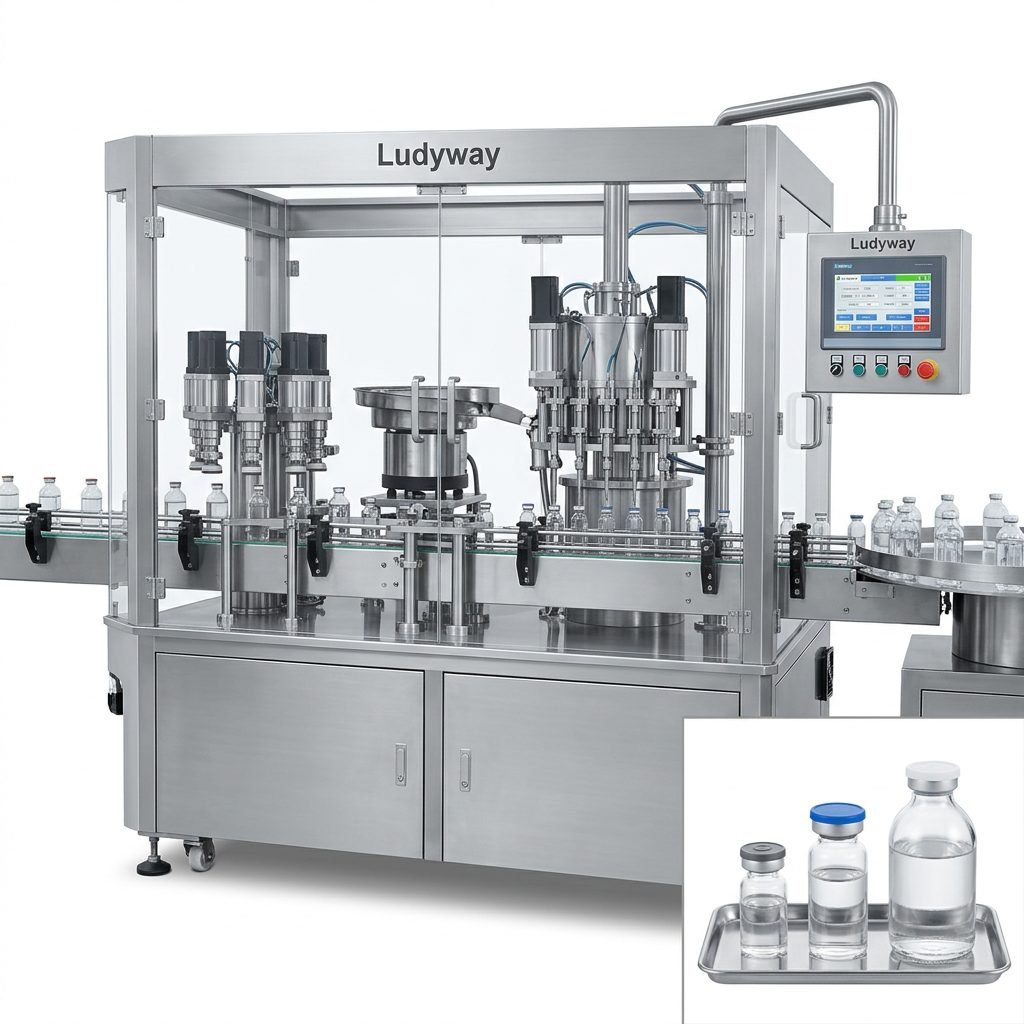
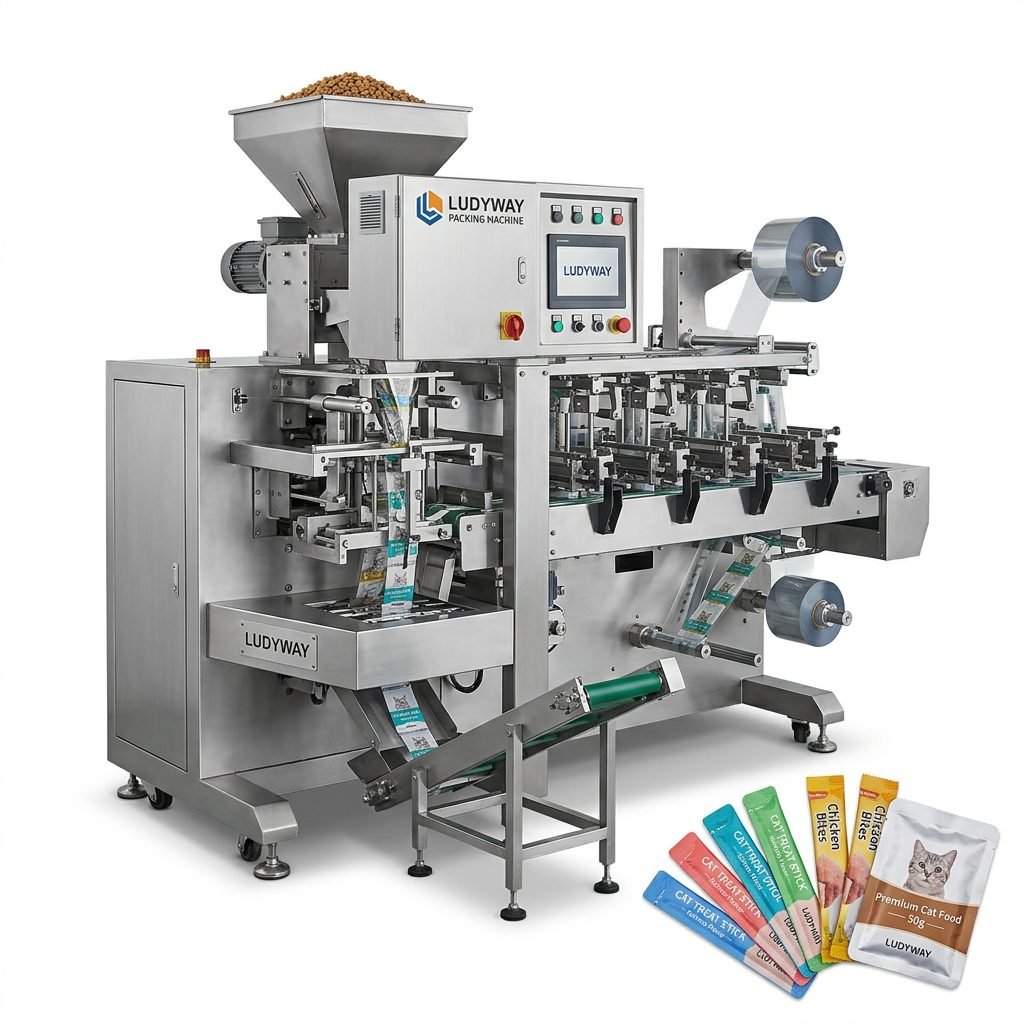
These machines combine multiple functions—such as filling, sealing, and labeling—into a single, synchronized process. They are ideal for high-volume production lines seeking to minimize handling steps and maximize throughput. The integration reduces labor costs and potential error points.
Specialized Coding and Marking Equipment
Beyond applying labels, some systems directly print variable information like batch codes, expiry dates, or barcodes onto the packaging material. This is essential for traceability, compliance with regulatory standards, and inventory management in industries like pharmaceuticals and food.
Key Consideration: The choice between a dedicated label applicator and an integrated system often hinges on production scale, existing line layout, and the need for flexibility versus dedicated speed.
Industry Applications and Uses
The utility of these machines spans virtually every sector involved in physical product distribution.
Food & Beverage Industry
Here, machines must handle diverse container shapes (bottles, cans, jars, pouches) and often operate in environments requiring hygiene and resistance to moisture. Labeling provides nutritional information, branding, and compliance labels. High-speed systems are paramount for meeting large-scale consumer demand.
Pharmaceutical & Healthcare
Accuracy and compliance are non-negotiable. Machines apply labels containing dosage instructions, active ingredients, lot numbers, and safety warnings. Tamper-evident and serialization labeling are increasingly important. The environment often requires cleanroom-compatible or stainless-steel construction.
Cosmetics & Personal Care
Packaging is a key part of the brand experience and product appeal. Machines often handle delicate or premium containers, requiring precision to avoid damage. Applications include labeling for bottles, tubes, and boxes, with a focus on aesthetic alignment and quality finish.
Industrial & Chemical Products
Durability and clarity are critical. Labels must withstand potentially harsh storage or transport conditions and clearly display handling instructions, hazard symbols, and technical data. Machines need robustness to handle heavier containers and potentially thicker label stocks.
How to Choose the Right Labeling and Packaging System
Selecting the appropriate machinery is a strategic decision. A systematic evaluation of your specific requirements will lead to a more successful investment.
1. Assess Your Product and Container Profile
Begin with the physical characteristics: the size, shape, and material of your containers or products. Also, consider the label itself—its size, material (paper, vinyl, foil), and application type (full wrap, spot label). The machine must be compatible with these physical parameters.
2. Evaluate Production Volume and Speed Requirements
Determine your required output per hour, day, or shift. This will dictate whether you need a semi-automatic, automatic, or high-speed continuous motion system. Consider future growth projections to ensure the machine has capacity headroom.
3. Define Integration Needs with Existing Lines
How will the new machine fit into your current workflow? Does it need to interface with upstream fillers or downstream cartoners? Consider connectivity (PLC, sensors), physical footprint, and the potential for automation (robotic loading/unloading).
4. Prioritize Accuracy, Flexibility, and Changeover
For many operations, label placement accuracy is vital. Furthermore, if you run multiple products with different containers or labels, evaluate how quickly and easily the machine can be adjusted or “changed over” for a different run. Quick-change features save significant time.
5. Consider Operational Environment and Support
Will the machine operate in a clean, dry area or a more challenging environment? This affects material choices. Also, factor in the availability of technical support, training, spare parts, and service from the supplier or manufacturer. Reliable after-sales support is crucial for long-term operation.
Final Selection Checklist
- ✅ Container/Label Compatibility
- ✅ Required Output Speed (Units/Hour)
- ✅ Integration with Current Machinery
- ✅ Accuracy Tolerance and Flexibility Needs
- ✅ Supplier Reliability and Service Support
Investing in the right labeling and packaging machinery enhances brand consistency, improves line efficiency, reduces waste, and ensures regulatory compliance. By thoroughly analyzing your product needs, volume targets, and operational context, you can select a system that becomes a reliable and productive asset for years to come.
Frequently Asked Questions (FAQs)
What is the main difference between a labeling machine and an integrated packaging system?
A labeling machine is typically a standalone unit designed specifically to apply labels to already-formed or filled containers. An integrated packaging system combines several functions (like filling, capping, and labeling) into one continuous automated line, offering higher throughput for dedicated, high-volume production.
How important is machine flexibility for a company with multiple product lines?
Extremely important. Flexibility in terms of quick changeover between different container sizes, shapes, and label types minimizes downtime when switching production runs. Features like adjustable labeling heads, easy-programming interfaces, and modular designs are key for multi-product operations.
What are the key maintenance requirements for automatic labeling machines?
Regular maintenance includes cleaning sensors and optical components, checking and lubricating mechanical drives, ensuring label web path cleanliness, and calibrating application heads. Preventive maintenance schedules, as recommended by the manufacturer, are essential to prevent unexpected failures and maintain accuracy.
Can existing packaging lines be upgraded with new labeling automation?
Yes, in many cases. Retrofitting an automatic labeler onto an existing semi-automatic line is a common upgrade path. It requires evaluating line speed compatibility, physical space for the new unit, and potential control system integration. Many suppliers offer solutions designed for such upgrades.
What should I look for in a supplier beyond the machine itself?
Look for a supplier with a strong track record in your industry, responsive technical support, availability of spare parts, and comprehensive training offerings. The ability to provide customized solutions or modifications is also a valuable indicator of deep expertise and commitment to customer success.