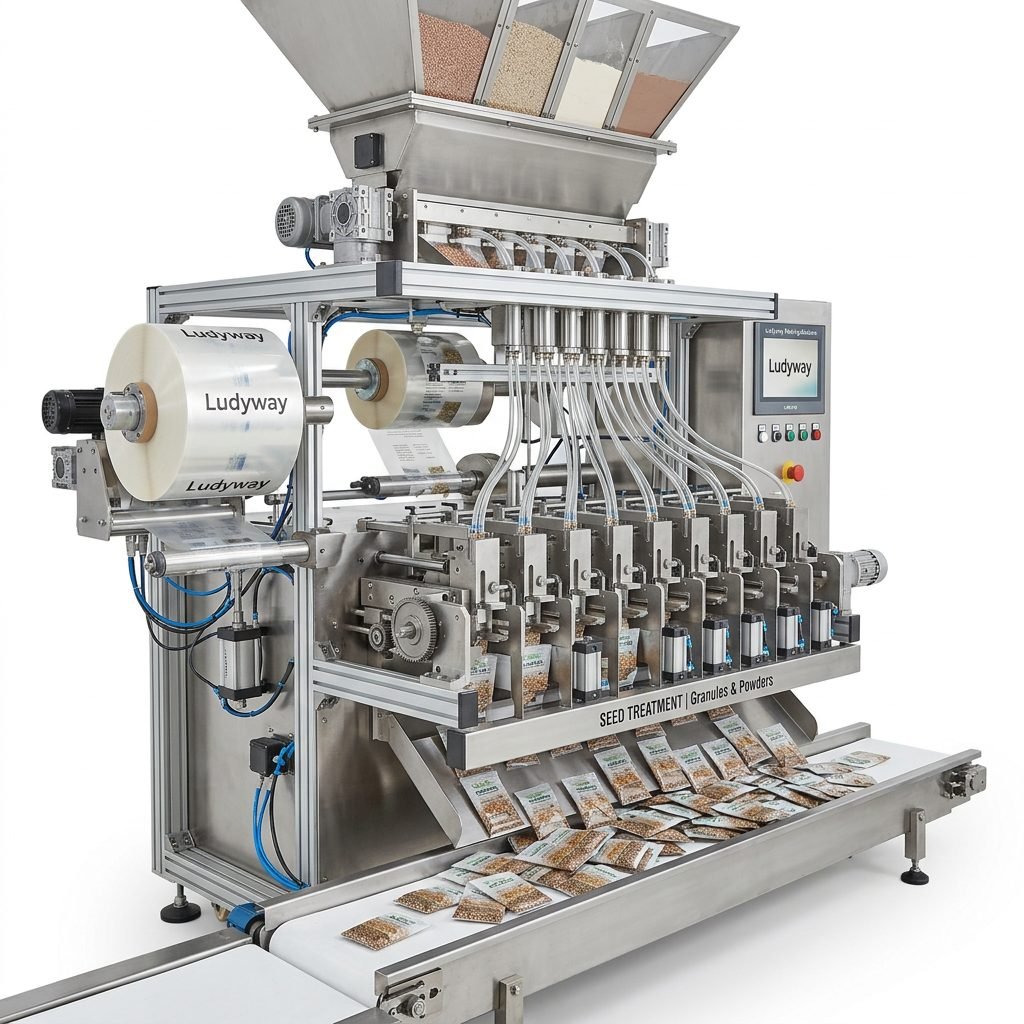
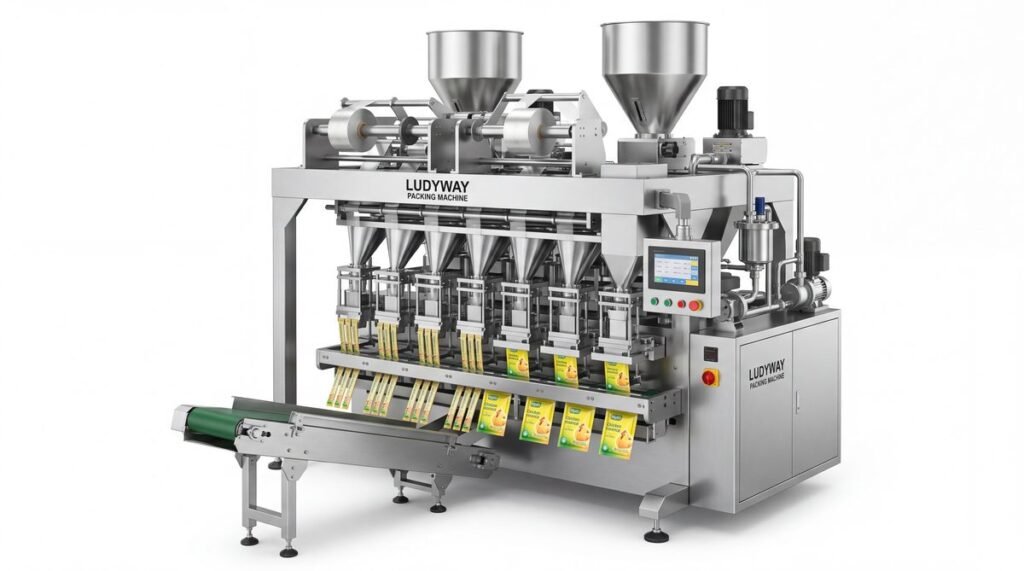
Selecting the right unit dose medication packaging machine, often called an automatic pill packer, is a critical decision for pharmaceutical manufacturers, compounding pharmacies, and contract packagers. This equipment directly impacts product safety, regulatory compliance, operational efficiency, and overall cost-effectiveness. With various technologies and configurations available, navigating the options can be complex. This comprehensive guide will walk you through the key factors to consider to ensure you choose the best machine for your specific needs and production goals.
Understanding Unit Dose Packaging and Its Importance
Unit dose packaging involves individually wrapping a single dose of medication—be it a tablet, capsule, or powder—in a sealed pouch or blister. This method offers significant advantages over bulk packaging, including enhanced patient safety by reducing medication errors, improved hygiene by protecting each dose until consumption, and better inventory control. Automatic pill packers are engineered to perform this task at high speeds with precision, handling everything from counting and filling to sealing and coding.
Core Benefits of Automated Unit Dose Packaging:
→ Accuracy & Compliance: Minimizes counting errors and ensures each pack contains the exact prescribed dose, which is crucial for meeting stringent FDA and EMA regulations.
→ Speed & Efficiency: Dramatically increases output compared to manual packing, allowing you to scale production to meet demand.
→ Product Protection: Creates a robust barrier against moisture, light, and contamination, extending shelf life and maintaining drug efficacy.
→ Traceability: Facilitates easy printing of batch numbers, expiry dates, and barcodes on each pouch, supporting track-and-trace requirements.
Key Factors to Consider When Choosing Your Machine
Your choice must align with your product portfolio, production volume, and operational environment. Here are the essential aspects to evaluate.
1. Machine Type and Packaging Format
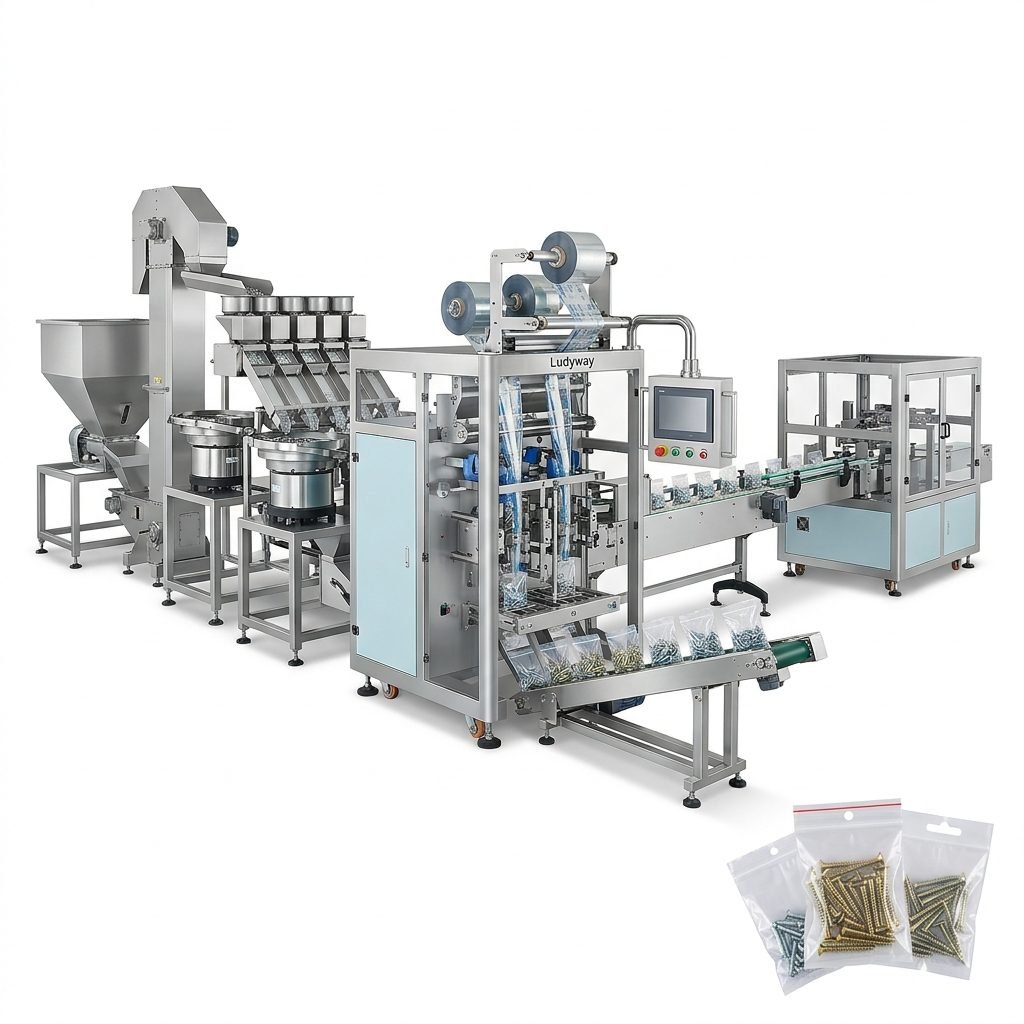
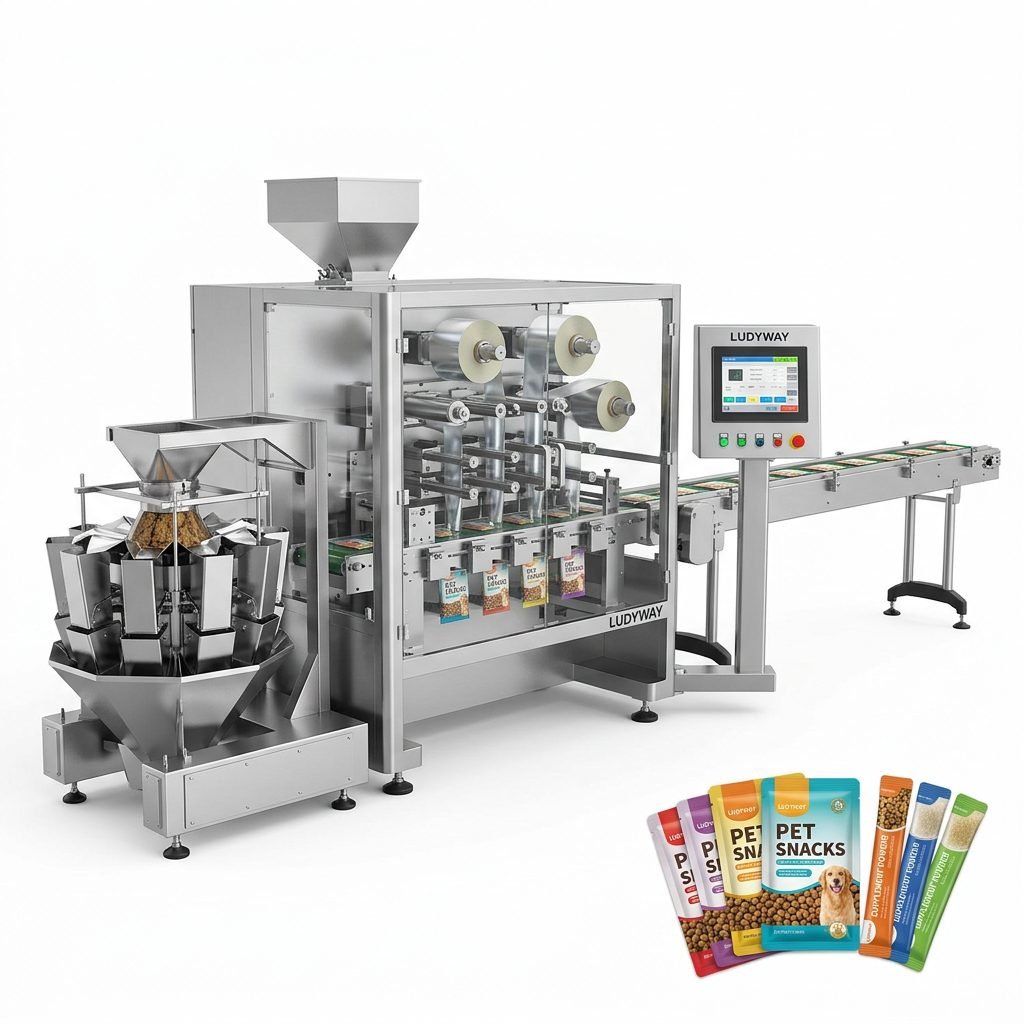
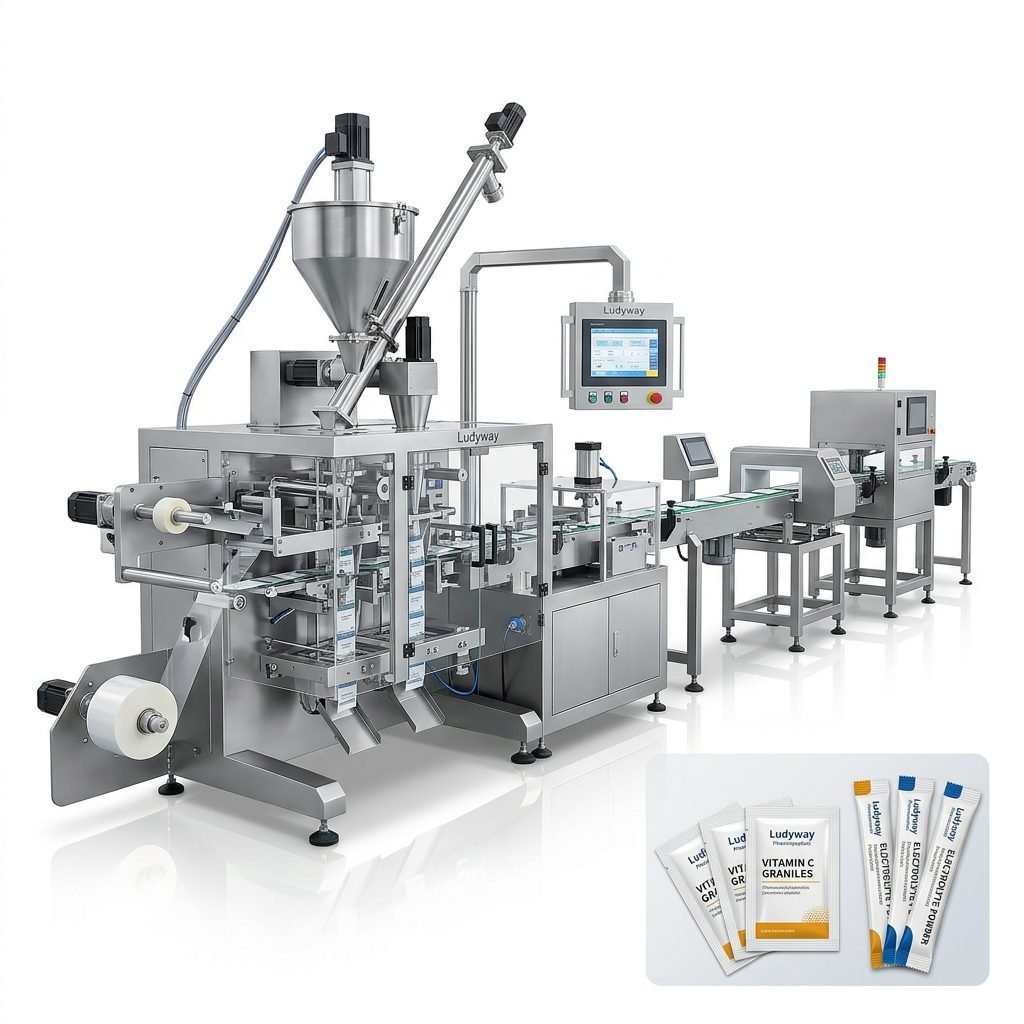
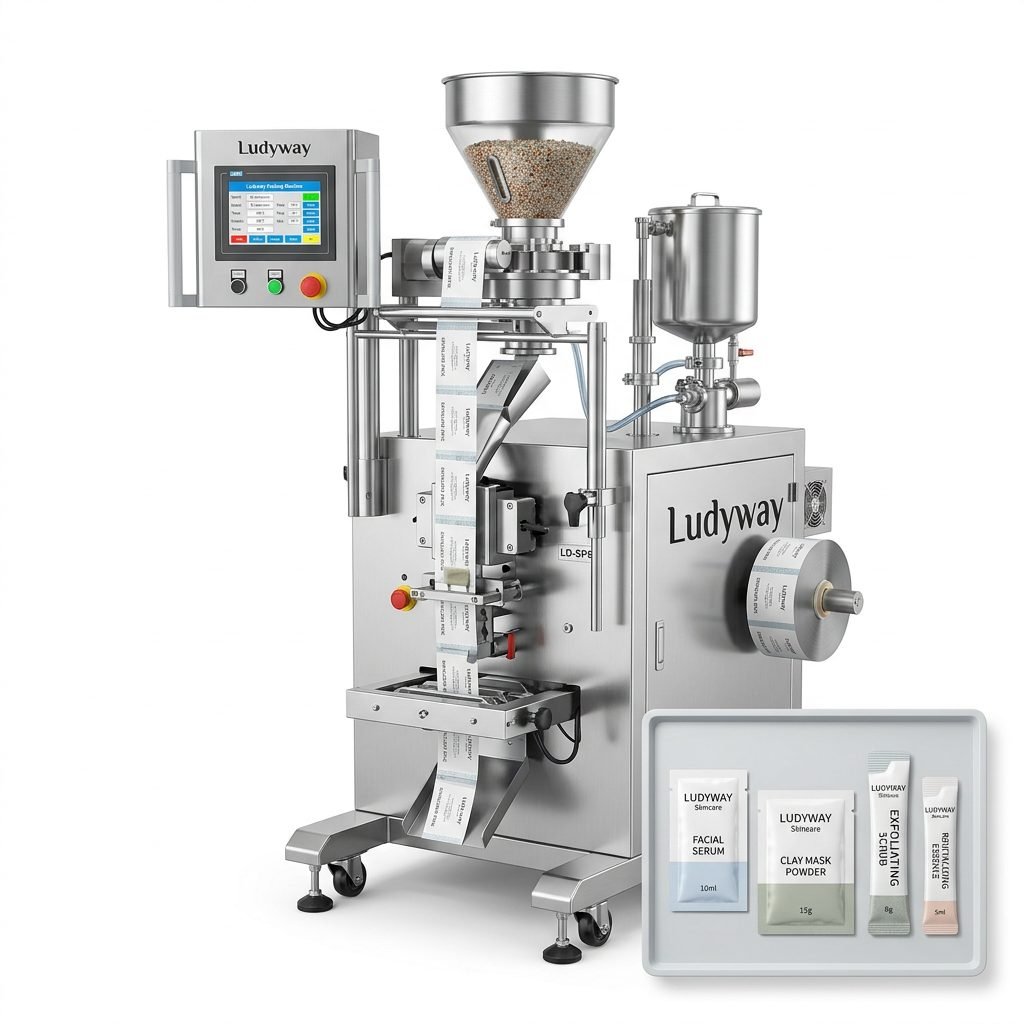
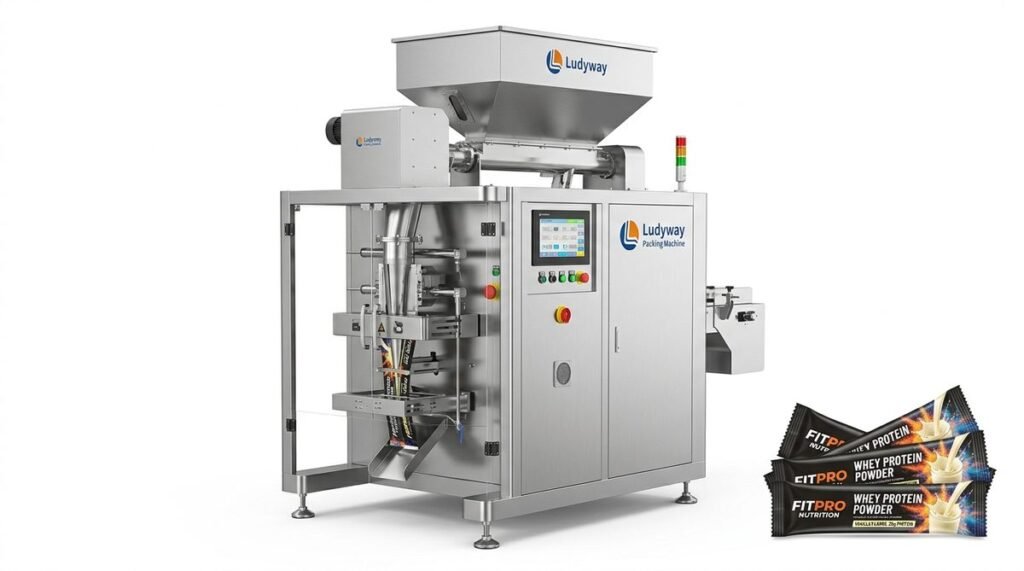
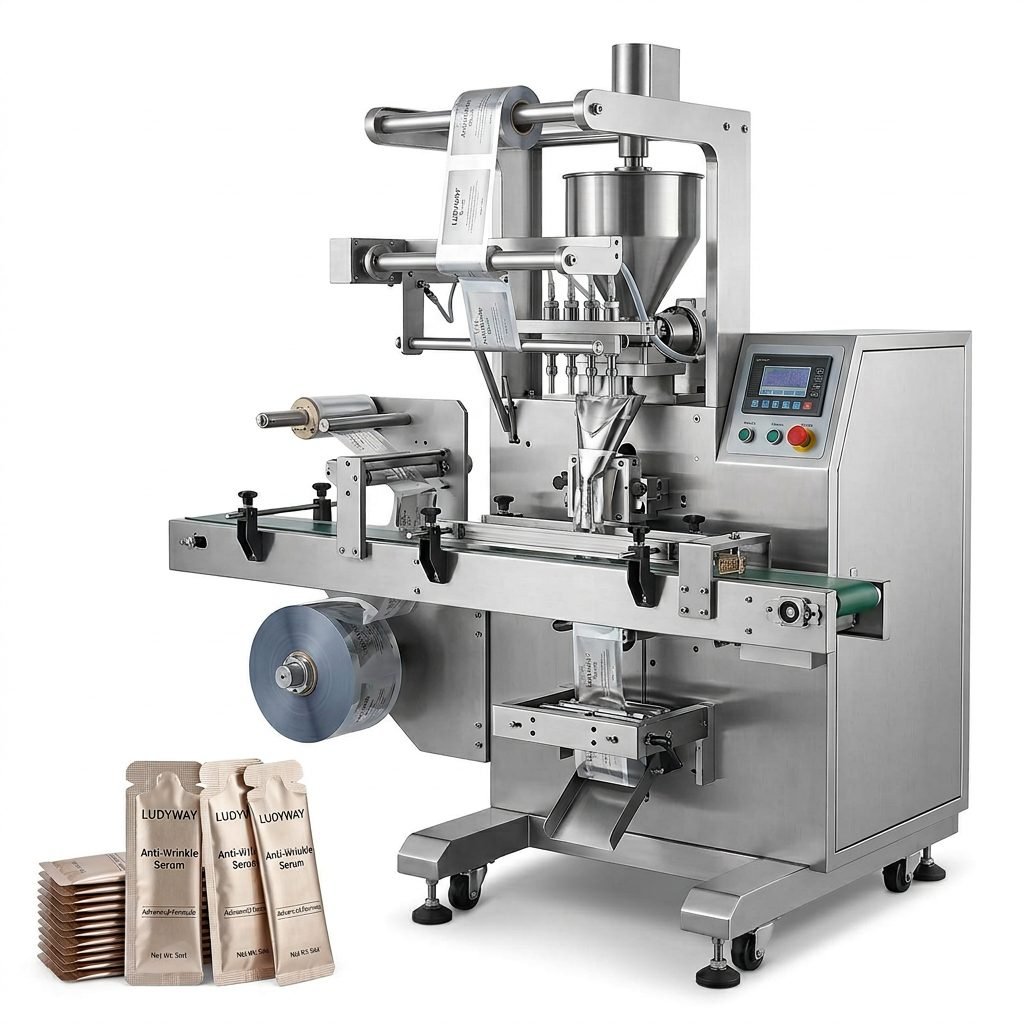
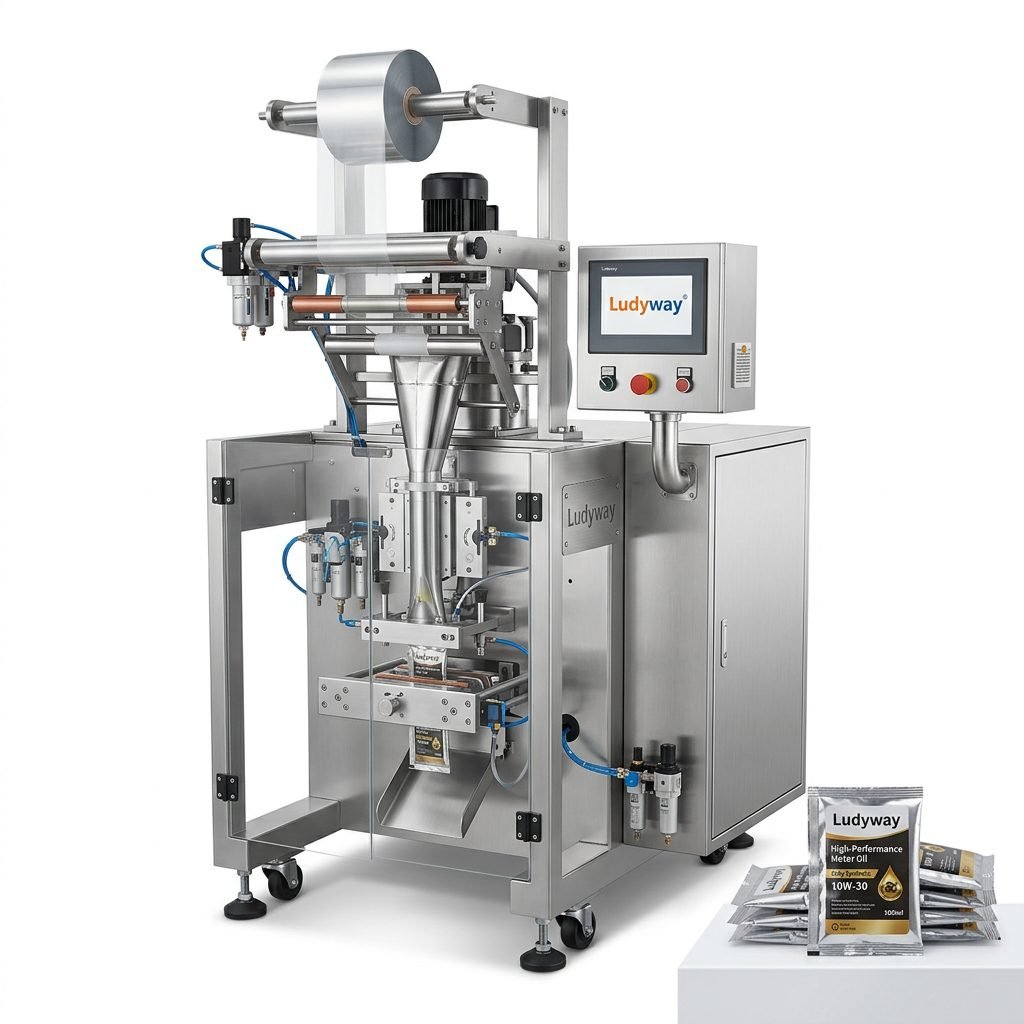
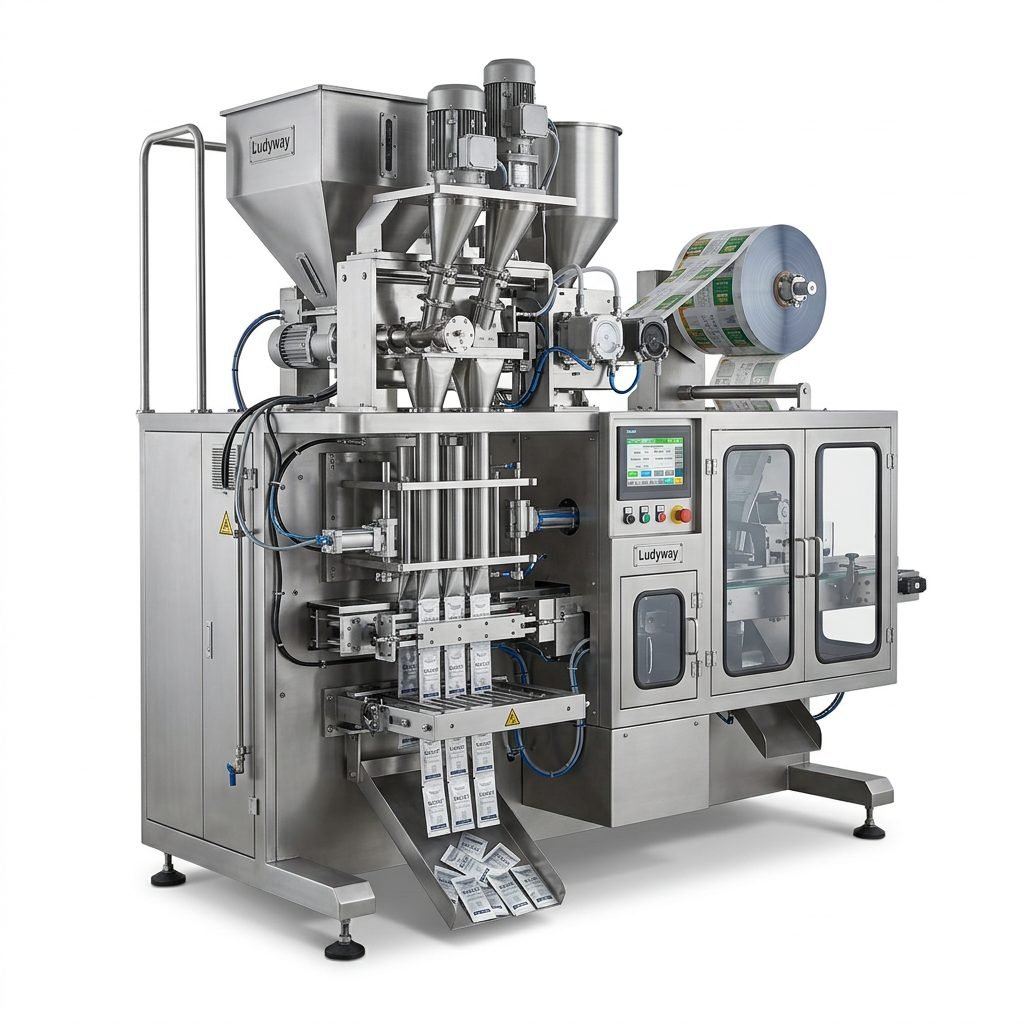
The first decision is between vertical form-fill-seal (VFFS) pouch machines and blister packaging lines. VFFS machines are incredibly versatile, creating pouches from a roll of film on-demand. They are ideal for powders, granules, and odd-shaped tablets. Blister packers form cavities in a plastic or aluminum sheet, are perfect for high-volume tablet and capsule packaging, and often integrate with cartoning equipment. Consider your primary product forms and whether you need the patient-friendly convenience of blister packs or the flexible, lower-cost-per-unit option of pouches.
2. Production Speed and Output Requirements
Machines are rated by packs per minute (PPM). Assess your current and projected future volumes. A benchtop model offering 30-60 PPM may suffice for a pharmacy or small lab, while large-scale manufacturing may require a multi-lane system exceeding 200 PPM. Remember, sustainable efficiency is more valuable than peak speed if it compromises reliability or changeover flexibility.
3. Product Handling and Counting Technology
How the machine handles your specific product is paramount. For tablets and capsules, evaluate the counting mechanism:
- Vibratory Counting Channels: Reliable and cost-effective for round, uniform tablets.
- Vision-Based Counting Systems: Use cameras to count and inspect, handling a wider variety of shapes and detecting defects.
- Weighing Systems (Loss-in-Weight): Essential for accurate dosing of powders and granules, often integrated with auger fillers.
Ensure the machine can gently handle your product to prevent breakage or dusting, especially with friable tablets.
4. Flexibility and Changeover Ease
If you run multiple SKUs with different pill sizes or powder formulations, quick changeover is vital. Look for machines with tool-less adjustments, easy-to-swap parts like forming collars or counting heads, and recipe storage in the PLC. This minimizes downtime and maximizes equipment utilization, a key factor for lean manufacturing principles.
Critical Technical Specifications Checklist:
✔ Packaging Material: Compatibility with your film/foil (e.g., PET/ALU/PE, PVC/PVDC).
✔ Machine Dimensions & Utilities: Footprint, power requirements (Voltage/Hz), and compressed air needs.
✔ Control System: User-friendly HMI (Human-Machine Interface) with intuitive software for setup and monitoring.
✔ Safety Features: Emergency stops, guards, and compliance with machinery safety standards (e.g., CE, UL).
✔ Integration Capability: Can it connect to upstream (counting) or downstream (cartoning, labeling) equipment?
Beyond the Machine: The Importance of Supplier Support
The machine itself is only part of the solution. The manufacturer or supplier’s support ecosystem is equally critical for long-term success.
Technical Support and Service
Verify the availability of installation, training, and ongoing technical support. A reliable supplier should offer remote diagnostics, a spare parts inventory, and responsive service engineers. This minimizes potential production halts due to technical issues.
Quality and Compliance Assurance
Partner with a supplier experienced in pharmaceutical packaging. They should understand GMP (Good Manufacturing Practice) requirements and be able to provide documentation like FAT (Factory Acceptance Test) protocols, IQ/OQ (Installation/Operational Qualification) support, and machine construction details suitable for easy cleaning and validation.
Companies with deep industry expertise, such as Ludyway Machinery, bring valuable insight. With over 30 years of experience in packaging solutions, they focus on delivering reliable, efficient automated systems tailored to complex production needs. Their approach combines robust engineering with an understanding of the critical compliance and precision required in pharmaceutical packaging.
Implementing Your New Automatic Pill Packer
Successful implementation involves careful planning. Start with a clear User Requirements Specification (URS). Plan for site preparation, including utilities and space. Insist on comprehensive operator and maintenance training from the supplier. Finally, develop a validation plan (IQ, OQ, PQ) to ensure the machine performs consistently within your defined parameters, creating a foundation for quality and compliance.
Frequently Asked Questions (FAQs)
1. What is the typical price range for an automatic unit dose packaging machine?
Prices vary widely based on speed, complexity, and features. Basic single-lane pouch machines can start from $20,000, while high-speed, multi-lane blister lines with advanced vision inspection can exceed $200,000. A detailed quote based on your specific requirements is essential.
2. Can one machine handle both tablets and powder sachets?
Some versatile VFFS machines can be configured for both by changing the feeding and filling systems (e.g., from a counting head to an auger filler). However, changeover may require significant part swaps and re-validation. For frequent switching between vastly different product types, dedicated machines are often more efficient.
3. How important is the printing quality on the pouches?
It is critically important for compliance and patient safety. High-resolution thermal transfer printers (TTO) are standard for printing legible, smudge-proof batch codes, expiry dates, and product names directly onto the film, meeting regulatory requirements for traceability.
4. What are the most common maintenance requirements?
Regular daily cleaning to prevent cross-contamination and dust buildup is paramount. Periodic lubrication of moving parts, inspection of sealing jaws for wear, and calibration of weighing or counting systems are also standard. Always follow the manufacturer’s preventative maintenance schedule.
5. How long does it typically take to install and validate a new machine?
The timeline depends on machine complexity. Simple benchtop machines might be operational in a few days. For complex integrated lines, installation can take 1-2 weeks, followed by several more weeks for site-specific operational qualification (OQ) and performance qualification (PQ) activities to ensure validated, compliant production.