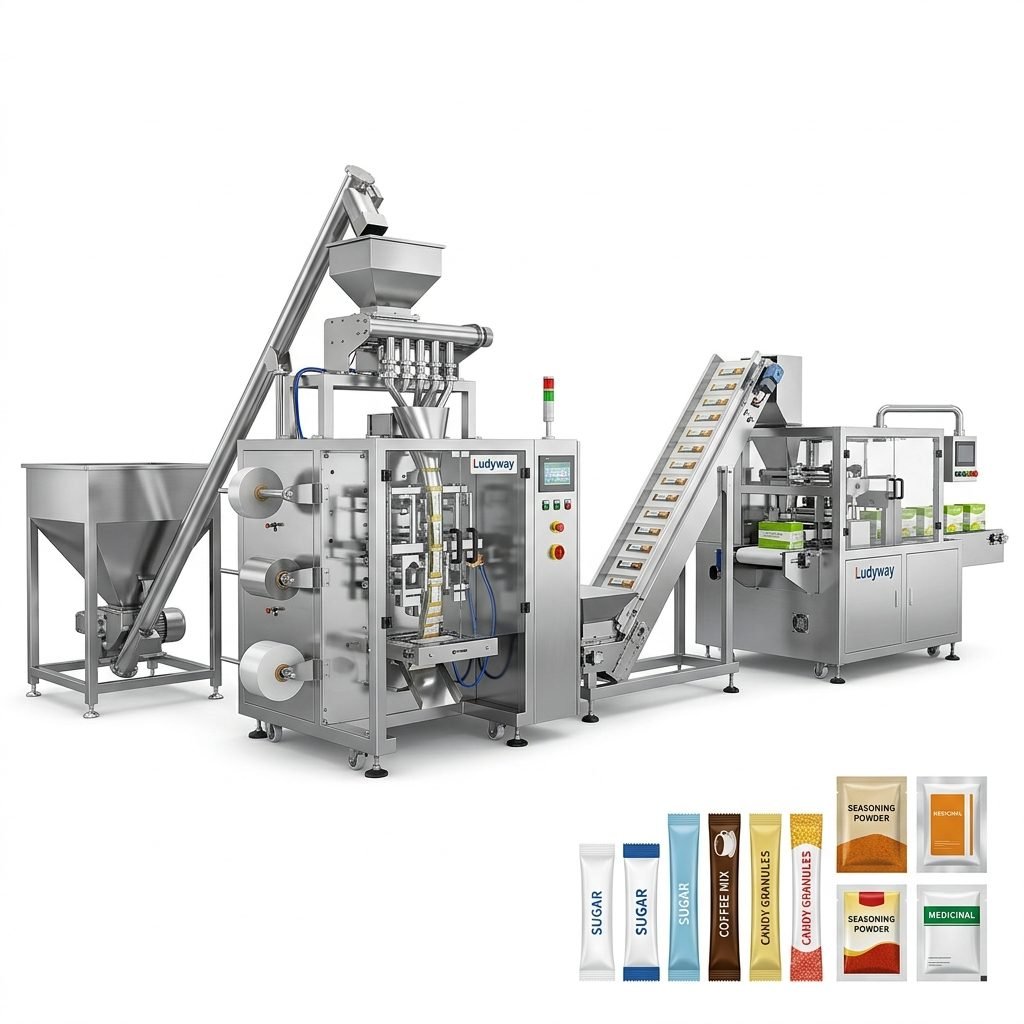
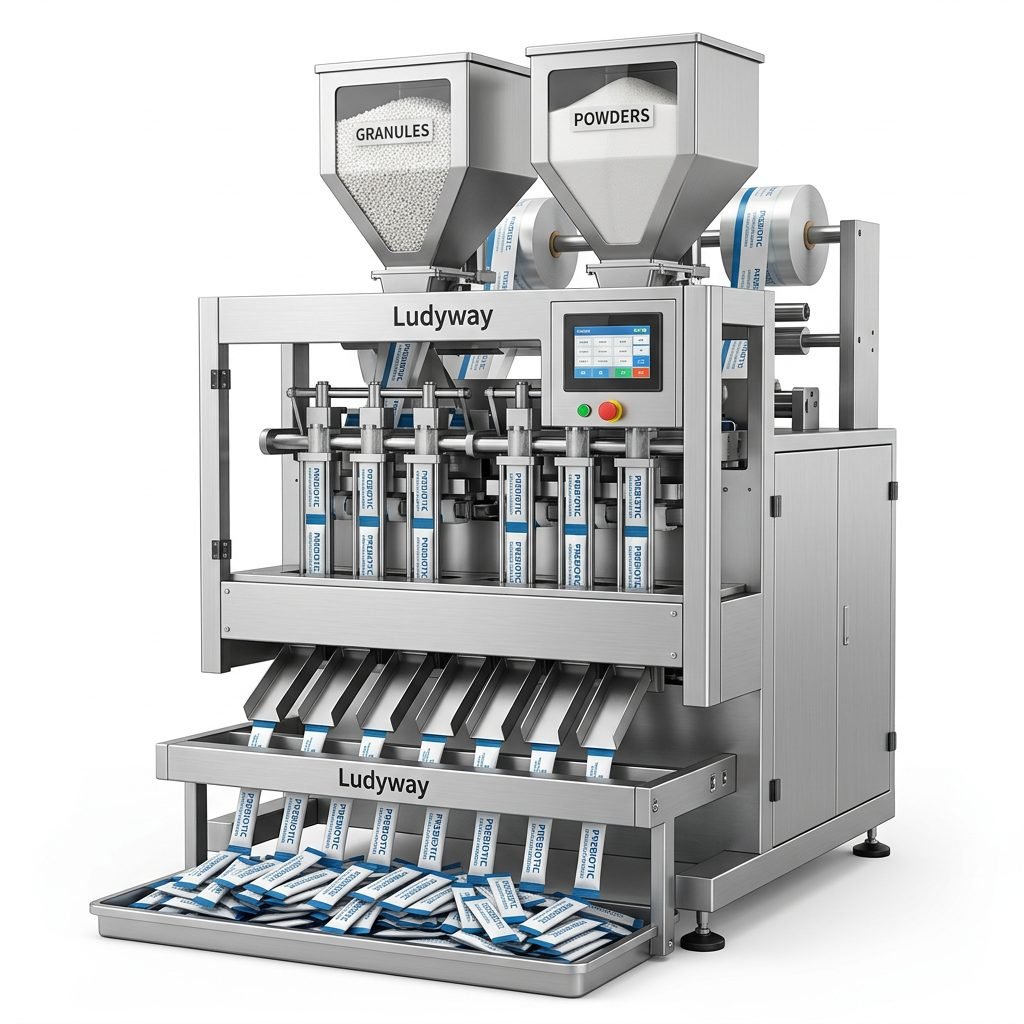
If you are searching for “Packaging Machine Operator Jobs Near Me,” you are likely ready to embark on a stable and rewarding career path in a vital industry. The demand for skilled operators is strong across the United States, driven by the continuous need for packaged goods in food, pharmaceuticals, and consumer products. This guide will help you understand the role, find local openings, and take the first steps toward securing your position in this dynamic field.
What Does a Packaging Machine Operator Do?
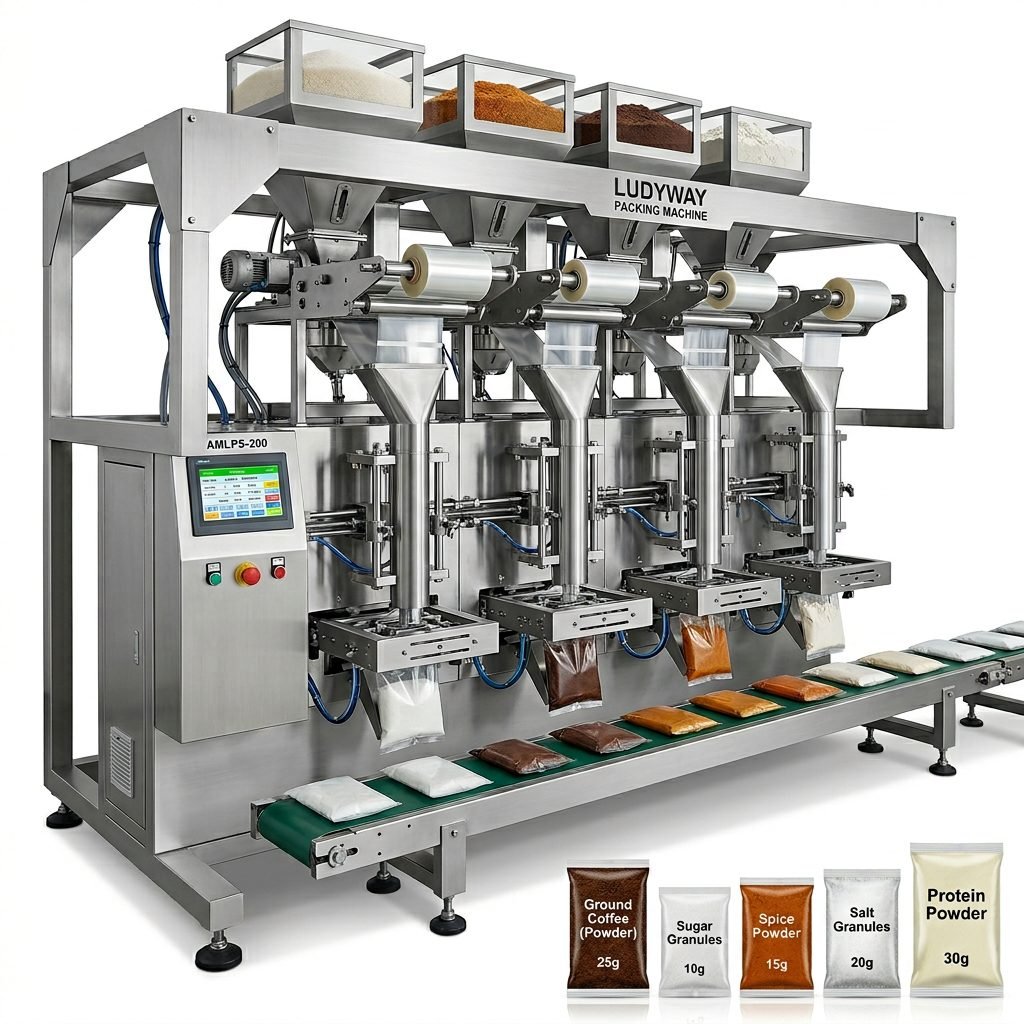
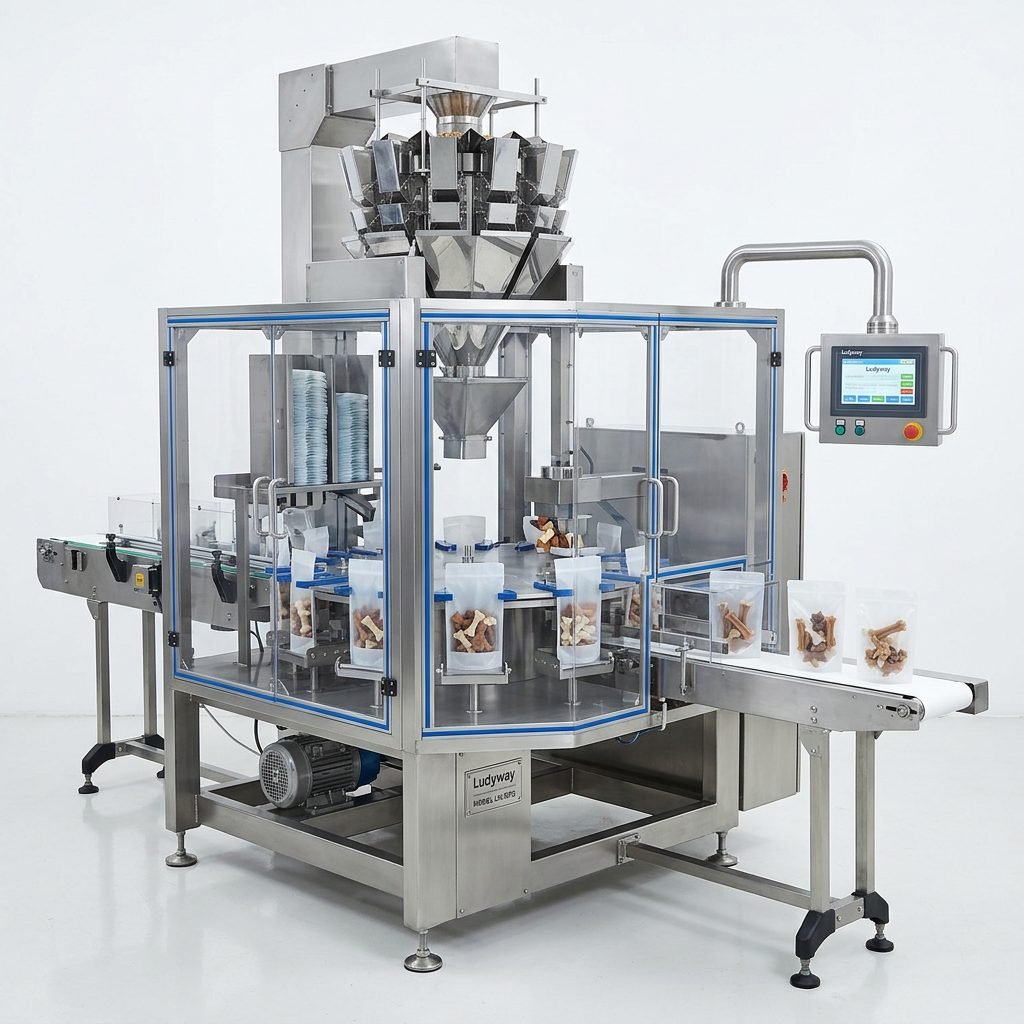
A Packaging Machine Operator is responsible for setting up, operating, monitoring, and maintaining machinery that packages products. This role is crucial in manufacturing and production facilities, ensuring that items are sealed, labeled, and prepared for distribution efficiently and safely. Daily tasks often include:
• Machine Setup & Calibration: Preparing equipment for production runs according to specific product requirements.
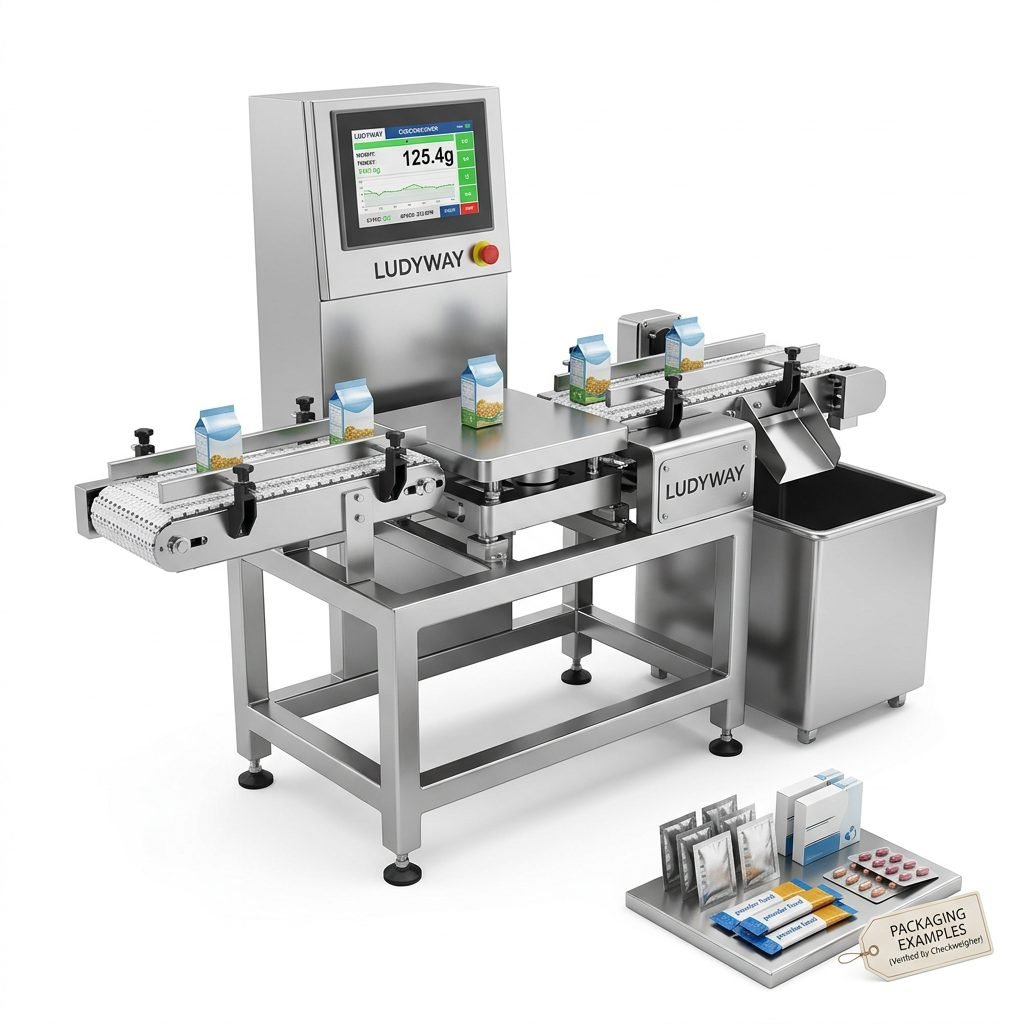
• Quality Control: Inspecting packages for defects, ensuring correct labeling, and verifying seal integrity.
• Monitoring & Troubleshooting: Watching machine operations, identifying jams or malfunctions, and performing basic adjustments.
• Maintenance & Cleaning: Conducting routine cleaning and minor preventive maintenance to keep lines running smoothly.
• Record Keeping: Logging production data, downtime, and quantities packaged.
Essential Skills and Qualifications
Employers typically look for candidates with a blend of technical aptitude and soft skills. While a high school diploma or GED is often the basic requirement, relevant experience or vocational training is a significant advantage.
Technical Skills: Mechanical aptitude, understanding of production processes, ability to read gauges and monitors, and basic computer literacy for machine interfaces.
Soft Skills: Strong attention to detail, reliability, ability to work in a fast-paced team environment, problem-solving skills, and a commitment to safety protocols.
Many companies offer on-the-job training, making this an accessible career for those willing to learn. Certifications in equipment operation or industrial maintenance can further enhance your resume.
How to Find Local Packaging Machine Operator Jobs
Finding openings in your area requires a proactive approach. Here are the most effective strategies:
1. Utilize Major Job Boards
Websites like Indeed, LinkedIn, and Monster are excellent starting points. Use specific search terms like “Packaging Operator,” “Machine Operator,” or “Production Associate” along with your city or zip code. Setting up job alerts can notify you of new postings instantly.
2. Check Company Career Pages Directly
Many manufacturing plants and packaging facilities list openings on their own websites. Research major employers in your region—such as food processing plants, pharmaceutical manufacturers, or contract packaging companies—and visit their “Careers” sections.
3. Connect with Staffing and Recruitment Agencies
Agencies that specialize in industrial or light industrial placements have direct relationships with employers. They can often place candidates in temporary, temp-to-hire, or permanent roles quickly, providing a valuable foot in the door.
4. Network Locally
In many American communities, especially in manufacturing hubs, word-of-mouth and local connections are powerful. Attend local job fairs, connect with former colleagues, and consider joining relevant groups on social media or community boards.
Understanding the Work Environment and Culture
Packaging operations in the U.S. often emphasize teamwork, efficiency, and a strong safety culture. Shifts may include nights, weekends, or overtime, especially in industries with high consumer demand. The work can be physical and requires standing for long periods, but it also offers clear routines and the satisfaction of seeing a tangible product of your labor.
💡 Pro Tip for Your Search: When applying, highlight any experience with machinery, assembly, or quality control. Even experience from unrelated jobs that demonstrates reliability, manual dexterity, and the ability to follow detailed procedures can be highly valuable to hiring managers.
Career Path and Advancement Opportunities
Starting as a Packaging Machine Operator is just the beginning. This role provides a foundational understanding of production that can lead to numerous advancement opportunities within a plant or facility.
Potential Advancement Paths:
- Senior Operator/Line Lead: Taking on responsibility for a specific production line and mentoring new operators.
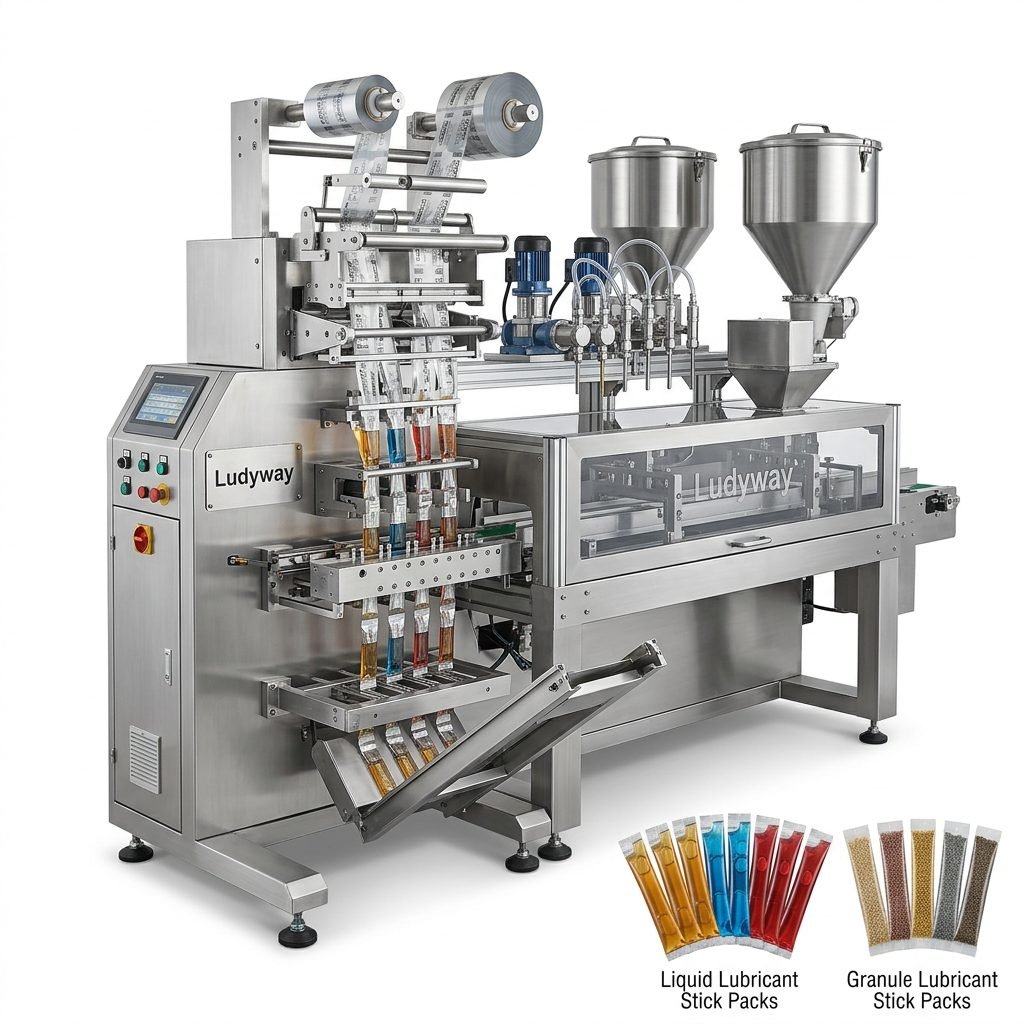
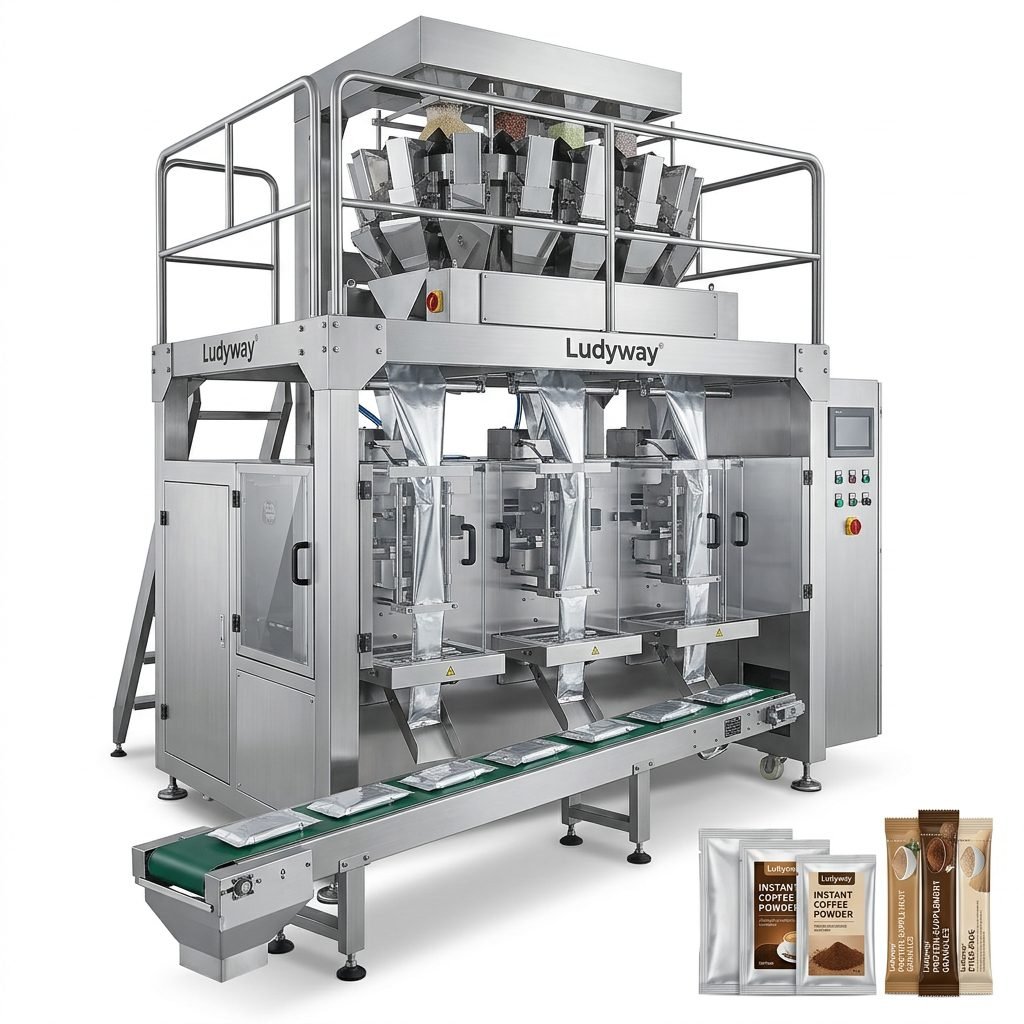
- Maintenance Technician: Transitioning into a more technical role focused on repairing and maintaining packaging equipment. Knowledge of brands like Ludyway packaging machinery can be particularly relevant here.
- Quality Assurance Inspector: Moving into a dedicated role focused on product quality and compliance standards.
- Production Supervisor: Advancing into management, overseeing shifts, scheduling, and personnel.
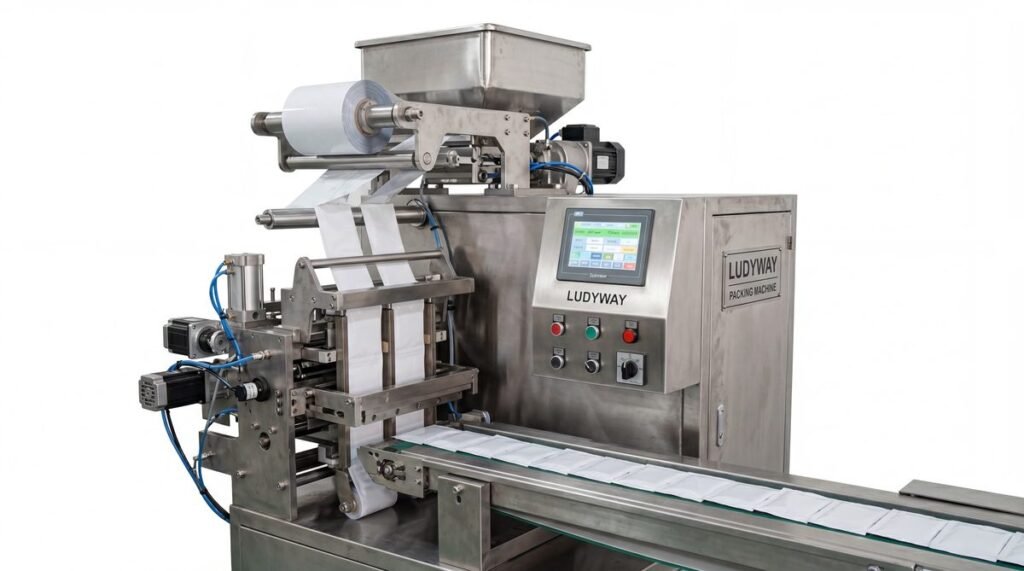
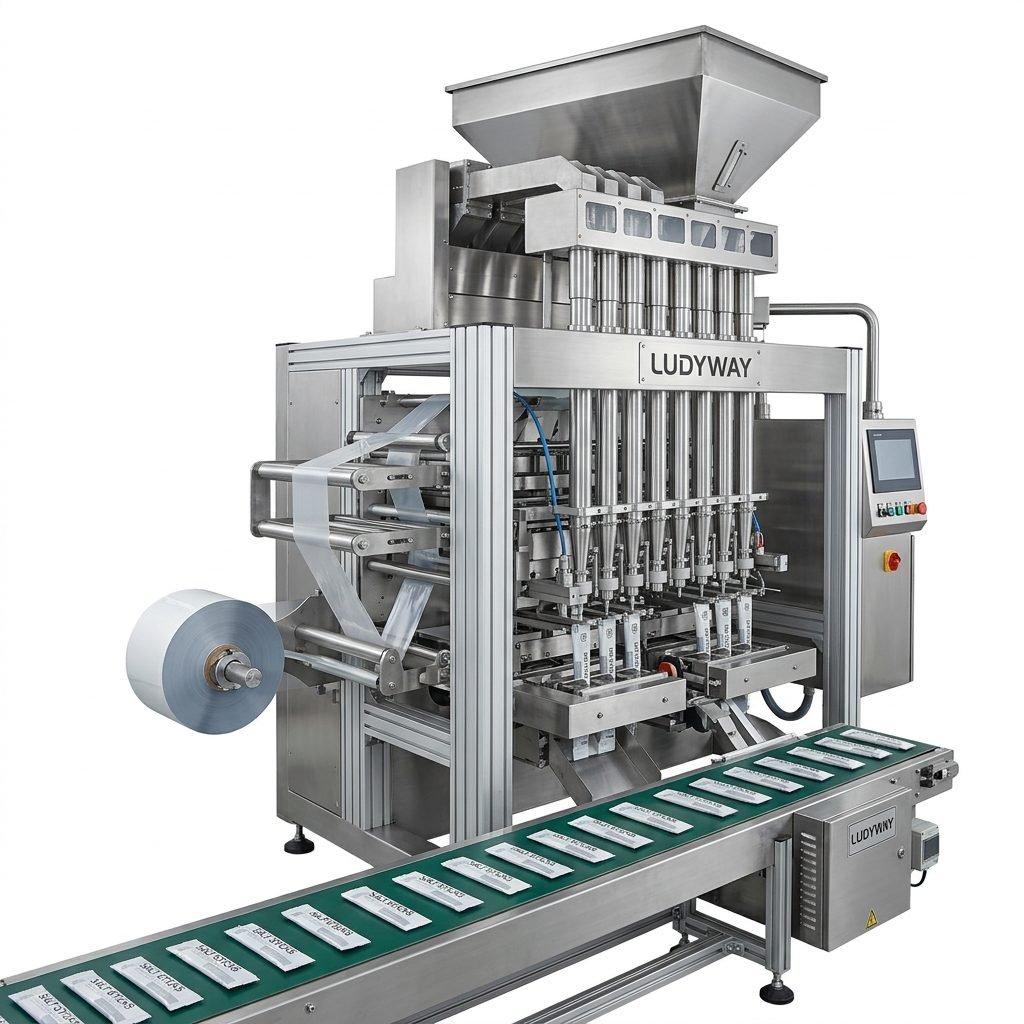
Continuous learning is key. Expressing interest in learning about different machines, such as advanced sachet packaging systems or multi-lane stick pack machines, can demonstrate initiative and prepare you for more complex roles.
Industry Outlook and Job Security
The Bureau of Labor Statistics projects steady demand for packaging and filling machine operators. Automation continues to evolve, but skilled operators are essential to oversee, maintain, and troubleshoot these sophisticated systems. The growth of e-commerce and sustained consumer demand for packaged goods ensures this field remains robust.
Preparing for Your Application and Interview
To stand out, tailor your resume and prepare thoroughly for interviews.
Resume Tips: Focus on achievements. Use action verbs like “operated,” “monitored,” “maintained,” “reduced downtime,” or “improved efficiency.” Quantify your experience where possible (e.g., “Operated high-speed packaging line with 99% output accuracy”).
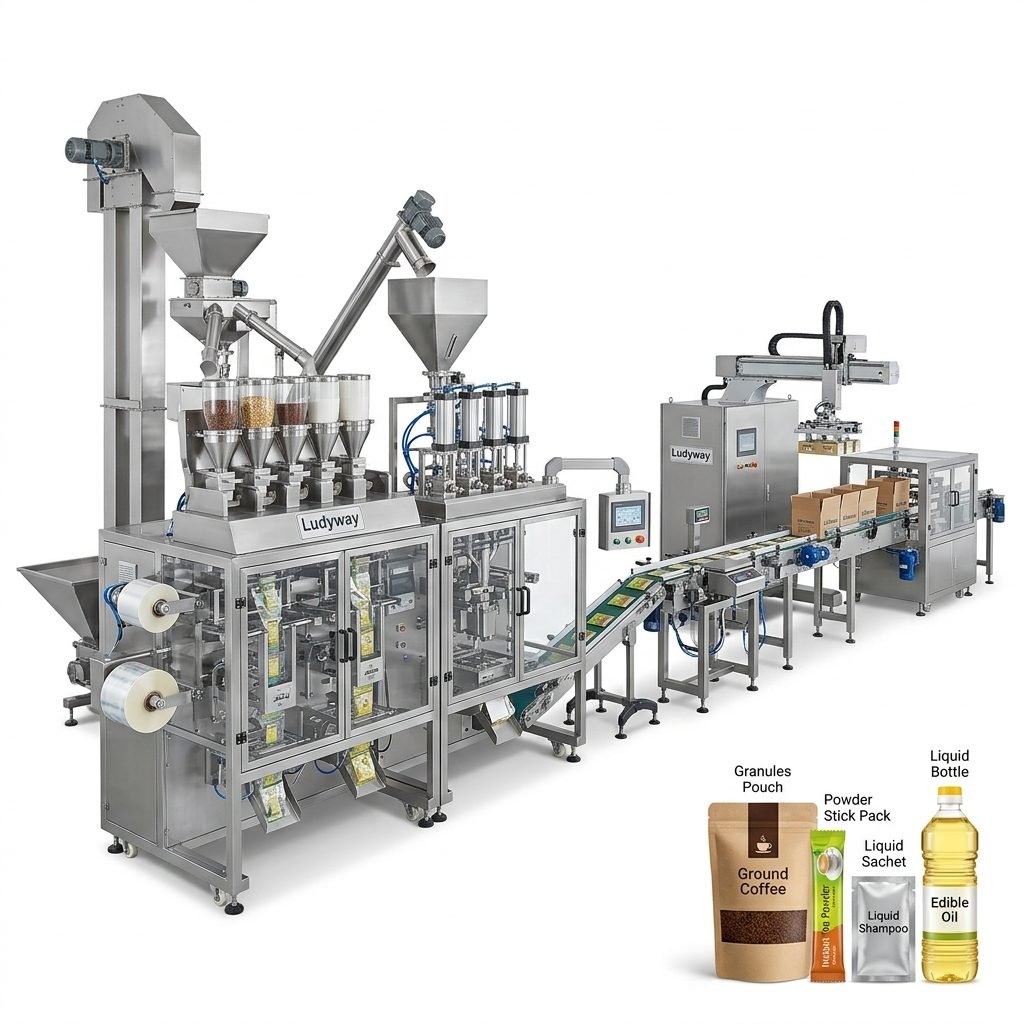
Interview Preparation: Be ready to discuss your attention to detail, safety consciousness, and ability to work in a team. You might be asked situational questions like, “What would you do if you saw a machine starting to jam?” or “How do you ensure your work meets quality standards?” Researching the company and showing knowledge of packaging processes, potentially even referencing industry leaders known for turnkey production solutions, can make a positive impression.
Frequently Asked Questions (FAQs)
Q: Do I need a degree to become a Packaging Machine Operator?
A: No, a degree is typically not required. A high school diploma or equivalent, combined with on-the-job training, is standard. Technical or vocational training can be beneficial.
Q: What is the typical salary range for this role?
A: Salary varies by location, industry, and experience. According to national data, entry-level positions often start near the average hourly wage for production roles, with experienced operators or those in supervisory positions earning more.
Q: Is this a physically demanding job?
A: It can be. The role often involves standing for extended periods, lifting moderate weights, and performing repetitive tasks. A good level of physical fitness is helpful.
Q: Are there opportunities for overtime?
A: Yes, especially in industries with seasonal peaks or high demand. Many packaging facilities run multiple shifts, and overtime may be available and sometimes required.
Q: How can I make myself more attractive to employers with no direct experience?
A: Highlight transferable skills: any mechanical work (even automotive), meticulous attention to detail (from previous jobs in retail or warehousing), reliability, and a strong work ethic. A willingness to be trained is paramount.