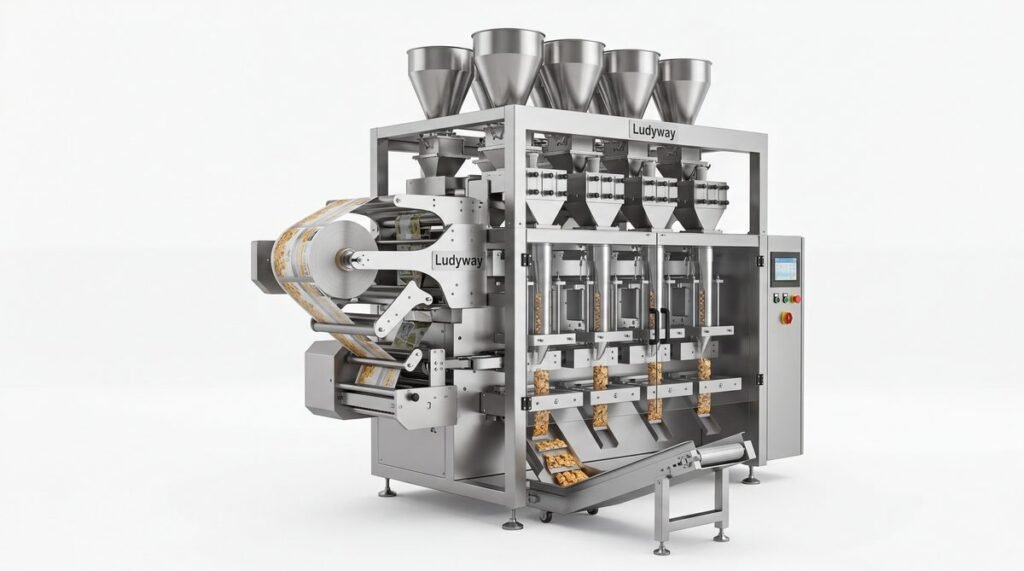
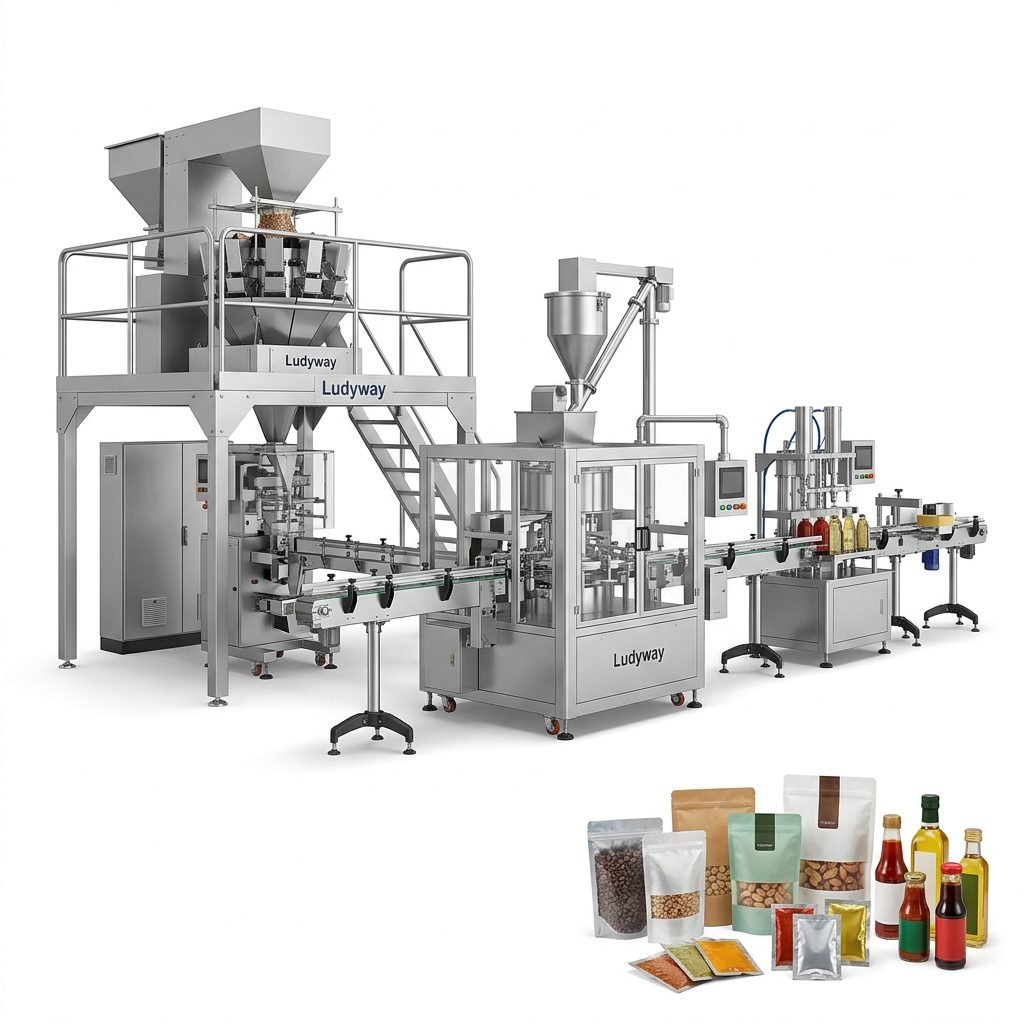
The demand for fast, reliable, and hygienic packaging solutions in the food and pharmaceutical sectors has never been higher. High-speed packaging machines are at the core of modern production lines, enabling manufacturers to meet stringent quality standards, comply with regulations, and achieve significant output volumes. This guide explores the world of high-speed automatic packaging, detailing the available solutions, key machine types, and essential factors for making an informed purchase.
The Critical Role of High-Speed Packaging in Modern Industry
In both food and pharmaceutical manufacturing, packaging is not merely a final step—it is a critical component of product integrity, safety, and marketability. High-speed automation addresses several core industry challenges:
- Productivity & Scale: Automated systems dramatically increase output, allowing businesses to scale efficiently and meet large-volume orders.
- Consistency & Accuracy: Machines ensure every package has precise weight, volume, and seal integrity, eliminating human error.
- Hygiene & Contamination Control: Closed automated systems minimize human contact, a paramount requirement in pharma and food safety.
- Regulatory Compliance: Automated systems provide traceability and documentation, aiding compliance with standards like FDA, GMP, and ISO.
Implementing a high-speed packaging line is often a strategic investment for growth and quality assurance.
Primary Types of High-Speed Packaging Machines
The choice of machinery depends heavily on the product form—granule, powder, liquid, or solid. Here are the predominant types:
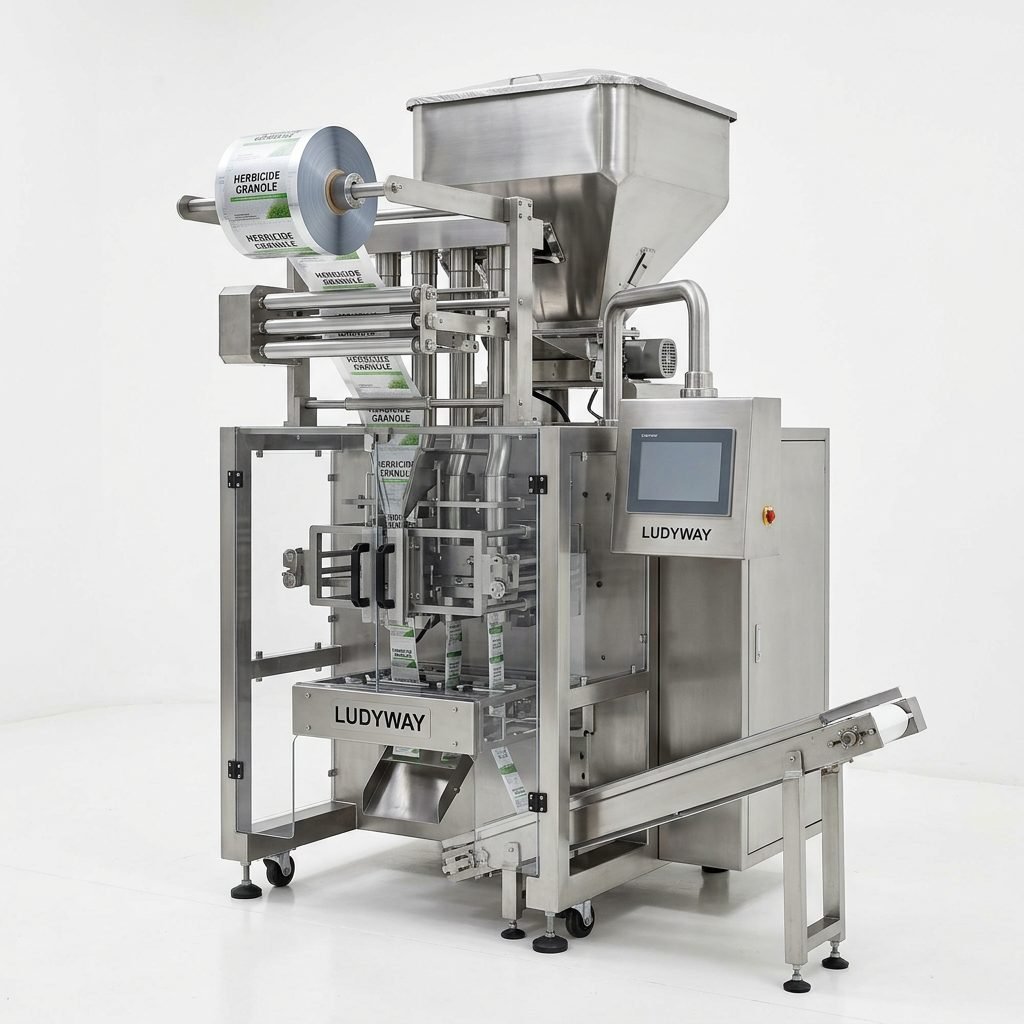
Vertical Form-Fill-Seal (VFFS) Machines
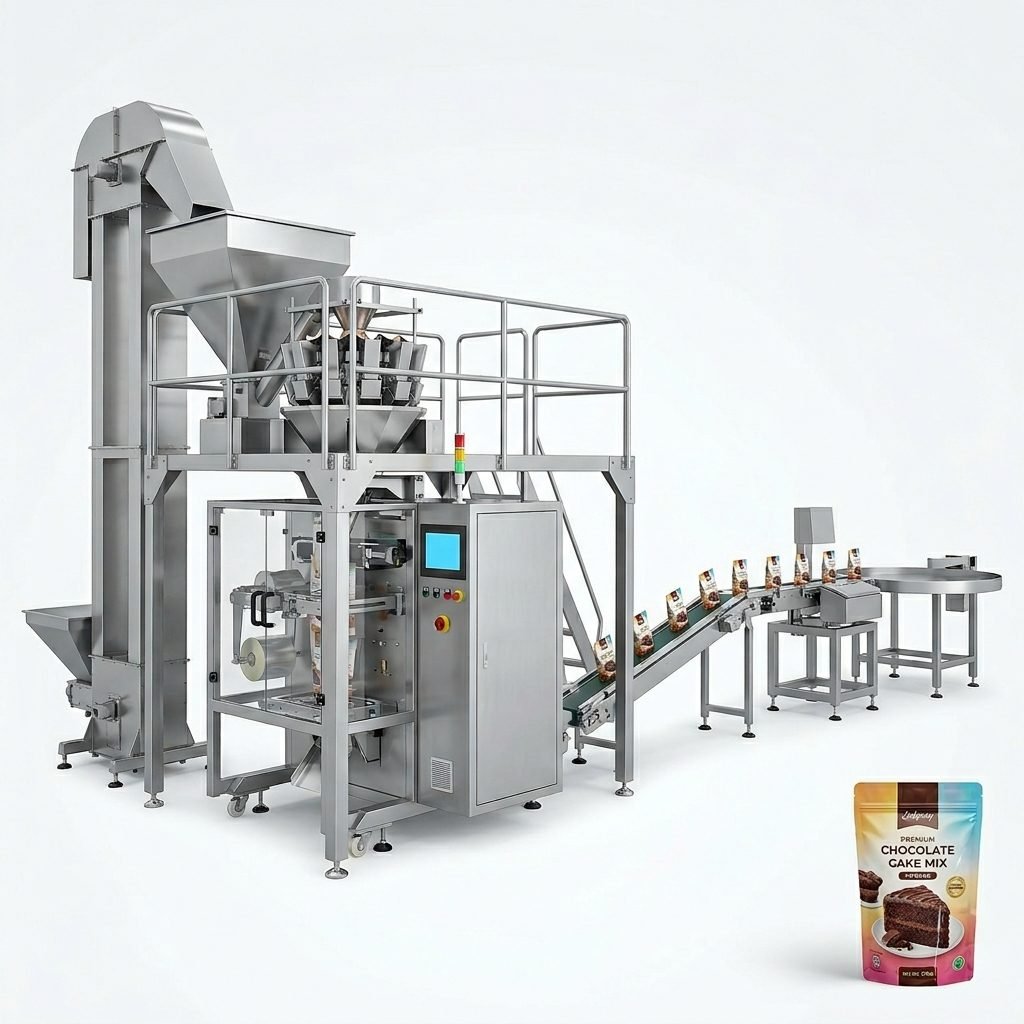
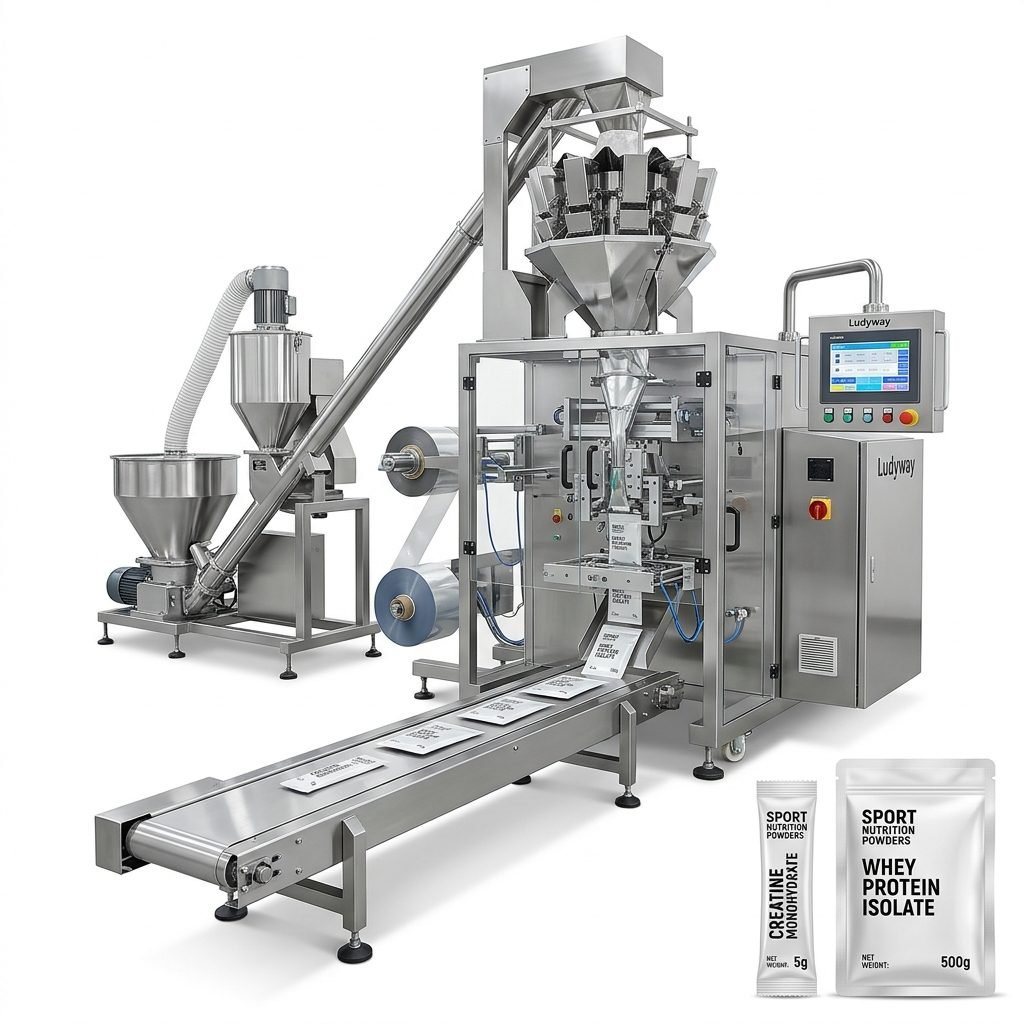
VFFS machines are ubiquitous for packaging free-flowing products like granules, powders, and small solids. They form a bag from a roll of film, fill it with product, and seal it in a continuous vertical process. Their high speed and flexibility in bag size make them ideal for snacks, spices, and pharmaceuticals in sachets.
Horizontal Flow Wrappers
These machines are designed for wrapping individual items or groups of items. They are commonly used for candy bars, biscuits, tablets, and medical devices. The product travels horizontally while a film wraps around it, creating a tight, secure package.
Liquid & Paste Filling Machines
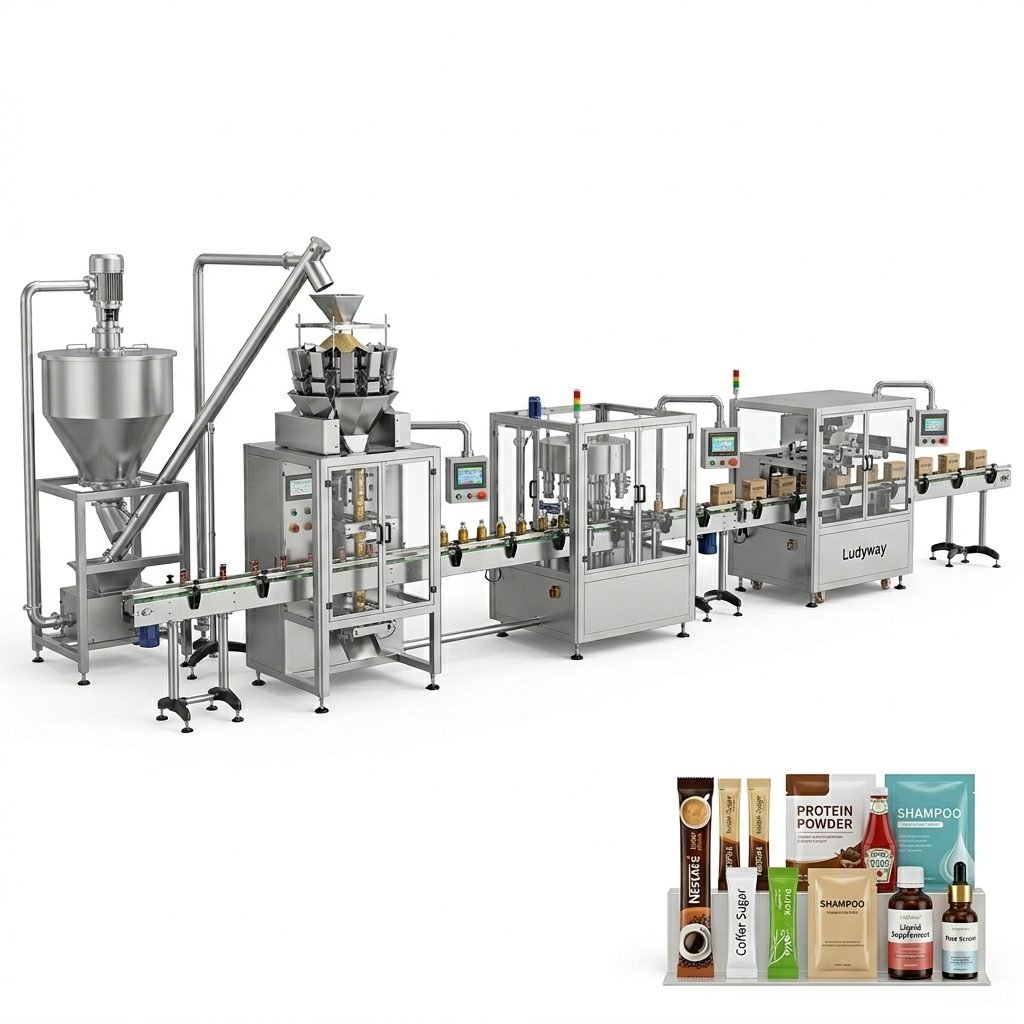
For sauces, oils, syrups, creams, and liquid pharmaceuticals, specialized filling machines are used. They often integrate with VFFS systems or use pre-formed pouches. Key technologies include piston fillers, gravity fillers, and time-pressure fillers, chosen based on viscosity and filling accuracy requirements.
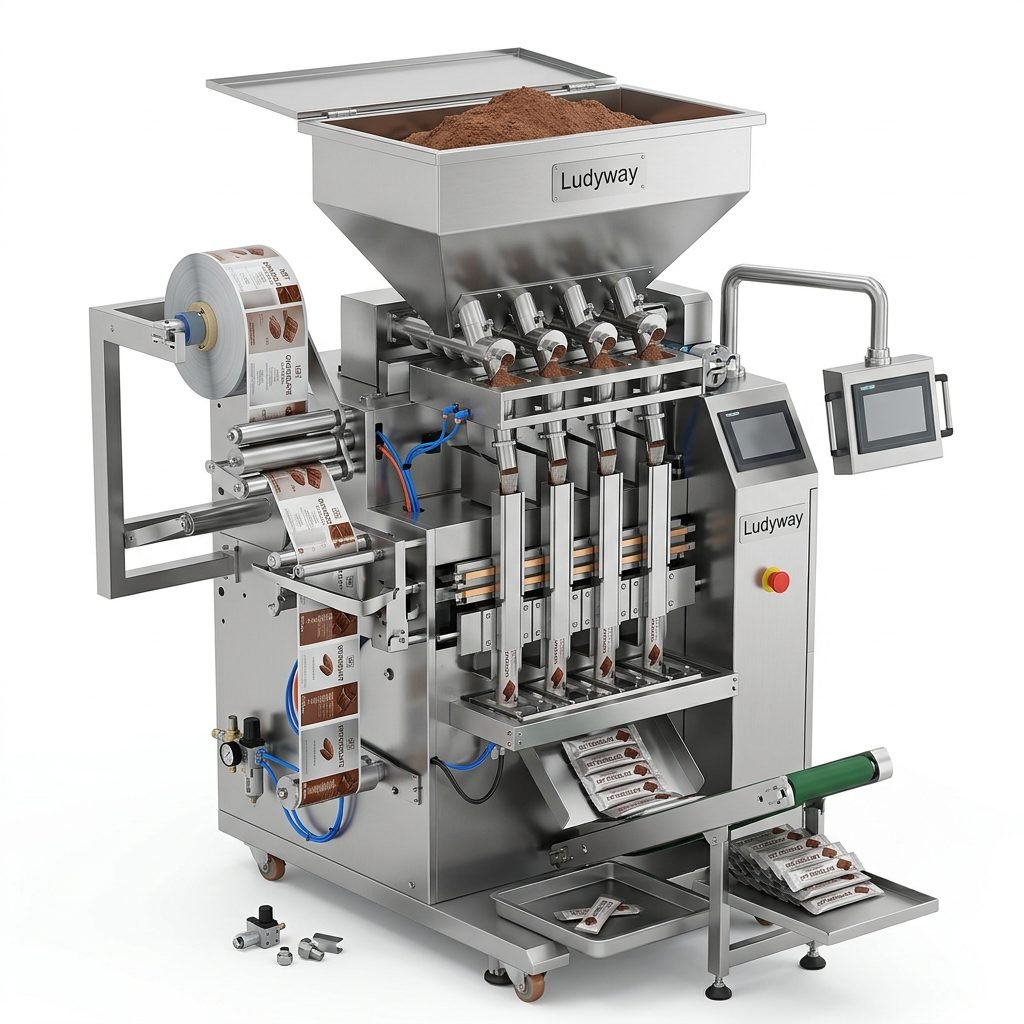
Multi-Lane Stick Pack & Sachet Machines
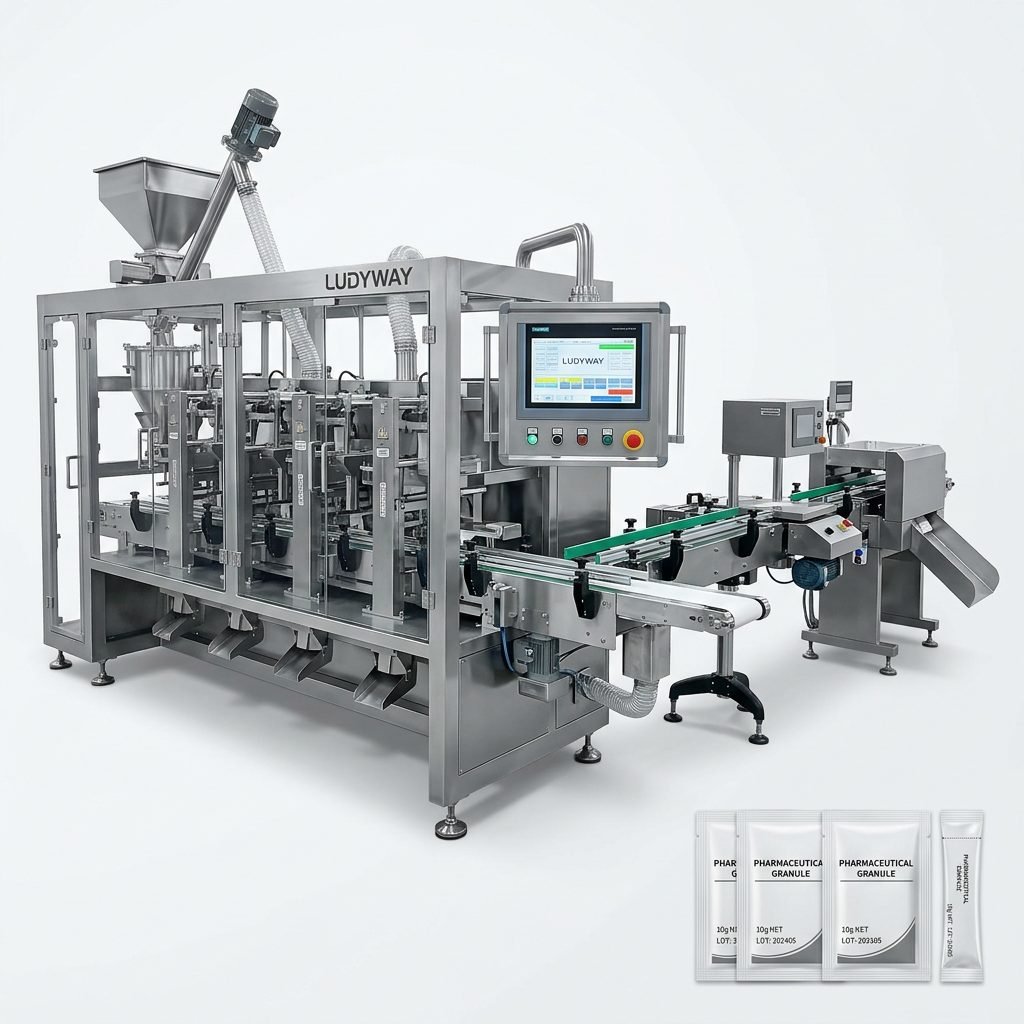
This category represents the pinnacle of high-speed output for small unit doses. Machines feature multiple parallel lanes (e.g., 10, 12, 16 lanes) producing stick packs or sachets simultaneously. They are exceptionally popular for instant drink powders, pharmaceutical granules, and single-serving supplements.
Key Features of Advanced Automatic Packaging Solutions
Modern high-speed machines go beyond basic filling and sealing. They incorporate features that enhance operation, control, and integration:
- Touchscreen PLC Control: Intuitive user interfaces for easy setup, recipe management, and monitoring.
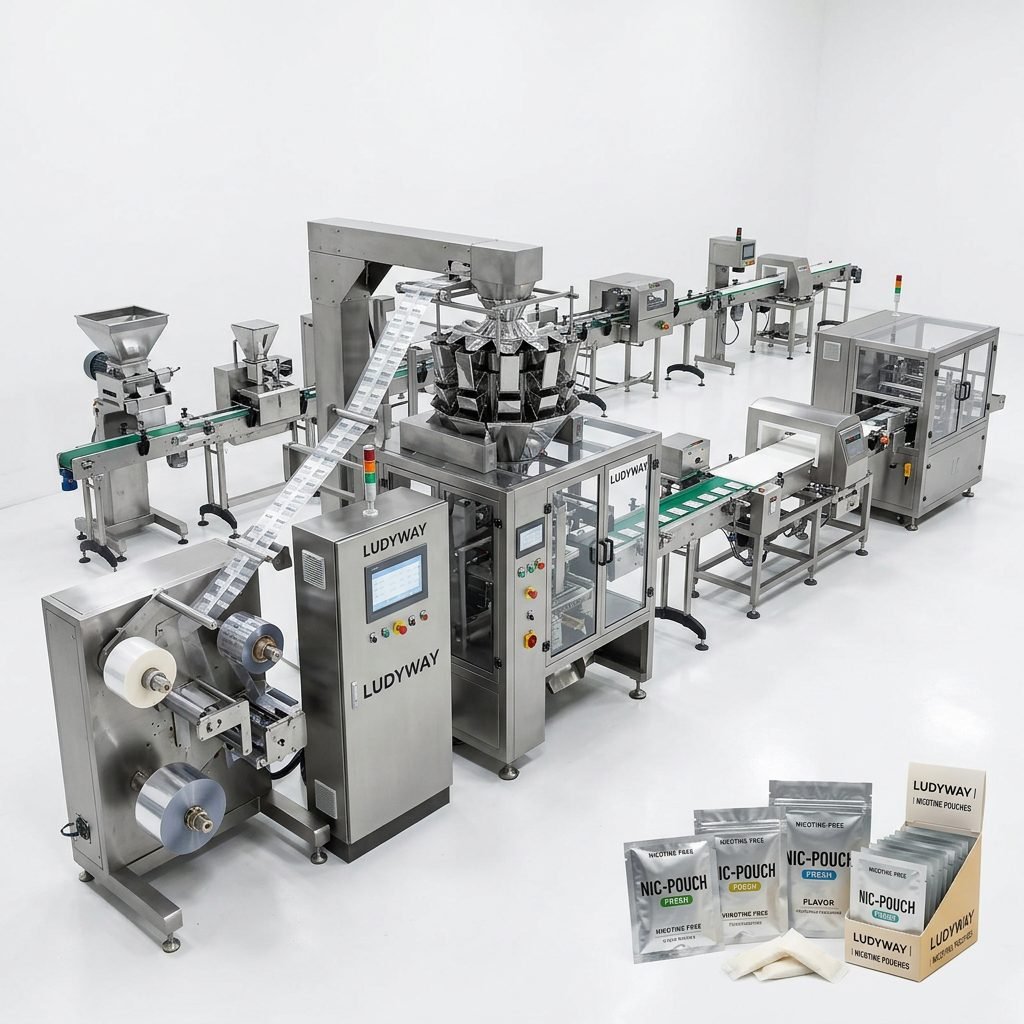
- Integrated Checkweighers & Metal Detectors: In-line quality control to reject under/overweight or contaminated packages.
- Vision Systems & Barcode Printers: For label verification, date/batch coding, and traceability.
- Quick Changeover Systems: Modular designs allow rapid switching between different bag sizes or products, boosting flexibility.
- Energy-Efficient Design: Reduced power consumption and heat generation for sustainable operation.
Selecting the Right Machine: A Comprehensive Buying Guide
Investing in a high-speed packaging machine requires careful evaluation. Consider these factors:
1. Define Your Product & Production Requirements
Start with a clear analysis: product characteristics (form, density, sensitivity), required packaging material (film type, barrier properties), desired output speed (packages per minute), and future scalability needs.
2. Evaluate Machine Capabilities & Flexibility
Does the machine handle your specific product well? Can it adapt to potential future product changes or new package sizes? Flexibility is key to protecting your long-term investment.
3. Assess Hygiene, Safety & Compliance Features
For pharmaceutical and certain food applications, features like stainless steel contact parts, CIP (Clean-in-Place) systems, and dust extraction are vital. Ensure the machine design meets the regulatory standards of your target markets.
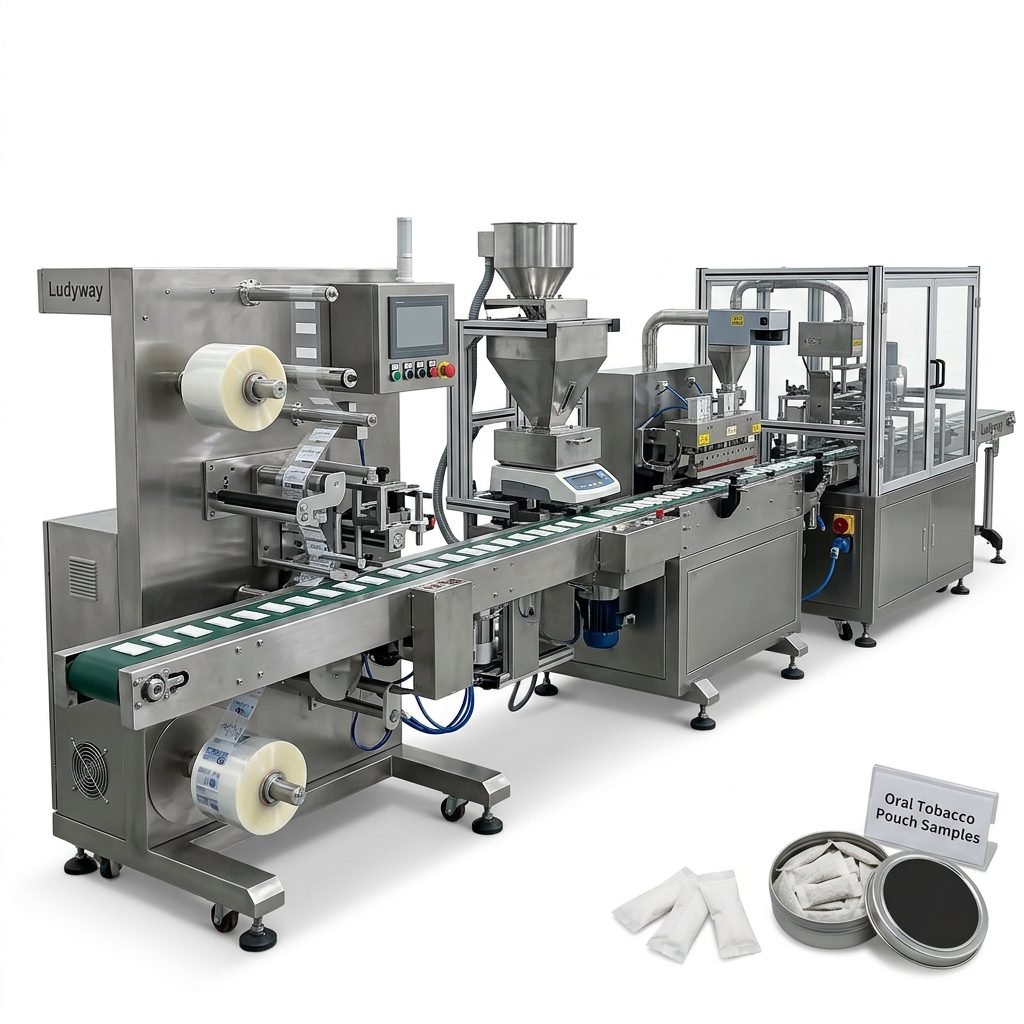
4. Consider Integration with Existing Lines
Will the new machine integrate smoothly with your current conveyors, upstream feeders, and downstream labeling/cartoning systems? Compatibility minimizes installation complexity and downtime.
5. Analyze Supplier Credibility & Support
The supplier’s experience, technical support availability, spare parts supply, and training offerings are crucial. A reliable partner ensures smooth installation, operation, and long-term maintenance. For insights into professional packaging expertise and solutions, you can explore resources from experienced providers like Ludyway Packaging Machinery, industry publications, and technical forums.
Implementation & Optimization for Maximum ROI
Successful implementation goes beyond the purchase:
- Thorough Factory Acceptance Test (FAT): Test the machine at the supplier’s facility with your product before shipment.
- Detailed Operator Training: Ensure your team is fully trained on operation, basic maintenance, and safety procedures.
- Proactive Maintenance Schedule: Follow a planned maintenance regimen based on the supplier’s guidelines to prevent unexpected breakdowns.
- Continuous Performance Monitoring: Track key metrics like output speed, yield (good packages), and downtime to identify areas for improvement.
Optimizing these aspects maximizes the return on your capital investment.
Future Trends: Smart Packaging & Sustainability
The evolution continues towards greater intelligence and eco-consciousness. Trends include the integration of IoT sensors for real-time machine health monitoring, AI-driven predictive maintenance, and the use of recyclable or biodegradable packaging films. Machines are also becoming more energy-efficient and designed for easier material changeovers to support sustainable production goals.
Conclusion
High-speed packaging machines are transformative assets for food and pharmaceutical producers. By automating the packaging process, they deliver unmatched speed, consistency, and hygiene. Choosing the right type—from VFFS to multi-lane sachet machines—requires a clear understanding of your product and production goals. Focusing on key features, supplier reliability, and post-purchase optimization will ensure your investment drives efficiency, quality, and growth for years to come.
Frequently Asked Questions (FAQs)
What is the typical output speed of a high-speed packaging machine?
Speeds vary widely by machine type. Multi-lane stick pack machines can achieve 600-1200 packs per minute, while standard VFFS machines range from 80 to 300 bags per minute. Liquid fillers may operate at 100-400 containers per minute. The exact speed depends on product, package size, and machine configuration.
Can one machine handle different types of products?
Many modern machines offer good flexibility within a product category (e.g., different granule sizes). However, switching from granules to liquids typically requires a completely different machine type. Within a type, quick changeover systems allow for different bag sizes or weights.
How important is the packaging material for machine performance?
Extremely important. The machine must be compatible with the film’s thickness, stiffness, and sealing properties. Suppliers often recommend or test specific films. Using an unsuitable film can lead to poor seals, jams, and high waste rates.
What kind of maintenance do these machines require?
Regular daily cleaning, weekly lubrication of moving parts, and periodic inspection of critical components like seals, cutters, and sensors are standard. Annual professional servicing is recommended. Maintenance schedules are provided by the manufacturer.
Are high-speed machines suitable for small-scale production?
While designed for high output, many machines now offer lower-speed models or configurations suitable for mid-sized operations. The investment must be justified by production volume. For very small-scale, semi-automatic machines might be a more cost-effective starting point.