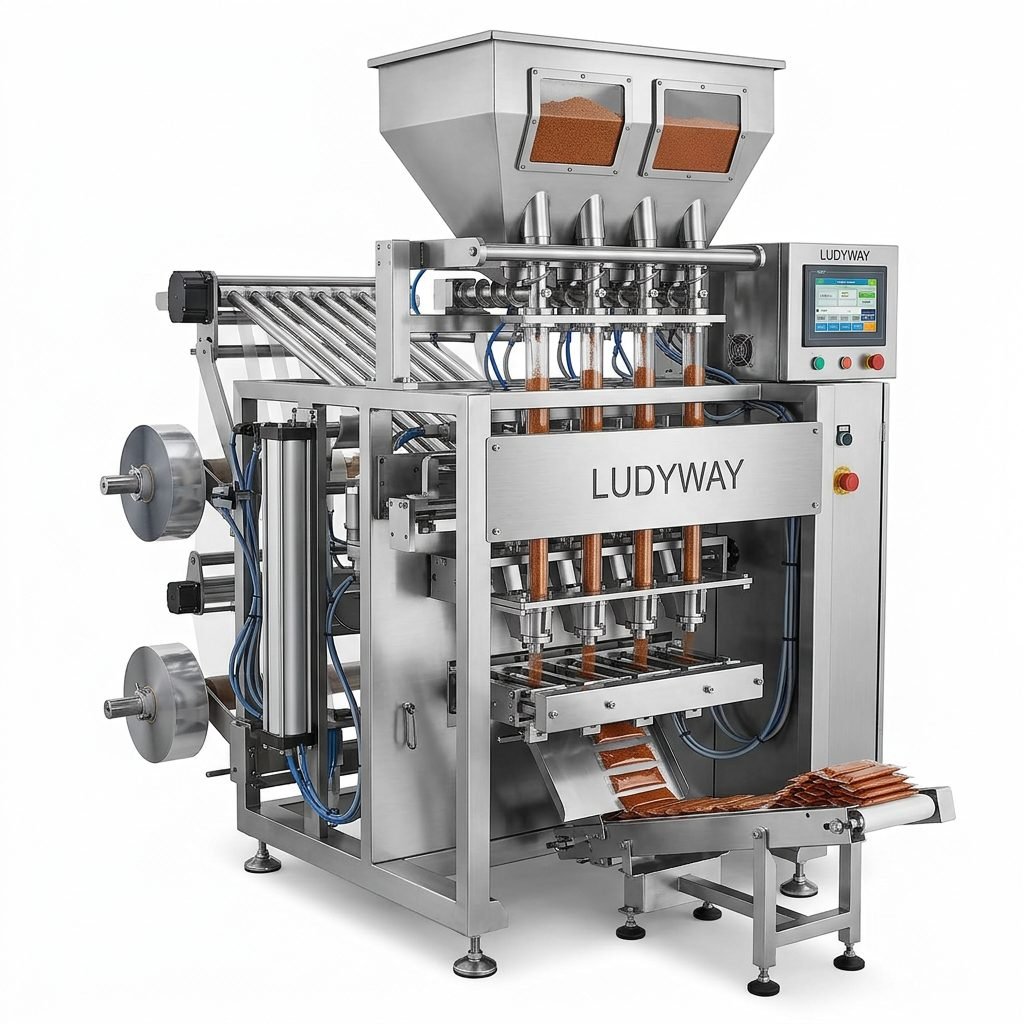
The Middle East has emerged as one of the fastest-growing markets for confectionery products, with chocolate bars leading the charge. Rising disposable incomes, a young population, and increasing demand for premium and functional chocolates are driving manufacturers to invest in high-performance packaging machinery. Selecting the right chocolate bar packaging machine is critical to maintaining product freshness, achieving shelf appeal, and meeting regional regulatory standards.
Understanding the Middle East Chocolate Packaging Landscape
The GCC region, particularly Saudi Arabia, the UAE, and Qatar, accounts for a significant share of chocolate consumption per capita. Temperature fluctuations and humidity across the region demand robust packaging solutions that preserve product integrity throughout the supply chain. Industry reports from PMMI indicate that the Middle East packaging machinery market is projected to grow steadily, driven by automation trends and food safety compliance requirements.
Chocolate bars are particularly sensitive to heat and moisture, making the choice of packaging film and sealing technology a top priority. Multi-layer barrier films with aluminum foil laminates are commonly specified to prevent fat bloom and sugar bloom. Manufacturers must also consider the stringent FDA packaging standards and GCC food contact material regulations when sourcing equipment.
Types of Chocolate Bar Packaging Machines Available
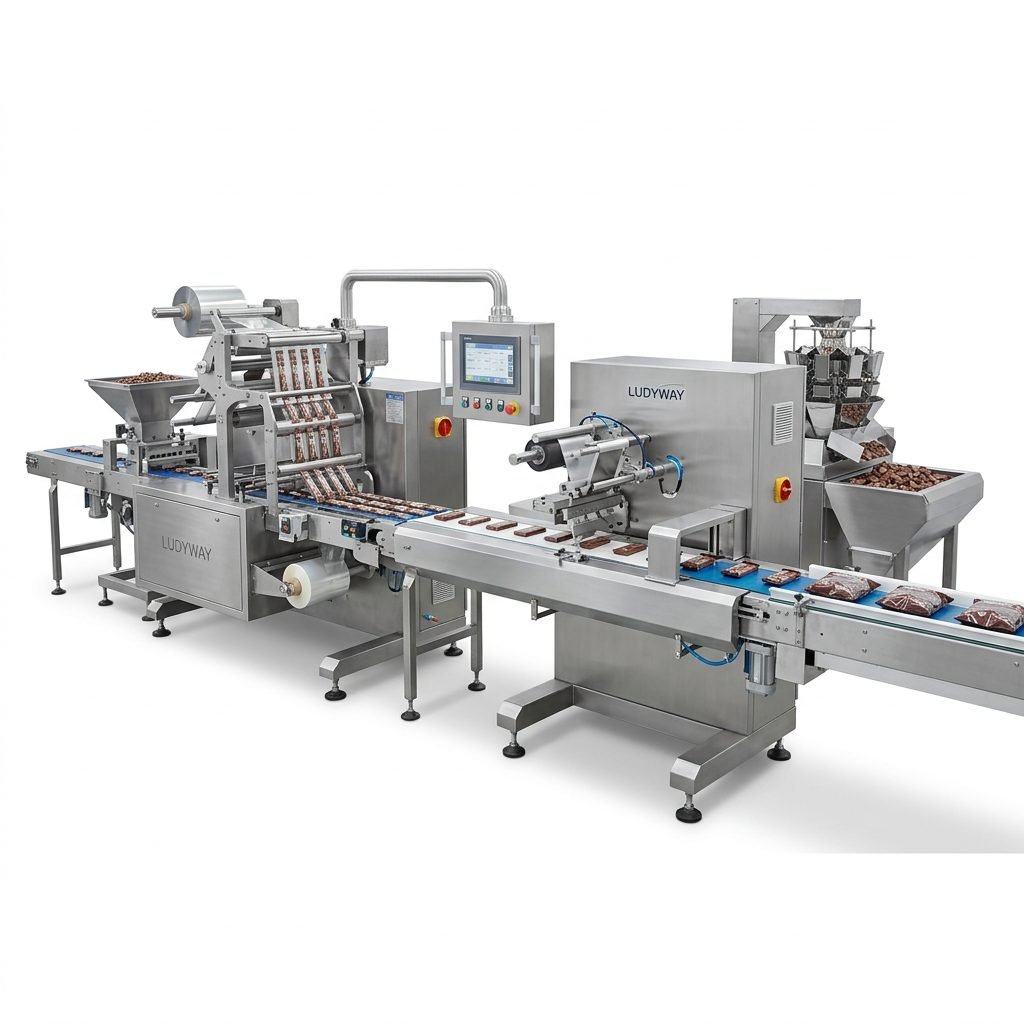
Choosing the correct machine type depends on your production volume, bar dimensions, and desired pack style. Below is a comparison of the most common configurations deployed by confectionery producers in the region:
| Machine Type | Best For | Key Advantage |
|---|---|---|
| Flow Wrapping / Horizontal Form Fill Seal | Single bars, multipacks | High speed, excellent hermetic seal |
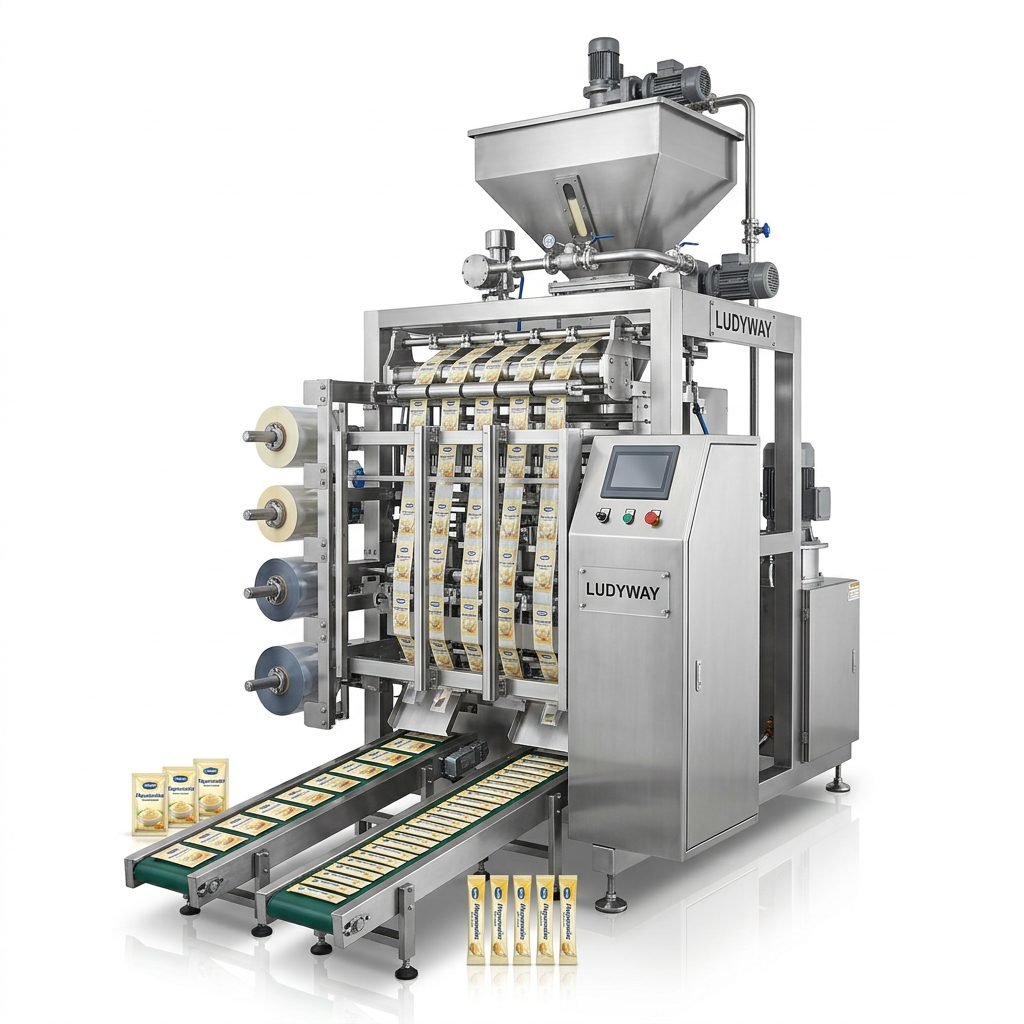
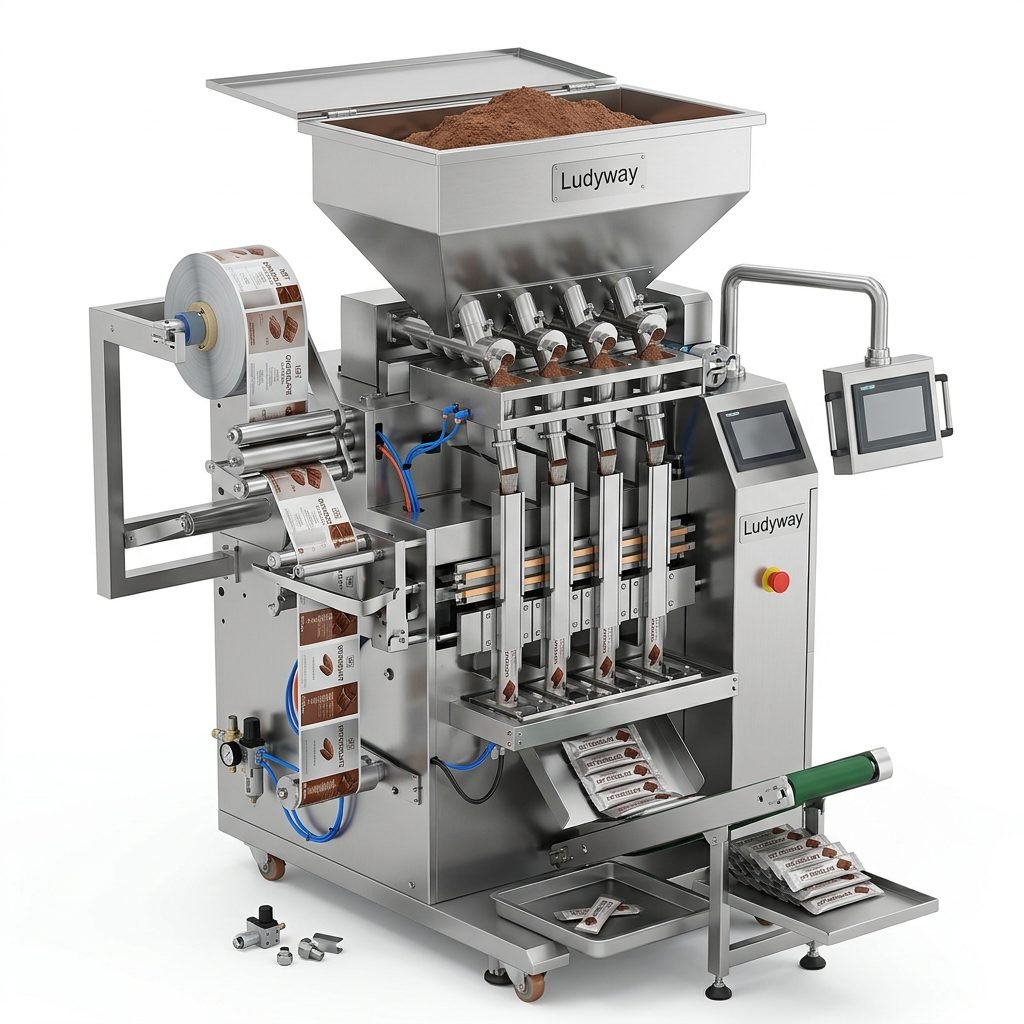
| Multi-Lane Stick Pack Machines | Mini bars, bite-sized pieces | Massive throughput, portion control |
| Fold Wrapping Machines | Premium tablet bars | Traditional elegant appearance |
| Vertical Form Fill Seal (VFFS) | Pillow packs, pouches | Versatile for multiple bar sizes |
Flow Wrapping: The Industry Workhorse
Horizontal flow wrapping remains the dominant technology for chocolate bar primary packaging. Modern servo-driven systems achieve speeds exceeding 800 packs per minute, with automatic film splicing and tension control ensuring minimal downtime. For Middle East operations, specifying stainless steel construction and IP65-rated electrical enclosures helps combat dust and temperature challenges common in regional factories.
Critical Factors When Selecting Packaging Machinery
- Production Capacity: Match the machine’s rated output to your current and projected volumes. Allow at least 20% headroom for peak seasonal demand around Ramadan and Eid.
- Film Compatibility: Verify that the machine handles the exact film structure you plan to use — cold seal, heat seal, or both. Chocolate requires gentle handling to avoid melting.
- Changeover Speed: In markets with diverse product portfolios, rapid size changeover is essential. Look for tool-less adjustments and recipe management via HMI.
- Integration Capability: The packaging machine must seamlessly interface with upstream feeding, checkweighing, and metal detection systems as recommended by ISO packaging standards.
- After-Sales Support: Given the geographic distance from many equipment manufacturers, local service availability and spare parts inventory in the Middle East are non-negotiable.
Temperature Control: A Middle East Imperative
Ambient factory temperatures in Gulf countries frequently exceed 40°C during summer months. Chocolate’s melting point (approximately 30-34°C for milk chocolate) means packaging lines must incorporate active cooling systems. Options include air-conditioned enclosures around the forming area, cooled film unwinding stations, and nitrogen flushing to maintain inert atmosphere inside the package.
Leading packaging lines designed for hot climates feature insulated sealing jaws and temperature-regulating film paths that prevent chocolate softening during the wrapping cycle. This is especially critical for flexible packaging applications where dwell time must be precisely controlled.
Automation Level and Smart Factory Integration
Middle Eastern chocolate manufacturers are increasingly adopting Industry 4.0 principles. Modern packaging machines offer OEE monitoring dashboards, predictive maintenance alerts, and remote diagnostic capabilities. When evaluating equipment, consider the following automation tiers:
| Automation Level | Features | Typical ROI Period |
|---|---|---|
| Semi-Automatic | Manual infeed, basic sealing | 6-12 months |
| Fully Automatic | Automatic feeding, registration control, data logging | 18-24 months |
| Smart Connected Line | Full SCADA integration, AI-driven quality inspection, cloud analytics | 24-36 months |
Regulatory Compliance and Halal Considerations
All packaging machinery destined for the Middle East must comply with GSO (GCC Standardization Organization) technical regulations. Equipment should be constructed from food-grade materials, typically AISI 304 or 316L stainless steel for product contact surfaces. The machinery design must facilitate thorough cleaning and prevent cross-contamination — important for manufacturers producing both Halal-certified and conventional chocolate products on the same line.
Documentation requirements include CE marking or equivalent conformity assessment, detailed material traceability certificates, and compliance with European packaging waste regulations that increasingly influence GCC import standards. Some Gulf countries now mandate specific labeling for recycled content and sustainability credentials on packaging.
Key GCC Regulatory Bodies to Engage
- ESMA (Emirates Authority for Standardization and Metrology) — UAE
- SASO (Saudi Standards, Metrology and Quality Organization) — Saudi Arabia
- GSO (GCC Standardization Organization) — Regional harmonization
- MOCI (Ministry of Commerce and Industry) — Qatar, Kuwait, Oman
Cost Analysis and Budgeting Framework
Investment in a chocolate bar packaging machine spans far beyond the initial purchase price. A comprehensive total cost of ownership (TCO) analysis should account for:
- Capital expenditure: Machine cost, freight, insurance, customs duties (typically 5% in GCC), and installation.
- Operational expenditure: Film consumption rates, energy usage, compressed air requirements, and operator training.
- Maintenance: Preventive maintenance contracts, wear part replacement cycles, and emergency repair budgets.
- Downtime cost: Lost production value during scheduled and unscheduled stoppages.
For a mid-range fully automatic flow wrapper suitable for a medium-sized confectionery plant in the region, budget approximately $80,000 – $250,000 for the core machine, with additional costs for ancillary equipment such as conveyors, coders, and metal detectors.
Financing and Leasing Options in the Middle East
Several Islamic financing structures are available for machinery acquisition, including Murabaha (cost-plus financing) and Ijara (leasing). These Sharia-compliant options are particularly relevant for local manufacturers seeking to align capital investments with Islamic banking principles. International equipment suppliers with regional representation can often facilitate introductions to partner financial institutions.
Supplier Evaluation and Due Diligence
Selecting the right equipment partner is as important as choosing the machine itself. Middle East buyers should prioritize suppliers with a proven track record in the region. Evaluate candidates based on:
- Number of reference installations in GCC countries with similar chocolate applications
- Availability of local technical support and certified service engineers
- Spare parts inventory held within the region or rapid air-freight capability
- Willingness to conduct factory acceptance testing (FAT) and site acceptance testing (SAT)
- Training programs for operators and maintenance staff
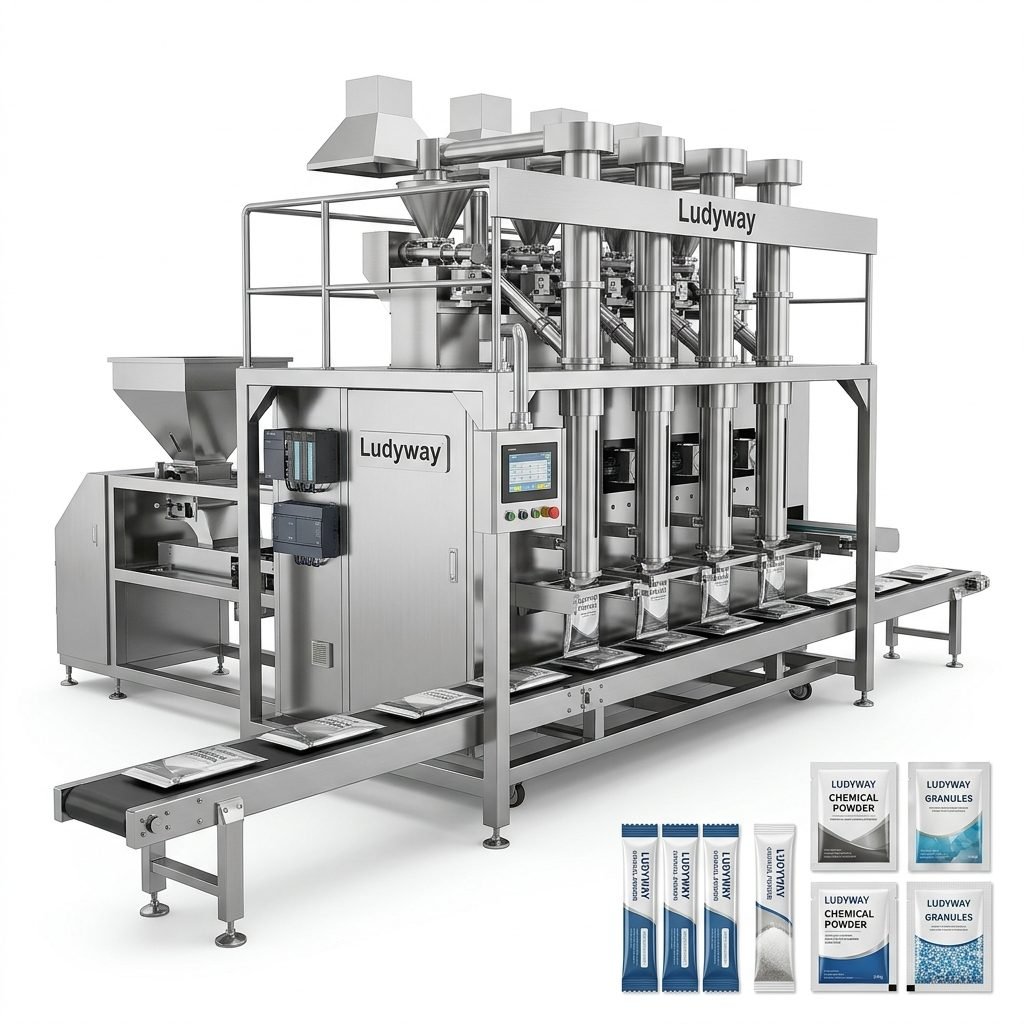
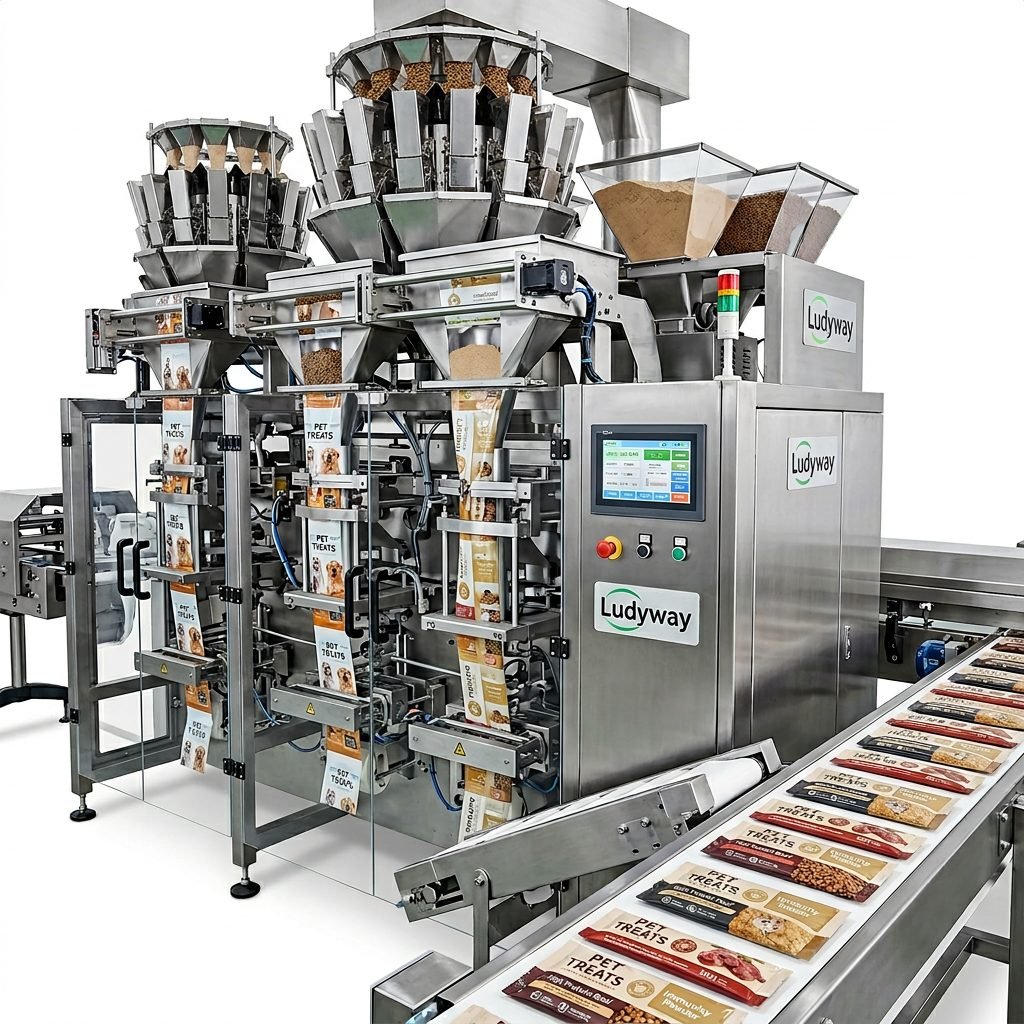
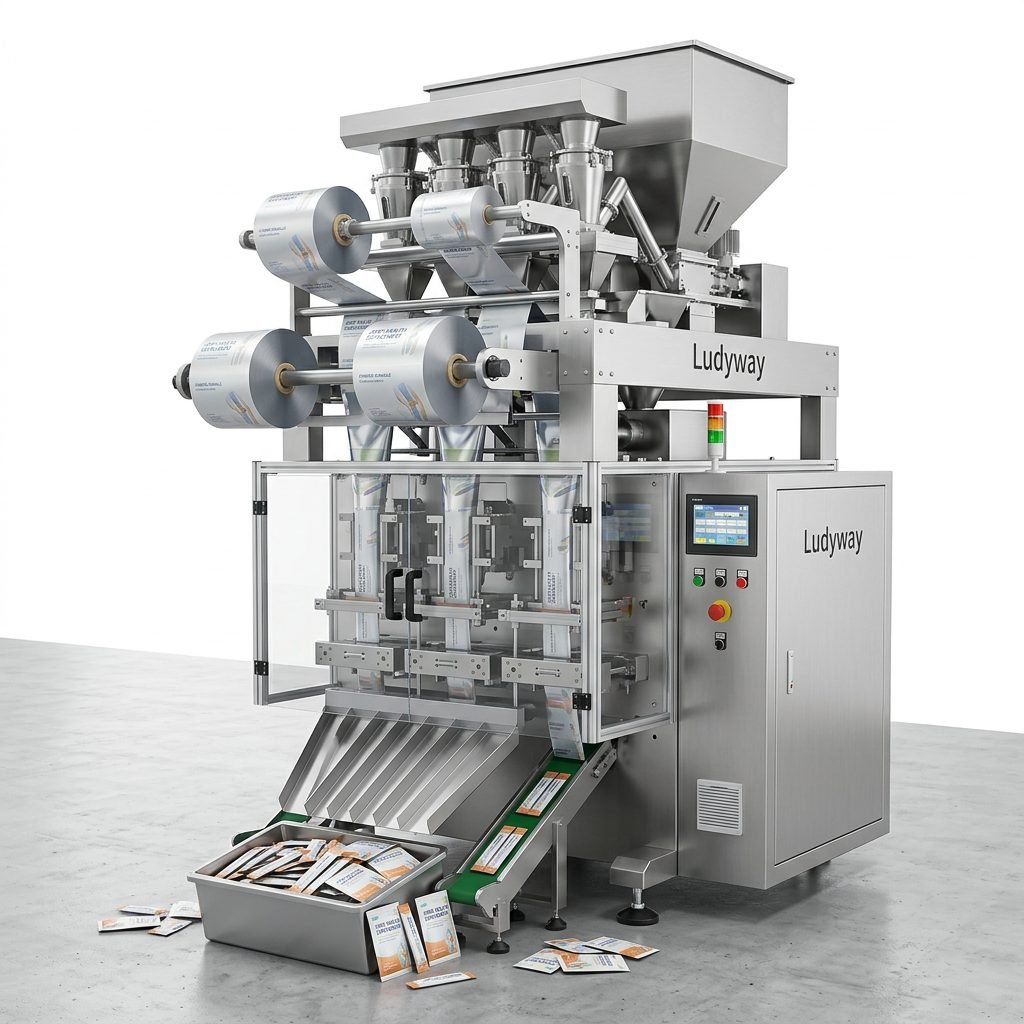
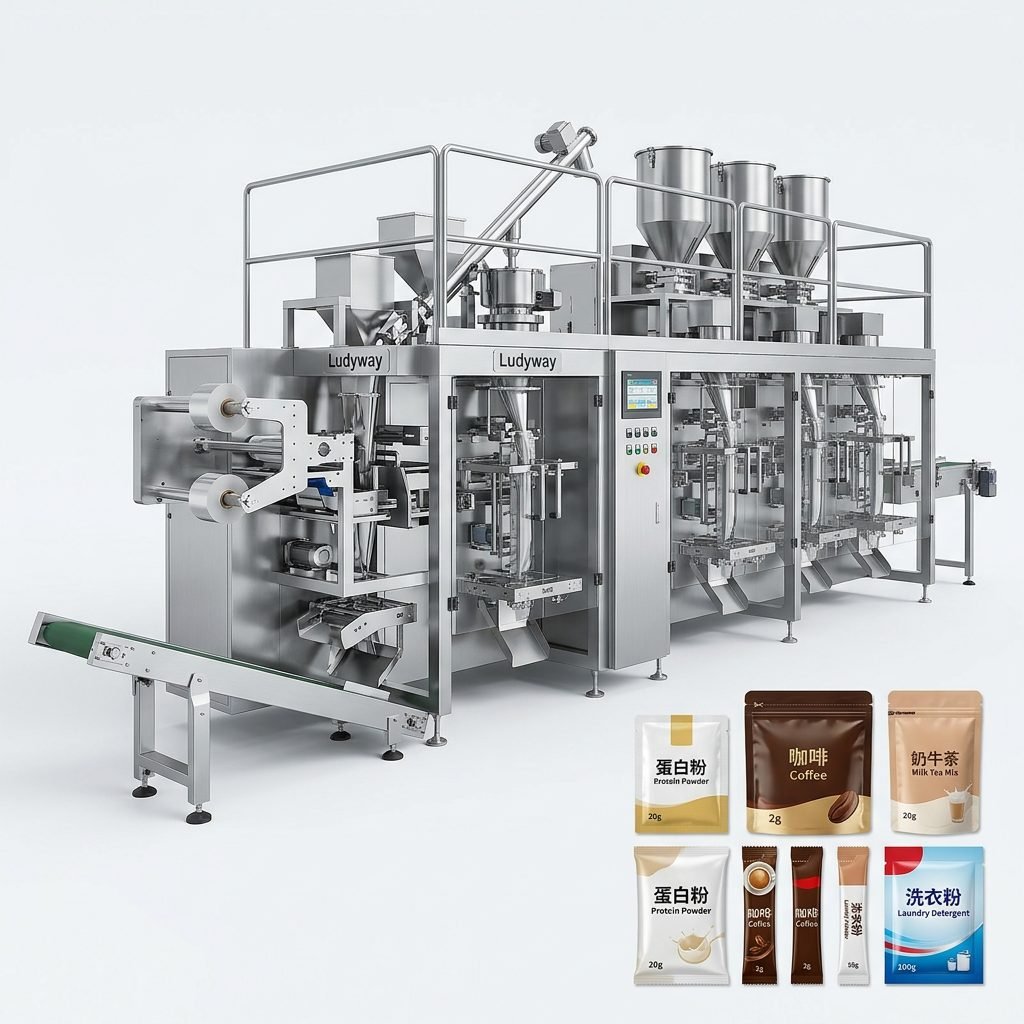
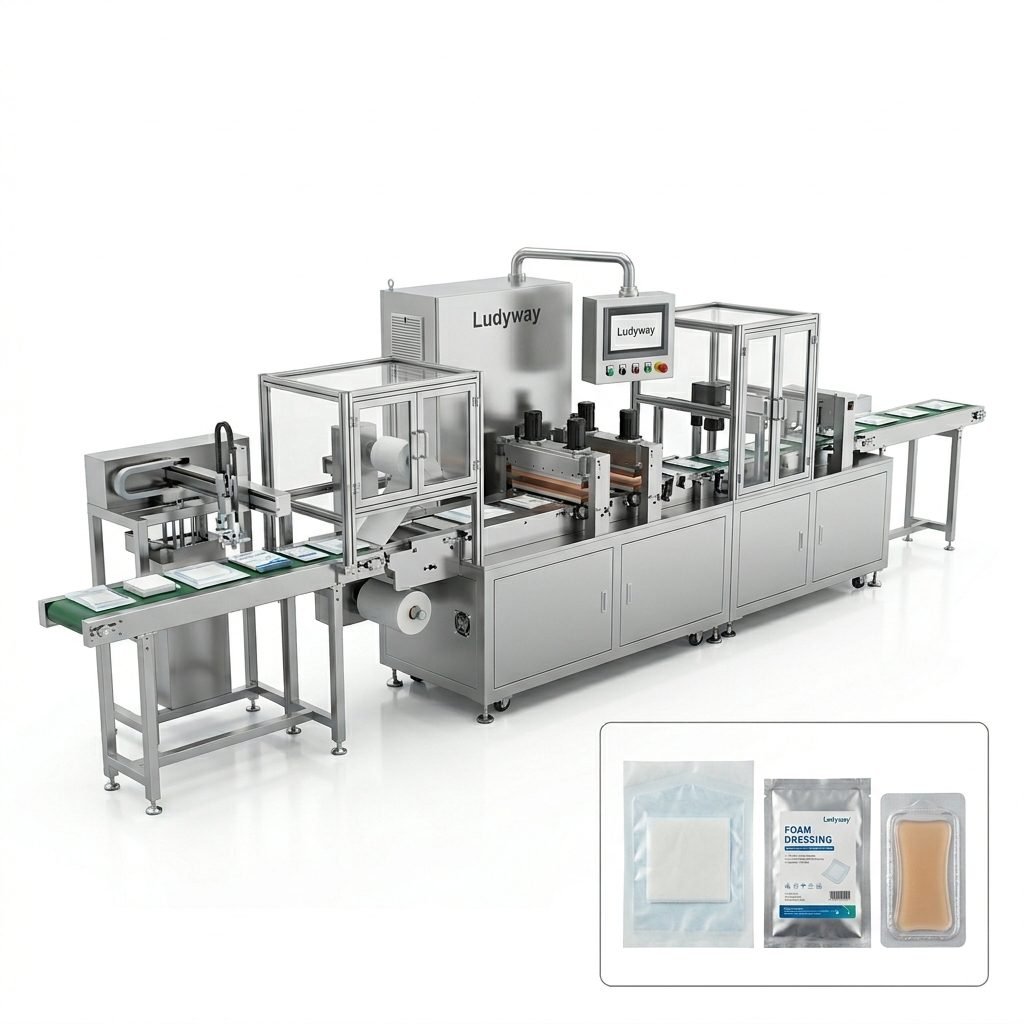
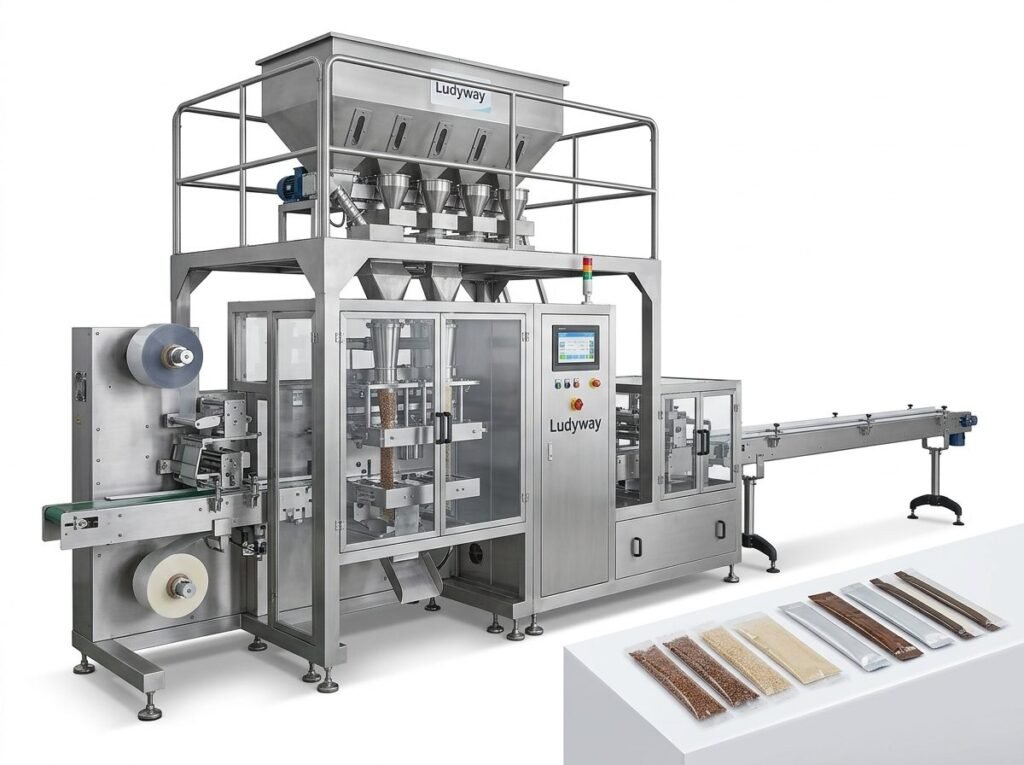
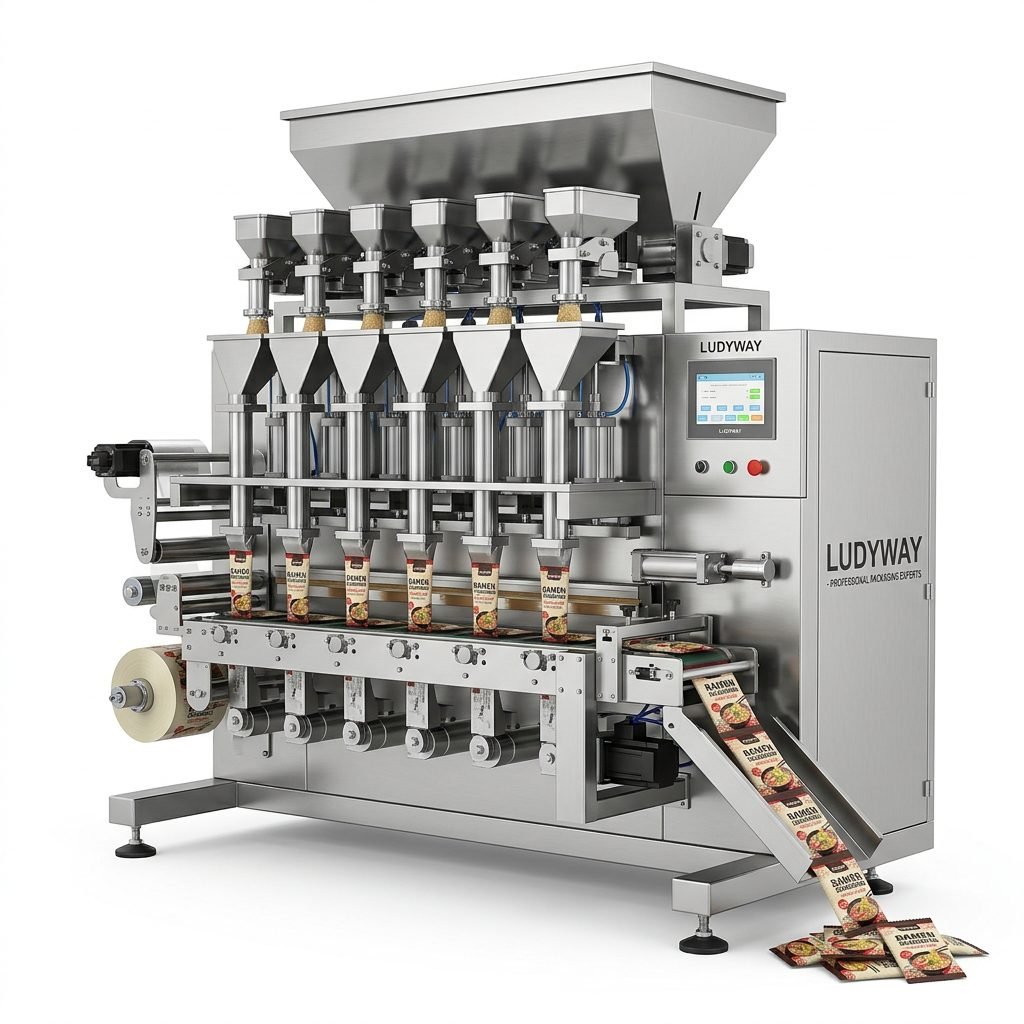
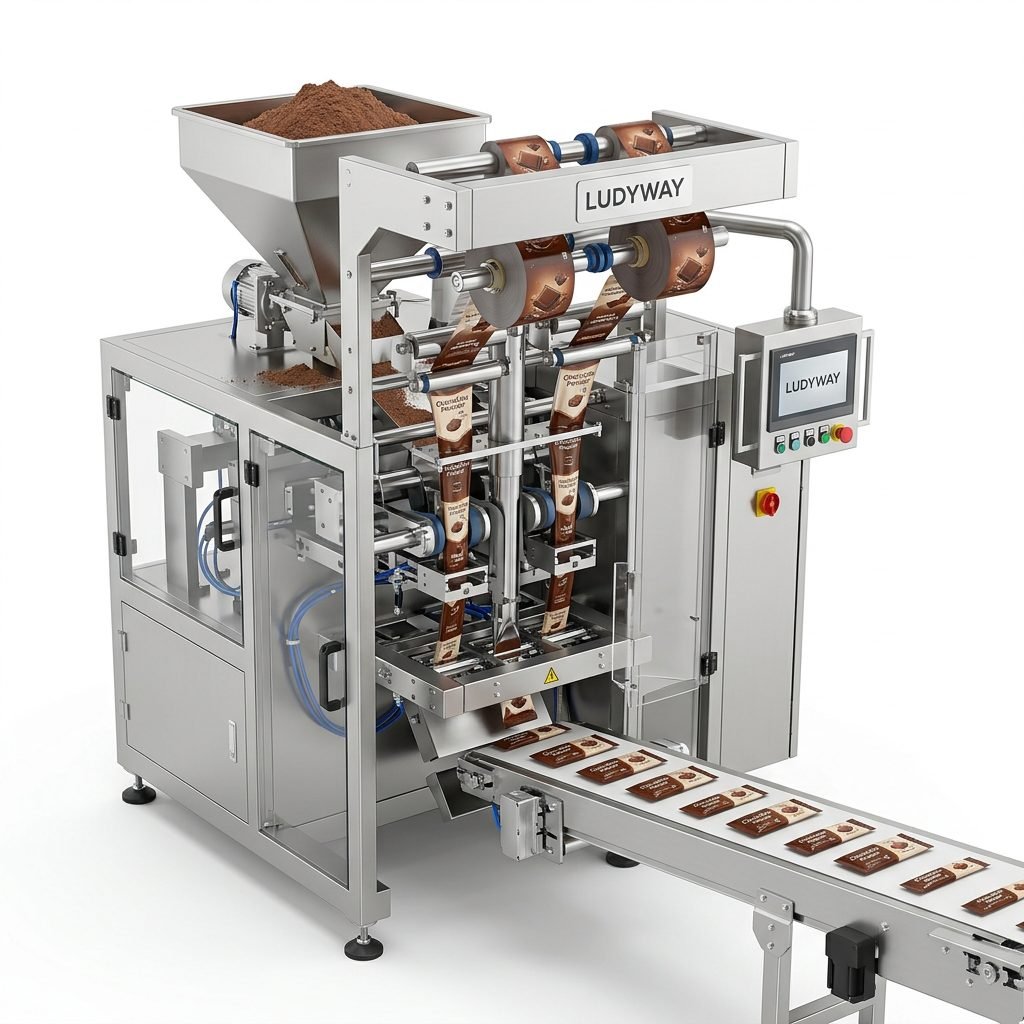
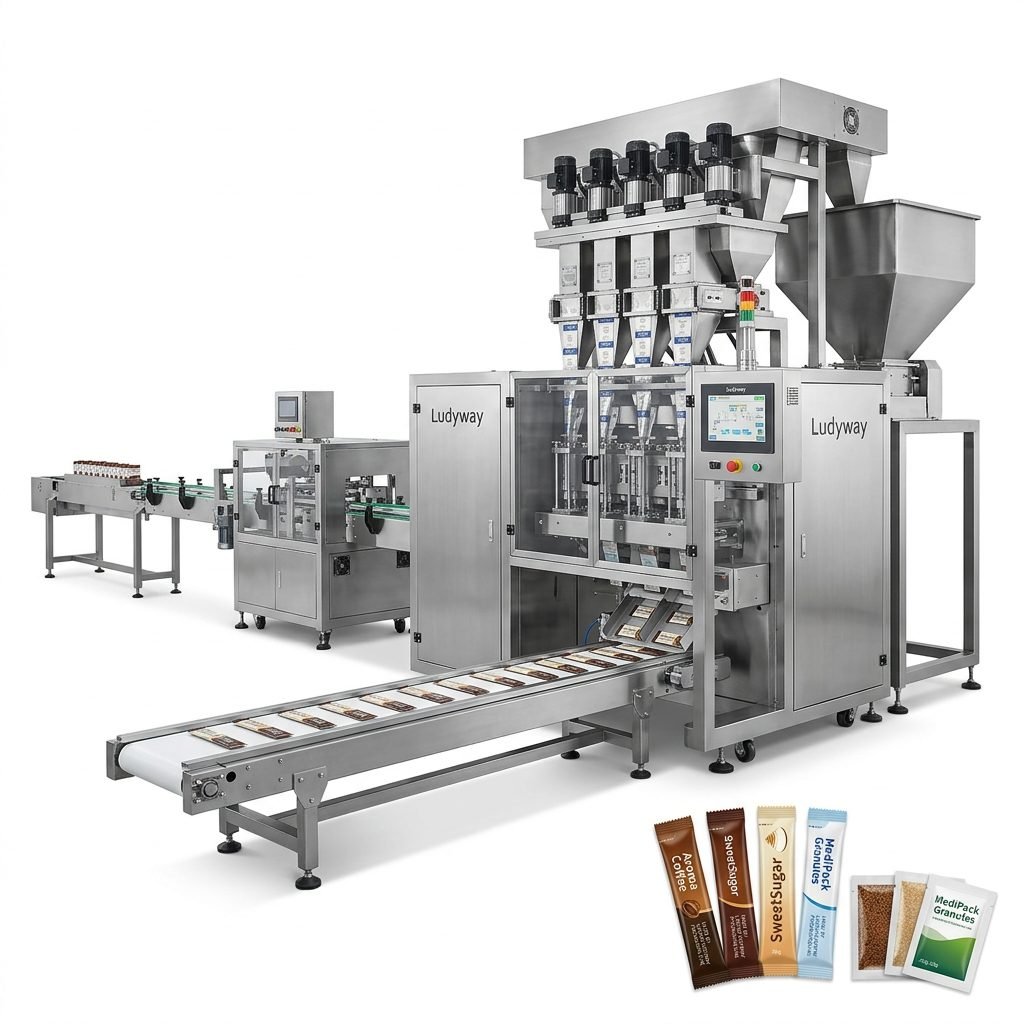
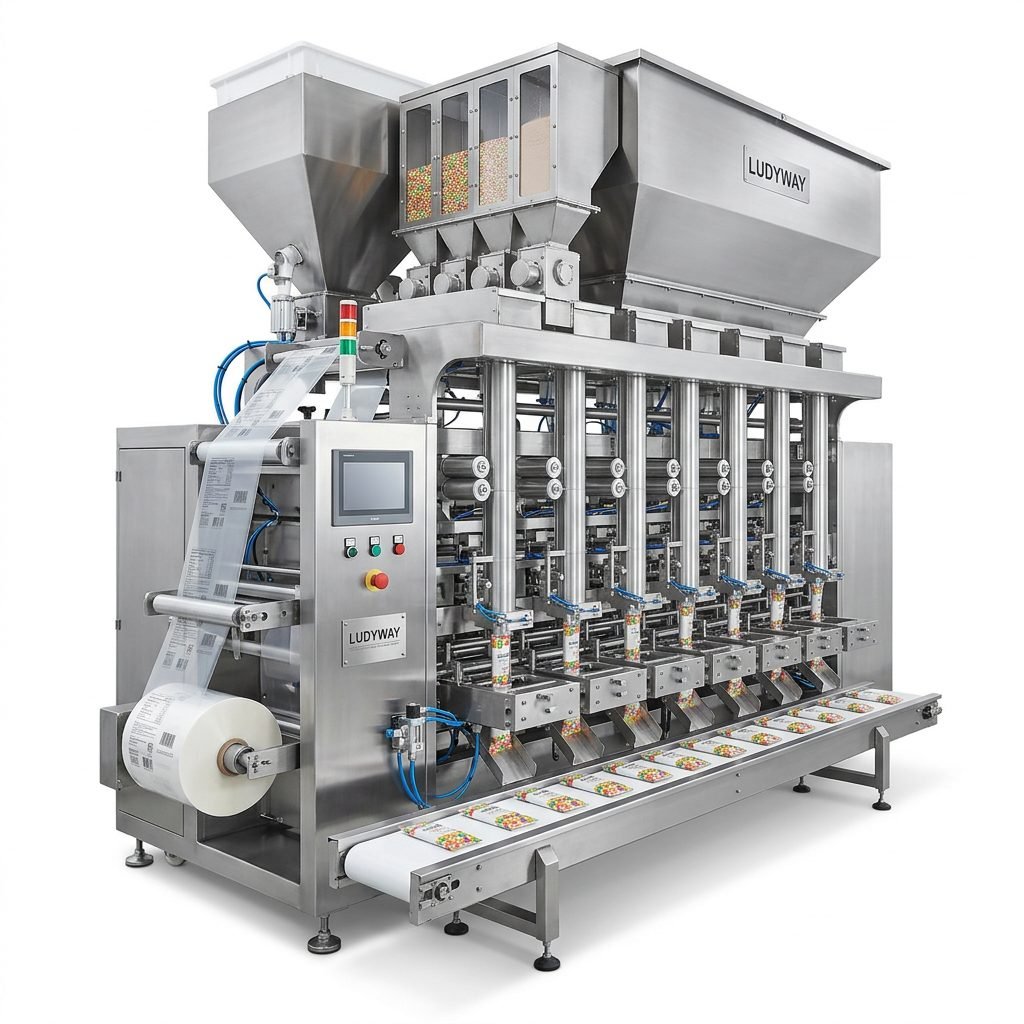
One notable global supplier, Ludyway, brings over 30 years of packaging machinery expertise, with more than 50 intelligent packaging machine models serving customers across 100+ countries. Their modern 20,000㎡ manufacturing facility and dedicated engineering team support turnkey production solutions for food, pharmaceutical, and health industries — including specialized equipment for granule, powder, and pouch packaging applications commonly used in chocolate bar secondary packaging processes.
Questions to Ask Potential Suppliers
- Can you provide contact details for at least three Middle East customers using similar chocolate packaging lines?
- What is the guaranteed output rate with our specific chocolate bar dimensions and film specification?
- How quickly can a technician be on-site in Dubai or Riyadh in the event of a breakdown?
- What is the lead time for critical spare parts delivered to our facility?
- Does your warranty cover parts and labor for the first year of operation?
Installation, Commissioning, and Training Best Practices
A well-managed installation phase prevents costly delays. Plan for a dedicated project manager from the supplier side to coordinate logistics, civil works, utilities connection, and commissioning milestones. Typical timelines for a chocolate bar packaging line installation range from 4 to 12 weeks, depending on line complexity and site readiness.
Operator training should be structured and documented. A tiered training approach — covering basic operation, changeover procedures, troubleshooting, and preventive maintenance — builds internal capability and reduces reliance on external support. Record training sessions for future reference and establish standard operating procedures (SOPs) aligned with ISO 11607 packaging validation requirements for any pharmaceutical-grade or export-oriented chocolate products.
Future Trends Impacting Chocolate Packaging in the Middle East
Several macro trends are shaping machinery purchasing decisions across the region:
- Sustainability mandates: Governments are introducing extended producer responsibility (EPR) schemes. Machinery capable of running recyclable mono-material films and thinner gauge materials will be increasingly valued.
- Personalization: Digital printing integration for limited editions, seasonal packaging (Ramadan, National Day), and promotional campaigns requires flexible coding and marking systems.
- E-commerce ready packaging: With online chocolate sales surging, packaging must withstand courier handling. Machinery with enhanced seal integrity verification is essential.
- Functional chocolates: Protein-enriched, sugar-free, and vitamin-fortified bars often have different flow characteristics, requiring adaptable feeding and wrapping mechanisms.
Sustainability and Circular Economy Considerations
The Middle East is progressively adopting sustainable materials management principles. Chocolate manufacturers are transitioning toward paper-based wrappers, compostable films, and reduced plastic content. Packaging machinery must evolve to handle these new substrates, which often have different stiffness, heat sensitivity, and sealing characteristics compared to conventional plastic laminates. When procuring new equipment, prioritize machines that offer flexibility to run both current and future sustainable packaging materials.
Making the Final Decision: A Step-by-Step Roadmap
Consolidate your research into a systematic decision framework:
- Document your requirements: Bar dimensions, target output, pack style, film type, and budget ceiling.
- Shortlist 3-5 suppliers: Based on regional presence, technical capability, and client references.
- Request detailed proposals: Including machine specifications, utility requirements, delivery timelines, and warranty terms.
- Conduct site visits: Whenever possible, visit reference installations and witness machines running comparable products.
- Negotiate comprehensively: Not just price, but also payment terms, training duration, spare parts package, and post-warranty support rates.
- Sign with confidence: Ensure the contract includes performance guarantees, acceptance criteria, and clear penalty clauses for delivery delays.
Investing in the right chocolate bar packaging machine positions Middle East manufacturers to capture growing market demand while meeting the region’s unique operational and regulatory challenges. A thorough evaluation process, coupled with a long-term partnership mindset, yields dividends in productivity, product quality, and brand reputation for years to come.