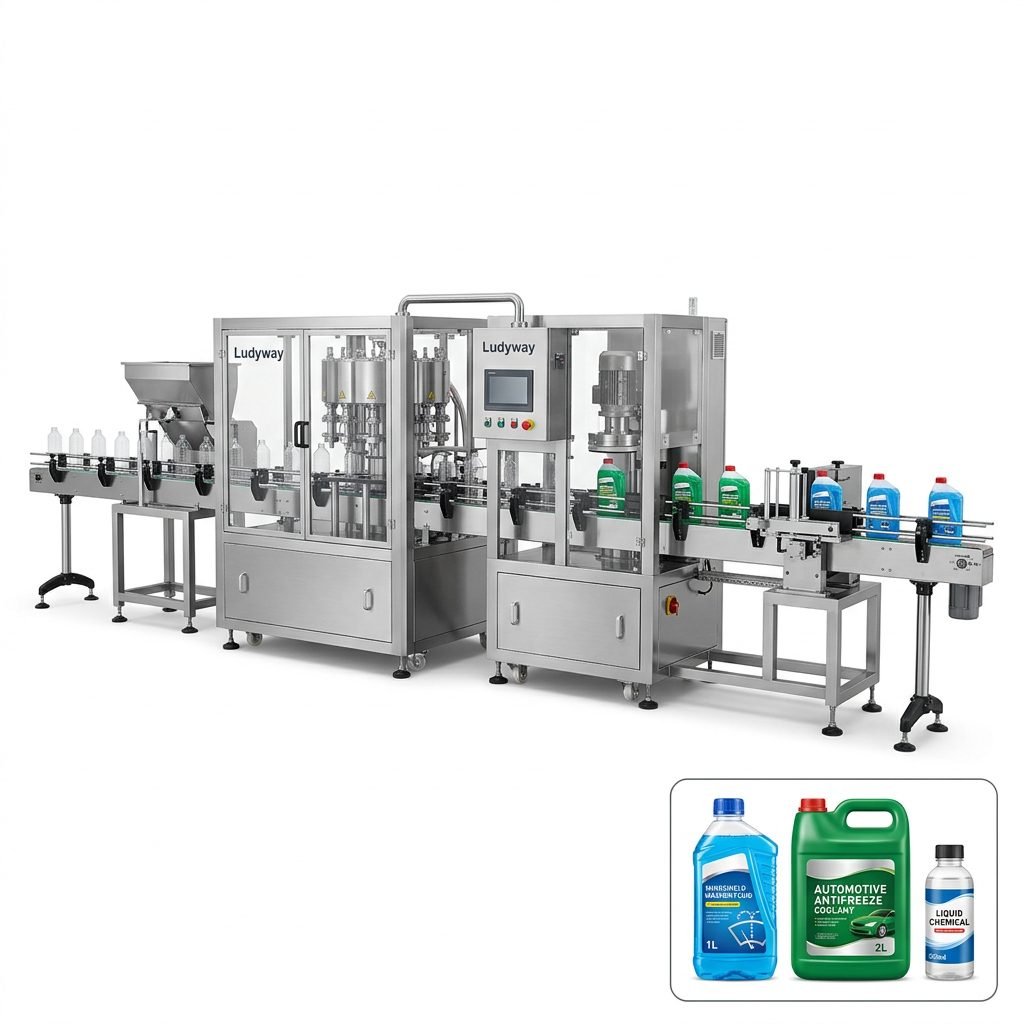
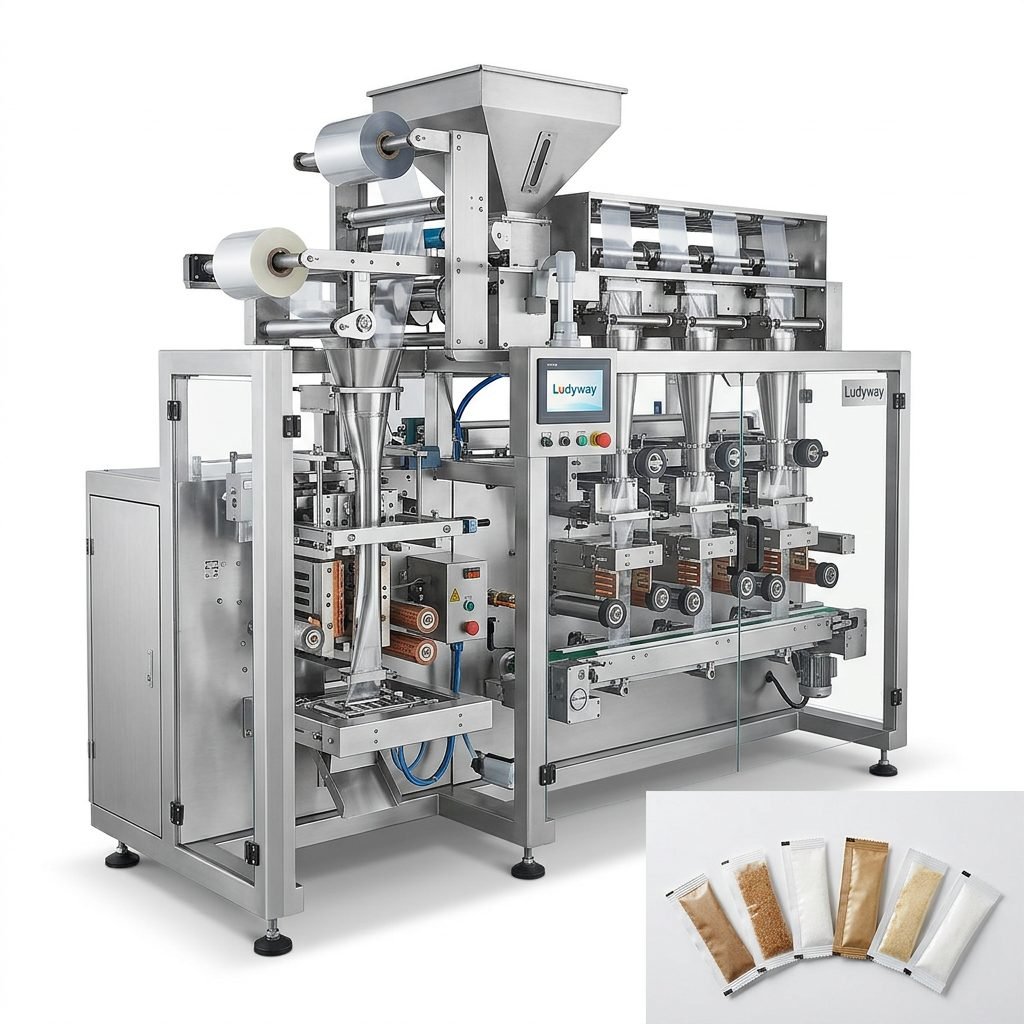
For small business owners, investing in packaging equipment is a significant decision. A compact, efficient packaging machine can streamline operations, reduce labor costs, and enhance product presentation. However, navigating the market to find the right solution can be daunting. This guide will walk you through the essential considerations to help you choose a simple packaging machine that perfectly fits your small business’s needs and budget.
Understanding Your Packaging Needs
The first and most crucial step is a thorough self-assessment. Before looking at machines, define your requirements clearly.
Product Characteristics
What are you packaging? The nature of your product dictates the machine type.
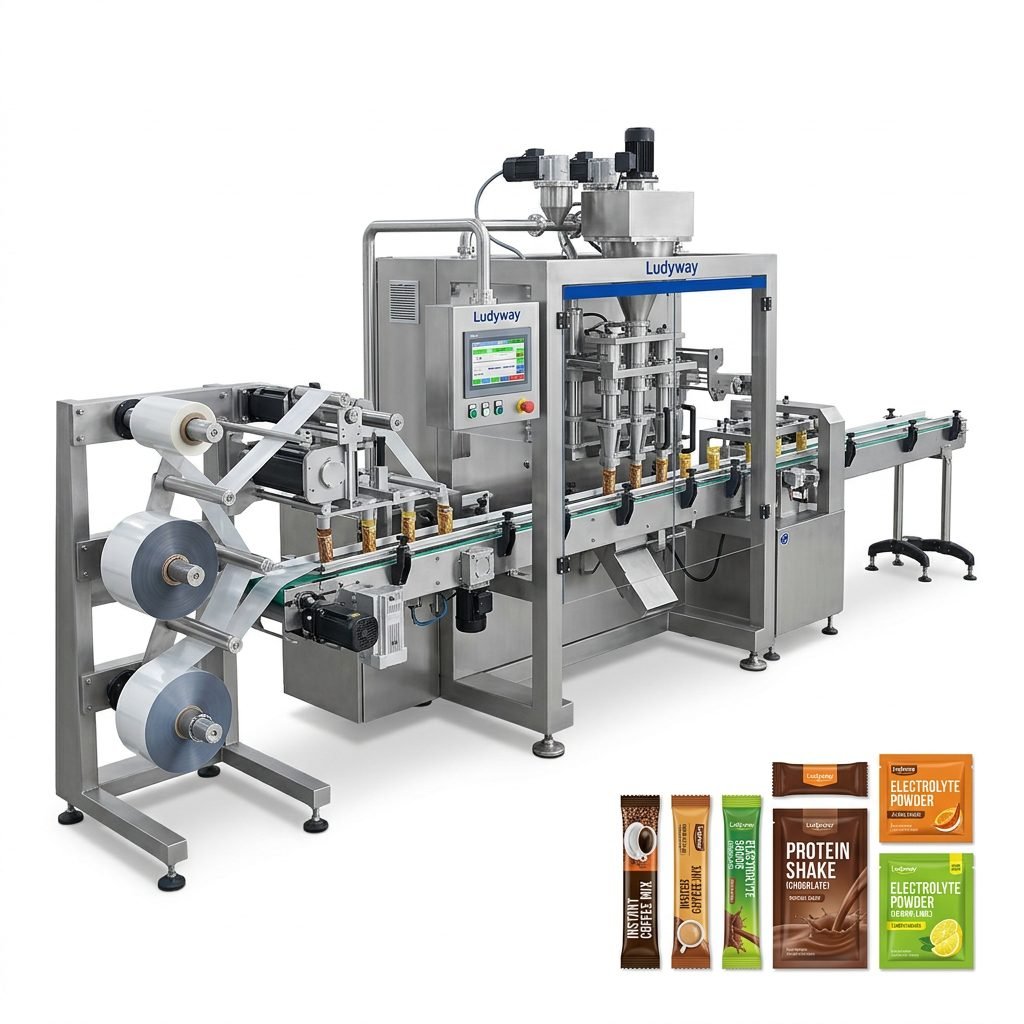
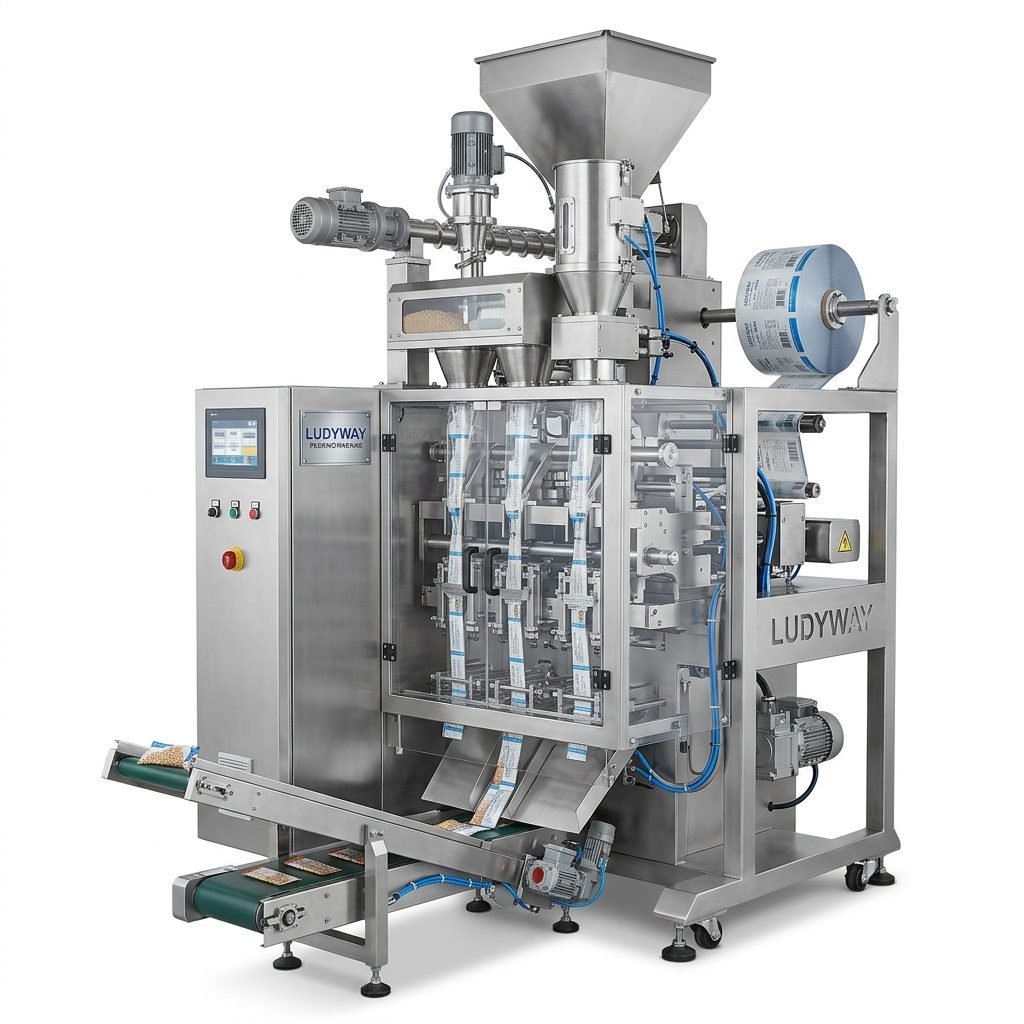
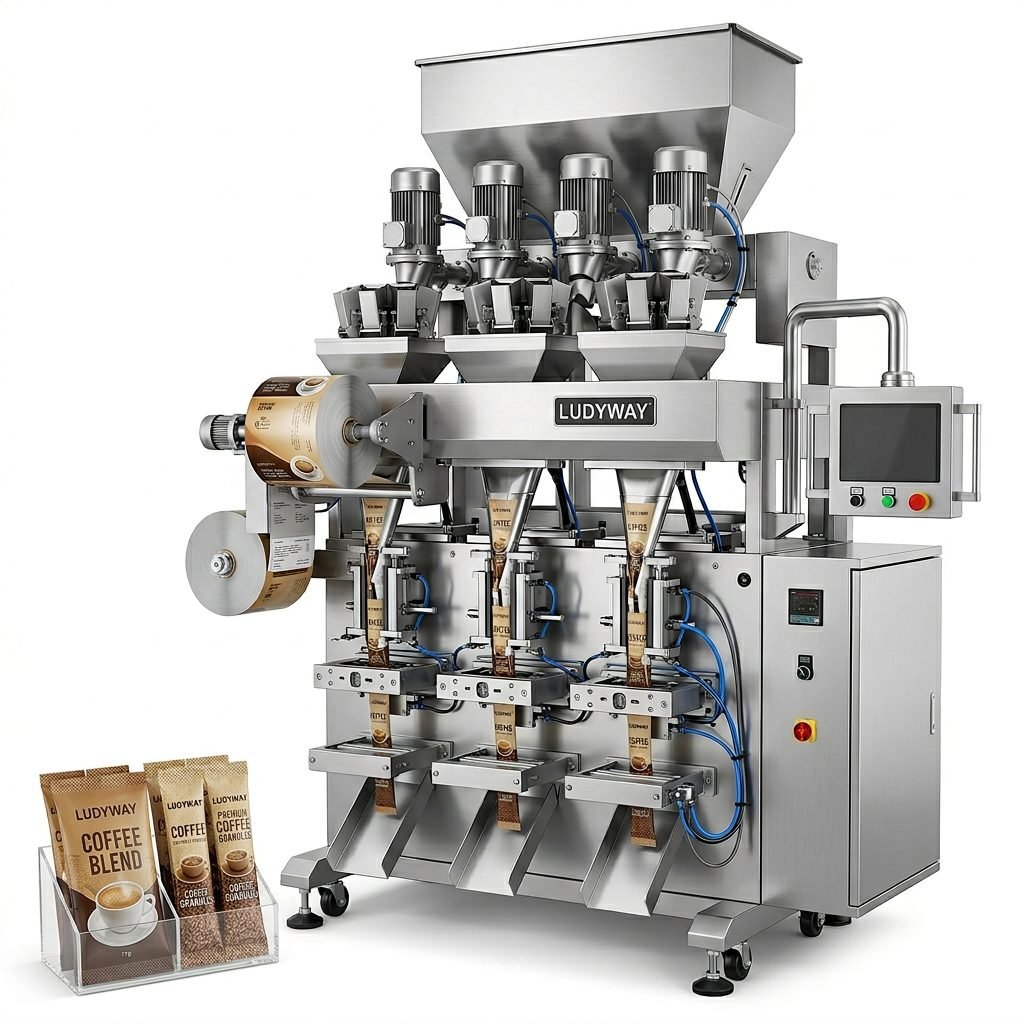
- Granules/Powders: (e.g., spices, protein powders, instant coffee) require machines with precise filling systems to handle fine materials and minimize dust.
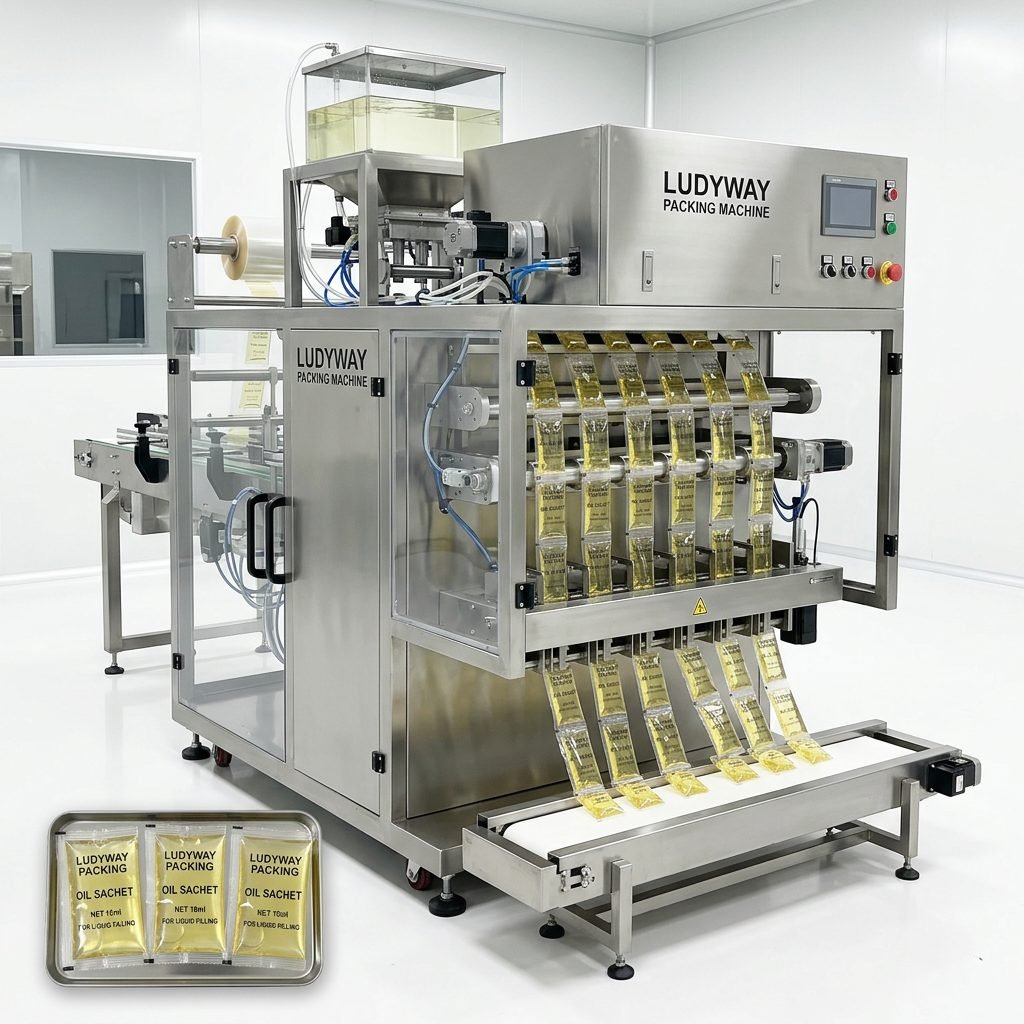
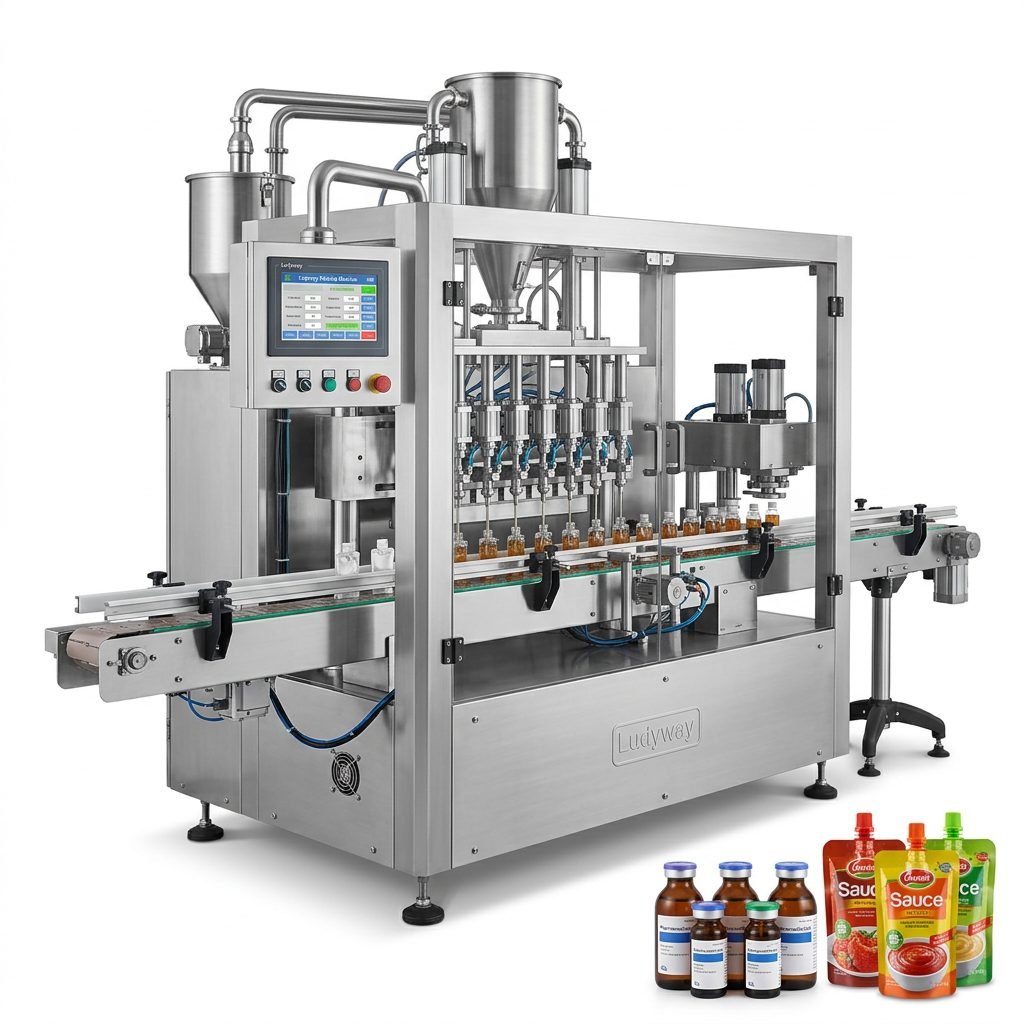
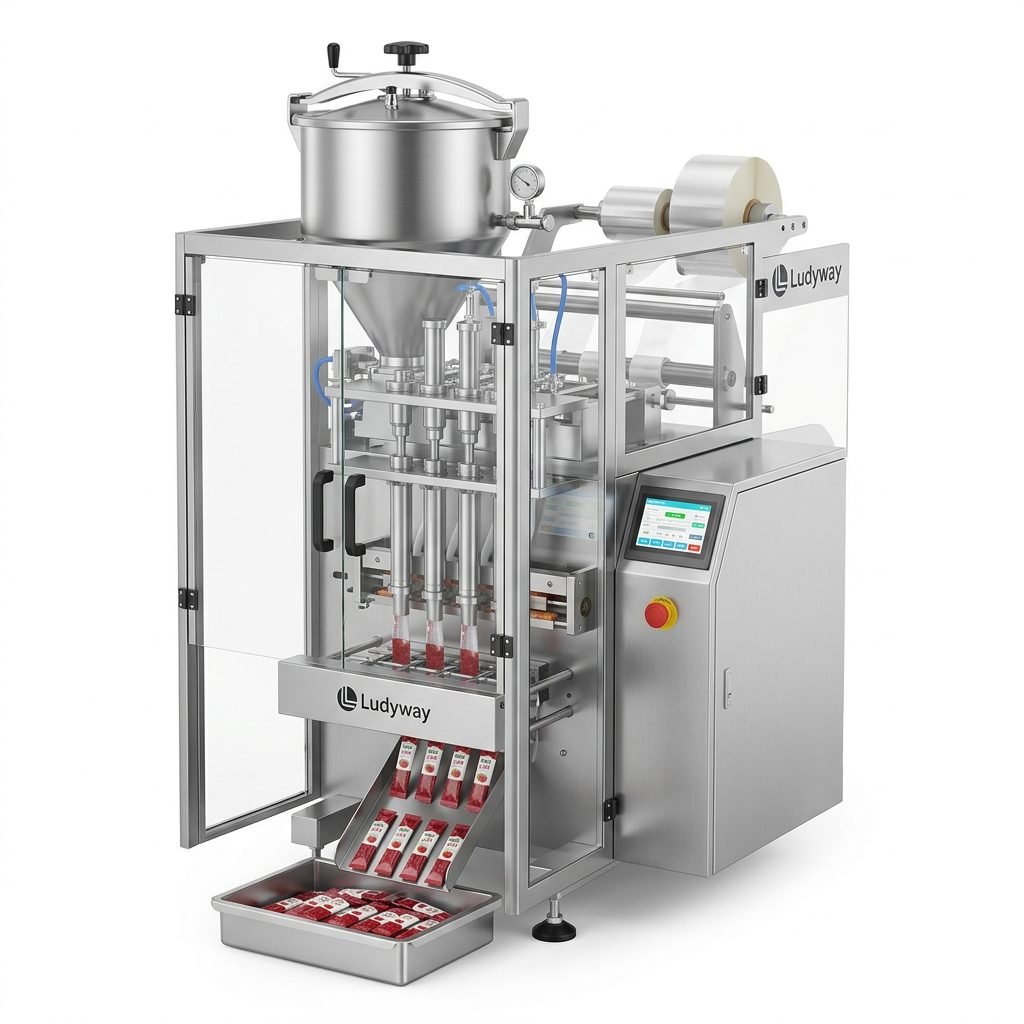
- Liquids/Pastes: (e.g., sauces, oils, cosmetic creams) need liquid pumps and nozzles designed to prevent dripping and ensure accurate volume filling.
- Solid Items: (e.g., small hardware, candies, tea bags) often use volumetric or count-filling mechanisms.
Packaging Format & Output
Consider your desired final package and production speed.
Key Questions to Answer:
• Do you need sachets (small flat pouches), stick packs (long slender packs), or small bags?
• What is your current and projected daily/weekly output volume?
• What packaging film material (e.g., laminated, polyethylene) will you use?
Key Features of Compact Packaging Machines
Modern compact machines offer features that balance simplicity with capability. Focus on these core aspects.
Simplicity of Operation & Changeover
For a small team, ease of use is paramount. Look for machines with:
- User-Friendly Touchscreen Interface: Intuitive controls reduce training time and errors.
- Quick Size Changeover: The ability to switch between different package sizes (e.g., from 10g to 25g sachets) in minutes, without complex tool changes, is invaluable for businesses running multiple products.
- Clear Mechanical Layout: Accessible components make cleaning, maintenance, and troubleshooting simpler.
Accuracy & Reliability
Consistency builds brand trust. Essential technical features include:
Filling System: The heart of the machine. For powders, a servo-driven auger filler offers excellent precision. For liquids, a piston pump is common. Ensure the system’s accuracy meets your product’s tolerance (e.g., ±0.5g).
Machine Stability: A robust frame and quality components ensure the machine runs smoothly for extended periods without vibration or misalignment, which can cause packaging defects.
Space & Power Considerations
Compact doesn’t just mean small footprint; it means efficient design.
Physical Dimensions: Measure your available space. True compact machines are often designed as integrated units, not sprawling assemblies.
Power Requirements: Verify the electrical needs (voltage, phase). Some machines are designed for standard single-phase power, ideal for smaller workshops.
Budgeting & Cost Analysis
Look beyond the initial purchase price. A holistic cost view prevents future surprises.
Initial Investment
This includes the machine price, essential spare parts kit, and any basic training offered.
Operating Costs
Factor in ongoing expenses:
- Film & Material Consumption: Efficient machines minimize film waste through precise cutting and sealing.
- Labor: A semi-automatic machine may require one operator, while a fully automatic compact line might run unattended for periods, reducing labor costs.
- Maintenance: Inquire about recommended service schedules and the cost/commonality of wear parts (like seals or cutting blades).
ROI Calculation
Estimate how the machine will pay for itself: increased output capacity, reduced packaging errors (less product giveaway), and lower labor costs. Even a simple machine should show a clear ROI within a reasonable timeframe for a small business.
Supplier Selection & Support
Your relationship with the supplier is critical for long-term success.
Technical Support & Training
Ensure the supplier provides comprehensive installation guidance, operational training (possibly via video manuals), and accessible technical support for troubleshooting. Prompt support can save days of downtime.
Spare Parts & Service
Check the availability and delivery time for critical spare parts. A supplier with a global parts network or local stock is advantageous.
Supplier Experience & Reputation
Research the supplier’s background. A company like Ludyway Packaging Machinery, with decades of focus on packaging solutions, often brings valuable application knowledge. Look for case studies or testimonials from other small businesses.
Why Experience Matters: An experienced supplier understands the practical challenges small businesses face—from space constraints to budget limitations—and can recommend machines that are not only technically suitable but also operationally pragmatic. They can often provide tailored solutions that preempt common pitfalls.
Planning for Future Growth
Choose a machine that aligns with your growth trajectory.
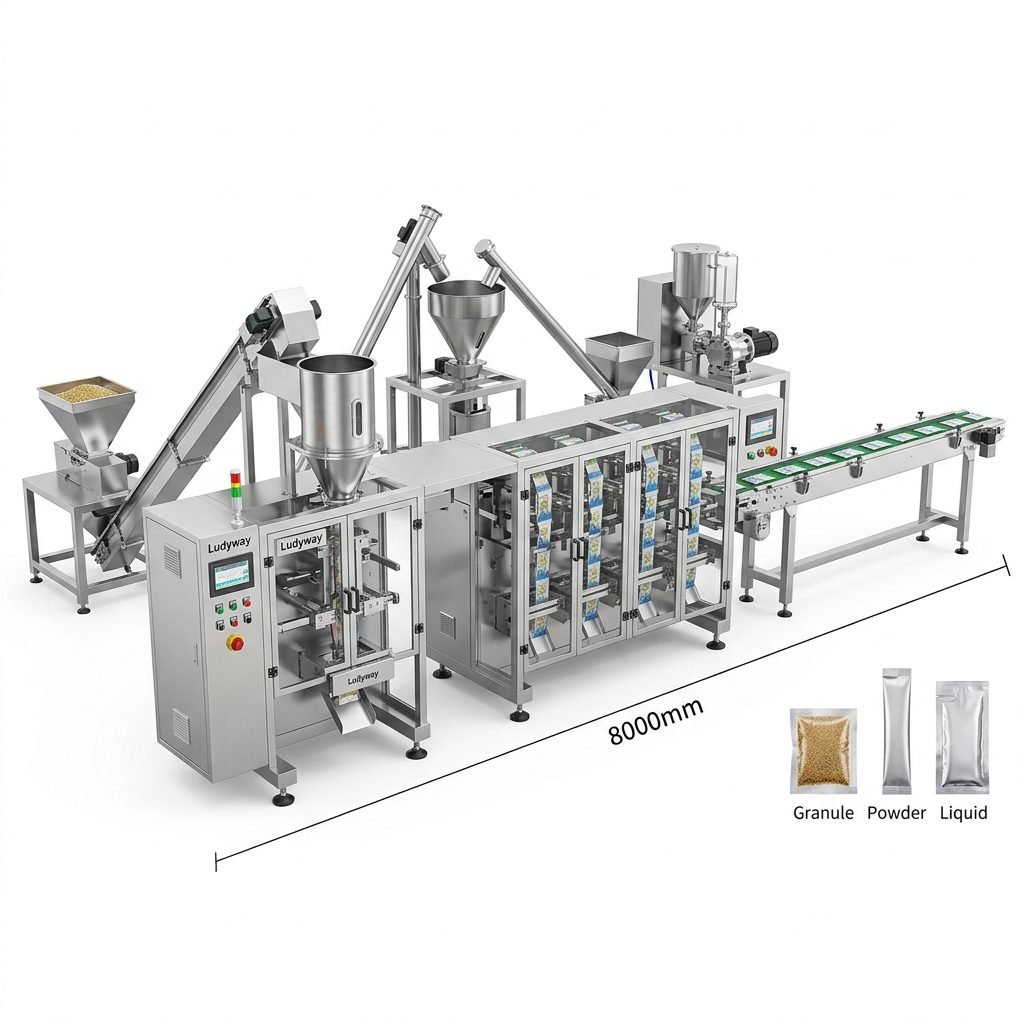
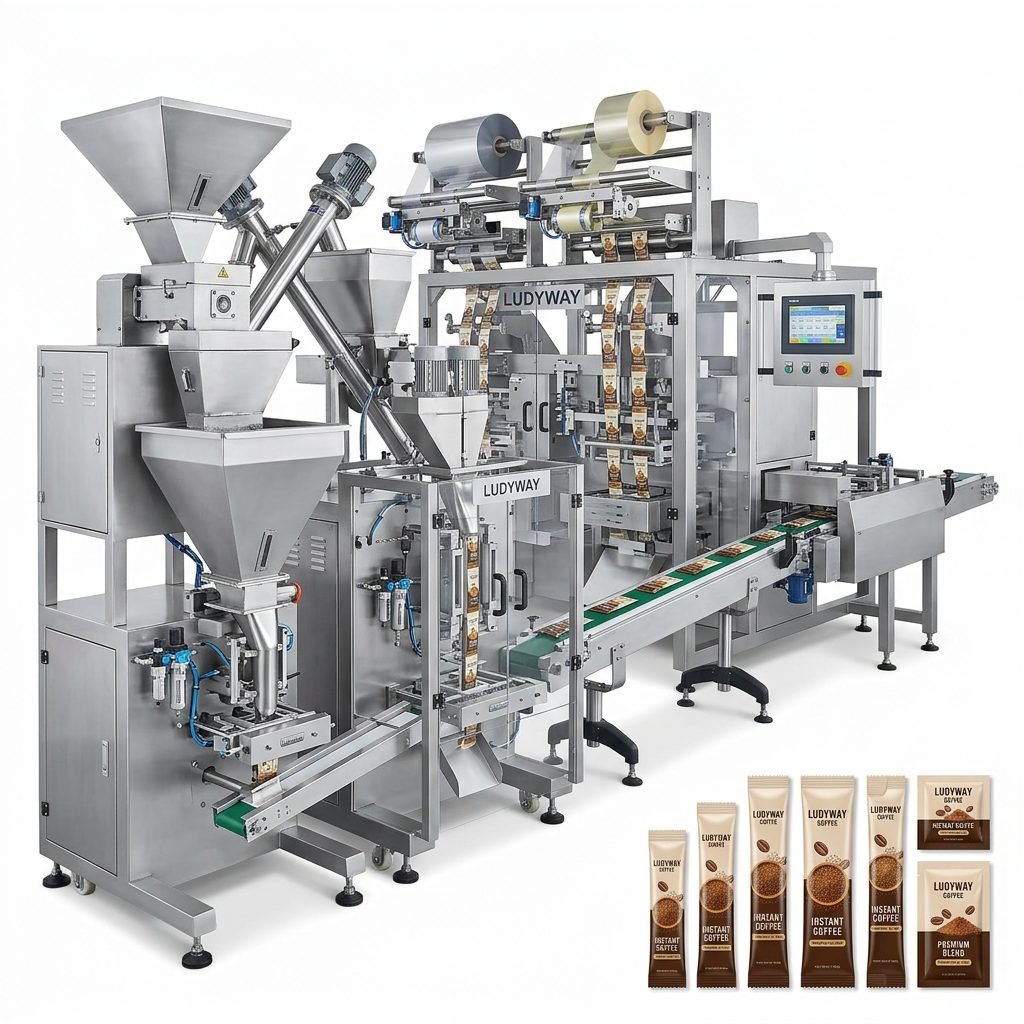
Scalability: Some compact machines are modular. Can you add a second filling head later to double output? Can it be integrated into a longer line with a cartoner or case packer in the future?
Flexibility: A machine capable of handling a range of similar products (e.g., different powder densities) provides more value as your product line expands.
Investing in a machine from a supplier committed to innovation and long-term cooperation means you have a partner for your next upgrade.
Common Questions (FAQ)
Q1: Can a compact packaging machine handle different package sizes?
Answer: Yes, many modern compact machines are designed for quick changeover. By adjusting the forming tools and reprogramming the cut length via the touchscreen, you can switch between multiple pre-set sizes efficiently, making them ideal for businesses with a varied product range.
Q2: How much manual intervention is required for a “automatic” compact machine?
Answer: “Fully automatic” typically means the machine automatically forms, fills, and seals packages from a roll of film. However, an operator is usually needed to load the film roll, monitor operation, and clear occasional jams. The level of manual labor is significantly reduced compared to semi-automatic filling.
Q3: What is the typical maintenance required, and how often?
Answer: Daily cleaning of product contact parts is essential. Lubrication of specific points and inspection of seals/cutting blades might be weekly or monthly, depending on usage. Major service is often annual. Detailed schedules are provided by the supplier.
Q4: How do I ensure the machine is compatible with my packaging film?
Answer: Provide your film specifications (material, thickness, width) to the supplier before purchase. They can confirm if the machine’s forming system, heater temperature range, and sealing pressure are suitable. Testing with your actual film sample is often recommended.
Q5: Can I get technical support remotely if I’m located far from the supplier?
Answer: Many reputable suppliers offer remote support via video calls, detailed digital manuals, and online troubleshooting guides. For critical issues, they may have a network of service technicians or can dispatch parts quickly. Clarify the support channels before purchasing.