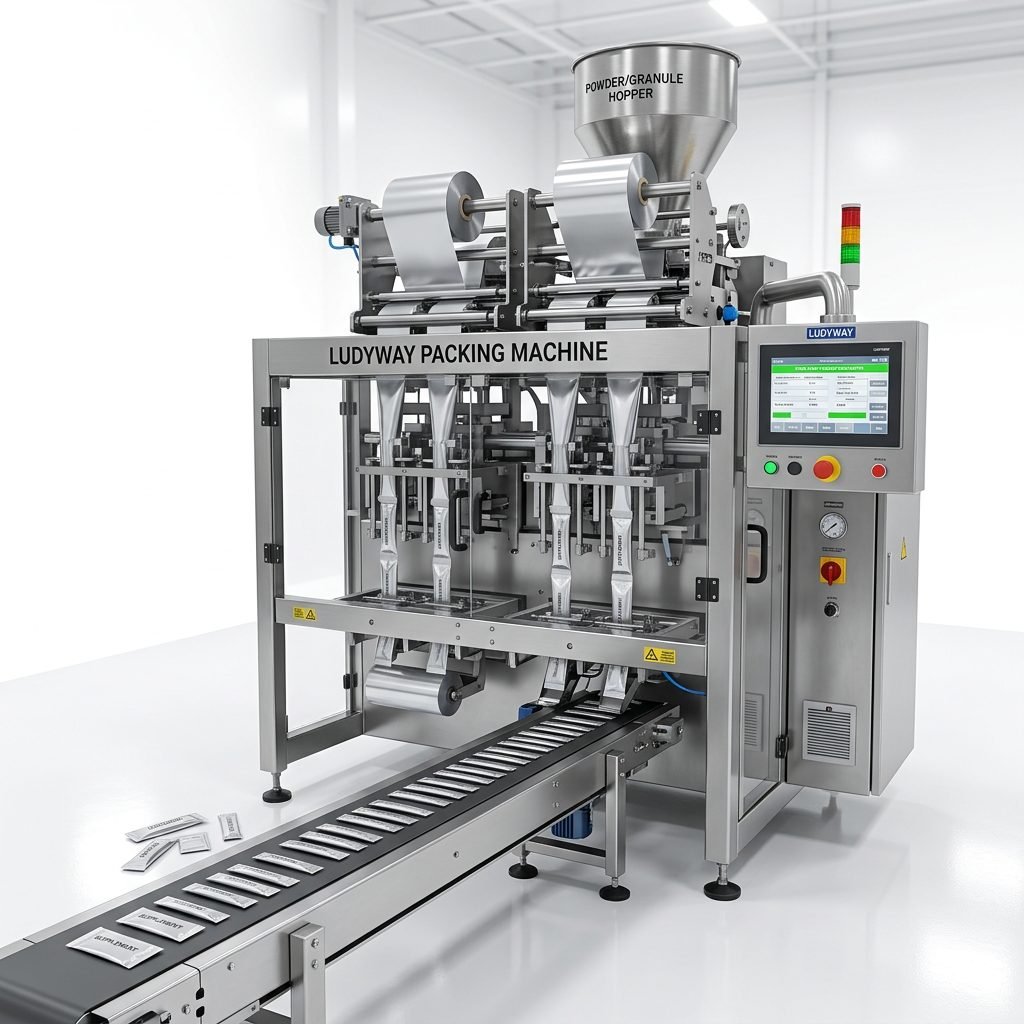
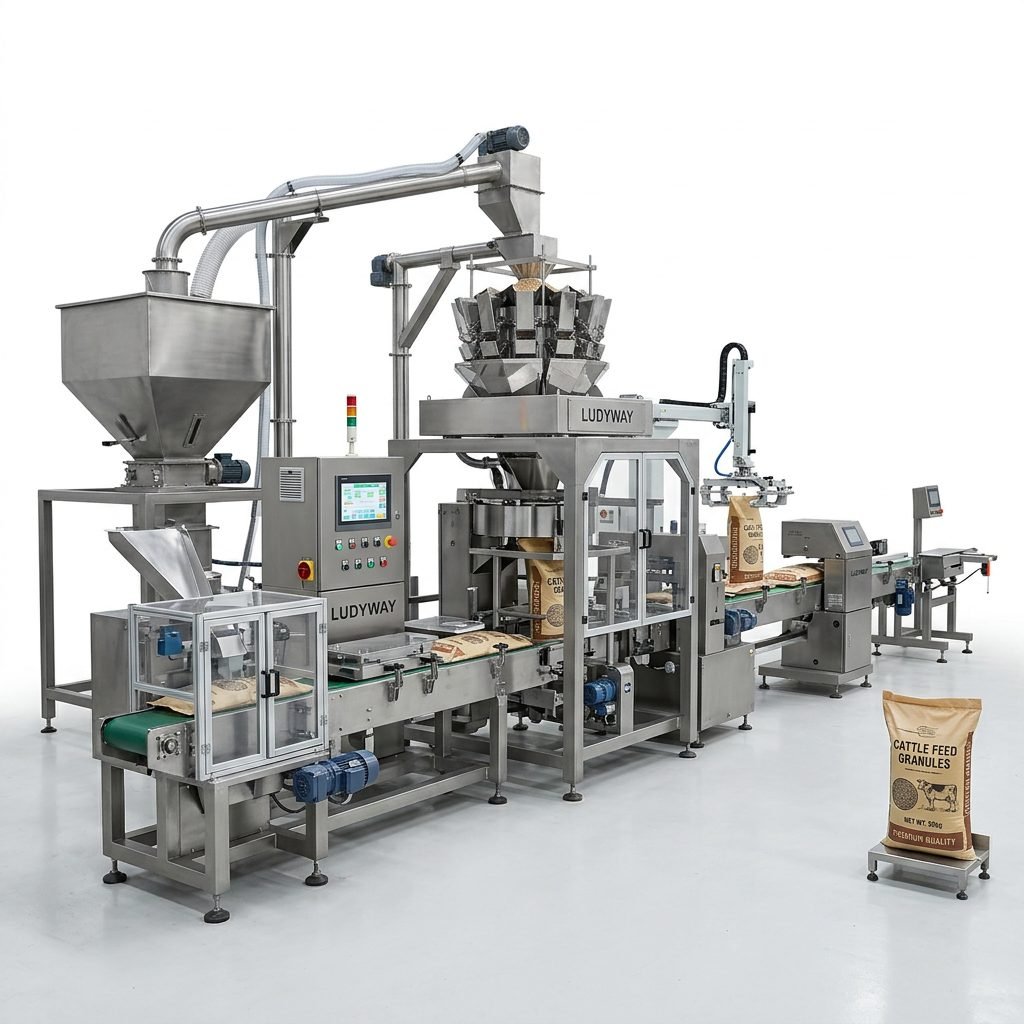
In today’s fast-paced manufacturing world, efficiency, hygiene, and precision are non-negotiable. For industries where product integrity directly impacts consumer safety and brand reputation—namely food, pharmaceuticals, and daily chemicals—the right packaging solution is a critical component of the production chain. Automated packaging machinery has evolved from a luxury to a necessity, driving consistency, reducing waste, and safeguarding quality from the production line to the end-user.
The Critical Role of Automation in Modern Packaging
The transition from manual to automated packaging represents a fundamental shift in how industries operate. Automation brings unparalleled consistency, speed, and cost-efficiency to processes that are vulnerable to human error. In sectors like pharmaceuticals, where dosage accuracy is paramount, or in food, where shelf life and contamination are constant concerns, automated systems provide the controlled environment necessary for compliance and quality assurance.
Key Benefits of Automated Packaging Systems:
- Enhanced Product Protection: Creates a hermetic seal against moisture, oxygen, and contaminants, crucial for sensitive products.
- Superior Operational Efficiency: Dramatically increases output (packages per minute) while optimizing material usage.
- Stringent Quality Control: Integrated sensors and vision systems ensure every package meets precise weight, fill, and seal standards.
- Improved Traceability: Modern machines can integrate coding, serialization, and data logging for full supply chain visibility.
- Reduced Labor Costs & Human Error: Minimizes reliance on manual labor for repetitive tasks, boosting overall plant safety and consistency.
Tailored Solutions for the Food Industry
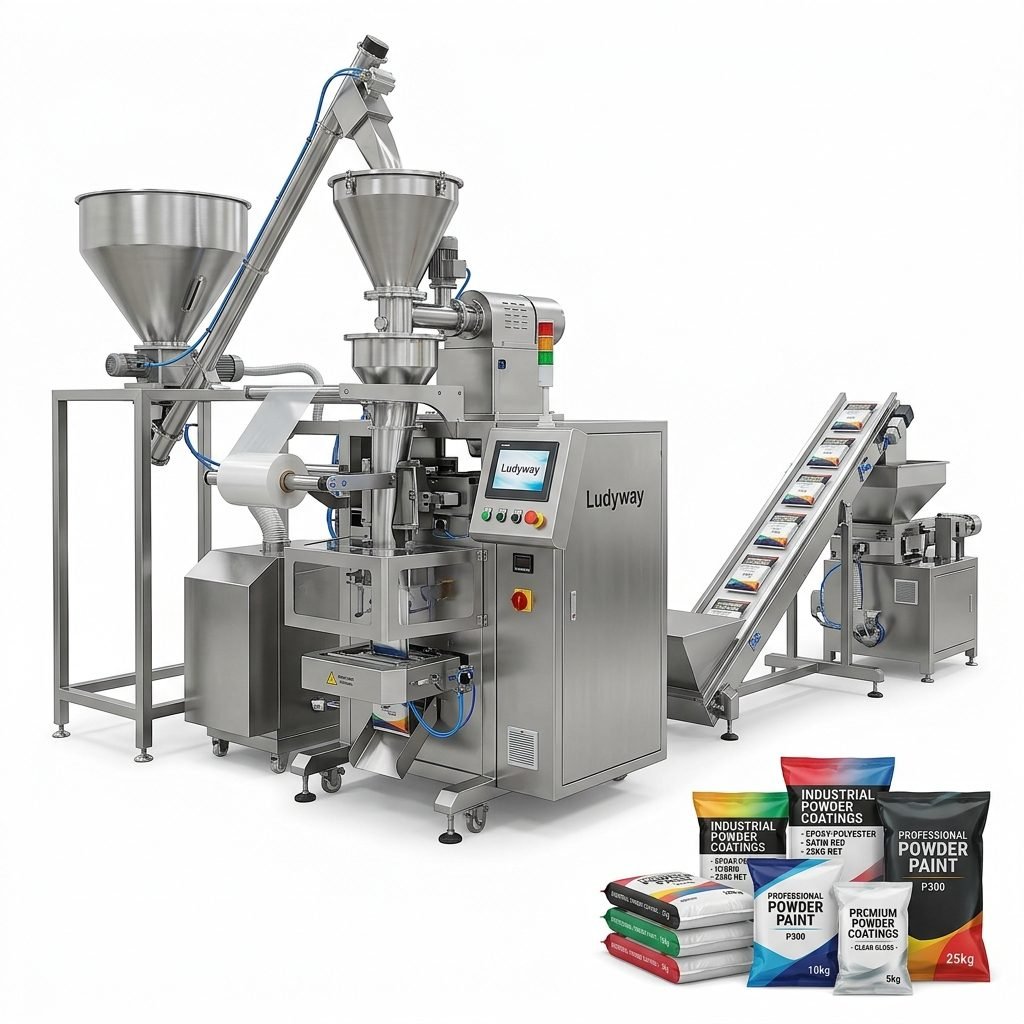
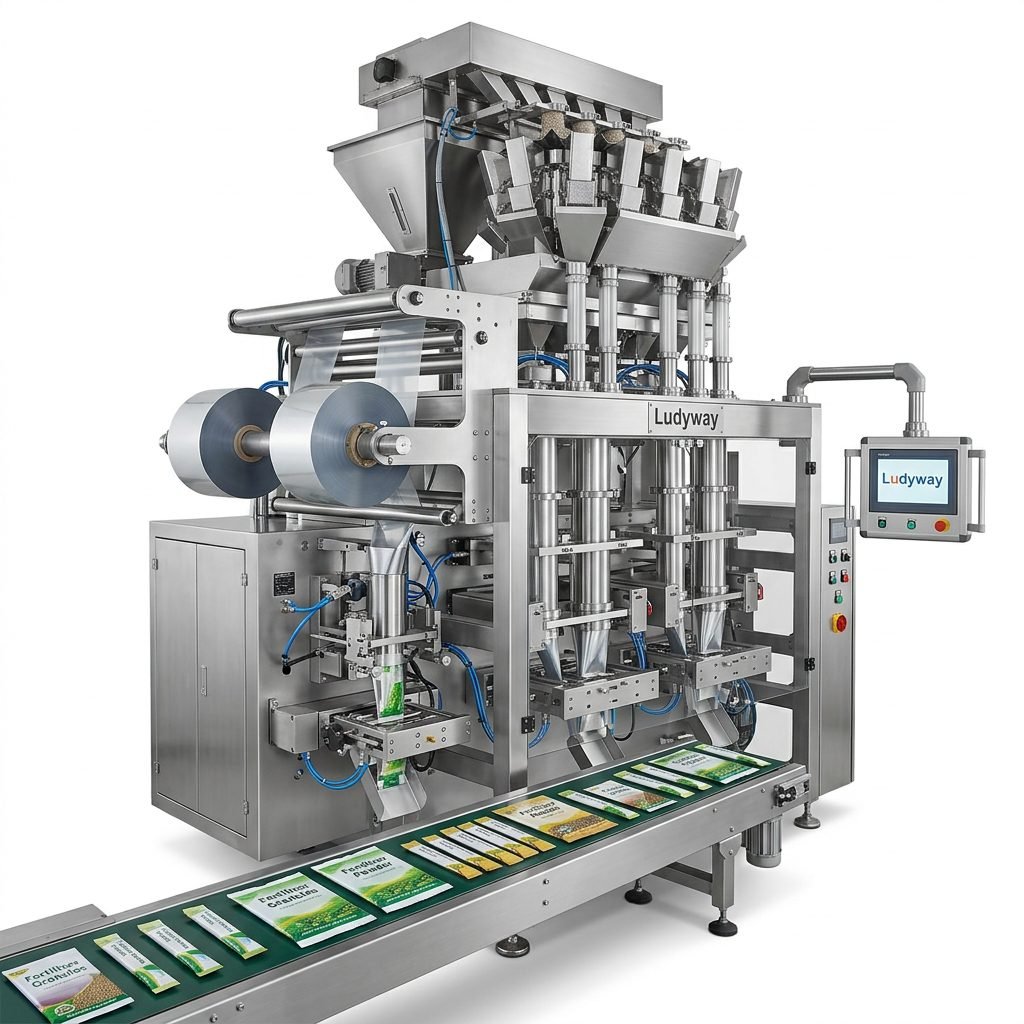
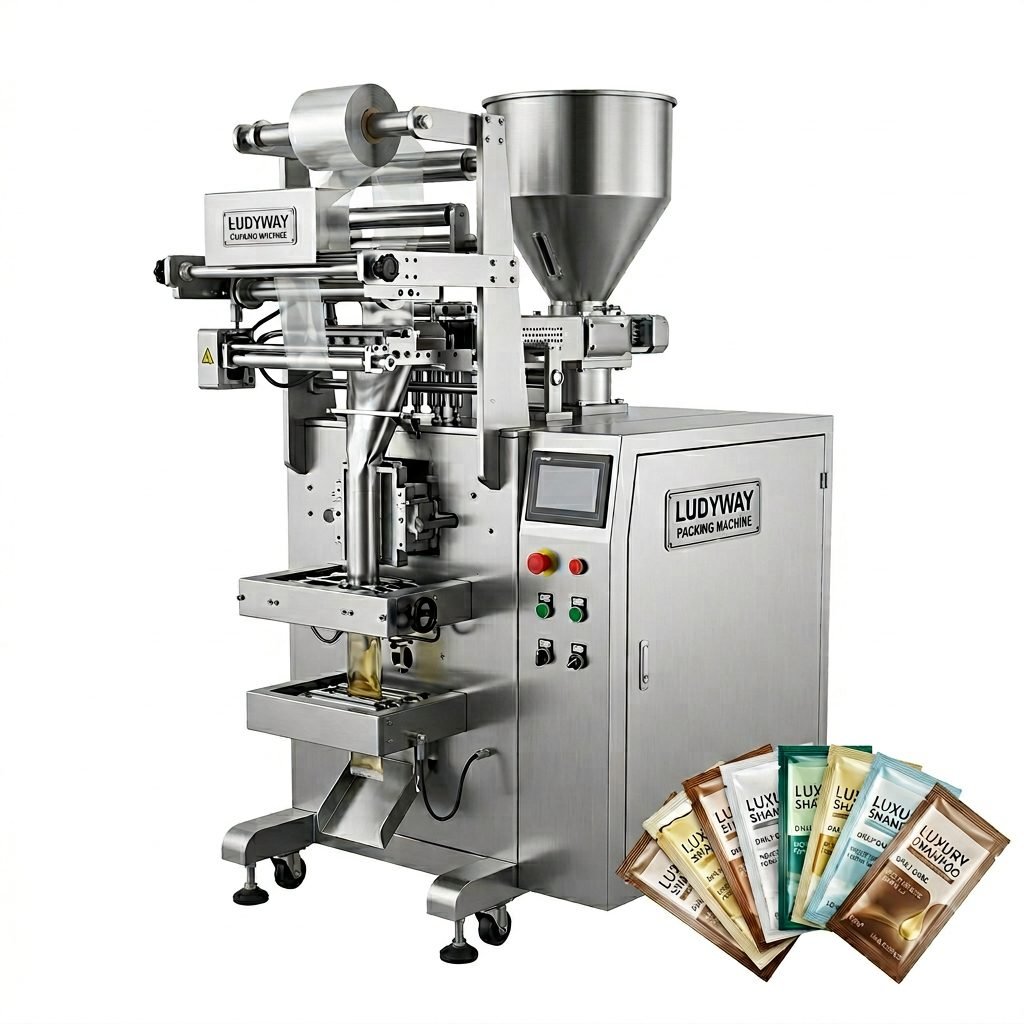
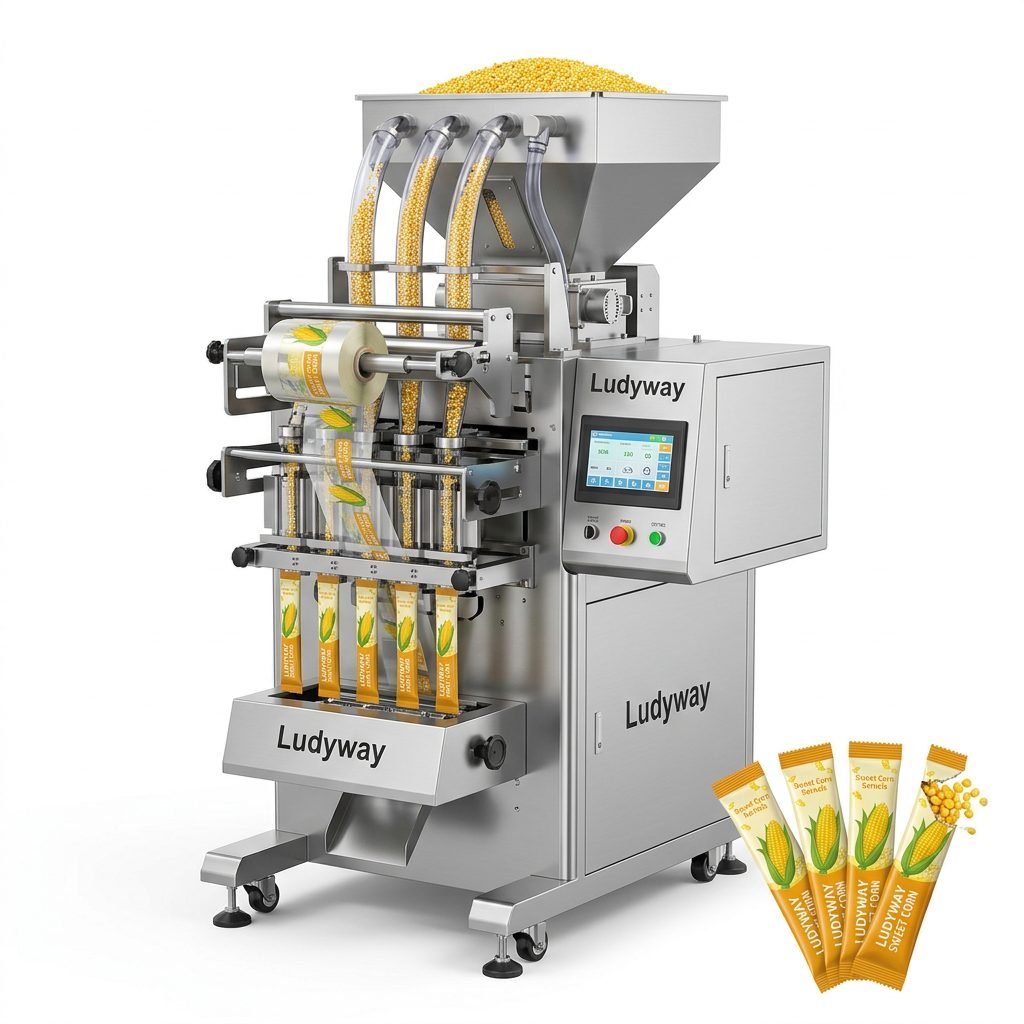
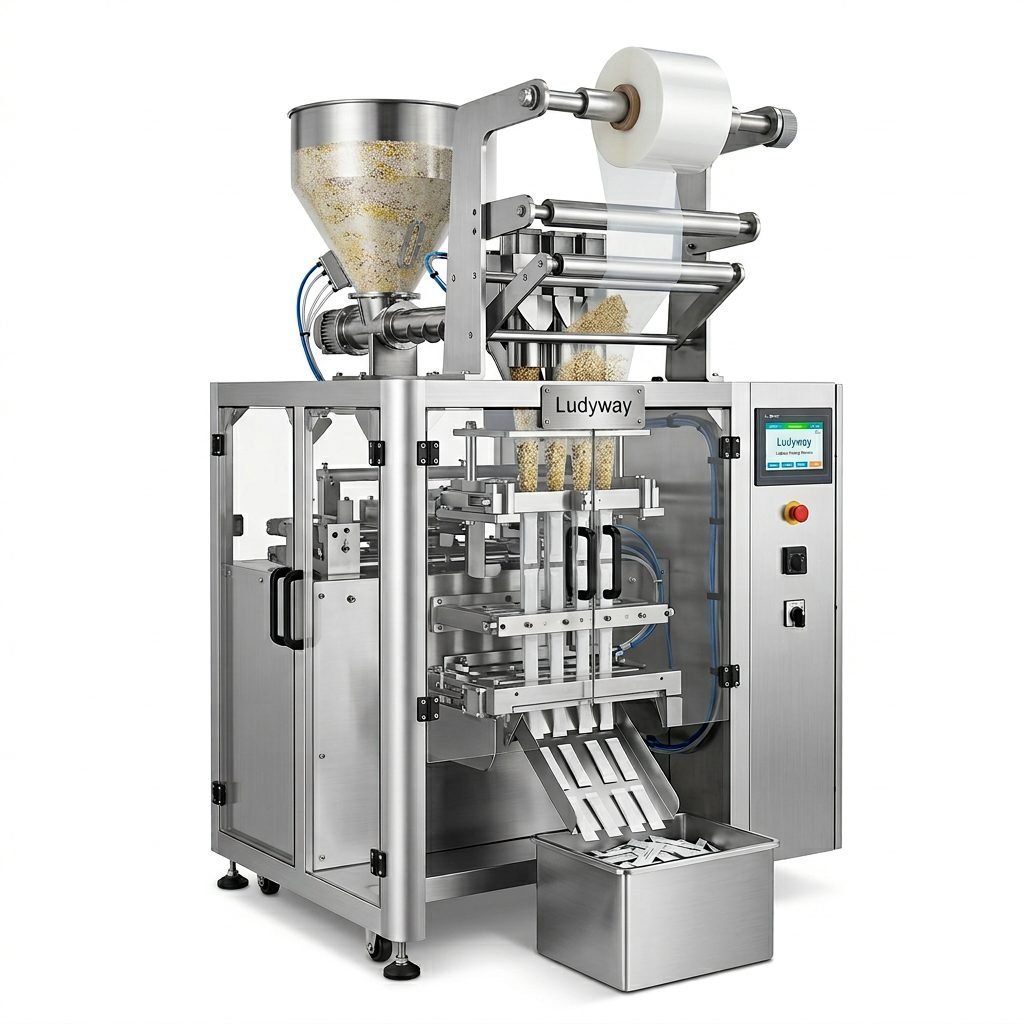
The food sector presents unique challenges: varying product consistencies (granules, powders, liquids, pastes), strict hygiene regulations, and the need for appealing consumer packaging. Automatic packaging machines for food are engineered to handle this diversity. Stick pack and sachet machines, for instance, are ideal for single-serve portions of sauces, seasonings, or instant beverages, offering convenience and freshness. For bulk items like rice, sugar, or snacks, vertical form-fill-seal (VFFS) machines provide efficient bagging solutions. These systems often incorporate nitrogen flushing capabilities to extend shelf life by displacing oxygen within the package.
Meeting Food Safety Standards
Compliance with standards like HACCP, FDA, and EU regulations is built into the design. Machines feature easy-clean surfaces, sanitary seals, and are often constructed from food-grade stainless steel. This design philosophy ensures that the packaging process itself becomes a barrier against contamination, protecting both the product and the consumer.
Precision Engineering for the Pharmaceutical Sector
In pharmaceuticals, packaging is a matter of patient safety. The margin for error is zero. Automated packaging solutions for this industry focus on absolute precision, tamper-evidence, and compliance with Good Manufacturing Practices (GMP). Blister packaging machines, powder filler machines, and liquid vial fillers are common, each designed to handle sensitive APIs (Active Pharmaceutical Ingredients) with care.
Critical Features for Pharma Packaging:
✔ High-Accuracy Dosing: Micro-dosing technology for powders and liquids ensures each unit contains the exact specified dose.
✔ Clean-Room Compatibility: Machines are designed to function in controlled environments, minimizing particulate generation.
✔ Serialization & Aggregation: Integrated systems to print unique codes on each saleable unit, as required by track-and-trace regulations worldwide.
✔ Data Integrity: Complete electronic batch records and audit trails to document every step of the packaging process.
Versatility for the Daily Chemical Industry
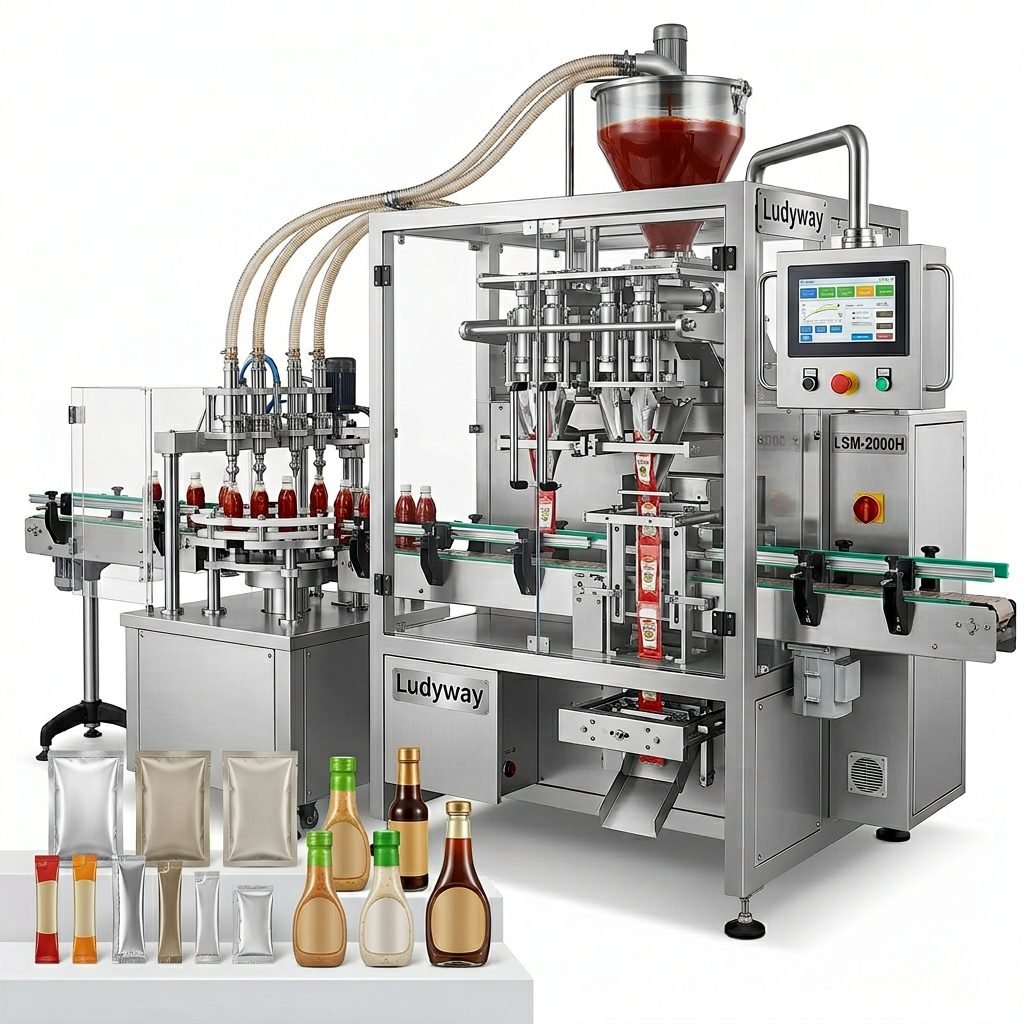
The daily chemical industry, encompassing products like detergents, shampoos, lotions, and cleaning agents, demands versatility. Products range from free-flowing powders and granules to viscous gels and liquids. Packaging formats are equally diverse, including sachets, pouches, bottles, and stick packs. Automatic packaging solutions here must be highly adaptable, capable of quick changeovers between different product types and package sizes to meet market trends and seasonal demands.
A key consideration is material compatibility. Machines must reliably handle aggressive chemicals or abrasive powders without corrosion or degradation. Furthermore, sealing integrity is vital to prevent leakage of liquids or clumping of hygroscopic powders, ensuring the product reaches the consumer in perfect condition. For more on versatile packaging line integration, see our overview of turnkey production solutions.
The Importance of Turnkey Solutions
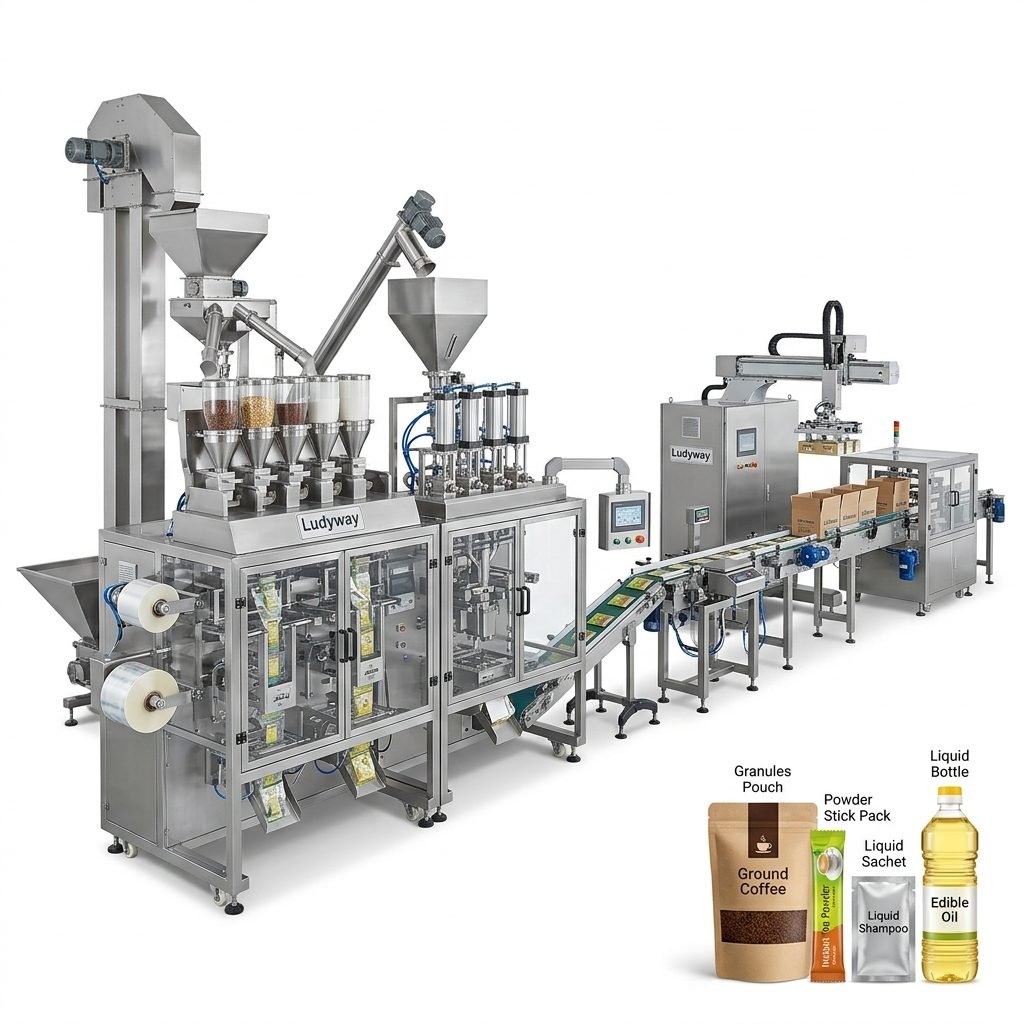
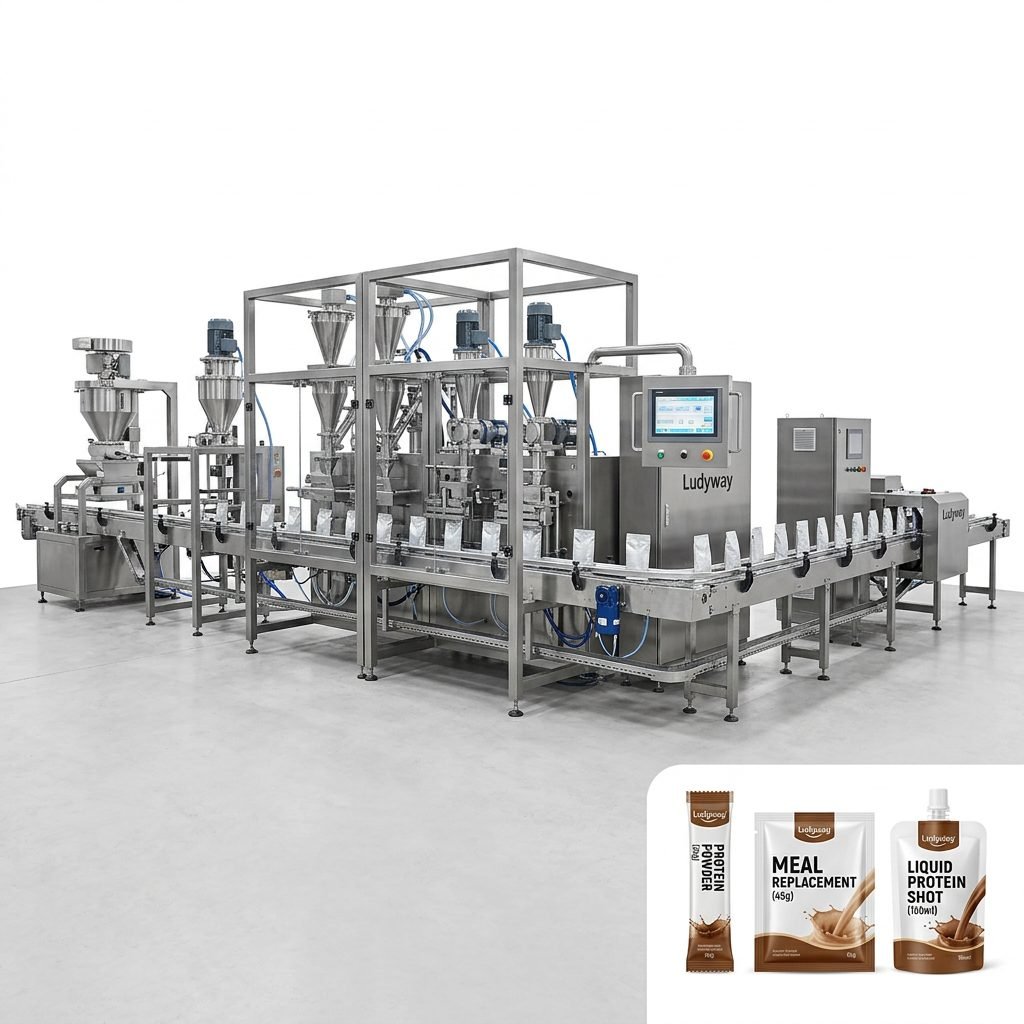
Beyond standalone machines, many manufacturers benefit from integrated turnkey production lines. These are complete systems that may include feeding, mixing, filling, sealing, cartoning, and palletizing—all synchronized for seamless operation. This approach, offered by experienced providers like Ludyway Machinery, minimizes integration headaches, ensures component compatibility, and provides a single point of accountability for service and support, ultimately leading to a faster return on investment.
Choosing the Right Packaging Partner
Selecting an automatic packaging machine is a significant investment. The right partner should offer more than just equipment; they should provide a comprehensive solution. Look for a supplier with proven industry experience, a robust portfolio of machines, and the engineering capability to customize solutions. Strong after-sales support, readily available spare parts, and operator training are equally critical for maintaining uptime and productivity over the machine’s lifespan. Exploring a partner’s company history and expertise can provide valuable insight into their reliability and commitment to innovation.
Summary: Driving Future Growth with Smart Packaging
The adoption of automatic packaging machinery is a strategic decision that propels food, pharmaceutical, and daily chemical manufacturers toward greater competitiveness. It is an investment in quality, efficiency, and scalability. As consumer expectations and regulatory landscapes evolve, leveraging advanced, reliable packaging technology from trusted experts is the key to building resilient, future-proof operations that deliver safe, high-quality products to the global market.
Frequently Asked Questions (FAQs)
1. What is the typical lead time for an automatic packaging machine?
Lead times vary based on machine complexity, customization level, and current production schedules. Standard models may ship in 8-12 weeks, while fully customized turnkey lines require more extensive engineering and testing. A reliable supplier will provide a clear project timeline after a detailed needs assessment.
2. Can one machine handle different types of products (e.g., powder and liquid)?
Some machines are designed for multi-purpose use with quick-change parts (like different filler pumps or augers). However, for optimal performance and hygiene—especially when switching between non-compatible products like food and chemicals—dedicated machines or extensive cleaning/validation procedures are often recommended. Discuss your specific product range with your supplier.
3. How do I ensure the machine complies with my country’s regulations (FDA, CE, etc.)?
Reputable machinery manufacturers design their equipment to meet major international standards. Always specify your target market’s regulatory requirements during the inquiry phase. The supplier should provide documentation (e.g., CE certification, material declarations) confirming compliance. For pharmaceutical applications, GMP design aspects are crucial.
4. What kind of after-sales support and training is provided?
Comprehensive support is essential. Look for a partner offering installation supervision, on-site operator and maintenance training, detailed manuals, a warranty period, and readily available technical support (remote and on-site). Access to a global spare parts network is critical for minimizing downtime.
5. What are the key factors in calculating the Return on Investment (ROI) for such equipment?
ROI calculations should consider: increased production output, reduction in labor costs, decrease in material waste (from more accurate filling), improved product quality/reduced rejects, enhanced shelf-life reducing returns, and the ability to meet larger orders or enter new markets. Most businesses see a full ROI within 12-24 months.