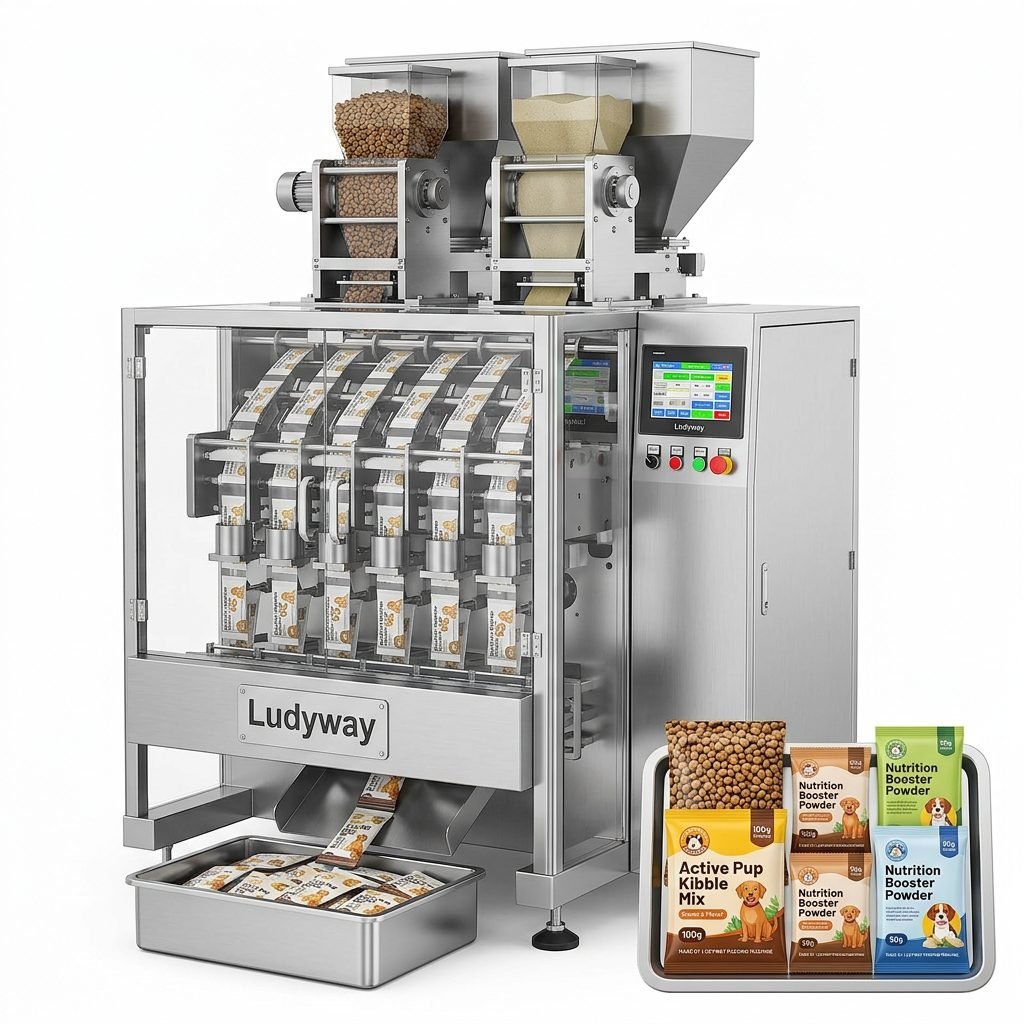
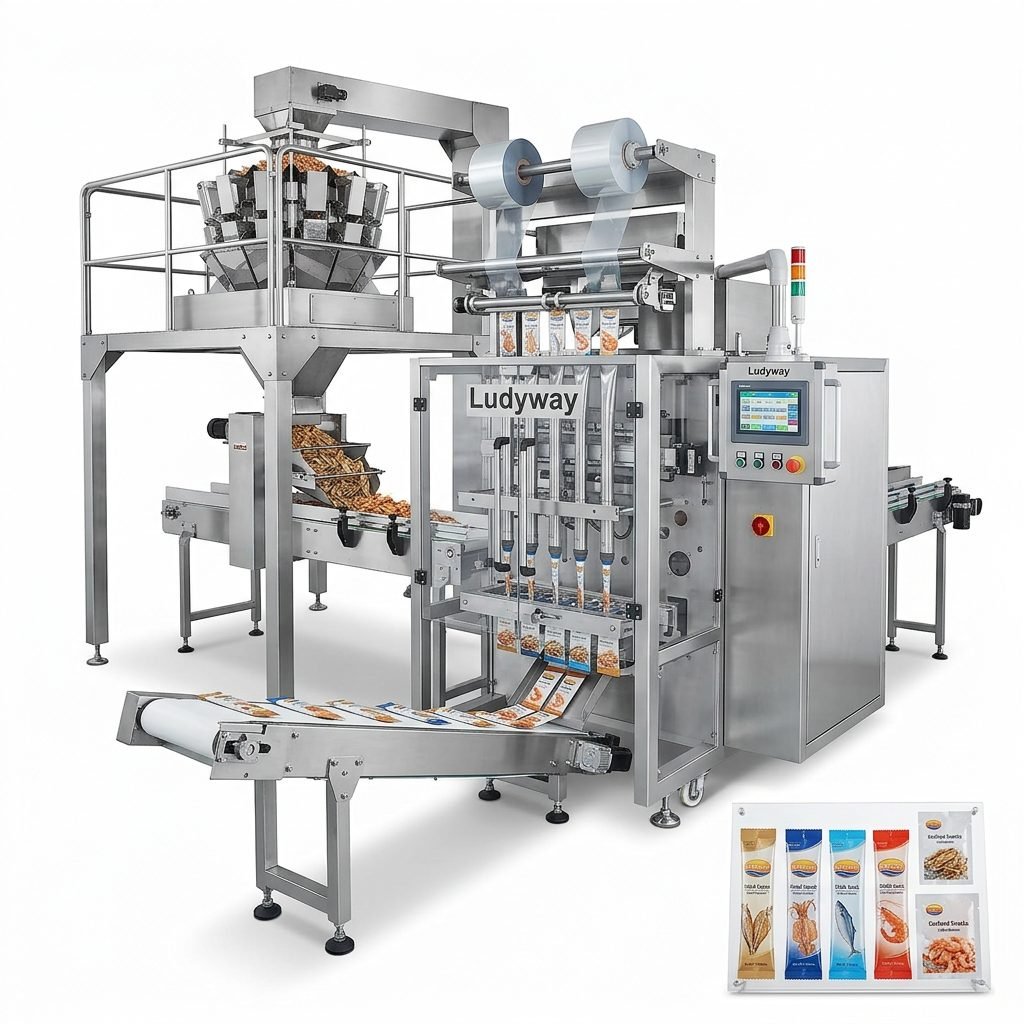
In the food and beverage industry, syrup packaging is a critical process that directly impacts product quality, shelf life, and consumer appeal. Selecting the right syrup packaging machine is a significant investment that can streamline operations, reduce waste, and enhance brand perception. This comprehensive guide explores the different types of syrup packaging machines, their key features, and provides a detailed framework to help you choose the ideal equipment for your production needs.
Understanding Syrup Packaging Machines
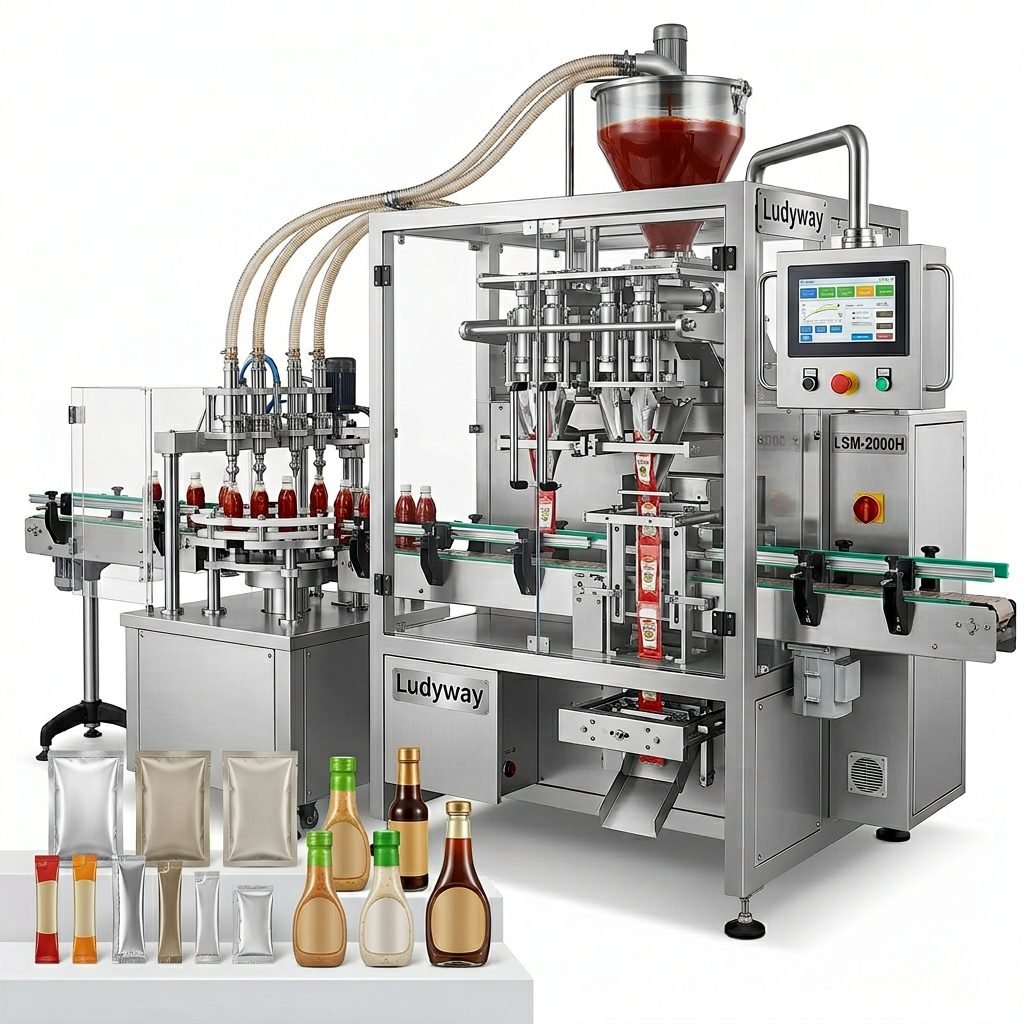
Syrup packaging machines are specialized equipment designed to accurately measure, fill, and seal viscous liquid products like syrups, sauces, honey, and medicinal liquids into various containers. These machines ensure hygiene, precision, and efficiency, handling everything from small sachets and stick packs to larger bottles and jars. The primary goal is to maintain product integrity from the filling nozzle to the final sealed package.
Key Takeaway: Modern syrup packaging goes beyond mere containment. It integrates dosing accuracy, sealing integrity, and production speed to meet both operational and market demands.
Core Operational Stages
Most syrup packaging machines follow a consistent workflow:
1. Container Feeding & Positioning: Empty bottles, sachets, or pouches are fed into the machine and oriented correctly.
2. Product Filling: A precise volume of syrup is dispensed into each container using a pump-based system (e.g., piston, peristaltic).
3. Sealing & Capping: The container is sealed—this could involve heat-sealing a pouch, screwing on a cap, or applying a tamper-evident seal.
4. Coding & Discharge: The packaged product is often date-coded or batch-labeled before being discharged for secondary packaging.
Types of Syrup Packaging Machines
The choice of machine heavily depends on your packaging format, production volume, and syrup characteristics. Here are the main categories:
1. By Packaging Format
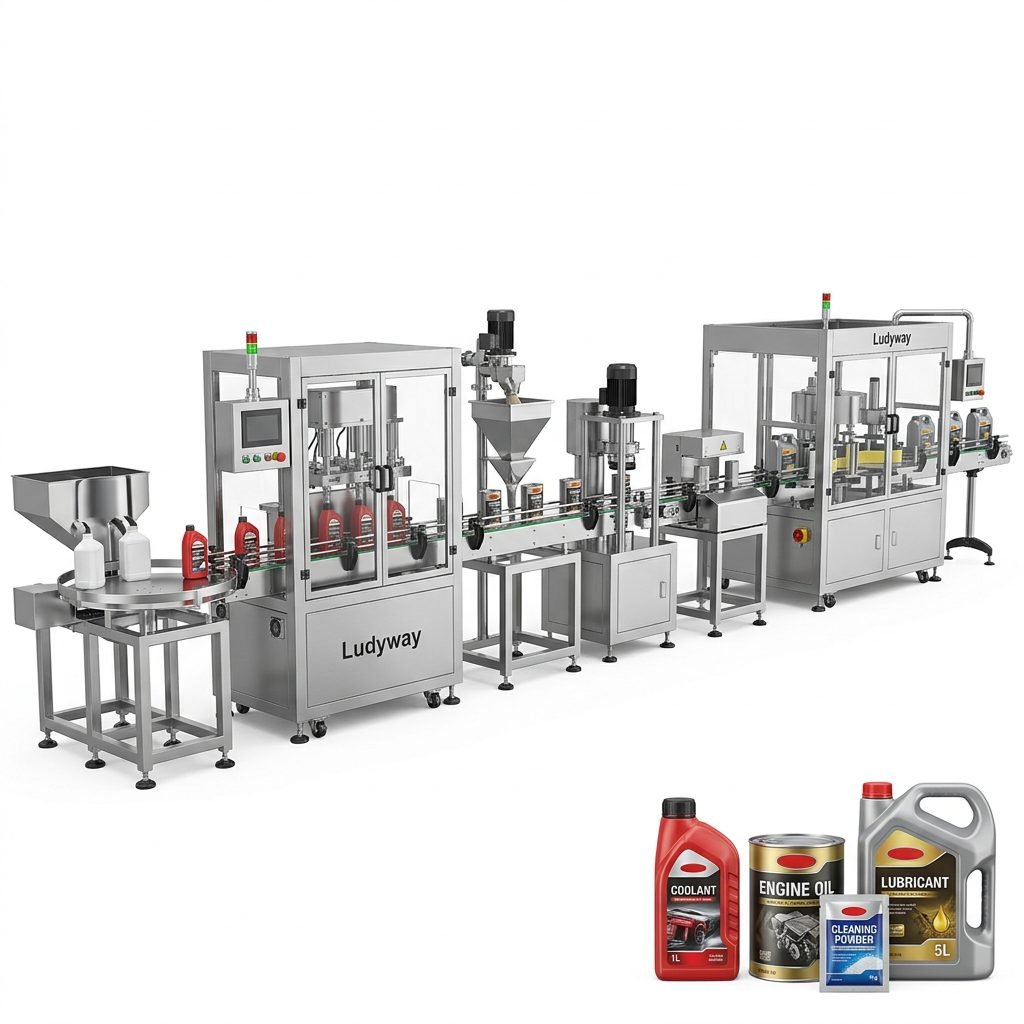
Bottle Fillers & Cappers
Ideal for retail syrup bottles in glass or PET. These are often rotary or inline machines that integrate filling and capping. They can handle a wide range of viscosities and bottle sizes, from small medicinal bottles to large kitchen syrup containers.
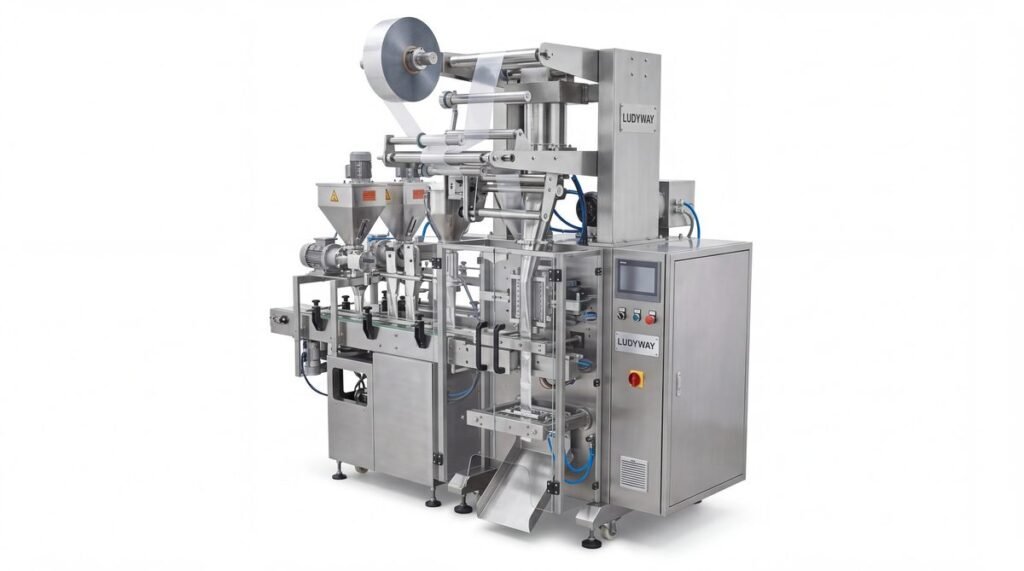
Sachet & Pouch Packaging Machines
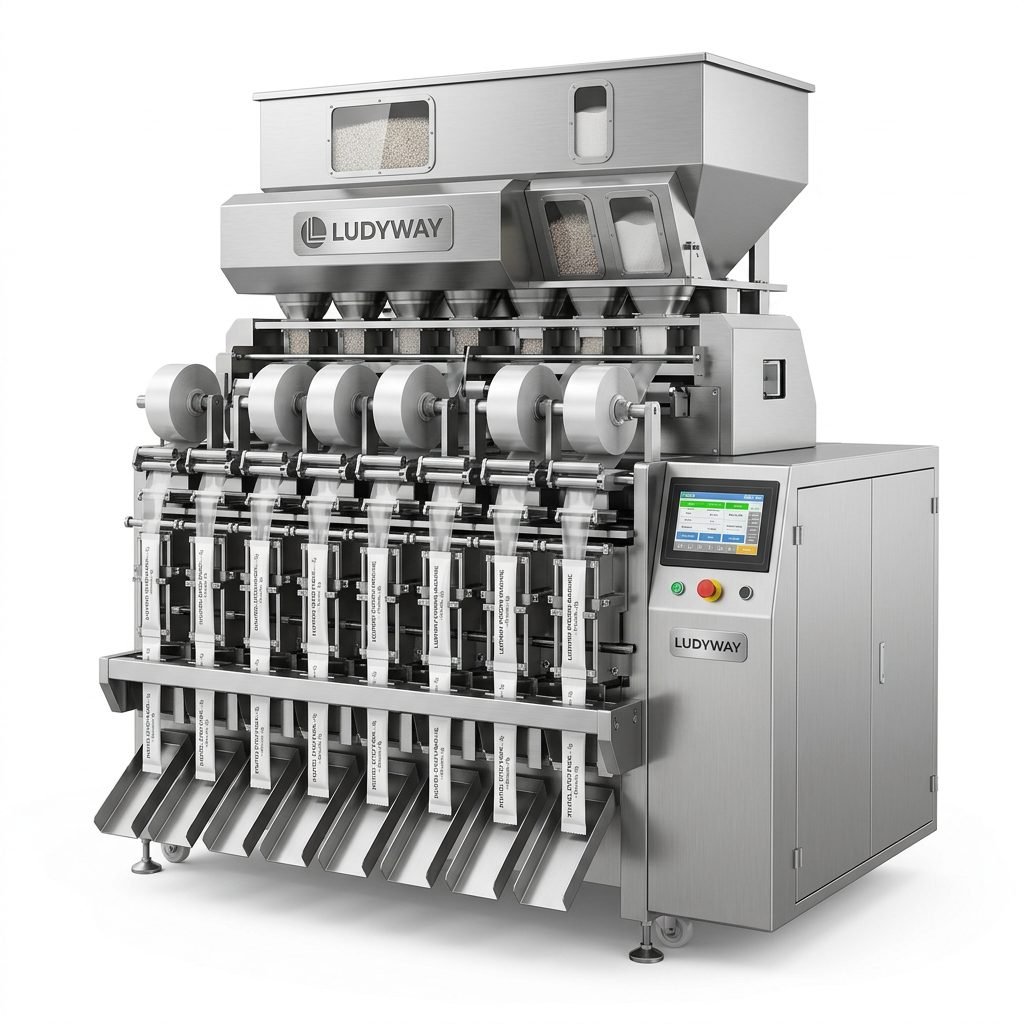
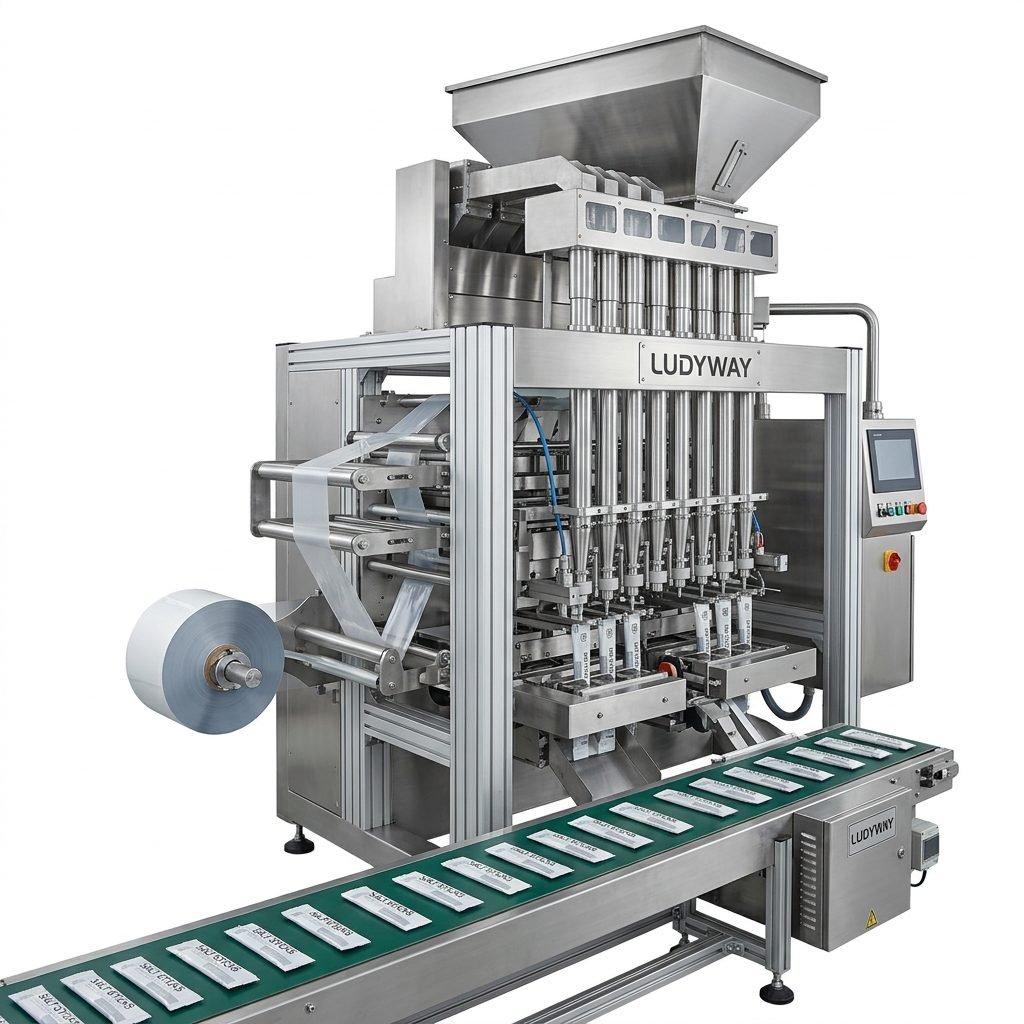
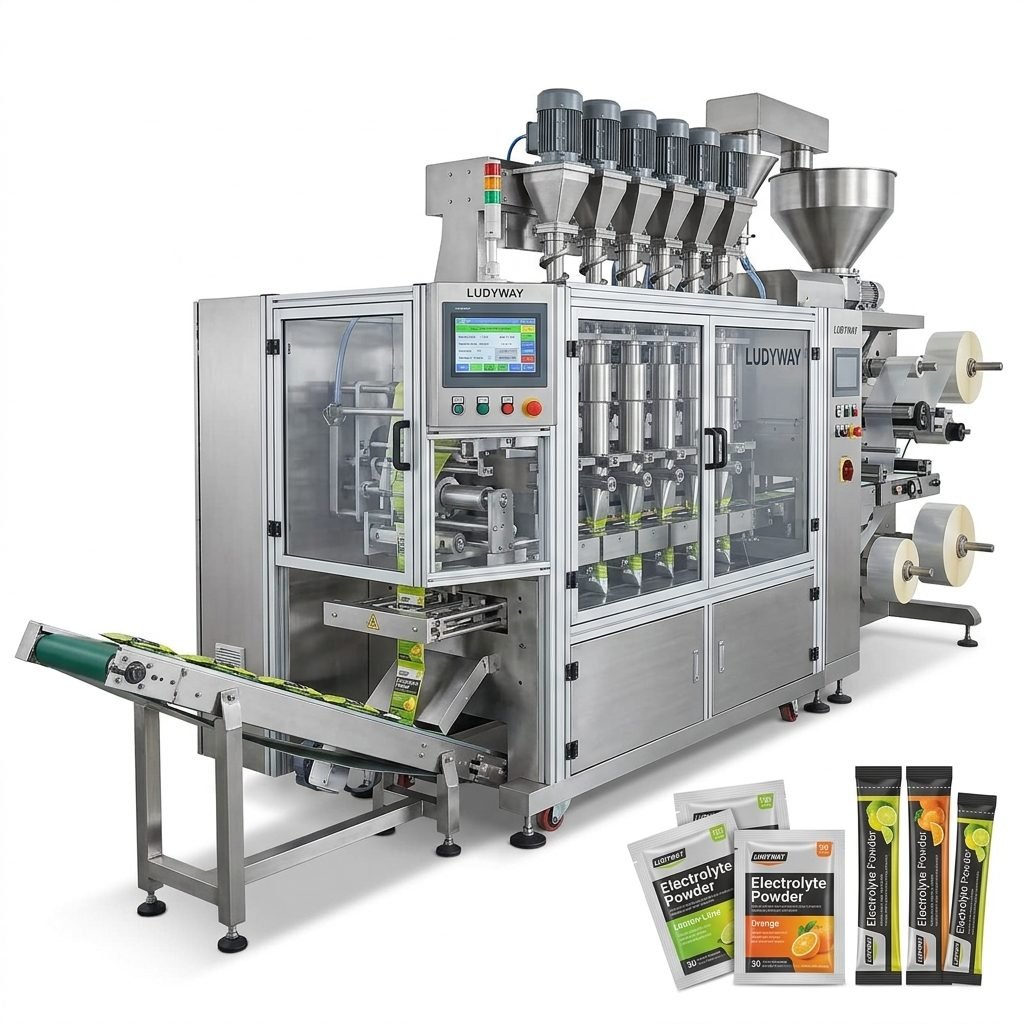
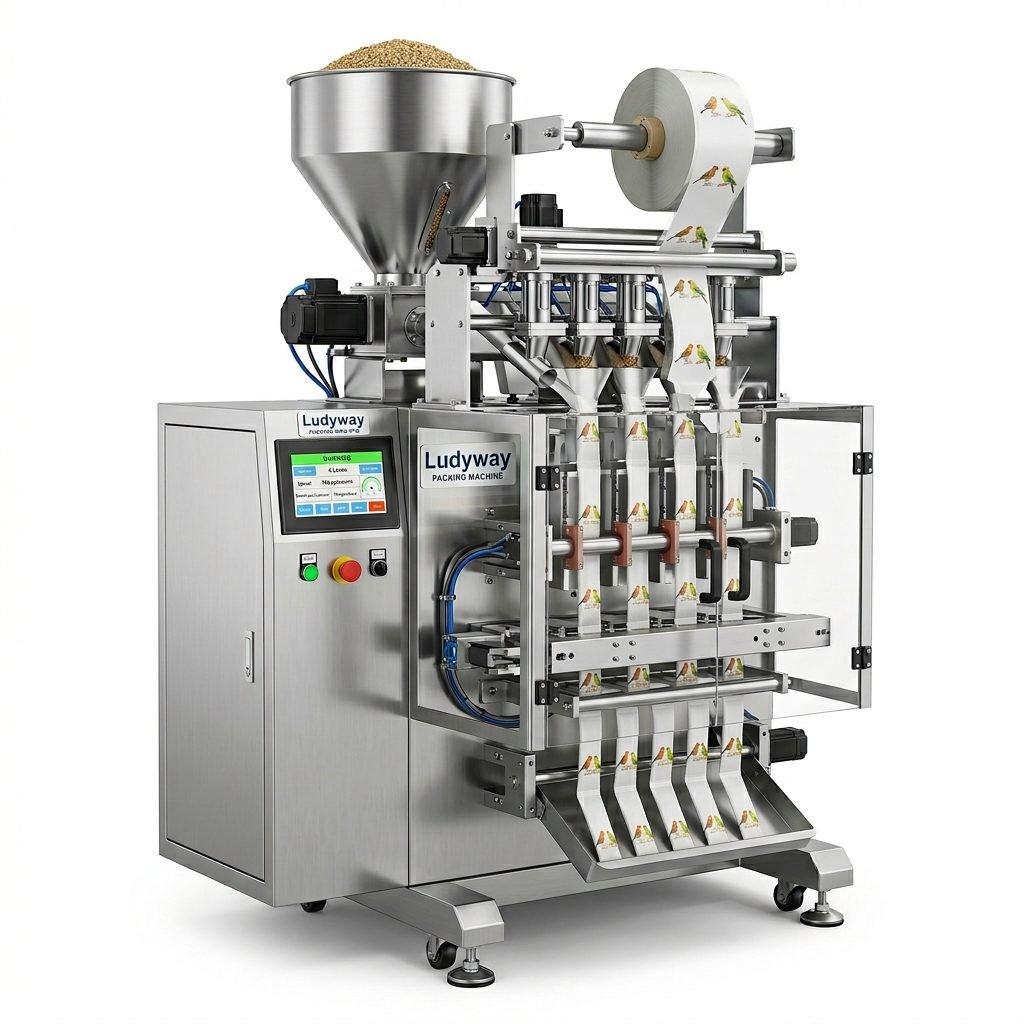
Used for single-serve portions, samples, or foodservice applications. Machines form, fill, and seal (FFS) syrup into pre-made or roll-stock pouches. They are highly efficient for high-volume output of small units.
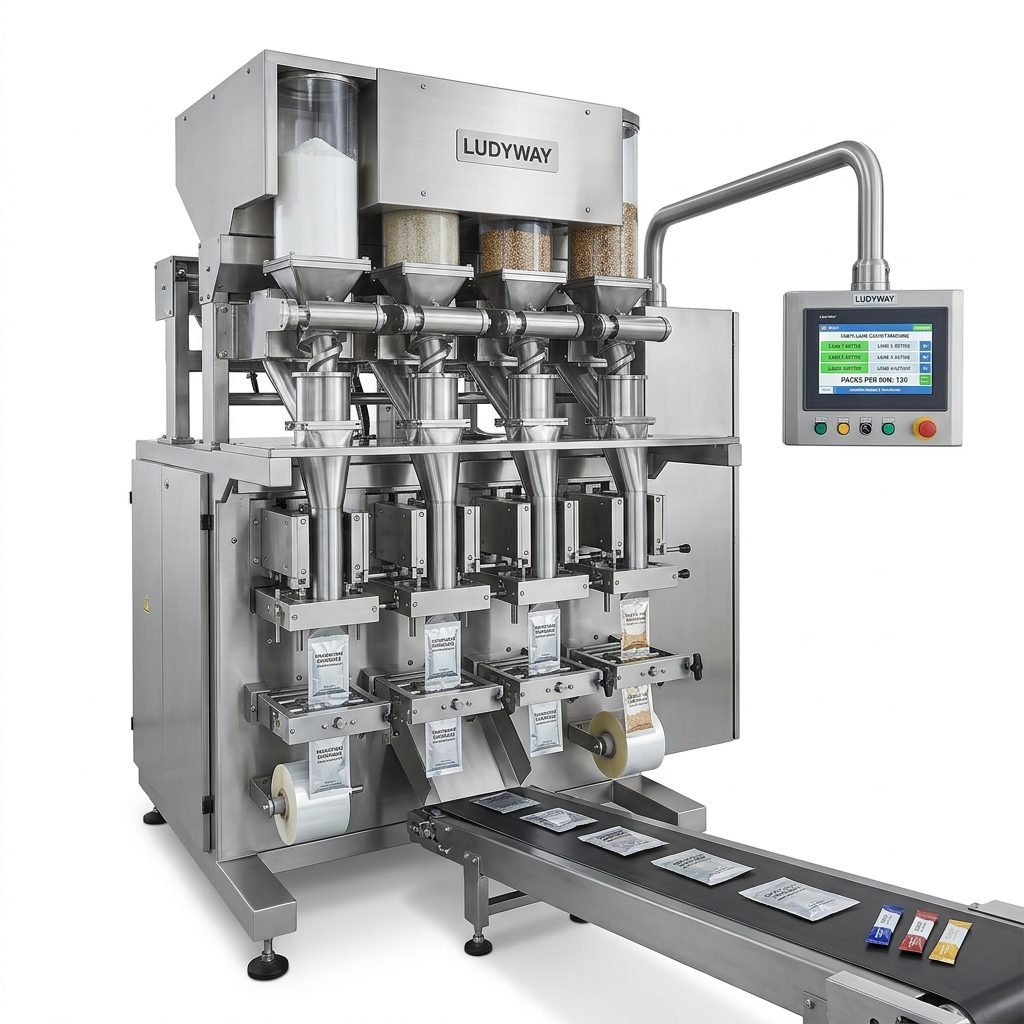
Stick Pack Machines
A subset of pouch machines, producing long, narrow “sticks” perfect for energy gels, drink concentrates, or liquid supplements. They offer excellent barrier properties and portability.
Bulk Container Fillers
Designed for filling large drums, pails, or bag-in-box containers for industrial or foodservice supply. Focus is on high-volume transfer with minimal waste.
2. By Automation Level
Semi-Automatic Machines: Require manual placement of containers and sometimes triggering of the fill cycle. Best for low-volume production, pilot batches, or small businesses.
Fully Automatic Machines: Integrated systems that handle feeding, filling, sealing, and discharging with minimal operator intervention. Essential for medium to high-volume production lines.
Choosing Between Format & Automation
Your market dictates the format (e.g., consumers prefer bottles, cafes use sachets), while your production forecast dictates the automation level. A clear understanding of both is the first step in selection.
Essential Features to Evaluate
Beyond type, scrutinize these technical features to ensure machine compatibility and longevity.
Filling System & Accuracy
The heart of the machine. Piston fillers are highly accurate for thick syrups. Peristaltic pumps are excellent for sterile applications as the syrup only contacts the tube. Weight-based fillers (net weigh scales) offer the highest precision for valuable products. Look for adjustable volume settings and consistency across batches.
Material Compatibility & Sanitation
All parts contacting the syrup (contact parts) must be made of food-grade, corrosion-resistant materials like 316L stainless steel or FDA-approved plastics. Design should allow for easy disassembly and cleaning (CIP/SIP capabilities are a plus) to prevent contamination and meet hygiene standards.
Speed & Production Capacity
Measured in containers per minute (CPM). Match the machine’s maximum speed to your current and near-future output needs with a 10-20% buffer. Remember, actual speed can vary with syrup viscosity and package size.
Sealing Mechanism
Critical for preventing leaks and spoilage. Options include induction sealing for bottles (creating a tamper-evident foil seal), heat sealing for pouches, and ultrasonic sealing for sensitive products. Ensure the mechanism is reliable for your specific film or cap type.
Control System & Integration
A user-friendly PLC-based HMI (Human-Machine Interface) allows for easy recipe changes, troubleshooting, and data tracking. Machines that offer integration capabilities with upstream (mixers) and downstream (labelers, case packers) equipment future-proof your line.
How to Choose the Right Syrup Packaging Machine: A Step-by-Step Guide
Step 1: Define Your Product & Packaging Specifications
List all details: syrup viscosity, acidity, particulate content, required fill volume(s), and packaging material (type of bottle, pouch film laminate). This narrows down suitable filling and sealing technologies.
Step 2: Analyze Your Production Requirements
Calculate your required output per shift. Consider seasonality and growth plans. This determines the necessary machine speed and automation level. A reliable supplier like Ludyway Machinery can help translate your business goals into technical specifications.
Step 3: Evaluate Key Supplier Factors
Look beyond the machine price. Assess the supplier’s industry experience, technical support, availability of spare parts, and warranty terms. A partner with proven expertise in liquid packaging, such as one with over 30 years of industry experience, can prevent costly downtime.
Step 4: Request a Product Sample Test
Always insist on testing your actual syrup in your intended packaging on the candidate machine. This is the only way to verify fill accuracy, sealing quality, and operational smoothness.
Step 5: Consider Total Cost of Ownership (TCO)
TCO includes purchase price, installation, maintenance, energy consumption, and potential production losses from downtime. A slightly higher initial investment in a robust, efficient machine often yields a lower TCO.
Pro Tip: Plan for the Future
Choose a machine with some flexibility for different container sizes or slightly higher speeds. Modular designs from suppliers offering customized automation solutions allow you to upgrade or reconfigure the line as your product portfolio evolves, protecting your investment.
Conclusion
Selecting the optimal syrup packaging machine is a strategic decision that balances technical specifications with business objectives. By thoroughly understanding the different machine types, critically evaluating features like filling accuracy and sanitation, and following a structured selection process that includes supplier vetting and product testing, you can invest in equipment that delivers reliability, efficiency, and scalability. Partnering with an experienced provider ensures you get a solution tailored to your specific syrup and production goals, laying a solid foundation for quality and growth in a competitive market.
Frequently Asked Questions (FAQs)
What is the most accurate filling method for thick, sticky syrups?
For thick syrups like honey or molasses, piston filling systems are generally the most accurate. They provide positive displacement, forcing a precise volume of product into the container regardless of viscosity, resulting in minimal drip and excellent repeatability.
Can one machine handle different syrup viscosities and container types?
Some machines are designed for flexibility. Modular fillers with quick-change parts (like different pump heads or nozzles) can often handle a range of viscosities. However, switching between vastly different container formats (e.g., bottles to sachets) typically requires a different machine or a major module changeover.
How important is the sealing method for syrup shelf life?
It is absolutely critical. An improper seal can lead to leakage, oxidation, and microbial contamination. The method must be perfectly matched to the packaging material. For example, a high-quality heat seal for pouches or an induction seal for bottles creates an airtight barrier essential for preserving flavor and preventing spoilage.
What are the key maintenance requirements for a syrup packaging machine?
Daily cleaning of all product contact parts is paramount to prevent residue buildup and bacterial growth. Regular lubrication of moving parts, inspection of seals and gaskets for wear, and calibration of the filling system are essential for consistent performance. Always follow the manufacturer’s maintenance schedule provided by your supplier, such as the support offered by professional packaging experts.
How do I choose between a semi-automatic and a fully automatic machine?
The choice hinges on production volume and labor costs. Semi-automatic machines suit lower outputs (< a few thousand units/day) where labor is readily available. Fully automatic machines are necessary for higher volumes, as they dramatically increase output per operator, improve consistency, and lower long-term per-unit packaging cost.