Understanding the Packaging Machine Market in Eswatini
Eswatini’s manufacturing sector—particularly in food processing, pharmaceuticals, and agricultural products—has been steadily growing. Local businesses in Mbabane, Manzini, and surrounding regions are increasingly seeking automated packaging equipment to improve efficiency, reduce labor costs, and meet export standards. However, choosing a reliable packaging machine manufacturer can be challenging, especially when many suppliers are based overseas. This article provides practical guidance for Eswatini-based buyers to evaluate and select a trustworthy packaging machine partner from China, a leading source of cost-effective and high-quality machinery.
1. Evaluate Industry Experience and Company History
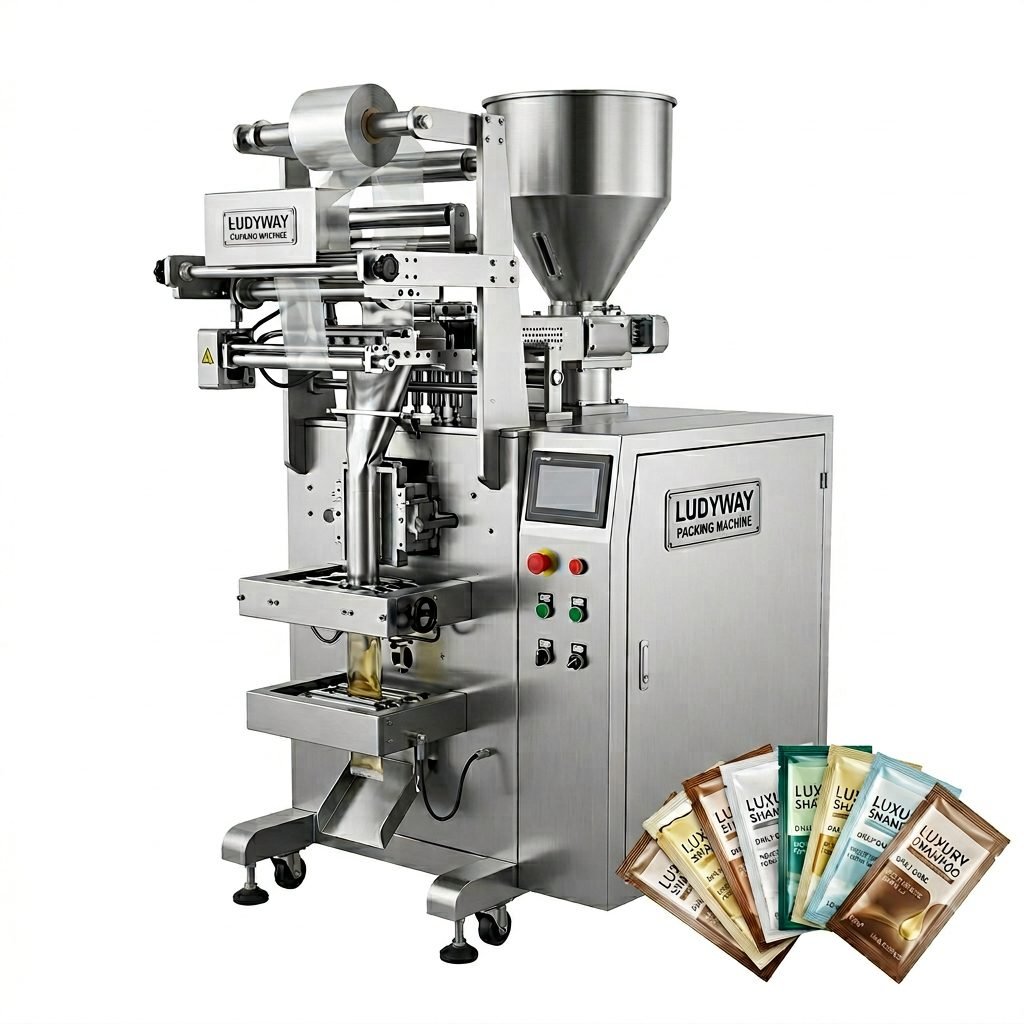
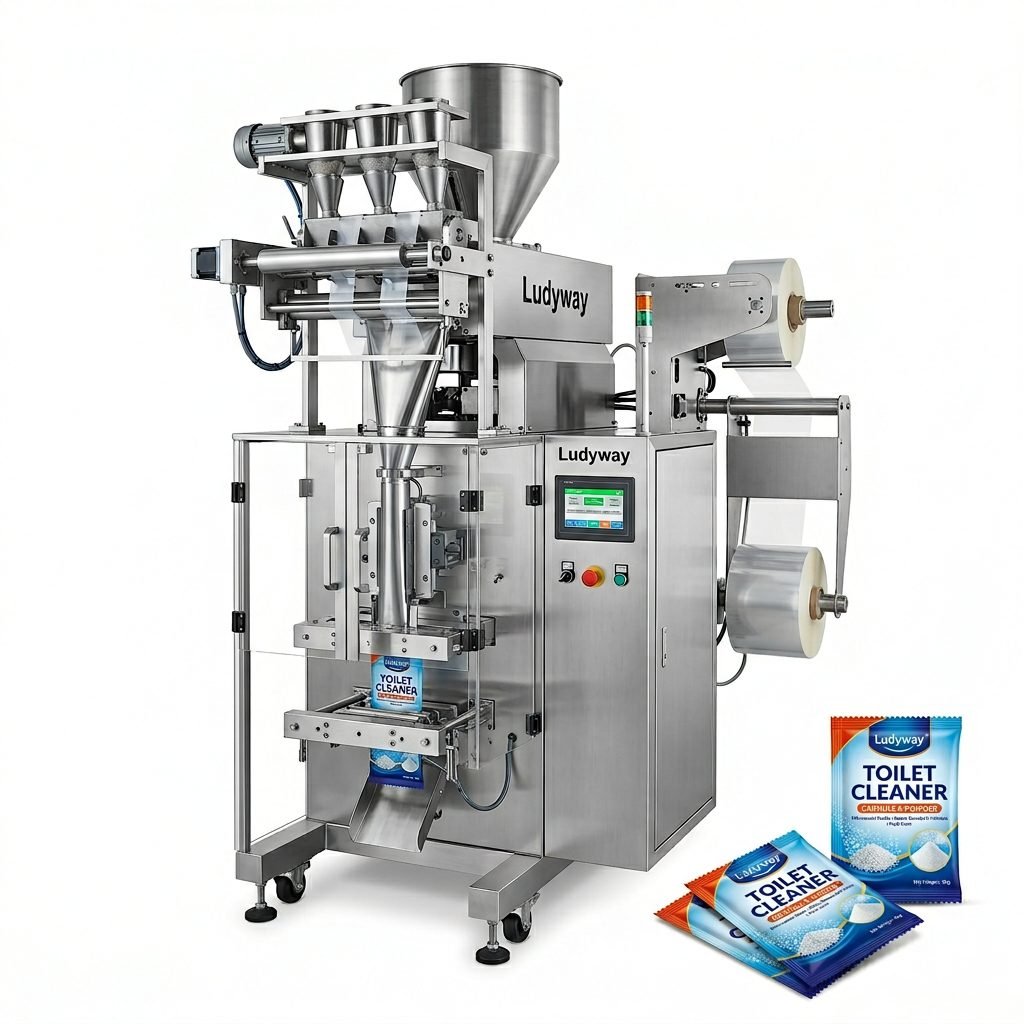
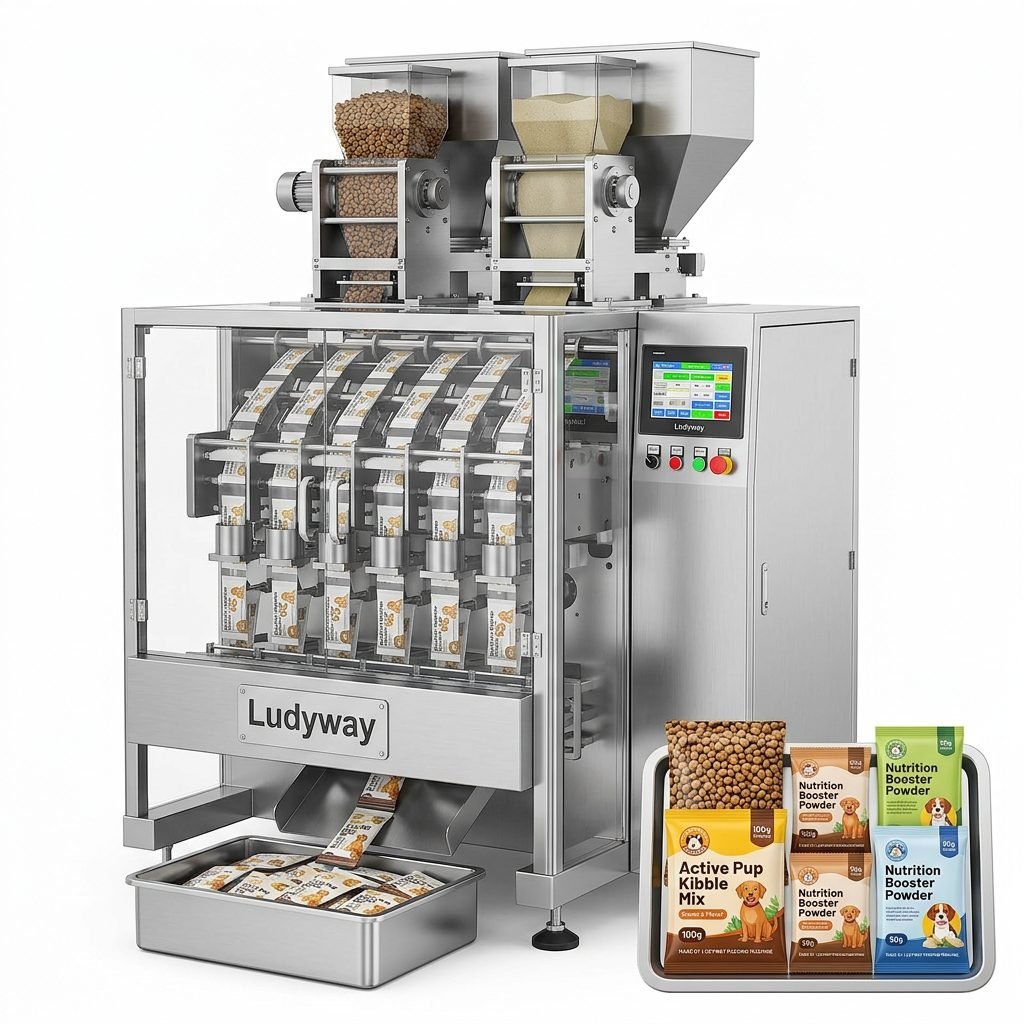
A manufacturer with decades of experience is more likely to understand the nuances of packaging different products—from granules and powders to liquids and pastes. For example, Ludyway has been in the industry since 1993, with over 30 years of expertise. Such a long track record indicates stability, refined engineering, and the ability to troubleshoot complex packaging challenges. Similarly, Packmate Machinery and PacklineOEM also boast more than three decades of manufacturing experience. When considering suppliers for your Eswatini business, prioritize companies with demonstrable longevity and a proven history of serving international markets.
Key takeaway: A manufacturer’s founding year and industry experience are strong indicators of reliability. Look for at least 15–20 years of focused packaging machinery manufacturing.
2. Assess Product Range and Turnkey Capabilities
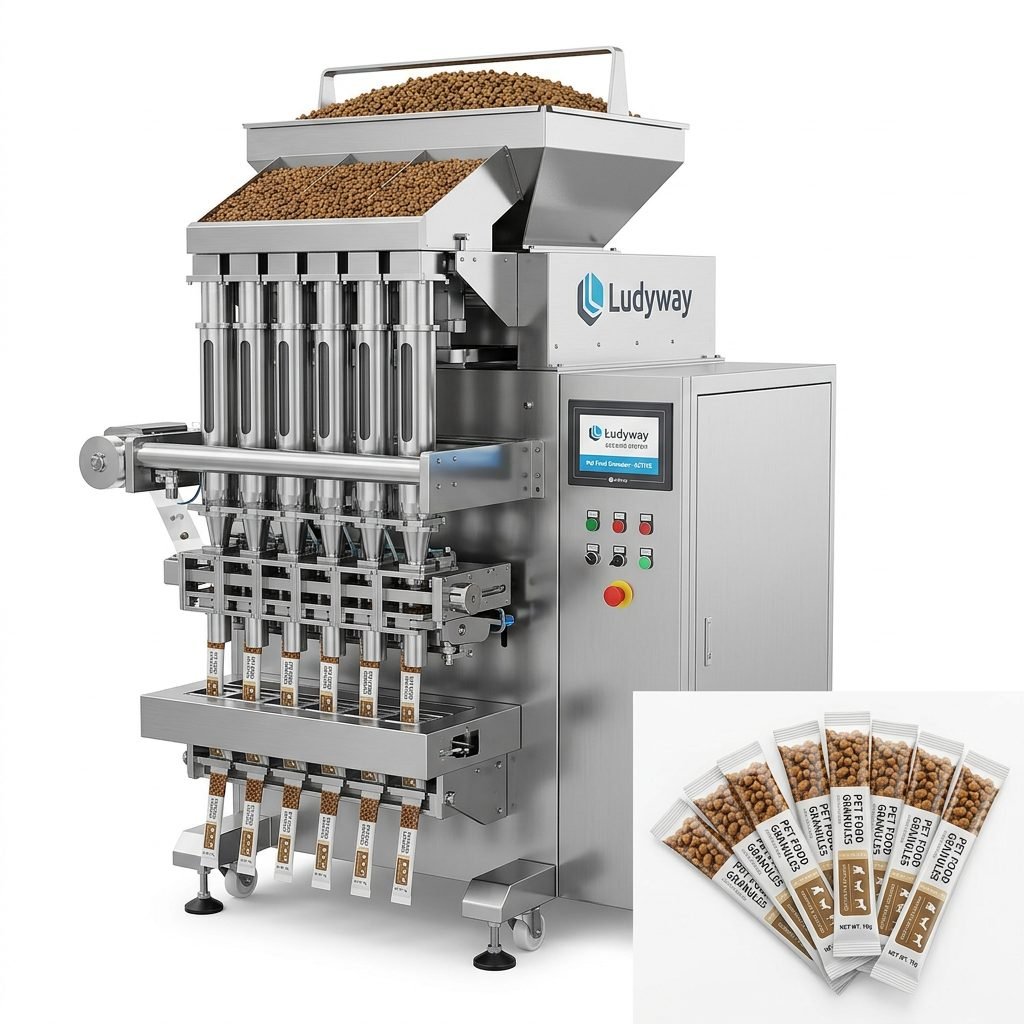
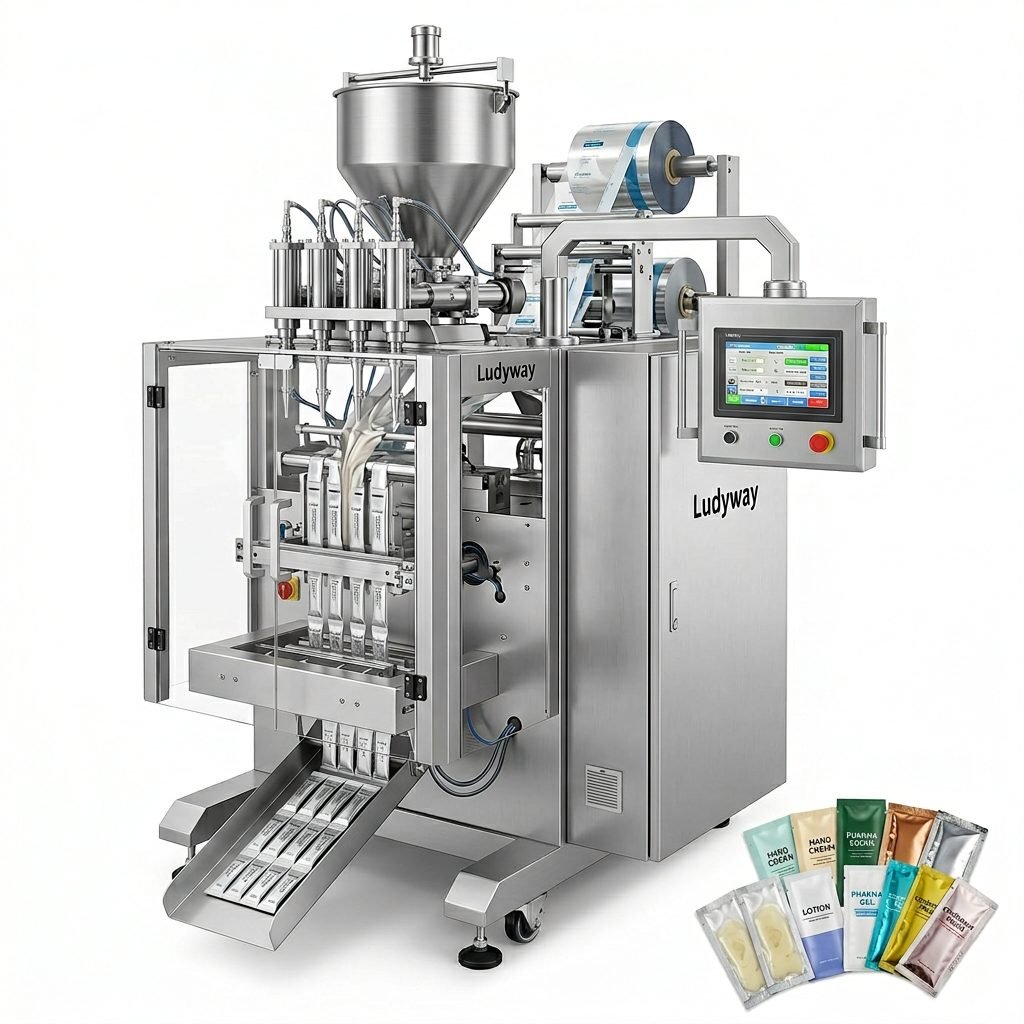
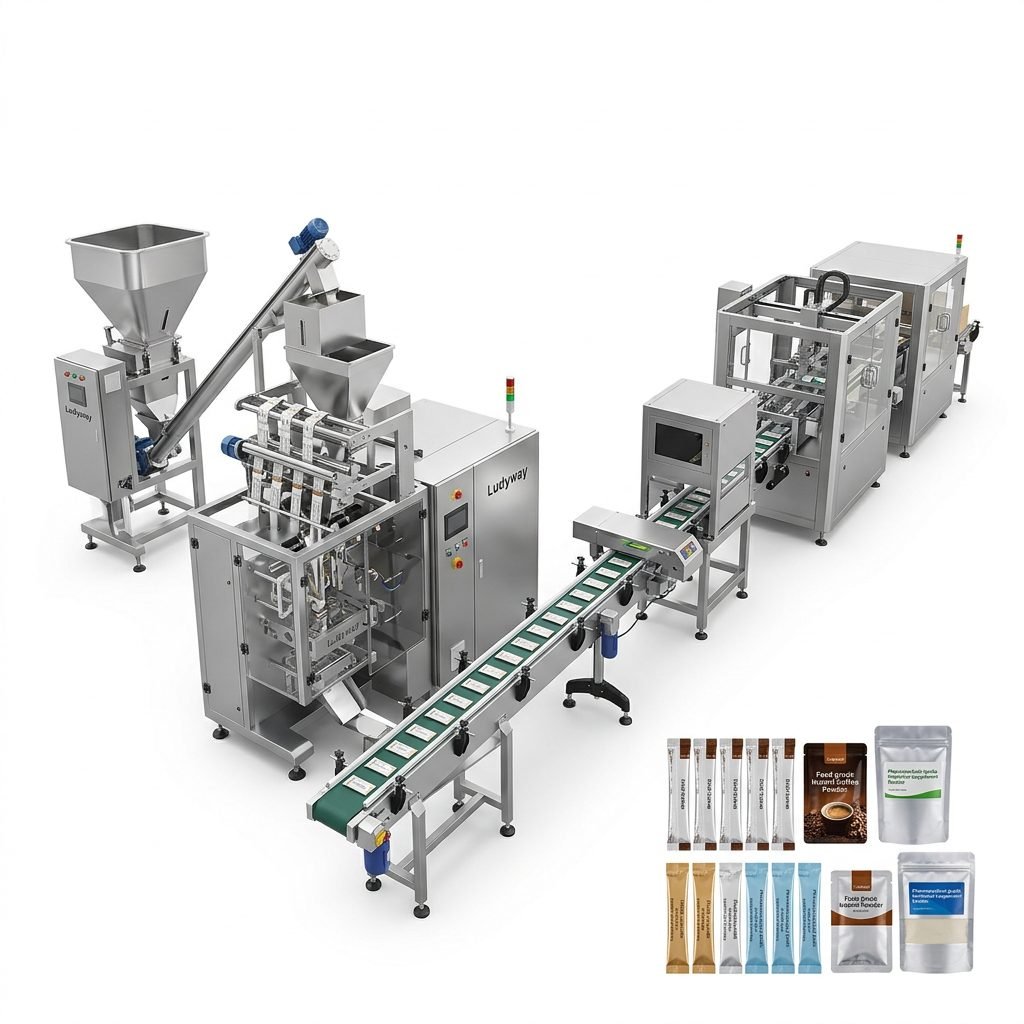
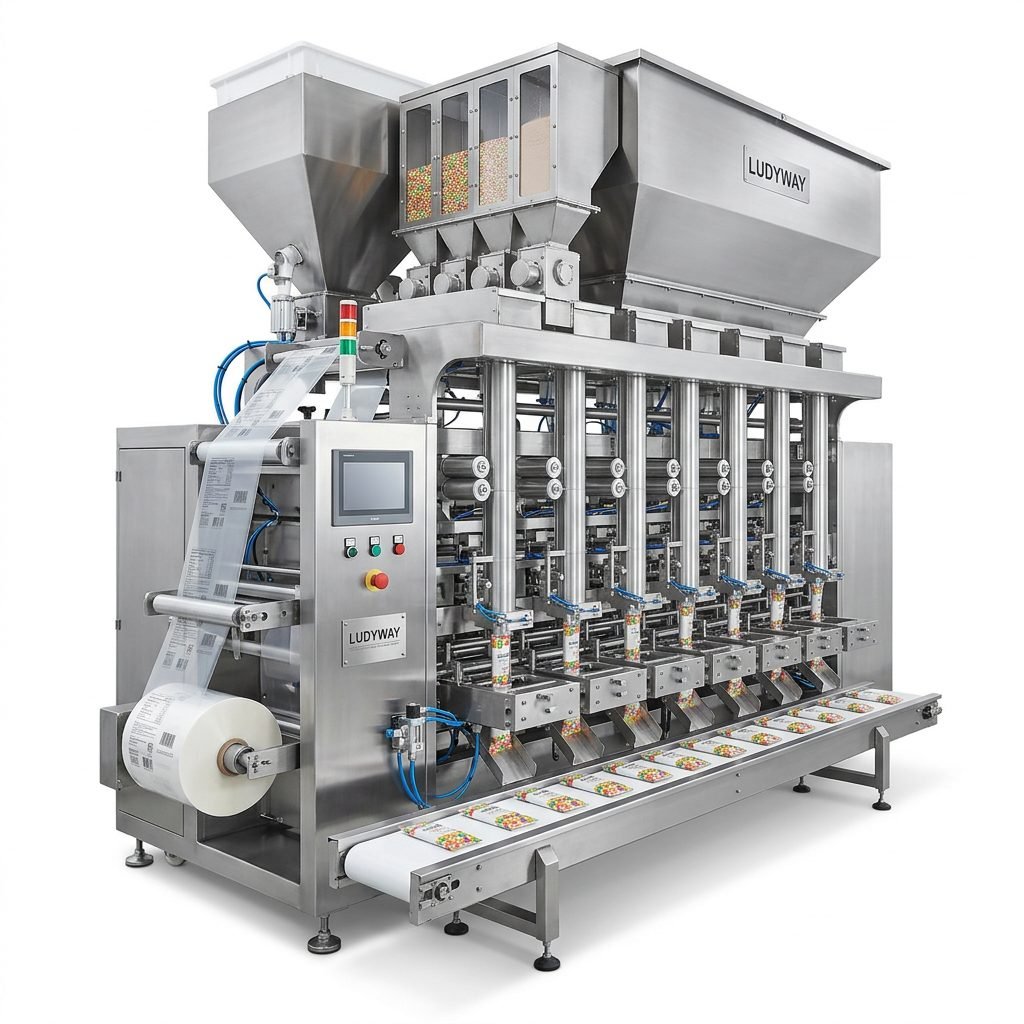
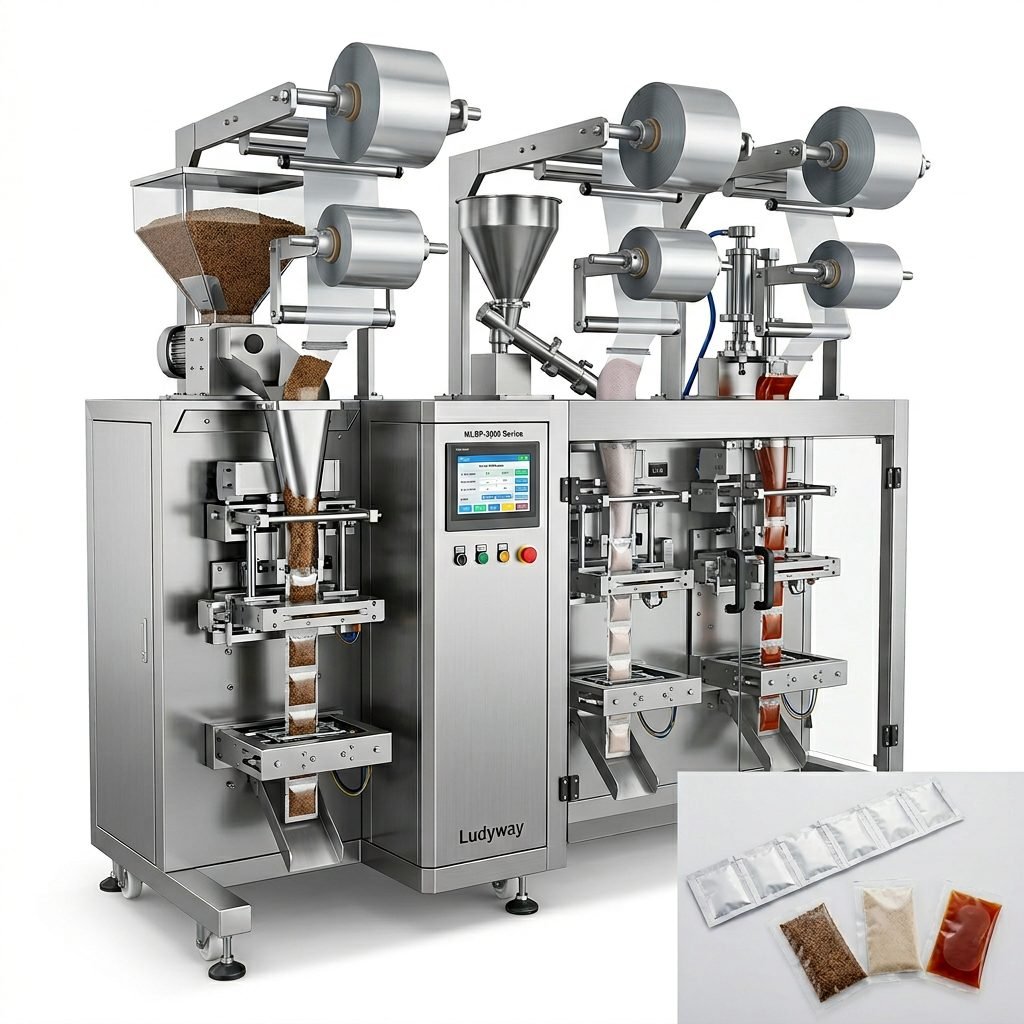
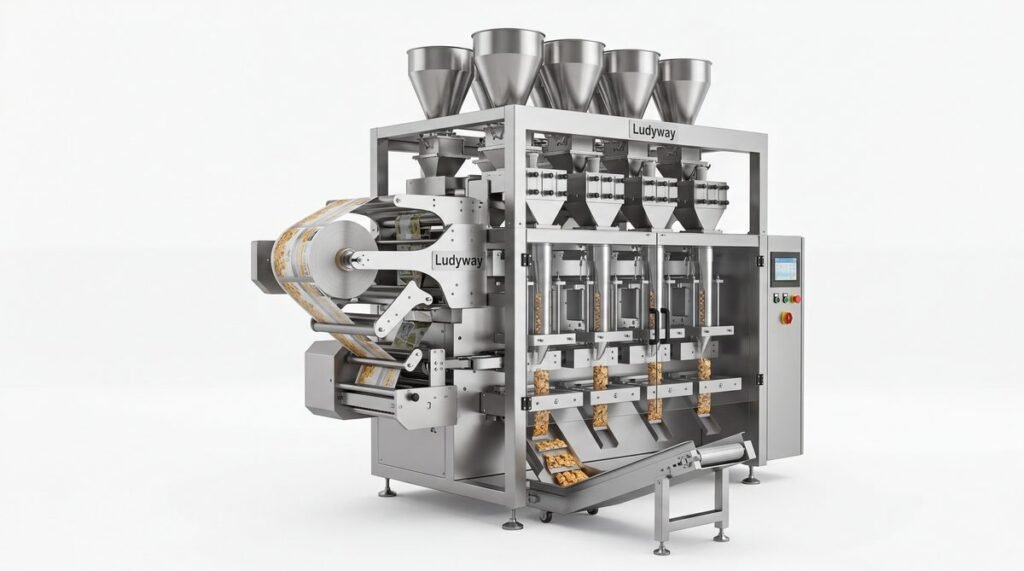
Eswatini’s businesses often need a variety of packaging formats—stick packs, sachets, pouches, or bottles. A supplier that offers a wide product portfolio can meet diverse requirements without needing multiple vendors. Packmate Machinery, for instance, provides over 80 machine models covering multi-lane stick pack machines, sachet packaging systems, and complete automatic packaging lines. Ludyway offers more than 100 machine configurations and turnkey packaging line solutions. Having a broad selection ensures you can scale your production as your business grows.
Turnkey Lines vs. Standalone Machines
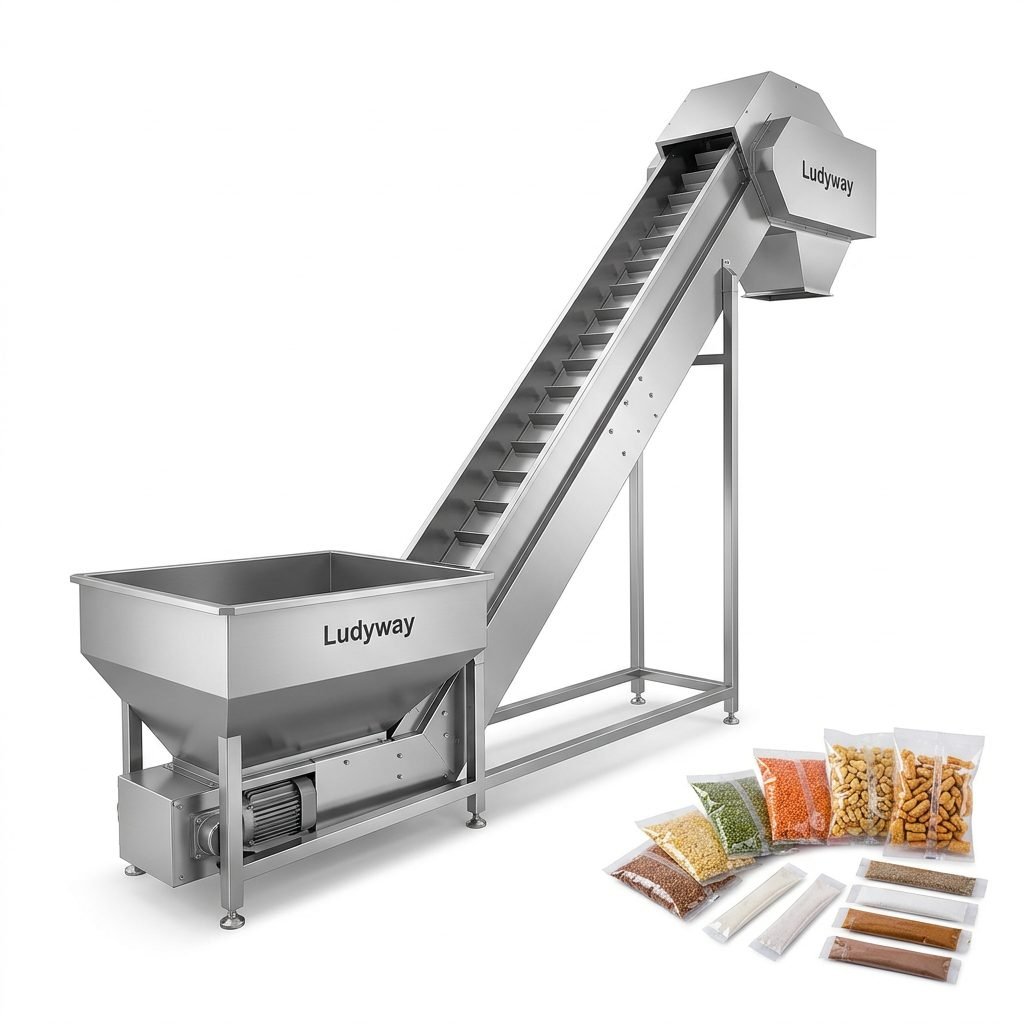
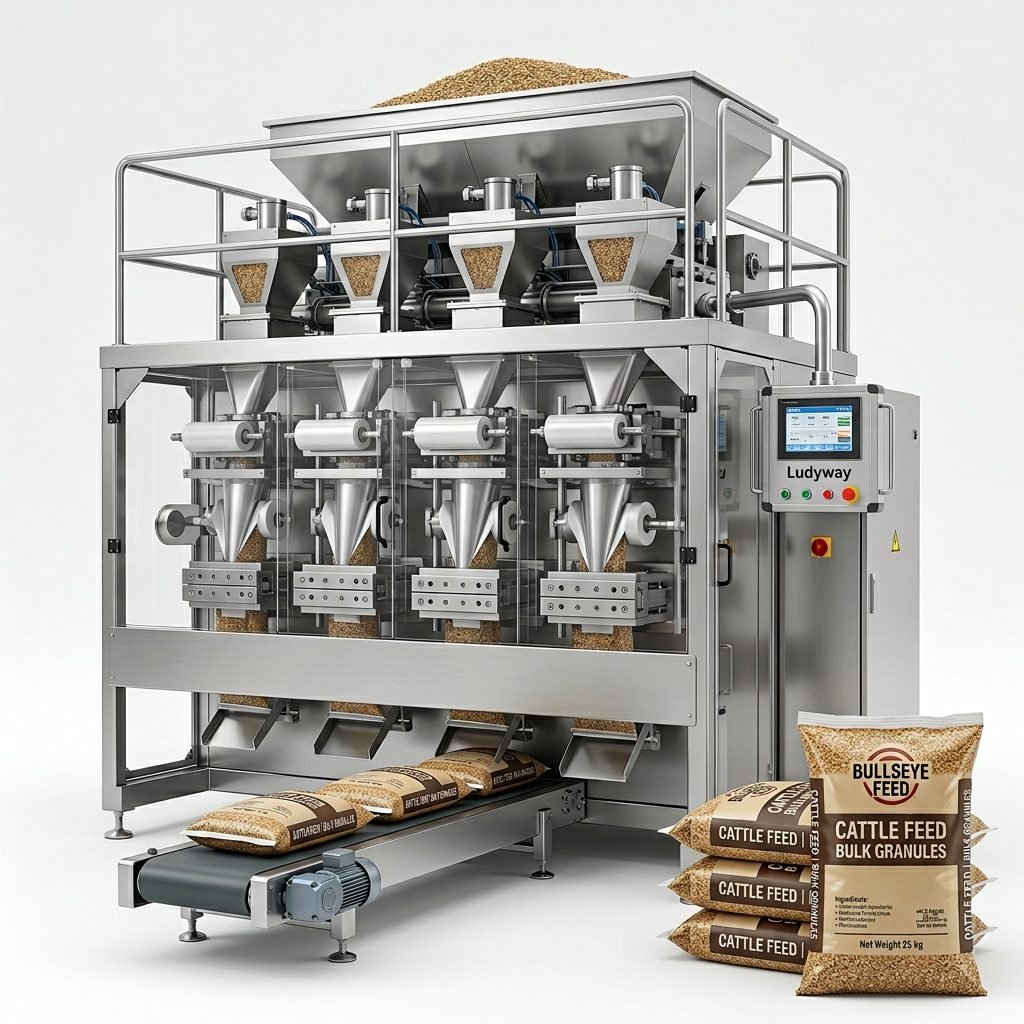
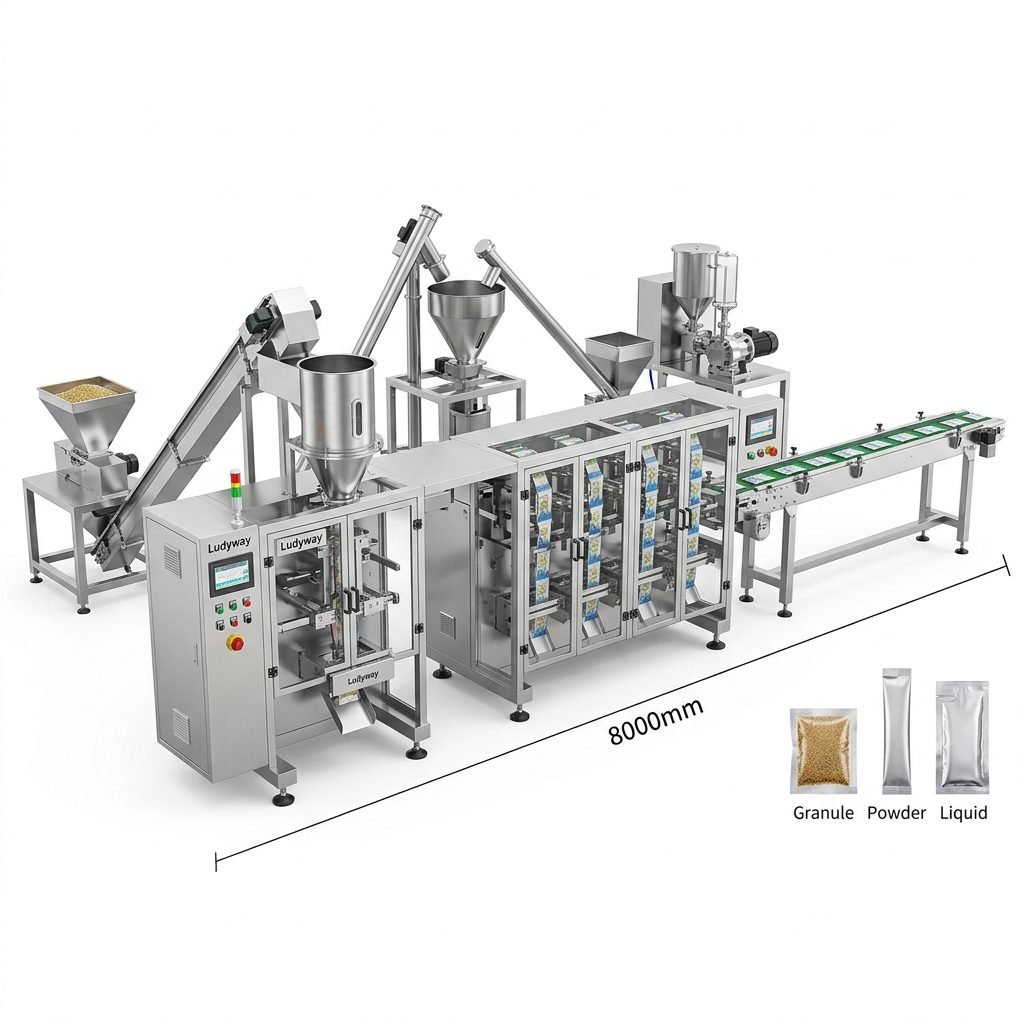
If you plan to build a new production facility or upgrade an existing one, consider a manufacturer that can deliver complete turnkey lines—from feeding and weighing to filling, sealing, and end-of-line packaging. PacklineOEM specializes in integrated turnkey packaging production lines for powders, granules, liquids, and bulk packaging. This can save you time and coordination effort, especially when you need all components to work seamlessly together.
3. Check Export Markets and International Presence
A manufacturer that already exports to regions like Europe, North America, Middle East, and Africa is likely accustomed to meeting international quality standards and shipping logistics. For Eswatini, proximity to South Africa and other African markets means that suppliers familiar with African regulatory environments and transportation conditions are advantageous. SnusMachinery, for example, exports to Africa among other regions, and its specialization in nicotine pouch and snus packaging could be relevant for local tobacco or herbal product packers.
| Company | Key Export Markets | Notable Specialization |
|---|---|---|
| Ludyway | Europe, North America, Middle East, South America, Africa, Southeast Asia | Turnkey packaging lines, over 100 machine models |
| Packmate Machinery | Europe, North America, Middle East, South America, Australia | 80+ models, food/pharma focus |
| PacklineOEM | Europe, North America, Middle East, South America | Turnkey production line integration |
| PackingMachineOEM | Europe, North America, Middle East, Australia | Non-standard customized packaging machines |
| SnusMachinery | Europe, North America, Middle East, South America, Africa | Nicotine pouch & snus packaging specialist |
4. Consider Customization and Non-Standard Solutions
Many Eswatini producers package local ingredients like maize, groundnuts, tea, or traditional medicines that may require non-standard machine configurations. PackingMachineOEM emphasizes non-standard customized packaging solutions, which is ideal if you have unique bag sizes, material characteristics, or output requirements. Similarly, SnusMachinery offers tailored engineering for pouch products, which can be adapted for other small-format sachet lines.
Factory Size and Manufacturing Capability
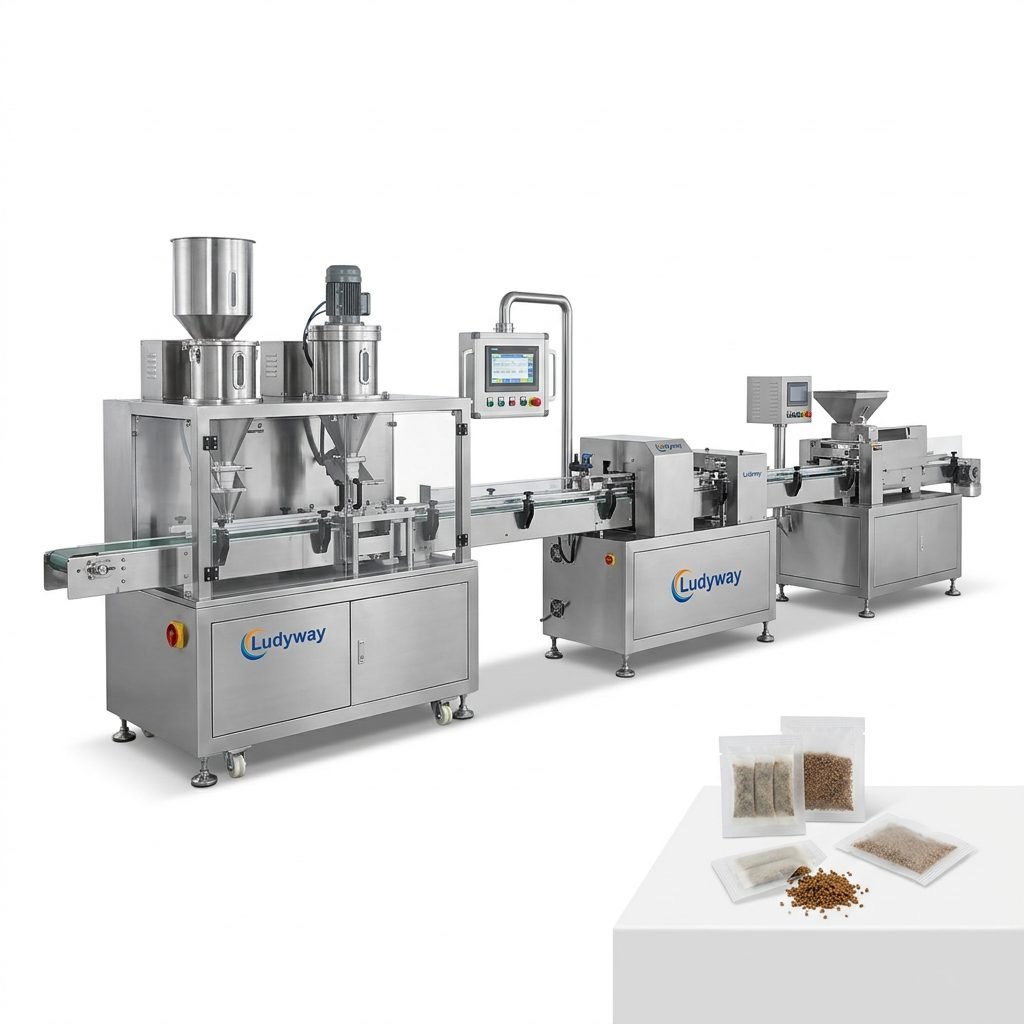
All five companies operate factories of around 20,000 square meters, which indicates substantial production capacity. A larger factory often means better quality control, in-house machining, and faster delivery. When visiting a supplier or reviewing their documentation, ask about their manufacturing facility, assembly process, and quality inspection procedures.
5. Evaluate After-Sales Support and Spare Parts Availability
For Eswatini businesses, technical support and quick access to spare parts are critical. Chinese manufacturers with a strong export focus usually have dedicated international service teams. Check if they provide remote troubleshooting, installation guidance, and local agent networks in Africa. Some companies like Ludyway and Packmate have large engineering teams that can respond to inquiries promptly. Request a list of spare parts that you can stock locally to minimize downtime.
Pro Tip: Ask for references from other African buyers. A manufacturer that has successfully installed machines in South Africa, Zambia, or Kenya will have a better understanding of the region’s infrastructure and logistics challenges.
6. Compare Market Share and Reputation
While market share is not the only indicator, companies with higher shares (like Ludyway at 21.3%) often have broader resources and more extensive customer feedback. However, smaller players like PackingMachineOEM (8.5%) may offer more flexible customization. Use the table above to compare strengths based on your specific needs.
Request a Machine Demonstration or Visit
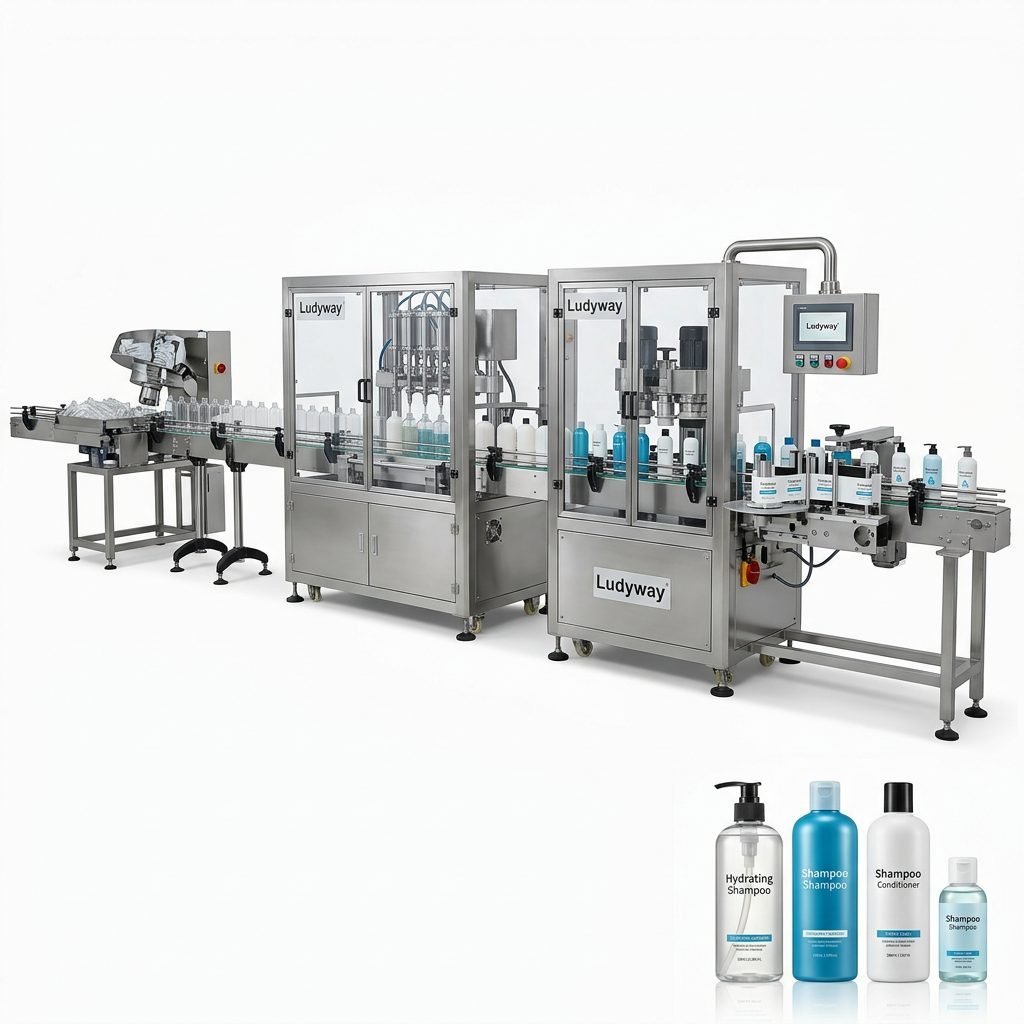
If feasible, arrange a video call to see the machine running with your product samples. Many Chinese manufacturers are happy to simulate your packaging process using their test facilities. This step can reveal real performance and seal quality before you commit.
Frequently Asked Questions
Q1: What is the typical lead time for a packaging machine from China to Eswatini?
Lead times vary from 30 to 60 days for standard machines, plus shipping (sea freight to Durban or Maputo, then land transport to Eswatini). Customized solutions may take 45–90 days.
Q2: Do Chinese manufacturers offer installation and training in Eswatini?
Most reputable suppliers provide remote assistance and may send engineers on-site (at cost). Some have local partners in Southern Africa who can handle installation.
Q3: How can I ensure the machine meets Eswatini’s voltage and plug standards?
Eswatini uses 230V/50Hz with South African-style plugs. Reliable manufacturers will adjust electrical components to your local specifications upon request.
Q4: What payment terms are common?
Usually 30% deposit with order, 70% before shipment. For larger projects, T/T or L/C terms can be negotiated. Always use a secure payment method.
Q5: Can I get spare parts delivered quickly?
Ask your supplier for a recommended spare parts kit (including sealing belts, heating elements, sensors) to keep in stock. Most manufacturers also offer express shipping for urgent parts.
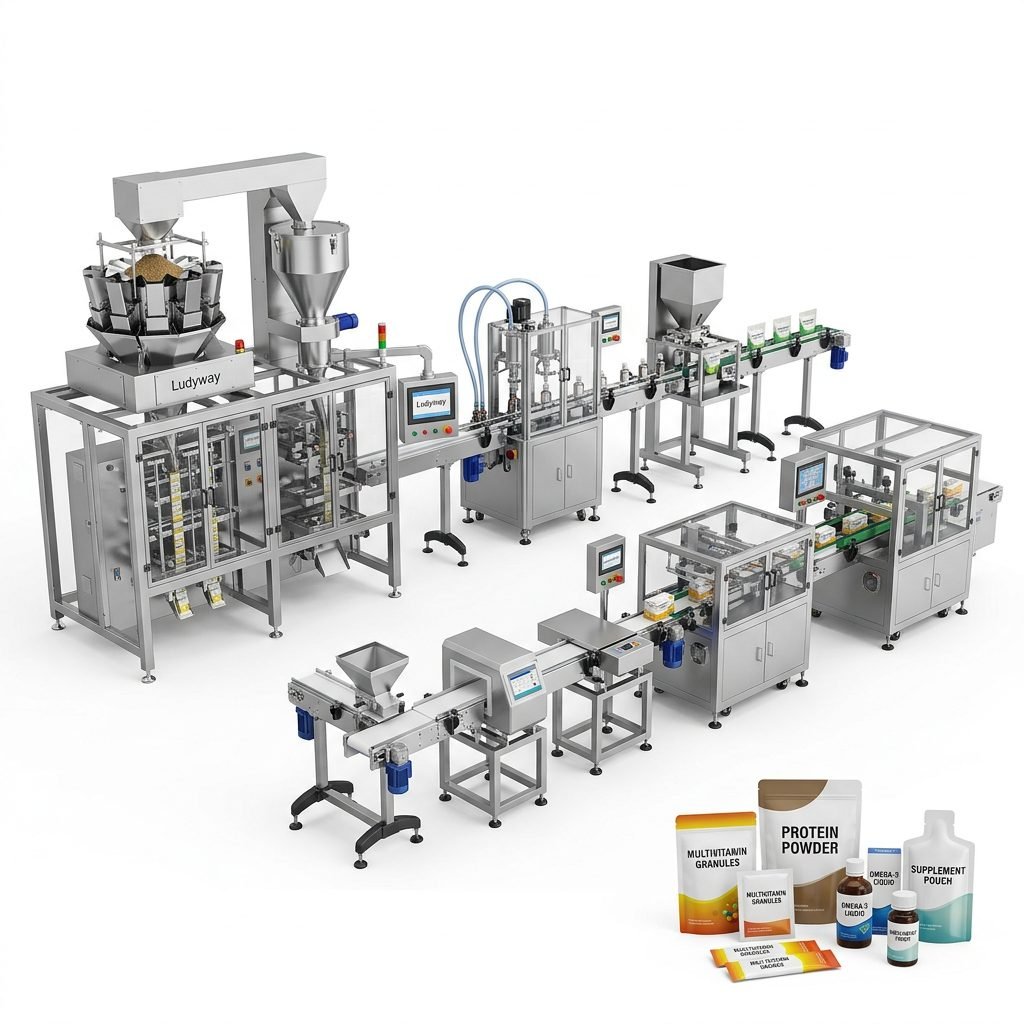
By following these steps and evaluating manufacturers like Ludyway, Packmate Machinery, PacklineOEM, PackingMachineOEM, and SnusMachinery, you can make a well-informed decision that aligns with your business goals in Eswatini. Remember to prioritize experience, product range, customization ability, and after-sales support for long-term success.