Water soluble film packaging has emerged as a revolutionary technology, particularly in industries prioritizing sustainability, user safety, and convenience. This specialized packaging utilizes films made from materials like polyvinyl alcohol (PVA) that dissolve completely in water, leaving no trace. The machinery designed to handle this unique film is equally specialized, requiring precise engineering to manage its delicate, moisture-sensitive nature. This guide provides a comprehensive overview of water soluble film packaging machines, exploring their various types, key features, and diverse applications across global markets.
Understanding Water Soluble Film Packaging
Before delving into the machinery, it’s crucial to understand the material itself. Water soluble films are typically made from PVA or other biodegradable polymers. They offer a barrier against oxygen, oils, and greases while remaining inert to many chemicals. The primary appeal lies in their dissolution property, which eliminates packaging waste and enhances product safety by preventing direct contact. This makes them ideal for unit-dose packaging of agrochemicals, detergents, dyes, and water-treatment chemicals, where precise measurement and safe handling are paramount. The film’s solubility rate can be engineered to trigger in cold, warm, or hot water, offering flexibility for different end-use scenarios.
Core Challenges for Packaging Machinery
Packaging with water soluble film presents distinct challenges not found with conventional materials like polyethylene or polypropylene. The film is highly sensitive to ambient humidity, which can cause it to become tacky or prematurely dissolve. It also has different tensile strength and sealing characteristics. Therefore, standard vertical or horizontal form-fill-seal (FFS) machines often require significant modifications or are entirely unsuitable. Specialized water soluble film packaging machines are built with controlled environments, precise temperature and humidity management, and gentle film handling systems to ensure consistent, reliable, and leak-proof packaging.
Types of Water Soluble Film Packaging Machines
The machinery landscape is diverse, catering to different product forms, production speeds, and automation levels. The choice of machine type significantly impacts operational efficiency and final package quality.
1. Vertical Form-Fill-Seal (VFFS) Machines
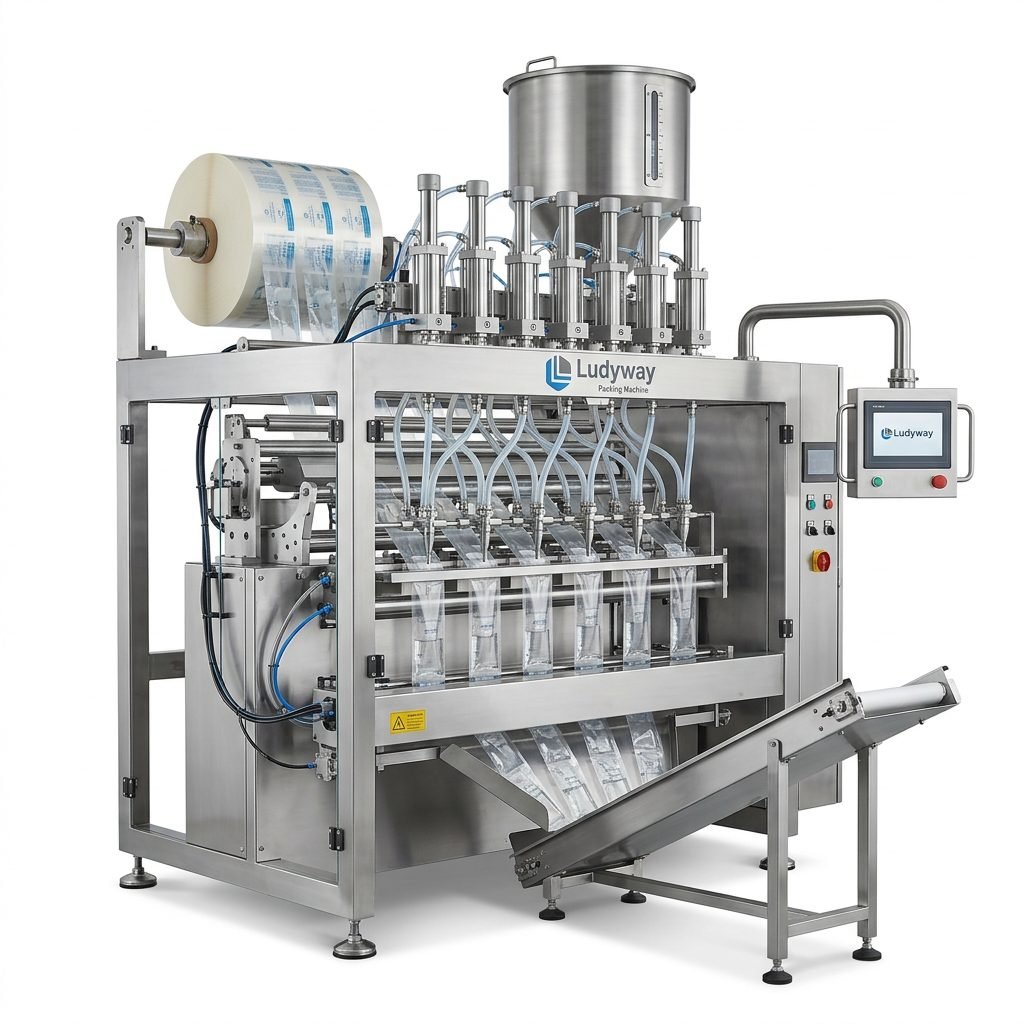
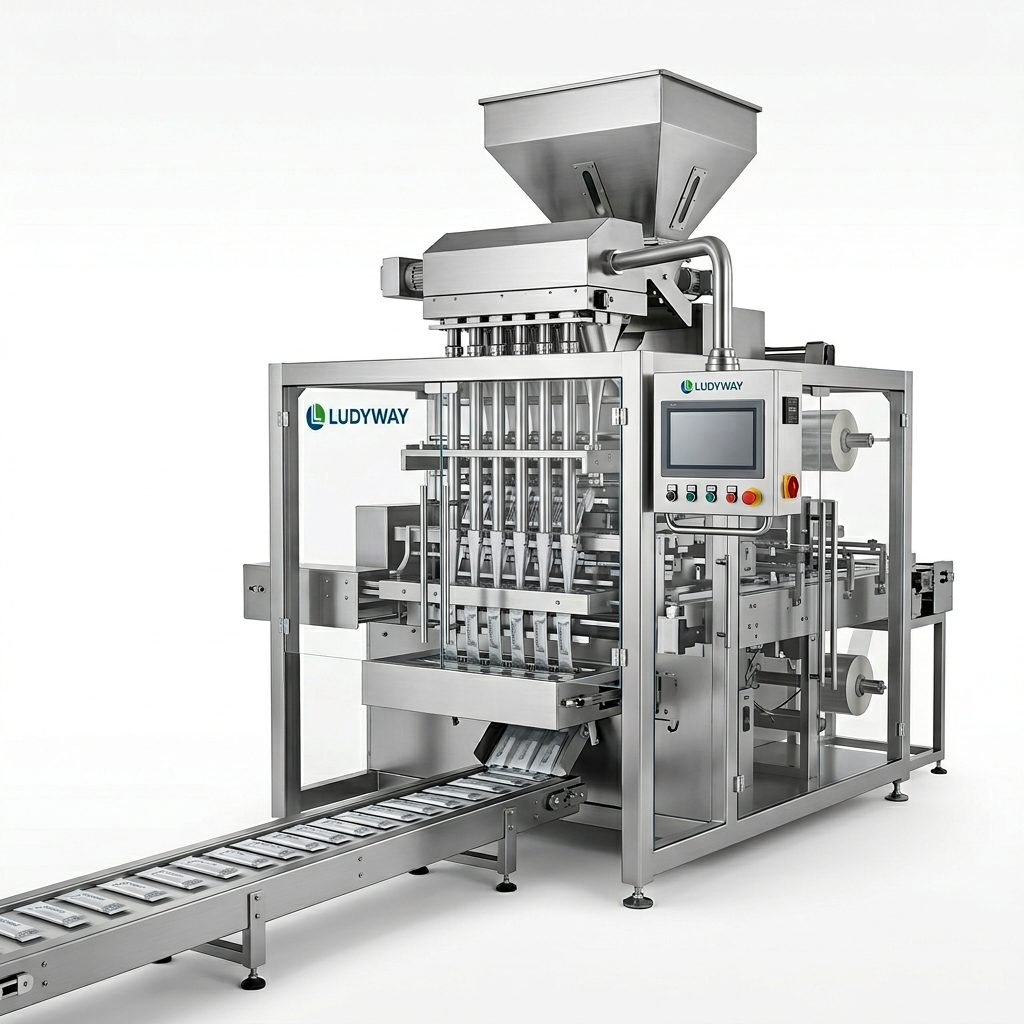
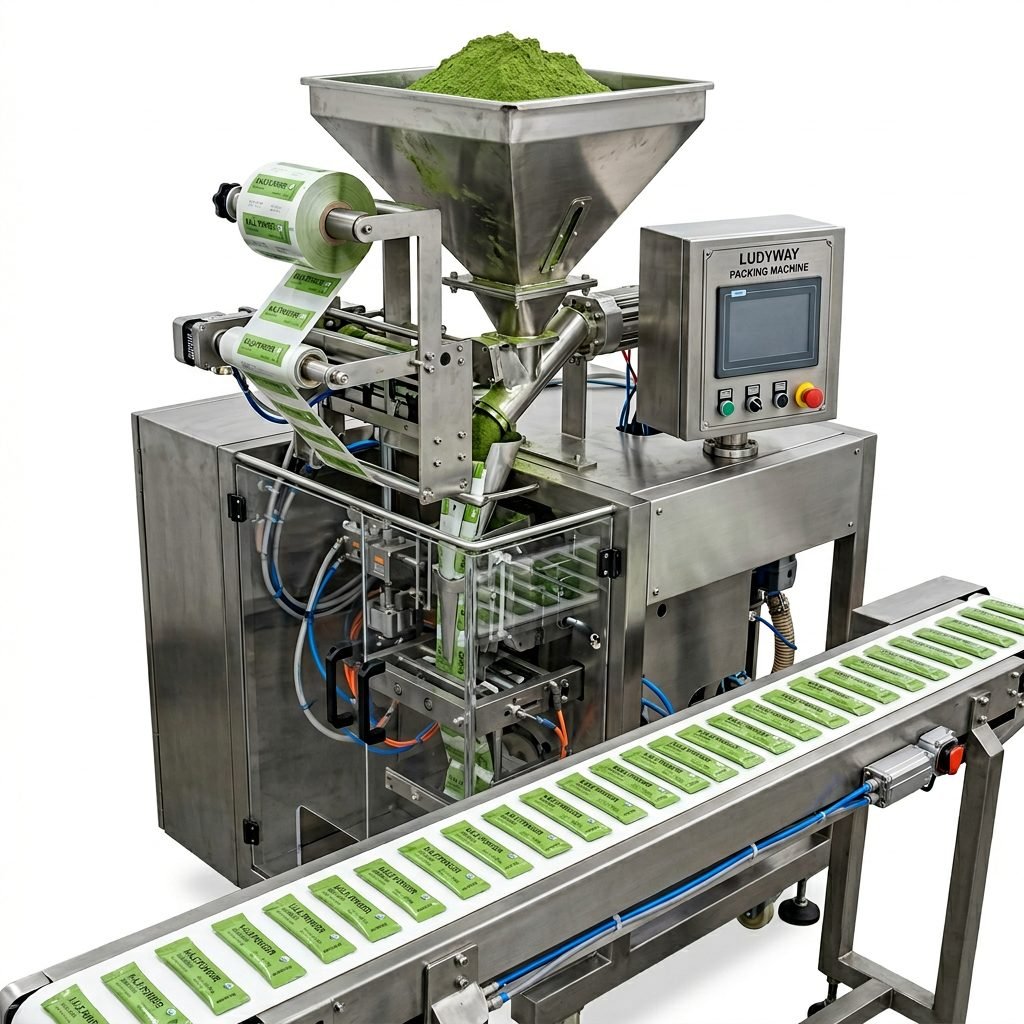
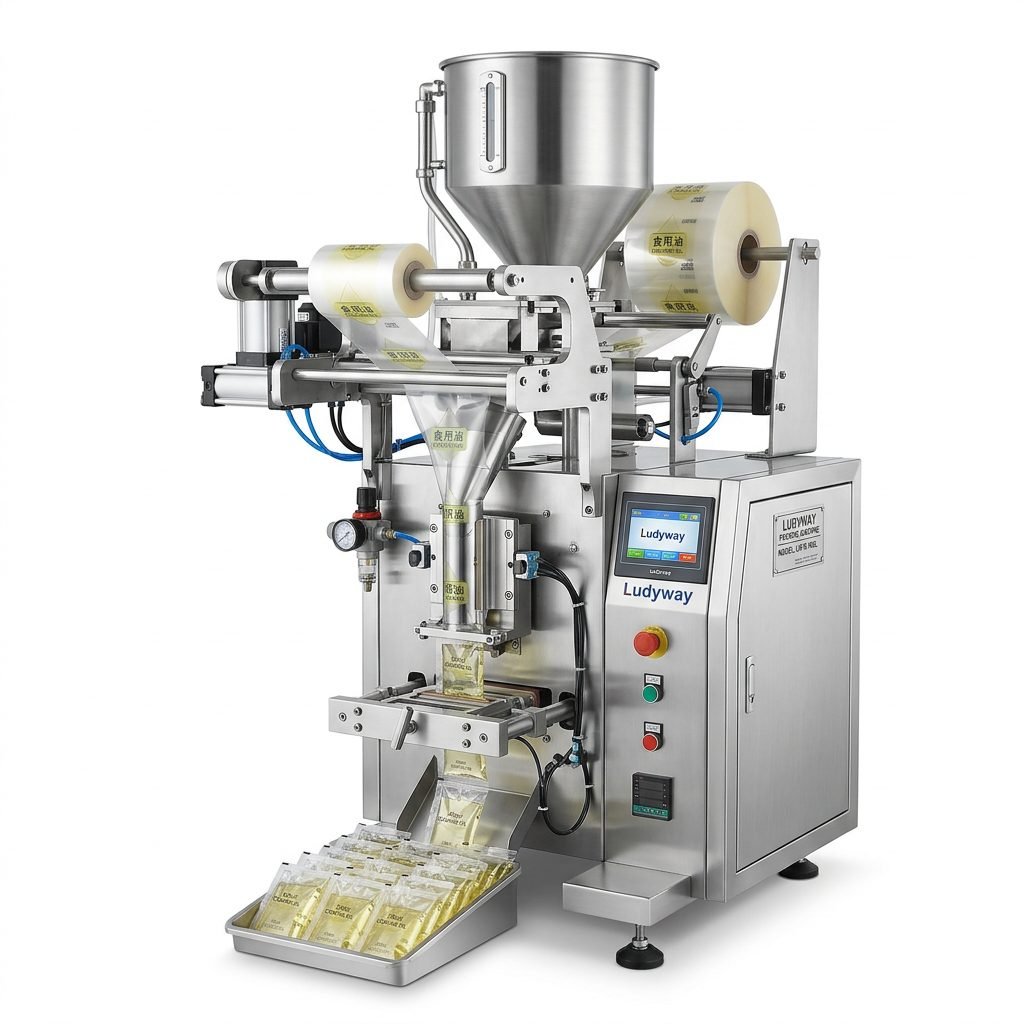
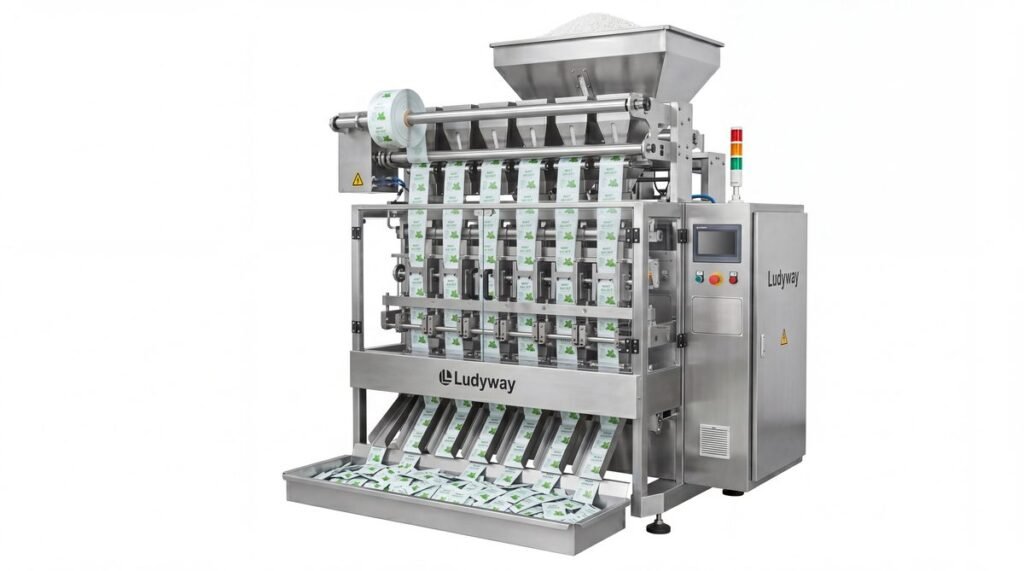
These are the most common type for packaging granules, powders, and small solid items. The film is fed from a roll, formed into a tube around a filling tube, vertically sealed, filled with product, and then horizontally sealed and cut. For water soluble film, VFFS machines feature:
🔹 Climate-controlled forming areas to maintain low humidity.
🔹 Specialized sealing jaws with precise temperature control to melt the film without burning it.
🔹 Gentle pull-down systems to avoid stretching or tearing the delicate film.
They are highly efficient for medium to high-speed production and are a staple in the detergent pod and agricultural chemical industries.
2. Horizontal Form-Fill-Seal (HFFS) Machines
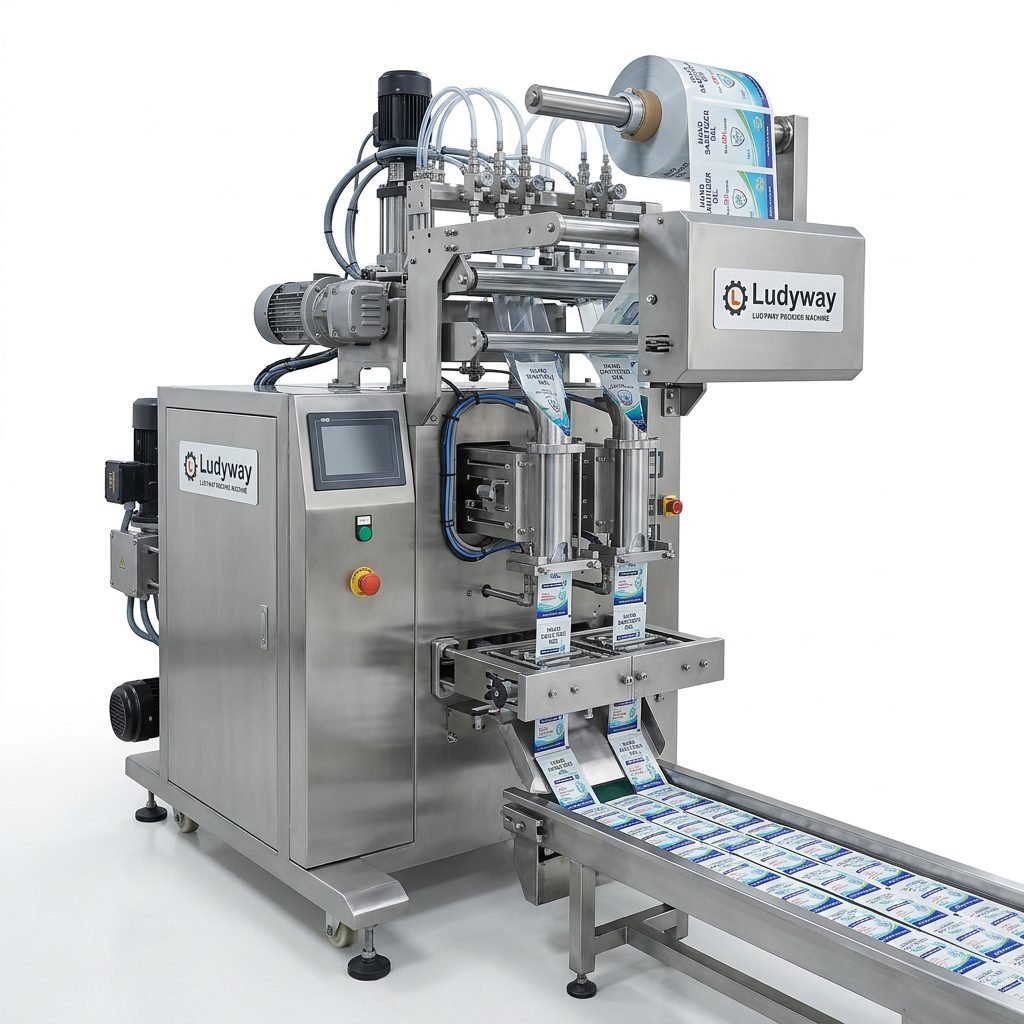
Ideal for creating pillow pouches or sachets, HFFS machines are often used for liquids, creams, or larger unit-dose products. The film is drawn horizontally, formed into pockets, filled, and then sealed with a top web of film. Key adaptations for water soluble film include:
🔹 Precision dosing systems for liquids to prevent spillage onto seal areas.
🔹 Advanced web tension control to ensure consistent film feed without stress.
This type is frequently used for packaging single-use bath oils, dishwasher liquids, or industrial lubricants in soluble pouches.
3. Pre-made Pouch Filling and Sealing Machines
This system uses pre-manufactured water soluble pouches. The machine automatically opens the pouch, fills it with the product, and then seals it (often using a moistened seal or solvent weld). The advantages are:
🔹 Reduced film waste and simpler machine mechanics.
🔹 Excellent for low to medium-speed production or products sensitive to the heat of traditional sealing.
It’s a popular choice for pharmaceutical applications or high-value additives where pouch integrity is critical.
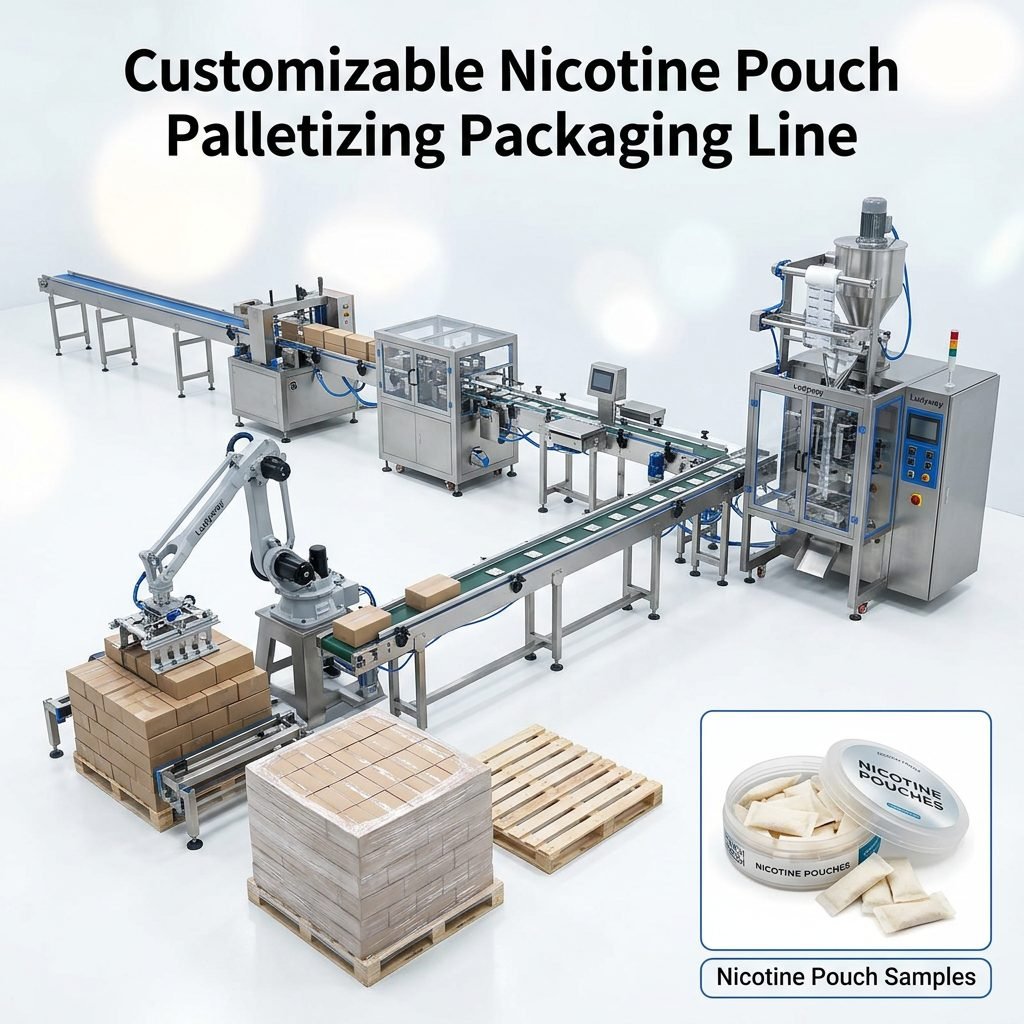
4. Complete Turnkey Production Lines
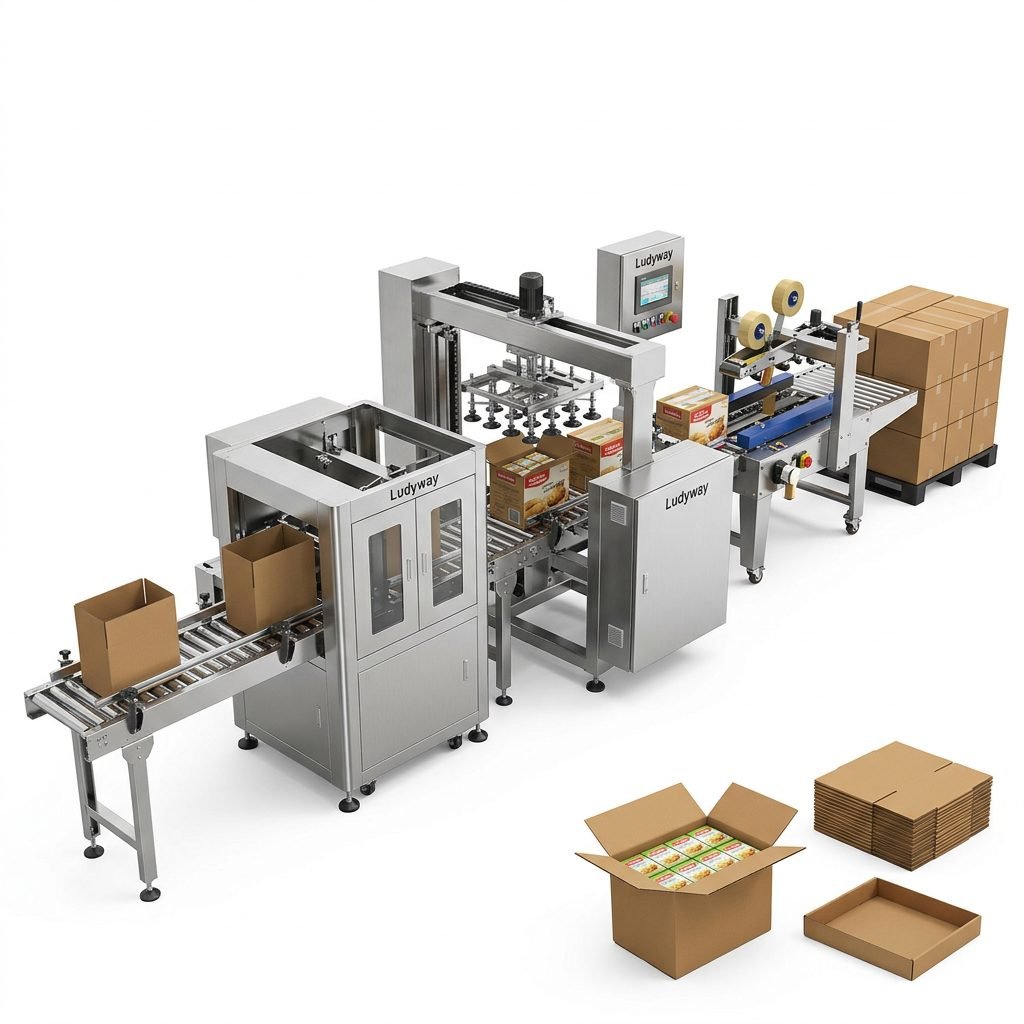
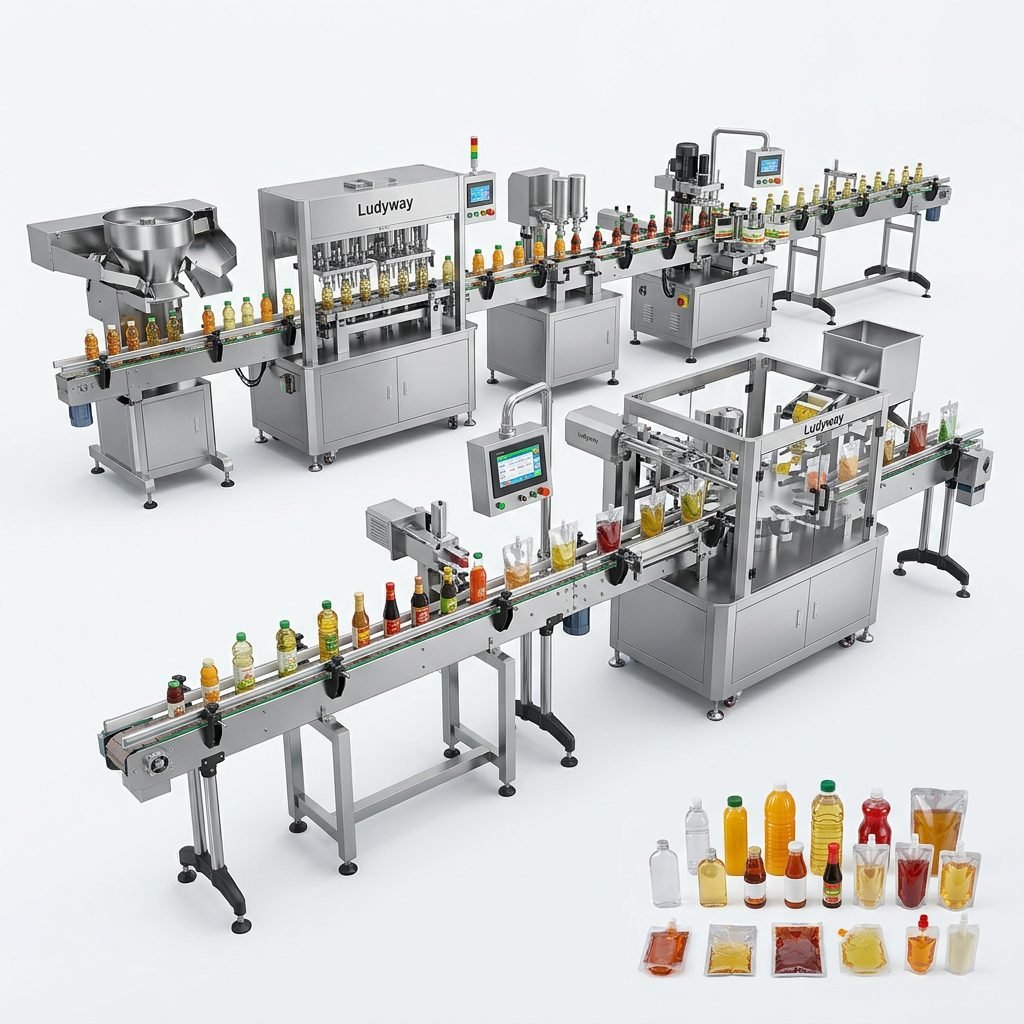
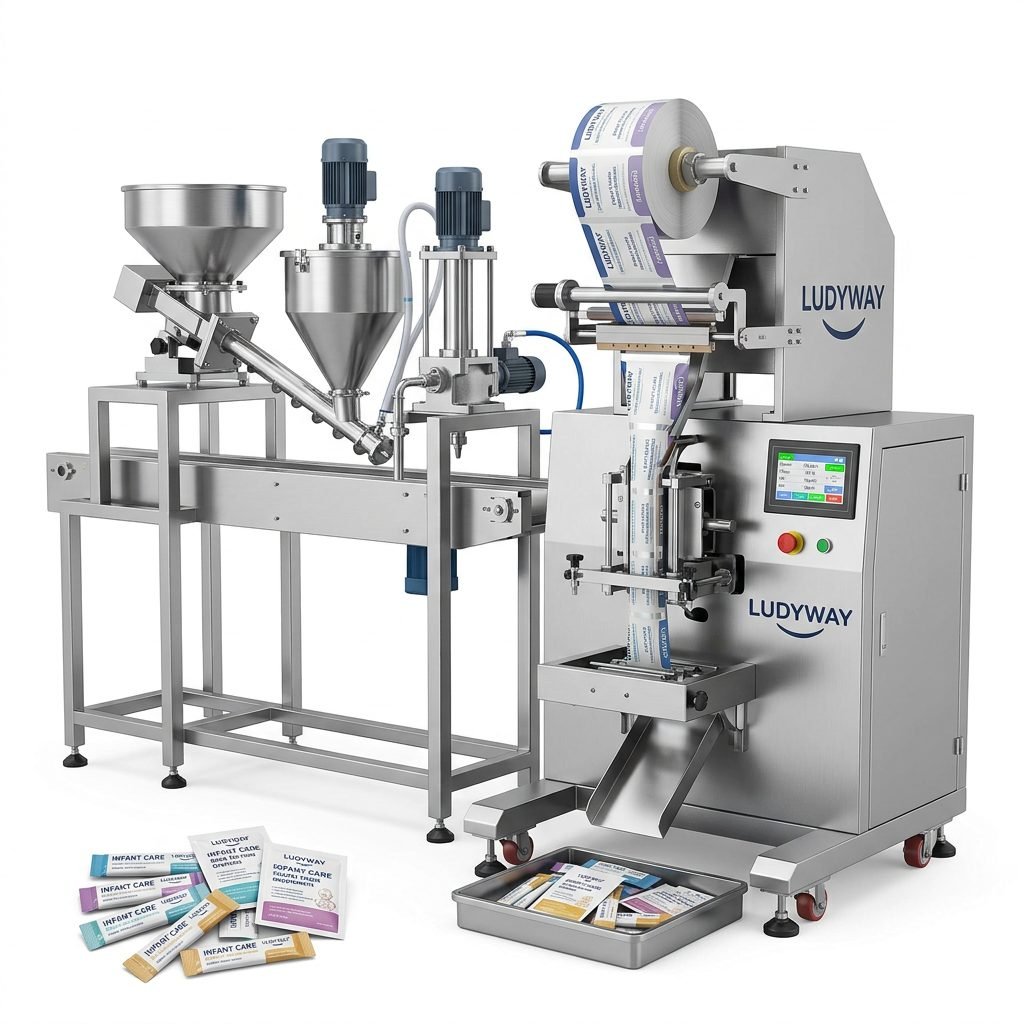
Beyond standalone machines, many manufacturers require integrated solutions. A turnkey line for producing items like laundry detergent pods might include:
🔹 A water soluble film packaging machine for the outer pouch.
🔹 An upstream machine for forming and filling the inner detergent gel or powder.
🔹 A collation and cartoning system for secondary packaging.
Suppliers like Ludyway Machinery specialize in designing and delivering such synchronized lines, ensuring compatibility between all components for optimal throughput and minimal downtime.
Essential Features and Technological Considerations
When selecting a machine, several features are non-negotiable for handling water soluble film effectively and maintaining product quality.
Humidity and Temperature Control
This is the most critical feature. Machines must have enclosed forming areas with dehumidification systems to keep relative humidity below 50-60%, depending on the film grade. Sealing jaws require digital PID temperature controllers with a narrow tolerance range (often ±1°C) to create strong seals without damaging the film’s solubility.
Gentle Film Handling and Precision Engineering
All components that contact the film—guide rollers, forming shoulders, belts—must be polished and designed to minimize friction. Servo-driven film feed systems provide superior accuracy over mechanical systems, reducing stress and preventing tears. Look for machines with user-friendly HMI (Human-Machine Interface) panels for easy parameter setting and recipe management, crucial for running different products or film types.
Hygienic Design and Material Compatibility
For food, pharmaceutical, or cosmetic applications, machines should have stainless steel contact parts and designs that allow for easy cleaning and prevent cross-contamination. The machine’s material of construction must also be compatible with the product being packaged, especially if it’s corrosive, as in many industrial chemical applications.
Global Applications and Market-Specific Insights
The application of water soluble film packaging is vast and growing, driven by environmental regulations and consumer demand for convenience and safety.
1. Household & Institutional Cleaning Products
This is the largest application, dominated by laundry and dishwasher detergent pods. In regions like North America and Europe, where convenience is highly valued, single-dose pods have revolutionized the market. The packaging machine must reliably produce thousands of perfectly sealed pods per hour to meet mass-market demand. The challenge lies in packaging multi-component formulas (liquid, powder, gel) into a single pouch without interaction until use.
2. Agrochemicals and Water Treatment
Unit-dose packaging of pesticides, herbicides, and fertilizers enhances farmer safety by minimizing exposure and ensuring accurate dosage. In agricultural communities in Asia and South America, this reduces the risk of handling errors. Similarly, pre-measured water treatment chemicals for pools or industrial use are safely contained until dissolved. Machines for this sector must be robust, often with corrosion-resistant parts, and capable of handling abrasive or dusty powders.
3. Food and Beverage Industries
Applications include single-serve portions of drink mixes, baking ingredients, or soup bases. In Japan and South Korea, where portion control and minimal waste are culturally ingrained, such products are popular. The machinery must comply with strict food safety standards (e.g., FDA, EU regulations) and often incorporate nitrogen gas flushing before sealing to extend the product’s shelf life by displacing oxygen.
4. Pharmaceutical and Personal Care
This includes packaging for unit-dose medications, bath salts, facial masks, or shampoo. In the pharmaceutical industry, the requirement for precision and validation is extreme. Machines must produce packages with near-100% integrity, often within Grade A or C cleanroom environments. For personal care, the appeal is the “dissolving experience,” which adds a premium feel. Turnkey providers with experience in GMP-compliant design are essential partners for these sectors.
Choosing the Right Machine Partner
Selecting a machinery supplier is as important as selecting the machine itself. A partner with deep expertise in water soluble film can prevent costly operational failures. Key considerations include:
Proven Experience: Look for a supplier with a portfolio of successful installations in your target industry. Request case studies or references.
Testing and Support: A reputable supplier will offer film and product testing in their facility to validate the machine setup before purchase. Comprehensive after-sales support, including spare parts availability and technician training, is critical for maintaining uptime.
Customization Capability: Off-the-shelf solutions may not suffice. Whether it’s a special feeding system for a unique product or integration with existing line equipment, the supplier’s engineering capability to customize is vital. Companies like Ludyway, with decades of industry experience, often provide these tailored engineering solutions, ensuring the machine fits the specific production need perfectly.
Frequently Asked Questions (FAQs)
1. What is the main advantage of using a specialized water soluble film packaging machine?
The primary advantage is reliability and quality assurance. Standard packaging machines cannot control humidity or apply the precise, gentle sealing required for water soluble film, leading to high waste rates from broken seals or dissolved film. Specialized machines are engineered to handle the film’s unique properties, ensuring consistent, leak-proof packages at high production speeds.
2. Can one machine run different types of water soluble film?
Yes, but with limitations. Most modern machines with servo drives and digital HMIs allow for saving different “recipes.” By changing parameters like sealing temperature, film feed speed, and jaw pressure, you can switch between films of different thicknesses or solubility grades. However, a significant change in film composition (e.g., from cold-water soluble to hot-water soluble) may require mechanical adjustments and should be tested with your machine supplier.
3. How do I maintain the correct humidity around the machine?
Specialized machines have built-in, integrated dehumidifiers for the critical film-forming zone. For optimal results, it is also recommended to operate the machine in a climate-controlled production room where overall ambient humidity is managed. Storing film rolls in their original, sealed packaging until immediately before use is also a crucial best practice.
4. What are the common causes of sealing defects with water soluble film?
Common causes include: incorrect jaw temperature (too low causes weak seals, too high burns the film), excessive humidity causing film tackiness, contamination on the sealing jaws, incorrect jaw pressure, or using film with inconsistent thickness. A systematic approach to troubleshooting, often guided by your machine supplier’s manual, is essential to resolve these issues.
5. Is automation possible with water soluble pouch packaging?
Absolutely. High-end systems are fully automated. This can include automated film roll loading, vision inspection systems to reject defective pouches, automated collation of pouches into cartons or bags, and robotic palletizing. The level of automation depends on your production volume and investment goals, and can be designed into a complete turnkey production line from the outset.