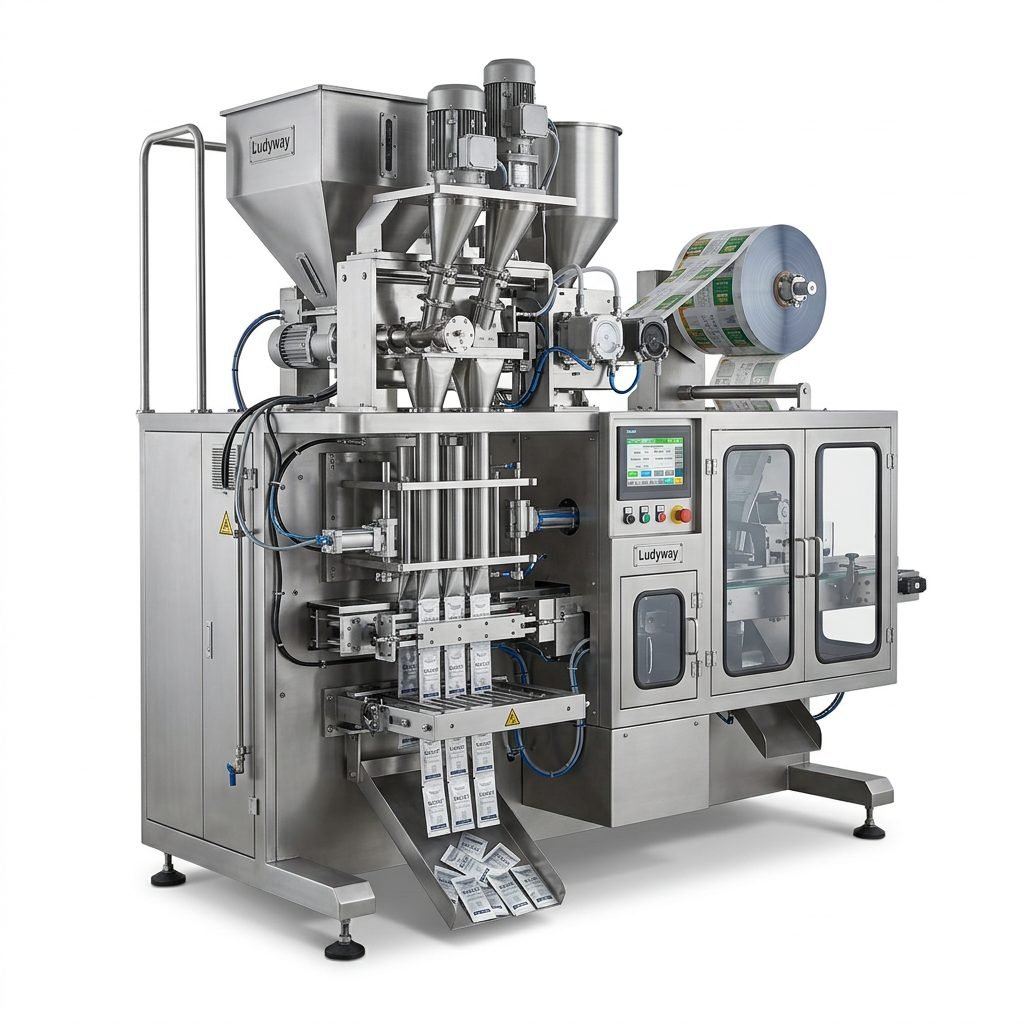
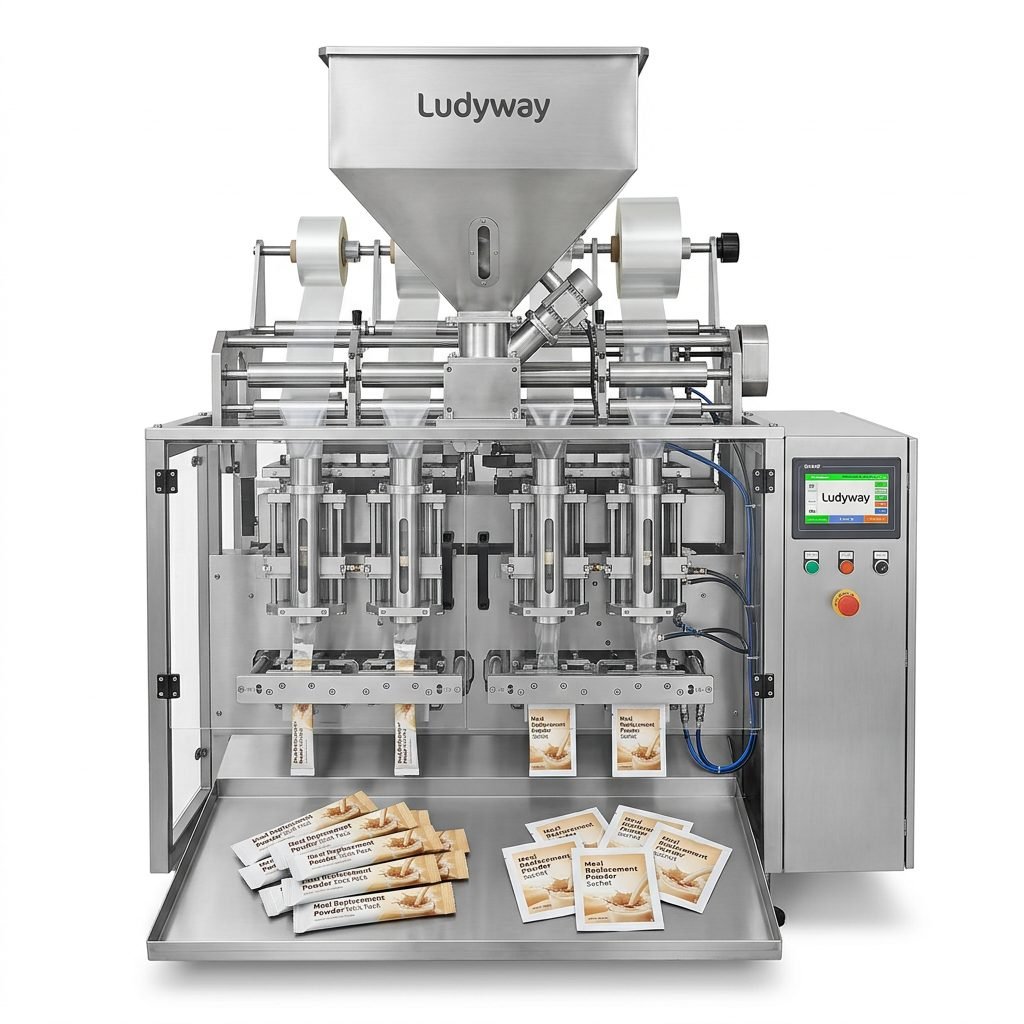
Skin packaging is a widely used method for securing products on a backing card using a transparent plastic film. The Ampak skin packaging machine is a key player in this field, offering efficiency and reliability for various industries. This guide will walk you through how to choose, use, and optimize an Ampak skin packaging machine to achieve superior packaging results.
Understanding Ampak Skin Packaging Machines
An Ampak skin packaging machine heats a plastic film until it becomes pliable, then uses vacuum pressure to drape it tightly over a product placed on a pre-printed card. This creates a secure, tamper-evident, and visually appealing package. These machines are favored for their ability to handle a diverse range of products, from hardware and tools to consumer goods and food items, providing excellent product visibility and protection.
Key Advantage: The primary benefit of using an Ampak machine is its consistent sealing quality and user-friendly operation, which reduces material waste and increases production line throughput.
Core Components and How They Work
The machine’s operation hinges on several critical components working in harmony:
- Heating Element: Evenly heats the plastic film to the precise temperature required for forming.
- Vacuum System: Creates the suction necessary to pull the film tightly over the product and card.
- Sealing Frame/Platen: Applies pressure to seal the film to the backing card, creating a clean, finished edge.
- Control Panel: The user interface for setting parameters like temperature, vacuum time, and seal time.
How to Choose the Right Ampak Skin Packaging Machine
Selecting the correct machine is crucial for your packaging success. Consider these factors:
1. Assess Your Production Volume and Speed
Match the machine’s cycle speed (packages per hour) to your daily output requirements. High-volume operations will benefit from automated feeding systems integrated with the skin pack machine.
2. Determine Your Product Size and Material Needs
The machine’s platen size must accommodate your largest product and card. Also, ensure it is compatible with the film thickness (gauge) and type (e.g., PVC, PET) you plan to use.
Pro Tip: Future-Proof Your Investment
Choose a machine with a slightly larger platen size and higher speed capability than your current needs. This allows for flexibility if your product line or order volume expands in the future.
3. Evaluate Automation Level
From manual (operator loads each product) to fully automatic (integrated with a conveyor system), the level of automation directly impacts labor costs and throughput. Your choice should align with your budget and operational scale.
4. Consider Safety and Ease of Use
Look for machines with safety features like thermal overload protection and clear safety guards. An intuitive control panel with programmable settings simplifies operation and reduces training time.
Optimizing Your Machine for Better Packaging Results
Proper setup and maintenance are the keys to consistent, high-quality packaging and a long machine lifespan.
Optimal Machine Setup and Calibration
Start with the manufacturer’s recommended settings for your specific film and card stock. Fine-tune from there:
- Temperature: Too low causes wrinkles; too high causes film burn-through or thinning.
- Vacuum Strength & Time: Ensures the film conforms to every product contour without air pockets.
- Seal Time & Pressure: Creates a strong, clean bond between the film and the card without warping.
Material Selection and Compatibility
The right materials prevent most common issues. Use a backing card with a compatible heat-seal coating. Ensure the plastic film’s gauge and formulation are suited for your product’s shape and the machine’s heating system. Consulting with your packaging material supplier is essential.
Routine Maintenance for Peak Performance
A simple maintenance routine prevents downtime:
- Daily: Clean the sealing platen and check for film debris.
- Weekly: Inspect the vacuum pump oil level and check all seals and gaskets for wear.
- Monthly: Verify the calibration of heating elements and thermostat.
Troubleshooting Common Skin Packaging Issues
Even well-tuned machines can encounter problems. Here’s a quick guide to diagnosing frequent issues:
Problem: Wrinkles or Webbing in the Film.
Likely Cause: Insufficient heat or uneven heating.
Solution: Increase heating temperature evenly or check for faulty heating elements.
Problem: Film Not Sealing to the Card.
Likely Cause: Incorrect card coating, low seal pressure, or insufficient seal time.
Solution: Verify card compatibility, increase seal pressure/time.
Problem: Air Pockets or Poor Conformation.
Likely Cause: Weak vacuum, vacuum leaks, or too-rapid film draw.
Solution: Check vacuum pump, inspect hoses and seals for leaks, increase vacuum time.
Conclusion
Mastering the use of an Ampak skin packaging machine involves a thoughtful selection process, precise calibration, and diligent maintenance. By understanding the machine’s mechanics, choosing the right model for your needs, and implementing optimization strategies, you can achieve durable, attractive, and professional packaging that enhances product presentation and security. For businesses looking to scale, exploring fully automated packaging lines that incorporate skin packaging can be the logical next step.
Frequently Asked Questions (FAQs)
Q1: What types of products are best suited for skin packaging with an Ampak machine?
A: Ampak machines are highly versatile. They are ideal for retail items like hardware, tools, electronics, batteries, stationery, and small consumer goods. They are also excellent for food items like cheeses, meats, and baked goods when using food-grade films, as the package is airtight and tamper-evident.
Q2: How do I choose between PVC and PET film for my application?
A: PVC is more common, cost-effective, and offers excellent clarity and forming capabilities. PET is a stronger, more environmentally friendly alternative with better rigidity and clarity, often used for heavier items. Your choice depends on product weight, desired package rigidity, and sustainability goals.
Q3: Can I use recycled cards for skin packaging?
A: Yes, but with caution. The card must have a consistent, high-quality heat-seal coating applied to its surface to bond with the film. Always test a sample batch with your specific film and machine settings to ensure seal integrity before full-scale production.
Q4: My machine is producing weak seals. What should I check first?
A: First, verify the seal time and pressure settings are correct. Then, check the temperature of the sealing platen—it may be too low. Finally, confirm you are using the correct backing card with an active heat-seal coating. Contamination on the platen or card can also cause weak seals.
Q5: What regular maintenance is most critical for an Ampak skin packaging machine?
A> The two most critical routines are: 1) Keeping the vacuum system in good health by checking pump oil and ensuring all seals are airtight, and 2) Maintaining the heating system by keeping elements clean and properly calibrated. Neglecting these can lead to the most common operational faults.