In today’s fast-paced global manufacturing landscape, the demand for high-efficiency packaging machinery has never been greater. For industries handling food, pharmaceuticals, and consumer goods, packaging is not merely a final step—it’s a critical component that ensures product integrity, safety, shelf appeal, and operational profitability. Selecting the right packaging solutions directly impacts production speed, cost control, and market competitiveness.
The Critical Role of Specialized Packaging Machinery
Each sector—food, pharma, consumer goods—presents unique challenges that generic equipment cannot adequately address. Specialized, high-efficiency machinery is engineered to meet these specific demands head-on.
Food Industry Requirements
Food packaging must prioritize hygiene, freshness preservation, and often, high-speed throughput for large volumes. Machinery must handle diverse product forms—from granules and powders to liquids and pastes—while ensuring airtight seals to prevent contamination and extend shelf life. Compliance with food safety standards like HACCP and GMP is non-negotiable. Modern solutions often incorporate features like nitrogen flushing for snack foods or precision liquid filling for sauces and dressings.
Pharmaceutical & Health Industry Demands
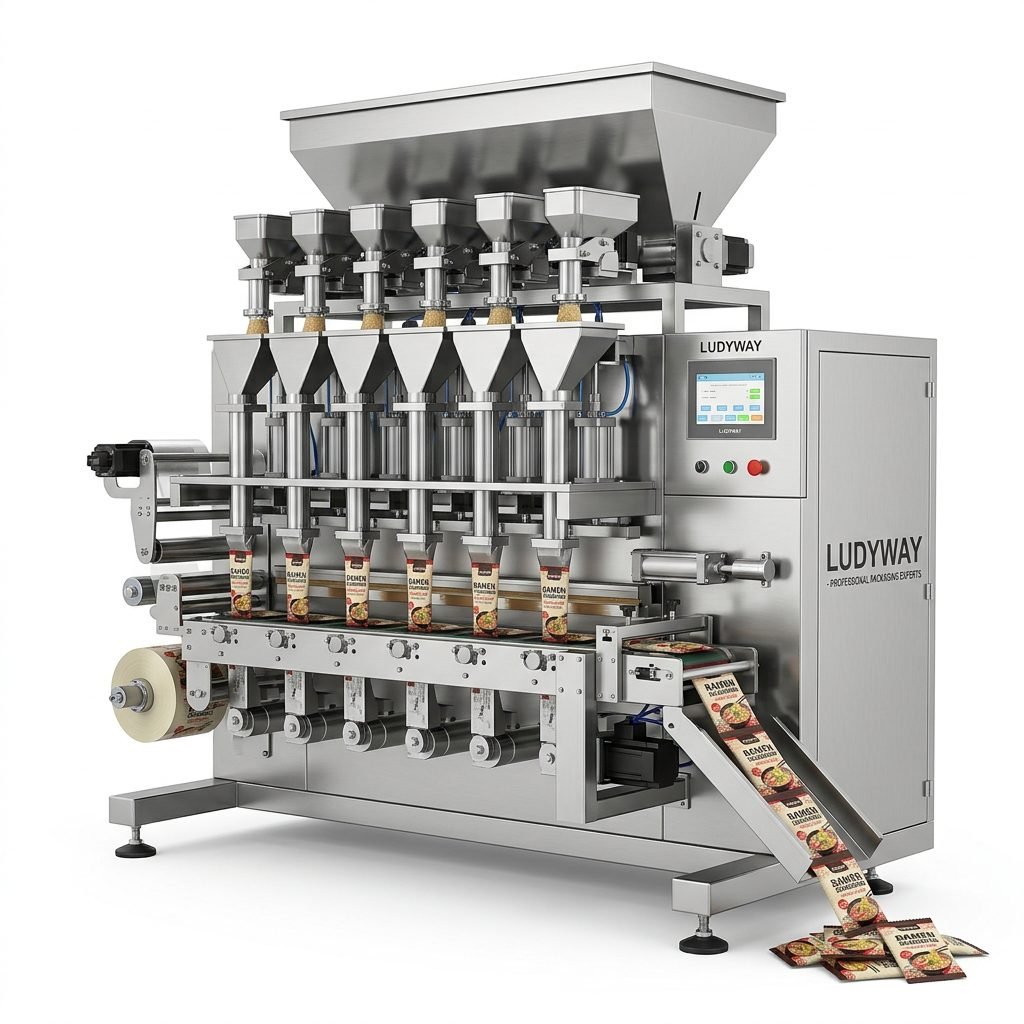
This sector demands the utmost precision and sterility. Packaging equipment must deliver accurate dosing for powders and granules, often in small sachet or stick pack formats for single-dose applications. Traceability, tamper-evidence, and compliance with stringent regulations (e.g., FDA, cGMP) are paramount. Machinery must be constructed with cleanability in mind, often using stainless steel and offering easy changeover for different product batches to prevent cross-contamination.
Consumer Goods Packaging Needs
For items like detergents, cosmetics, or hardware products, packaging serves as a powerful marketing tool. Efficiency here combines speed with versatility—machines must handle various packaging materials (laminates, films, pouches) and create consistent, high-quality seals that are both durable and visually appealing. Quick changeover systems are vital for manufacturers producing multiple SKUs on the same line.
Core Technologies in High-Efficiency Packaging
The leap from standard to high-efficiency packaging is driven by several core technological advancements integrated into modern machinery.
1. Advanced Automation & PLC Control
Modern packaging lines are governed by sophisticated Programmable Logic Controllers (PLCs) and touch-screen HMIs (Human-Machine Interfaces). This allows for:
- Precision Control: Exact control over filling weights, seal temperatures, and cutting lengths.
- Recipe Management: Storage of settings for different products, enabling fast, error-free changeovers.
- Self-Diagnostics: Machines can alert operators to potential issues like film jams or heater faults, minimizing downtime.
2. Multi-Lane & High-Speed Configurations
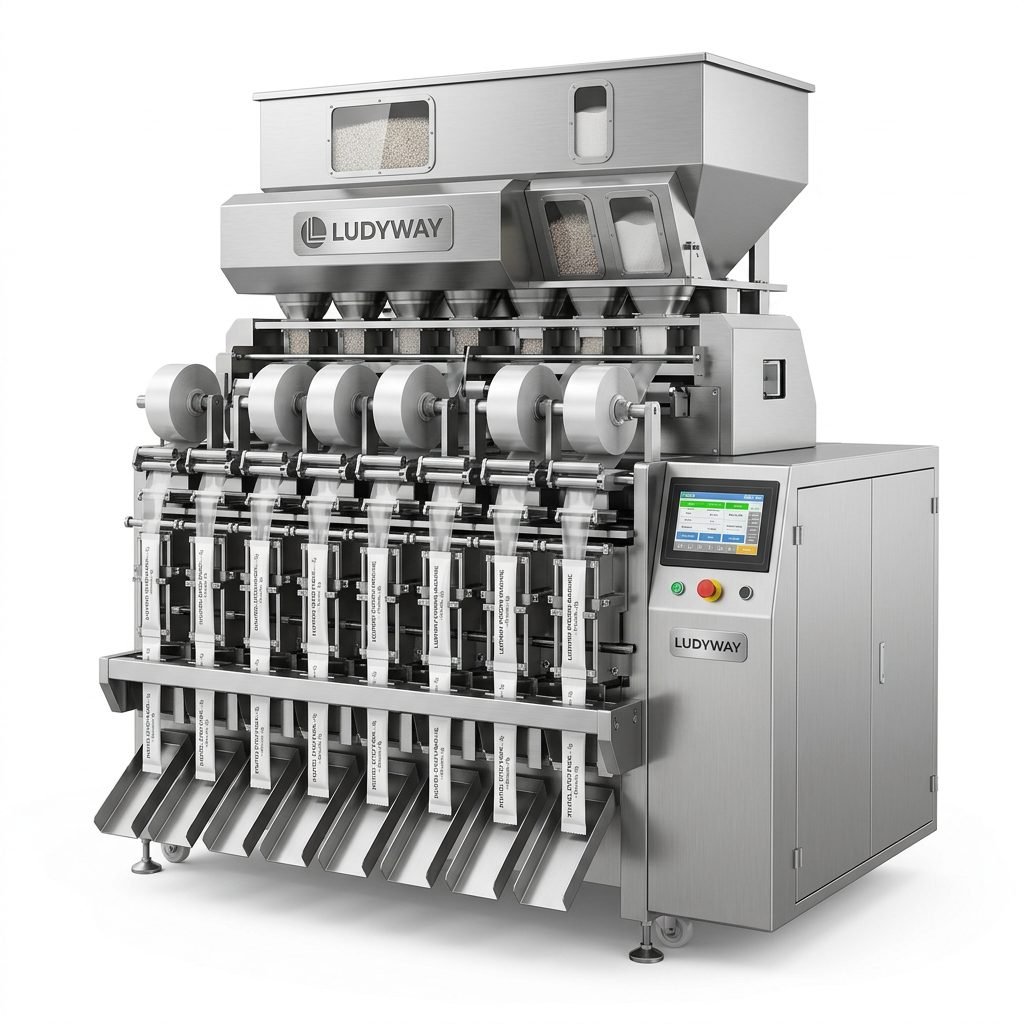
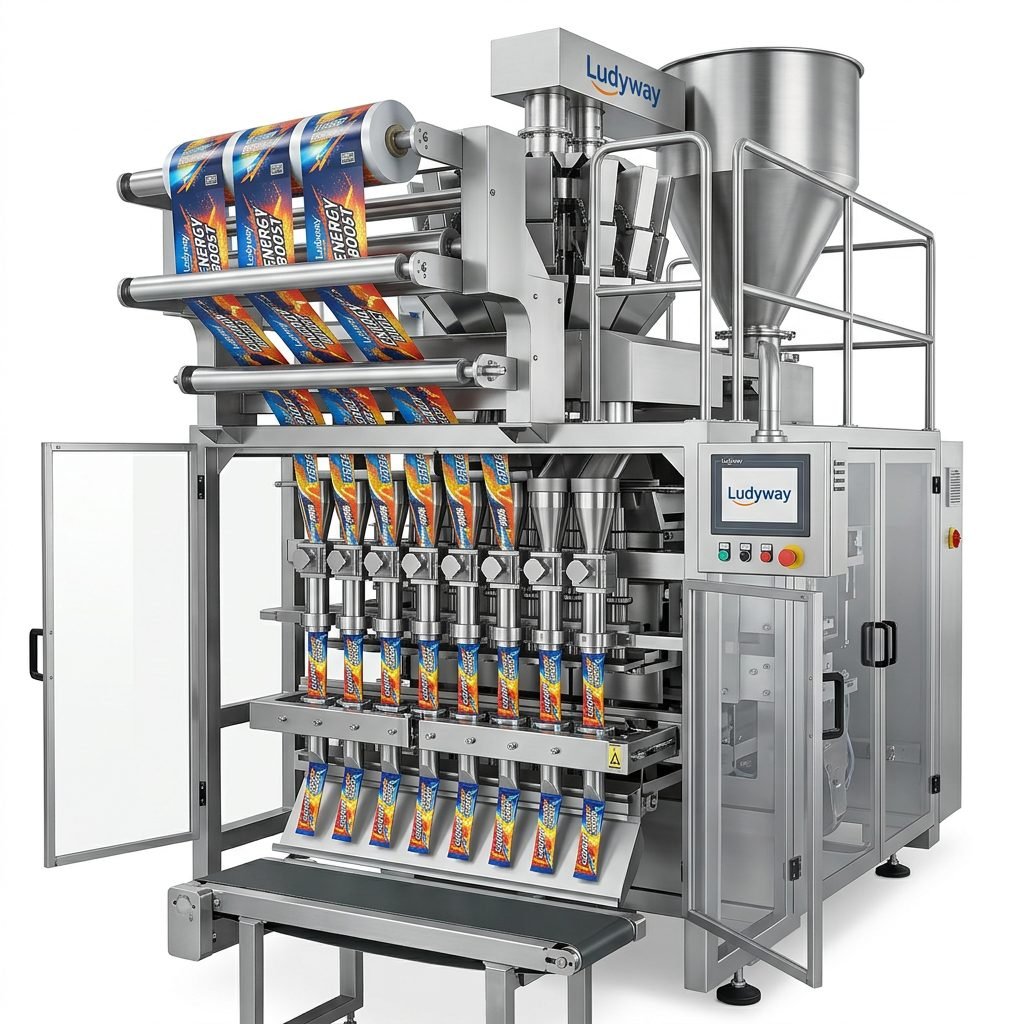
To maximize output, high-efficiency machines often employ multi-lane designs. Instead of a single packaging lane, machines can have 2, 4, 8, or even more lanes running in parallel. This multiplies output without exponentially increasing the machine’s footprint or energy consumption, making it a key solution for large-scale production.
3. Intelligent Weighing & Filling Systems
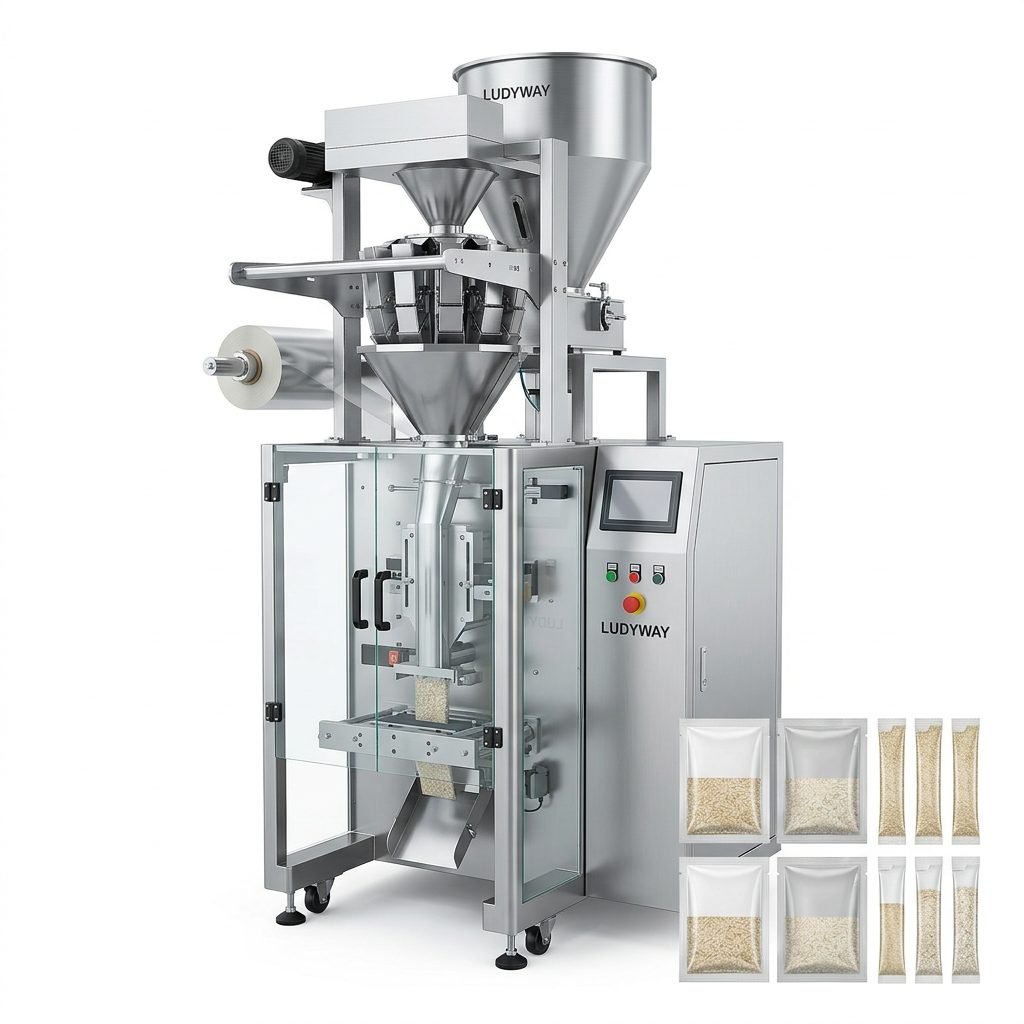
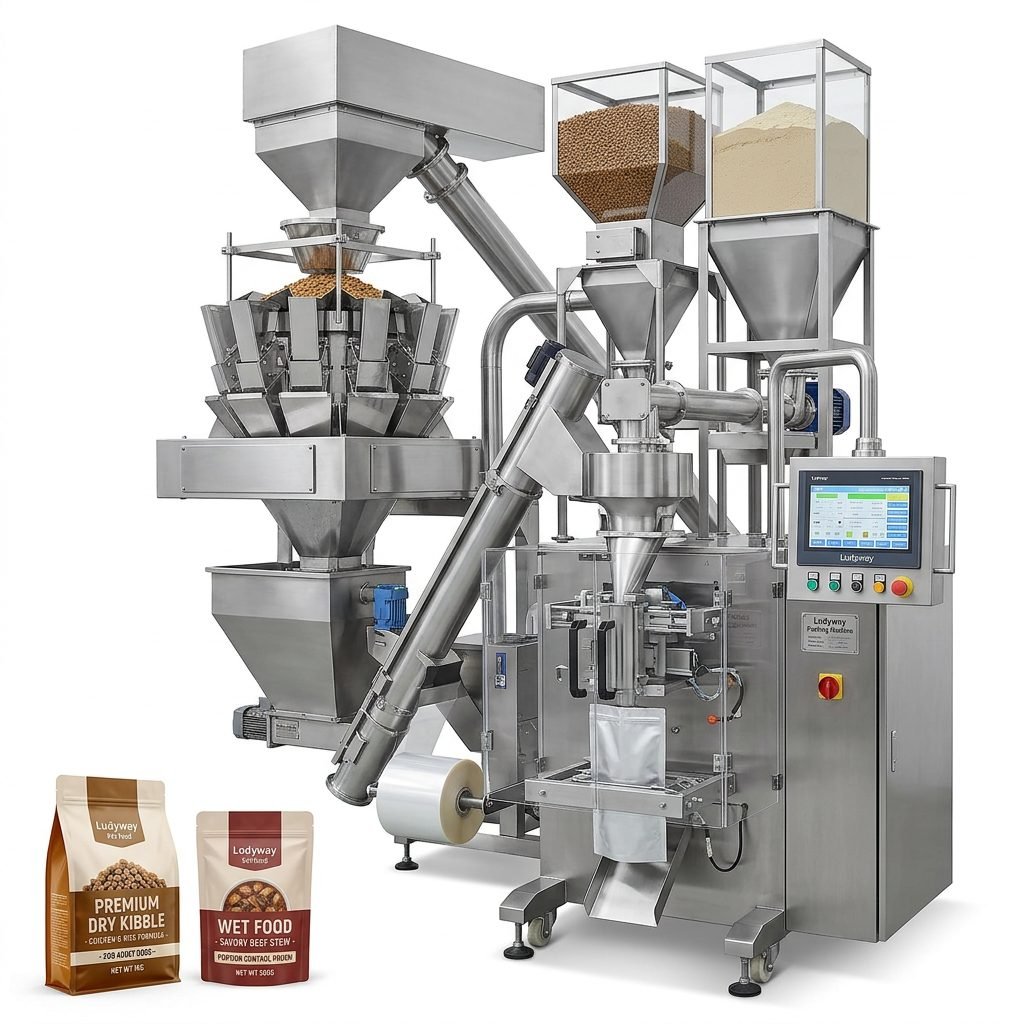
Accuracy directly affects profitability and compliance. Technologies like multi-head weighers for granules and powders, and servo-driven piston fillers for liquids, ensure each package meets the exact specified weight or volume. This reduces product giveaway and ensures regulatory compliance, especially critical in the pharmaceutical industry.
4. Robust Sealing Mechanisms
The integrity of the package depends on the seal. High-efficiency machines utilize precisely controlled heat sealing jaws (for thermoplastic films) or ultrasonic sealing (for certain laminates). Consistent temperature control and pressure ensure strong, hermetic seals that protect the product and withstand logistics.
Benefits of Investing in Optimized Packaging Solutions
Transitioning to high-efficiency machinery delivers a compelling return on investment across multiple fronts.
Substantial Increase in Production Output: Multi-lane systems and higher operational speeds can often double or triple line output compared to older, single-lane machines.
Significant Reduction in Operational Costs: Greater accuracy minimizes product waste. Automated systems reduce labor dependency and human error. Energy-efficient drives and heaters lower utility costs.
Enhanced Product Quality & Safety: Consistent, reliable sealing and filling drastically reduce the rate of defective packages, protecting brand reputation and ensuring consumer safety.
Improved Flexibility & Scalability: Modular machines and quick-change parts allow a single production line to handle a wider range of package sizes and products, adapting quickly to market demands.
Data-Driven Insights for Continuous Improvement: Modern machines can output production data (OEE, output counts, downtime reasons), enabling managers to identify bottlenecks and optimize processes further.
Implementing a High-Efficiency Packaging Line: Key Considerations
Successfully upgrading your packaging operation requires careful planning.
Thorough Needs Analysis
Begin by auditing your current process. What are your primary products (granules, powder, liquid)? What are your required output speeds (packs per minute)? What packaging materials do you use? What are your biggest pain points (downtime, waste, slow changeovers)?
Choosing the Right Partner
Select a machinery provider with proven expertise in your specific industry. Look for a partner with a strong track record, like Ludyway Packing Machine, which brings over 30 years of industry experience and offers more than 50 intelligent packaging machine models. A partner with a comprehensive company profile demonstrating global service and engineering support is crucial for long-term success.
Focus on Service & Support
The machine’s quality is only half the equation. Ensure your supplier offers robust after-sales support, including training, readily available spare parts, and responsive technical service. This minimizes potential disruptions and extends the equipment’s lifecycle.
Planning for Integration
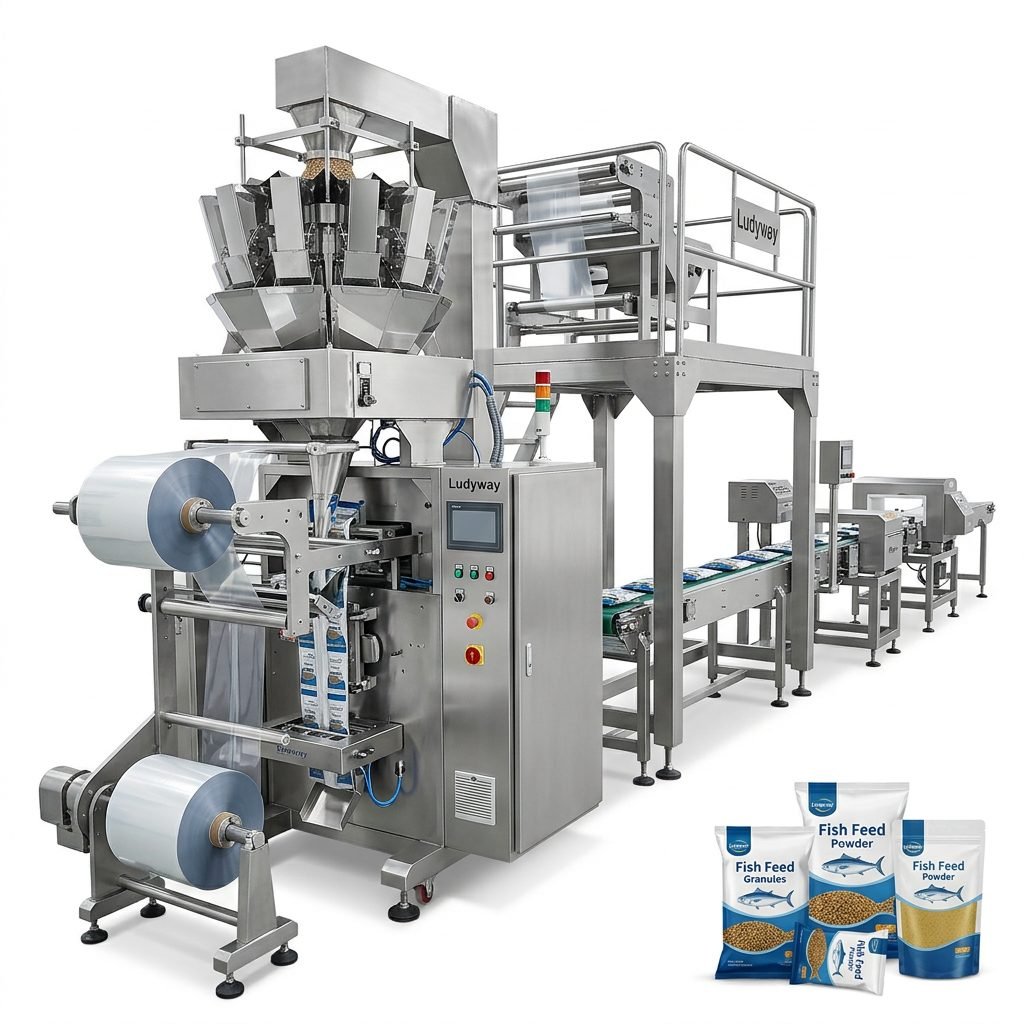
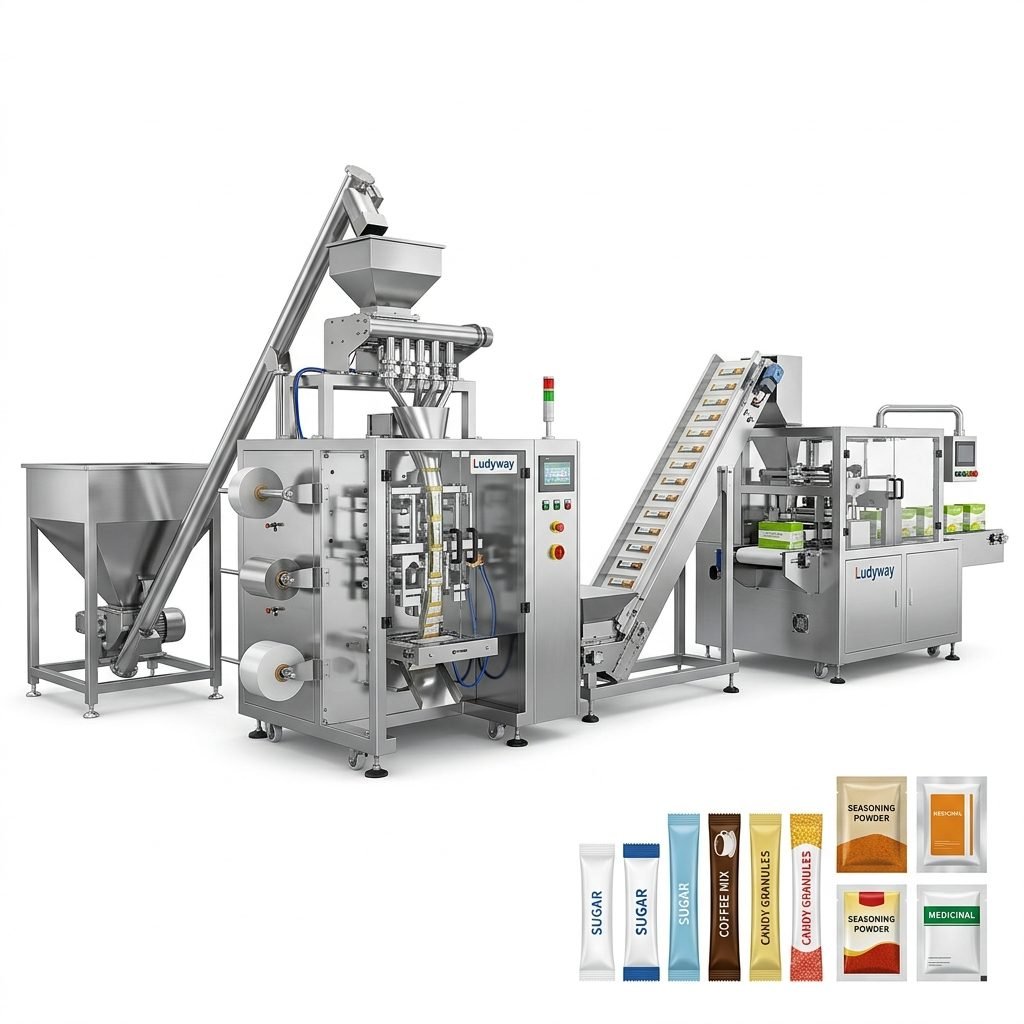
Consider how the new machinery will integrate with your existing upstream (production) and downstream (cartoning, case packing) processes. A partner experienced in turnkey solutions can help design a seamless, efficient line.
Future Trends: The Next Wave of Packaging Efficiency
The evolution continues. Emerging trends are set to redefine efficiency further:
- IoT & Industry 4.0 Integration: Machines becoming nodes in a smart factory network, enabling predictive maintenance and real-time production optimization from a central dashboard.
- Sustainable Packaging Compatibility: Machinery adaptable to bio-based, compostable, or mono-material films that are harder to seal than conventional plastics.
- Advanced Vision Inspection Systems: AI-powered cameras integrated into the line to inspect every pack for seal defects, fill levels, and print quality, ensuring zero defects.
- Hyper-Flexibility: Further reduction of changeover times to near-instantaneous, supporting the trend toward micro-batches and personalized products.
Investing in high-efficiency packaging machinery is a strategic decision that goes beyond mere equipment purchase. It is an investment in greater productivity, superior product quality, reduced operational waste, and enhanced market agility. For manufacturers in the food, pharmaceutical, and consumer goods sectors, leveraging specialized, automated solutions is no longer a luxury but a necessity to thrive in a competitive global marketplace. By partnering with an experienced provider and focusing on a holistic implementation strategy, businesses can build packaging operations that are not only efficient today but are also prepared for the innovations of tomorrow.
Frequently Asked Questions (FAQs)
1. What are the main advantages of multi-lane packaging machines?
Multi-lane machines dramatically increase output by running several packaging lanes simultaneously from a single infeed. They offer a better return on investment and floor space utilization compared to running multiple single-lane machines, while maintaining consistent quality and control from one central system.
2. How can I ensure the packaging machine is compliant with food or pharmaceutical safety standards?
Choose machinery constructed with appropriate materials (e.g., food-grade stainless steel, smooth surfaces) designed for easy cleaning and sanitization. Ensure the supplier provides documentation and design features that comply with relevant standards (GMP, HACCP, FDA requirements for contact parts). Reputable suppliers design with these regulations in mind.
3. What is the typical lead time for a new high-efficiency packaging line?
Lead times vary based on the machine’s complexity and customization. Standard models may ship in a few weeks, while fully customized turnkey lines can require several months for design, manufacturing, and testing. A detailed project timeline should be established with your supplier during the planning phase.
4. How important is after-sales service and support?
Extremely important. Reliable technical support, availability of genuine spare parts, and operator training are critical for minimizing downtime and ensuring the long-term productivity and lifespan of your investment. Always evaluate a supplier’s service network and support commitments.
5. Can new machinery be integrated with our existing production equipment?
In most cases, yes. Experienced packaging solution providers can design interfacing conveyors, control system integrations, and mechanical adaptations to connect new packaging machines with existing mixers, fillers, or cartoners. A site audit and detailed discussion of your current line are essential first steps.